REVIEW · SIEM REAP
Siem Reap: Angkor Temples Tour – Shared Tours tours guide
Book on GetYourGuide →Operated by Etrip Asia · Bookable on GetYourGuide
Siem Reap at sunrise is already a plan, and this tour aims straight for the best Angkor moments. I like the fact you get an English-speaking guide to explain Khmer art, history, and the temples’ stories, not just drive-by photos. You’ll also hit multiple classic zones in one day, including Ta Prohm, Bayon, Angkor Thom, and Angkor Wat, plus a hill viewpoint for sunset.
One thing to watch: the highlights promise sunrise at Angkor Wat, but the pickup time listed here is 9am. That timing mismatch isn’t automatically a deal-breaker, but it is worth asking them to confirm what you’ll do for sunrise, and when you’ll actually arrive at the viewpoints.
In This Review
- Quick Hits Worth Knowing Before You Go
- Price and What You’re Actually Paying For
- Pickup at 9am: How the Day Starts (And Why Timing Matters)
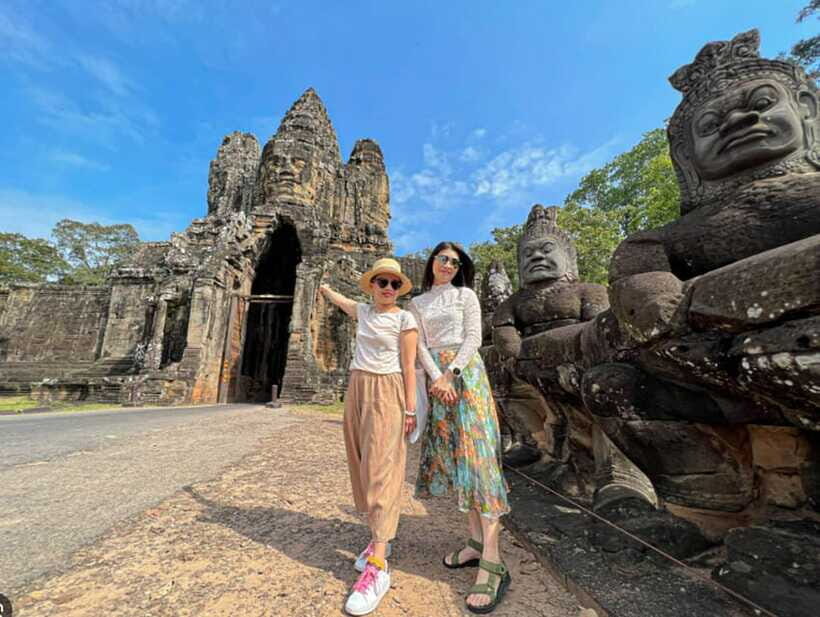
- The South Gate Start: First Views of Angkor Thom’s Big City Walls
- Bayon and Ta Prohm: Stone Faces and Jungle Roots
- After Lunch: The Transition Toward Angkor Wat
- Angkor Wat Views: Trees, Stones, and the Payoff Temple
- Bakheng Hill at Sunset: King Jayavarman VII’s Viewpoint
- Shared vs Private Tour: How to Choose the Right Feel
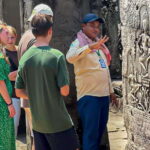
- Guide and Cultural Context: Why Explanations Matter in Angkor
- Who This Tour Fits Best
- Should You Book This Angkor Tour?
- FAQ
- How long is the Siem Reap Angkor temples tour?
- What time is hotel pickup?
- Do I need an Angkor pass for this tour?
- What is included in the $22 per person price?
- What is not included?
- Can I choose a shared group or private tour?
Quick Hits Worth Knowing Before You Go
- Hotel pickup plus round-trip transfers mean you spend your time sightseeing, not figuring out roads and entrances.
- An English-speaking live guide helps you connect what you see at Angkor to the Khmer empire and temple design.
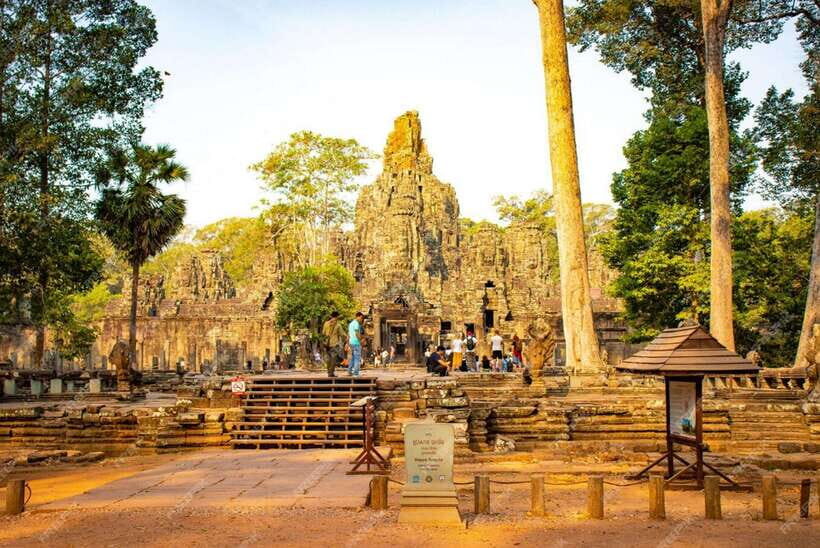
- Ta Prohm (Prohm) + Bayon + Angkor Thom gives you three major moods: jungle temple, stone face gates, and big-city Angkor.
- Angkor Wat with tree-framed stone views lets you experience the temple in a quieter, close-up way instead of just the postcard angle.
- Bakheng Hill at sunset adds a payoff viewpoint built in the late 12th century by King Jayavarman VII.
- You can choose shared or private so you control how much talking you want and how flexible your pace feels.
Price and What You’re Actually Paying For
The tour is listed at $22 per person for an 8-hour day. That price covers the essentials you’d otherwise pay separately: an English-speaking guide, bottled water, a cold towel, and round-trip transfers from your hotel. In other words, you’re mostly paying for time, convenience, and interpretation.
Temple entry is where the real budgeting comes in. You’ll need an Angkor pass to enter the temples, and the tour listing says Angkor Wat admission is not included. The pass options listed are USD 37 (1 day), USD 62 (3 day), or USD 72 (7 day), and they must be used on consecutive days. If you’re only doing this tour on one day, the one-day pass is the clean match to that schedule.
Also note that meals and beverages aren’t included. The itinerary mentions lunch on the way, but you’ll want to plan to cover your own lunch stop and drinks.
You can also read our reviews of more guided tours in Siem Reap
Pickup at 9am: How the Day Starts (And Why Timing Matters)
Pickup is described as an early start from your hotel, with 9am noted as the pickup time in the schedule. You’ll travel to the Angkor area and begin at the main entrance linked with the south gate region.
Here’s the practical part: Angkor is a place where timing changes your experience. Morning light can make the stones feel different and crowds can shift fast. Since this listing also mentions sunrise views, I’d treat this as a timing question to confirm directly with the operator—especially if sunrise is the main reason you booked.
You’ll want to be ready at pickup time with water on board. Bottled water and a cold towel are included, but you’ll still feel the heat and dust once you start walking the temple grounds.
The South Gate Start: First Views of Angkor Thom’s Big City Walls
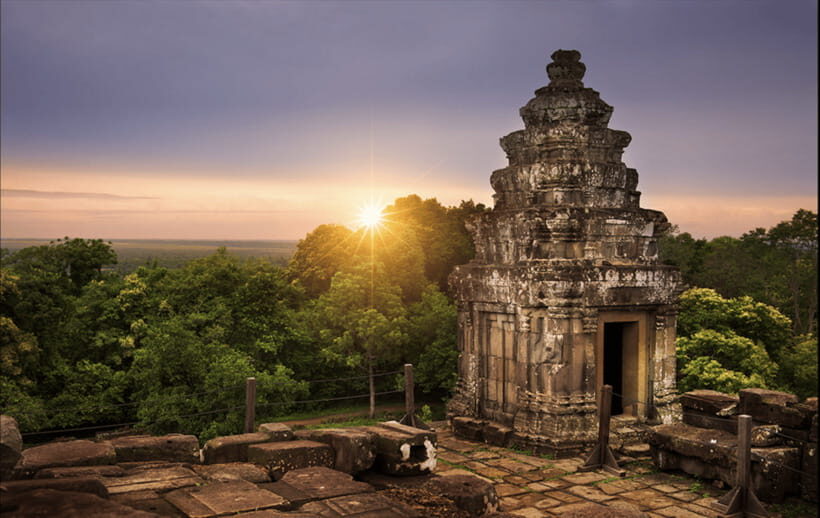
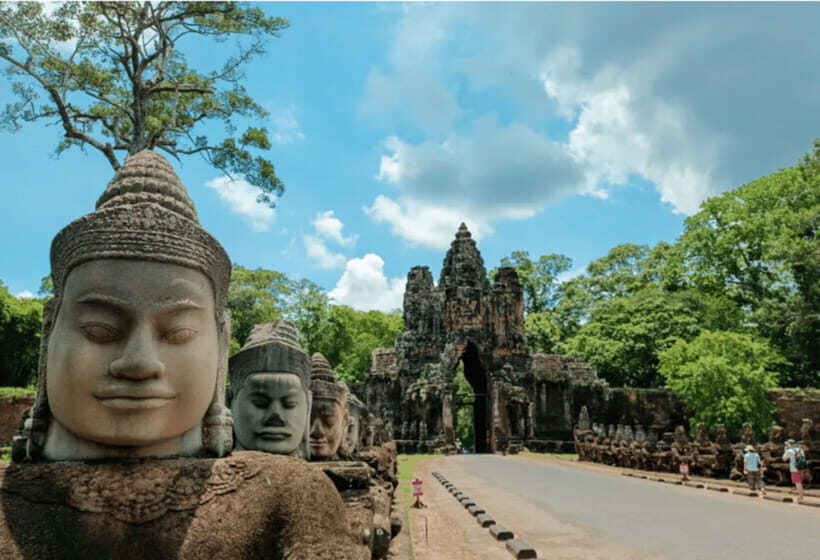
After pickup, you’ll head toward the main entrance of the south gate area. From there, the tour moves into Angkor Thom, beginning with the South Gate itself.
This is a strong start because the South Gate of Angkor Thom sets the scale. It’s one of those moments where your brain goes from I saw pictures to Oh wow, this is a whole city layout. Your guide’s role matters here: you’re not just looking at walls and arches, you’re hearing how the Khmer empire used sacred space, gates, and processional routes.
If you like understanding what you’re seeing, this section pays off. If you only want quick photos, you might feel slightly more “history lesson” than “run-and-gun.” Either way, it’s a good entry point before the temples get more detailed.
Bayon and Ta Prohm: Stone Faces and Jungle Roots
Next comes the heart of Angkor Thom: you’ll visit the South Gate area again with time for Bayon and then Ta Prohm (spelled as Taprohm / Prohm in the listing). These two stops are a great contrast.
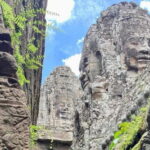
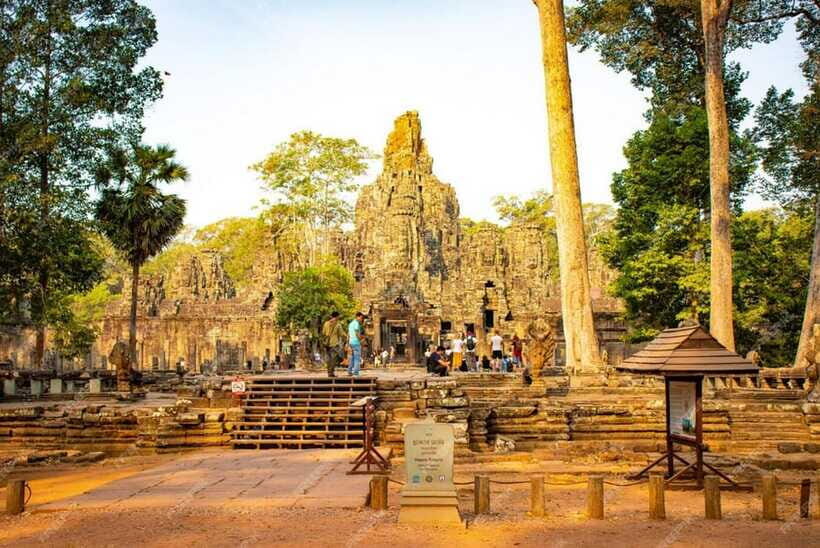
Bayon is about faces and alignment. The vibe is less about jungle drama and more about the feeling of a city built around symbolism and power. Your guide’s explanations of historical facts about the Khmer empire are especially useful here, because the carvings and layout can look random if you don’t have the story.
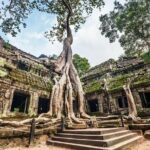
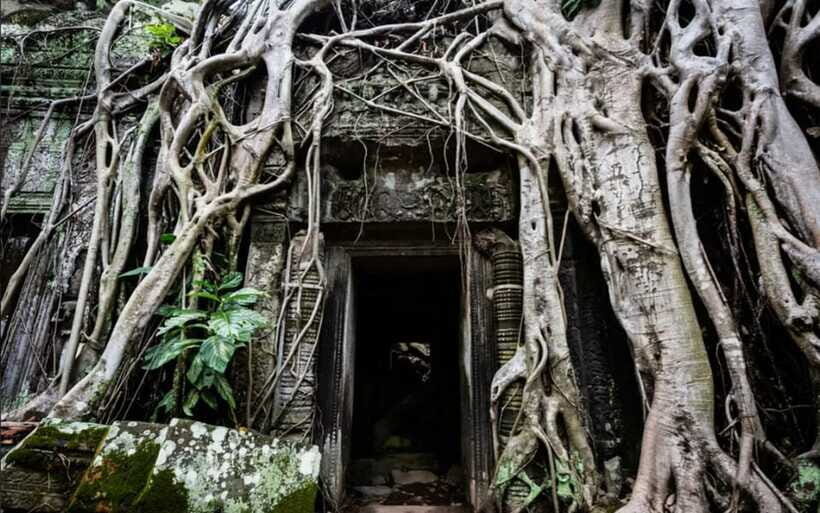
Then Ta Prohm swings the mood. This is the famous jungle temple—stone and roots together, and the place where Angkor feels alive rather than just monumental. Even if you’ve seen images before, being there changes the feel: you notice textures, shadows, and the way the temple framing shifts with where you stand.
A practical note: Ta Prohm can mean more uneven ground and more humidity. Wear shoes you trust and keep an eye on where you’re stepping.
After Lunch: The Transition Toward Angkor Wat
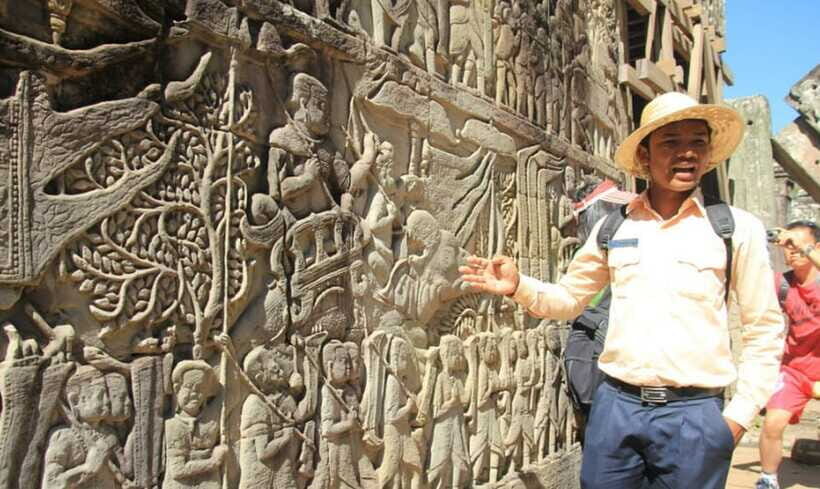
The schedule includes lunch, and meals aren’t included. That means you’ll likely have a break where you can buy food and reset before you go back into temple mode.
I find this pacing helpful. Angkor Wat is a bigger mental and physical commitment than a quick stop. Taking a real lunch pause makes it more likely you’ll enjoy the later viewpoint sections instead of rushing through them just to get done.
Before you continue, make sure you’ve refilled water. The tour provides bottled water, but it’s still smart to keep track of how much you’ve had after the morning walking.



Angkor Wat Views: Trees, Stones, and the Payoff Temple
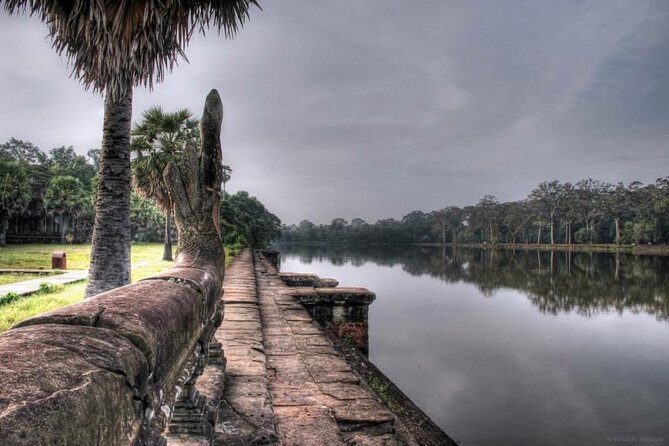
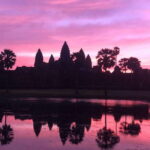
Then it’s on to Angkor Wat. The listing specifically calls out viewing the lush trees surrounding the temple’s stones, which is a nice reminder that Angkor Wat isn’t only about the main angles.
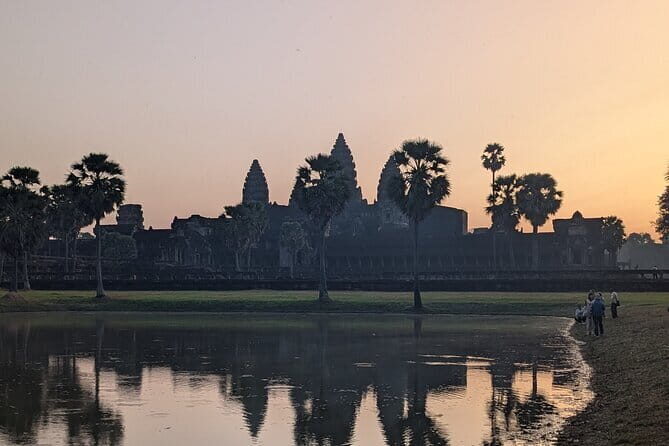
This is also where the sunrise promise becomes relevant. If sunrise is truly part of what you booked, you’ll want clarity on the timing because a 9am pickup doesn’t sound like typical sunrise hours. If you’re not there at the promised time, the experience can still be great, but your expectations should match what’s actually scheduled for your day.
Once you’re in the right light and position, Angkor Wat rewards slow looking. That’s where a local guide helps most. Your guide isn’t there to repeat facts from a card; they’re there to explain why the shapes, gates, and layout matter.
Bakheng Hill at Sunset: King Jayavarman VII’s Viewpoint
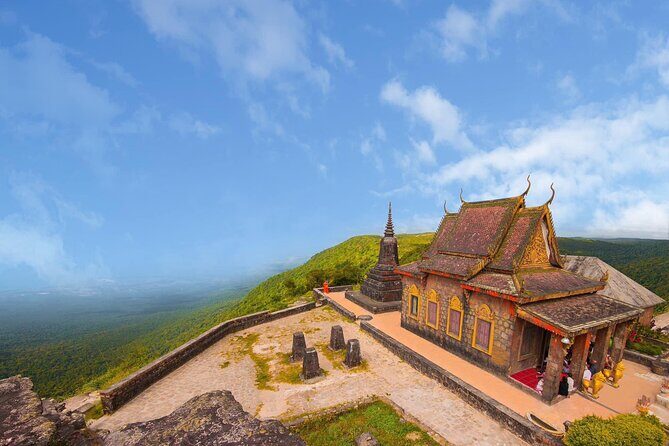
To close, you’ll go to Bakkheng Hill and temple, built by King Jayavarman VII in the late 12th century. This is a smart way to end because Bakheng gives you a top-down sense of Angkor that you can’t get from ground level.
The listing says you’ll return to your hotel afterward and also mentions sunset views from the hill. If you’re a “photos at the end” person, this is where the day gives back.
One consideration: hill climbs add effort after a full day of walking. Wear grippy shoes, and don’t plan to rush. Even if the group moves at a steady pace, your legs will thank you if you take it carefully up and down.
Shared vs Private Tour: How to Choose the Right Feel
You can choose between a shared group or a private tour. The shared format is usually a cost-friendly way to get a guide and transport without paying for a whole vehicle just for your group.
Private can be worth it if you prefer:
- more flexibility with photo stops
- quieter pacing
- more direct answers to your questions
Either way, the guide is English-speaking and the tour includes the same core sites. Your biggest difference is how you experience the flow of the day, not which monuments you see.
Guide and Cultural Context: Why Explanations Matter in Angkor
The listing leans hard on learning Cambodian culture, art, and history from a local guide. That’s not a throwaway feature. Angkor isn’t one temple—it’s a whole system of religious ideas, royal messaging, and city planning across many centuries.
When you have someone explaining the Khmer empire while you’re standing in front of Bayon, the stone faces feel less like mystery decoration and more like political and spiritual expression. When you learn why a temple is placed where it is, you’ll notice pathways and alignments instead of just scanning for the most iconic view.
If you’re someone who enjoys turning sightseeing into understanding, you’ll get extra value here. If you’re more focused on fast visuals, you can still enjoy the guide’s explanations, just pick which moments you want to listen closely to.
Who This Tour Fits Best
This tour is a good match if you want:
- a full Angkor day that covers major highlights without piecing together multiple trips
- an English guide to translate the temples beyond the basics
- a day plan that includes both Angkor Thom and Angkor Wat, plus a final viewpoint
It might not be ideal if your priority is strict sunrise timing. Because the schedule lists 9am pickup while also advertising sunrise at Angkor Wat, you’ll want to confirm exactly what time you’ll reach the viewpoint for your day. If sunrise is non-negotiable, use that question before you pay for passes.
Also keep in mind the day includes multiple temple zones plus a hill. If you have limited walking tolerance, you’ll want to plan for breaks and slower movement.
Should You Book This Angkor Tour?
I’d book it if you value a guided, structured Angkor day that hits the big monuments—Bayon, Ta Prohm, Angkor Thom, Angkor Wat, and Bakheng Hill—while keeping transport simple. At $22, the value is strong for what’s included: guide time, hotel transfers, bottled water, and a cold towel. Just budget for the Angkor pass and lunch because they’re not included.
Before booking, ask one key question: how does the schedule handle the sunrise promise given the 9am pickup time? If they can clearly explain your actual arrival and viewpoint timing, this becomes a straightforward, solid Angkor day you can enjoy without stress.
FAQ
How long is the Siem Reap Angkor temples tour?
The duration is listed as 8 hours.
What time is hotel pickup?
Pickup is listed as early pickup from your hotel at 9am.
Do I need an Angkor pass for this tour?
Yes. Angkor passes are required to enter the temples. The listing lists one day (USD 37), three day (USD 62), or seven day (USD 72) passes, and they must be used on consecutive days.
What is included in the $22 per person price?
Included items are an English-speaking guide, bottled drinking water, round-trip transfers to and from your hotel, and a cold towel.
What is not included?
The listing says Angkor Wat admission and meals and beverages are not included.
Can I choose a shared group or private tour?
Yes. The tour offers shared tours, and it also says a private group is available.