REVIEW · SIEM REAP
Siem Reap: Angkor Wat Sunrise Explore The Most Iconic Temples
Book on Viator →Operated by Hellobird Tour · Bookable on Viator
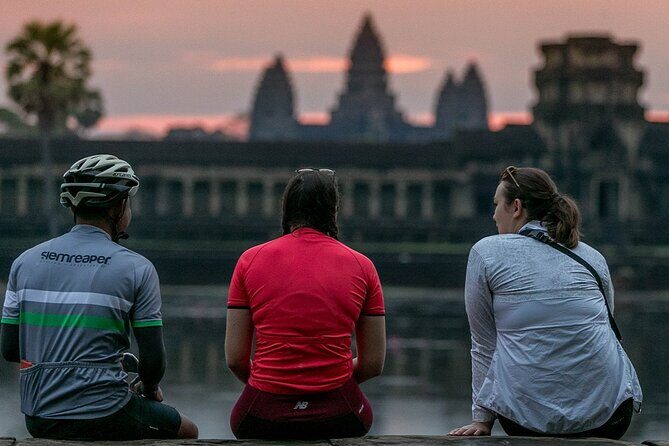
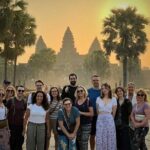
Dawn at Angkor is a race against time. I like how this tour starts early enough to chase the best light at Angkor Wat, then keeps you moving through major temples with a real English-speaking guide. You’re not just looking at rocks and roots; you’re getting the Khmer Empire context that’s easy to miss when you go on your own.
The two things I appreciate most: hotel pickup/drop-off keeps the first hours painless, and the route is built around the temples most people come to Siem Reap for. Guides I saw praised include Channoun and Nuon, and both were singled out for clear explanations and history that actually help you connect what you’re seeing to what the builders intended.
One thing to plan for: sunrise may not cooperate. If weather shifts or visibility drops, you might not get the perfect sunrise view even though the tour still runs.
In This Review
- Key highlights from this Angkor sunrise temple circuit
- Why the 4:30 a.m. Angkor Wat start changes everything
- Pickup, vehicle comfort, and how the early hours are handled
- Tickets and admission reality: what you pay extra
- Angkor Wat: sunrise views, but also the meaning behind the stone
- Banteay Kdei: why this stop is worth your time
- Ta Prohm: tree roots, “jungle temple” mood, and smart photo habits
- Bayon and the 54 towers: faces that change your whole mood
- Tonle Om Gate / South Gate of Angkor Thom: the causeway payoff
- Price and logistics: why $26 can still be a good deal
- Weather and the sunrise question: how to think about rain and light
- Group size and the “how crowded will it feel” factor
- Who this Angkor sunrise tour fits best
- Final call: should you book this sunrise Angkor Wat day?
- FAQ
- What time does this Angkor sunrise tour start?
- Is hotel pickup and drop-off included?
- Are temple admission tickets included in the tour price?
- How long is the tour?
- What temples are included in the itinerary?
- How many people are in the group?
- Is drinking water provided?
- What happens if the weather is poor?
Key highlights from this Angkor sunrise temple circuit
- 4:30 am start so you can reach Angkor Wat during the cool, quiet window
- Air-conditioned minibus with hotel pickup to save energy before the main walking begins
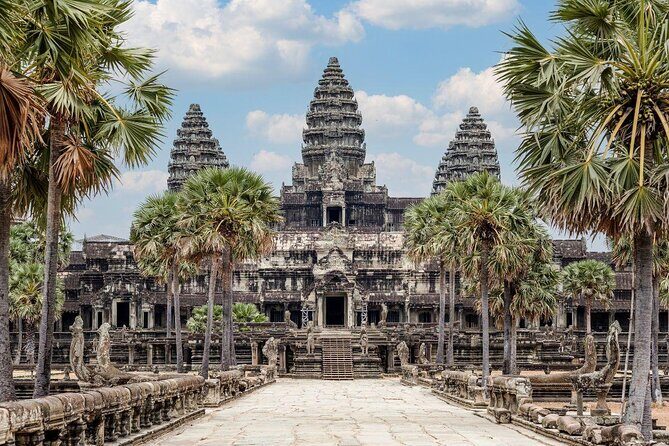
- Stops include Angkor Wat, Ta Prohm, Bayon, and more in one efficient loop
- Guided history you can’t easily piece together alone, including Khmer Empire context
- Smaller group size capped at 25 (and you’ll still be part of a busy Angkor morning)
- Drinking water included, which matters in Siem Reap heat
Why the 4:30 a.m. Angkor Wat start changes everything
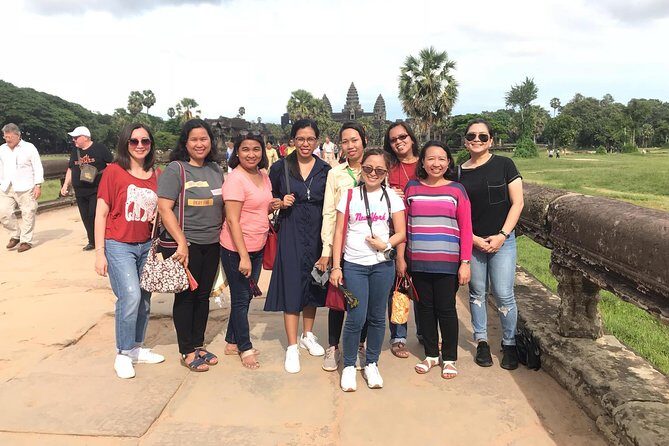
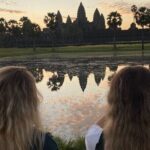
If you’ve never done an Angkor sunrise day, here’s the trade: you’ll be up earlier than you want, but you’ll also see a side of the temples that most daytime visits skip. Starting at 4:30 am means you’re traveling in cooler air, arriving with less rush, and getting more breathing room for the first big photos.
This early start is also where the timing gets real. Angkor Wat is famous for sunrise, but it’s still a temple site, not a guaranteed light show. When the sky is cloudy, hazy, or rainy, you may not get the exact sunrise moment you dreamed of. That doesn’t mean the temple isn’t worth it—it just means you should go in expecting variable conditions and staying flexible.
A few more Siem Reap tours and experiences worth a look

Pickup, vehicle comfort, and how the early hours are handled
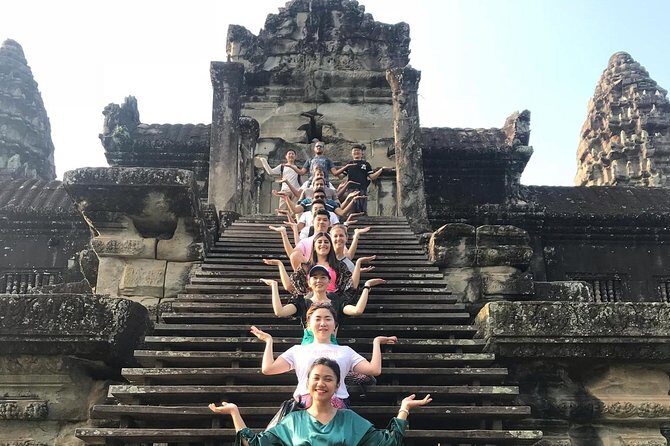
The tour includes pickup and drop-off from your Siem Reap hotel, using air-conditioned transportation. For me, that’s more than a convenience—it’s a big value during an 8-hour temple day. You arrive less frazzled, and you’re less likely to waste time figuring out logistics at the crack of dawn.
You also get drinking water, which helps you avoid the common beginner mistake: forgetting that you’ll be walking and standing under changing light for hours. When you’re starting so early, you’ll likely go from bed-to-temple without much of a buffer, so little comforts matter.
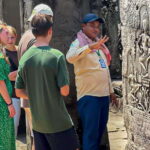
One practical point: the tour says it’s English-speaking and runs with a guide. That makes a difference when you’re trying to understand why one temple feels different from another, or when you spot carvings and want to know what you’re actually looking at.
Tickets and admission reality: what you pay extra
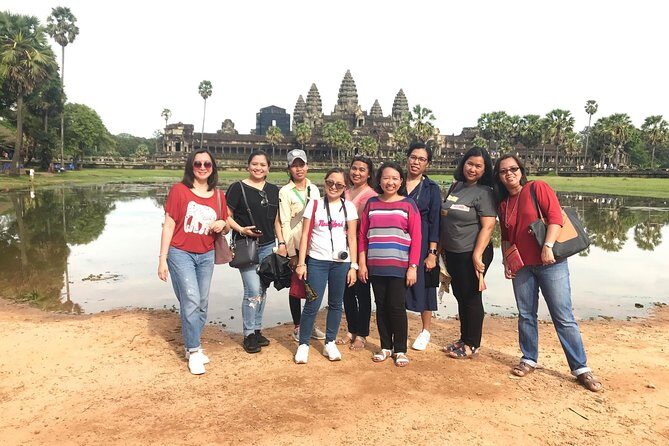
This tour is priced around $26, but the biggest “add-on” is the temple admission ticket. The itinerary notes that the Angkor Wat ticket (and admission) is not included, so you’ll need to buy your entrance access yourself.
I always recommend building your budget this way: treat the tour price as the cost of guide + transport + the structured route, and then plan separately for the Angkor admission. That keeps you from feeling surprised when you’re standing at the ticket point early in the morning.
Also, the time your guide gives you at Angkor isn’t just random wandering. The early hours help you start with the temple’s most iconic angles, and the guide’s explanations help you notice details you might otherwise miss.
Angkor Wat: sunrise views, but also the meaning behind the stone
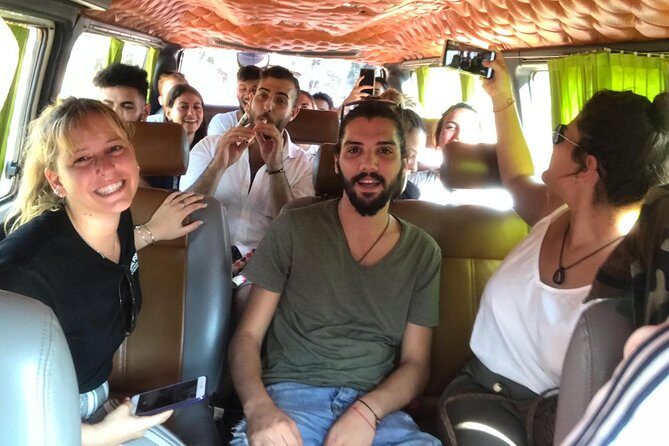
Angkor Wat is the headliner, and the itinerary reflects that. You’ll spend about 3 hours at Angkor Wat, which is long enough to see the main viewpoints, walk key paths, and still have moments to pause.
What I like about doing it with a guide is how quickly you can start seeing patterns: the way the site is organized, what the carvings communicate, and how the temple’s layout ties to what people believed and built. Even if you’ve read about Angkor online, it’s one thing to understand in theory and another to stand in front of the details and get them translated into plain language.
Photos are great here, but don’t turn it into a sprint. If sunrise light is limited, use the time to look at structure and symbolism instead. A cloudy morning can still give you good contrast, and early hours often make the stone surfaces look less harsh than mid-day.
Banteay Kdei: why this stop is worth your time
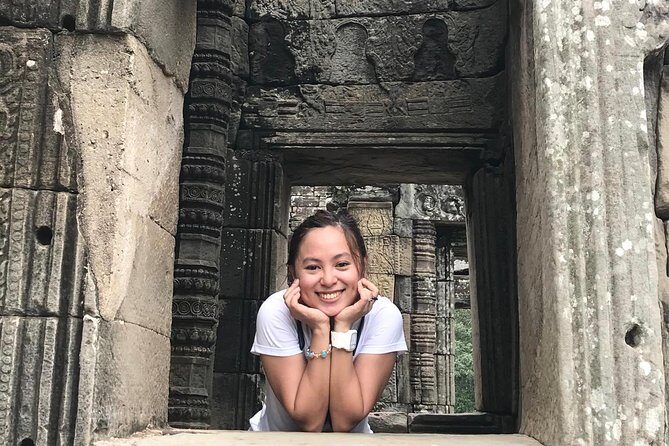
After Angkor Wat, you head to Banteay Kdei, a temple that’s quieter and less crowded in most schedules. The name means Citadel of Chambers, and the place is built like a Buddhist monastery setup from the late 12th century.
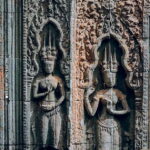
This is the kind of stop that works for people who don’t just want the “biggest” temples. Banteay Kdei’s calm corridors and unique carvings can feel like a breather between the major photo magnets. If you’ve been to Angkor before and found the experience too rushed, this stop can help rebalance the day.
The itinerary gives you about 1 hour here. It’s not a long session, so come with a simple goal: walk slowly, look for carved details, and let the quieter atmosphere reset your eyes before Ta Prohm.

Ta Prohm: tree roots, “jungle temple” mood, and smart photo habits
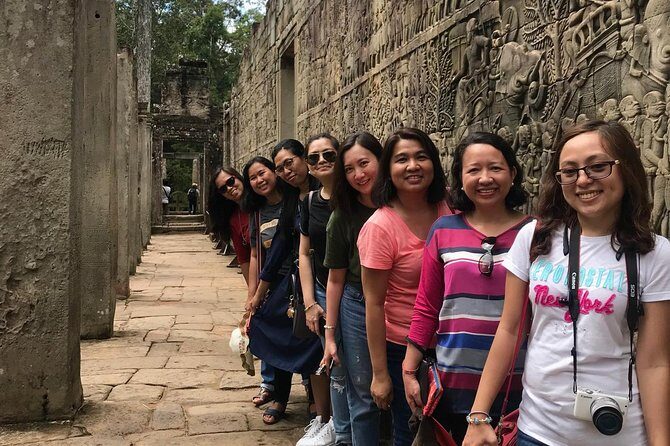
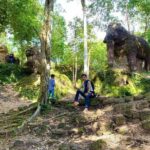
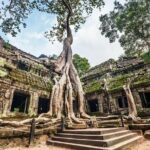
Then comes Ta Prohm, the temple everyone recognizes because of the huge tree roots wrapping over the stone. It’s famous for being left largely unrestored, creating that dramatic jungle-temple effect, and it’s typically one of the most photogenic stops on any Angkor route.
The tour allots about 2 hours at Ta Prohm, which is helpful. This isn’t a “look for two minutes and leave” temple. You’ll want time to wander through the same scenes from different angles, and you’ll likely find yourself returning to the same root-covered walls as you spot new details.
A practical tip for photos: go wider first, then move in for close details. At Ta Prohm, it’s easy to get stuck taking only tight shots of roots and forget the bigger composition. If the ground is damp (rain happens), take it slow around uneven surfaces so you don’t slip while framing.
The guide’s commentary matters here too. The roots are visually loud, but the temple’s story is what makes your photos more than pretty pictures.
Bayon and the 54 towers: faces that change your whole mood
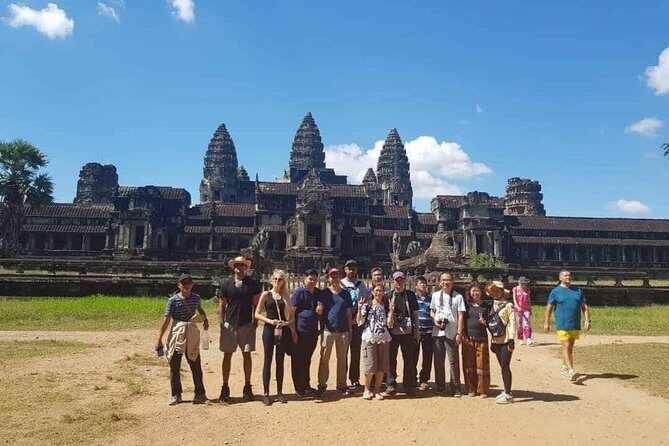
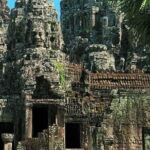
Next on the circuit is Bayon Temple, located at the center of Angkor Thom. Bayon is known for its 54 towers, each with massive faces of Avalokiteshvara. This stop has a different feel than Ta Prohm. It’s more structured, more “public,” and the carvings and faces tend to pull your attention in every direction.
You’ll have about 1 hour at Bayon. In that time, I recommend you do a quick rotation: find one face cluster to study, then walk a different section to see the expression and angle change. The towers don’t look the same from every approach, and that’s part of why Bayon feels so intense.
What I like about having a guide at this stage is learning how the carvings depict daily life and historical scenes. It’s not just symbolism; it’s a visual record of the world that Khmer builders imagined.
Tonle Om Gate / South Gate of Angkor Thom: the causeway payoff
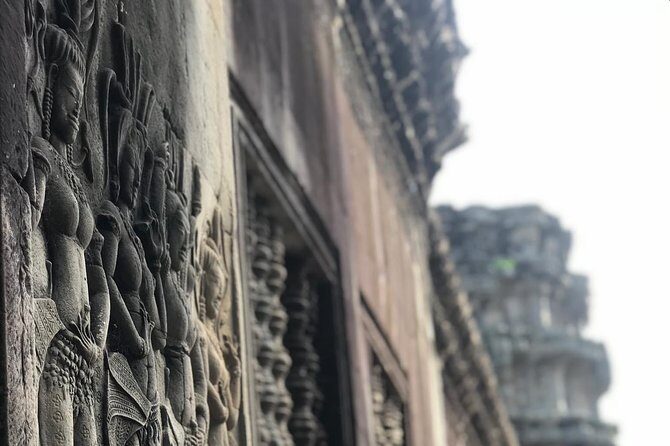
The final listed stop is at the Tonle Om Gate, identified as the South Gate of Angkor Thom, on a causeway lined with statues of gods and demons. Like Bayon, this is a temple moment that’s partly about architecture and partly about the drama of the approach.
The gate is crowned with four giant stone faces, similar in style to the ones you’ll see across the Angkor Thom complex. This is the kind of stop that feels great for one last set of photos because it gives you scale. You can step back and see the geometry, the entrances, and how the statues guide you forward.
You’ll have about 1 hour here. If you’re tired by this point (it happens), try not to let fatigue turn into autopilot. Look at the causeway figures first, then circle near the gate for the best lines.
Price and logistics: why $26 can still be a good deal
On paper, $26 sounds like a bargain, but with tours like this the real question is what you’re paying for beyond temple access. This price includes pickup and drop-off, an English-speaking guide, transportation, and drinking water. That’s a lot of value for a single day—especially when you’re starting at 4:30 am.
The admission ticket cost is the key extra expense. Since the ticket isn’t included, your total day cost will depend on the admission you buy. Still, the structure of the day—how you go from temple to temple with someone explaining what matters—can be worth the price even if you’re comparing against self-guided routes.
Also consider that you’re getting a curated route instead of trying to decide on the fly. That’s worth money if you’d otherwise waste time figuring out the best order, especially in the morning.
Weather and the sunrise question: how to think about rain and light
This experience depends on weather conditions. The listing notes that it requires good weather, and if it gets canceled due to poor conditions, you’ll be offered a different date or a full refund.
In rain cases where the tour continues, you may still have a decent experience. One review mentioned rain during the morning and that umbrellas were provided, but sunrise visibility wasn’t possible. That’s the honest reality: you can control your schedule, but not the sky.
So here’s how I’d plan your mindset:
- If you care most about sunrise, accept you’re gambling a bit on conditions.
- If you care most about seeing Angkor Wat and the major temples with context, you’ll still get a strong day even without a perfect sunrise moment.
Either way, bring layers. Early mornings can feel cool, and then you’ll warm up as the day progresses.
Group size and the “how crowded will it feel” factor
The tour sets a maximum of 25 travelers, which is fairly sensible for an Angkor day. You’ll likely still share space with other groups at popular temples—this is Angkor, not a private museum.
One practical consideration: even with a capped group size, you might end up riding with other parts of a larger operation during transport or at ticket points. When that happens, the guide coverage can feel different depending on how the groups split. If you’re hoping for lots of one-on-one attention, manage expectations and lean into the group experience.
Who this Angkor sunrise tour fits best
This tour makes the most sense for you if:
- You want the big hits of Angkor Wat, Ta Prohm, and Bayon in one day
- You like having historical context instead of just walking around
- You don’t want to handle dawn transport and routing on your own
- You value an early start enough to be up at 4:30 am
It’s also a good choice if you’re traveling with limited time in Siem Reap. An Angkor circuit can eat a whole day fast, and this one is built to maximize what you see within about 8 hours.
If you’re the type who loves long temple wandering with no schedule, you might find the timing tight. But for most first-timers, the balance of major stops plus guide support feels like strong value.
Final call: should you book this sunrise Angkor Wat day?
I’d book it if you want an organized Angkor morning that prioritizes the iconic temples, includes hotel pickup, and gives you guide commentary to make the visit feel more meaningful. The $26 price is compelling once you remember transport, water, and an English-speaking guide are included—then you just budget for the Angkor admission ticket.
I would hesitate only if sunrise is your single obsession and you know you’ll be unhappy if visibility is poor. Even then, you’d still see the temples you came for, but you’re taking weather out of your control.
If you’re flexible and you want a guided route that’s designed for the best hours of the day, this is a smart way to do Angkor without turning your morning into logistics.
FAQ
What time does this Angkor sunrise tour start?
It starts at 4:30 am.
Is hotel pickup and drop-off included?
Yes. Pickup and drop-off are included.
Are temple admission tickets included in the tour price?
No. Angkor Wat/park admission is not included, so you’ll need to buy your ticket yourself.
How long is the tour?
It runs for about 8 hours.
What temples are included in the itinerary?
The tour includes Angkor Wat, Banteay Kdei, Ta Prohm, Bayon, and a stop at Tonle Om Gate (South Gate of Angkor Thom).
How many people are in the group?
The tour has a maximum of 25 travelers.
Is drinking water provided?
Yes, drinking water is included.
What happens if the weather is poor?
The experience requires good weather. If it’s canceled due to poor weather, you’ll be offered a different date or a full refund.