REVIEW · SIEM REAP
Siem Reap Floating Village Tour, Kompong Phluk Tour
Book on GetYourGuide →Operated by Khmer Bookingcom · Bookable on GetYourGuide
Kampong Phluk turns the Tonle Sap into a moving neighborhood. I love how this trip mixes real village life with big Cambodian scenery, especially the floating village views and the sunset boat moment. One thing to consider: if you’re in a larger group, you may struggle to hear the guide at times, especially if the bus or stops get noisy.
What makes this outing feel different is that it’s not just a quick look at houses on poles. You’ll also see the school and pagoda, and you’ll get a clear explanation of how the village works in wet vs. dry seasons—when water rises, life shifts to boats for work and school. If you’re traveling late in the afternoon into early evening, this is a smart way to spend a single day without getting stuck at the most crowded stops.
In This Review
- Key highlights you’ll actually remember
- Why Kampong Phluk beats the usual Siem Reap day-trip formula
- Timing and transport: what that 5-hour window feels like
- Duck boat through Kampong Phluk: stilt houses and seasonal logic
- Wat Kampong Phluk: the calm stop that adds meaning
- The primary school stop: why this part matters
- Samros Kampong Phluk Restaurant & Bamboo Bar: a sensible pause
- Mangrove and floating-forest boat tour: the best scenery for the money
- Sunset on the lake: why it’s timed this way
- Price and value: how $16 makes sense (and when it might not)
- Guide quality: when Nan or Nang makes the trip
- Best for you if you like…
- Should you book the Siem Reap Floating Village and Kompong Phluk tour?
- FAQ
- What’s the total duration of the Kompong Phluk floating village tour?
- What time is pickup in Siem Reap?
- What does the tour include?
- What boat rides are part of the experience?
- What’s not included in the price?
- Can I choose where to get dropped off?
- Is there any refund option if my plans change?
Key highlights you’ll actually remember
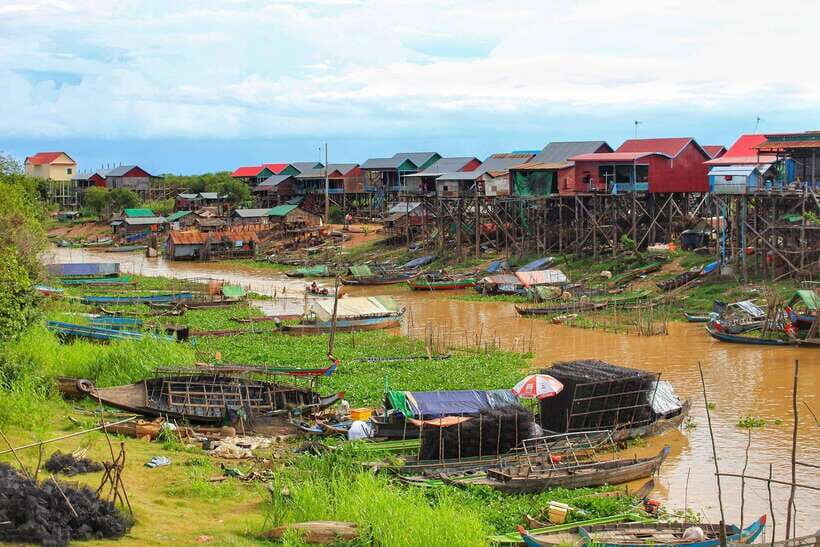
- Kampong Phluk floating village: stilt houses along the water where daily life adjusts to water levels
- School and pagoda visits at Wat Kampong Phluk: a more human side of the community
- Duck boat ride: the classic Tonle Sap feel on a boat built for shallow water
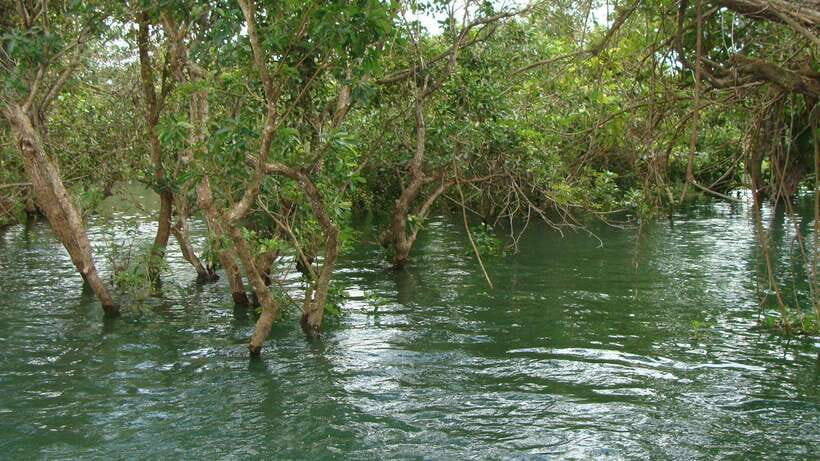
- Floating forest mangroves: boat time through the swamp area, not just lake views
- Sunset on the lake: the trip is timed so you get a proper golden-hour moment
- Guides named Nan or Nang (including Nan He): often praised for friendly, detailed explanations
Why Kampong Phluk beats the usual Siem Reap day-trip formula
Siem Reap has a way of pulling your attention toward Angkor, which can make it easy to forget Cambodia’s living landscapes away from temples. Kampong Phluk is different because it’s not about monuments. It’s about people adapting their homes, routines, and schedules to the Tonle Sap’s changing water.
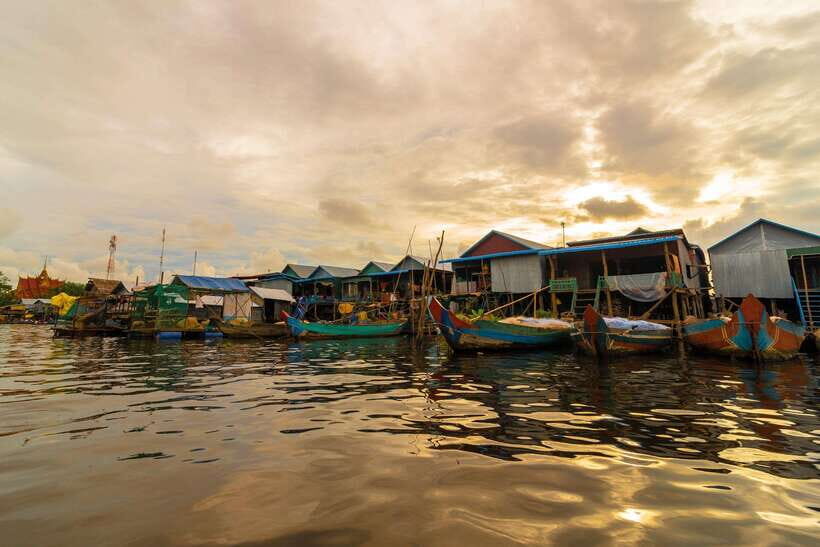
I like that the trip gives you more than a photo moment. You get the feel of a community where many families live on the lake edge in brightly colored homes on long poles. During the rainy season, high water levels stop being a problem and start being the normal. When water rises, villagers shift travel and daily tasks onto boats—work and school included. That small shift in perspective makes the place click.
You also get a bonus style of scenery: mangroves and water channels that look like they were designed for boats, not roads. And then you get sunset—often the part people talk about most—when you can see the lake breathe into the evening.
The trade-off? This is popular, and you may join a bigger group. That can mean a bus that feels a bit rough, and it can be harder to hear your guide if you’re not close. The good news: you can fix a lot of that just by choosing your spot and asking questions when your guide pauses for photos or walking.
You can also read our reviews of more tours and experiences in Siem Reap.
Timing and transport: what that 5-hour window feels like
This is a half-day trip in the late afternoon. Pickup typically starts around 1:40 PM to 2:30 PM, depending on where your hotel is in Krong Siem Reap. From there, you ride in a minibus for about 1 hour before you reach the boat departure area.
Once you hit the water, the timing turns into a steady rhythm:
- You’ll spend multiple hours on the lake by duck boat, which is the main practical way to get through the shallow channels.
- You’ll do visits on foot at key stops (like the pagoda and the primary school).
- Later, you switch to the mangrove/swamp boat section, which is where the lighting starts to soften.
- Then you head back by van for about 1 hour to return you to Krong Siem Reap.
Why this timing matters: Kampong Phluk looks good in daylight, but it feels better in the late hours. The lake is active, and the sunset ride helps you view the village and mangroves as living systems, not just scenery. If you prefer tours that end with a clear “wow” payoff, this one delivers.
One practical note from real-world experience: bus comfort and group size can affect the ride. If your vehicle is on the older side or the road is bumpy, plan on it being a bit noisy and adjust expectations. Stand near the guide when you’re listening, and don’t worry if you miss a sentence—your guide is usually happy to repeat or answer questions.
Duck boat through Kampong Phluk: stilt houses and seasonal logic
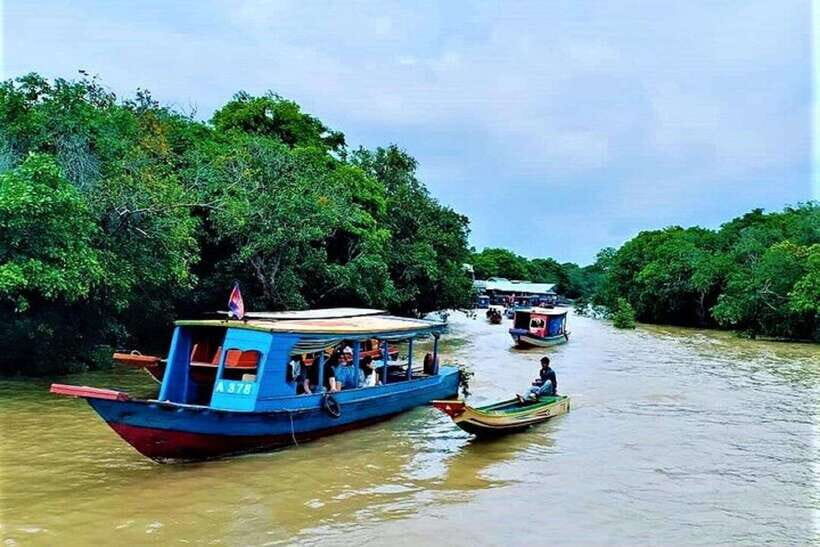
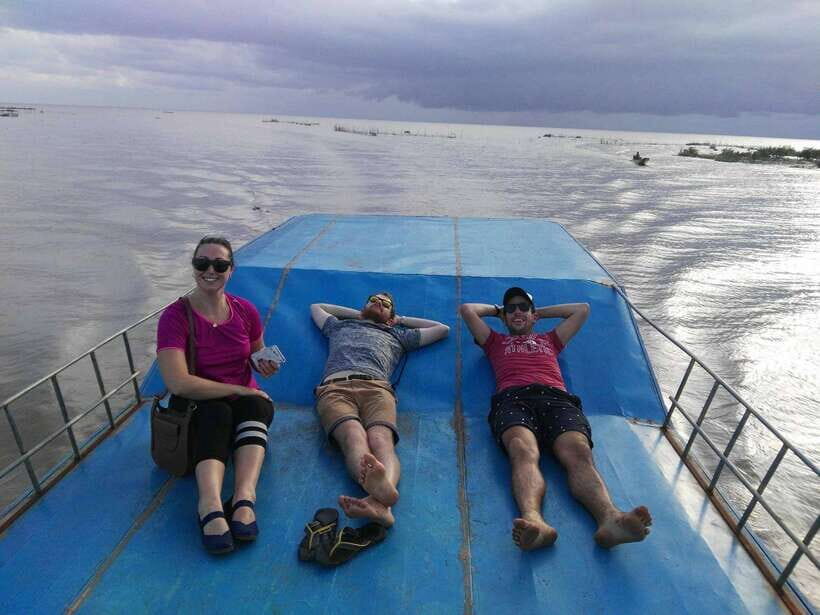
Your time on the Tonle Sap is the heart of the day. The duck boat ride is built for this area’s shallow, changing water, and it helps you understand why Kampong Phluk is famous. Instead of viewing the village from a distance, you float through the channels that connect homes to each other and to the wider lake.
Look out for how the houses are arranged: many are stilted, and you can often see the homes built directly around family life near the shoreline. During wet season, high water means the lake spreads farther into the homes’ usual spaces. During dry season, the village changes because boat travel becomes more targeted and access shifts.
That seasonal explanation is one of the most valuable parts of the trip. Without it, floating village tours can start to feel like a novelty. With it, you realize the village has a system—water levels dictate schedules, and boats become the roads.
If you’re the type who likes photos, bring your camera strategy too. With a group and moving boats, you’ll have moments where you can’t do everything at once. I find it helps to stop thinking of the ride as one continuous “shoot everything” session and instead choose a few key angles: stilt houses against the waterline, children or daily activity near the shore, and the mangrove entrances for later.
Wat Kampong Phluk: the calm stop that adds meaning
The pagoda visit at Wat Kampong Phluk is brief, but it changes the tone of the afternoon. Up to this point, you’re mostly thinking about water movement and housing on poles. At the pagoda, you shift to a quieter view of village culture—faith and community spaces.
This stop is especially helpful if you’re wondering how to frame the floating village experience. Cambodia is full of places where religion and daily life are linked. Seeing the pagoda during a floating village day trip helps you understand that you’re not just looking at homes. You’re visiting a community with institutions and traditions.
In practice, you should treat this as a respectful visit. Keep your voice down, move at a sensible pace, and be ready to follow the guide’s pace since you’ll likely be moving with your group.
The primary school stop: why this part matters
The visit to Kampong Phluk Primary School is one of the most important moments on the schedule. Even if you don’t speak the language, you can feel what the guide is pointing out: this village lives differently depending on the season, but education and community routines still continue.
This is also where listening becomes more useful than just taking pictures. The guide’s role is to connect what you see—boats used for movement when water rises, how routines adapt—to what the school represents: a stable point in the middle of seasonal change.
A tip that comes from the way group tours work here: if the group is large and you’re far away from your guide, you might miss details. Stand a little closer when you’re at school or pagoda stops. It’s not about being pushy; it’s about catching the story so your photos make sense later.
Samros Kampong Phluk Restaurant & Bamboo Bar: a sensible pause
Between the village and the mangrove portion, there’s a stop at Samros Kampong Phluk Restaurant & Bamboo Bar. This is where you can reset before the last boat section and usually where you’ll have time to use the facilities or grab a drink.
It’s also one of those moments where expectations help. This isn’t a fancy lunch included in the price. Meals aren’t included, so think of this stop as a chance to buy what you need rather than a guaranteed meal break. If you want to eat, plan for it here or elsewhere in town after the return.
If you’re the type who hates feeling rushed, this stop is useful because it gives a natural pacing break. Use it to hydrate early—especially if you’re traveling in hotter months.
Mangrove and floating-forest boat tour: the best scenery for the money
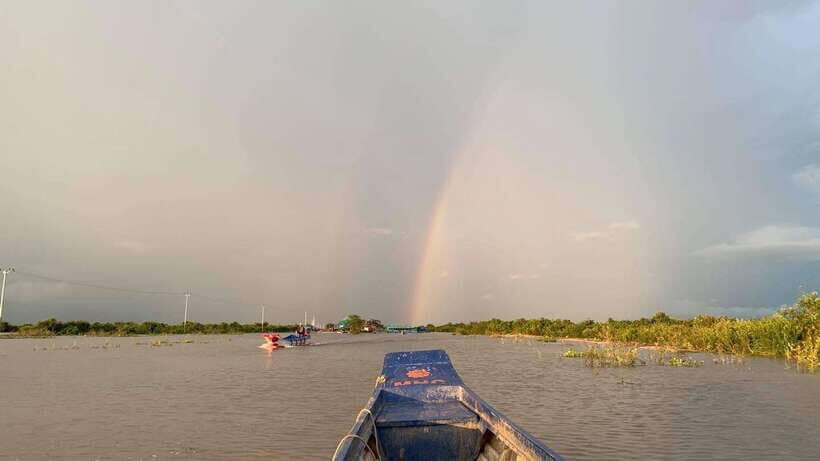
After the village-side stops, you shift to the Tonle Sap River mangrove swamp boat tour. This is where the environment turns wilder and more layered: narrow channels, mangrove roots, and the kind of scenery that makes you feel like you’re moving through a living maze.
This section often gets the biggest reaction because it’s more than “look at water.” It’s about navigation. The boat ride gives you a close view of mangroves and swamp edges, and your timing toward late afternoon helps the colors. If sunset is your goal, the last stretch on the water is usually the payoff.
One real-world detail that may help you plan: some people add an extra small boat for a closer mangrove experience, which costs extra. In one example, a guest mentioned paying about $11 for two people for a smaller ride through the mangroves. Since small boat costs aren’t included in the base tour price, think of this as an optional upgrade if you want more intimate views.
Sunset on the lake: why it’s timed this way
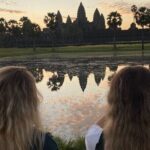
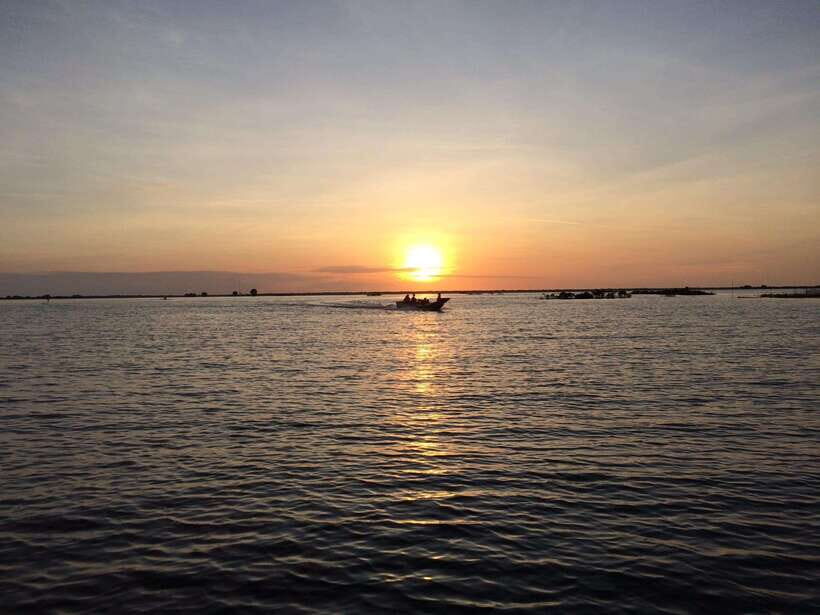
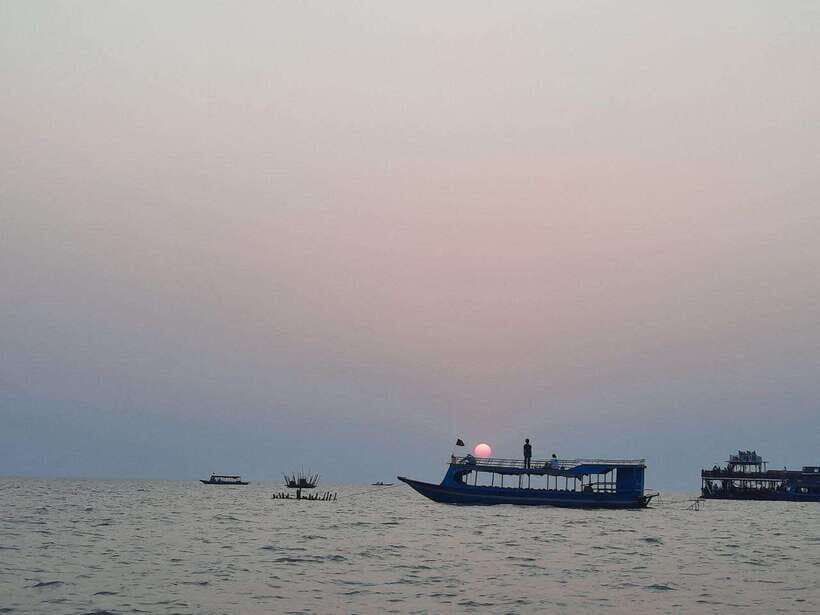
The sunset portion is a major reason people rate this trip so highly. In several accounts, the guide makes sure the group stays out long enough to get good light and clear sightlines, including the moment when you’re the last group moving away on the water.
What I like about a sunset finish here: it doesn’t feel like an artificial event. You’re already on the lake, already surrounded by the village and mangrove channels. Sunset just gives the whole system a final layer—calmer water, softer reflections, and an easier time to watch daily activity without harsh daylight glare.
If you want the best view, don’t treat sunset as a moment to hide behind your phone. Step into a good spot early and keep your attention on the water. You’ll get more “story” from the scene than from a single perfect photo.
Price and value: how $16 makes sense (and when it might not)
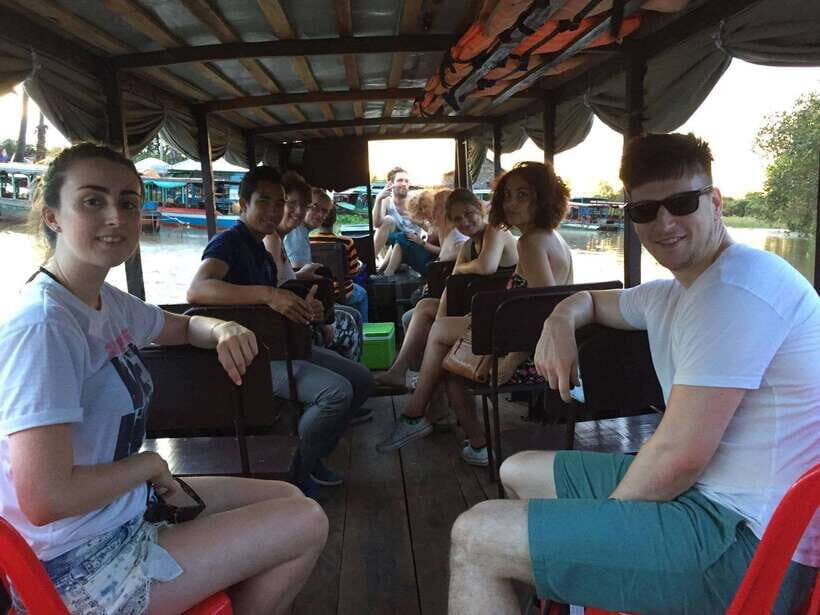
At $16 per person for a 5-hour outing, you’re paying for more than a sightseeing glance. The price covers:
- an English-speaking tour guide
- pickup and drop-off within Krong Siem Reap
- transportation by minibus
- the main big boat experience
- entrance fees and drinking water
Meals aren’t included, and small-boat upgrades also aren’t included, so you may spend a little more if you want extra time in the mangroves. But even with that possibility, it often works out to strong value compared with other tours that feel more repetitive or more crowded.
The main “value limiter” isn’t the price. It’s the group experience. If you end up in a big group, you can lose some of the nuance because it’s harder to hear your guide during walking points and boat transitions. If you care about deeper back-and-forth questions, that’s where a private tour (or a smaller group option) could be worth it.
For most people, though, this price hits a sweet spot: you get a classic floating village day trip feel with the school, pagoda, and mangrove sunset finale.
Guide quality: when Nan or Nang makes the trip
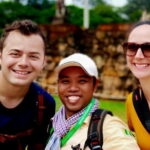
I can’t stress this enough: your guide changes how meaningful this tour feels. Multiple guests specifically mentioned guides named Nan or Nang, including someone called Nan He, praising their friendliness and their ability to explain daily life and the seasonal rhythm of the village.
Even if group size limits how clearly everyone hears every word, a good guide still helps you interpret what you’re seeing. That’s the difference between taking photos of stilt houses and understanding why people move by boat when the water rises.
Here’s a practical trick: during explanations, step a bit closer to your guide, even if it means re-arranging your photo position. The story matters because it makes the scenery legible.
Best for you if you like…
This tour is a strong match if you want:
- a Siem Reap day trip that’s not another temple circuit
- a floating village experience that includes school and pagoda, not just boats
- a late-afternoon plan with a clear finish at sunset
- good value with transportation and key stops handled for you
It might be less ideal if:
- you hate group tours and need quiet, one-on-one explanation
- you’re very sensitive to noise or bumpy roads (some rides are older and louder)
- you want a slow, unhurried pacing with lots of waiting time
Should you book the Siem Reap Floating Village and Kompong Phluk tour?
If you’re curious about how the Tonle Sap shapes daily life, I think you should book this. The combination of the floating village, the visits to Wat Kampong Phluk and the primary school, and the mangrove boat ride that ends with sunset is a solid package for the price.
Book it especially if you want the classic Kampong Phluk feel without paying for a private, slow, sit-down day. And if you do care about hearing every detail, choose your spot when your guide is talking and don’t be shy about asking questions.
If you’d rather trade sightseeing energy for quiet understanding, consider a smaller-group or private alternative—but for a fun, meaningful half-day with a real payoff on the water, this one is an easy yes.
FAQ
What’s the total duration of the Kompong Phluk floating village tour?
The tour runs for about 5 hours.
What time is pickup in Siem Reap?
Pickup starts between 1:40 PM and 2:30 PM, and the guide meets you at your hotel lobby.
What does the tour include?
It includes an English-speaking tour guide, transportation by minibus, a big boat, entrance fees, drinking water, pickup, and drop-off.
What boat rides are part of the experience?
You’ll do a duck boat ride to Kampong Phluk and later a boat tour through the Tonle Sap River mangrove swamp area.
What’s not included in the price?
Meals and any small boat options are not included.
Can I choose where to get dropped off?
Yes. You can be returned to your hotel, or you can ask the driver to drop you at places in the city such as the market or Pub Street.
Is there any refund option if my plans change?
The tour offers free cancellation up to 24 hours in advance for a full refund.