
Street food in Siem Reap tells the real story. This private evening tour is a smart way to eat well without guessing your way through the city, thanks to hotel pickup/drop-off and a personal English-speaking guide. I especially like the up to 10-dish tasting format with real vendor interaction, plus the guide’s explanations of ingredients and local meaning. One possible drawback: the menu can get adventurous, with options like bugs and even baby duck eggs, so go in with a flexible mindset.
You’ll ride around Siem Reap in a tuk-tuk and hit a mix of street stalls and local markets, keeping things moving in just 3 to 4 hours. The dish list rotates, but you can expect classic Cambodian flavors such as Nom Banh Chok, grilled meats, crispy spring rolls, local desserts, and more—along with vegetarian/dietary options if you need them.
In This Review
- Key things I’d plan around before you go
- Siem Reap street food, served at walking speed but with tuk-tuk ease
- Price and what you get from $52.25 per person
- How the tuk-tuk tour actually feels in the real world
- The tasting plan: what up to 10 dishes really means
- Stop 1: a rice-and-pork street start (the easiest way to begin)
- Stop 2: Wat Kong Moch for seafood, drinks, and the brave menu
- Stop 3: Phsar Leu Thom Thmey, Siem Reap’s big local market
- Stop 4: local night market food stop with the most “wow” moments
- Stop 5: Psar Deum Kralanh Market for fruits, toiletries, and hearty staples
- Stop 6: Kork Thlok Market for practical shopping and the everyday feel
- Food comfort and hygiene: how to enjoy the street without overthinking
- Drinks included: what that means for budgeting and pacing
- Guides matter: why Leap and Sara come up again and again
- Who should book this Siem Reap tuk-tuk street food tour
- A few smart tips to get the most out of your night
- Should you book this Siem Reap street food tuk-tuk tour?
- FAQ
- How long is the Siem Reap Street Foods Tour?
- What does the tour cost?
- Is hotel pickup and drop-off included?
- How many dishes will I try?
- Can vegetarians join or request other dietary options?
- Is this tour private or shared?
- What is included for drinks?
Key things I’d plan around before you go
- Hotel pickup and drop-off means you’re not wrestling with buses or finding the first stall
- Guides like Leap and Sara are praised for being patient, friendly, and clear about what you’re eating
- Up to 10 dishes keeps the night tasting-focused (not just one or two stops)
- Markets plus street food helps you understand ingredients, not only flavors
- Adventurous bites may appear (bugs/critters, tarantula, and baby duck eggs in an egg)
- Private group format keeps the pace comfortable, especially if you have kids or picky eaters
Siem Reap street food, served at walking speed but with tuk-tuk ease
Cambodia’s street food culture is built for small bites and steady motion. This tour fits that rhythm perfectly: you get the street-level atmosphere without having to navigate every turn on your own. The tuk-tuk does a lot of work for you—getting you from a food stall to a market quickly, while keeping the night feeling relaxed instead of exhausting.
The best part is that your guide isn’t just pointing at food. You’ll get context with every stop: what ingredients are used, what a dish is known for, and why locals eat it. That turns “I’m trying something new” into “I know what I’m eating and why it matters.”
You can also read our reviews of more guided tours in Siem Reap



Price and what you get from $52.25 per person
At $52.25, this is positioned as a value meal plan wrapped in a guided experience. You’re paying for three practical things:
- Up to 10 specialties included (plus vegetarian and other dietary options)
- Local food and drinks included, so you’re not doing surprise add-ons during the tour
- A personal English-speaking guide plus a reliable tuk-tuk driver, with pickup and drop-off from your hotel
A lot of food tours in popular destinations charge a similar amount but often deliver fewer tastings or less guidance. Here, the “how many bites” and “how much explanation” are built into the format, and the markets/street stalls are part of the meal itself, not just scenery.
Also, you’ll usually find it easier to justify the price when you’re in Siem Reap for a short trip. In a single evening, you can sample more of the local food scene than you’d comfortably do alone—especially if you want to try things that aren’t obvious to order.
How the tuk-tuk tour actually feels in the real world
The tour runs roughly 3 to 4 hours, and it’s designed around evening eating. You’ll meet at your hotel lobby, then head out on a tuk-tuk with your guide to a sequence of food and market stops.
Because it’s private (only your group), you can often move at a pace that fits your appetite. If you want to slow down for photos, ask questions, or skip a dish without drama, this format tends to make that easier than larger-group tours. The guides in this program have a strong reputation for being patient and accommodating, including handling different comfort levels with what’s on the plate.
And the practical side matters: the driver is part of the experience. If you’ve ever had the nerves about street traffic, you’ll appreciate that the driver is described as calm and careful.
The tasting plan: what up to 10 dishes really means
The tour menu rotates, but it’s aimed at giving you a broad snapshot of Cambodian street food. Based on the types described for this experience, you should expect a mix like:
- noodles and breakfast-style favorites such as Nom Banh Chok
- grilled meats
- fried bites such as crispy spring rolls
- local desserts
- and, at some points, options that may include bugs/critters and other unusual ingredients
You’re not required to eat everything. That’s the key. The tour includes vegetarian and other dietary options, and your guide can help steer you toward what works for you. If insects aren’t your thing, I’d still go. Even one or two adventurous moments can make the rest of the meal feel more meaningful—just don’t force it.
Stop 1: a rice-and-pork street start (the easiest way to begin)
Your first stop sets the tone: a local-style dish of rice and pork, sold by women at a small barbeque setup. It’s the kind of start that locals often prefer—simple, salty, comforting, and easy to eat while you get your bearings.
This early bite is valuable for two reasons. First, it helps you settle into the flavors fast. Second, it gives your guide a moment to explain what you’re about to see later—markets, different cooking methods, and how staples like rice move through the day.
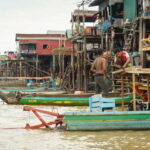



Stop 2: Wat Kong Moch for seafood, drinks, and the brave menu
At Wat Kong Moch, the food scene shifts toward seafood and drinks. You’ll find fresh fish and seafood, and local drinks such as draft beer, shakes, and cocktails are mentioned as part of what you can try here.
This is also where the “be ready” warning matters. One of the most memorable details in the program is that you may see a selection of bugs and critters, plus baby duck eggs with a baby duck in the egg. Some people find that fascinating; others find it a hard no.
My practical advice: decide ahead of time how you want to handle novelty. If you’re not comfortable with insects or eggs like that, you can treat this stop as a place to taste safer items and enjoy the atmosphere rather than pushing your limits.
Stop 3: Phsar Leu Thom Thmey, Siem Reap’s big local market
Next you’ll spend time at Phsar Leu Thom Thmey, described as the biggest local market in Siem Reap. Markets like this are useful even if you’re not shopping. You’ll get a sense of what’s available year-round, what people buy for daily cooking, and how the city feeds itself.
For you, the value is twofold:
- You learn the ingredient world behind street dishes.
- You gain context about how food stalls operate—what vendors source nearby, what looks freshest, and how items are grouped.
This stop is only about 30 minutes, so don’t plan to do serious shopping unless your guide helps you focus. Instead, treat it like a guided scouting mission.
Stop 4: local night market food stop with the most “wow” moments
This stop is built around eating in a night-market setting, and it’s where the program leans into the street-food reputation. The menu here can include bugs and critters, and again you may see the baby duck egg with a baby duck described earlier.
If you’re into foodie culture, this is likely the highlight. If you’re cautious, it still can be worth it because you’ll learn how Cambodians think about ingredients and preparation—and you can choose what you feel comfortable tasting.
A helpful trick: ask your guide what’s most popular and what’s safest for first-timers. Guides who do this well (like the ones mentioned in connection with this tour) tend to guide you away from the awkward choices and toward what’s tasty and not overly extreme.
Stop 5: Psar Deum Kralanh Market for fruits, toiletries, and hearty staples
At Psar Deum Kralanh Market, the focus blends everyday shopping with food finds. You might spot fruits, vegetables, toiletries, and practical items. The standout detail mentioned here is that you can also find breakfast-style staples—specifically pork, egg and rice—which fits the tour’s goal of mixing “what locals eat” with “how local markets work.”
Even if you’re not planning to buy much, this stop gives you a better sense of what goes into street meals. You’ll see ingredients at the source level, and that makes later bites feel less random.
One note: market stops can be busy in any country. Keep your expectations realistic. Think of this as time with your guide, not a calm museum experience.
Stop 6: Kork Thlok Market for practical shopping and the everyday feel
The final market stop is Kork Thlok Market, with a wide spread of goods: fresh fruits and flowers, clothing and shoes, consumer items, and fish and meat. It’s more of a local “life” market than a single-purpose souvenir stop.
If you like useful shopping, this is the kind of place where you can pick up things you’ll actually use, not just magnets. In the description, fake waterproof shoes that work well are mentioned—so if you’re walking a lot in Cambodia, this could be helpful.
The food tour wraps up after these stops, and you’ll still have that strong sense of having eaten your way across different corners of Siem Reap.
Food comfort and hygiene: how to enjoy the street without overthinking
Street food can be a question mark in any country. What helps here is structure. You’re with a guide who knows the vendors, and you’re sampling a rotating menu designed for guests to try confidently.
Still, keep a few simple habits:
- Go with what looks and smells fresh.
- If something is offered that you’re unsure about, choose another dish instead of forcing it.
- Use water breaks. Even short market stops can make you hungry, thirsty, and tired.
And remember: the tour is designed to include a spread of foods, so you don’t need to nail every single novelty bite. You’ll likely get enough variety that skipping one item won’t ruin the night.
Drinks included: what that means for budgeting and pacing
Local drinks are specifically mentioned on the tour, including draft beer, shakes, and cocktails at one of the stops. That’s a meaningful value add.
Budget-wise, it means fewer surprises. Instead of paying drink prices one by one, you’re tasting as part of the plan. For pacing, it can also set a friendly tone for a market evening—especially after multiple tastings.
If you prefer to stay alcohol-free, you should still be able to participate fully. The tour includes other options like shakes, and the menu includes non-alcohol tastes too.
Guides matter: why Leap and Sara come up again and again
Names you’ll see connected with this tour include Leap and Sara (spelled a few ways in written feedback). The consistent theme: these guides are praised for being informative, patient, and willing to explain what you’re eating and where it fits in local tradition.
That’s not just nice-to-have. On a street food tour, your guide can make or break the experience:
- They prevent you from guessing order and portions
- They explain unfamiliar ingredients so you can make better choices
- They help you feel comfortable when the menu goes beyond what you expected
If you want a tour where you learn while you eat, that guide style is exactly what you’re looking for.
Who should book this Siem Reap tuk-tuk street food tour
This tour is a good match if:
- you want a guided route instead of figuring out street food on your own
- you like variety and want to try many dishes in one evening
- you enjoy learning about ingredients and how local markets feed the street
- you’re comfortable with some novelty foods and can say yes or no as needed
It might not be your best choice if:
- you have zero interest in trying insects or other unusual items
- you get stressed in busy market environments
- you want a calm, quiet meal with no surprises
If you’re traveling with kids or you’re a cautious eater, the private format and the guide’s ability to adapt your choices can still make it workable.
A few smart tips to get the most out of your night
- Wear comfy shoes. Markets mean lots of short stops and standing.
- Bring a light layer. Even in evening, you might feel a cool breeze at times.
- Tell your guide your limits early. If insects or eggs are a no, say it up front and ask what you should swap in.
- Come hungry. The goal is up to 10 specialties, not just a snack.
- If you care about vegetarian options, make that clear at the start so the tasting stays satisfying.
Also, if plans change, you’ll have the option to cancel for a full refund when you do it in time (the rules are straightforward: the earlier you cancel, the better).
Should you book this Siem Reap street food tuk-tuk tour?
I’d book it if you want the practical shortcut: a guided route that combines street stalls and major markets, plus a personal guide who helps you eat beyond your comfort zone in a controlled way. The best reason is value—hotel pickup, tuk-tuk transport, local food and drinks, and up to 10 tastings in a short evening.
I wouldn’t book it if you’re rigid about what you’ll try. The experience can include bugs and critters and even baby duck eggs, and while you can skip items, the tour environment is still part of that story.
If you’re open-minded and want a night that feels local rather than generic, this is one of the more efficient ways to do it in Siem Reap.
FAQ
How long is the Siem Reap Street Foods Tour?
It runs about 3 to 4 hours.
What does the tour cost?
The price is $52.25 per person.
Is hotel pickup and drop-off included?
Yes. You’re picked up from your hotel lobby and dropped off afterward.
How many dishes will I try?
The tour includes snacks and tasting of up to 10 specialties.
Can vegetarians join or request other dietary options?
Yes. Vegetarian and other dietary options are available.
Is this tour private or shared?
It’s private. Only your group participates.
What is included for drinks?
Local food and drinks are included, and draft beer, shakes, and cocktails are mentioned as available at one of the stops.