REVIEW · SIEM REAP
Traditional Reflexology Feet Massage in Siem Reap
Book on Viator →Operated by Bodia Spa Siem Reap · Bookable on Viator
Feet can tell your body to chill. In Siem Reap, this 60-minute traditional reflexology feet massage uses acupressure-style pressure on targeted points to help you relax and feel more balanced.
I love that it’s a focused foot session built around circulation and pain relief goals, not a one-size-fits-all full-body gimmick. I also like the spa touches that make it feel legit: intake with a medical history sheet and a calm start-and-finish routine that includes tea.
One consideration: since this is primarily a foot reflexology treatment, you may want a different type of massage if you’re hoping for mostly shoulder-and-back work.
In This Review
- Key highlights worth knowing
- Arriving at Bodia Spa on Pub Street (and why location matters)
- The 60-minute reflexology feet massage: what actually happens
- Acupressure on the feet: why it can feel so calming
- The spa ritual: tea, cleanliness, and that calm lounge setup
- Meet the therapists: names you can keep in mind
- Price and value: what $28 gets you in Siem Reap
- Who this massage suits best (and who might want to adjust expectations)
- Practical tips to get better results from your session
- When to schedule this in your Siem Reap days
- Should you book this reflexology feet massage in Siem Reap?
- FAQ
- How long is the Traditional Reflexology Feet Massage?
- How much does it cost?
- Where does the massage start and end?
- Is it a private experience?
- What should I expect during the session?
- Is it easy to get to?
- What is the cancellation policy?
Key highlights worth knowing
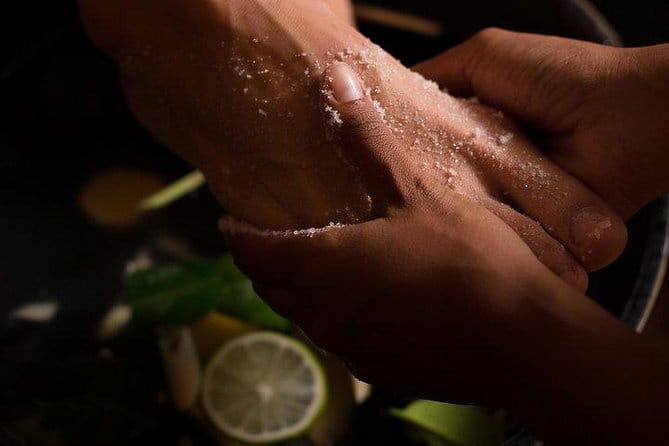
- 60 minutes minimum of foot-focused reflexology with acupressure point work
- Comfortable lounge chairs during the treatment, so you can really settle in
- A proper intake process using a medical history sheet before the massage
- Warm hospitality details, including tea at the start (and after)
- Therapists praised for the right touch, including lighter-pressure preferences
- Private session for your group, starting and ending at the same Pub Street location
Arriving at Bodia Spa on Pub Street (and why location matters)
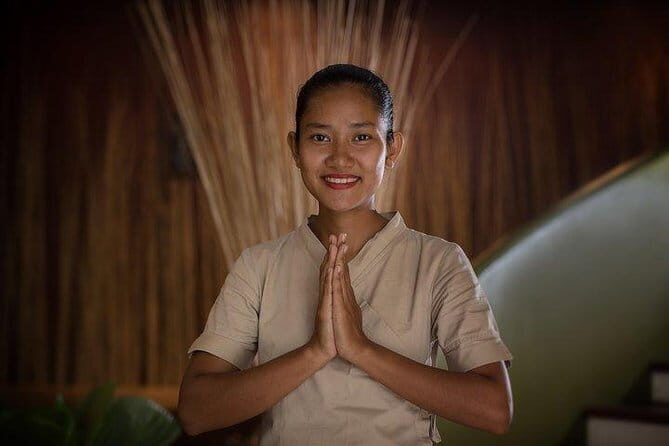
This massage happens at Bodia Spa on Pub Street in Siem Reap. You’ll start and finish right back at the same meeting point, which is handy if you’re squeezing it between temple time and dinner.
Pub Street is a central spot, and the session is listed as near public transportation, so you’re not stuck hunting for a ride for one hour. Also, because it’s a private tour/activity, it stays just your group in the treatment space rather than feeling like you’re sharing the experience with strangers.
When you walk in, you’re not just showing up for a quick rub. The spa uses a structured start: you go through a medical history sheet process and get tea before the massage begins. Those small steps matter because they set the tone and help the therapist understand what you need from the session.
You can also read our reviews of more tours and experiences in Siem Reap.
The 60-minute reflexology feet massage: what actually happens

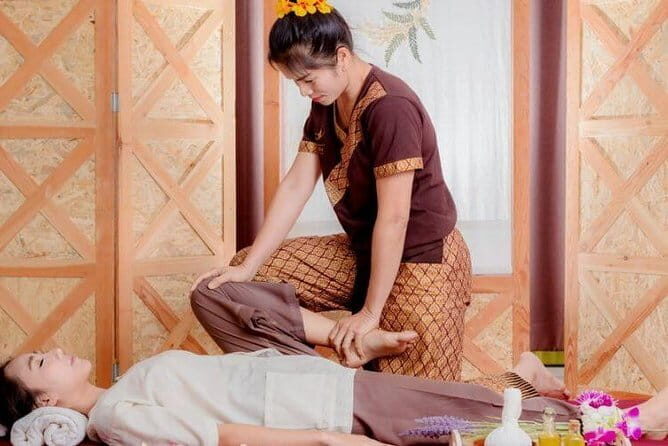
The core of your experience is a traditional reflexology feet massage that targets energy flow using pressure on specific areas of your feet. The stated aim is to re-establish energy flows, improve circulation, ease pain, and bring on deep relaxation through the body.
In a session like this, your therapist typically works through feet in a sequence—applying pressure to reflex points, then moving to adjacent areas, often with a mix of sustained pressure and rhythm. The goal is not speed. It’s control and consistency, so your muscles can gradually stop guarding and start letting go.
You should expect the treatment to be focused, meaning your time goes into the feet—not a quick handoff to other body regions. If your lower body needs extra attention (after walking all day), a foot session like this can be a smart reset. If you’re feeling tight around your ankles, arches, or heels, this type of work is usually the most satisfying.
The duration is about 60 minutes (listed as 60 minutes minimum, approximately one hour). That’s enough time for the therapist to get beyond the initial “settling in” stage and into a truly calming rhythm.
Acupressure on the feet: why it can feel so calming
Reflexology is built on the idea that pressure in certain places on your feet corresponds to areas of your body. In this session, acupressure points are used to support circulation and relaxation.
Here’s what you’ll likely notice: feet are full of nerves and pressure receptors, so they can produce a strong immediate feedback loop. When the therapist hits the right points with the right pressure, it can feel like tension is loosening in real time—then the calm spreads upward as your body shifts out of stress mode.
One review-style detail that stands out is how much the spa pays attention to the feel of the pressure. A therapist named HIN Sreymas was praised specifically for getting a lighter-touch preference right. So if you’re the kind of person who doesn’t want heavy pressure, this is one of those places where you can probably get the experience you want by communicating your comfort level.
If you have a very sensitive foot area, tell the therapist during your intake. Since the spa uses a medical history sheet, you’re not just guessing—you’ll have a structured way to share relevant notes before pressure starts.
The spa ritual: tea, cleanliness, and that calm lounge setup
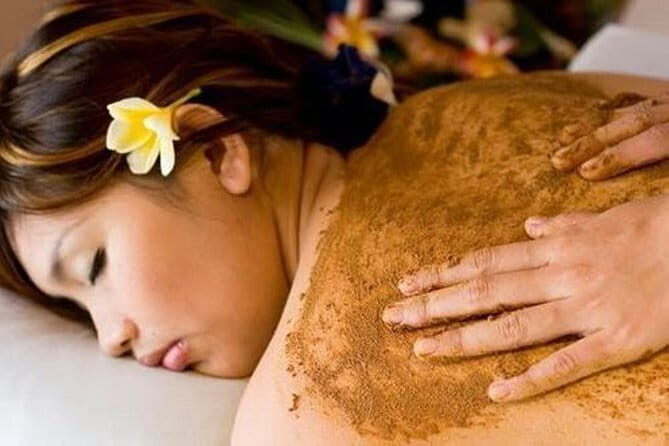
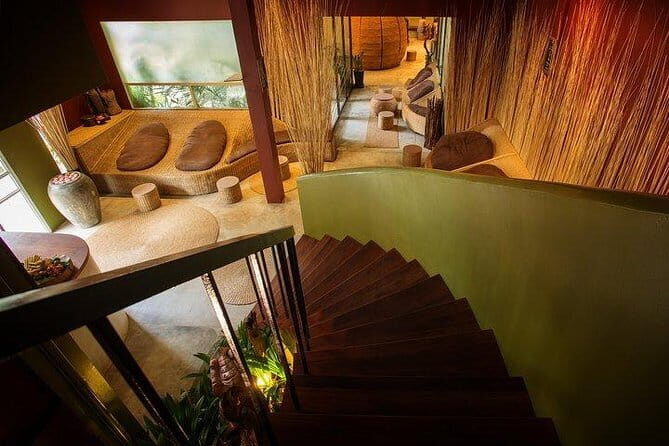
People don’t rave about foot massage setups unless something is working. In the feedback here, the spa experience is described as both beautiful and comfortable, with a strong emphasis on cleanliness and an atmosphere that supports relaxation.
A few specific comfort details show up repeatedly:
- You sit in incredibly comfortable lounge chairs during the service
- The atmosphere feels relaxing right away
- Tea is part of the flow, starting at the beginning and continuing after completion
That sounds small, but it’s exactly what helps the massage land. You’re not just getting pressure on skin—you’re also getting a low-stimulation environment where you can breathe and let your body shift gears.
There’s also mention of the therapists being extremely professional. In practice, that often means the spa takes your preferences seriously and stays attentive to comfort during the session, not treating it like a conveyor belt.
If you’re traveling with sore feet from walking temples, this kind of setup is one reason foot massage feels like more than a luxury.
Meet the therapists: names you can keep in mind
Even though massage availability can vary by schedule, it’s still useful to know which therapists have been praised and why.
- Salit was called out for doing a brilliant job, in a calm, comfortable space with accommodating customer service.
- HIN Sreymas was praised for excellence and especially for matching a preference for a lighter touch.
- Kea Sreynang was thanked in an experience described as magical, with professional masseuses and a strong welcome.
If you’d like a lighter touch, I’d plan to communicate that clearly at check-in. Since the spa uses a medical history sheet, you’re already in the right mindset to share preferences early rather than hoping the therapist figures it out on the fly.

Price and value: what $28 gets you in Siem Reap
At $28 per person for around an hour, this fits as a mid-range massage deal—especially because it includes more than just the massage itself.
You’re getting:
- A full hour session (60 minutes minimum) of reflexology work
- An intake step using a medical history sheet
- A calmer spa experience, including tea and very comfortable seating
The value isn’t only the time. It’s the fact that the spa treats this as an actual service with preparation and follow-through, not just a quick foot rub.
Also, because it’s private (your group only), you avoid the “shared treatment” feeling. That can make a difference if you want quiet and consistent attention.
One more value angle: if you’re in Siem Reap for temple days, your feet rack up the mileage fast. Spending an hour on the areas you already know are taking the hit can feel more practical than a massage you don’t fully connect to.
Who this massage suits best (and who might want to adjust expectations)
This is a great fit if you:
- Want foot-focused relaxation after lots of walking
- Prefer a treatment that uses acupressure-style pressure on reflex points
- Like a spa experience with intake, tea, and a comfortable lounge setup
It may not be the best match if you:
- Want a lot of work on shoulders, neck, and back instead of mainly feet
- Think you’ll get a full-body massage experience from a foot session
There’s no harm in booking it anyway if you’re open-minded. But set your expectations: your relief here is expected to come through the feet first, then work its way through relaxation.
Also, the listing notes most travelers can participate. That suggests it’s broadly accessible for typical visitors. If you have specific medical concerns, use the intake sheet and tell the therapist directly so the pressure and focus can be adjusted.
Practical tips to get better results from your session
These are simple things that can improve how the massage feels and how much you get out of it:
- Share your preference on pressure early, especially if you like it lighter. The spa has therapists praised for matching those preferences (like HIN Sreymas).
- Use the medical history sheet seriously. Mention anything relevant so the therapist can work with you, not around you.
- Wear slip-on shoes or sandals so you can get seated and settled quickly when you arrive.
- After the massage, give yourself a bit of decompression time. This kind of foot relaxation works best when you’re not immediately rushing out into another sprint.
If you’re hoping for specific results (like easing pain from walking), it can help to tell the therapist where it feels worst—heel, arch, toes, or ankle—so the session can focus where you feel it most.
When to schedule this in your Siem Reap days
Because it’s about an hour and you’ll be done back at the Pub Street meeting point, it’s easy to plan around it.
I like scheduling it:
- After a temple day with lots of foot traffic
- In the afternoon when you want to reset before evening plans
- On a travel day when your body needs a low-effort “recovery block”
If you schedule it right before an early, long walk, you might still feel good—but you could miss some of the “let it sink in” effect. The best results usually happen when your next activity is lighter and you can stay relaxed.
Should you book this reflexology feet massage in Siem Reap?
If you want a practical reset for tired feet, this is a strong pick. The 60-minute format gives enough time for real relaxation, and the spa experience adds value through the medical history sheet, tea ritual, and comfortable lounge chairs. Plus, the private setup keeps the session feeling focused.
Book it if you’re excited by foot-based acupressure and want circulation and relaxation support. Consider another kind of massage if you mainly want shoulder-and-back work.
Overall, at $28 for about an hour, it’s the kind of simple, high-feel-value experience that fits well into a Siem Reap itinerary without taking over your whole day.
FAQ
How long is the Traditional Reflexology Feet Massage?
It runs for about 1 hour, with 60 minutes minimum mentioned in the session details.
How much does it cost?
The price is $28.00 per person.
Where does the massage start and end?
It starts at BODIA SPA Pub Street Siem Reap and ends back at the same meeting point.
Is it a private experience?
Yes. This is listed as a private tour/activity, meaning only your group participates.
What should I expect during the session?
The massage focuses on revitalizing energy flows through acupressure points on your feet, aiming to improve circulation, ease pain, and promote deep relaxation.
Is it easy to get to?
The activity notes it is near public transportation, and it’s located on Pub Street.
What is the cancellation policy?
Cancellation is free if you cancel up to 24 hours in advance for a full refund. If you cancel within 24 hours, the amount paid is not refunded.