REVIEW · SIEM REAP
Two-Day Tour in Siem Reap
Book on Viator →Operated by Angkor Doors · Bookable on Viator
Siem Reap can be a blur of tuk-tuks and temple crowds, so this two-day plan is a nice fix: you cover Angkor highlights plus Cambodia’s 20th-century history without bouncing between separate tours. It’s built around two mornings and a well-paced day of temples in between, with an English-speaking guide to connect what you’re seeing to what it meant.
The two things I like most are the full-circuit structure (boat trip, then war sites, then sunrise temples) and the way the guide’s personal stories make the painful stops feel real instead of like a checklist. One thing to consider is that this is a long, hot day—bring your patience, your water habits, and plan for some walking.
In This Review
- What you’ll notice right away
- Key Highlights You’ll Feel During This Two-Day Plan
- A Two-Day Hit List: From Floating Village to Angkor Sunrise and Sunset
- Day 1: Kampong Phluk Floating Village and a Stilt-Village Reality Check
- What you should like about this stop
- War Museum Cambodia: How the Stories Change the Room
- The value: context you can carry to the next stop
- Wat Thmey (Killing Fields): Learning the Khmer Rouge Era in Real Place
- Practical consideration
- Day 2 at 5:00am: Angkor Wat Sunrise Without Wasting the Morning
- Tickets you must budget for
- Ta Prohm: Jungle Roots, Photo Energy, and a Real Break for Your Body
- One thing to expect
- Banteay Kdei: A Quieter Temple When You’re Temple-Ed Out
- Why this stop makes the itinerary feel balanced
- Angkor Thom and the South Gate Sunset Bridge With 54 Statues
- The real win: ending with a view, not a spreadsheet
- Price and Value: What $122 Covers and What You Still Need to Pay
- The Guide Factor: English, Storytelling, and Staying Oriented
- Practical Tips That Make This Tour Feel Easier
- Should You Book This Two-Day Combination?
- FAQ
- What time does the tour start on day 1?
- How early is pickup for Angkor Wat sunrise on day 2?
- What’s included in the tour price?
- What tickets or entrance fees are not included?
- Is this tour private or shared with other groups?
- Do I need to follow a dress code?
- Can I cancel for a refund?
What you’ll notice right away
From the moment you’re picked up, the day is organized around timing that actually matters in Siem Reap: a morning departure for the floating village, then an early start for Angkor Wat. You also get cold water during the tour, which sounds basic until you’re sweating through temple steps.
Key Highlights You’ll Feel During This Two-Day Plan
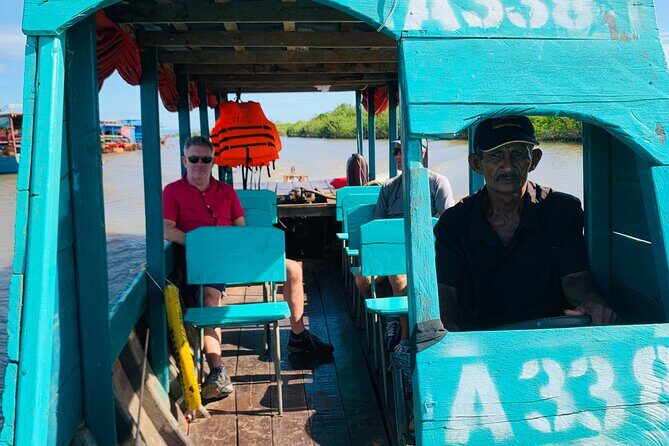
- Kampong Phluk by boat: cruise time in both directions plus a real look at how a large stilt village runs
- A guided history thread: war museum and Killing Fields with a guide sharing lived experience
- Angkor Wat sunrise timing: a very early pickup so you can watch the day begin over the temple
- Jungle temple contrast: Ta Prohm’s trees growing through the ruins, then quieter stops nearby
- Sunset at South Gate, Angkor Thom: photos from the bridge lined with 54 sandstone statues
You can also read our reviews of more tours and experiences in Siem Reap.
A Two-Day Hit List: From Floating Village to Angkor Sunrise and Sunset
This is a clever mash-up of what most people book separately in Siem Reap: the water village and dark history on day 1, then Angkor Wat and the major temple circuit on day 2. Instead of doing two separate excursions, you keep the same general flow—so it feels like one connected story rather than random sightseeing.
The tour runs about 16 to 17 hours total across two days, and it’s designed around pickup from your hotel lobby. It’s also a private-style setup in the sense that only your group participates, which usually means fewer waits and less time lost negotiating with strangers.
Price-wise, it’s $122 per person for the full tour experience. Your biggest “extra” costs are on tickets you buy separately at the sites—especially the Angkor Pass (USD 37 per person). If you were going to do Angkor anyway, this combined format can feel like better value because you’re not paying for separate transport days and separate guide overhead.
Day 1: Kampong Phluk Floating Village and a Stilt-Village Reality Check
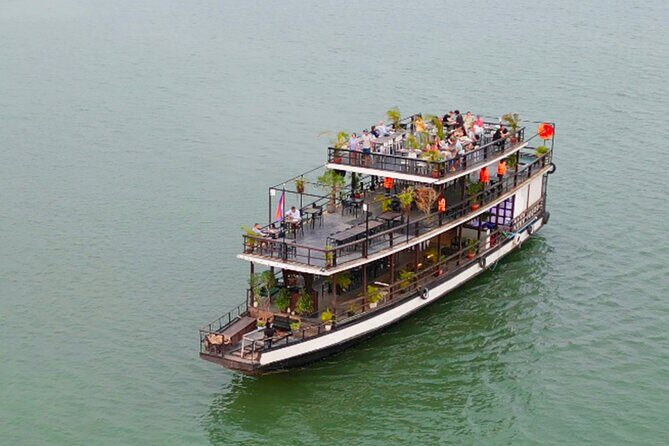
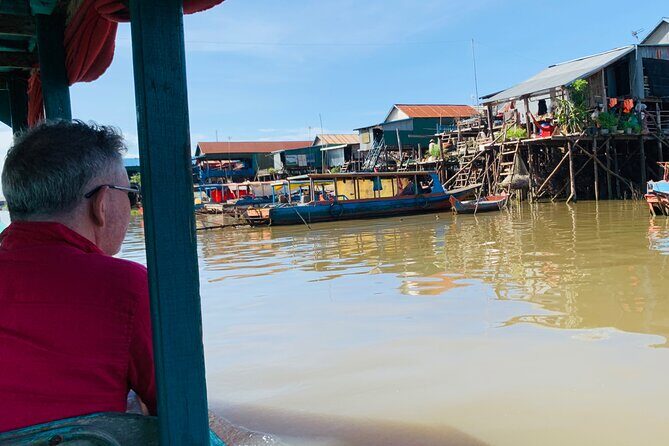
Day 1 begins at 8:30am with hotel pickup, then you drive about 45 minutes out of Siem Reap city to the water area. After that, you take a 1.5-hour cruise ride both ways. That’s the key here: the boat time isn’t just a quick photo stop. It’s part of how you understand the place.
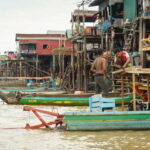
At Kampong Phluk, you’ll visit the second largest floating village in Siem Reap, with details like 3,707 people, 911 families, and around 850 houses built on 8m stilts. Those numbers help you see the village as a living community, not a one-and-done boat excursion.
The stop lasts about 4 hours, with the cruise and entrance fee included in your tour price. A practical note: you’re out in open air during a lot of this. Wear light clothes, plan for sun, and keep a hat handy even if you’re not usually a hat person.
What you should like about this stop
The boat ride gives you rhythm. You’re not just walking around a single site—you’re moving through the real geography of the area. I also like that the tour commits time to the village itself, not just a rapid circle.
War Museum Cambodia: How the Stories Change the Room
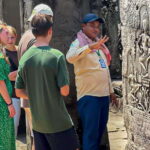
After the floating village, the itinerary continues to War Museum Cambodia. This stop is guided and personal: your guide shares his life experience connected to the long civil war, and you’ll see military vehicles and weapons used during that period.
One important budgeting reality: the War Museum admission fee is not included. The tour includes your transportation, your English-speaking guide, and water, but you’ll still want cash or card ready for this one site.
Also, this is not a stop where you’re meant to treat it like casual entertainment. The point is understanding—through objects plus a guide’s context—how conflict shaped daily life.
The value: context you can carry to the next stop
This museum sets the mental frame for Wat Thmey (Killing Fields) later the same day. By the time you go, you’re not walking in cold. You’ll have at least a basic sense of why the Khmer Rouge era became what it did.
Wat Thmey (Killing Fields): Learning the Khmer Rouge Era in Real Place
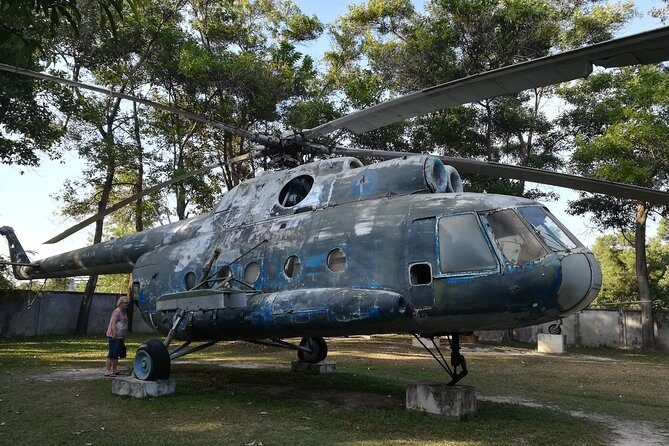
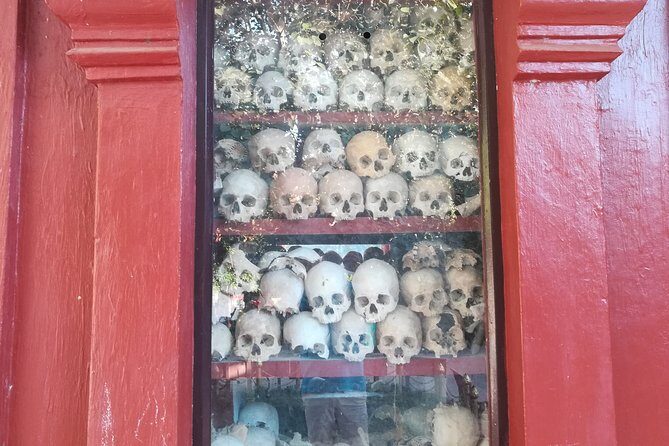
Next comes Wat Thmey Pagoda, known for being home to the killing fields of Siem Reap. The tour is explicit about the focus: you learn about the deadly Khmer Rouge regime under Pol Pot. Your guide again shares personal living experience—plus what happened to family and friends during the war and genocide period.
Like the War Museum, Wat Thmey admission is not included, and it’s smart to plan for that cost so the day doesn’t feel financially interrupted. This stop can also take an emotional toll. If you’re traveling with someone who gets overwhelmed, tell your guide at the start so they can pace things.
Practical consideration
This is a sensitive visit, but it’s also structured with a guide to help you make sense of what you’re seeing. Go in with respect, keep your phone put away during the most intense moments, and let the guide’s explanations do their job.
Day 2 at 5:00am: Angkor Wat Sunrise Without Wasting the Morning

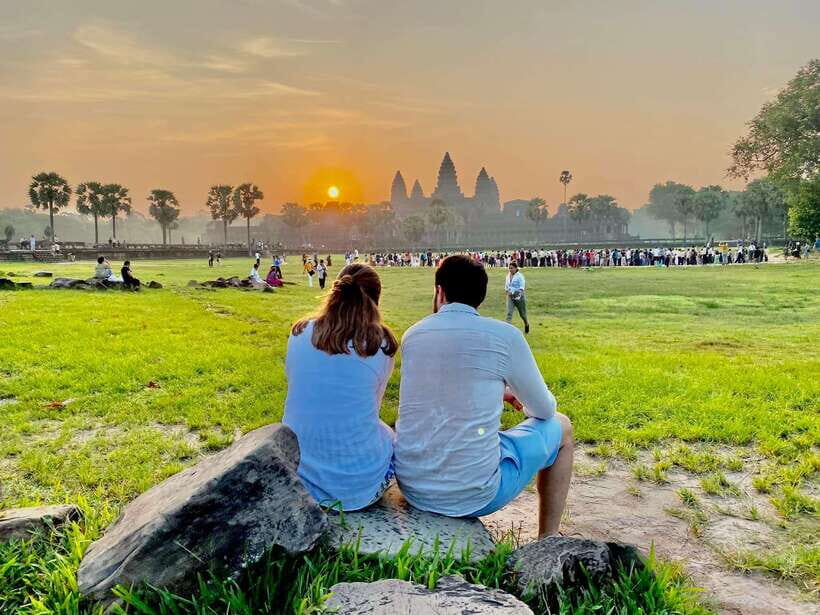
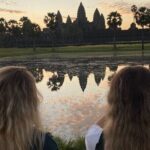
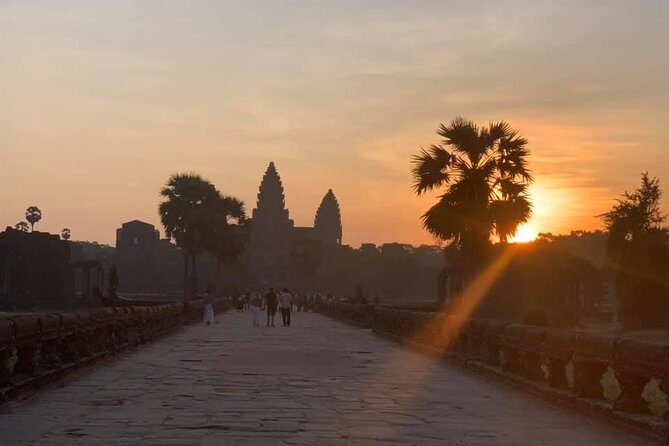
Day 2 starts early, with pickup at 5:00am. That timing matters because Angkor Wat sunrise isn’t a vague suggestion—it’s the whole point. You’ll drive out and watch the sun rise over the temple structure, then you’ll explore Angkor Wat for about 4 hours.
Your guide explains the history and architecture, which is where a guided visit pays off. Angkor Wat is huge, and without context it can become a maze of stone paths and perfect angles. With guidance, you start to notice the design logic and the symbolism behind what you’re looking at.
Tickets you must budget for
This is the part to plan money-wise: the Angkor Pass (USD 37 per person) is not included. Since it’s specifically mentioned as required, I’d treat it as a non-negotiable part of your budget.
Ta Prohm: Jungle Roots, Photo Energy, and a Real Break for Your Body
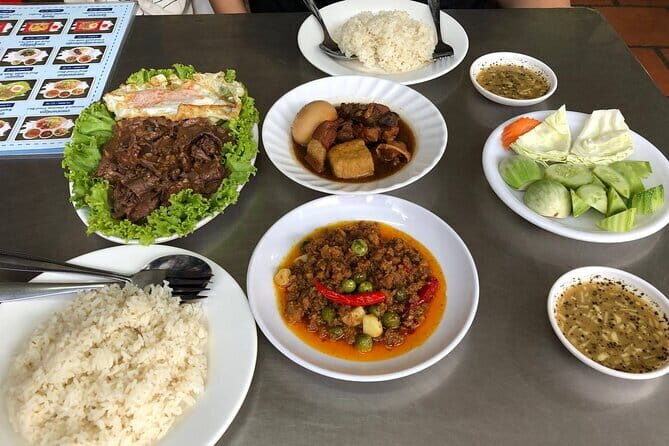
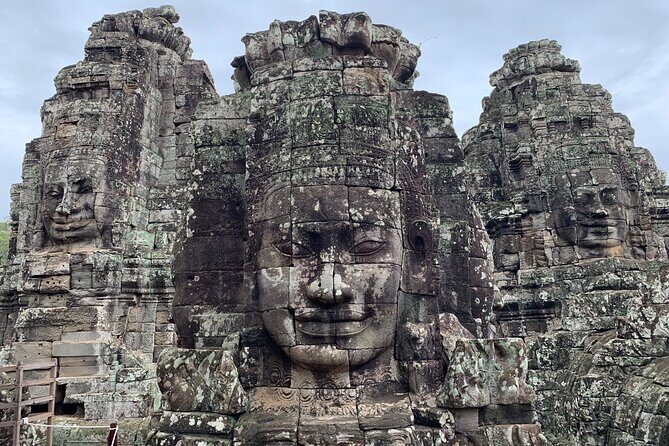
After Angkor Wat, the tour heads to Ta Prohm. Before that visit, there’s a built-in pause for restroom and breakfast, which I really appreciate in a long two-day plan. You’ll then spend about 1 hour 30 minutes here.
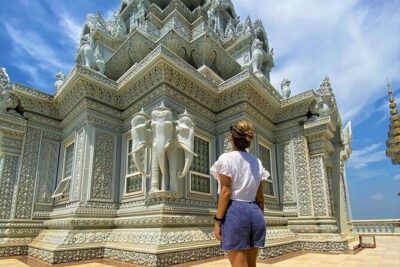
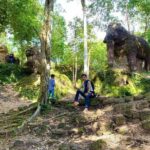
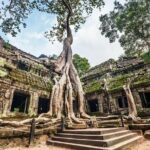
Ta Prohm was built in the late 12th and early 13th century, in a style connected to Bayon, and it originally served as a Buddhist monastery and university. The big visual feature is what everyone comes for: trees growing through the temple, so you get this mix of stone and living roots.
There’s also a modern pop-culture connection: Ta Prohm was used as a filming location for Tomb Raider with Angelina Jolie. That doesn’t replace the history, but it does explain why the temple is so popular.
One thing to expect
This stop can feel more “alive” than the others because of the tree-drama and the crowd flow. If you’re picky about photography, aim to follow your guide’s suggested routes so you spend less time fighting for angles.
Banteay Kdei: A Quieter Temple When You’re Temple-Ed Out
Next is Banteay Kdei, meaning A Citadel of Chambers. This Buddhist temple was built in the late 12th and early 13th century by King Jayavarman VII.
The stop is shorter—about 30 minutes—and the tour notes why: it’s usually quieter than the famous names. That matters because by this point, your feet and your brain might be tired of repeating the same kind of viewing pattern. A calmer walkthrough lets you actually slow down and notice details.
Why this stop makes the itinerary feel balanced
If day 2 was only Angkor Wat plus the biggest crowd temples, you’d burn out. Adding a quieter temple gives your senses a reset before you hit the capital-city sites.
Angkor Thom and the South Gate Sunset Bridge With 54 Statues
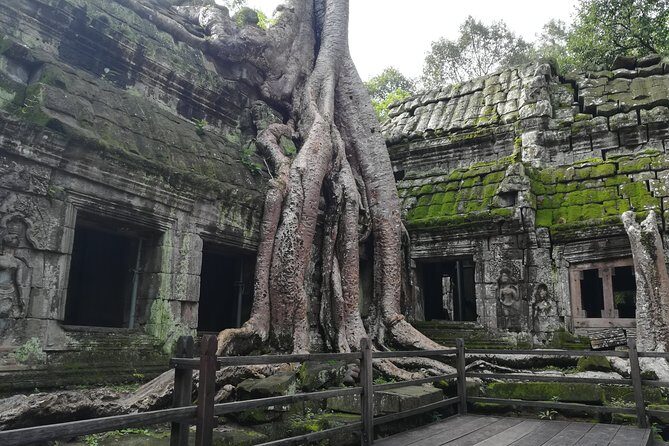
In the afternoon, you visit Angkor Thom, the ancient capital city of the Khmer Empire. The sights you can expect to see include the Royal Palace, the Terrace of the Elephants, the Terrace of the Leper King, and the Bayon temple, along with more within the complex.
You then finish at the South Gate of Angkor Thom for sunset photos from the bridge. This is the spot with two rows of 54 giant sandstone statues flanking the bridge over the moat.
The tour ends with you being taken back to your hotel safely. That’s not just convenience—it’s also how you avoid losing time at the end of a long day.
The real win: ending with a view, not a spreadsheet
Sunset at the South Gate is a strong way to close the loop. You’re looking back at the temple world from a vantage point that feels dramatic and cinematic, without needing to memorize every last corner of Angkor Thom.
Price and Value: What $122 Covers and What You Still Need to Pay
The headline price is $122 per person, and it covers a lot of the heavy lifting:
- AC transportation in a car/minivan/minibus
- Cold bottled water
- English-speaking tour guide
- Floating village cruise ride and entrance fee
Then the key exclusions:
- Food and drinks
- Angkor Pass at USD 37 per person
- Admission fees for War Museum Cambodia and Wat Thmey (Killing Fields)
Here’s how I’d think about value. If you already know you want sunrise at Angkor Wat plus a proper temple day, you’re effectively paying for one guided Angkor experience and getting the floating village + history day folded in with transport and a guide. That can be cheaper and less stressful than booking separate tours that each charge their own logistics overhead.
On top of that, a strong guided experience matters at Angkor. One of the reviews highlighted how helpful the guide was for navigating the site and history, plus small practical extras like a quick stop for local laundry. Those are the kinds of details that make the day run smoother, especially in heat.
The Guide Factor: English, Storytelling, and Staying Oriented
Good guides do two things: they explain what you’re seeing, and they prevent you from getting lost in the scale. In this tour, you’ll get an English-speaking guide throughout, and on the history stops you’ll hear personal life experience tied to the war period.
That storytelling isn’t just emotional; it changes your perception. When a guide can connect a museum display to the way people lived, you stop treating the conflict as abstract dates. The same logic applies at Angkor, where the architecture becomes easier to read once someone shows you what to look for.
If you’re lucky, you might get guides like Pheng or Bunpheng, both of whom show up in past feedback for strong English and thorough site knowledge.
Practical Tips That Make This Tour Feel Easier
This plan works, but it’s still long and hot. A few tips keep it comfortable:
- Wear clothes that cover shoulders and knees for temple entry. This is explicitly required, and it’s not the time to test luck.
- Pack sun protection. You’ll be outside for multiple segments, especially around the floating village and temples.
- Bring cash for the admission fees that are not included (War Museum and Wat Thmey).
- Use the restroom/break stops rather than postponing them. The itinerary includes a chance for restroom and breakfast before Ta Prohm, which helps later fatigue.
Also, keep your pace flexible. Even with good planning, temples mean uneven paths and lots of walking. If your group has older members, the private group format can help your guide adapt the rhythm.
Should You Book This Two-Day Combination?
I’d book this tour if you want a balanced Siem Reap experience: boat time, temple time, and history time in one continuous arc. It’s ideal for first-timers who don’t want to over-plan, and it suits families or groups that benefit from a guide keeping everyone oriented.
Skip it (or at least reconsider) if you hate early mornings, dislike emotional history sites, or can’t handle long days in the sun. This isn’t a quick highlights tour. It’s a full-on two days that asks you to participate, not just watch.
If you do book, plan your budget for the Angkor Pass plus site admissions, dress for temples, and lean on the guide’s explanations. With that setup, the whole itinerary clicks into place.
FAQ
What time does the tour start on day 1?
Pickup is at 8:30am from your hotel lobby in Siem Reap.
How early is pickup for Angkor Wat sunrise on day 2?
Pickup for day 2 is at 5:00am.
What’s included in the tour price?
Included are transportation (AC car/minivan/minibus), cold drinking water, an English-speaking tour guide, and the cruise ride plus entrance fee to Kampong Phluk.
What tickets or entrance fees are not included?
You’ll need to budget for the Angkor Pass (USD 37 per person), plus entrance fees for War Museum Cambodia and Wat Thmey (Killing Fields).
Is this tour private or shared with other groups?
It’s described as private/activity with only your group participating.
Do I need to follow a dress code?
Yes. To enter temples, you need to wear clothes that cover your shoulders and knees.
Can I cancel for a refund?
Yes. You can cancel for a full refund if you cancel up to 24 hours in advance of the experience start time.