REVIEW · SIEM REAP
1-Day Angkor Wat Cycling Tour: Scenic Bike Adventure in Siem Reap
Book on Viator →Operated by Hok Cambodia Journeys · Bookable on Viator
Two wheels makes Angkor easier. This private bike tour links the big sights with quieter temple stops, with a guide who sets the route so it all clicks. I especially like that you get hotel pickup and a private pace that fits your group.
I also love the mix of famous spots and calmer places like Ta Nei, reached on small forest paths. The one thing to plan for: the Angkor Pass is not included, so you’ll pay extra on top of the $49 rate.
In This Review
- Key highlights to know before you ride
- Why cycling through Angkor beats the usual shuffle
- Price and what it really buys you: $49 plus the Angkor Pass
- Meeting Hok at 8:00 and the practical ride setup
- Stop-by-stop: Angkor Wat, Bayon, Ta Prohm, and the ride between them
- Stop 1: Angkor Wat (about 2 hours)
- Stop 2: Angkor Thom, starting at the South Gate (about 1 hour)
- Stop 3: Bayon Temple (about 30 minutes)
- Stop 4: Terrace of the Elephants (about 30 minutes)
- Stop 5: Ta Nei Temple (about 30 minutes)
- Stop 6: Ta Prohm (about 1 hour)
- Stop 7: Prasat Kravan (about 30 minutes) and local village time
- Back to your hotel
- The quieter temples that make the day feel worth it
- Heat, effort, and comfort: making a 20 km ride feel easy
- Who should book this Angkor cycling day (and who might not)
- FAQ
- FAQ
- What time does the 1-day Angkor Wat cycling tour start?
- How long is the tour?
- Is the Angkor Temple Pass included in the $49 price?
- About how far do you cycle?
- Is this tour private or shared?
- What’s included in the tour price?
- What’s the dress code and safety setup?
- Should you book this Angkor cycling day?
Key highlights to know before you ride
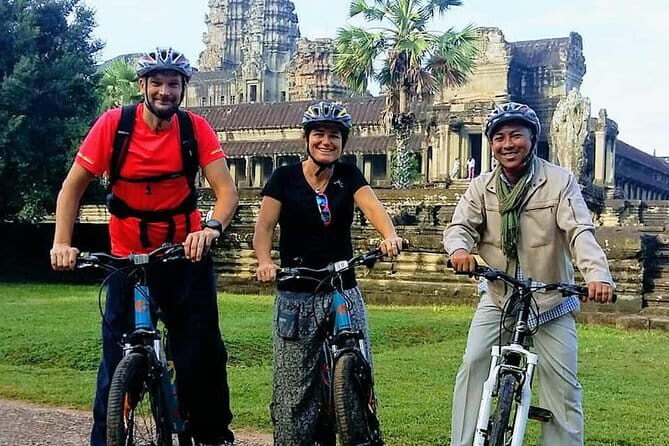
- Hotel pickup + drop-off makes the day feel stress-free, not like a logistics puzzle
- 20 km on mostly flat terrain keeps the effort reasonable for a long temple day
- Cool water and cool towels help you keep going when the sun turns mean
- Angkor’s main circuit, plus lesser-visited temples like Ta Nei and Prasat Kravan
- English guide Hok keeps the context clear as you move from Bayon to Ta Prohm
- Safety gear provided and a route that can include road and trail feels well managed
Why cycling through Angkor beats the usual shuffle

Angkor is famous, and that means crowds, heat, and lines. Cycling changes the rhythm. You still see the must-dos, but you do it with fewer stop-and-start moments and more time watching how people move through the ruins.
The best part is the way the guide connects scenes. You aren’t just collecting photos of stone faces and towers. Hok gives you the context as you roll from Angkor Wat to Angkor Thom, so the layout makes sense while you’re still out there.
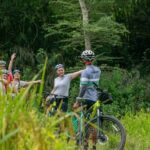
This also works well if your group has mixed abilities. You can pedal at a pace that feels comfortable, then slow down when a temple details your attention instead of rushing because the next car is waiting.
You can also read our reviews of more cycling tours in Siem Reap
Price and what it really buys you: $49 plus the Angkor Pass
At $49 per person, this tour is budget-friendly for a private day with a real guide, a bicycle, and planned stops. You’re also getting practical stuff that costs money if you buy it one-off: bottled water, cool towels, and local snacks.
The tradeoff is the big one: the Angkor Pass is separate (listed at $37 per person). So your real total is closer to $86 per person before meals and tips. If you were already planning to visit multiple temples anyway, that pass cost is normal. If you were hoping to keep everything ultra-minimal, this is the part that can surprise you.
Still, value-wise, you’re paying for two things that matter in Angkor: guide time and route planning, plus the effort-saving “you don’t have to figure this out” factor.
Meeting Hok at 8:00 and the practical ride setup
Your day starts at 8:00 am with pickup from your hotel. That matters more than it sounds. In Siem Reap, the temple area can feel far when you’re carrying tickets, water, and sun protection. Being collected and dropped off right at your place makes the morning simple.
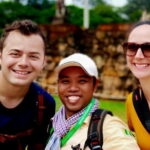
This is a private tour, meaning it’s only your group. The upside is you get fewer compromises about pacing. If your group wants more time at Bayon’s faces or you’re ready to move quickly, Hok adjusts.
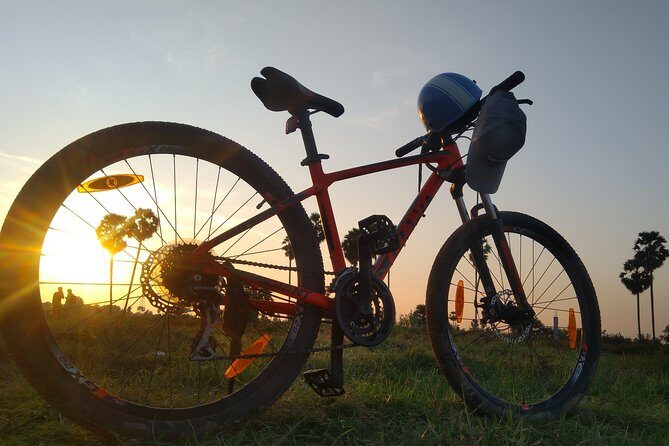
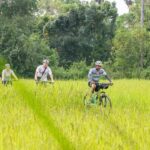
You’ll ride about 12 miles / 20 kilometers over mostly flat terrain, and you’ll get all safety equipment. The tour is also designed for “most travelers,” which is tour-speak for: you don’t need to be a cyclist racer, but you should be comfortable riding in a busy tourist area. Dress code is real here—plan for clothes that cover shoulders and knees.
Stop-by-stop: Angkor Wat, Bayon, Ta Prohm, and the ride between them
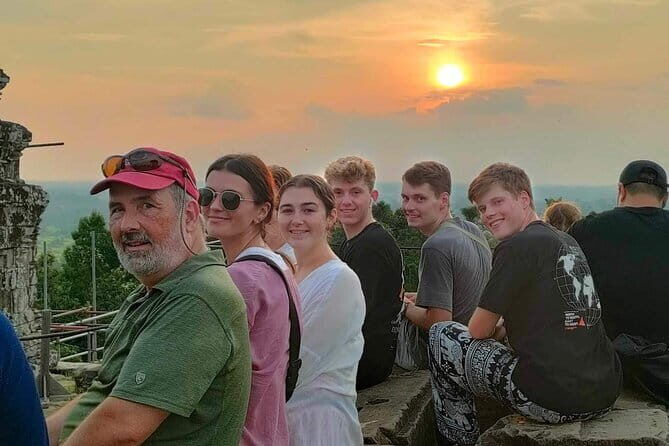
Below is how the day typically flows. Times are approximate, but the order is key because it shapes your heat level and your viewing rhythm.
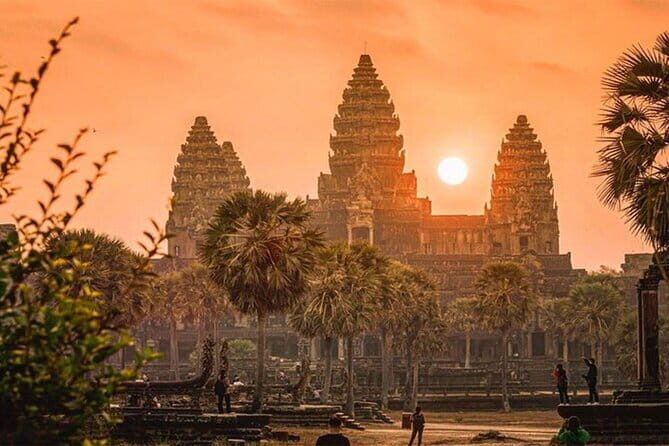
Stop 1: Angkor Wat (about 2 hours)
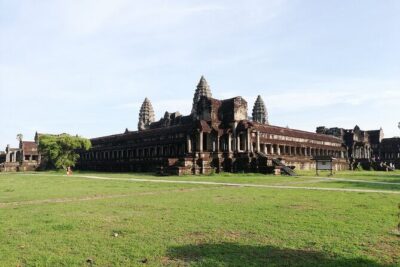
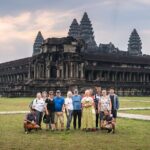
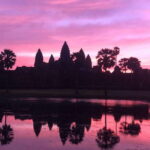
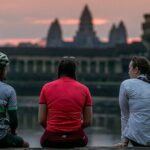
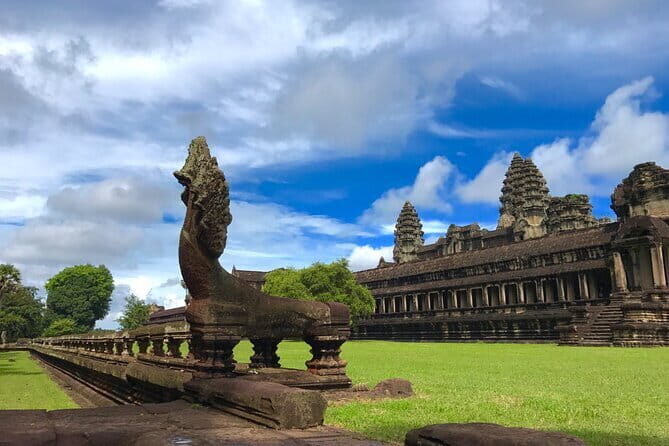
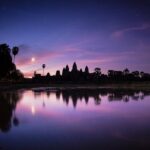
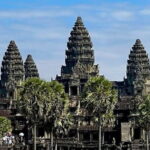
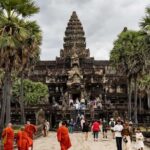
You start with Angkor Wat, cycling out with your bike and settling into the scale of the place. Angkor Wat is the classic “wow” temple, and it can be overwhelming if you just wander. Hok’s job is to help you see what to notice first, then how the complex connects.
Two hours is a good length: long enough to get the main viewpoints and details, but not so long that you cook in the sun. You’ll likely feel the shift from “arrival excitement” to “OK, now I understand what I’m looking at.”
Downside to note: this is a major stop. Even with a good route plan, it’s still a busy area.
A few more Siem Reap tours and experiences worth a look

Stop 2: Angkor Thom, starting at the South Gate (about 1 hour)
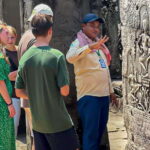
Next comes Angkor Thom, entered via the South Gate. This is where the tour’s “big picture” really kicks in. Hok walks you through the structure of the ancient city so you don’t just see scattered temples like they’re random.
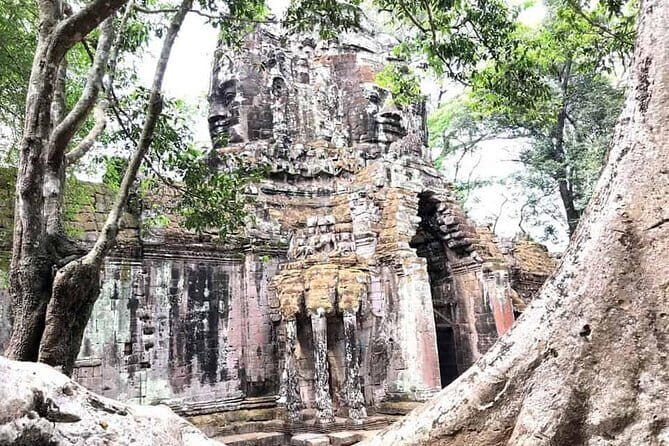
You’ll also connect the dots to key sights inside the walls, including Bayon, Elephant Terrace, and the Victory Gate. The riding between spots helps here. Instead of walking long distances in the heat, you roll through sections and arrive ready to look up and take in what matters.
Stop 3: Bayon Temple (about 30 minutes)
Bayon sits right in the center of Angkor Thom. It’s famous for the stone faces, but the bigger value is how it anchors the whole city. Hok’s explanation makes the temple feel less like a photo-op and more like a piece of a larger design.
Thirty minutes is short in a good way. You see what you need without burning your energy for a photo marathon. And because you’re already oriented from Angkor Thom, you’ll notice more than you would on a first visit.
Stop 4: Terrace of the Elephants (about 30 minutes)
Then you hit the Terrace of the Elephants, a royal conference hall in front of the royal palace area. This is the stop where your brain switches from “faces and towers” to “ceremony and rule.” It’s a visual reminder that Angkor wasn’t just temples—it was power, administration, and public life.
The half-hour slot works well because you can enjoy the architecture without feeling like you’re trapped in one place. Still, if you love architecture more than crowds, you might wish the time were longer.
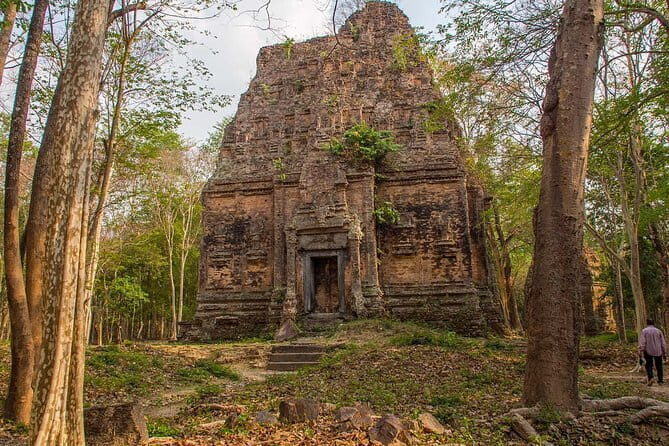
Stop 5: Ta Nei Temple (about 30 minutes)
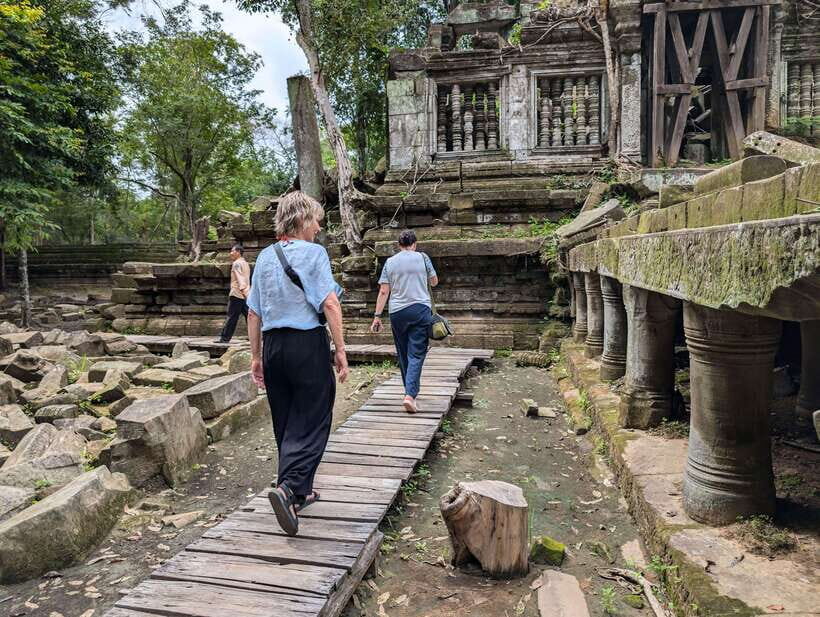
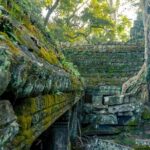
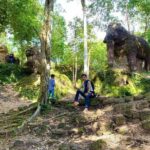
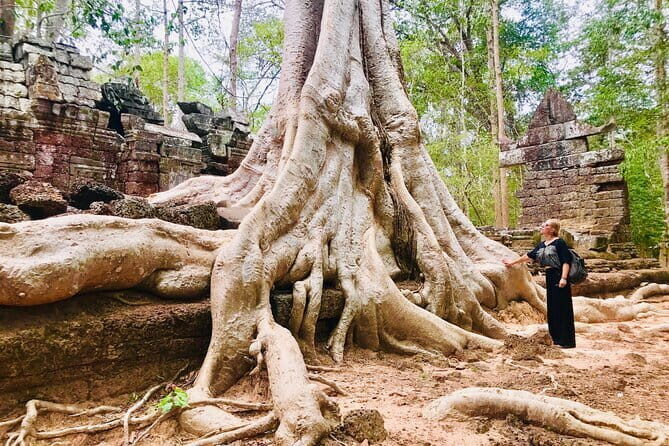
Now for the breath of fresh air: Ta Nei. You’ll go through a small path in the forest to reach this temple, and it’s described as peaceful. The change of setting is the point. In a day that starts with monumental stone, Ta Nei gives you a quieter, more intimate temple mood.
Thirty minutes is enough to enjoy the calm and notice the way the surroundings shape the feeling of the site. It’s also a smart “midday” stop because you’re not just pushing from highlight to highlight nonstop.
Stop 6: Ta Prohm (about 1 hour)
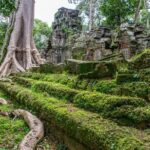
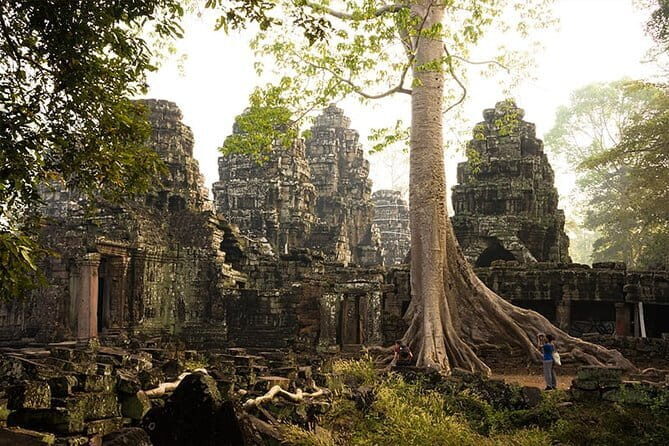
Ta Prohm is the jungle temple most people know, and yes, it’s the one people associate with film settings. Here’s the practical value: one hour gives you time to take it in from multiple angles without rushing through the trees and roots.
This stop can be visually busy, so a guide helps. Hok’s context and pacing make the experience feel grounded instead of chaotic. You’ll probably notice more “how it was built” details when you aren’t just staring upward the whole time.
One consideration: this is a popular temple. Expect the energy of a major attraction.
Stop 7: Prasat Kravan (about 30 minutes) and local village time
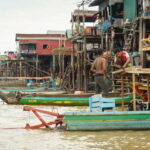
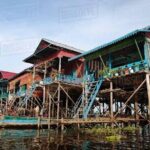
After Ta Prohm, the ride moves through local villages to visit Prasat Kravan. This is where the tour shifts from “ruins only” to “ruins with real life nearby.” You get local interaction and a chance to see daily living-culture and traditions in the surrounding area.
Prasat Kravan is shorter—about 30 minutes—so it won’t replace the main temples for scale. It’s more about the human texture around the ruins. And because it comes after Ta Prohm, it can feel like a soft landing.
Back to your hotel
At the end, you cycle back to your hotel. That closing ride is useful because you’re not trapped searching for transport after a long day. It also gives you a moment to mentally sort the sights while you’re moving, not while you’re waiting.
The quieter temples that make the day feel worth it
If you’re only trying to see Angkor’s “big three,” you can do it on a bus or with a driver. The difference here is that Hok builds in stops that many day trips skip—or squeeze into a rushed photo stop.
Ta Nei and Prasat Kravan change the texture of the day. They’re not just smaller versions of the famous temples; they feel different. Ta Nei is reached by forest paths, and Prasat Kravan is paired with village cycling and local interaction.
That matters when you’re paying a pass fee and spending 6–7 hours in one go. You want variety, not the same kind of landmark over and over. This route gives you a “monuments plus breathing space” mix.
Heat, effort, and comfort: making a 20 km ride feel easy
Angkor days run hot. Even with an early start, the sun shows up fast once you’re on stone and open paths. This tour helps with the basics: water, cool towels, and local snacks.
Cycling itself also changes your comfort. You’re not doing long walks between major points, and that can be a lifesaver if your legs are tired from previous sightseeing. The route is described as flat terrain, and that’s a big deal for comfort and confidence.
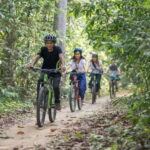
That said, it’s not a quiet, empty bike lane kind of ride. Your route can include a mixture of road and trail, and that’s exactly why the safety setup matters. Hok also keeps the pace compatible with the group, so you’re not forced into a “go faster” situation.
Practical tip from the real world: if you’re sensitive to sun, bring your own hat and sunscreen anyway. The tour handles water and towels, but you’ll still want personal protection.
Who should book this Angkor cycling day (and who might not)
This tour fits best if you want an organized Angkor day without the stress of driving, ticket handling, and figuring out routes. If you like the idea of seeing signature sights on two wheels while also getting some calmer temple moments, you’ll probably enjoy this.
You’ll likely be a good match if you:
- prefer a private tour for pacing
- can ride a bike at a moderate level for about 20 km with stops
- want an English guide who explains what you’re seeing, not just where to stand
You might skip it if you:
- hate the idea of cycling in areas that can include both road and trail
- want to keep your spending strictly to the $49 price (because the Angkor Pass is extra)
FAQ
FAQ
What time does the 1-day Angkor Wat cycling tour start?
Pickup is scheduled for 8:00 am.
How long is the tour?
The ride and temple stops total about 6 to 7 hours.
Is the Angkor Temple Pass included in the $49 price?
No. The Angkor Temple Pass is not included and is listed at $37 per person.
About how far do you cycle?
You’ll ride around 12 miles (20 kilometers).
Is this tour private or shared?
It’s private. Only your group participates.
What’s included in the tour price?
Included items are bicycle, an English tour guide, cool water and towels, and local snacks.
What’s the dress code and safety setup?
You should wear clothes that cover shoulders and knees. Safety equipment is provided.
Should you book this Angkor cycling day?
If you’re aiming for a smart, guided Angkor day that uses your energy well, I’d book it. The hotel pickup, the manageable 20 km flat ride, and the mix of famous and quieter temples make it feel like more than just transportation between landmarks.
The main “yes, but” is the extra Angkor Pass cost. If that fits your budget and you’re comfortable riding a bike for a temple day, this is a strong value way to see Angkor with less chaos and more context.