REVIEW · SIEM REAP
Angkor Wat Guided Tour
Book on Viator →Operated by Angkor Plus Trails · Bookable on Viator
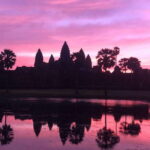
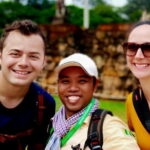
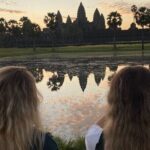
That early light hits Angkor Wat like nothing else, and this guided plan is built around the cooler morning and calmer temple time. I love the hotel pickup with a private, air-conditioned vehicle, which keeps the day comfortable before you even reach the ruins. I also like how the guide turns stones into stories, with Pablo (often also called Channat) praised for clear explanations and even switching languages when you need it.
The main thing to watch is costs: the Angkor pass is not included. It’s listed separately at $37 per person, and you’ll also want to plan for a meal that day since food isn’t included.
In This Review
- Key highlights you can feel in your day
- Entering the sunrise plan at Angkor Wat
- Private AC pickup in Siem Reap: comfort you’ll notice
- Angkor Wat with a guide who connects the dots
- Ta Prohm: where the roots feel almost alive
- Angkor Thom and the Gate to Bayon moments
- Phnom Bakheng and the viewpoint energy
- Banteay Kdei: an extra Buddhist temple stop in the plan
- Price and value: $76 per group, plus the Angkor pass
- What makes the guide experience strong (and why it matters)
- How to decide if this tour fits your style
- Should you book Angkor Plus Trails for Angkor Wat sunrise day?
- FAQ
- How long is the Angkor Wat guided tour?
- Where does the tour take place?
- Is hotel pickup included?
- Is the Angkor pass included in the price?
- What’s included in the tour price?
- What is not included?
- How many people are in the group?
- Is this a private tour?
- Do I get a ticket on my phone?
- Is free cancellation available?
Key highlights you can feel in your day
- Sunrise timing helps you see Angkor Wat in soft morning light, before the day heats up.
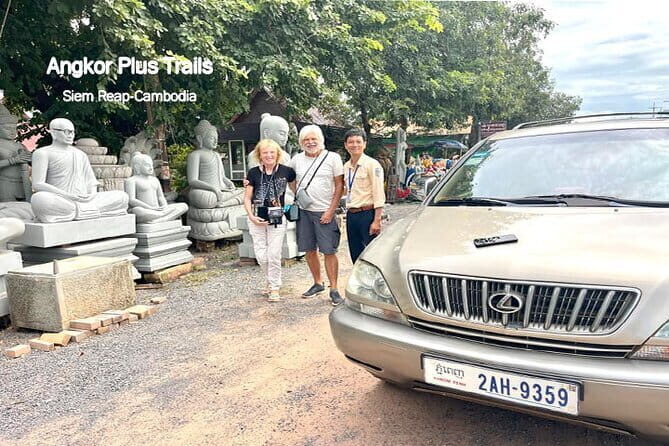
- Private AC transportation with pickup and drop-off keeps the long day from feeling like a slog.
- Guide-led context makes the temples easier to understand, especially if you want Khmer culture explained.
- Multiple major sites across Angkor Wat, Ta Prohm, Angkor Thom and viewpoints like Phnom Bakheng.
- On-the-road comfort includes cool water and towels during the day.
- Pablo/Channat’s language skills are a standout, with past groups noting English plus French and some Spanish.
Entering the sunrise plan at Angkor Wat
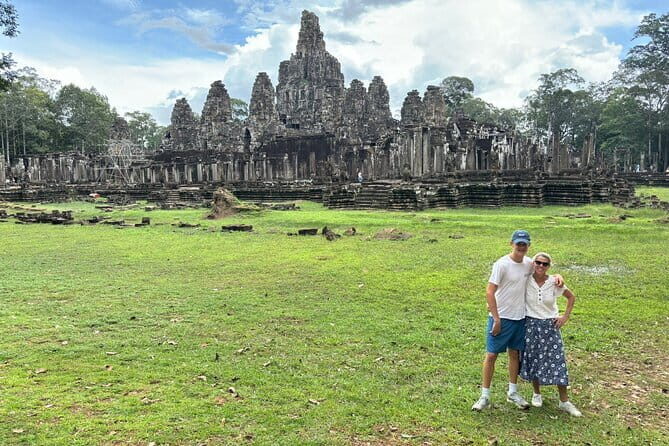
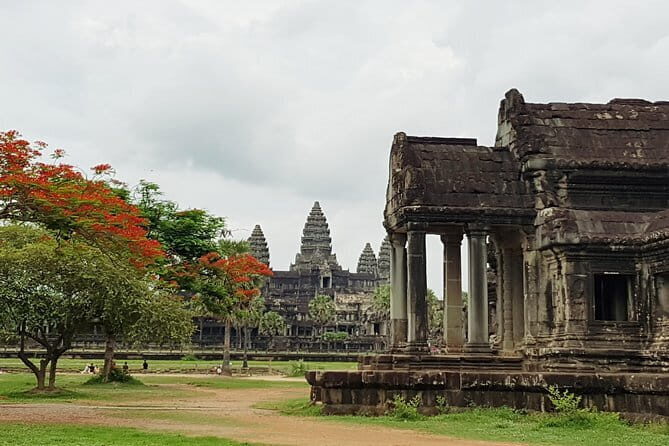
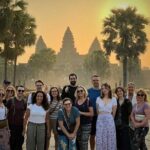
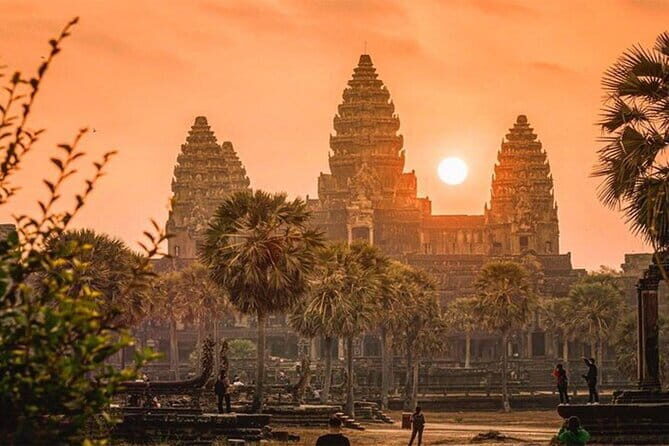
The first stop sets the tone. You’re aiming for sunrise at Angkor Wat, which is exactly when the temple looks most sculpted and least harsh. If you’ve ever seen temple photos where everything looks flat and gray, this timing is the fix—light matters, and mornings give you better conditions for photos and for your brain.
This is also smart from a crowd angle. The morning schedule is designed for fewer people and a calmer pace, so you can actually slow down at key viewpoints instead of constantly moving with the flow. You’ll have about three hours at Angkor Wat, which is enough time to see the highlights without feeling rushed every five minutes.
One more quiet benefit: starting early tends to make the day feel shorter. It’s still a long outing (about 10 hours), but you’re using the best part of the day first, and that makes the rest of the circuit feel more manageable.
You can also read our reviews of more guided tours in Siem Reap
Private AC pickup in Siem Reap: comfort you’ll notice
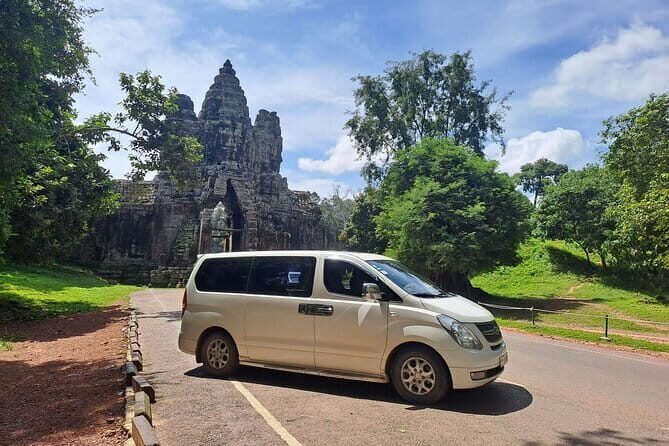
Siem Reap traffic can be slow, and heat can sneak up fast. This tour tackles both with a private air-conditioned vehicle and pickup and drop-off at your hotel. That matters more than it sounds. You’re not negotiating tuk-tuks at dawn or waiting around while people figure out routes.
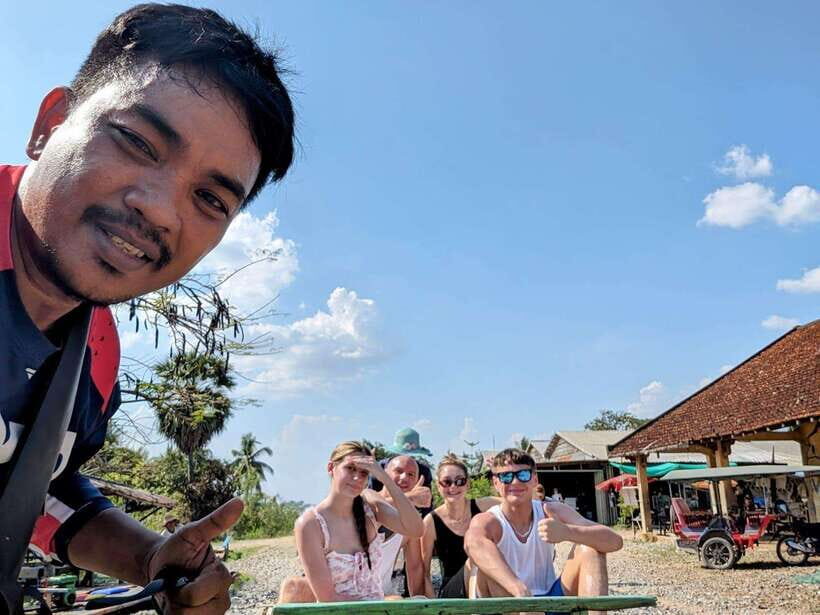
You also get practical little perks that help on a temple day: cool water and towels are included, plus a professional English tour guide & driver. In reviews, the guide experience comes through as a major reason people were happy—warm welcome, clear answers, and a guide who keeps the group moving thoughtfully rather than speed-walking.
Group size is another comfort factor. The description is for a private tour/activity, and it’s sold by group (up to 5). That means you’re not just another face in a huge bus line. You still get the structured tour flow, but you’re less likely to feel swallowed by the crowd.
Angkor Wat with a guide who connects the dots
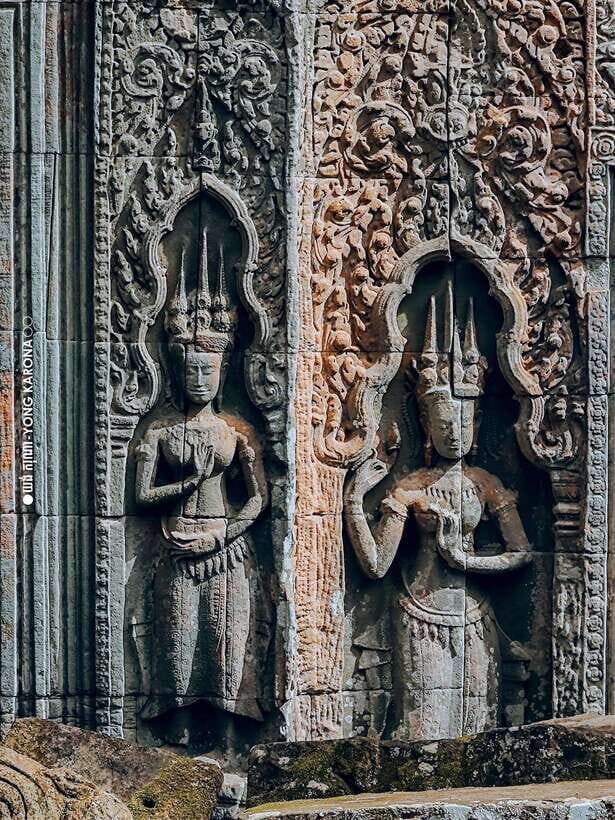
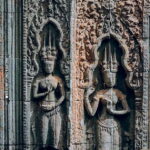
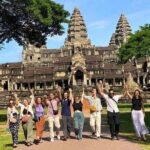
With about three hours here, Angkor Wat is more than just a first photo stop. This is the kind of site where distances matter. From a distance, it can look like a pattern of stone and geometry. Up close, it becomes a map of meanings—carvings, layout, and the way the temple’s structure pulls your eyes.
That’s where the guide earns their fee. Pablo (Channat) is repeatedly praised for knowing Cambodian history and explaining it in a way you can follow. One review specifically highlights that the guide speaks multiple languages, including English and French, with some Spanish too. Even if you’re traveling in English, that flexibility can be a lifesaver if your group includes different language speakers.
What I’d watch for on your side is how you want to spend time. If you’re the type who likes to wander, you might want to ask the guide where to linger for views. If you want a tight route, ask them what to prioritize. Either way, the “guided” part here should help you understand what you’re seeing instead of just ticking boxes.
Ta Prohm: where the roots feel almost alive
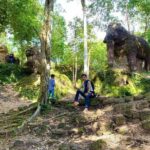
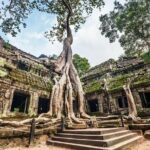
Next is Ta Prohm, a temple famous for dramatic tree roots and the sense that nature and stone are tangled together. With about two hours here, you get time to walk the corridors and open spaces without feeling like you’re doing it on a timer.
Two things make Ta Prohm work well on a guided day. First, the guide can point out where to look so you’re not just photographing the obvious corners. Second, Ta Prohm is one of those places where people often arrive with movie images in their heads. Having context helps you see it as an actual temple complex, not only a pop-culture set.
The tour structure keeps the day logical. You move from sunrise at Angkor Wat into another “big name” site with a totally different mood. That contrast keeps things from getting monotonous—your eyes reset, and you don’t feel like you’re staring at the same kind of stonework for hours.
Angkor Thom and the Gate to Bayon moments
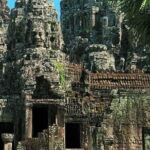
Then you head into Angkor Thom for about three hours. This is where you’ll feel the scale of Angkor more clearly. Angkor Thom is a walled city-temple, and once you enter, the layout makes you understand why it was built the way it was.
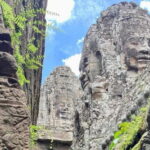
The tour description calls out the Gate to Bayon as a highlight. That’s useful because it’s easy to miss key lines of sight when you’re moving quickly. A good guide helps you read the space: where to stand, what to notice, and how the main features fit together.
If you care about Khmer culture and how stories and symbolism show up in architecture, this section is likely to click for you. Past feedback on the guide experience repeatedly points to a strong ability to answer questions and explain meaning clearly. That’s the difference between seeing a famous face carved in stone and understanding what you’re looking at.

Phnom Bakheng and the viewpoint energy
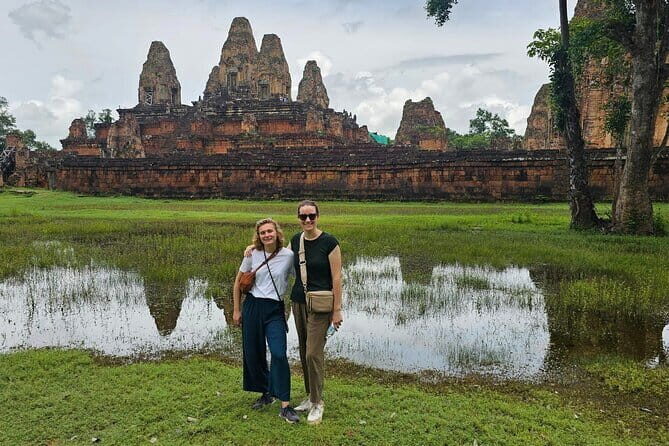
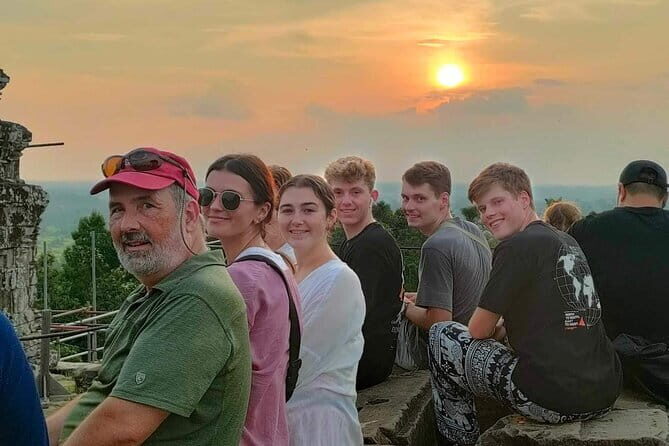
Stop four is Phnom Bakheng with about two hours. This is often where the day shifts from “walk and explore” to “pause and take in the panorama.” Even if you’re not obsessed with viewpoints, it’s a good moment to reset after earlier temple walking.
Phnom Bakheng is also a reminder that Angkor is not just one temple—it’s a whole area of linked sights, with different vantage points that change what the ruins feel like. A guided plan helps you avoid the classic problem: arriving at a viewpoint and not knowing what you’re meant to notice.
You’ll also likely feel the morning schedule paying off here. Because the tour hits big sites early, by the time you’re at a viewpoint, you’re not trying to force everything into the hottest hours of the day. The tour plan is built around that cooler morning window.
Banteay Kdei: an extra Buddhist temple stop in the plan
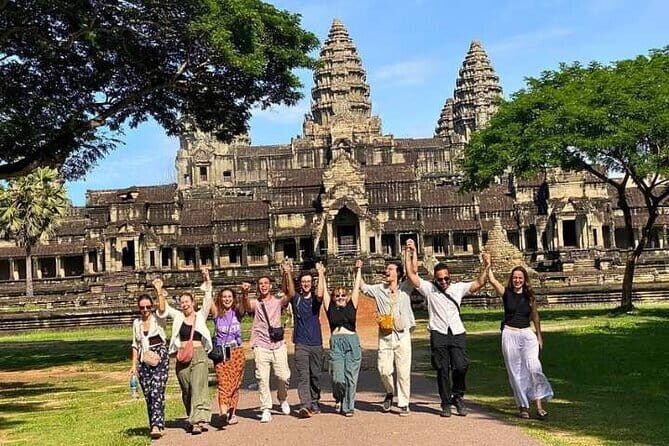
The overview for this tour also mentions visiting Banteay Kdei, described as a Buddhist temple. Since the official stop list you get at booking centers on Angkor Wat, Ta Prohm, Angkor Thom, and Phnom Bakheng, it’s possible your exact temples and timing can shift during the day.
If Banteay Kdei is on your schedule, it’s a nice choice because it adds another spiritual layer to your circuit—different carvings, different atmosphere, and another chance to slow down without repeating the same type of scene back-to-back. Even if the core timing stays the same, an added temple like this can make the day feel richer rather than like a straight line of the most photographed places.
Price and value: $76 per group, plus the Angkor pass
Let’s talk numbers in a way that helps you decide.
The tour price is $76.00 per group (up to 5) for about 10 hours. That means your per-person cost changes based on how many people are in your group:
- If you go as two people, it’s about $38 each before extras.
- If you go as five, it’s about $15.20 each for the tour portion.
Then there’s the big separate line item: the Angkor pass is $37 per person and is not included. So your total per person will be roughly:
- With two people: ~$75 total per person (tour + pass)
- With five people: ~$52 total per person (tour + pass)
On top of that, tips and meal are not included. Whether the math works for you depends on what you want to buy: do you want the structure and guide so you don’t waste time, or would you rather self-navigate?
Where this tour tends to feel like good value is when you have at least a couple people to share the group price, and when you care about understanding what you’re seeing. A guide who can explain Khmer culture and history clearly can turn a long day into a meaningful one. And because you’re not arranging transport separately, you’re also buying convenience: private AC vehicle + hotel pickup + bottled comfort items.
What makes the guide experience strong (and why it matters)
In the feedback pattern, one name comes up again and again: Pablo, sometimes associated with Channat. People liked the kindness and professionalism, but they also liked the practical side—answers that help you understand the temples rather than just reciting facts.
Language skill is another strong point. One review notes Pablo speaks multiple languages, including English, French, and enough Spanish for conversation. That’s not common in every tour situation, and it helps you feel less dependent on translations.
A final detail that matters: some responses mention the guide helped people understand Khmer culture in depth and even showed less obvious places. That’s the kind of touch that can keep your day from feeling like a simple checklist.
How to decide if this tour fits your style
This tour is a great match if you:
- Want sunrise timing at Angkor Wat and a morning schedule that’s designed for calmer conditions
- Prefer a private guide with hotel pickup instead of coordinating transport on your own
- Care about explanations and context, not only photos
- Are traveling with up to 5 people so you can spread the group cost
It’s also worth considering if:
- You’re already buying the Angkor pass and you’re okay with adding a separate cost for it
- You don’t like early starts, since sunrise means you’ll likely be up before Siem Reap wakes up
Should you book Angkor Plus Trails for Angkor Wat sunrise day?
If you’re choosing between a self-guided day and a guided one, I’d lean toward this plan if you want less stress and better understanding. The mix of early sunrise, major sites across Angkor Wat to Ta Prohm and Angkor Thom, plus the added viewpoint time at Phnom Bakheng is a smart way to see the highlights in one organized day.
The best reason to book is simple: you’re paying for comfort and clarity. Pickup, AC, cool water and towels, and a guide who explains the meaning—that’s exactly what turns Angkor from scenery into a story you can follow.
If your group is small (one or two people), do the math with the separate Angkor pass cost. If it still feels reasonable, go for it. If your budget is tight, you might compare alternatives—but if you value time and guidance, this one is built for that.
FAQ
How long is the Angkor Wat guided tour?
It runs about 10 hours (approx.).
Where does the tour take place?
The experience is in Siem Reap, Cambodia.
Is hotel pickup included?
Yes. Pickup and drop-off at your hotel are included.
Is the Angkor pass included in the price?
No. The Angkor pass is not included and costs $37.00 per person.
What’s included in the tour price?
Included items are a private air-conditioned vehicle, pickup and drop-off at your hotel, cool water and towels, and a professional English tour guide & driver.
What is not included?
Not included: the Angkor pass, appreciation tip, personal expenses, and meals.
How many people are in the group?
It’s priced per group and can include up to 5 people.
Is this a private tour?
Yes. Only your group will participate.
Do I get a ticket on my phone?
The tour includes a mobile ticket.
Is free cancellation available?
Yes. Free cancellation is allowed up to 24 hours in advance of the experience start time for a full refund.