Sunset at Angkor hits different, and this small-group day strings together Ta Prohm, Bayon, Angkor Wat, and a Phnom Bakheng overlook. You’ll get hotel pickup and sunset timing built into the route, so you’re not stuck figuring out the temples on your own.
I love the time balance here, especially the 3 hours at Angkor Wat. I also like that the experience leans into the guide side of the equation, with photo help and clear explanations; names like Theara Kong and Sen Prourng come up often when people talk about great guiding in this area.
The one drawback to plan for is cost and climbing: the $37 Angkor Park pass is not included, and the sunset viewpoint involves real steps. Dress code is also strict, so pack smart.
In This Review
- Key highlights you’ll care about
- A sunset route that actually connects the dots
- Timing and pace: 8:30 am start, 8–9 hours total
- How “small group” changes the feel
- Price and logistics: what $20 buys, and what comes extra
- Ta Prohm Temple: the jungle-on-stone moment
- The practical part: bring time for photos and shade
- Bayon in Angkor Thom: nearly 200 smiling faces
- A small-group benefit: less waiting, more noticing
- Angkor Wat for 3 hours: how to use the time well
- Photo help that doesn’t waste your day
- Baphuon: a climb that rewards you with breeze and views
- Expect stairs and plan for “moderate fitness”
- Phnom Bakheng: the sunset viewpoint where Angkor steals the show
- Tips that come down to timing and comfort
- Your guide matters more than you think
- Dress code: the rule that affects your comfort all day
- What’s included in the van ride, and why it matters
- Food and timing: plan your own meals
- Who this tour suits best
- Should you book it?
- FAQ
- How long is the Angkor Wat sunset small-group tour?
- What time does the tour start, and do they pick up from hotels?
- Is the Angkor Park admission fee included in the $20 price?
- What temples are visited on this tour?
- How large is the group?
- What is the dress code?
- Are meals included?
- Is the tour physically demanding?
- What happens if the weather is bad or the tour can’t run?
Key highlights you’ll care about
- Max 12 people keeps the day from feeling like a school trip bus shuffle
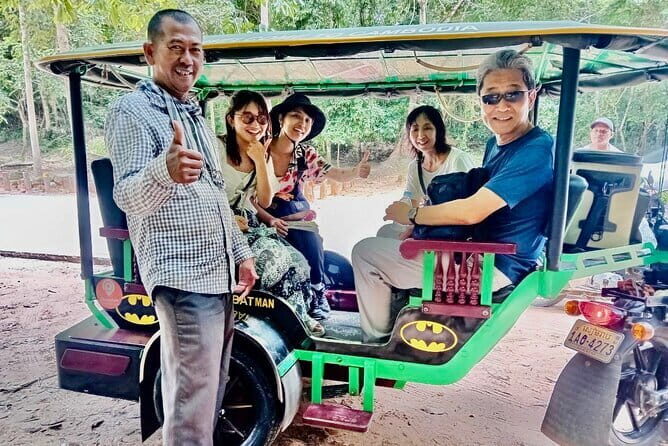
- Air-conditioned mini van + pickup/drop-off saves your energy for temple walking
- Ta Prohm to Phnom Bakheng hits the main lineup plus the big sunset moment
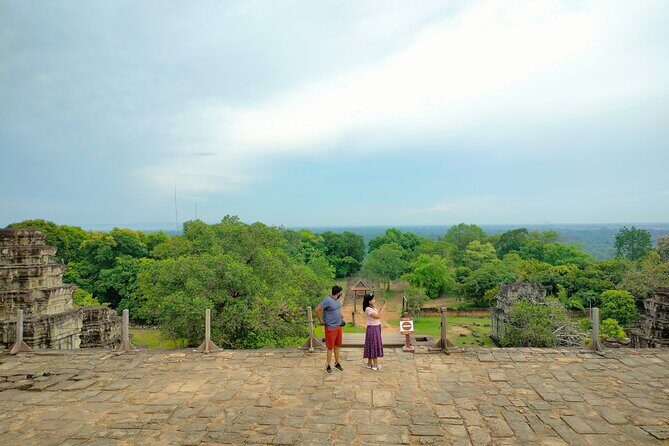
- Phnom Bakheng views are famous for letting you see Angkor Wat towers from above
- Photo-focused guiding: ask for guides like Theara Kong, Sen Prourng, Chet, Narin, Sam Pho (or Kim) if you want both history and good shots
A sunset route that actually connects the dots
This is one of those Angkor days where the order matters. You start with big atmosphere temples, move through the Angkor Thom core, spend a chunk at Angkor Wat, then finish with a climb aimed at sunset views from Phnom Bakheng.
What makes it work for me is the rhythm. You’re not just collecting monuments; you’re walking through the logic of the complex—gate areas, carvings, and viewpoints—so the place starts to make sense.
You can also read our reviews of more evening experiences in Siem Reap

Timing and pace: 8:30 am start, 8–9 hours total
The tour starts at 8:30 am and runs about 8 to 9 hours. That’s a long day, but it’s long in the way you want for Angkor: early enough to get productive hours, not so late that you feel rushed through the temples.
You’ll also be moving between sites as a group by air-conditioned mini van, with cold waters and wipes included. That matters because Khmer heat can chew up your pace fast, and this day is already packed with walking.
How “small group” changes the feel
This is capped at 12 travelers and shared with others. In practice, that usually means you can hear your guide and you’re not stuck sprinting to catch up with a giant crowd.
Price and logistics: what $20 buys, and what comes extra
The advertised price is $20 per person, and it includes hotel pickup/drop-off, transport by air-conditioned mini van, tolls/parking/gas, plus cold waters and wipes. There’s also a mobile ticket involved, and group discounts may apply depending on how the booking fills.
Here’s the math you should do up front: the Angkor Park admission fee ($37 per person) is not included. So plan on about $57 total per person once you add the park cost.
For me, the value comes from the full route plus transport and guide support. If you’ve ever tried to cobble together Angkor in pieces—driver one day, tickets another, timing for sunset—you know the stress costs time. This package turns that chaos into a single plan.
Ta Prohm Temple: the jungle-on-stone moment
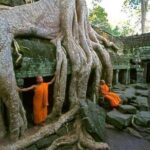
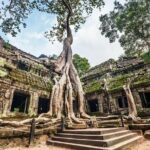
Ta Prohm is where Angkor does its best job of looking like a movie set, except it’s real and it feels older than words. You’ll spend about 1 hour here, and the site is known for being partially overtaken by jungle growth.
This stop is all about texture: roots, stone edges, and the weird beauty of buildings that don’t look fully human-made anymore. It’s also a good place to slow down. If you only sprint through Angkor, Ta Prohm punishes that habit fast.
The practical part: bring time for photos and shade
Because this stop is visually busy, you’ll likely take more photos than you planned. The guide can help you find angles, and that can save time later at the big “wow” temples.
Also, expect uneven footing. Wear shoes you trust. That’s not a fancy tip; it’s the difference between enjoying the ruins and worrying about your footing.
Bayon in Angkor Thom: nearly 200 smiling faces
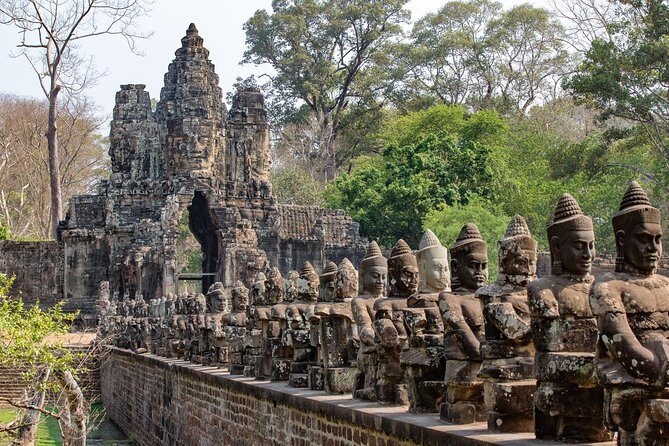
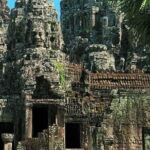
After Ta Prohm, you head into Angkor Thom’s heart for Bayon. You’ll spend about 1 hour, and Bayon’s main feature is what everyone remembers: those many Buddha face towers spread across the temple.
This is the place where Angkor starts to feel more symbolic and less just architectural. The carvings and faces create a sense of being watched from multiple directions, which is why your guide’s explanations help. You stop seeing it as random decoration and start noticing how the temple communicates.
A small-group benefit: less waiting, more noticing
With a smaller group, you often get to stand in a good viewing spot without constantly getting nudged out. That means more time actually looking, not just moving.
Angkor Wat for 3 hours: how to use the time well
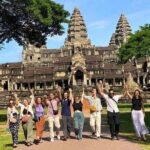
Angkor Wat is the centerpiece, and the tour gives it about 3 hours. That’s the difference between “saw it” and “understood it.” You need time to walk, reset your eyes, and catch the light changes as you move.
You’ll also learn what you’re looking at. Angkor Wat is a massive Hindu temple complex built in the 12th century, and your guide’s job is to connect the shapes—walls, courtyards, and the central structures—to the story behind the design.
Photo help that doesn’t waste your day
This tour is tied to a professional/photography guide, and the guiding style matters. A good guide helps you avoid the classic mistake: taking ten photos from a bad spot instead of one photo from the right place.
If you care about photos, it’s worth asking which guide you’ll have ahead of time. In the Siem Reap scene, names like Chet and Sam Pho come up for photo-friendly guidance and strong temple explanations. Narin is another name linked with helping people capture memories.
Baphuon: a climb that rewards you with breeze and views
Next is Baphuon, an 11th-century Hindu temple. You’ll spend about 1 hour, and the highlight is the scenery you get once you climb and reach a better vantage point.
This stop works because it changes the angle—literally. Instead of staring straight at carvings, you’re gaining height and getting a sense of how these temples sit inside the larger Angkor footprint.
Expect stairs and plan for “moderate fitness”
This tour asks for moderate physical fitness. That doesn’t mean you need to be a gym rat. It does mean you should be comfortable with stairs and uneven steps, especially later at Phnom Bakheng.
Phnom Bakheng: the sunset viewpoint where Angkor steals the show
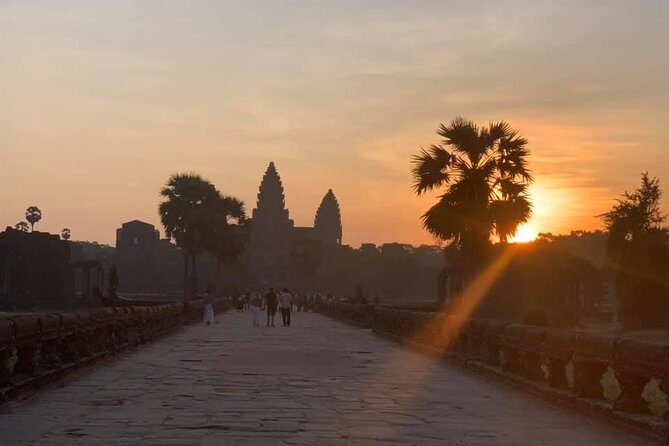
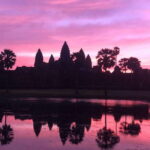
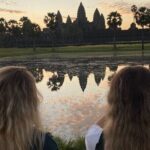
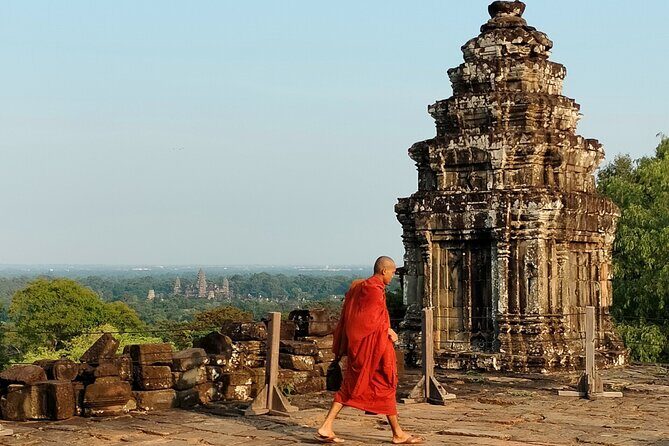
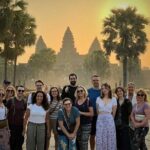
The final temple stop is Phnom Bakheng, a late 9th-century mountain-styled temple. You’ll spend about 1 hour, and this is described as one of the best sunset spots, with the chance to see Angkor Wat towers from the top.
This is your payoff moment. After spending the day up close—faces, doorways, carvings—you end up looking across the whole temple complex. It changes the whole day from “rooms and stones” into “a designed universe.”
Tips that come down to timing and comfort
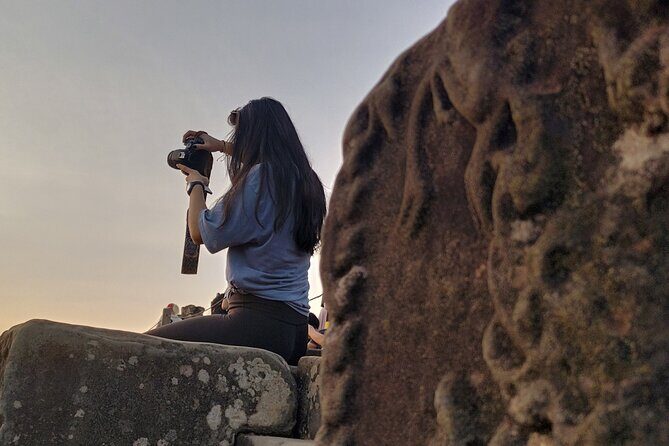
Since the goal is sunset, you’ll want to be ready to move at the pace of the group when it’s time to climb and settle. Bring a layer too. Even when it’s warm during the day, evenings can feel cooler up at viewpoints.
And yes, do the basic stuff: water sips, small breaks, and good shoes. The temple is the attraction; your comfort plan should be boring and effective.
Your guide matters more than you think
The included guide can make or break the experience. If your guide knows how to explain what you’re seeing and help you frame photos, you end up with a day that feels like a story—not a checklist.
From what I’ve gathered about standout guides, asking for specific names can be a smart move. People talk highly about Theara Kong for English and solid temple and Cambodia context. Sen Prourng is another strong pick when you want professional, in-depth explanations. Chet gets praised for being friendly and for photography support. Sam Pho is noted for strong Angkor Wat and Cambodia explanations plus picture tips. Narin is linked with professional photo help, and Kim is mentioned for explaining history clearly, including German.
You can’t control your assignment for sure, but you can control your question: ask who you’re getting and what languages they can work in. That one question can pay off.
Dress code: the rule that affects your comfort all day
Dress code is listed as formal, and it’s not optional. For places of worship and selected museums, no shorts or sleeveless tops are allowed, and knees and shoulders must be covered for both men and women. If you don’t comply, you risk being refused entry.
That means you should plan clothes like you’re visiting a respectful temple, not like you’re on a beach day. Lightweight long pants and a breathable shirt or top with sleeves is the easiest solution in heat.
Also, consider a light scarf. Even if you’ve packed perfectly, travel can lead to unexpected wardrobe issues (laundry timing, bags you forgot, that kind of thing). A scarf is small insurance.
What’s included in the van ride, and why it matters
You’ll travel in an air-conditioned mini van with pickup and drop-off from your hotel. That’s part of the value because it cuts down on wasted time and energy.
You also get cold waters and wipes, which sounds minor until you’re halfway through the day and realize you’d rather not spend effort hunting for refreshments. The tour also covers toll roads and parking, so your day stays smooth.
Food and timing: plan your own meals
This tour does not include breakfast, lunch, or dinner, and it doesn’t include soft or alcohol drinks. That’s a key planning detail because Angkor days can run long enough that skipping food makes you cranky and slow.
If you want an easy day, pack simple snacks and water even though water is included. Then you can choose your meal stops without feeling trapped.
Who this tour suits best
This is a strong fit if you want:
- A small-group Angkor day without the stress of coordinating multiple drivers and ticket steps
- A guided route that includes Angkor Wat plus the sunset viewpoint
- Help with photography framing and temple explanations
It’s less ideal if you want total independence or a super flexible schedule. Shared timing means you follow the group’s pace, and Angkor rewards patience.
Should you book it?
Yes, I’d book this if you want an Angkor day that feels organized and guided, with the sunset payoff built in. The route hits the big names—Ta Prohm, Bayon, Angkor Wat, Baphuon, and Phnom Bakheng—and the 8:30 am start plus 8–9 hour duration is a good template for seeing a lot without feeling like you’re constantly rushing.
Book early too. This kind of tour gets reserved far in advance—often months ahead—so if you have fixed travel dates, don’t wait.
If you’re cost sensitive, remember the park pass is extra. If you hate dress codes, this one might irritate you. But if you can handle a formal outfit and comfortable shoes, this is a solid way to do Angkor with less friction and better context.
FAQ
How long is the Angkor Wat sunset small-group tour?
It runs about 8 to 9 hours.
What time does the tour start, and do they pick up from hotels?
The start time is 8:30 am, and hotel pickup and drop-off are included.
Is the Angkor Park admission fee included in the $20 price?
No. The Angkor Park admission fee is $37 per person and is not included.
What temples are visited on this tour?
You visit Ta Prohm, Bayon, Angkor Wat, Baphuon, and Phnom Bakheng.
How large is the group?
The group is small, with a maximum of 12 travelers.
What is the dress code?
A formal dress code is required. For places of worship and selected museums, no shorts or sleeveless tops are allowed, and knees and shoulders must be covered for both men and women.
Are meals included?
No. Breakfast, lunch, dinner, and drinks are not included.
Is the tour physically demanding?
It’s designed for travelers with moderate physical fitness, which is important because there is climbing involved at key viewpoints.
What happens if the weather is bad or the tour can’t run?
The tour requires good weather. If it’s canceled due to poor weather, you’ll be offered a different date or a full refund. It also requires a minimum number of travelers, and if that minimum isn’t met you’ll be offered a different experience/date or a full refund.