REVIEW · SIEM REAP
Angkor Wat: Sunrise or Sunset Tours with Tuk Tuk
Book on Viator →Operated by Travel Choice Cambodia · Bookable on Viator
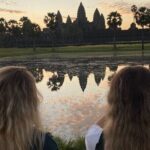
Sunrise or sunset at Angkor Wat is worth the early fuss. This private tuk tuk tour turns the big-ticket temples into a calmer, do-it-your-way day, with hotel-linked transport and an English-speaking driver to keep things flowing. You pick the pace, you skip the herd-energy, and you still hit the classics that make Angkor feel unreal.
What I like most is the flexibility. You’re not stuck shuffling with a bus load at every stop. You can linger for the details—then move on when your feet start filing complaints—while the tuk tuk does the heavy lifting between sites. And the second big win is the human touch: drivers like Chuon/Choun/Choung (names vary in booking notes) often bring a friendly, patient vibe and share practical temple context, plus you get cool bottled water along the way.
One consideration before you commit: park entry tickets and food aren’t included, and sunrise timing can be unforgiving. There’s at least one no-show complaint showing how important it is to confirm pickup clearly and plan a small backup for early starts.
In This Review
- Key highlights if you’re short on time
- Why a tuk tuk sunrise tour makes Angkor feel human
- Price and value: $32 gets you transport plus English help
- The 8-hour route: what each stop gives you (and what it costs in time)
- Stop 1: Angkor Wat (about 3 hours)
- Stop 2: Ta Prohm (about 2 hours)
- Stop 3: Ta Keo (about 40 minutes)
- Stop 4: Bayon Temple (about 2 hours)
- Stop 5: Angkor Thom South Gate (about 15 minutes)
- Sunrise vs sunset: how to choose your light and your energy
- The driver difference: why names like Chuon matter
- Logistics that can trip you up: tickets, food, and pickup clarity
- What the day feels like on the ground
- Who this tour is best for
- Should you book this tuk tuk sunrise or sunset tour?
- FAQ
- What’s included in the Angkor Wat tuk tuk tour?
- Are admission tickets to Angkor Archaeological Park included?
- Do I get a formal tour guide?
- Do they provide food or drinks?
- How long is the tour?
- Is this tour private?
- Is pickup from my hotel included?
- Is there a choice between sunrise and sunset?
- What temples are included in the itinerary?
- What’s the cancellation policy?
Key highlights if you’re short on time
- Private tuk tuk means your pace wins: shorter waits, fewer crowd bottlenecks, and more control over how long you stay at each temple.
- Sunrise or sunset format: you’ll route around Angkor Wat for that first big wow, depending on the time slot you choose.
- Driver-led temple info (not a formal guide): you get explanations and tips from your English-speaking driver, but a full on-site guide isn’t part of the package.
- Tickets and meals are on you: Angkor Archaeological Park entry is extra, and there’s no food included, so plan snacks and cash.
- Stops are packed but not endless: the day balances long hits (Angkor Wat, Ta Prohm, Bayon) with shorter wow-moments (Ta Keo, South Gate).
Why a tuk tuk sunrise tour makes Angkor feel human
Angkor can be overwhelming in the first five minutes. Big stone, big history, big crowds. A tuk tuk day helps because it shrinks the experience from a full-day battle to a series of “okay, we’ll handle this next” moments.
The private part matters. You’re not waiting for slow walkers, photo-stoppers, and people who “need one minute” every ten minutes. With just your group, you get to adjust when the light changes, when the heat climbs, or when you want to zoom through one courtyard and slow down in another.
And tuk tuk is just practical. Walking is unavoidable once you’re in the temple zones, but the ride between them saves you from spending your energy hauling yourself across the park. Plus, the included bottled water is a small thing that pays off, especially on sunrise trips when you’re already operating on a low battery.
You can also read our reviews of more evening experiences in Siem Reap

Price and value: $32 gets you transport plus English help
At $32, this is a transport-heavy deal. The good news: you’re paying for private tuk tuk time, not just a seat on a bus. You also get English-speaking help and temple information that keeps you oriented—where you are, what matters, and what to watch for.
But you need to budget smart. Angkor Archaeological Park entry tickets aren’t included, and food isn’t included either. That means the real “all-in” cost depends on how you handle park entry. Still, even with tickets added, this kind of private tuk tuk format often ends up feeling like better value than squeezing into large-group tours where you’re constantly pushed along.
One more value note: the tour is built for a personalized pace, but the driver isn’t listed as a full formal guide. In practice, you’ll get explanations and tips, and that can be enough for many visitors. If you’re the type who wants deep art-historical lectures, you might find yourself wanting more than “on-the-spot context.” For most people, though, this strikes a good balance between structure and freedom.
The 8-hour route: what each stop gives you (and what it costs in time)
This is a classic Angkor lineup, with time splits that let you see the heavy hitters without feeling like you’re only passing through.
Stop 1: Angkor Wat (about 3 hours)
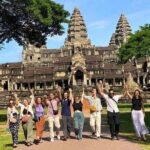
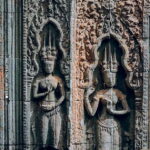
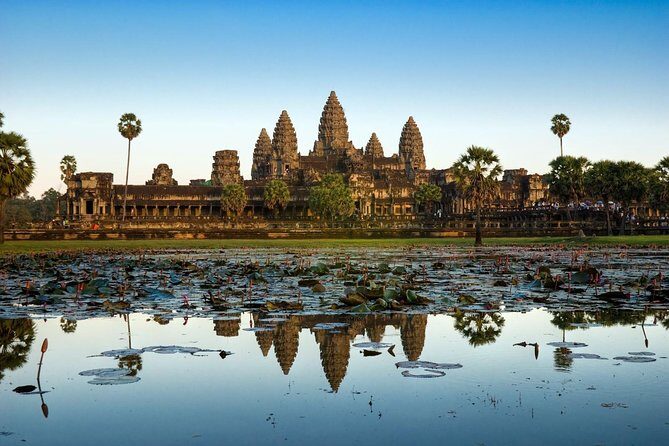
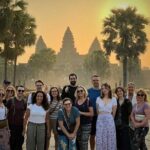
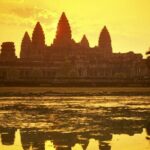
Angkor Wat is the headline. It’s the world’s largest religious structure, spread across roughly 400 acres (160 hectares), and it’s celebrated as a high point of Khmer architecture. In a sunrise or sunset tour, this is where the light does its magic—soft glow across stone carvings, longer shadows in the courtyards, and that moment when the scale finally lands.
The big advantage of giving Angkor Wat three hours is you’re not forced into a speed-run. You can walk the main areas at a comfortable tempo and still have time to pause for details. If your interest is photography, this is also where you’ll likely spend your “best effort” energy.
What to watch for: you’ll need your park entry plan in place because admissions are not included. Also, sunrise means you’ll be moving early—bring patience, water, and a hat, even if it feels cool at first.
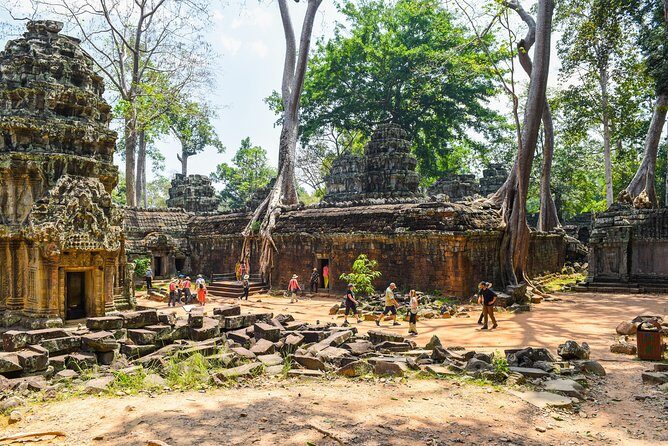
Stop 2: Ta Prohm (about 2 hours)
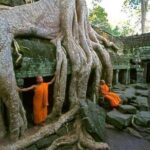
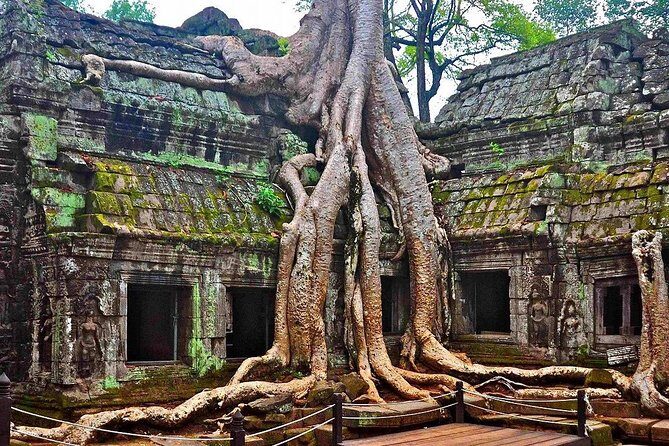
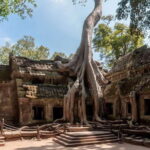
Ta Prohm is the famous “nature taking over” temple. It was built starting in 1186 and was originally known as Rajavihara, the Monastery of the King. It was a Buddhist temple dedicated to the mother of Jayavarman VII. In other words, it isn’t just a dramatic photo spot—it has a story, and the setting helps you feel that clash between human design and jungle reclaiming.
Two hours is a good amount here. You can wander the roots and stone corridors, then step back and appreciate the overall composition instead of only chasing close-up shots. It’s also a temple where your guide-and-driver-type explanations matter, because it’s easy to admire the spectacle and miss the why.
Potential drawback: Ta Prohm can feel busy. If you’re someone who gets overwhelmed quickly, the private approach helps, but you may still want to move slowly and breathe. That’s the whole point of this day: you’re not trapped in a rush.
A few more Siem Reap tours and experiences worth a look
Stop 3: Ta Keo (about 40 minutes)
Ta Keo is shorter, but it’s a meaningful pause. It’s known for being the first temple built entirely in sandstone—a milestone in Khmer history. You’ll notice the precision and the massive stone work, plus the sense of ambition: these large, regular blocks are part of what made Ta Keo stand out historically.
This stop is perfect for people who like architecture details but don’t want another long temple circuit. Forty minutes gives you time to look without turning your day into a marathon.
Here’s the practical consideration: since it’s brief, arrive ready to pay attention. If you chat too much or lose time to getting your bearings, that “short stop” can turn into a hurried one.
Stop 4: Bayon Temple (about 2 hours)
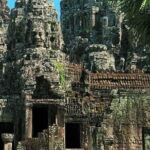
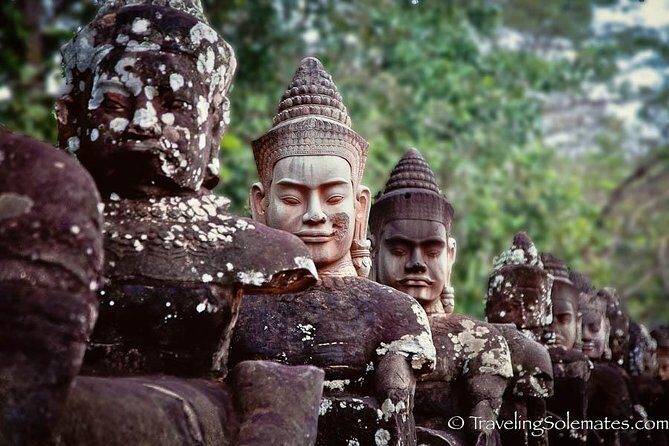
Bayon is where faces start appearing everywhere. It served as the first and only Buddhist temple constructed by the Angkor (Khmer) Empire. The bas-reliefs include battles and scenes of everyday life, which helps you connect the stone to real human moments—clothing, tools, movement, and daily activities carved into walls.
Two hours works well because Bayon rewards wandering. You can take time to look at the bas-reliefs and then circle to catch different angles of the carvings and courtyards. Also, this is often where people appreciate when your driver can point out what to look for, not just where to walk.
One caution: it’s easy to get “relief fatigue” (seeing carvings become one big visual wall). If that happens, shift your attention—focus on one wall or one section, then move on.
Stop 5: Angkor Thom South Gate (about 15 minutes)
This is a quick hit, and it’s a good way to end the main temple run. The south gate of Angkor Thom is famous inside Angkor Archaeological Park and it gives you a dramatic sense of scale from the causeway.
Fifteen minutes may sound short, but the gate is designed to be understood with your eyes first and your feet second. You don’t need long here to get the impact—you just need a moment to look up, then walk and absorb the proportions.
The downside: if you want maximum time in one last spot for photos, you’ll have to decide that in advance. This last stop is meant as a “big-feel ending,” not a deep dive.
Sunrise vs sunset: how to choose your light and your energy
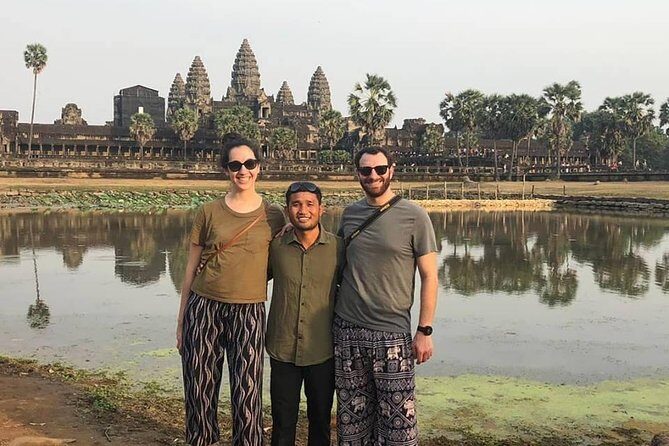
This tour is offered as either sunrise or sunset. That choice changes more than just the sky.
Sunrise tends to mean cooler air at the start and that classic Angkor mood where everything feels quieter and more cinematic. But it also means your schedule is tight. If pickup timing slips, you feel it fast. That makes confirmation important, especially with early departures.
Sunset is often the smoother choice for many people because your day doesn’t start with the “why am I awake” shock. You may also get softer light on the stone later, when your eyes are less tired from hours of heat.
Either way, make the choice that matches your temperament:
- If you love the early atmosphere and don’t mind being organized, sunrise fits.
- If you prefer a more relaxed start and later golden light, sunset fits.
The driver difference: why names like Chuon matter
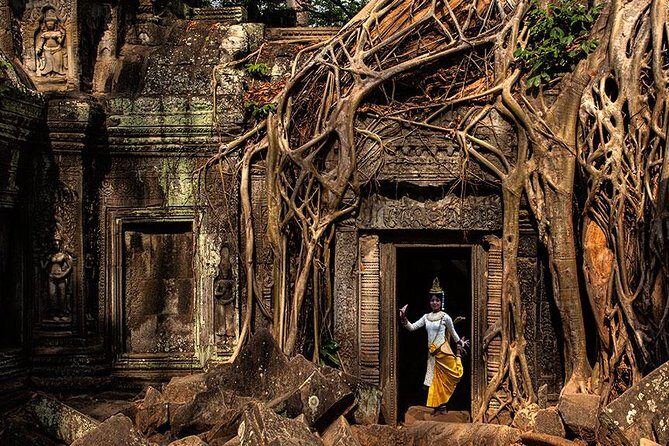
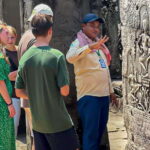
This is a private tuk tuk tour, but what makes it feel worth it is the driver’s role. Many bookings highlight drivers like Chuon/Choun/Choung—patient, kind, and willing to walk through parts of Angkor Wat and share small history and practical tips.
Even if this isn’t a full dedicated guide service, that personal touch is what turns a “temple visit” into a more meaningful experience. You’ll generally get:
- help with what to notice as you move through areas
- suggested routes that can reduce time stuck behind crowds
- a friendly check-in attitude when you need a slower pace
One thing I’d recommend: ask your driver, early in the day, what order makes the most sense for your interests. You’re paying for flexibility, and a good driver will use that to help you avoid wasting time.
Logistics that can trip you up: tickets, food, and pickup clarity
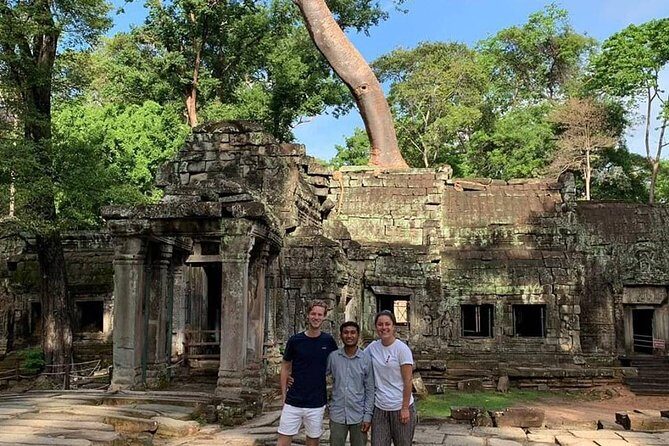
This tour makes one thing clear: admission tickets and food aren’t included. That’s normal for Angkor, but it’s the kind of detail that can ruin your mood if you don’t plan.
You’ll need to handle:
- Angkor Archaeological Park entry tickets (not included)
- any meals or snacks (not included)
The tour does include cool bottled water, temple information, and an English-speaking driver.
Pickup details are the one place you should be extra careful. The package list mentions hotel pickup and drop-off, but the tour overview also notes that pickup may not be included and you should plan your own arrival from Siem Reap. That contradiction is the kind of thing you can fix in five minutes: confirm what pickup is included for your exact booking time.
Also, you’re walking. The tour lists moderate physical fitness as the target. You don’t need to be an athlete, but you should expect uneven surfaces, stairs, and long temple courtyards.
What the day feels like on the ground
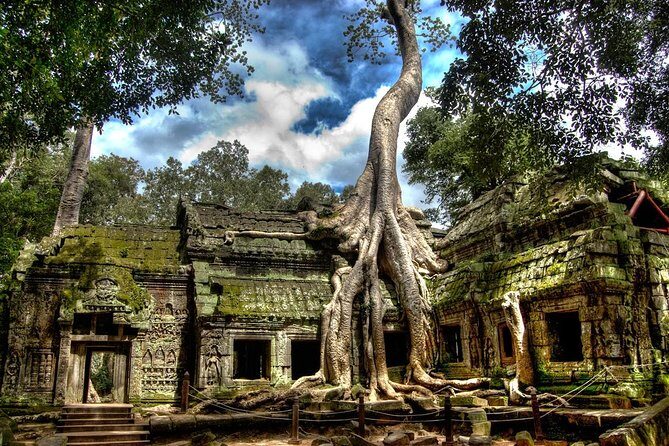
Picture a day that starts with momentum—then slows just enough to let you see things.
You’ll move from Angkor Wat to Ta Prohm to Ta Keo, then keep going to Bayon, with the Angkor Thom South Gate as a final signature. That order makes sense because it clusters the “big wow” experiences while still giving you variety: architecture, nature, sandstone engineering, then bas-reliefs with story scenes.
The private tuk tuk ride keeps energy focused. You’re not doing constant long-distance walks between stops. That matters because when you arrive at a temple tired, you miss the details. A fresher pace means you can notice carvings, layout, and the little visual cues that make Angkor feel like a living place—not just a postcard.
And yes, the best part is often simple: you’re doing it in a group that’s your own. No waiting, no forced group photos, no awkward pacing wars.
Who this tour is best for
This works well if you:
- want a private Angkor day without the full cost of a guide-heavy package
- like traveling at your own pace
- want an English-speaking driver who can explain what you’re seeing
- are flexible about time spent at different temples
It might not be the best fit if you:
- want a formal guided lecture style (a tours guide isn’t included)
- need a full meal plan built into the schedule
- can’t manage ticket planning on your own
Should you book this tuk tuk sunrise or sunset tour?
I’d book it if you want maximum temple time with minimum group hassle, and you’re comfortable handling entry tickets and meals yourself. At $32, the value is strong because you’re buying private transport plus an English-speaking driver with temple info—not just a transfer.
I’d be cautious if you’re doing sunrise and you’re very risk-sensitive about timing. The existence of a no-show complaint means you should confirm pickup details in writing and be ready with a backup plan if the early window feels fragile.
If you want a calm, personal Angkor day—one where you can stop, look up close, and keep your own rhythm—this private tuk tuk format is a smart way to do it.
FAQ
What’s included in the Angkor Wat tuk tuk tour?
The tour includes hotel pick up & drop-off (as listed), an English-speaking driver, cool bottled water, temple information, and private tuk tuk tours. It is also described as having a mobile ticket.
Are admission tickets to Angkor Archaeological Park included?
No. Angkor Archaeological Park entry tickets are not included, and the temple stops list admission ticket not included.
Do I get a formal tour guide?
A tours guide is listed as not included. You’ll have an English-speaking driver and temple information, but it’s not presented as a separate guide service.
Do they provide food or drinks?
Cool bottled water is included, but food and beverages are not included.
How long is the tour?
The duration is about 8 hours.
Is this tour private?
Yes. It’s a private tour/activity with only your group participating.
Is pickup from my hotel included?
Hotel pick up & drop-off is listed under included items, but the overview also says pickup is not included and you should plan your own arrival from Siem Reap. Check your specific booking confirmation.
Is there a choice between sunrise and sunset?
The tour is offered as sunrise or sunset tours with tuk tuk, based on the tour name.
What temples are included in the itinerary?
You’ll visit Angkor Wat, Ta Prohm, Ta Keo, Bayon Temple, and Angkor Thom South Gate.
What’s the cancellation policy?
Free cancellation is offered. You can cancel up to 24 hours in advance for a full refund. If you cancel less than 24 hours before the experience starts, the amount you paid is not refunded.