Pre-dawn temples change everything. This Angkor Wat Sunrise TukTuk Tour sends you to the most famous sight in Cambodia before the crowds fully wake up, then rolls you through several standout temples across the Angkor archaeological park. You get an open-air ride, an English-speaking guide, and a plan built around cooler morning light.
I especially liked having Bunpheng as the guide, because he checks in and keeps things geared to what you want to see. You’ll also get the best kind of structure: major stops like Ta Prohm and Angkor Thom, but you still can move at your own pace in between photos.
The main thing to consider is the early start, since the tour begins at 4:30am and runs about 9 to 10 hours total. Add some walking and at least one climbing moment, and you’ll want to be ready for an active day.
In This Review
- Key reasons this sunrise tuk tuk tour works so well
- Why the 4:30am start makes Angkor Wat feel different
- Tuk tuk comfort: cool extras and the limits of open-air riding
- The day’s temple loop: what you’ll see at each stop
- Angkor Wat (about 4 hours)
- Ta Prohm (about 1 hour)
- Banteay Kdei (about 1 hour)
- Ta Keo (about 30 minutes, climb for views)
- Ta Nei Temple (about 1 hour, away from the main road)
- Angkor Thom (about 2 hours)
- Price and value: $46 for the tour, plus your Angkor Pass
- How Bunpheng’s guidance improves your temple day
- What to bring (and what not to overthink)
- Who should book this sunrise tuk tuk tour
- Should you book? My quick recommendation
- FAQ
- What time does the Angkor Wat sunrise tuk tuk tour start?
- How long is the tour?
- What does the tour cost?
- What is included in the price?
- What is not included?
- How much is the Angkor entrance pass?
- Is this tour private or shared?
- Is pickup offered?
- Can I cancel for a full refund?
Key reasons this sunrise tuk tuk tour works so well
- Sunrise at Angkor Wat for cooler conditions and that first-light feeling
- Open-air tuk tuk that helps you stay comfortable in the early morning heat
- Guide-led flexibility with check-ins so you can shape your pace
- A smart mix of temple styles from big classic ruins to quieter complexes
- Tour-friendly comfort extras like cold handkerchiefs and bottled water
Why the 4:30am start makes Angkor Wat feel different
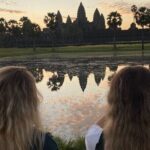
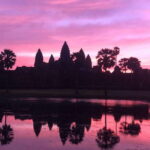
Angkor Wat hits differently at sunrise. The early hour means the air is cooler, and the temple’s long lines and reflective stone surfaces look their best before the day warms up. Starting at 4:30am also gives you the rare chance to experience the site with less chaos, so you can actually take in the scale.
This tour’s timing also matters because your whole day follows the same logic: you’re not stuck doing the hottest, most crowded version of Angkor. You’re seeing key highlights in the best light first, then filling in the rest while you still have energy and momentum.
A few more Siem Reap tours and experiences worth a look

Tuk tuk comfort: cool extras and the limits of open-air riding
A tuk tuk is fun, and the open sides make a big difference in Cambodia’s humidity—especially while you’re moving between temples early in the morning. You’re also not packed in like a bus, since one tuk tuk can fit three people comfortably.
What’s included helps: you’ll get bottled mineral water and cold handkerchiefs, which is a simple but welcome way to reset during a long day. The ride also has an honest practical limitation: tuk tuk works best within the Angkor circuit and shorter travel stretches. So think of this as a tour designed for the temple zone, not a road-trip across the whole region.
The day’s temple loop: what you’ll see at each stop
You’re visiting six major temple areas, with time allocated so you’re not constantly rushing. Entrance fees are not included, so you’ll want to plan on picking up your Angkor Pass for the day (more on pricing below).
Angkor Wat (about 4 hours)
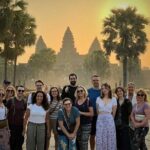
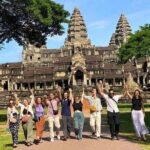
This is the anchor of the whole experience. Angkor Wat is the largest religious monument in the world and the most holy site in Cambodia. With about 4 hours here, you’re not forced into a sprint. You’ll have time to look closely at details, orient yourself to the layout, and catch the sunrise atmosphere that draws people from everywhere.
What to watch for: the sunrise timing is the reason most people sign up, but the real gift is getting enough time afterward to actually enjoy the grounds as the light shifts.
Possible drawback: it’s a long stretch—4 hours is great, but it’s also your biggest chunk of the day, so don’t plan to treat this stop like a quick walk-through.
Ta Prohm (about 1 hour)
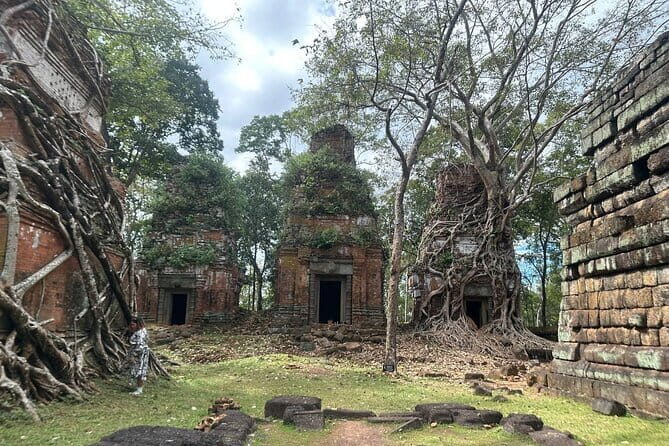
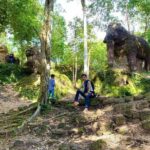
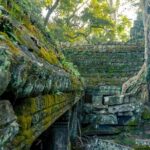
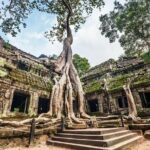
Ta Prohm is famous from film, and you’ll recognize it fast. The big draw here is how giant trees take over parts of the temple structure, creating a surreal blend of stone and roots. This is a temple where the setting is part of the story, not just the architecture.
What to watch for: look for how the roots interact with doorways and walls—some areas feel almost swallowed, which is exactly the point.
Possible drawback: one hour can feel short if you want to slow down and photograph everything carefully, but it’s a good breather between longer stops.

Banteay Kdei (about 1 hour)
Banteay Kdei is quieter and more serene, and that’s why I like it. Its name is associated with Citadel of Chambers, and the ruins create a maze-like feel with chambers that are interesting to explore.
What to watch for: don’t just glance from one viewpoint. Walk the paths and notice how the spaces unfold.
Possible drawback: if you’re chasing only the most iconic photo angles, you might need to shift your mindset. This stop rewards patience.
Ta Keo (about 30 minutes, climb for views)
Ta Keo is shorter on paper—about 30 minutes—but it brings energy. Climbing it is part of the fun, and you’ll get views of the surrounding area from up top.
What to watch for: treat this as a momentum break. It’s quick, physical, and gives you a change of perspective.
Possible drawback: it’s a climb. If you want a completely low-effort day, this could be a mismatch.
Ta Nei Temple (about 1 hour, away from the main road)
Ta Nei is one of the least visited temple areas in Angkor Park, and that’s exactly why it’s worth your time. It feels more isolated, and you’ll need to walk down a smaller path/segment to reach it.
What to watch for: go in expecting something more peaceful. This is a good stop for quieter exploring when the bigger sites start to feel repetitive.
Possible drawback: because it’s away from the main road, you may have to manage the extra walking without rushing your pace.
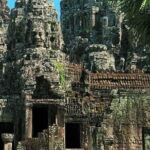
Angkor Thom (about 2 hours)
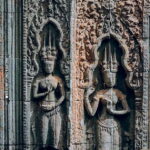
Angkor Thom translates to Great City, and it served as a long-lasting capital of the ancient Khmer Empire. This walled city was at the center of a huge building program under King Jayavarman VII.
With about 2 hours, you’re getting a proper look rather than a quick scan. Angkor Thom feels like a whole world—walls, structure, and the sense of a city that once ran on royal power and ceremony.
What to watch for: let your eyes travel the layout. Angkor Thom is easier to enjoy when you’re not trying to see it all in one exact angle.
Possible drawback: two hours still disappears quickly if you’re stopping for every photo, so decide in advance whether you want speed or depth.
Price and value: $46 for the tour, plus your Angkor Pass
At $46 per person, this tour price is mainly paying for the things you’d otherwise piece together yourself: an English-speaking guide, the tuk tuk ride, and the included comfort items (water and cold handkerchiefs).
But the big line in your budget is the entrance fee. Entrance is not included, and you’ll need a One Day Angkor Pass priced at $37 per person. So your all-in day cost is typically $83 per person before you add food and drinks.
That math matters because the tour is doing real work for you:
- It starts at sunrise, when you can’t easily wing it without planning.
- It bundles multiple temple stops into one coordinated day.
- It includes a guide who can help you connect what you’re seeing, even when you’re exploring independently.
If you already know you want a multi-temple day with sunrise and a guide, the value is strong. If you only want one temple and hate early mornings, then you may not get your money’s worth.
How Bunpheng’s guidance improves your temple day
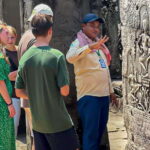
One of the best parts of this tour is that the guide doesn’t treat you like a checklist. I love that Bunpheng-style guidance comes with frequent check-ins and adjustment to preferences. That means if you want more time lingering at Angkor Wat or slower pacing through Ta Prohm, you’re not stuck in a rigid march.
In a place like Angkor, the difference between good and great often comes down to flow:
- where you pause,
- how you regroup,
- and how you avoid wasting energy trying to figure everything out on the fly.
A tuk tuk tour helps too because it keeps transitions simple. You’re not relying on sorting transport late at night, and you’re not trying to coordinate separate day trips.
What to bring (and what not to overthink)
The tour provides water and cold handkerchiefs, which covers the basics. For the rest, you’ll want to think like a sunrise-temple person:
- Wear comfortable shoes because you’ll be walking at multiple stops, including a down-path segment for Ta Nei.
- Expect at least some climbing at Ta Keo.
- Plan for a long day from 4:30am onward, so eat before you start if you can and plan for food during the day since meals aren’t included.
Also, since the tour is open-air, your comfort improves a lot if you dress smart for early morning and changing light.
Who should book this sunrise tuk tuk tour
This is a great fit if you:
- want sunrise at Angkor Wat without turning it into a logistical nightmare
- like a guided day with enough independence to set your own pace
- enjoy seeing a mix of famous and less-crowded temple areas
It’s less ideal if you:
- hate early wake-ups and want a later start
- prefer only flat, minimal-walking sightseeing (Ta Keo includes climbing, and Ta Nei has an access walk)
Because the tuk tuk is designed for the Angkor zone, it’s also best for people who want a tight temple circuit rather than long-distance sightseeing.
Should you book? My quick recommendation
Yes—if sunrise is on your must-do list, this tour is one of the most practical ways to experience it. The combination of an early start, an English-speaking guide, and a multi-temple day makes the price feel fair once you factor in the included transport and support.
Before you book, do one budget check: the $46 tour fee plus the $37 One Day Angkor Pass is the real total for entry. If you’re comfortable with that and you’re ready for a long day that starts at 4:30am, you’ll likely feel like you got a full, well-shaped Angkor experience rather than a rushed tour of famous ruins.
FAQ
What time does the Angkor Wat sunrise tuk tuk tour start?
The start time is 4:30am.
How long is the tour?
The tour runs about 9 to 10 hours.
What does the tour cost?
The price is $46 per person.
What is included in the price?
It includes an English speaking tour guide, transportation by tuk tuk, a bottle of mineral water, and cold handkerchiefs.
What is not included?
Not included: food and drinks, accommodation, and the entrance fee (the One Day Angkor Pass).
How much is the Angkor entrance pass?
The One Day Angkor Pass is $37 per person.
Is this tour private or shared?
This is described as a private tour/activity, meaning only your group participates.
Is pickup offered?
Yes, pickup is offered.
Can I cancel for a full refund?
Yes, there is free cancellation. You can cancel up to 24 hours in advance for a full refund.