REVIEW · SIEM REAP
Full-Day Guided Bicycle Tour in Angkor Wat Temple
Book on Viator →Operated by Asia Backroads Travel · Bookable on Viator
Two wheels beat Angkor traffic. This full-day guided bicycle tour pairs a small group with shaded, mostly traffic-free paths and temple stops you can actually enjoy at a relaxed pace; I especially like how Ta Prohm is approached through the forest and how the day includes a real Cambodian lunch near the temples. The one catch to plan for is that entrance fees are extra (about USD 37 for a single day ticket), since they’re not included in the tour price.
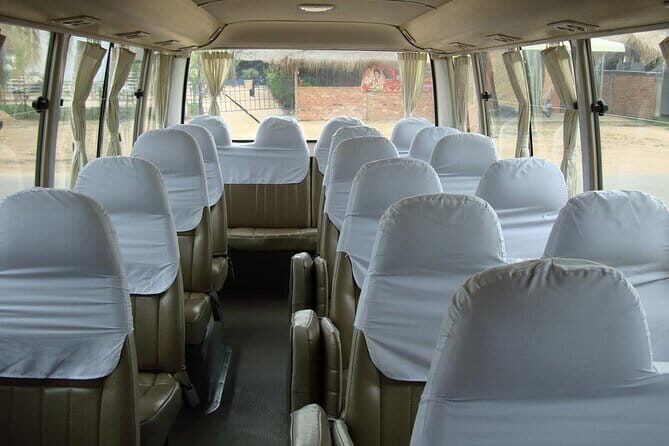
You also get a bike setup start with fitting and a safety briefing, plus a helmet, snacks, and plenty of drinking water to keep you moving through an 8-hour day. If your guide is one of the English-speaking team members praised in past trips, like Vuthy or Chuoy, you’ll likely get helpful temple context mixed with a fun tone, which makes the long day feel lighter.
In This Review
- Key highlights you’ll feel right away
- Riding Past Temples: Why Two Wheels Works at Angkor
- Morning Logistics in Siem Reap: Pickup, Bike Fit, and a Real Start Time
- Ta Prohm and the Jungle Approach: Roots, Vines, and Shaded Roads
- Angkor Thom by Bike: Bayon Smiles and the Terrace Details
- Lunch Between Ruins: Fuel Without Breaking the Day
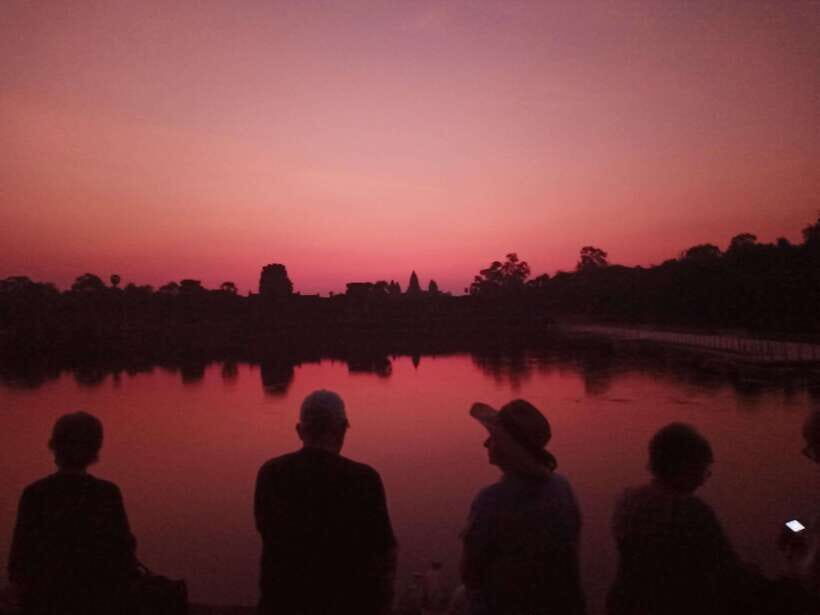
- Angkor Wat in the Afternoon: A Monument You Can Actually Sit With
- Price and Value: How $55 Adds Up (and What You Should Budget)
- Group Size and Comfort: What a Max of 12 Means on a Long Day
- Who Should Book This Angkor Cycling Tour (and Who Might Prefer Something Else)
- Tips to Make the Day Feel Easier on Your Body
- Should You Book This Full-Day Angkor Wat Bike Tour?
- FAQ
- How long is the full-day guided bicycle tour?
- How much does the tour cost?
- Is pickup and drop-off included?
- What is included in the $55 price?
- Are entrance fees to Angkor included?
- What temples and stops are on the route?
- Is lunch provided?
- How big is the group?
- Is the tour dependent on weather?
- What is the cancellation policy?
Key highlights you’ll feel right away
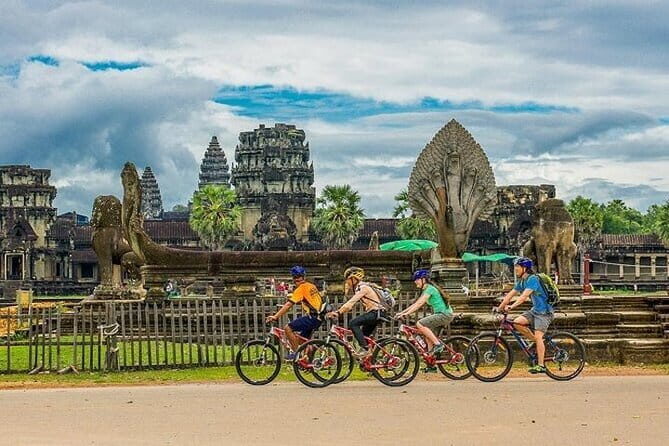
- Shaded, quieter riding routes that help you escape the heaviest crowds
- Full temple circuit with smart pacing, from Ta Prohm to Bayon, then Angkor Wat
- Lunch near the temples plus local snacks and seasonal fruit during the ride
- Good bike and helmet with an early fitting and safety briefing
- Small group size (max 12) for a more comfortable rhythm
Riding Past Temples: Why Two Wheels Works at Angkor
Angkor can be overwhelming fast: big sites, lots of details, and long days if you’re bouncing between places with buses and tuk-tuks. What I like about this bike tour is the pace control. When you’re riding instead of waiting, you feel the geography—trees, paths, villages—between the monuments instead of just racing from one ticket booth to the next.
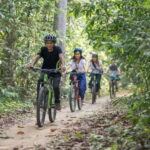
It also helps that the route is designed around traffic-free trails and jungle-lined lanes, so the day feels calmer than you’d expect for a world-famous attraction. You still see the iconic names, but you do it on the ground with time to slow down, look around, and connect the landscape to what you’re seeing.
You can also read our reviews of more guided tours in Siem Reap
Morning Logistics in Siem Reap: Pickup, Bike Fit, and a Real Start Time
The day begins with hotel pickup in Siem Reap, then it’s straight into bike fitting and a safety briefing. That matters more than people think. At Angkor, your route mixes turns, narrow stretches, and temple-area roadways, so you want the bike set to your comfort before you roll.
The tour runs roughly 8 hours and operates daily, with hours listed as 8:00 AM to 5:00 PM. That puts the day in a good window for morning light at temples and then a steady rhythm through the afternoon. Also note the tour uses a mobile ticket, which is convenient if you prefer having everything on your phone rather than printed papers.
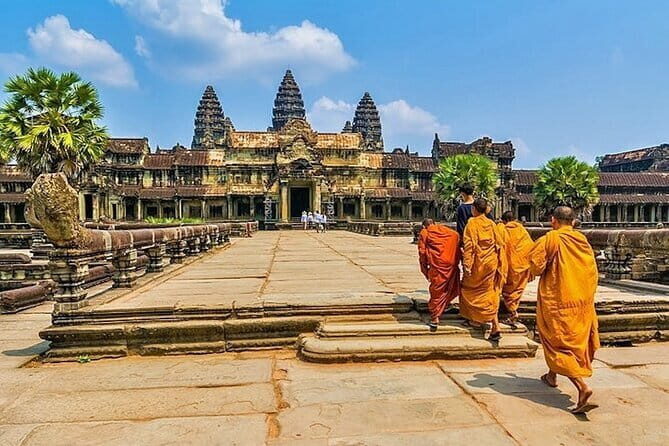
If you’re the type who likes knowing the plan before you arrive, this tour’s flow is easy to follow: jungle roads first, then Ta Prohm, then Angkor Thom (Bayon and the terraces), and finally Angkor Wat in the afternoon.
Ta Prohm and the Jungle Approach: Roots, Vines, and Shaded Roads
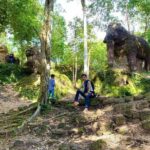
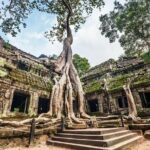
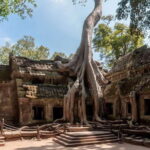
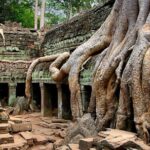
Ta Prohm is the headliner on this route, famous for the way giant fig trees and roots wrap around stone structures. But what makes this stop better on a bike day is the lead-in. You don’t just arrive and run inside. You ride through a shaded forest-feeling road that curves gently as you move from checkpoint to temple zone.
On the way, the route includes passes at quieter temple stops such as Kravan Temple and Banteay Kdei. These aren’t always the first names people say for Angkor, and that’s exactly why they work on this kind of tour. They give you a breather from the tallest, most photographed sites while still keeping you in temple-land the whole time.
Once you reach Ta Prohm, you’ll have about 3 hours there (admission not included). That’s enough time to slow down and notice how the root systems frame windows, corners, and doorways. It also helps that you’re not mentally drained by the time you arrive—because the earlier riding sets the pace.
One practical consideration: Ta Prohm’s atmosphere is partly about the dramatic vegetation and partly about crowd flow. Even with a calmer approach, you’ll still be in a very popular site. If you’re sensitive to heat or standing still, bring a plan for shade breaks during your time there.
Angkor Thom by Bike: Bayon Smiles and the Terrace Details
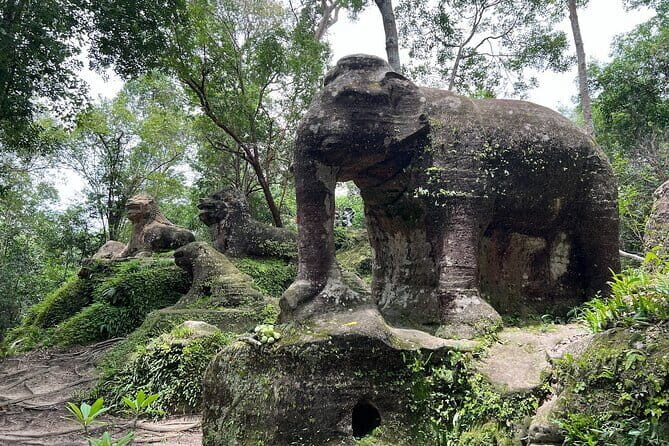
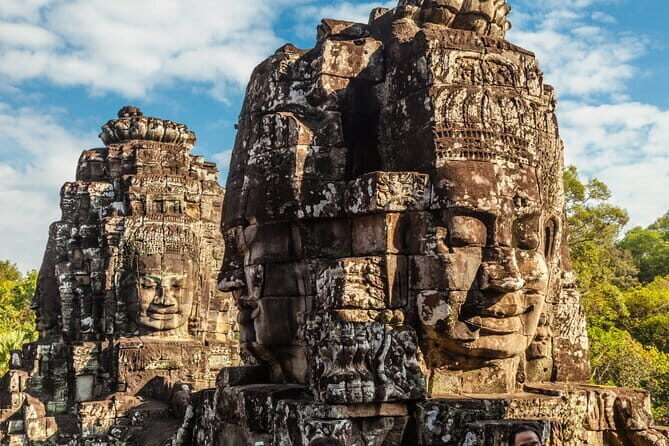
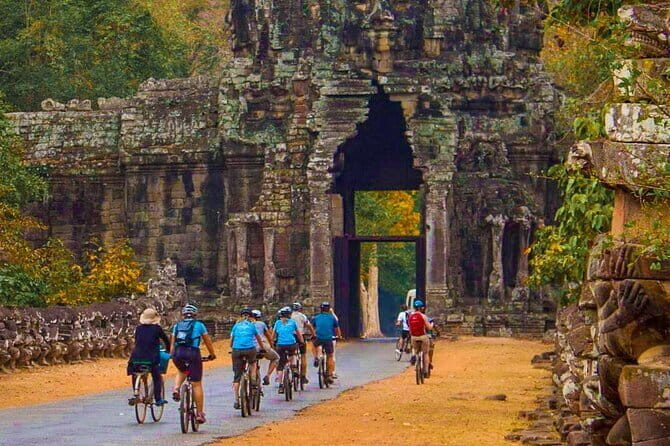
After Ta Prohm, you head toward Angkor Thom, entering through its imposing stone gate decorated with elephant carvings and towering faces. This gate is a quick visual reminder that Angkor isn’t one temple—it’s an entire city built in stone, with strong boundaries and ceremonial entrances.
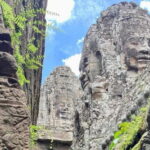
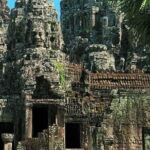
Inside the walls, your big set piece is Bayon Temple, known for its many smiling stone faces and its central position in the Angkor Thom complex. You’ll spend about 2 hours here (admission not included), which is a good length for walking the major areas without feeling rushed.
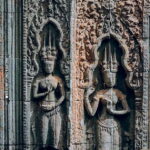
This portion also includes two famous terraces: the Terrace of the Elephants and the Terrace of the Leper King, both celebrated for their bas-reliefs and historical scenes. What I like about having these on the bike itinerary is that you get context while you still have energy. You’re not just collecting photos; you’re seeing carved storytelling close up, then moving on before you get bored.
A drawback to consider: these terraces involve a decent amount of walking on uneven surfaces. If you’re going to be tired from earlier riding, pace yourself at Bayon and save extra time for the bas-relief panels that pull you in most.
Lunch Between Ruins: Fuel Without Breaking the Day
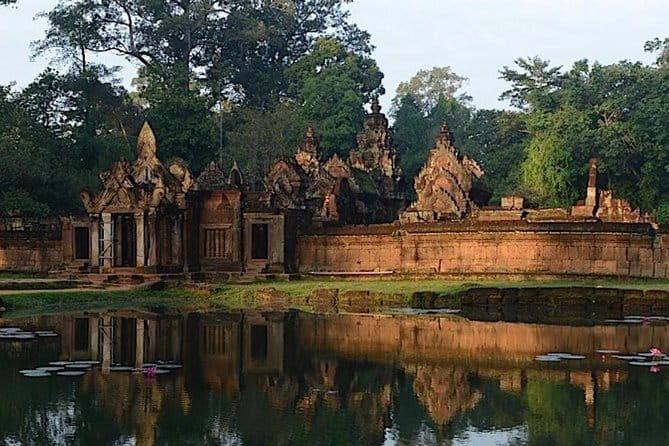
At the midpoint of your tour, you stop for lunch at a local restaurant. This is one of those details that makes or breaks a full-day tour. Here, the lunch isn’t an afterthought. It’s planned into the schedule so you can reset with food and then return to temples with clearer energy.
The included meal helps you avoid the common Angkor problem: you’re hungry, your options are expensive or repetitive, and then you lose time while you hunt for something decent. With lunch handled, you can focus on the next block of sights.
You’ll also have local snacks and seasonal fruits during the ride, plus pure drinking water. That combination is smart in the Angkor heat, especially when you’re moving for hours but not always stopping frequently. If you’re the type who gets headaches or energy drops during hot sightseeing days, this built-in fuel is a real quality-of-life perk.
A few more Siem Reap tours and experiences worth a look
Angkor Wat in the Afternoon: A Monument You Can Actually Sit With
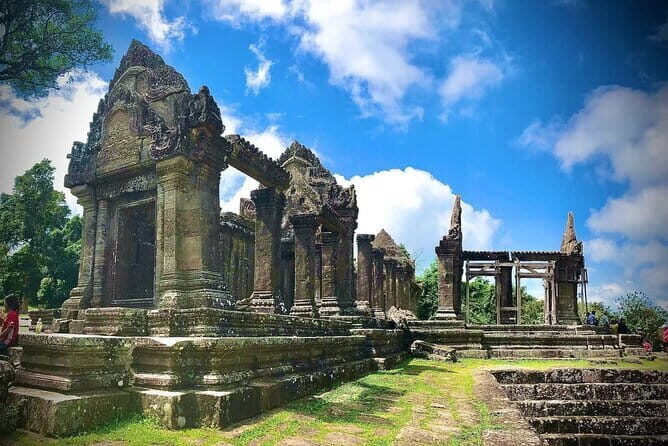
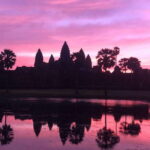
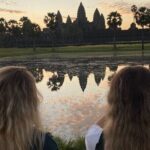
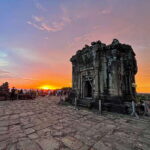
Angkor Wat is the final anchor on this route, and it gets a full 3 hours to make it worthwhile. That time window is important. Angkor Wat is huge, and if you only see it in quick bursts, you end up looking at the site from one or two angles and calling it done.
When you arrive, take advantage of the fact that you’re coming after a steady day of riding and temple pacing. You’ll have already seen the approach of other major temples (and their different styles), so Angkor Wat won’t feel like the first stop anymore—it’ll feel like the final piece of the puzzle.
Because entrance fees are not included, you’ll want to make sure your day pass is ready so you can focus inside. Once inside, the big value is in the architecture and symbolism: you can step back, notice alignments, and appreciate how the monument’s layout connects with belief and ceremony.
A small practical note: the tour ends with cycling back to your hotel, so you’ll want to keep a little energy for the ride out. Save your most intense photo session for times when your legs still feel good.
Price and Value: How $55 Adds Up (and What You Should Budget)
The tour price is USD 55 per person, which is already positioned as a budget-friendly way to see a serious list of temples with guided routing and transportation built in. But at Angkor, the real math is always the same: the $55 is not the full cost of the experience.
Entrance fees are listed as USD 37 for a single day entry, and those are not included. So a realistic planning number is about USD 92 total per person, before any extras like alcoholic drinks (available to purchase locally).
What you do get for that $55 is what makes the value feel fair:
- an experienced English cycling guide
- a good-quality bike and helmet
- hotel pickup and drop-off
- lunch, plus snacks and seasonal fruit
- pure drinking water
For many people, that’s the trade: you pay a bit more than a DIY bike rental, but you save time, avoid route confusion, and gain guidance on what’s worth your attention. If you’ve ever tried to coordinate cycling and ticketing around Angkor without local help, you know that coordination eats your day fast. This tour handles the heavy lifting.
Group Size and Comfort: What a Max of 12 Means on a Long Day
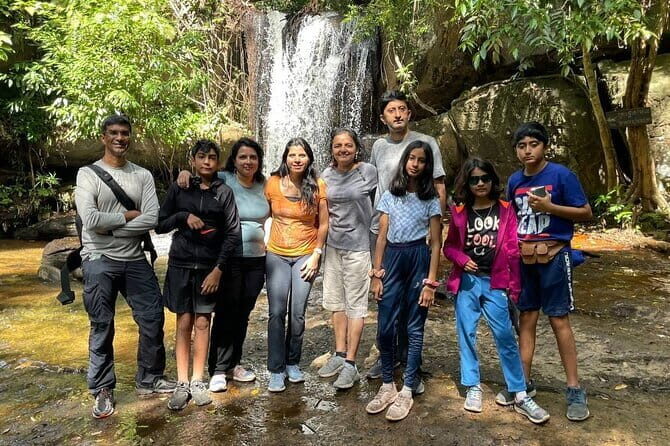
The tour caps at 12 travelers, which is a big part of why the day feels manageable. You’re not stuck waiting for a huge crowd to move between temple points. Instead, your pace is more flexible, and you’re likely to feel like the guide can see you and adjust for the group.
The included bike fitting also points to a comfort-first approach. You’re on a bicycle for a long day, so your legs, seat position, and handlebar alignment matter. Even if you’re an experienced rider, you’ll appreciate the setup when you’re moving between different kinds of surfaces.
If you prefer quiet sightseeing—more looking, less rushing—this setup tends to fit that style better than big group bus tours.
Who Should Book This Angkor Cycling Tour (and Who Might Prefer Something Else)
This tour is a strong fit if you want:
- a guided way to see Ta Prohm, Bayon, Angkor Thom, and Angkor Wat in one day
- a bike-based route with shady riding segments
- included lunch and snacks so you can keep going without hunting for food
- a calmer feel than the busiest crowd patterns inside the sites
You might think twice if:
- you dislike long days with walking at major temples
- you’re very heat-sensitive and need frequent resting breaks
- you’re only visiting for a quick highlight reel and don’t care about bas-relief terraces or slower pacing
It’s also worth noting that the experience requires good weather. If conditions aren’t favorable, you’ll be offered a different date or a full refund. That’s important for planning your Siem Reap schedule.
Tips to Make the Day Feel Easier on Your Body
You’ll get a helmet and water, but you still control your comfort. I’d plan like it’s a full-day ride plus walking at big monuments:
- wear breathable clothing and shoes you can walk in on uneven ground
- bring sunscreen and bug protection, especially when the route runs through greener stretches
- carry a small towel or tissues for quick resets during temple stops
- keep your phone charged enough for your mobile ticket and photos
Also, manage expectations about “traffic-free.” Even on a calmer route, Angkor area roads can include temple access lanes and checkpoints. A quick bike fit and steady riding style helps you feel relaxed from stop to stop.
Should You Book This Full-Day Angkor Wat Bike Tour?
Book it if you want the best of Angkor without spending the entire day in lines and waiting. The mix of iconic temples plus quieter riding routes, along with included lunch and snacks, makes this a practical, value-minded way to see the Archaeological Park in a single day.
Skip it (or consider a different format) if you only want the shortest time inside the biggest sites and you hate walking when the ground gets uneven. This tour works when you’re okay with a steady rhythm: ride, stop, walk, eat, ride again.
If your idea of a great Angkor day is calm movement through trees and temples, with enough time to look closely at stone faces, terraces, and roots, this is the kind of guided cycling day that makes the whole region feel more human.
FAQ
How long is the full-day guided bicycle tour?
The tour runs for about 8 hours, with each major temple stop scheduled for several hours across the day.
How much does the tour cost?
The price is $55.00 per person.
Is pickup and drop-off included?
Yes. Hotel pickup and drop-off are included.
What is included in the $55 price?
Included items are an experienced English cycling guide, good quality bike and helmet, lunch at a local restaurant, local snacks and seasonal fruits, hotel pickup & drop-off, and pure drinking water.
Are entrance fees to Angkor included?
No. Entrance fees for all attractions are not included, and the listed single day entry cost is USD 37.
What temples and stops are on the route?
The tour includes Ta Prohm, Bayon (in Angkor Thom), Angkor Thom gate area, the Terrace of the Elephants, the Terrace of the Leper King, and Angkor Wat. The route also includes passing stops such as Kravan Temple and Banteay Kdei.
Is lunch provided?
Yes. Lunch is included and served at a local restaurant near the temples.
How big is the group?
The tour has a maximum of 12 travelers.
Is the tour dependent on weather?
Yes. The experience requires good weather, and if it’s canceled due to poor weather you’ll be offered a different date or a full refund.
What is the cancellation policy?
Cancellation is free up to 24 hours in advance for a full refund. If you cancel less than 24 hours before the start time, the amount paid is not refunded.