REVIEW · SIEM REAP
Guided Floating Village Boat Tour in Siem Reap
Book on Viator →Operated by Tara River Boat Company · Bookable on Viator
Tonle Sap feels like a floating city. This guided tour from Siem Reap takes you across Tonle Sap Lake and out to a real floating village, where homes sit on stilts and the shoreline itself changes with the season. It’s also framed as a UNESCO Biosphere Reserve, so the day has both scenery and real context for how people live here.
I love the start at the lotus farm, because it’s not just a photo stop. You get a guide explanation of why lotus matters to Khmer people and the many uses of the plant. I also like that you’re traveling with an English-speaking guide and a local lake guide who keeps you oriented and focused on what you’re seeing, not just moving you from one dock to the next.
One thing to plan for: food and drinks aren’t included. And because the tour operates in all weather conditions, you’ll want to dress for sun one minute and shade or mist the next.
In This Review
- Quick reasons this floating village boat tour works
- Getting to Tonle Sap: the Siem Reap to lake drive that sets the tone
- Lotus farm first: why this stop is more than a quick photo
- Boarding a traditional long-tail boat on UNESCO Tonle Sap Lake
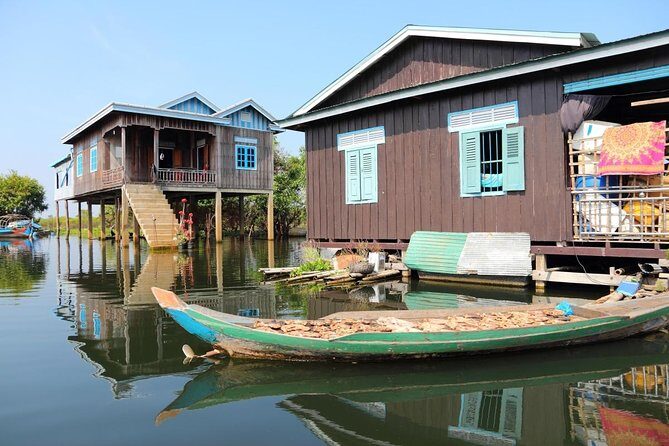
- Floating village on stilts: daily life, not just architecture
- Quick stops that add comfort and context: Queen Tara break
- How long it takes, how groups feel, and what to pack
- Price and value: is $49 a good deal from Siem Reap?
- Who should book, and who might not love it
- Should you book this Guided Floating Village Boat Tour?
- FAQ
- What time does the tour start?
- Where do I meet for pickup?
- How long is the floating village boat tour?
- What’s included in the price?
- Are food and drinks included?
- Is the tour affected by weather?
- Can children join?
Quick reasons this floating village boat tour works
- Hotel pickup and drop-off in Siem Reap makes the day easy, especially if you don’t want to figure out transport.
- Tonle Sap Lake cruise on a traditional long-tail boat gets you up close to the stilt-house world.
- Lotus farm stop gives you a meaningful cultural lead-in before you step onto the water.
- Fish farm and aquaculture stops show how the lake supports daily life, not just wildlife scenery.
- Small group limit (up to 30) keeps it from feeling like a cattle call.
Getting to Tonle Sap: the Siem Reap to lake drive that sets the tone
The day starts with pickup at your Siem Reap hotel or guesthouse reception area, with a start time of 9:00 am. From there, you drive about 9 miles (14 km) to the edge of Tonle Sap Lake. It’s a short hop on paper, but it helps you ease out of the temple-zone pace and into working countryside.
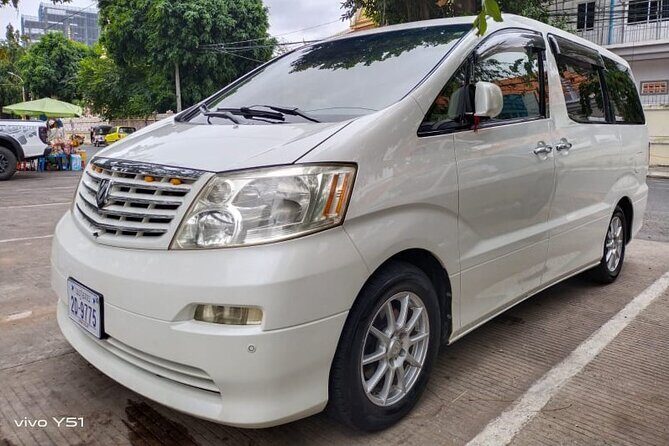
On the way, you pass lotus farms, communities, and rice paddies. You’ll see traditional farmers working the crops, and it’s a nice setup for what comes next: a lake that isn’t a tourist backdrop, but a living system. Transportation is done in a climate-controlled vehicle, which matters on a hot day when you’d rather arrive at the dock feeling fresh.
This drive is also a good time to mentally switch gears. You’re going from land that looks stable to a lake where the water level shifts a lot between dry and rainy seasons. That seasonal swing is key to understanding why the floating village exists.
You can also read our reviews of more boat tours in Siem Reap
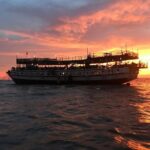
Lotus farm first: why this stop is more than a quick photo
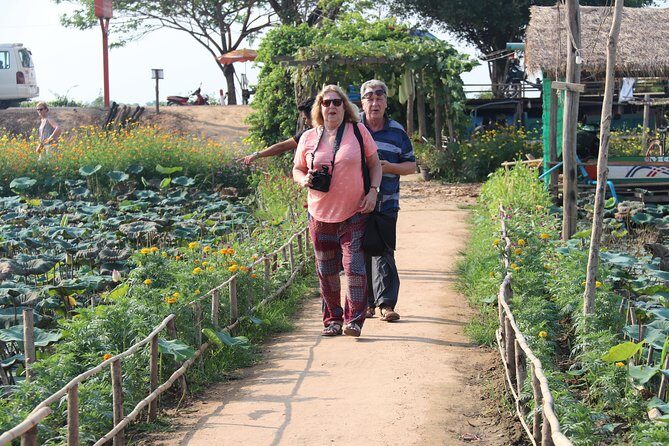
Before the boat time, the tour’s first lake-area moment is a visit to a lotus farm. The guide explains why lotus matters to the Khmer people and how it’s used. That sounds simple, but it changes how you look at the plant when it shows up again around the water.
Lotus also works as a cultural bridge. Tonle Sap is often described as a place of boats and houses on stilts, but daily life here still revolves around land-based work when possible. The lotus stop helps you connect those dots: people aren’t only surviving on the lake; they’re growing, harvesting, and using plants that thrive in the region’s wet cycles.
Expect this to be fairly guided and conversational—exactly what you want right before you get on a boat.
Boarding a traditional long-tail boat on UNESCO Tonle Sap Lake
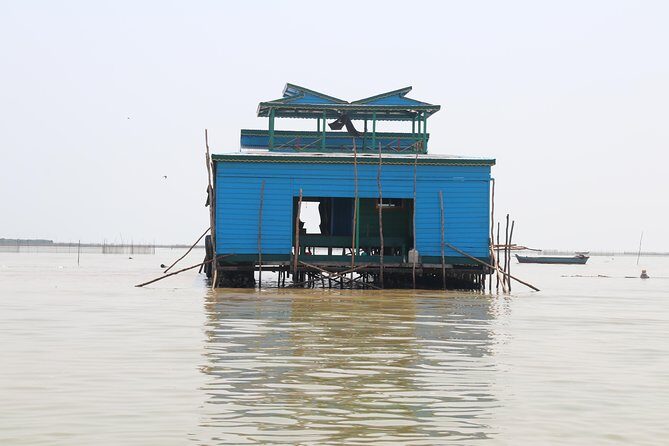
Once you reach the dock, you transfer to a sightseeing boat for cruising along the lake. The tour emphasizes Tonle Sap Lake as a UNESCO Biosphere Reserve, and that framing is practical. It’s not just a label; it helps you understand why so many people depend on this water and why the ecosystem matters.
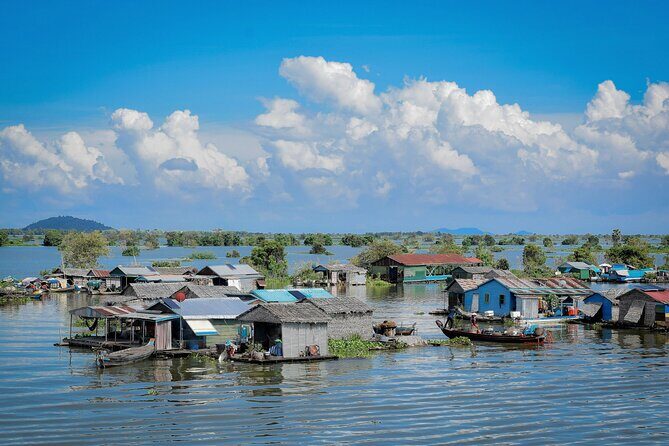
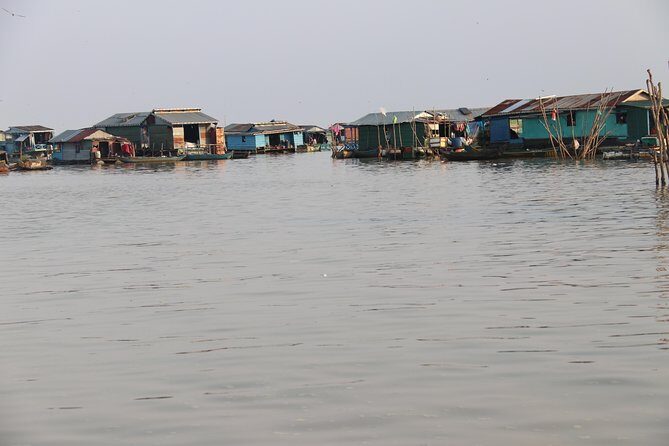
You’ll travel shoreline areas where the water can look and feel very different depending on season. The shoreline fluctuates dramatically from dry to rainy periods, and that’s where the whole stilt-house idea makes sense. When the water rises, “land” becomes a moving boundary, and buildings adapt to it.
You’ll also see a lake system with thriving fish and wildlife, plus the working mix of aquaculture. On a tour like this, the goal isn’t to spot every animal in the distance. It’s to notice how the lake is used and how that usage shapes what you see: boats, farms, and people moving through water-based routines.
One detail I appreciate here: you aren’t left to guess. The guide keeps the pace readable and safety-focused, and the boat design is typical of what local crews use—so you get the experience without the staged feeling you can get on some tourist boats.
Floating village on stilts: daily life, not just architecture
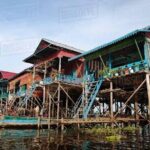
The highlight is the floating village itself. You cruise around the village area and get a guided look at the distinctive architecture of Tonle Sap Lake—homes built on slender stilts at the water’s edge. From far away, it can look like a floating neighborhood. Up close, it reads more like a set of practical solutions to seasonal water changes.
The guide’s job here is to translate what you see into how people live. You’ll learn about daily life and the culture of the Cambodian countryside as it relates to lake life. This is where the tour stops being only visual. A good guide makes you ask better questions: What happens when the water level shifts? How do people work and feed families? What does “home” mean when the ground moves?
One useful thing I’ve picked up from firsthand-style descriptions of similar days: you may get explanations that connect daily habits to the lake’s reality. For example, there can be discussion of how water used for drinking becomes safe—how murky lake water can be processed so it’s ready for boiling and drinking. That kind of detail turns the floating village from a postcard into a living place with real routines.
Also, you get a quick glimpse of nearby lake industry. The tour includes a short stop at local floating fish farms, which helps you understand that many livelihoods here are directly tied to aquaculture and fishing.
Quick stops that add comfort and context: Queen Tara break
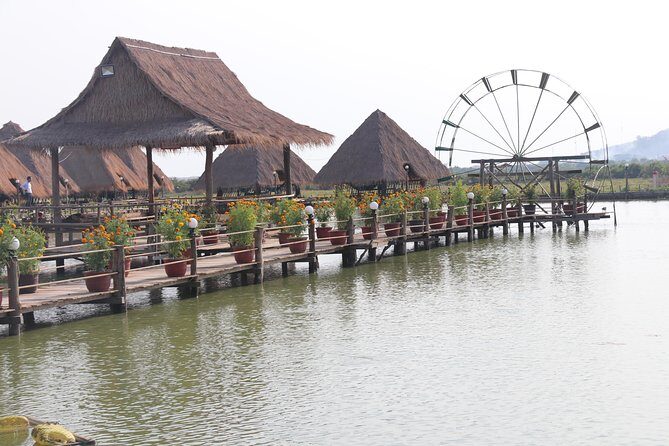
A standout feature of this tour is the pacing and the small breaks. Mid-ride, there’s a quick stop on the Queen Tara Riverboat for a welcome drink and a comfort break. It’s not a long restaurant-style stop; it’s a reset button.
This matters because even a calm lake day has moving parts: time in the vehicle, then time on the boat, then more boat time. A brief break reduces the “we’re getting tired” feeling and makes it easier to enjoy the floating village portion without rushing.
Think of it as a short pause that keeps the day comfortable enough to stay curious. And if you’re traveling with a child, small comfort breaks help keep the mood cooperative.
You can also read our reviews of more guided tours in Siem Reap


How long it takes, how groups feel, and what to pack
The tour runs about 3 hours (approx.) total, starting at 9:00 am. The first major section is around 1 hour 20 minutes at the lake-side and boat transfer time, followed by the guided cruising and main village experience. The schedule is tight enough that you’ll feel you did a full excursion, but not so long that you’re stuck on the water for half a day.
Group size is capped at 30 travelers, which is big enough to share the day with other visitors, but small enough that your guide can still manage the flow and keep people safe.
Because it operates in all weather conditions, plan like you might get sun and shade—and maybe mist. Bring:
- Light rain protection or a poncho
- Sun protection (hat/sunglasses)
- Shoes that handle wet docks (boats and boardwalks can be slick)
- A small layer if you get breeze on the water
Also remember: food and drinks aren’t included, even though there is a welcome drink at the Queen Tara Riverboat break. If you need a full meal plan, either eat before pickup or budget time and money afterward.
Price and value: is $49 a good deal from Siem Reap?
At $49 per person, this tour can feel like a fair value when you look at what’s included. You’re not just paying for a boat ride. Your ticket covers:
- Round-trip transport from Siem Reap in a climate-controlled vehicle
- A guided experience with an English-speaking guide
- Boat cruising to the floating village area
- All entrance fees
- Hotel pickup and drop-off
For many visitors, those add-ons are what make the difference. If you tried to do this independently, you’d still pay for local transport, boat arrangements, and entrance costs. Here, it’s bundled into one price with a guide to coordinate the timing.
The main cost trade-off is what’s not included: food and drinks. But for a 3-hour outing, that’s manageable as long as you eat before pickup and keep a little buffer for water/snacks.
If you want one day-trip that feels genuinely Cambodian—water life, lotus, rice-growing countryside—and not just a rushed tour with temple stops, this price starts to make more sense.
Who should book, and who might not love it
This is a solid pick for most people who want a real taste of Tonle Sap Lake life. It’s also described as most travelers can participate, with children required to be accompanied by an adult.
You’ll probably enjoy it most if you:
- Like guided context (not just sightseeing)
- Want a shorter day trip from Siem Reap that’s different from temples
- Enjoy boat experiences and don’t mind moving between dock and water
If you’re the type who hates boats, or you’re extremely sensitive to wind, wet surfaces, or shifting weather, you might want to think carefully. Even though the tour runs in all conditions, the day’s comfort still depends on how you handle the lake environment.
That said, with safety-focused guides and a comfort break on the Queen Tara Riverboat, it’s built to be reasonably traveler-friendly for a floating village outing.
Should you book this Guided Floating Village Boat Tour?
I’d book it if you want a guided, structured look at Tonle Sap Lake and a floating village without the hassle of arranging everything yourself. The big reasons are practical: pickup/drop-off, entrance fees included, and a guide who helps you understand what you’re seeing—especially the lotus and daily-life explanations.
I’d hesitate if you strongly prefer longer time on the water, full meals included in the price, or you want total certainty of calm weather. Still, the tour’s “all weather conditions” approach means it’s meant to run even when conditions aren’t perfect, as long as you dress for it.
If your goal is one smart day away from the Angkor crowds, this is a very doable way to experience lake life in Cambodia.
FAQ
What time does the tour start?
The tour start time is 9:00 am.
Where do I meet for pickup?
Pickup is from your Siem Reap hotel or guesthouse foyer/reception area.
How long is the floating village boat tour?
It’s listed as about 3 hours.
What’s included in the price?
The tour includes an English-speaking guide, all fees, and hotel pickup and drop-off, plus the boat cruise and entrance costs for the stops.
Are food and drinks included?
No. Food and drinks aren’t included, though there is a welcome drink and a comfort break on the Queen Tara Riverboat.
Is the tour affected by weather?
It operates in all weather conditions, so dress appropriately.
Can children join?
Yes, but children must be accompanied by an adult.