REVIEW · SIEM REAP
Siem Reap: Angkor National Museum Admission Ticket
Book on GetYourGuide →Operated by SARUS CO., LTD · Bookable on GetYourGuide
One ticket opens Angkor’s story indoors. At the Angkor National Museum in Siem Reap, you can walk through eight Khmer-art galleries at your own pace, spotting over a thousand Buddha statues and ancient inscriptions that connect to the temples outside town.
I particularly love how the museum turns big, famous Angkor sights into something you can understand—not just photograph. I also like that you can slow down at the exhibits and read wall information without feeling rushed, which is perfect if you’re picking up themes like Khmer religion and artistic style.
One thing to plan for: the audio guide costs extra (reported as $5), so decide if you want that layer of context before you go.
In This Review
- Key things that make this ticket worth it
- Why the museum feels like the right “first stop” for Angkor
- Getting in without stress: tickets, timing, and how to plan your arrival
- How the eight galleries shape your understanding (and where you’ll want to slow down)
- The big visual hits: Buddha statues and ancient inscriptions
- Audio guide or no audio guide: what it changes in your experience
- What your day looks like on-site (self-paced, but not aimless)
- Price and value: is $15 a good deal in Siem Reap?
- Practical tips that make your visit smoother
- Who should book this museum ticket?
- Should you book the Angkor National Museum admission ticket?
- FAQ
- Does the admission ticket include a guide?
- Is the audio guide included?
- Where do I need to go to enter?
- How long is the museum ticket valid?
- How long should I plan to spend inside?
- Do I need to get the ticket sent to me in advance?
- Is there a ticket line I can skip?
- What’s the cancellation policy?
Key things that make this ticket worth it
- Skip the ticket line, so you lose less time before you even start walking
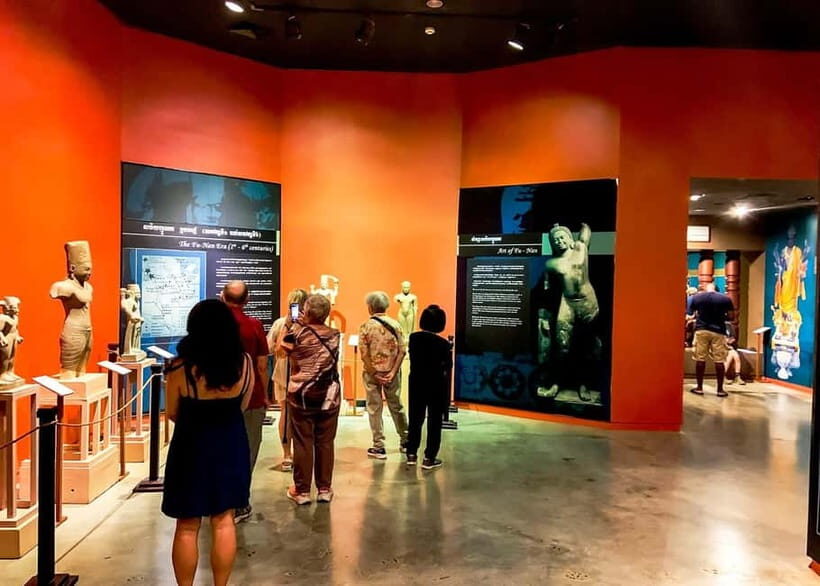
- Eight galleries that trace Khmer art, culture, and religion in a logical flow
- Over a thousand Buddha statues that make the religious side of Angkor feel real
- Ancient inscriptions and artifacts pulled from archaeological sites around Angkor
- Self-paced visiting, which lets you spend more time where your interests actually land
- Audio guide is optional and adds cost, but many people find it helpful
Why the museum feels like the right “first stop” for Angkor

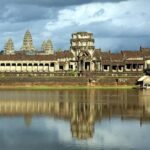
The Angkor National Museum is one of those places where one ticket can change how you see everything else. Outside, the temples hit you fast—stone, scale, and detail. Inside, the museum gives you the background so those carvings and figures make more sense.
What I like most is the way the museum supports your pace. Some visitors want to skim and move on. Others want to linger with the inscriptions, statue types, and explanations. With this admission ticket, you control that choice.
And because it covers the Khmer Empire’s religious and cultural themes, you’re not just looking at objects—you’re learning what people believed and how those beliefs showed up in art.
A few more Siem Reap tours and experiences worth a look


Getting in without stress: tickets, timing, and how to plan your arrival
This is an admission ticket, not a guided tour. That sounds simple, but it matters for planning. You’ll need your own transport to reach the museum, and you should arrive ready to self-direct.
A small but important detail: you have to provide a WhatsApp number to receive your ticket before the visit. Once you book, the operator contacts you to reconfirm. One traveler shared that the ticket wasn’t instant and arrived separately, but it came through within minutes after messaging them since they were heading straight to the museum. So if you’re tight on time, have that reachable phone number ready.
Also note: validity is 1 day, and you should check availability for the starting times shown at checkout. In practice, that means you’re fitting the museum into a broader day plan—temples first, museum later, or vice versa.
How the eight galleries shape your understanding (and where you’ll want to slow down)
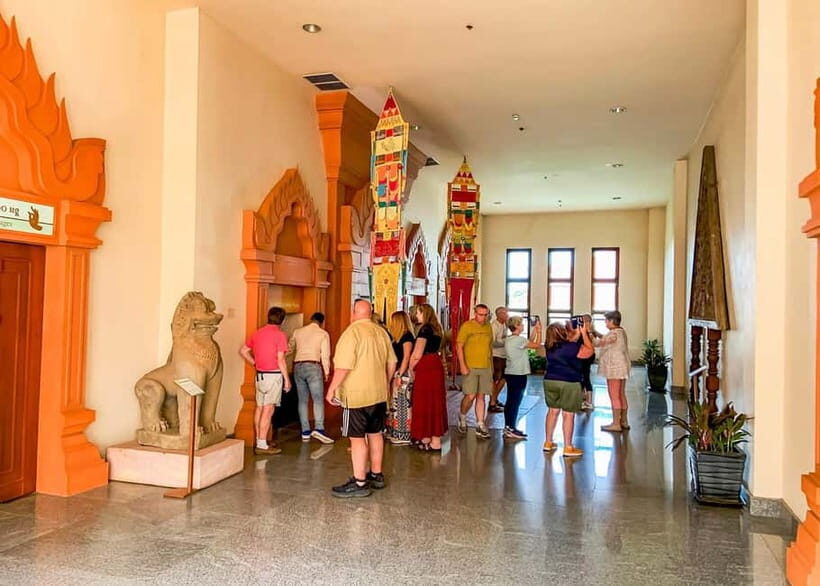
The museum is laid out in eight galleries. Even if you don’t read every single sign, the overall experience stays coherent: you’re following the evolution of Khmer art, culture, and religion.
Here’s how that plays out in a way that helps your brain while you’re on vacation:
- You’re not just seeing random statues. You’re seeing styles and themes that change over time.
- You’re building context before you hit the temple carvings and lintels later (or while you’re processing them afterward).
- You can treat the galleries like chapters. If one area grabs you, you can spend more time there without guilt.
You’ll also notice that the museum doesn’t rely on you being an expert. The wall information does a lot of the heavy lifting. One reviewer specifically called out that the information boards are what bring the collection together. That matches what you’ll likely feel: the artifacts are impressive, but the text is what turns them into a story.
The big visual hits: Buddha statues and ancient inscriptions
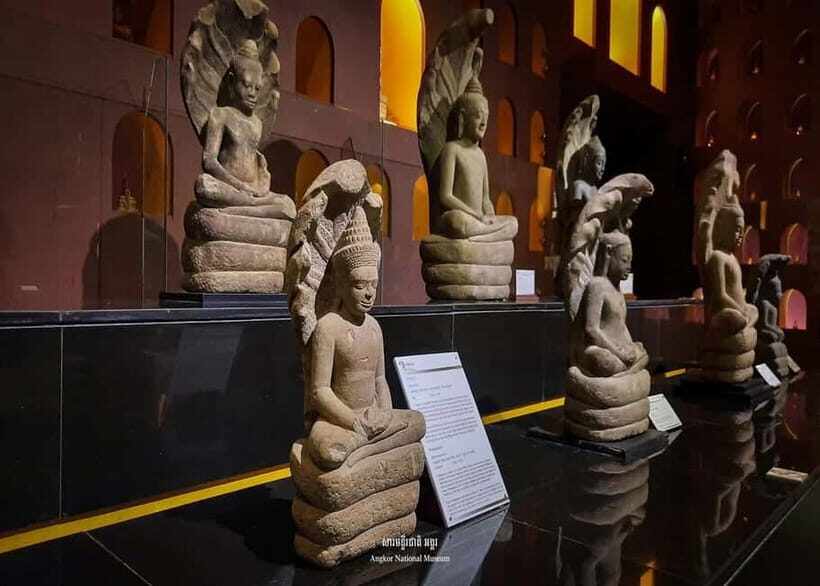
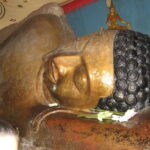
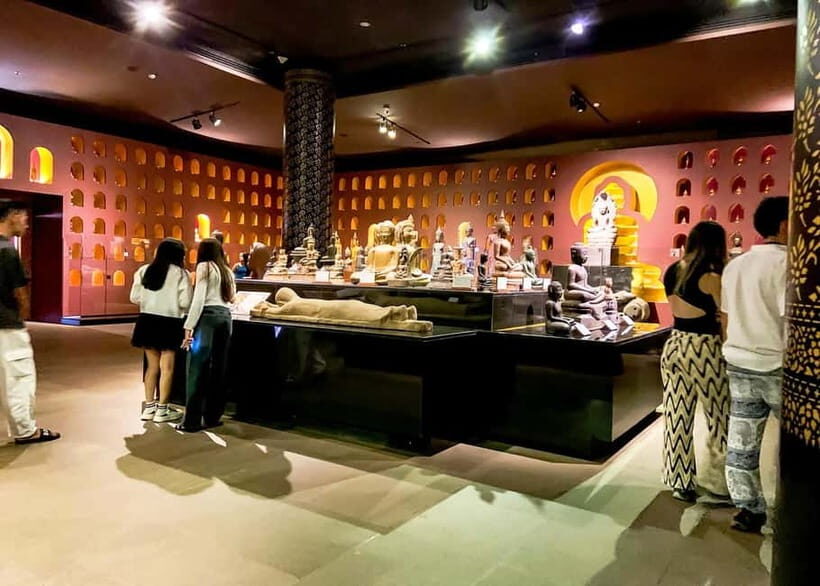
The headline attraction is the sheer volume of Buddhist sculpture. The museum displays over a thousand Buddha statues, which is a lot more than you’d expect from an indoor stop.
Why that number matters: it changes the feel of the collection from “interesting museum objects” to “evidence of a lived religious culture.” When you see many similar forms together—rather than just one featured piece—you understand that these weren’t occasional decorations. They were central to how people practiced belief.
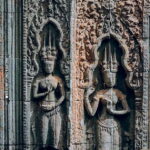
Then there are the ancient inscriptions and artifacts excavated from Angkor archaeological sites. Inscriptions are especially helpful for connecting the dots between a sculpture you see and the world that produced it. Even if your reading skills aren’t perfect, the museum signage helps you match what you’re looking at to the broader Khmer story.
If you’re the type who likes to photograph detail, this is a strong place for it too—because the museum structure helps you slow down and frame shots without dodging sun and crowds.
Audio guide or no audio guide: what it changes in your experience
This ticket is for admission only. An audio guide is not included, and it’s reported as an extra $5.
So do you need it? Not automatically. If you enjoy reading wall labels and want a calm, self-guided visit, you can do fine without the audio. If you want a guided layer on top of the exhibits—especially to connect artistic changes across galleries—then the audio guide can make your visit feel less like wandering and more like following a path.
Real-world timing gives you a clue. One traveler reported about 1.5 to 2 hours when using the audio guide. Another said it took more than 3 hours when they took their time. That difference usually comes down to how much you want to read versus listen, and how deeply you want to process the Khmer art and religion themes.
My advice: if you’re visiting right before or right after temples, audio can be a nice bridge. If you’re in a rush day, skip it and focus on the boards and the most striking statues.
You can also read our reviews of more museum experiences in Siem Reap






What your day looks like on-site (self-paced, but not aimless)
Because this is self-paced, there isn’t a strict itinerary. But you can structure your visit so you don’t end up walking in circles.
Here’s a smart way to approach it:
- Start with the first gallery and set your “lens.” Decide what you care about most—religion, art style changes, or inscriptions. Then let the museum steer you toward that.
- Spend time in the statue areas. The volume makes you notice patterns fast. Don’t just look at one Buddha; compare multiple ones.
- Use the information boards strategically. One reviewer pointed out that the boards are what bring everything together. If you read just a few well-placed signs, your understanding jumps.
- Loop back if a theme catches you. With self-paced admission, you can re-check details without feeling like you’re behind schedule.
If you’re someone who gets tired of too many rooms, pick a pace you can sustain. It’s better to enjoy six galleries well than “speedrun” all eight.
Price and value: is $15 a good deal in Siem Reap?
At $15 per person, this admission ticket is easy to justify if you want your Angkor experience to make more sense. The price buys you more than entry—it buys time in a space where you can process the themes behind Angkor Wat and the wider Khmer world.
Here’s how I think about the value:
- You’re paying for context. Temples can look overwhelming. A museum like this helps you translate stone carvings into meaning.
- You’re in control of duration. Reports range from around 1.5–2 hours (with audio) to 3+ hours (if you slow down). That’s a lot of flexibility for the cost.
- You can avoid setup costs. The ticket includes admission, and it skips the ticket line, so you don’t waste your day at the desk.
Is it worth it if you’re only going to spend 30 minutes? Probably not. But if you’ll give it even a solid 2 hours—or plan for closer to 3—you’ll feel like the money turned into understanding, not just souvenirs.
Practical tips that make your visit smoother
A museum day has a few “small choices” that add up:
- Wear comfortable shoes. You’ll be on your feet. Plan for indoor walking across multiple galleries.
- Bring cash. The info says to bring cash, and in real life that often makes add-ons easier if you decide on the audio guide after you arrive.
- Bring a camera. You’ll want photos, especially of inscriptions and statue details.
- Dress comfortably. You’ll likely do a lot of standing near exhibits while you read.
Also, keep the rules in mind: no pets, and no alcohol and drugs.
If you want wheelchair access, it’s listed as wheelchair accessible, which is reassuring for planning a comfortable route indoors.
Who should book this museum ticket?
This works best for you if you’re in one of these moods:
- You’re planning to visit temples and want the context to make the carvings and figures easier to read.
- You like Buddhist art and religious symbolism, and you’re curious about how Khmer culture expressed those ideas.
- You’re the kind of traveler who enjoys reading signage and learning at your own speed.
It’s less ideal if you want a fast, hands-off experience with zero reading. The museum does reward attention to information boards, even if you choose not to rent an audio guide.
Should you book the Angkor National Museum admission ticket?
Yes—if you want your Angkor day to feel connected, not just impressive.
Book this ticket if you can spare at least a couple of hours and you’re willing to pause for the wall text and the inscriptions. The $15 price feels fair because you’re essentially buying a translator for what you’ll see later: Khmer art, religion, and the evolution behind those famous stone figures.
Pass or reconsider only if you’re strictly limited on time and you know you won’t read or listen to anything. In that case, you might be better served by focusing on temples first.
FAQ
Does the admission ticket include a guide?
No. It’s an admission ticket, and a tour guide service is not included.
Is the audio guide included?
No. The audio guide is not included, and it costs extra (reported as $5).
Where do I need to go to enter?
You’ll need to arrange your own transportation to the museum since there’s no pickup or drop-off included.
How long is the museum ticket valid?
It’s valid for 1 day.
How long should I plan to spend inside?
It’s self-paced. One visitor reported about 1.5 to 2 hours with an audio guide, while another took more than 3 hours.
Do I need to get the ticket sent to me in advance?
Yes. You must provide a WhatsApp number to receive the ticket before your visit, and the operator contacts you to reconfirm.
Is there a ticket line I can skip?
Yes. The experience includes skipping the ticket line.
What’s the cancellation policy?
Free cancellation is available up to 24 hours in advance for a full refund.
—
If you want, tell me how many days you have in Siem Reap and whether you plan sunrise or late-afternoon temple visits. I’ll suggest a simple museum-vs-temple timing plan that avoids the most hectic hours.