REVIEW · SIEM REAP
Siem Reap Angkor Wat Sunrise or Sunset Explore The Temples +Guide
Book on Viator →Operated by Siem Reap Tour Trails · Bookable on Viator
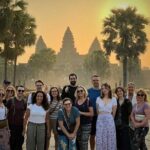
Sunlight and stone faces set the tone. This 8.5-hour Angkor experience is built around the changing light at Angkor Wat, then continues through a smart mix of major sights and calmer temples. It’s the kind of day where your guide helps you make sense of what you’re seeing, not just where to stand.
I love how easy it is to get around: hotel pickup/drop-off, bottled water, and an air-conditioned minibus with an English-speaking guide. I don’t want to lose time juggling transport before the temples.
One drawback to plan for: entrance tickets and food are not included, and the whole sunrise or sunset timing depends on good weather.
In This Review
- Key highlights before you go
- Why this Angkor Wat sunrise or sunset route works
- Getting to the temples: pickup, minibus comfort, and your mobile ticket
- Angkor Wat: 3 hours for carvings, galleries, and the light show
- Banteay Kdei: a calmer temple with Buddhist monastery vibes
- Ta Prohm: the jungle-root photo legend—plus why it still feels special
- Bayon Temple and Tonle Om Gate: faces, towers, and the gods-and-demons entrance
- Price and value: what $18 gets you, and what costs extra
- What to watch out for: timing, tickets, and your comfort level
- Who should book this tour (and who might skip it)
- The guide factor: what good English interpretation changes
- Should you book this Angkor Wat sunrise or sunset tour?
- FAQ
- FAQ
- Is the entrance ticket to Angkor included?
- Does the tour include hotel pickup and drop-off?
- How long is the tour?
- Which temples are visited during the tour?
- Is food included?
- Is a professional English-speaking guide included?
- How big is the group?
- What if weather is bad for sunrise or sunset?
Key highlights before you go
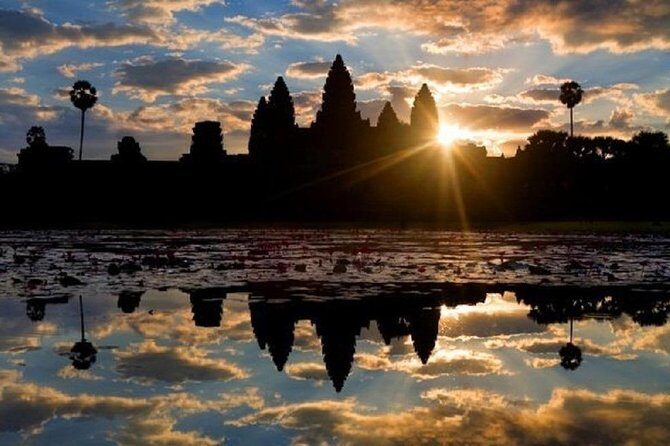
- Angkor Wat at prime light: A long stop that makes sunrise or sunset feel like more than a quick photo stop.
- A guide who connects the dots: Clear explanations of carvings, towers, and the stories behind the sites.
- You see the full range: Big set-pieces plus quieter stops like Banteay Kdei.
- Iconic “jungle temple” energy: Ta Prohm’s giant roots framing the ruins.
- Bayon’s faces and Tonle Om’s causeway: 54 towers and a grand gate lined with gods and demons.
Why this Angkor Wat sunrise or sunset route works
Angkor is crowded when you arrive late, and you miss the mood when you arrive without a plan. This tour is designed around the moments when the light is best—either early for sunrise or later for sunset—so your eyes get the full effect of the temple carvings and dramatic architecture.
Then the day keeps moving in a way that feels efficient without turning into a sprint. You get the main headlines—Angkor Wat, Ta Prohm, Bayon—and you also include Banteay Kdei, which is much easier to enjoy when you’re not fighting the biggest crowds.
Also, having a professional English-speaking guide matters here. Angkor looks like “cool stone stuff” until someone points out what you’re actually seeing—faces on towers, scenes carved into walls, and the meaning of places like Banteay Kdei.
You can also read our reviews of more guided tours in Siem Reap
Getting to the temples: pickup, minibus comfort, and your mobile ticket
You start with hotel pickup in Siem Reap. The transport is an air-conditioned minibus, which is a real deal when the day warms up and you still have several temples ahead.
The tour includes drinking water, plus a professional English-speaking guide. There’s also a mobile ticket involved, which generally makes the day feel smoother once you’re at the park area.
Group size stays reasonable, with a maximum of 25 people. That usually means you can move with the group without feeling packed shoulder-to-shoulder the whole time—especially helpful during transitions between temple zones.
Angkor Wat: 3 hours for carvings, galleries, and the light show
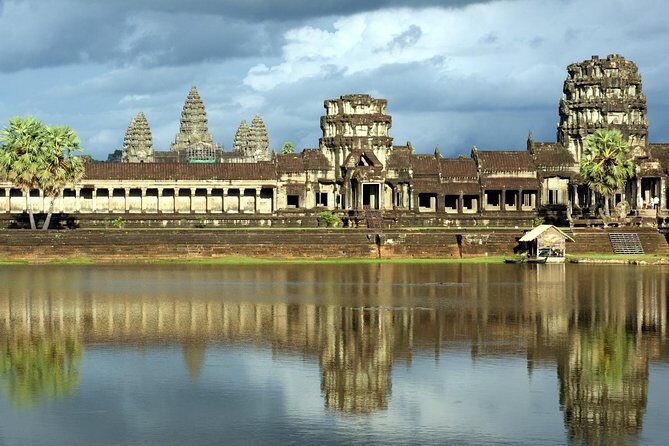
Angkor Wat is the obvious reason to come, but it’s also easy to treat it like a checklist. This tour gives you about 3 hours at Angkor Wat, which is enough to slow down and actually look.
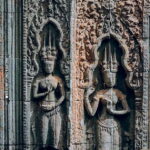
Angkor Wat is known for intricate carvings, grand galleries, and sacred sanctuaries. Your guide’s job is to help you understand what you’re walking through—why certain areas are laid out the way they are, and what the stone work is trying to communicate. That changes the experience from sightseeing into reading.
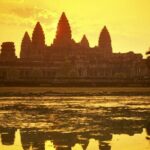
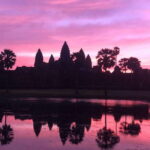
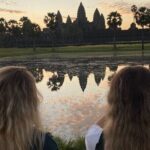
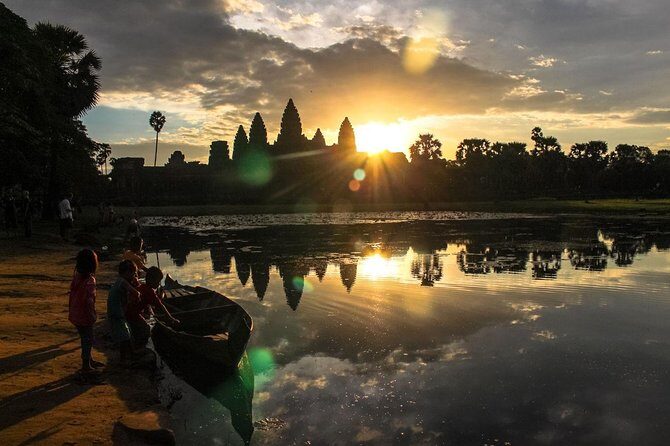
If you pick the sunrise option, you’ll get that soft, angled glow across the temple surfaces. If you choose sunset, the light tends to look warmer and the stone takes on a different mood. Either way, the tour’s structure helps you time your “big look” at the right part of the day.
Practical note: your entrance ticket for the Angkor Archaeological Park is not included, so budget for it separately. I’d also come prepared for a bit of early-morning chill if you’re doing sunrise—temple mornings can feel sharper than you expect.
Banteay Kdei: a calmer temple with Buddhist monastery vibes
After Angkor Wat, the route shifts to Banteay Kdei, meaning Citadel of Chambers. This is a late 12th-century Buddhist monastery, and the experience here is quieter and more relaxed than the headline sites.
You’ll have about 1 hour at Banteay Kdei. The time is long enough to wander the serene corridors and take in the unique carvings without rushing. This stop works especially well if you like architecture details but don’t want every minute to be “crowd management.”
The big drawback with Banteay Kdei is also why it’s great: it’s less famous. That means you’re less likely to have that instant wow moment in the exact same way you do at Angkor Wat or Ta Prohm. But if you enjoy temples for their craftsmanship and mood, this is often where the day starts to feel more personal.
Ta Prohm: the jungle-root photo legend—plus why it still feels special
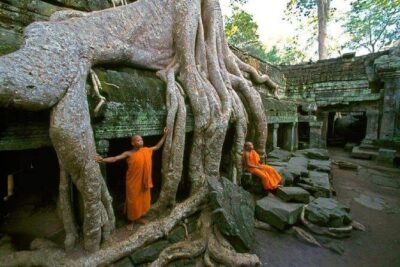
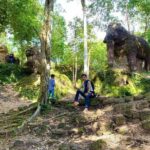
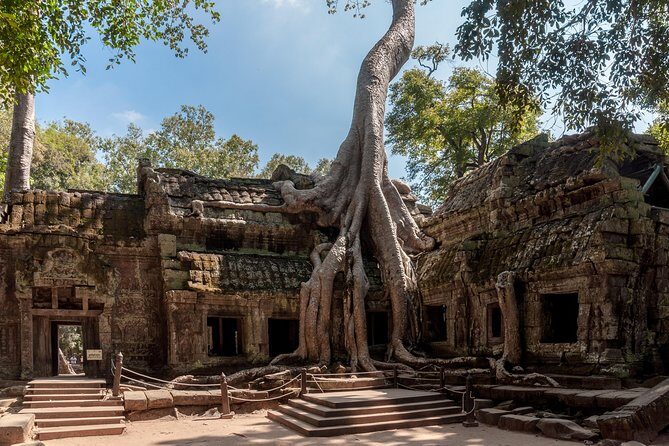
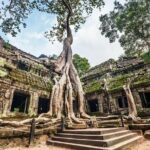
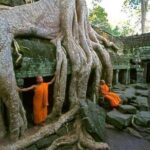
Next up is Ta Prohm, famous for giant tree roots growing over its ruins. This is the “jungle temple” that turned into a global symbol of Angkor’s dramatic blend of stone and nature.
You get about 2 hours here. That’s helpful because Ta Prohm rewards patience. You want time to walk the pathways from angle to angle and understand how the roots and walls shape the scene. A guide can also help you spot the key structures so you’re not just taking random photos and hoping they work out.
Ta Prohm was left largely unrestored, which creates that lived-in, half-ruined look. Some people love it for the chaos; I think it’s powerful because it shows a different truth about ruins—things don’t always become perfectly restored monuments. They become stories.
What to watch for: Ta Prohm can feel visually busy. Bring an open mind and slow your pace. If you keep glancing only at the roots, you can miss the carvings and the framing details that make the temple feel like a designed space.
You can also read our reviews of more evening experiences in Siem Reap

Bayon Temple and Tonle Om Gate: faces, towers, and the gods-and-demons entrance
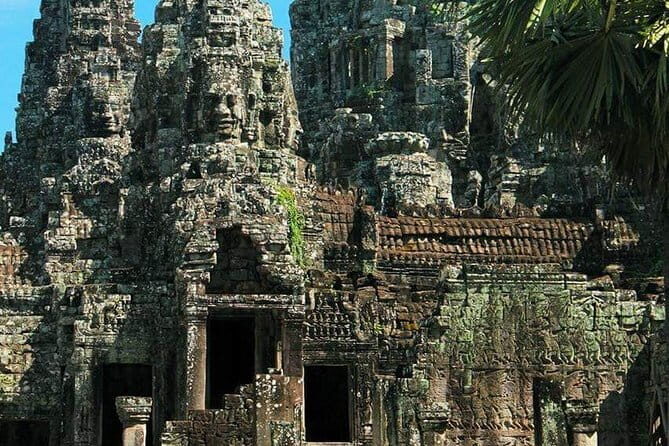
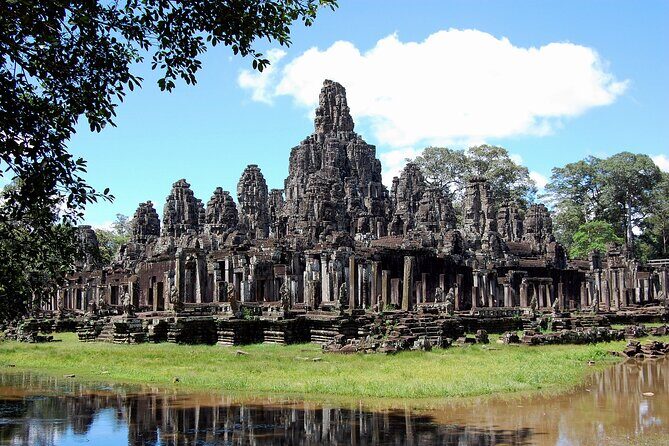
Bayon Temple is the emotional center of Angkor Thom. You’ll spend about 2 hours here, and it’s hard not to feel like the temple is watching you back.
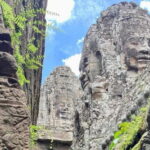
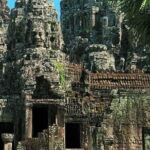
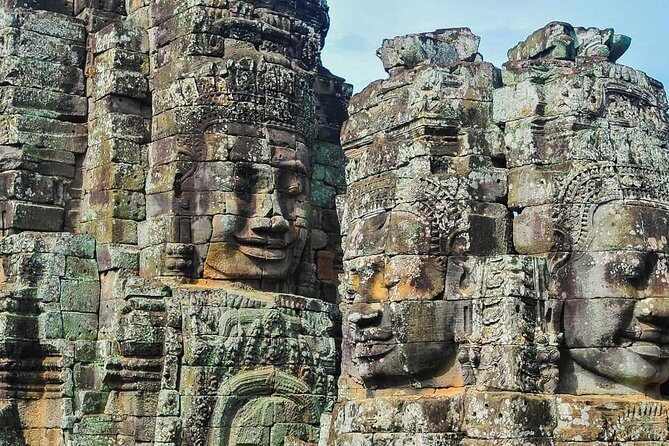
Bayon is known for its 54 towers, each adorned with four massive, serene faces of Avalokiteshvara. The design is striking because the faces aren’t just decorative—they’re positioned so you catch them from different corners as you move. Your guide’s explanations make this even better by tying the carvings and scenes to daily life and historical context.
Then you finish with a short stop at the South Gate of Angkor Thom area: Tonle Om Gate. This grand entrance is flanked by a causeway lined with statues of gods and demons, and the gate is crowned with four giant stone faces similar to those you’ve just seen at Bayon.
You get about 30 minutes here. It’s not meant to be a long deep look; it’s the “grand exit” that makes the day feel like a complete circuit. It’s also a good moment to reset your eyes after the dense crowds and carvings of the inner temple areas.
Price and value: what $18 gets you, and what costs extra
At $18, you’re paying primarily for the experience structure: pickup, drop-off, air-conditioned transport, an English-speaking guide, and water. You’re not paying for park entrance tickets or meals. That’s common in Angkor tours, but it’s exactly where you should do the math.
In practical terms, the value comes from reducing friction. For a day like this, transport and timing matter as much as the temples themselves. The included guide can save you from wasting time guessing what to look for, especially at Bayon and Angkor Thom where the details can feel overwhelming.
The entrance ticket is listed as not included. So if you’re budgeting, treat the tour price as “transport + guide,” then add the park admission on top.
If you’re the type who enjoys a guided explanation and wants an efficient day without DIY stress, this feels like a good deal. If you prefer roaming on your own with no structured pacing, you might find a self-guided route better for your style—just be ready for more planning.
What to watch out for: timing, tickets, and your comfort level
Your sunrise or sunset experience depends on weather, and the tour explicitly requires good conditions. If the weather isn’t cooperative, you should expect a reschedule or a refund offer, since the timing matters for the experience.
Plan for what’s not included: entrance tickets and food. That means you’ll want either a snack strategy or a plan to eat on your own between temple blocks. Also remember that the day is long—about 8 hours 30 minutes—so comfort beats style for footwear.
One more consideration is the early start for sunrise. If you’re doing sunrise, you’ll feel it by the time you’re done with the last stop. Bring water (you’ll have some from the tour) and keep your energy steady.
Who should book this tour (and who might skip it)
This tour fits best if you want to see major Angkor highlights without turning the day into logistics work. You’ll likely enjoy it most if you like having a guide explain what you’re looking at—especially the meanings behind carvings and the faces on Bayon towers.
It’s also a solid option if you want a balanced mix: Angkor Wat for the signature light, Ta Prohm for the jungle-root visuals, and Banteay Kdei for a calmer temple break.
You might skip it if you’re the kind of traveler who strongly prefers independent pacing and doesn’t want to follow a set route. In that case, you could still see all these temples, but you’ll manage timing, ticket entry, and explanations yourself.
The guide factor: what good English interpretation changes
The quality of the English-speaking guide can make or break a temple day. In this case, the guide experience is a highlight—one guide style that comes through is strong history and building explanation, like Prem, who is noted for clear, well-informed storytelling about the temples and structures.
Another strength mentioned is organization and keeping the flow easy, including help with navigating where to eat. Chamrong is brought up for keeping the day organized, including dining planning, which matters when you’re trying to avoid wasting time in between temple blocks.
Even if you don’t remember every detail, good guidance helps you notice what matters: why Bayon’s faces are positioned where they are, how Tonle Om’s causeway frames the gate, and what sets Banteay Kdei apart.
Should you book this Angkor Wat sunrise or sunset tour?
Yes, consider booking if you want a guided, efficient temple circuit built around the best light at Angkor Wat. The included transport, pickup, and water reduce the usual Siem Reap stress, and the time at Angkor Wat, Bayon, Ta Prohm is enough to make the stops feel meaningful rather than rushed.
Skip it only if you’re comfortable planning your own route, buying your own admissions without help, and you don’t care about guided context. If you value an English explanation and a smooth schedule, this one is an easy choice for a first Angkor day.
FAQ
FAQ
Is the entrance ticket to Angkor included?
No. The Angkor Archaeological Park entrance ticket is not included, so you’ll need to purchase it separately.
Does the tour include hotel pickup and drop-off?
Yes. Pickup and drop-off are included, along with transportation by air-conditioned mini-bus.
How long is the tour?
The duration is approximately 8 hours 30 minutes.
Which temples are visited during the tour?
You visit Angkor Wat, Banteay Kdei, Ta Prohm, Bayon Temple, and Tonle Om Gate (South Gate of Angkor Thom).
Is food included?
No. Foods are not included in the tour price.
Is a professional English-speaking guide included?
Yes. The tour includes a professional English-speaking tour guide.
How big is the group?
The tour has a maximum of 25 travelers.
What if weather is bad for sunrise or sunset?
The experience requires good weather. If it’s canceled due to poor weather, you’ll be offered a different date or a full refund.