REVIEW · SIEM REAP
Siem Reap: Floating Village Tour
Book on GetYourGuide →Operated by Khmerdetours · Bookable on GetYourGuide
Tonle Sap feels like another planet. On this Siem Reap floating village tour, you ride out of town and cruise a living river system where the water level changes everything.
You’ll get two real wins from this trip: lotus flower farm views (with Buddhist cultural context) and local guides who can explain how this place actually works day to day, including guides like Vanna and Mr. Friday (Mr. Poun Poss).
One thing to consider: expect most of the village experience from the water, not a long, wander-around-at-will walk on land. Also, meals and drinks aren’t included.
In This Review
- Key highlights you’ll care about
- Why Tonle Sap’s floating life is different here
- Getting out of Siem Reap: pickup, roads, and the lotus farm
- Into the rivers: flat-bottom boats and a time-forgotten world
- The floating village view: what to expect and what might disappoint
- Tonle Sap moment: the lake that looks like a sea
- Queen Tara Riverboat stop: refreshments and local rhythm
- Price and logistics: is $65 really value?
- Who this floating village tour suits best
- Small practical tips before you go
- Should you book the Siem Reap floating village tour?
- FAQ
- How long is the Siem Reap floating village tour?
- What’s included in the price?
- Are meals and drinks included?
- Do you visit the lotus flower farm?
- Is the tour family friendly?
- What are the child pricing rules?
- What languages is the guide?
Key highlights you’ll care about
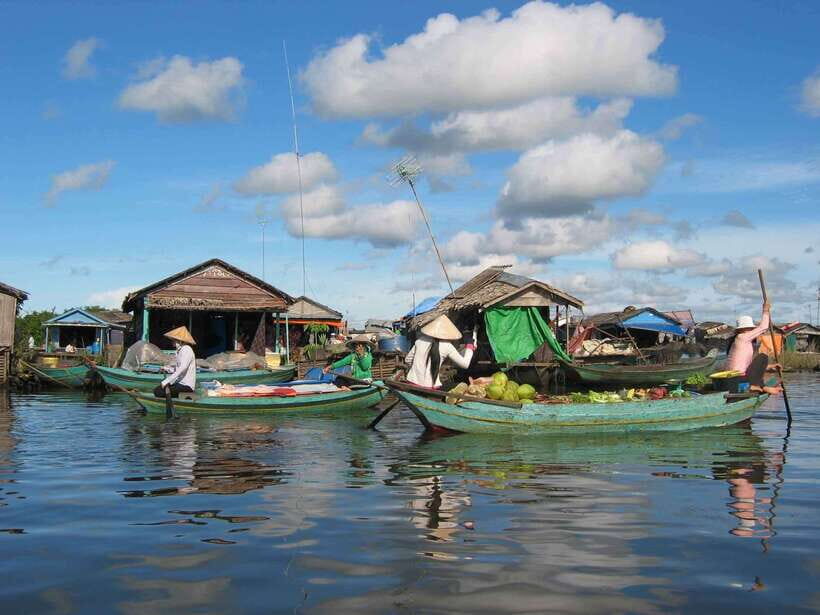
- Flat-bottomed riverboats that handle narrow turns near the floating villages
- Lotus flower farm stop tied to Buddhist uses of the plant (great for photos)
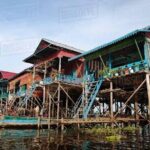
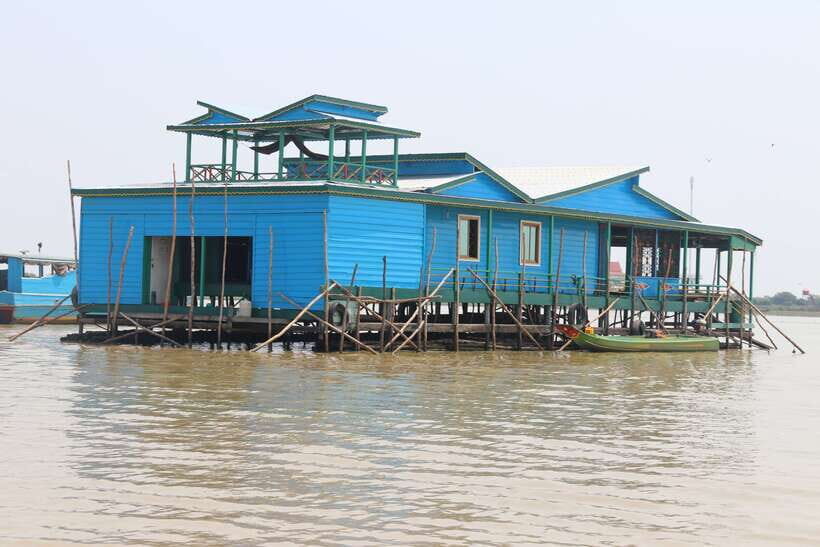
- A real community view: schools, churches, markets, police station, and even a jail afloat
- Tonle Sap UNESCO biosphere reserve and over 120 bird species, mostly water birds
- Queen Tara Riverboat stop for local fresh fruits and drinks
- Small, family-friendly pacing with hotel pick-up and drop-off included
Why Tonle Sap’s floating life is different here
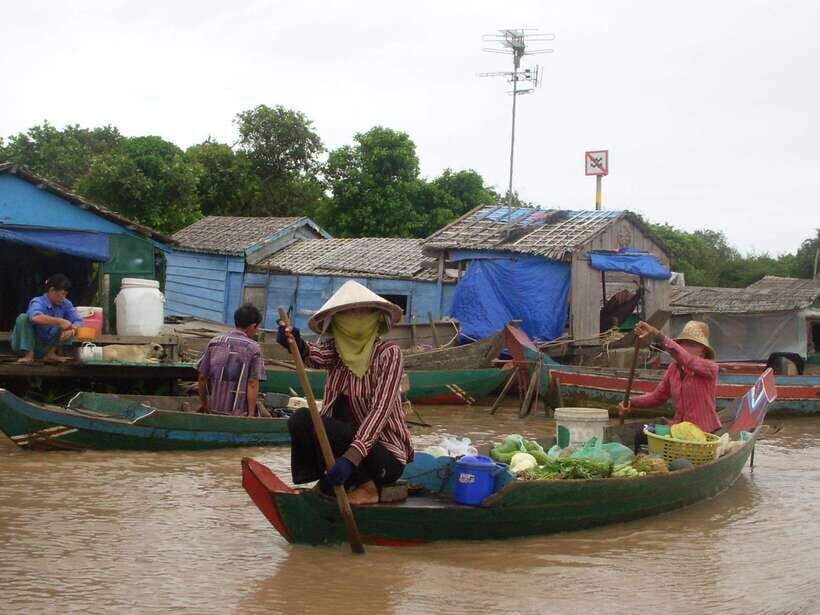
Most floating-village tours feel like a show. This one feels more like seeing a whole system at work. The core idea is the Tonle Sap changes direction twice per year, because the water is part of a river system rather than a simple lake.
In the wet season, water pushes north into Tonle Sap. In the dry season, it flows out toward the South China Sea through the Vietnam delta. That shift isn’t just dramatic on a map. It changes where homes and businesses can exist. During the dry season, the lake empties out; when the wet season peaks, the water depth rises from about 1.5 meters to over 10 meters.
The area also swings hard: roughly 2,700 square kilometers expands to over 12,000 square kilometers. That’s why the floating villages aren’t a novelty. They’re an adaptation—built around water that moves.
If you like nature that’s connected to daily life (not just pretty scenery), this is the kind of tour that clicks fast.
You can also read our reviews of more tours and experiences in Siem Reap.
Getting out of Siem Reap: pickup, roads, and the lotus farm
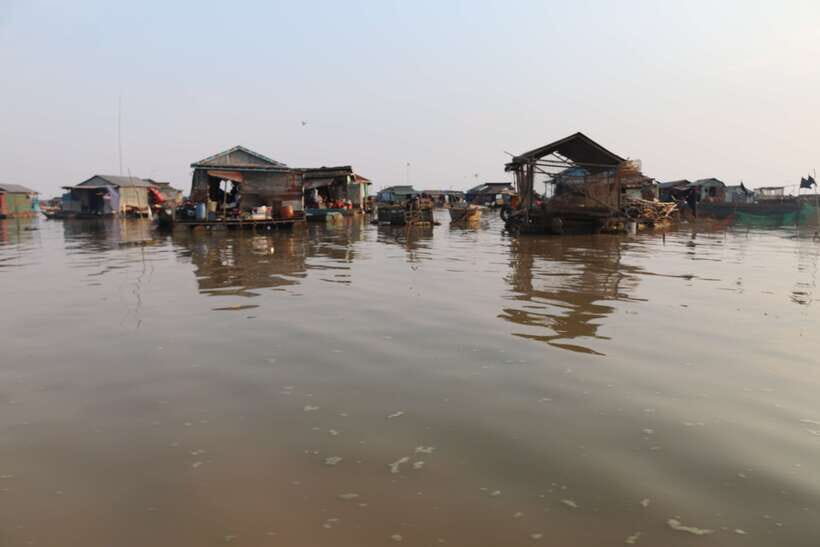
Your tour starts with free hotel pick-up and drop-off, using an air-conditioned car/minivan or a tuk tuk. That matters because Siem Reap traffic and distances can eat your morning. Having pickup built in keeps the day simple.
The ride to the lake is about 14 kilometers, and you’ll make two notable stops along the way.
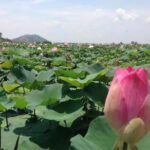
First up is the lotus flower farm. Your guide explains why the lotus matters in Cambodian Buddhist culture and how different parts of the plant get used. You don’t just get a quick picture. You learn why it shows up in rituals and daily life, and you also get those wide, color-field photo opportunities.
Then you’ll pass rice paddies and Cambodian countryside. This part is easy but useful. It helps you mentally switch from Angkor-temple mode into water-and-farming mode.
Practical note: the tour runs in all weather conditions, so wear clothes that can handle heat and sudden cloud/rain. If you run from wet weather, you’ll miss the charm.
Into the rivers: flat-bottom boats and a time-forgotten world
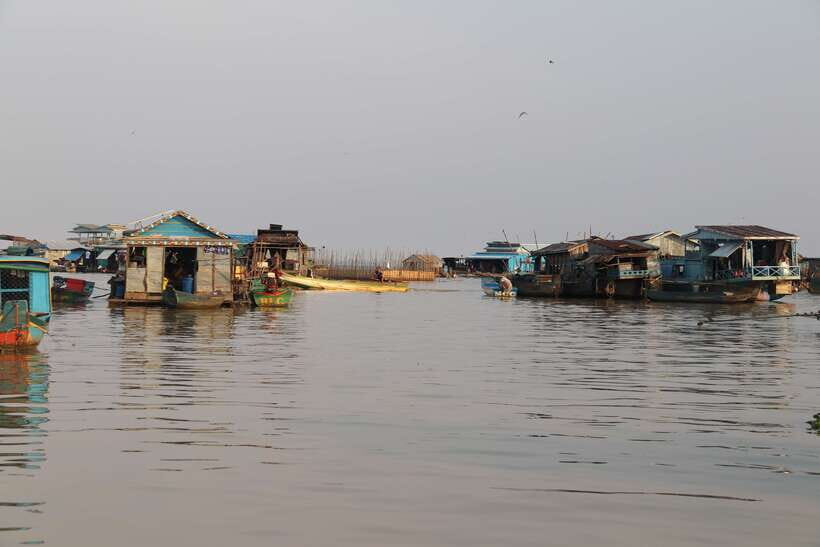
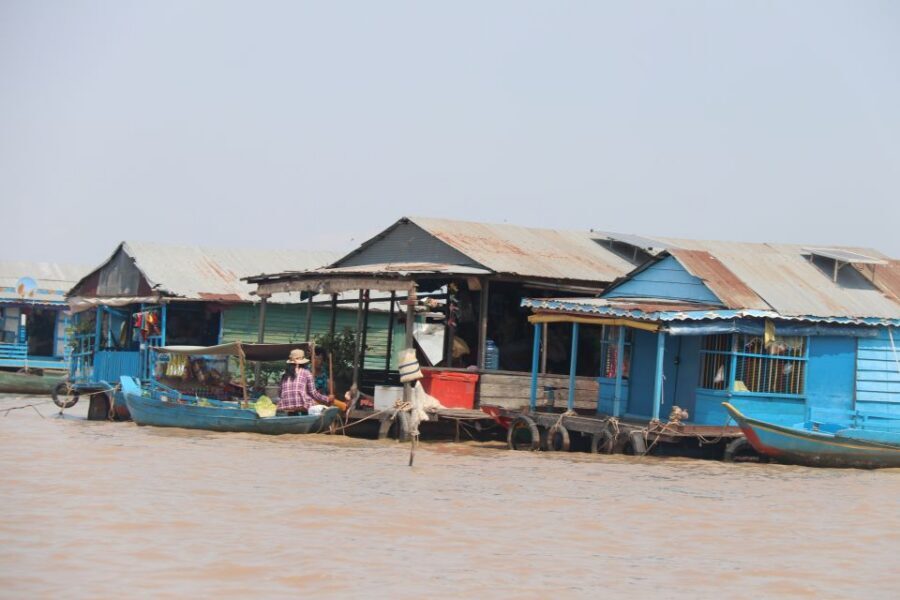
Once you reach the river entry, private boats are waiting for your cruise around the floating villages. The boats are flat-bottomed, which helps with the shallow, twisting waterways.
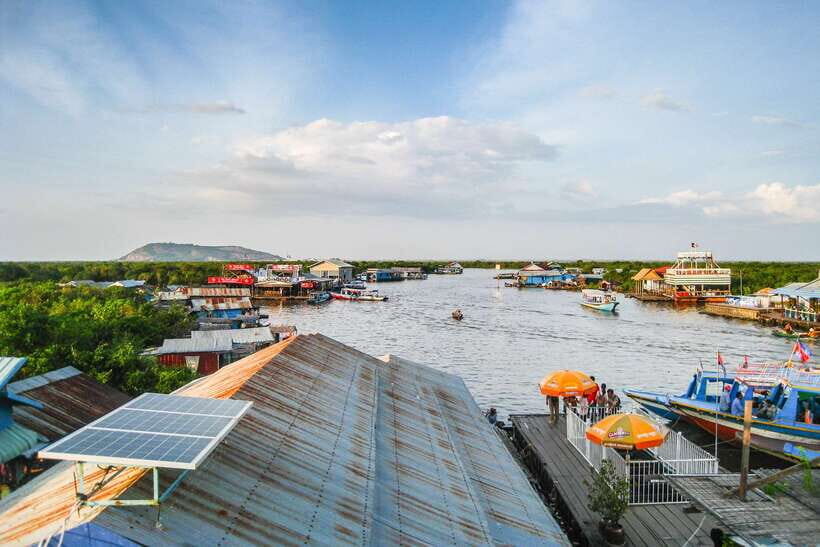
This is where you’ll feel the scale of the place. Around 6,000 people live in the floating villages. And the layout is more organized than people expect. You may see:
- floating schools
- churches
- markets
- a police station and a jail
- basketball courts
- vegetable gardens
Seeing a jail on the water is the kind of detail that resets your assumptions. This isn’t just “homes on water.” It’s a working neighborhood with services, commerce, and community routines.
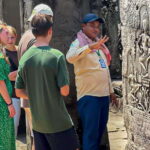
Guides help make sense of what you’re seeing. Names that have stood out in English-language guiding include Vanna and Mr. Friday (Mr. Poun Poss). The value here is context: who lives here, how they manage their day when water changes, and why certain structures exist where they do.
Also, I like the pace of this style of tour. You’re not stuck waiting around for a scripted stop. You’re moving, turning corners, and watching the environment build like a slideshow you’re inside.
The floating village view: what to expect and what might disappoint
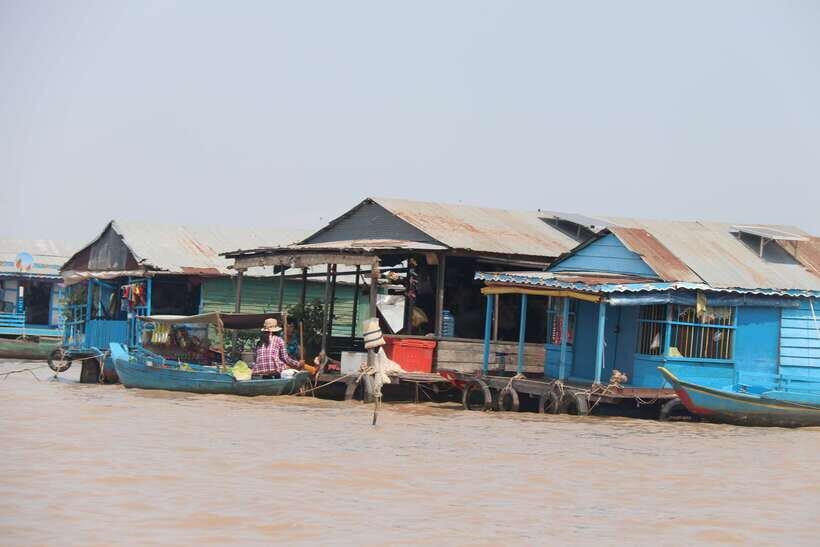
Set your expectations up front: you’re mostly cruising, so you’ll get the best views from the boat and from short docking moments. That’s great for understanding the overall layout, but it can feel like a “from a distance” experience if you’re craving lots of walking and close-up conversations.
There are also slight day-to-day variations in what you stop at beyond the lotus farm. One common pattern is that some itineraries add stops such as a crocodile farm before the boat-and-village portion. If this is on your must-skip list, ask when you confirm your exact timing.
If you’re okay with a boat-first approach, you’ll likely love how many community features you spot quickly—especially when the guide ties them to daily survival, work, and family life.
One more topic that’s worth knowing before you go: fishing is under pressure, and the struggle for fishermen and their families is described as ongoing. The trip frames what you’re seeing as part of a living economy, not just scenery.
Tonle Sap moment: the lake that looks like a sea
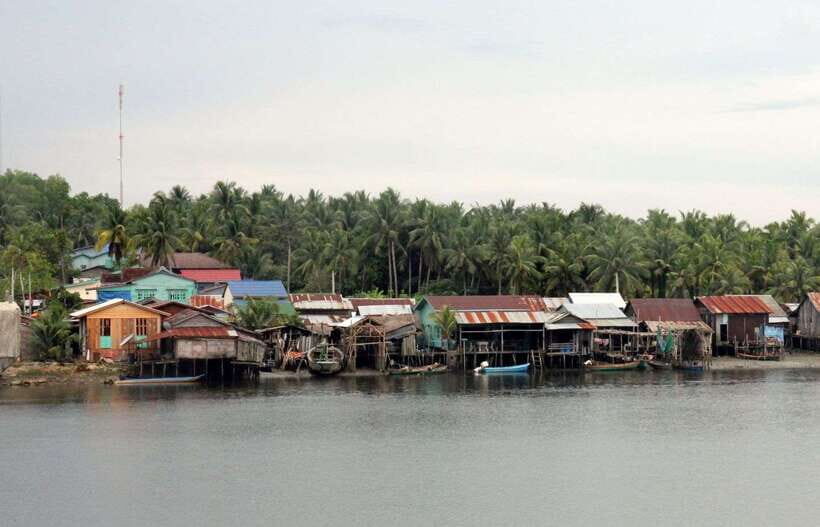
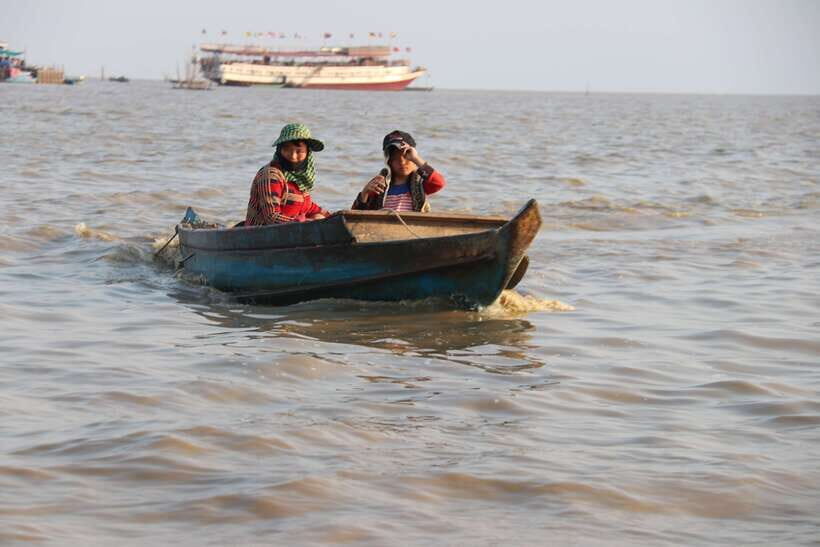
After winding rivers, the cruise opens out and suddenly you’re staring at something that feels much larger than a lake. That shift can be the highlight for many people—because it changes your sense of scale.
Tonle Sap is the largest freshwater lake in Southeast Asia and is described as the richest fishing lake in the world. You’re also in a UNESCO-designated biosphere reserve (designated in 1997) for its biodiversity.
And yes, birds are a big part of the show. The area is home to over 120 species of birds, mainly large water birds. You don’t need to be a hardcore birder to enjoy this. Even casual bird spotting feels exciting when the ecosystem is clearly thriving.
This is also where the seasonal facts become real. The way the water expands and contracts shapes where everything sits. It’s the kind of environmental lesson that doesn’t feel like a lecture because you can see it with your eyes.
Queen Tara Riverboat stop: refreshments and local rhythm
At some point during the cruise portion, the tour docks with a 100-year-old ex cargo boat called Queen Tara Riverboat. The plan includes time for drinks and local fresh fruits during the stop.
This is a good reset. It breaks up the moving time so you can sit, look around, and take a breath. It also gives you a clearer sense that this community life isn’t trapped in one frame. People here have routines that still include breaks, snacks, and social time—same idea as anywhere, just on water.
If you’re sensitive to motion, use this stop to regroup before hopping back into boat mode.
Price and logistics: is $65 really value?
At $65 per person for about 3 hours, you’re paying for three things at once:
- Pickup and drop-off from your accommodation
- Transport plus boats and driver
- An English-speaking local guide and checkpoint fees
Most tours around Siem Reap nickle-and-dime you for some combination of transport, boat costs, and guide time. Here, those major pieces are bundled, which makes the price feel simpler.
Meals and drinks are listed as not included, so if you get hungry, plan ahead. The good news is the tour includes a dock stop where local fresh fruits and drinks are part of what you do during the visit, but the tour itself still doesn’t position meals as included. I’d treat this as a “snack + water breaks” kind of outing, not a full meal plan.
Also, this is a short tour. Three hours is long enough to see the floating village layout and feel Tonle Sap’s scale, but short enough that you don’t lose your entire day to transport.
If you’re trying to balance temple-heavy days with something more human and natural, this is one of the stronger time-to-value options in Siem Reap.
Who this floating village tour suits best
This trip is designed to be family friendly, and it works well for first-timers who want a Cambodian water-world without a long travel day. Kids are welcome with a key rule: unaccompanied minors aren’t allowed, and children must be accompanied by an adult.
There’s also a clear child pricing note: children 10 and under are half price, and children 5 and under are free. If you’re traveling with kids, this is helpful because boat tours can get expensive fast.
I also think it fits well if you care about:
- everyday life, not just big monuments
- guided explanations (especially about how the villages function)
- environmental context tied to real livelihoods
If you want a deep, long, on-land village walkthrough with lots of unstructured time, you might feel the boat cruise is limiting. The tour’s strength is the system view from the water.
Small practical tips before you go
- Dress for real weather. The tour runs in all weather conditions, so bring a light layer and something rain-ready if skies look uncertain.
- Bring a camera plan. This trip mixes river turns, big “lake reveal” moments, and close village features like floating markets and gardens.
- Bring cash for personal snacks or upgrades. Meals and drinks are listed as not included.
- Double-check your pickup time when you confirm. The experience includes different possible start times, and timing can vary.
- Sun protection helps. Even in a short tour, you’ll spend time outdoors.
Should you book the Siem Reap floating village tour?
I’d book it if you want a break from the hustle and want to understand Tonle Sap as a living system. The combo of lotus farm culture, boat travel through floating villages, and UNESCO Tonle Sap ecology is a good mix of human life and nature.
Skip it or adjust expectations if you’re mainly chasing a land-based walking tour. This is best when you’re happy to experience the floating villages from the water and learn how the community works around changing water levels.
If you’re choosing between “temples all day” and “something meaningful that fits in three hours,” this is an easy pick.
FAQ
How long is the Siem Reap floating village tour?
The tour lasts about 3 hours.
What’s included in the price?
It includes hotel pick-up and drop-off, an English-speaking local guide, all transport, all checkpoint fees, and boats and a driver.
Are meals and drinks included?
Meals and drinks are not included.
Do you visit the lotus flower farm?
Yes. There’s a stop at a lotus flower farm on the way to the lake.
Is the tour family friendly?
Yes, it’s described as family friendly. Children must be accompanied by an adult, and unaccompanied minors aren’t allowed.
What are the child pricing rules?
Children 10 and under are half price. Children 5 and under are free.
What languages is the guide?
The guide provides Cambodian and English.