REVIEW · SIEM REAP
Siem Reap Tour Guide: Angkor Wat Sunrise Tour & Beng Mealea
Book on GetYourGuide →Operated by Siem Reap Tour Guide · Bookable on GetYourGuide
Early light turns Angkor into something personal. This private 10-hour route delivers Angkor Wat sunrise reflected in the moat, then keeps going through Ta Prohm, Bayon, Banteay Srei, and Beng Mealea with a private guide who explains what you’re seeing in real time.
The one budgeting detail is the temple pass: it’s $37 per person and not included in the tour price. Also, it’s a long day with a lot of walking, so plan for heat and uneven ground.
The logistics are genuinely easy. The driver can pick you up from any Siem Reap hotel lobby, use an AC SUV or minivan, and drop you back at your hotel or downtown after the last site.
In This Review
- Key highlights to know before you go
- Angkor Wat Sunrise and the Moat Reflection: Timing That Gets the Photo and the Meaning
- Angkor Thom and Bayon’s Over-200 Faces: Learn How to Look
- Ta Prohm and the Tree Roots: Movie Scenery, Real Texture
- Banteay Srei’s Rosy Carvings Plus Shopping Time: A More Refined Side of Angkor
- Beng Mealea: A More Untidy, More Human Temple Day
- Price and Passes: What You Pay, What You Don’t, and the Real Value
- Transport, Timing, and Comfort on a 10-Hour Route
- What to Bring, and the Temple Rules That Keep Things Smooth
- Should you book this Angkor Wat sunrise + Beng Mealea day?
- FAQ
- How long is the Angkor Wat sunrise and Beng Mealea tour?
- What is the price, and is it per person?
- What does the $37 temple pass cover?
- What is included in the tour price?
- Which temples are included in the day?
- Where are pickups and drop-offs in Siem Reap?
- What should I bring for temple visits?
Key highlights to know before you go
- Moat sunrise at Angkor Wat: watch the rising sun reflect off the temple complex for that classic golden effect
- A private guide who matches your pace: explanations about history and religion are adjusted to what you want to know
- Big-name Angkor plus a rougher, quieter stop: Ta Prohm, Bayon, and Banteay Srei paired with Beng Mealea’s less-tidy feel
- Comfort during a long day: AC vehicle, cold drinking water, and cold towels
- Ticket-line hassle reduced: the tour is set up so you can skip the ticket line (your pass is still purchased by you)
- Hotel-to-hotel convenience: pickup and drop-off are handled across Siem Reap town
Angkor Wat Sunrise and the Moat Reflection: Timing That Gets the Photo and the Meaning
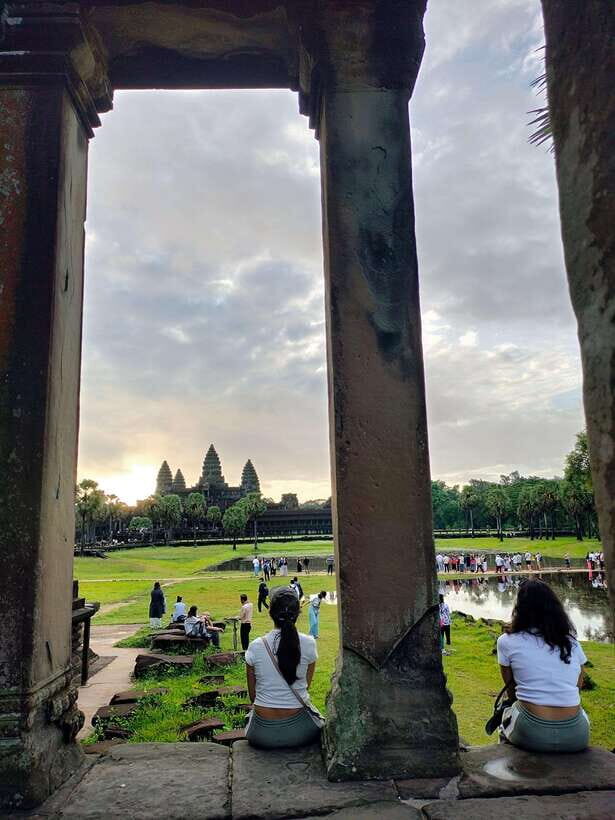
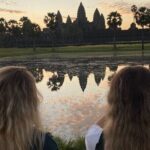
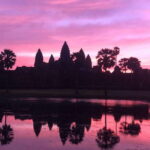
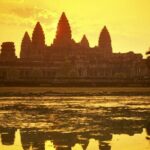
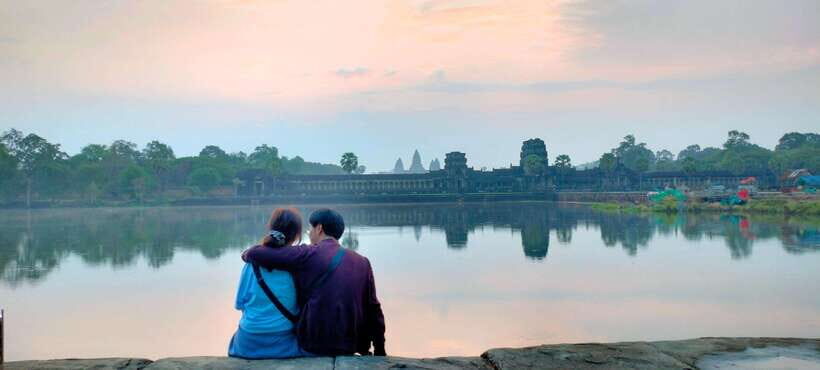
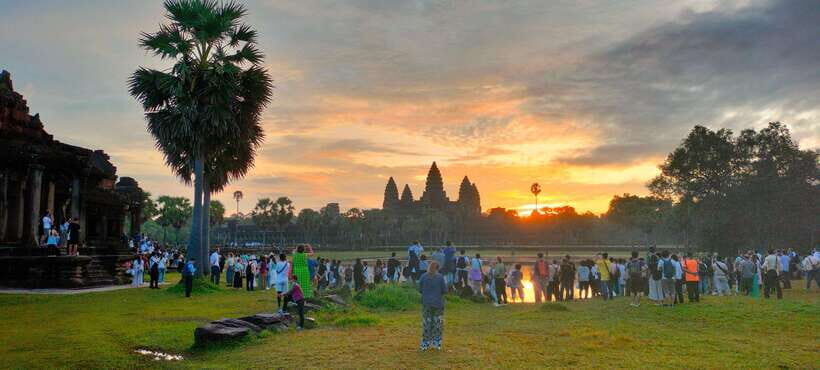
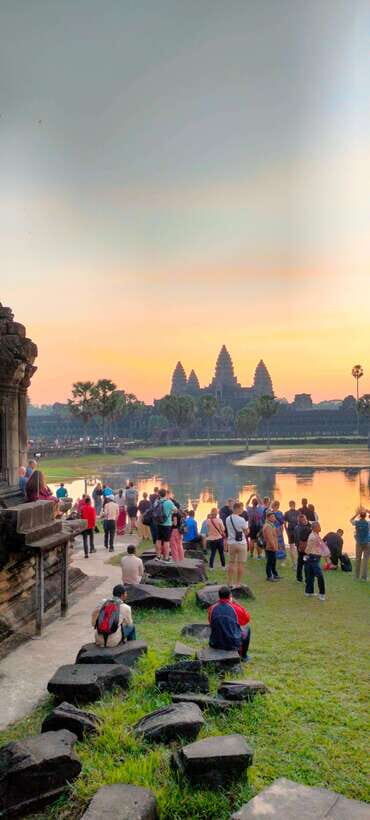
Angkor Wat at sunrise is one of those rare moments where you feel the scale before your brain catches up. This tour starts there and gives you time not only to see the temple, but to watch the rising sun reflect in the moat—an extra layer of drama that you miss if you arrive later.
What I like is that the morning is structured with a mix of calm and movement: photo stops, guided walking, and a safety briefing so you’re not spending the best part of the day worrying about where to stand. You’ll also get the “on-ramp” you need—how to look at the architecture and how the whole complex is organized—so your photos turn into stories, not just images.
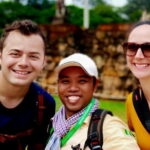
It also helps that you’ll have a real person behind the explanations. In past bookings connected to this tour, guides such as Han or Sam have been praised for being kind and for sharing temple context in a way that’s easy to follow. That matters at Angkor, because you can stare at stone for hours and still feel like you learned nothing.
Practical tip: bring a hat and sunglasses, and wear something that covers your knees and shoulders. Early mornings can start cool, but the sun climbs fast.
You can also read our reviews of more guided tours in Siem Reap
Angkor Thom and Bayon’s Over-200 Faces: Learn How to Look
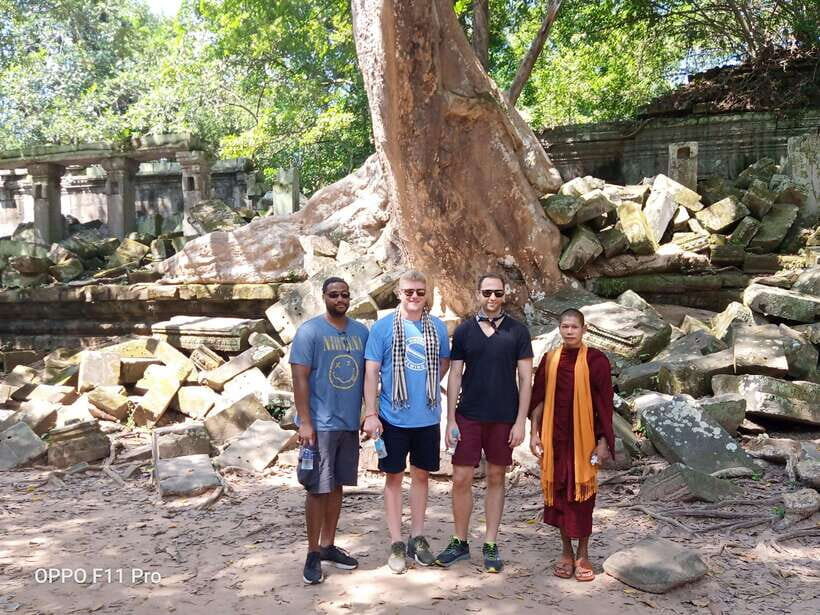
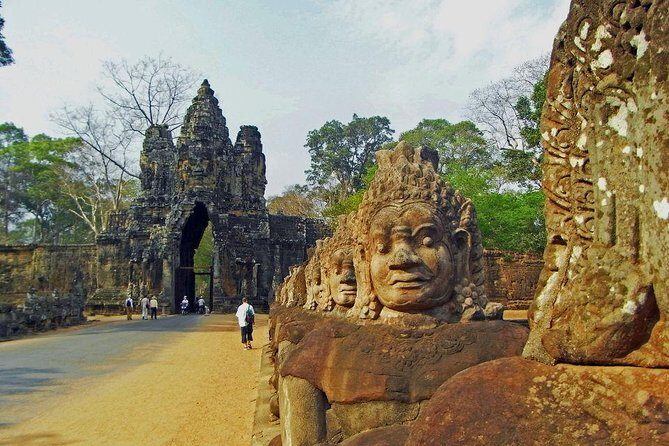
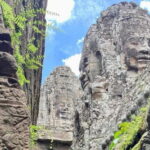
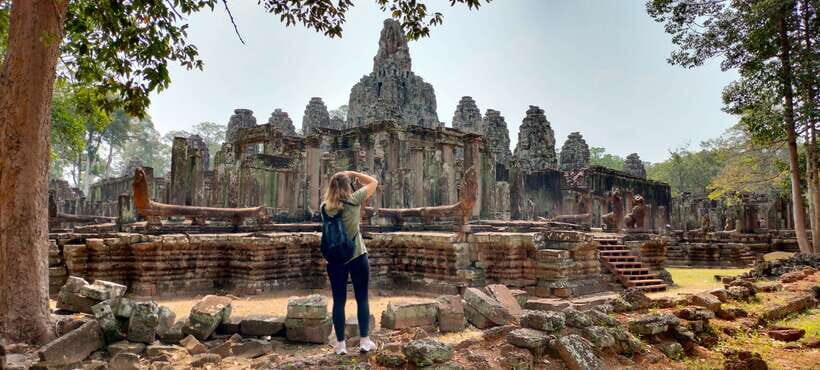
After the sunrise start, the day flows into Angkor Thom and Bayon Temple. Bayon is famous for its many faces—over 200—so it can be easy to treat it like a photo-only stop. This experience nudges you to look deeper, with guided time for walking and explanations that connect the carvings to the beliefs and symbolism of the site.
You get about an hour here, which is a good amount. It’s not so rushed that you feel sprayed with information, and it’s not so long that you melt into the stone dust. There’s also a break built in, which is smart because by this stage you’re usually awake more than you planned and moving more than you expected.
The biggest value of this stop is perspective. A guide can help you spot recurring visual themes and understand why people once traveled to this kind of sacred space. If you’ve ever stood in front of a famous landmark and thought, I don’t know what I’m actually seeing—that’s exactly what the guide time helps fix.
Ta Prohm and the Tree Roots: Movie Scenery, Real Texture
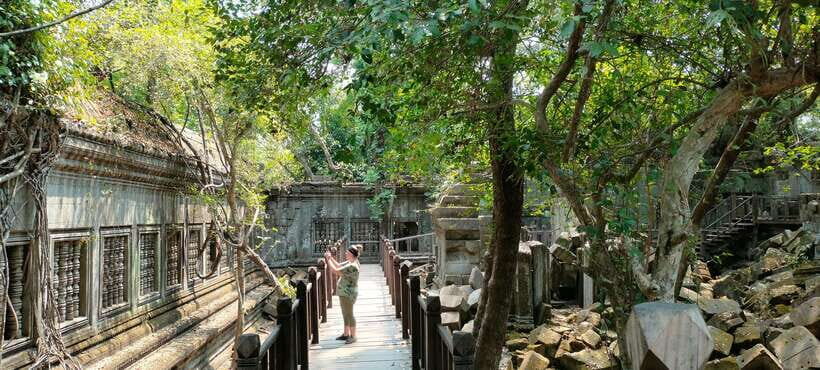
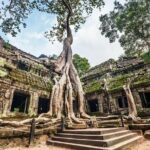
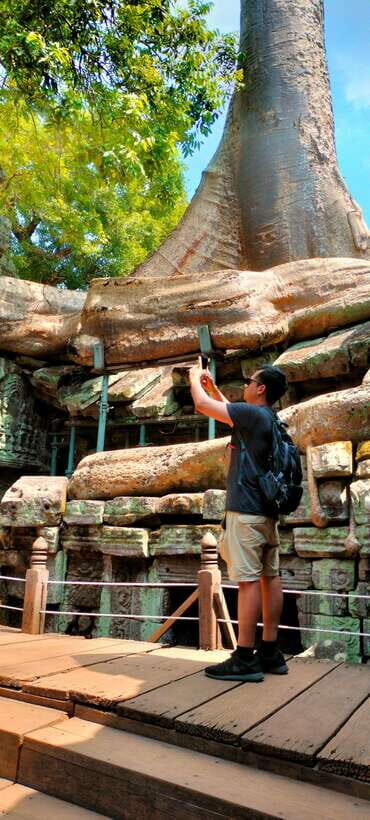
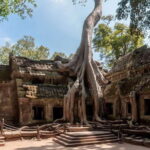
Ta Prohm is the temple that looks like it’s being “rescued” by nature. You’ll get time here with photo stops and guided walking, plus another safety briefing. The standout feature is the tree roots climbing over structures—especially the kind of tangled visual that many people recognize from film.
You should still expect uneven, occasionally slick ground. Even with guide support, you’ll want comfortable shoes and a steady pace. The tour includes walk time and guided interpretation, so you can enjoy the drama without constantly stopping to figure out where the safe path is.
A nice detail: you’ll have enough time to actually slow down. With around 1.5 hours, you can frame shots, pause for the bigger view, and then circle back to check carvings or the way roots wrap around corners. This is where you get the “wow” without making it feel like a conveyor belt.
Banteay Srei’s Rosy Carvings Plus Shopping Time: A More Refined Side of Angkor
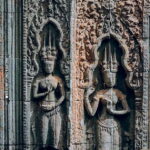
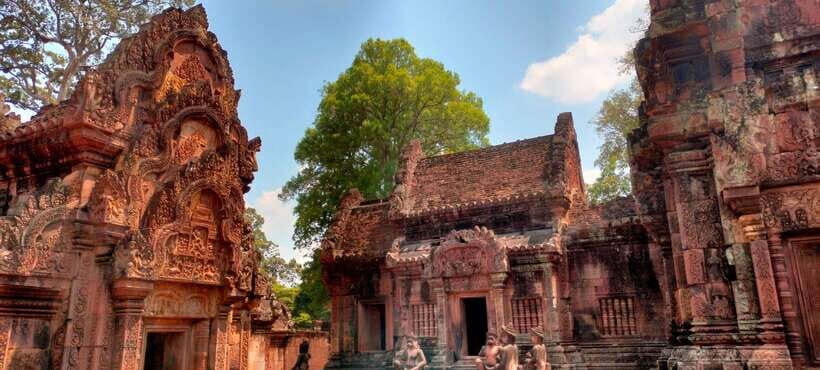
Banteay Srei brings a different mood. Instead of the heavy jungle-overgrowth feeling of Ta Prohm, this stop highlights intricate stone carving—often described as rosy in tone. It’s the kind of temple where your eyes need time, because the value is in the details.
You’ll spend about two hours here, with guided viewing plus free time. That free time can be useful if you want to buy a small souvenir, take a breather, or simply slow down and look at carvings without someone guiding your feet the whole time. This balance is exactly what helps turn a day tour into something that feels personal rather than stressful.
One consideration: Banteay Srei is still outdoors. You’ll want sun protection, and it helps to keep water coming. The tour includes cold drinking water and cold towels, which sounds small until you’re sweating and realize it’s the difference between enjoying your photos and rushing to the next stop.
Beng Mealea: A More Untidy, More Human Temple Day
Beng Mealea is the wild card in a great way. This tour includes it as an additional stop after Banteay Srei, with guided time and then free time to wander on your own.
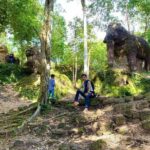
Beng Mealea is described here as untouched, which is the main reason it feels special. It doesn’t carry the same “fully curated” feeling as some of the more famous areas. Instead, you get a more rugged sense of exploration—stone, roots, gaps where the temple has opened up over time, and lots of places to simply stare and imagine how someone might have moved through this space.
This is the segment where your footwear matters most. Keep your step careful and your pace relaxed. If you’re the type who likes to photograph textures—cracks, carvings partially reclaimed by nature, and the way walls sit in layers—this is where you’ll likely feel happiest.
Also note the tour builds in breaks again. Those pauses help you reset, especially if Beng Mealea is where your legs start to feel like they’ve been doing unpaid overtime.
A few more Siem Reap tours and experiences worth a look
Price and Passes: What You Pay, What You Don’t, and the Real Value
The tour price is $160 per group (up to 12 people) for about 10 hours of private guiding and driving. That’s not just a “driver and go” service. You’re getting a professional guide for the temple sites, cold water and cold towels, and an AC SUV or minivan with gasoline plus toll roads and parking included.
The main cost not included is the temple pass: $37 per person. The important detail is that this pass covers all temples in the day’s agenda. So you’re not doing separate purchases for each stop, and you can plan your budget around one clear figure.
How to think about value:
- If you book with more people, the $160 group price can work out well because it’s not per person.
- The pass fee is the main add-on you can’t avoid, but it’s a single pass for the listed sites.
- Skip-ticket-line convenience can save time, which matters on a sunrise-based schedule.
If you’re traveling solo, the tour can still make sense because you’re paying for a private guide and a smooth day flow, not just transportation. But if you’re on a strict budget, it’s worth comparing what you’d spend on multiple separate tuk-tuk hires or self-guided tickets—and then add your time and frustration cost.
Transport, Timing, and Comfort on a 10-Hour Route
The day runs about 10 hours, and pickup is included from any hotel in Siem Reap town. The driver and guide come to your hotel lobby with your name on a sign, which removes a lot of the “where do I meet” hassle.
You’ll ride in an AC SUV or minivan, which is a quiet win in Cambodia heat. The tour also includes cold drinking water and cold towels. These aren’t luxuries when you’re out in the sun for most of the morning and part of the afternoon.
In terms of pacing, the stops are built with photo time, guided walking, and breaks. That structure matters because temple days go sideways when you only schedule “see everything” and forget the human part—feet, hydration, and attention span.
One more reality check: this tour is not suitable for people with back problems, people with altitude sickness, or people over 95 years old. That’s not a small footnote. Your route involves walking and standing at multiple sites, and Beng Mealea in particular can be uneven.
What to Bring, and the Temple Rules That Keep Things Smooth
This is a temple day, so the basics are non-negotiable. Pack comfortable shoes first. Then add sun protection: sunglasses and a hat. A scarf is also listed as useful, especially for covering appropriately at temples.
Other helpful items include:
- insect repellent
- sunscreen (mentioned in the guidance)
- light clothing that covers knees and shoulders
- a camera
- a charged smartphone
- cash and a credit card
For families, the tour notes a child safety seat if needed.
Temple rules are also clear about what’s not allowed: pets, drones, alcohol and drugs, explosive substances, and nudity. If you follow those rules, you spend less time on-the-spot corrections and more time actually seeing.
Should you book this Angkor Wat sunrise + Beng Mealea day?
I’d book this tour if you want a private guide and a plan that hits both the famous lineup and a more rugged temple stop in the same day. Angkor Wat sunrise with moat reflection is a strong reason by itself. Then you get Bayon’s faces, Ta Prohm’s tree roots, Banteay Srei’s fine carvings, and Beng Mealea’s wilder feel—without needing to coordinate multiple transports.
It’s also a good choice if you value explanations, because the guide time is built into each major site. Based on past guide feedback tied to this experience (including Han and Sam), the emphasis is on clear, adaptable storytelling rather than dumping facts.
Skip this one, or at least think hard first, if your body can’t handle long walking days or uneven ground. Also make sure your budget includes the $37 per person temple pass, since that’s the one big surprise cost if you only look at the headline price.
If you want, tell me your group size and your preferred start time, and I’ll help you sanity-check the cost per person and whether this 10-hour flow fits your energy level.
FAQ
How long is the Angkor Wat sunrise and Beng Mealea tour?
The tour lasts about 10 hours.
What is the price, and is it per person?
The price is $160 per group, up to 12 people.
What does the $37 temple pass cover?
The $37 per person temple pass covers all the temples included in the day’s schedule.
What is included in the tour price?
Included items are hotel pickup and drop-off (or airport drop-off if the schedule matches), a private professional English-speaking tour guide, safe driving in an AC SUV or minivan, cold drinking waters and cold towels, gasoline, and toll roads and parking lots.
Which temples are included in the day?
The day includes Angkor Wat (sunrise), Ta Prohm, Bayon, Banteay Srei, and Beng Mealea.
Where are pickups and drop-offs in Siem Reap?
The driver and guide pick you up from any hotel lobby in Siem Reap town. Drop-off is also back at your hotel/downtown, with multiple listed drop-off options.
What should I bring for temple visits?
Bring comfortable shoes, sunglasses, a hat, a scarf, insect repellent, cash (and a credit card), and a charged smartphone. Light clothing that covers your knees and shoulder is recommended.