REVIEW · SIEM REAP
Angkor Region & Rainforest Bike Tour
Book on Viator →Operated by Angkor Cycling Tour · Bookable on Viator
Two wheels beat temple lines. This Angkor Region & Rainforest Bike Tour cuts through the crowded parts of Angkor with lesser-worn paths, and I especially like that you get a quality bike plus a helmet instead of scrambling to rent gear. The one catch: the temple pass is not included, so you’ll need to budget for it before you go.
I also like how the day is paced for real viewing, not just photo stops. You’ll hit major sights like Angkor Wat and Bayon, then shift into jungle-covered temples where the setting does half the storytelling. One more consideration: there’s no hotel pickup, so you’ll want to be at the meeting point on time (7:30am at Taphul Rd).
In This Review
- Key highlights at a glance
- Why Pedal Through Angkor Instead of Standing in Line?
- Price and Value: What $50 Really Covers (and What Doesn’t)
- The Bikes, Guides, and Small Group Setup
- 7:30am Start at Taphul Rd: How the Day Flows
- Stop 1: Rainforest Trails First, then the Angkor Wat Approach
- Angkor Thom Gates and the Wall View at Prasat Chrung
- Bayon’s Smiling Faces: 54 Towers, 216 Faces Worth Slowing Down For
- Preah Khan, Tanei, and Ta Prohm: When Jungle Becomes Part of the Temple
- Lunch, Coconut Water, and Staying Strong on an 8-Hour Ride
- Dress Code at Angkor: What You Must Plan Before You Leave
- Who This Tour Suits Best (and Who Might Want a Different Style)
- Should You Book This Angkor Region & Rainforest Bike Tour?
- FAQ
- Is the temple pass included?
- What’s included in the $50 price?
- Where do I meet the tour, and when does it start?
- How long is the tour?
- What should I wear when visiting the temples?
- Can I cancel and get a full refund?
Key highlights at a glance
- Off-the-main-route cycling through rainforest and less crowded Angkor paths
- Mountain bike + helmet included, plus a professional English-speaking guide
- Five major temples: Angkor Wat, Bayon, Preah Khan, Tanei, Ta Prohm
- Lunch and drinks included, including coconut water and pure drinking water
- Small group size (max 10), so you can actually move at a human pace
Why Pedal Through Angkor Instead of Standing in Line?
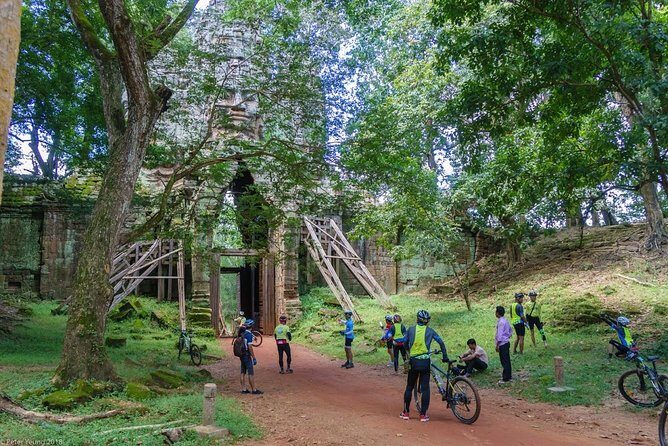
Angkor can feel like a giant choose-your-own-adventure, but most people experience it on foot between queues and tour groups. This tour flips that. You still see the big-ticket temples, but you’re traveling by bike, which helps you keep momentum and spend more time looking, not waiting.
The other smart part is the routing. The ride is designed to take you along natural trails and into spots where vegetation has done the work of keeping things quieter for centuries. That means you get different angles and a calmer feel even when you’re visiting iconic areas.
You can also read our reviews of more cycling tours in Siem Reap
Price and Value: What $50 Really Covers (and What Doesn’t)
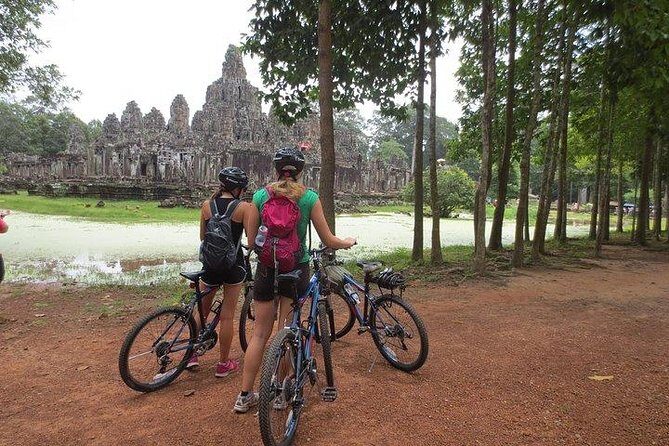
At $50 per person, this tour is priced like a budget day—until you notice what’s included. You get an English-speaking guide, a TREK mountain bike, and a helmet, and you’re fed with lunch, coconut water, and pure drinking water.
Then there’s the part you must plan for: the temple pass (37$ for one-day entry) and admission tickets are not included. So your all-in cost is more than $50 once you add that pass, plus any transport you need to reach the meeting point.
Still, for many visitors, it can be good value because bike rental, guide time, and a full day of food and water can add up fast if you piece it together on your own.
The Bikes, Guides, and Small Group Setup
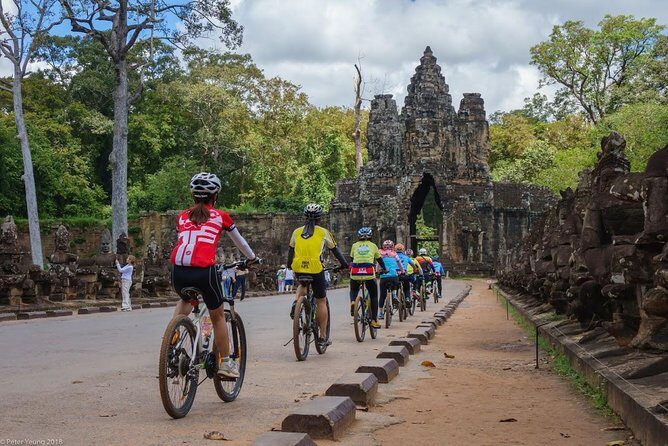
This is a max 10 travelers tour, and that matters more than you might think. Smaller groups usually mean fewer bottlenecks at entrances and less time circling back because someone is stuck adjusting a helmet strap or finding a better gear.
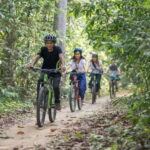
The bikes are premium mountain bikes (TREK), and the experience emphasizes keeping equipment in good shape. One of the strongest things people praised was that the bikes were well maintained, which is exactly what you want on a day that can include rough, wet, and muddy trails.
Also, the guides are English-speaking, and you’ll be riding with experienced leaders who help you read the sites as you move through them—not just point at stone and move on. In other words: you’re not stuck translating everything on your own.
7:30am Start at Taphul Rd: How the Day Flows
The ride starts at 7:30am from Taphul Rd, Krong Siem Reap 17252, and it ends back at the same meeting point. The total time is about 8 hours, so you’re committing to a full morning-to-afternoon window.
You’ll get a mobile ticket, and you’ll receive confirmation at booking. If you’re traveling with someone who has a specific height range for bikes, the operator asks you to advise passenger height at booking—that’s practical because good fit makes a long ride safer and more comfortable.
Stop 1: Rainforest Trails First, then the Angkor Wat Approach
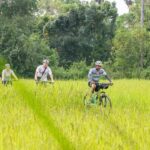
The day begins with an adventurous ride through the rainforest trail. This is the part I like for first-time visitors: you ease into Angkor instead of jumping straight into temple crowds. You’re also seeing the World Heritage area from a moving vantage point, which changes how you understand the scale.
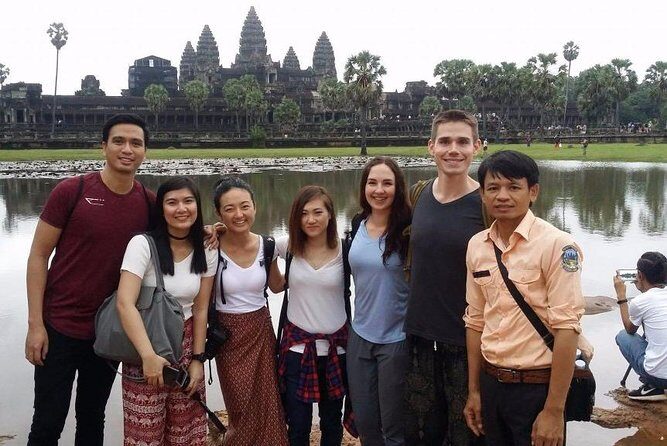
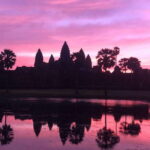
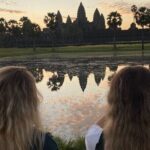
From there, you head into the Angkor Wat area. Angkor Wat is one of the seven wonders of the ancient world, and it’s also a place where the details are hard to appreciate when you’re surrounded by the loud rush of group schedules. Being on a bike helps you reach key viewpoints while the morning rhythm is still working in your favor.
What to watch for: early light and the way pathways and walls frame your sightlines. Even if you’ve seen photos, the real value here is how quickly your eyes learn what to pay attention to as you ride between zones.
Angkor Thom Gates and the Wall View at Prasat Chrung
One of the more fascinating elements of this route is how much time it gives you at the edges of Angkor Thom, not only the famous core.
You’ll pass the south gate of Angkor Thom, described as the most appealing defensive wall entrance, then go to the protection wall area for a climb and a view at Prasat Chrung. This is where you get a break from temple-for-temple viewing and see how the city functioned—walls as defense, movement corridors, and controlled access.
Then you’ll move through the west gate and north gate of Angkor Thom. These entrances aren’t just decorative. They help you understand the layout and defensive planning behind the stones.
Possible drawback to consider: gate-to-gate transitions can mean a fair amount of riding plus short walks and climbs, so if you’re expecting a purely flat ride, you should set your expectations more like a mixed cycling and walking day.
Bayon’s Smiling Faces: 54 Towers, 216 Faces Worth Slowing Down For
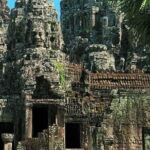
Next up is Bayon, famous for its 54 towers and the 216 smiling faces. The tour’s approach helps here because Bayon is one of those temples where your brain can’t process everything at once. With a structured route, you get time to locate the towers and then gradually shift attention from face to face to the surrounding structure.
The bike element keeps you from spending the entire time in one overcrowded viewing spot. You can approach, reposition, and take in the scale from multiple angles without feeling like you’re stuck in a single human bottleneck.
What you’ll likely enjoy most: the way Bayon shifts character as you walk and look upward. From some angles, it feels almost playful; from others, it feels like a political statement carved into stone.
Preah Khan, Tanei, and Ta Prohm: When Jungle Becomes Part of the Temple
After Angkor Thom’s walls and Bayon, the route moves into a more overgrown, atmospheric mood.
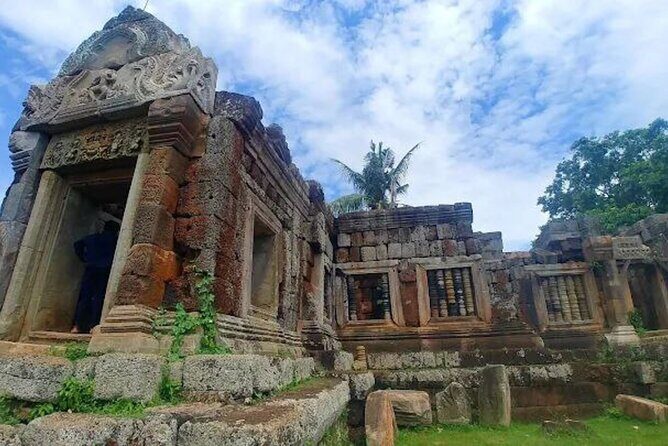
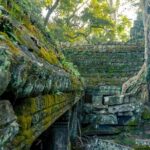
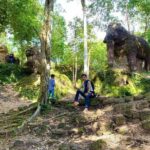
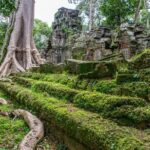
You’ll visit Preah Khan, described as a temple covered by jungle. That jungle cover isn’t background scenery—it’s part of how the ruins feel today. Moving around on bike-and-walk routes lets you notice the texture of stone that’s been framed by roots and vines.
Then comes Tanei, an ancient hospital site that’s described as untouched by archaeologists and embraced by surrounding nature. This is a valuable stop because it gives you something different from the usual warrior-king-and-royal-temple story. Even if you don’t know the site’s full context, you’ll feel the everyday function implied by how the space reads.
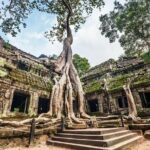
Finally, you’ll reach Ta Prohm. This is the temple most people picture when they hear Angkor ruins and giant tree roots. The tour’s flow is helpful because you’re arriving after a day of earlier temple architecture, so you can compare styles and see how nature and stone interact at different levels across the complex.
Practical note: these jungle areas can mean humidity and uneven footing. If you’re sensitive to sticky weather or you don’t like slippery surfaces, plan to slow down on steps and keep one foot planted before you take the next.
Lunch, Coconut Water, and Staying Strong on an 8-Hour Ride
This tour includes lunch, coconut water, and pure drinking water—and that’s not a small detail in Siem Reap’s heat. On an 8-hour day, running out of water turns a great plan into a stressful one. Here, the basic hydration needs are handled.
I also like that coconut water is included, because it’s a practical refresh when you’re sweating on a bike and walking some temple areas. It’s not just a treat; it’s part of keeping your energy steady through multiple stops.
Tip for you: eat a full lunch even if you’re not very hungry. You’ll have walking time layered on top of cycling time, and a light snack mindset can backfire.
Dress Code at Angkor: What You Must Plan Before You Leave
Angkor is an active spiritual site, and visitors are expected to respect that. The tour notes that revealing clothes are prohibited—shorts or skirts above the knees and bare shoulders aren’t allowed in sacred palace areas. Respectful dress is strongly encouraged.
So do yourself a favor and pack like you’re visiting a place of worship, not just sightseeing. If you’re using a day bag, keep a light layer in the top pocket so you’re not stuck searching for a solution at the last second.
Also bring sunglasses and sunscreen, and if you like photos, bring a camera. On a morning cycling start, sun can hit hard quickly once you’re out in open areas.
Who This Tour Suits Best (and Who Might Want a Different Style)
This works well if you want a hands-on way to see Angkor without spending the whole day stuck in lines. The bike component is the point: you get to cover ground and still stop for the details.
It also suits travelers who like nature as part of the scenery, not just a background. The rainforest trail start and the jungle-covered temples make the day feel more grounded in place.
You might consider another option if you:
- prefer fully guided driving between sites with minimal exertion
- need guaranteed hotel pickup (this one doesn’t offer it)
- want only easy, flat walking
For most people, it’s doable—most travelers can participate—but the day includes cycling plus climbs and temple walking, so basic stamina helps.
Should You Book This Angkor Region & Rainforest Bike Tour?
If you like your Angkor days active and you want to trade crowds for less-traveled trails, I’d say yes—this tour is a strong fit. The best part is the value mix: guide, TREK bike and helmet, and full-day support with lunch and hydration included.
Book it with your eyes open about the one big extra cost: the temple pass. Also plan for a real-world start at 7:30am at Taphul Rd, and bring clothes that meet Angkor’s sacred-site expectations.
If you want a practical way to see Angkor Wat, Bayon, and the jungle temples without spending your day trapped in the busiest routes, this is the kind of tour that makes the time feel efficient and the sights feel more personal.
FAQ
Is the temple pass included?
No. The temple pass is not included, and it’s listed as 37$ for one-day entry.
What’s included in the $50 price?
The tour includes an English-speaking tour guide, a premium mountain bike (TREK) and helmet, lunch, coconut water, and pure drinking water.
Where do I meet the tour, and when does it start?
You meet at Taphul Rd, Krong Siem Reap 17252, Cambodia. The start time is 7:30am, and the tour ends back at the meeting point.
How long is the tour?
The tour duration is about 8 hours.
What should I wear when visiting the temples?
Angkor is an active spiritual site. Revealing clothes are prohibited in sacred areas, including shorts or skirts above the knees and bare shoulders. Respectful dress is strongly encouraged.
Can I cancel and get a full refund?
Yes. You can cancel for free up to 24 hours in advance of the experience’s start time for a full refund. If you cancel less than 24 hours before, the amount paid is not refunded.