REVIEW · SIEM REAP
Angkor Temple Sunrise Half Day Tour
Book on Viator →Operated by Pitt Angkor Tour · Bookable on Viator
Sunrise at Angkor Wat is pure timing. This half-day style tour in Siem Reap is built around the early start you need to see the temple emerge from the dark, then keep moving through the key sights in the Angkor Archaeological Park with an APSARA authorised guide. You’ll hit four major stops, with a plan that’s simple enough for a first visit but structured enough to keep you from wasting hours.
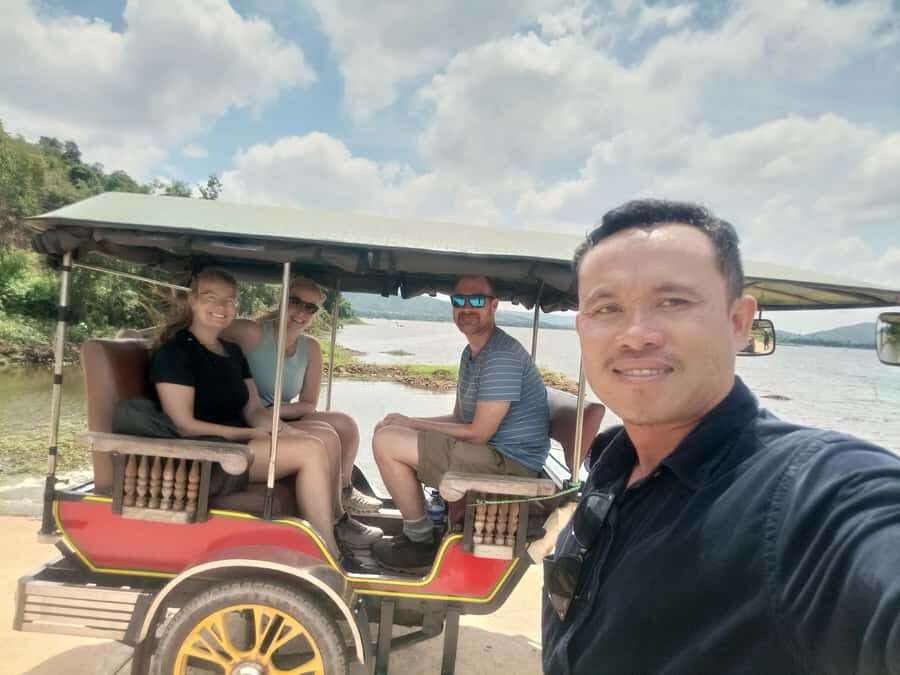
I love the hotel pick-up and drop-off, because it removes the biggest hassle of early-morning temple runs. I also like that you’re not stuck solo—this is a shared group experience (up to 15 people) led by an English-speaking guide who helps you connect what you’re seeing to the art and architecture.
One thing to weigh: your $10 base price is only the tour. You’ll still need to cover extra entry fees (including the Angkor National Park pass) and breakfast is not included, so your total cost will be higher than it looks at first glance.
In This Review
- Key highlights at a glance
- The 4:20am game plan: beating the day before it beats you
- Angkor Wat morning: what you’re really paying for at dawn
- Srah Srang and breakfast rhythm: a useful reset, not a free meal
- Bayon Temple: reading the stone faces with a guide
- Ta Prohm: the photo stop that needs pacing
- Price and logistics: what $10 really means
- Who this tour suits best (and who should skip it)
- Should you book this Angkor Temple Sunrise Half Day Tour?
- FAQ
- FAQ
- What time does the tour start in Siem Reap?
- When do you arrive at Angkor Wat?
- How long is the tour?
- Is hotel pick-up and drop-off included?
- Is breakfast included?
- What’s included during the tour?
- Are temple and park admission tickets included?
- Is this a private tour?
- Is tipping included?
- What is the cancellation policy?
Key highlights at a glance
- 4:20am start to reach Angkor Wat around 5:00am for the best morning atmosphere
- APSARA authorised guide who focuses on temple art, architecture, and history
- Small shared group (max 15) for easier movement through busy sites
- Cold water included during the tour (a lifesaver in the early heat)
- Flexible photo pacing across Angkor Wat, Bayon, and Ta Prohm with a guide in front of you
The 4:20am game plan: beating the day before it beats you
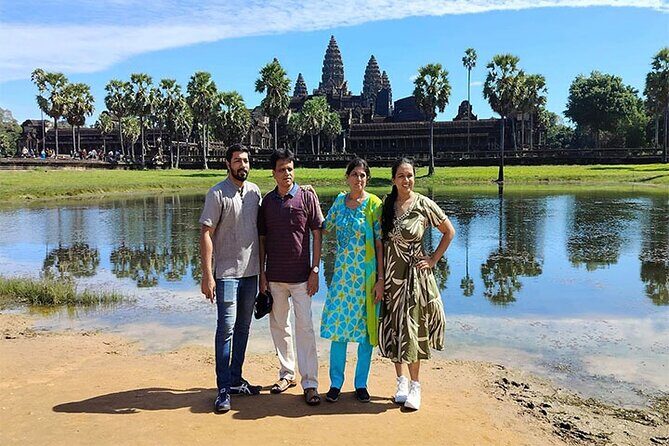
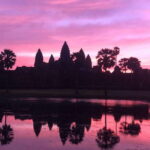
This tour starts at 4:20am in Krong Siem Reap, and the schedule is designed around a very practical reality: Angkor temples look best early, and the crowds build fast. You arrive at Angkor Wat around 5:00am, which means you’re not just getting a sunrise view—you’re also getting the calmer, quieter feel that makes the place hit harder.
You’ll be grateful for the simple support parts. Hotel pick-up and drop-off means you don’t have to coordinate tuk-tuk timing in the dark. And since the day begins well before normal breakfast hours, you’re working on a tight clock anyway; a guided plan helps you avoid the classic early-tour mistake of wandering and then panicking about what you missed.
The downside is obvious: it’s early. If you’re the type who likes to sleep in on vacation, this schedule won’t win you over. But if you’re flexible on bedtime and you care about the atmosphere, you’re basically buying time—morning light, cooler temperatures, and a smoother route between sites.
A few more Siem Reap tours and experiences worth a look

Angkor Wat morning: what you’re really paying for at dawn
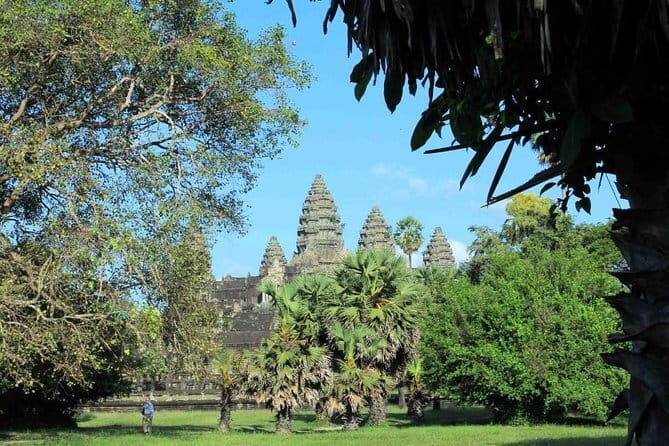
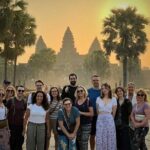
Angkor Wat is the anchor of the tour, and you get about two hours to explore the main temple grounds. That time window matters. Sunrise itself is only a moment, but temple details take longer—stairs, causeways, carvings, and the way the architecture frames the morning sky.
The tour is priced low, and that’s where value thinking helps. The main thing you’re paying for here isn’t just access to a famous building; it’s the guidance that helps you look efficiently and understand what you’re seeing while you’re there. An APSARA authorised guide typically means you’ll get clearer context on symbolism and structure, not just a “this is what it looks like” walk.
Practical note: admission tickets are not included, and the same goes for the national park pass. So come prepared for the total cost beyond the $10 tour price. If you show up thinking it’s all included, you’ll feel annoyed at the gate—so check what you’re bringing money-wise before the sunrise alarm goes off.
Also, I suggest treating this stop like a photo session with a purpose. Yes, you’ll want the classic sunrise shots. But if you spend all your time only on the wide angles, you’ll miss a lot of the carvings and architectural lines that make Angkor Wat feel so engineered.
Srah Srang and breakfast rhythm: a useful reset, not a free meal
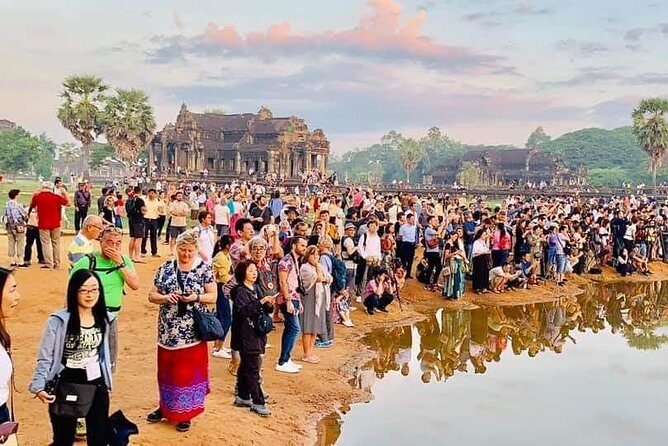
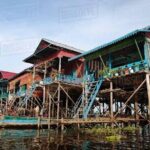
After Angkor Wat, you’ll head to Srah Srang for about one hour. This stop is timed for a human need that early starts create: food. Your guide plans breakfast at a local restaurant, picked based on quality, hygiene, and prices compared within the area.
Here’s the key catch: breakfast isn’t included. That’s not a dealbreaker, but it changes how you should plan. If you’re picky about food, have dietary needs, or just want to control your own breakfast budget, you might prefer to eat on your own before the tour. If you’re okay with letting the guide handle it, this approach can save you time and reduce the risk of accidentally choosing a pricey or low-quality spot before you’re even fully awake.
Srah Srang also functions as a tempo changer. You’ve already done the big iconic stop at Angkor Wat. Taking an hour here gives your eyes a break before you move into Bayon and Ta Prohm, where the visual density can feel intense.
One more consideration: since this portion is around breakfast time, the energy level tends to rise after the earliest hours. Use that moment to hydrate and regroup—especially since you’ll be out in the morning and transport between temples is part of the day.
Bayon Temple: reading the stone faces with a guide
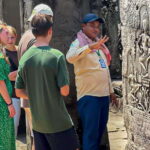
Next up is Bayon Temple, with about one hour on site. This is one of those places where a guide can genuinely change your experience. When you look at the sculpted faces and the surrounding stonework without context, you might still enjoy it—but you’re likely to miss the layers of meaning tied to the temple’s design and how it was meant to be experienced.
Because the tour includes an English-speaking guide, you can expect explanations that connect the temple features to the broader story of the Angkor monuments. The value here isn’t only information—it’s attention. A good guide helps you notice patterns you’d otherwise skip, like how spaces are arranged to guide your path and what the carvings are emphasizing.
As with every stop in this tour, admission tickets aren’t included, so budget for those additional park/temple fees. I also recommend you wear shoes that work well on uneven stone and stairs. Even with guidance, your pace will be determined by footing and stairways more than by anyone’s storytelling.
Ta Prohm: the photo stop that needs pacing
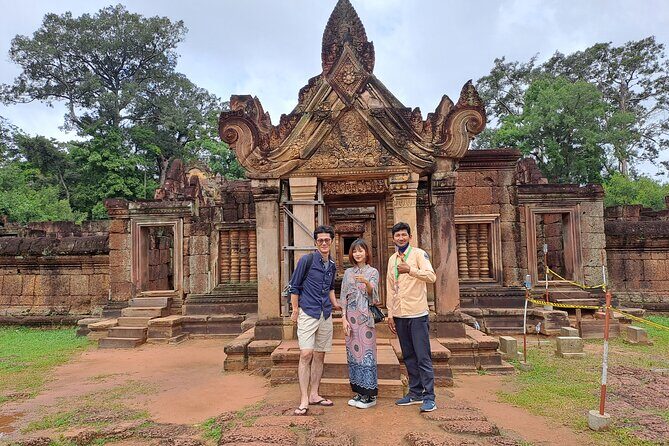
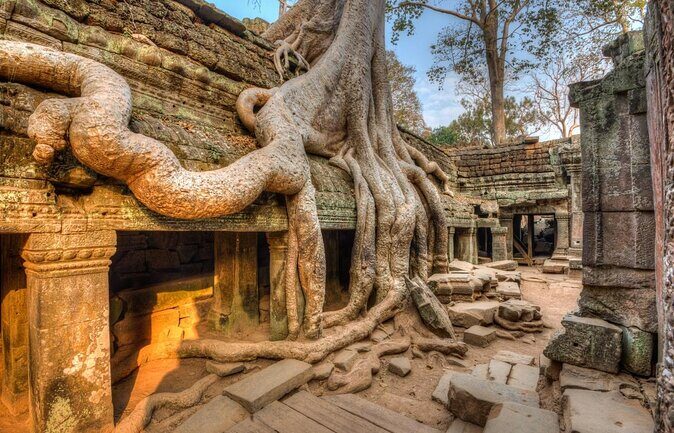
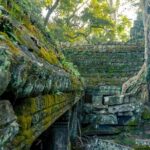
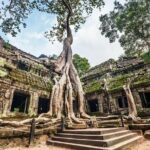
Then you’ll reach Ta Prohm, with another about one hour for exploration and photos. Ta Prohm is famous for a reason: the way nature and temple ruins interact creates scenes that look like they belong in a movie set. But the trick is to not rush it. An hour is enough to get great shots, but you’ll enjoy it more if you move at a steady rhythm—look, pause, then shoot.
Your guide should help you aim your time. If you just chase the most obvious angles, you’ll miss the smaller details that make Ta Prohm feel lived-in and dramatic. The time with the guide also matters here because the history and context can make the ruins feel less like random rubble and more like intentional architecture under time’s pressure.
Again, this tour is a shared experience, and it’s early-morning to morning schedule, so you’ll likely move efficiently between sites. That’s a plus. The slight downside is that you won’t have the kind of free-roaming day where you can linger for hours at just one corner. If you love ultra-slow temple wandering, you may prefer a longer or private option.

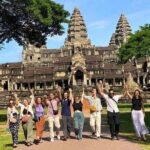
Price and logistics: what $10 really means
The headline price is $10 per person, and that’s honestly hard to ignore. But the fair way to evaluate it is to treat this as the tour package, not the entire Angkor day budget.
Here’s what your money is covering:
- Hotel pick-up and drop-off
- Experienced English-speaking tour guide
- Cold water during touring
- Mobile ticket
- A small group size (max 15)
And here’s what’s not included:
- Angkor National Park pass listed as $37.00 per person (and you’ll need that for entry)
- Food and drinks (breakfast especially, plus any snacks you want)
- Admission tickets for the temple stops (the tour lists admission tickets as not included at each location)
- Tipping for driver and guide (not included, so plan for it if you want to do the standard courtesy)
So is it good value? For many visitors, yes. You’re paying a low amount for the guided structure that keeps you on track across multiple temples while the morning light is still working in your favor. For people who already plan to pay park and temple fees anyway, the $10 tour price feels like buying the map, the route, and the context.
If you’re traveling with a tight budget, the biggest risk is surprise totals. Do the math before you book, because once you add the national park pass and temple admissions, the cost rises fast. The tour itself is cheap; Angkor entry costs are not.
Who this tour suits best (and who should skip it)
This tour fits best if you’re:
- First-timing Angkor and want a guided hit list: Angkor Wat, Srah Srang, Bayon, Ta Prohm
- Happy with a shared group plan and prefer efficient movement over total freedom
- Motivated by sunrise atmosphere more than by sleeping in
- Looking for English guidance so the architecture makes more sense
It may not fit as well if you:
- Want breakfast included or prefer to control all meals yourself
- Hate early mornings and would rather do a later start
- Want lots of time at just one temple for long, slow wandering
One more practical detail: this tour ends back at the meeting point after roughly 6 hours, so you’ll still have part of the day afterward. That can be great for a follow-up museum visit, a different temple route, or just a well-earned nap.
Should you book this Angkor Temple Sunrise Half Day Tour?
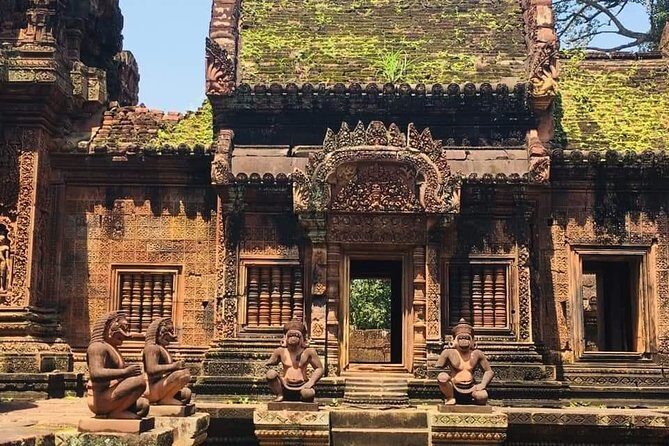
If you want sunrise at Angkor Wat plus guided context through Bayon and Ta Prohm, and you like having a clear schedule in the morning, I’d say yes. The combo of early timing, pickup convenience, and an English guide is what makes this package feel worth it even before you think about the extra temple and park costs.
Before you book, do one quick checklist: confirm you’re budgeting for the $37 national park pass and the temple admissions that aren’t included, and plan for breakfast on your own dime. If that math works for you, this tour is a smart way to see a lot without feeling lost—and you’ll leave with photos and context, not just pictures.
FAQ
FAQ
What time does the tour start in Siem Reap?
The tour start time is 4:20am.
When do you arrive at Angkor Wat?
You arrive at Angkor Wat around 5:00am.
How long is the tour?
It runs for about 6 hours.
Is hotel pick-up and drop-off included?
Yes. Hotel pick-up and drop-off are included.
Is breakfast included?
No. Breakfast at a local restaurant arranged by the guide is not included.
What’s included during the tour?
Included items are an English-speaking guide, cold water during touring, hotel pick-up and drop-off, and a mobile ticket.
Are temple and park admission tickets included?
No. The Angkor National Park pass ($37 per person) and admission tickets for the temple stops are not included.
Is this a private tour?
No, it’s a shared tour with a maximum of 15 travelers.
Is tipping included?
No. Tipping for the guide and driver is not included.
What is the cancellation policy?
The experience is non-refundable and cannot be changed once booked.