REVIEW · SIEM REAP
Two Days Angkor Complex, Beng Mealea plus Kampong Phluk Village
Book on Viator →Operated by Travel to Inspire · Bookable on Viator
Two days in Angkor beats one frantic sprint. I like this plan because it mixes the big-name temples with quieter stops at a relaxed pace, and it throws in hotel pickup so you start every day already settled. You also get a guide who helps you connect the stones to the stories.
I also love how the route gives you real variety: the precision of Angkor Wat plus the slower, wilder feel of Beng Mealea and the community-based Kompong Phluk on Tonle Sap Lake. One consideration: temple entrance fees (and any boat fee) are not included, so budget a bit more than the base price.
In This Review
- Key highlights that make this tour worth your time
- A two-day Angkor plan that keeps your brain switched on
- Hotel pickup, AC comfort, and the guide effect (Thom San or Sokkun)
- Day 1: Angkor Wat, Angkor Thom, Bayon, and Ta Prohm without the all-day blur
- Angkor Wat: the start point that teaches you how to look
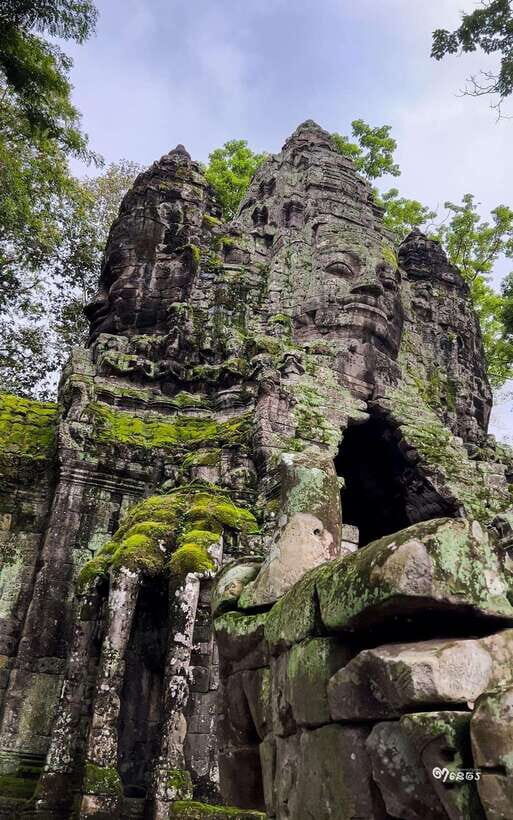
- Angkor Thom South Gate: the city scale clicks into place
- Bayon Temple: the faces (and the spiritual shifts)
- Ta Prohm: jungle temple energy, famous for more than movie nostalgia
- Day 2: Banteay Srei’s pink sandstone carvings and Beng Mealea’s quieter ruins
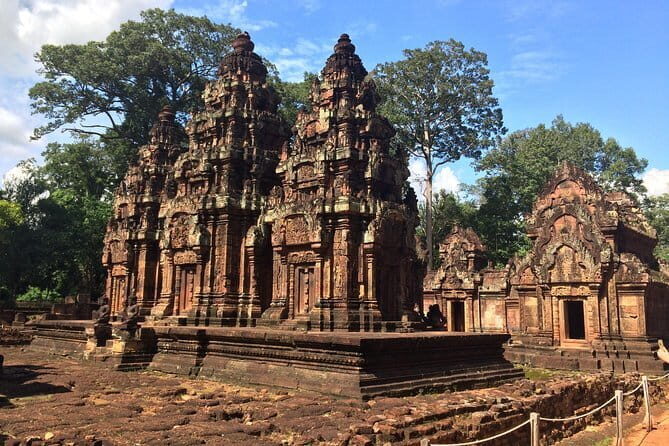
- Banteay Srei: the pink sandstone temple with detailed carving
- Beng Mealea: remote, overgrown, and less crowded for a reason
- Kompong Phluk on Tonle Sap: living on stilts, fishing, and wet-season timing
- Price and value: what $153.79 covers, and what’s extra
- Small logistics that really matter in Angkor
- Should you book this Angkor + Beng Mealea + Kompong Phluk tour?
- FAQ
- Is hotel pickup and drop-off included?
- Are temple entrance fees included?
- Is the boat fee included for Kompong Phluk?
- How long is the tour?
- What should I wear for temple visits?
- Can I get a full refund if I cancel?
Key highlights that make this tour worth your time
- A two-day pace that lets you see both large and smaller circuit temples without sprinting between sites
- Hotel pickup and drop-off plus air-conditioned vehicle, water, and cold towels for the long temple days
- Off-the-beaten-path time at Beng Mealea, where the ruins are more remote and less pressured
- Tonle Sap village life at Kompong Phluk, with stilt houses and a fishing-and-agriculture way of living
- Guides with strong English skills, including Thom San and Sokkun (both mentioned in past guest feedback)
- Local community support, since some tour profits go to helping people in the area
A two-day Angkor plan that keeps your brain switched on
Angkor can feel like an exam—lots of walking, lots of steps, and a lot of temples that all start looking the same if you rush. This tour is built to avoid that trap. You get two days to split the workload, which means you can actually notice details: the way a gallery wraps a courtyard, the change from Hindu to Buddhist symbolism, and why some temples draw heavy crowds while others stay calmer.
You’ll cover classic anchors (Angkor Wat, Angkor Thom, Ta Prohm) and also include the smaller-circuit feel where the experience can be more personal. That matters because the “quiet” isn’t just about fewer people. It’s also about how you move, how long you can stand in one place, and how easily your guide can explain what you’re seeing.
Timing is another big deal. The tour’s temple visits are spaced into chunks that fit real attention spans: a few hours for the major sites on Day 1, then a lighter schedule Day 2 with travel time built in. If you’re the type who likes photos, you’ll also appreciate not being pushed out the moment the group behind you shows up.
A few more Siem Reap tours and experiences worth a look

Hotel pickup, AC comfort, and the guide effect (Thom San or Sokkun)
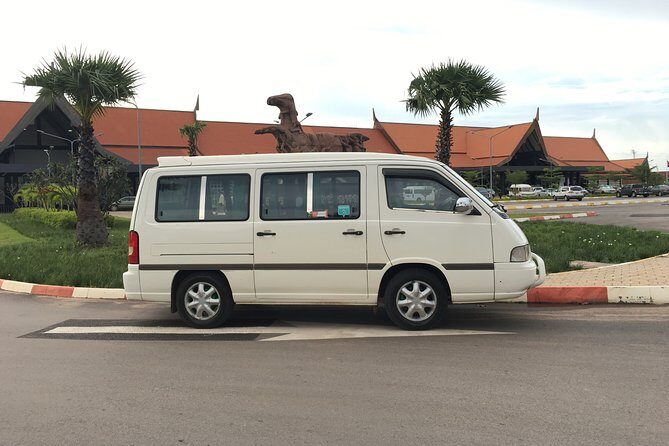
This is one of those tours where the “small” perks quietly improve the whole day. Hotel pickup and drop-off means you don’t have to figure out transport logistics after a travel day. You’re in an air-conditioned vehicle between stops, and you get drinking water plus cold towels—simple, but they make a real difference when you’re out in the sun for hours.
Then there’s the guide. Two names come through in guest feedback: Thom San and Sokkun. The consistent thread is how they handle the temples. Instead of only pointing at what to photograph, they explain what the architecture and carvings were meant to communicate. That’s what turns a collection of ruins into an actual experience you can remember.
One more value point: the tour includes social impact. Past feedback specifically mentioned community support through the provider, Travel to Inspire. So even if you’re just there for the temples, you’re also funding local work—one of the few ways tourism can feel both meaningful and practical.
Day 1: Angkor Wat, Angkor Thom, Bayon, and Ta Prohm without the all-day blur
Day 1 is about getting your bearings fast—and then letting the temples do their work.
Angkor Wat: the start point that teaches you how to look
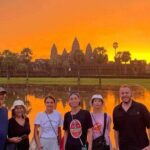
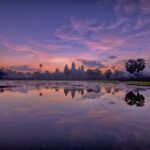
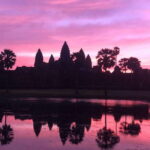
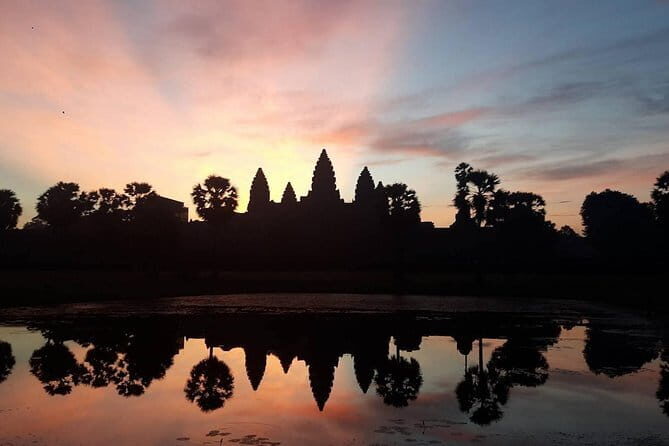
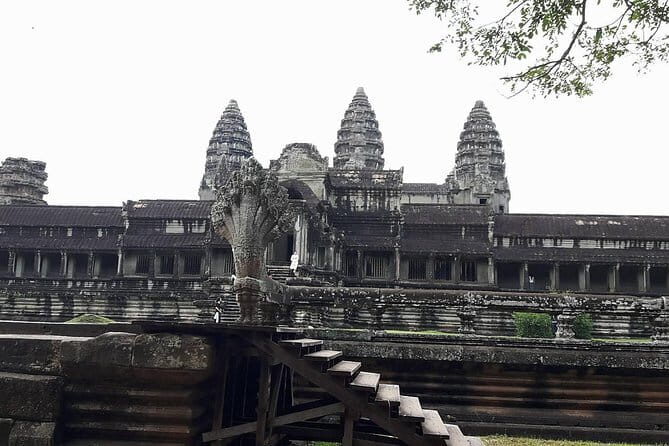
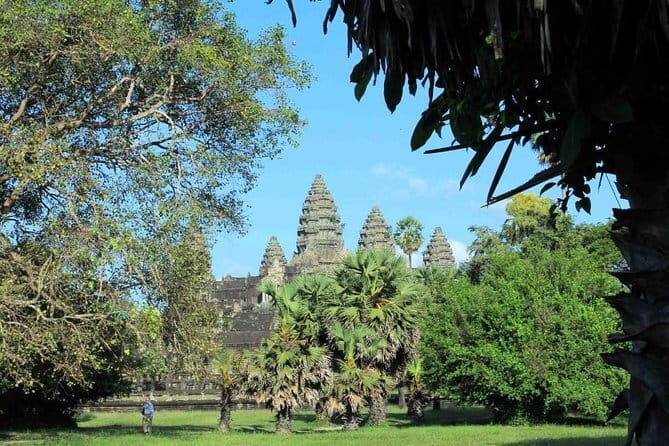
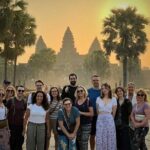
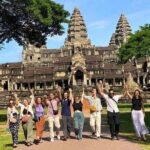
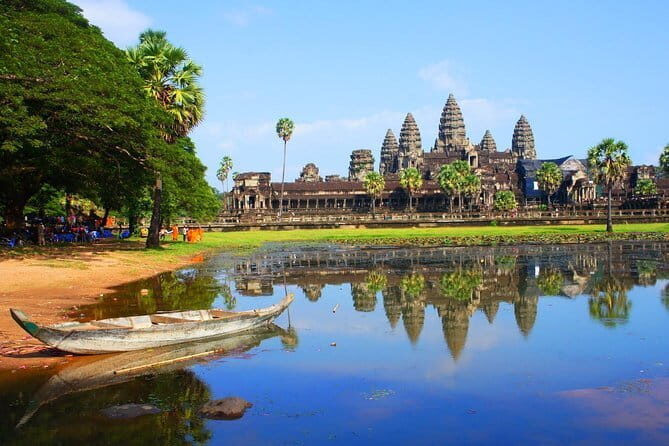
Angkor Wat is the headline for a reason: it has five towers rising to about 65 meters, and it was built in the early 12th century by King Suryavarman II. It’s also tied to the name Parama Visnuloka, and it’s such an iconic symbol that it appears on the Cambodian flag as well. You’ll spend around 3 hours here, and that time length matters. It gives you room to see more than one angle and understand the temple’s layered layout.
Practical tip: plan for the sun and the heat-like intensity that comes with long stays outside. You’ll be covering ground and looking up a lot, so comfortable walking shoes and a water habit help.
Angkor Thom South Gate: the city scale clicks into place
Next is Angkor Thom South Gate, also known as Tonle Oum. The guide framing here is key: this city had five gates (including the Ghost Gate and Victory Gate) and it spans about 3 kilometers per side. A quick stop could make it feel like just another entryway. With the time you get—about 30 minutes—it helps you understand why gates mattered so much in Angkor’s urban planning.
This is a good place to slow down for photos and for your guide to point out how entrances functioned as transitions from ordinary life into sacred space.
Bayon Temple: the faces (and the spiritual shifts)
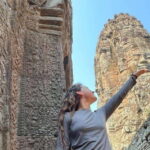
Bayon Temple is Buddhist, built in the late 12th century under King Jayavarman VII. The headline is the 212 faces across the towers, set into a temple complex that’s visually unforgettable. You’ll spend about 1 hour, which is long enough to circle areas and still feel like you’re not rushing.
Why this stop is valuable: the faces are dramatic, but they’re also a gateway to understanding the era’s religious shift and royal messaging. If you’re new to Angkor, this is where the “wow” starts turning into comprehension.
Ta Prohm: jungle temple energy, famous for more than movie nostalgia
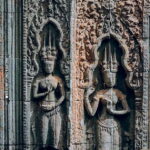
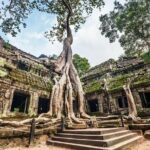
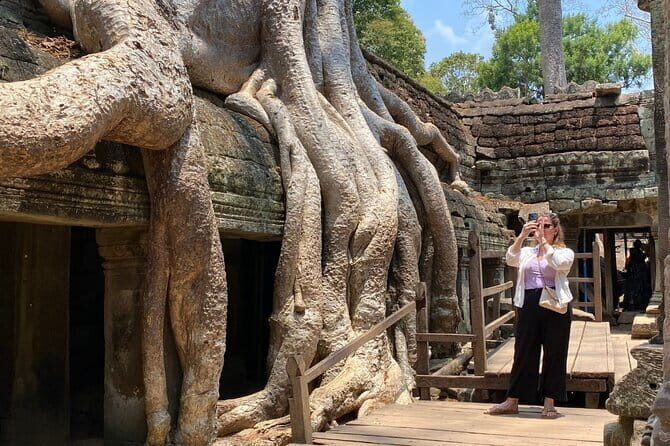
Ta Prohm is a jungle temple often associated with the Tomb Raider connection people remember from the 2004 film. But beyond pop culture, it’s described here as a place that functioned like a school for girls learning arts connected to Apsara dance. You’ll spend around 1 hour.
What I like about Ta Prohm on a paced itinerary: you’re not being yanked forward every minute. The setting—trees, roots, and crumbling stone—creates natural pauses where you can watch how the ruins interact with nature. Just remember: this is still a temple site. You’ll be walking on uneven ground, so watch your steps.
Day 2: Banteay Srei’s pink sandstone carvings and Beng Mealea’s quieter ruins
Day 2 shifts from big circuit icons to smaller-circuit textures: carving, color, and distance.
Banteay Srei: the pink sandstone temple with detailed carving
Banteay Srei is often described as one of the most admired temples for carving, and it’s built from pink sandstone. You’ll spend about 1 hour here. The drive time is typically 50 minutes to 1 hour depending on conditions.
This is the kind of stop that rewards patience. You’ll be close enough to appreciate decorative patterns rather than only seeing grand scale from far away. It’s also a nice contrast to Angkor Wat’s grandeur: Banteay Srei feels more intricate and intimate.
Beng Mealea: remote, overgrown, and less crowded for a reason
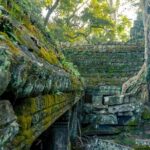
Then comes Beng Mealea (Prasat Beng Mealea), a 12th-century temple dedicated to Vishnu under King Suryavarman II. It’s surrounded by a moat and organized into three concentric enclosures, with galleries around each ring. The central sanctuary is now in ruins, while other structures are relatively well-preserved.
You’ll have about 1 hour here, and this is one of the big reasons people prefer a two-day approach. Beng Mealea is farther from Siem Reap, which naturally reduces crowds. The overgrown feel also changes the pace: it’s not as tightly choreographed by tourism, and that can make the ruins feel more “real” and less staged.
If you want a temple where you can feel the scale through broken edges and creeping vines, Beng Mealea delivers. Wear shoes you trust.
Kompong Phluk on Tonle Sap: living on stilts, fishing, and wet-season timing
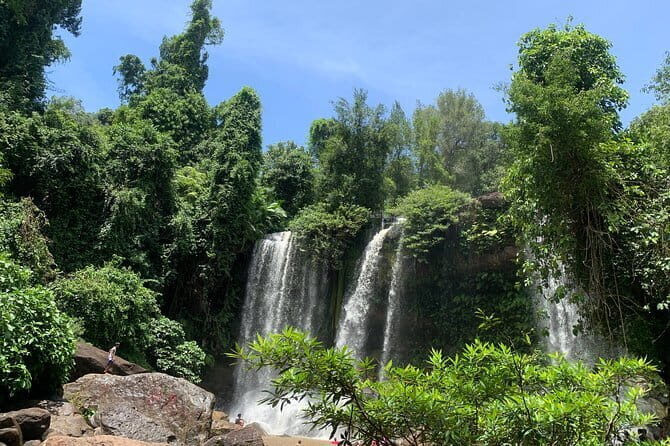
Kompong Phluk is a floating village on Tonle Sap Lake, about 16 kilometers (10 miles) southeast of Siem Reap. It’s home to around 3,700 people, living in houses built on stilts above the water. The daily rhythm is tied to fishing and agriculture, and the village’s built-in “up and down” lifestyle is what makes it different from the temple days.
You’ll spend about 2 hours here, and the tour gives you options for exploring on foot or by boat. A key practical point: the boat fee is not included, so if you want boat time, plan for an extra cost.
When should you go? The provided info says the best time is wet season (June to October) when water levels rise and the village becomes more accessible. Still, it can be visited year-round. If you’re traveling outside wet season, you can still experience the village, but conditions may look less dramatic.
Dress and belongings matter here too. You’re near water and dealing with stilt pathways and uneven areas. Keep valuables to a minimum, and bring whatever helps you stay comfortable.
Price and value: what $153.79 covers, and what’s extra
The listed price is $153.79 per person for an approximate two-day experience. To judge value, I look at what you’re not having to manage yourself and what’s included to reduce stress.
Included items that add real value:
- Local English-speaking guide
- Air-conditioned vehicle
- Drinking water and cold towels
- Hotel pickup and drop-off
- Mobile ticket
Also included in the broader setup: pickup is offered and group discounts may apply, and your experience is private for your group.
What’s not included:
- Tipping for guide and driver (recommended)
- Travel insurance
- Boat fee (if you do boat time at Kompong Phluk)
- Temple entrance fees
This is common for Angkor tours, but you should plan for it. The main point: the base price mostly covers the guide, transportation comfort, and the temple circuit time. Entrance fees are handled at the temples, so you’ll want to be ready for that once you arrive each site.
Overall, I think the value is strongest if you care about a relaxed pace and a guide who can explain what you’re seeing. If you prefer to skip guided context and you’re self-sufficient, you might find cheaper options. But if you want clarity and comfort across two full days, this price feels reasonable.
Small logistics that really matter in Angkor
A few rules pop up often enough that I treat them as part of the planning, not “fine print.”
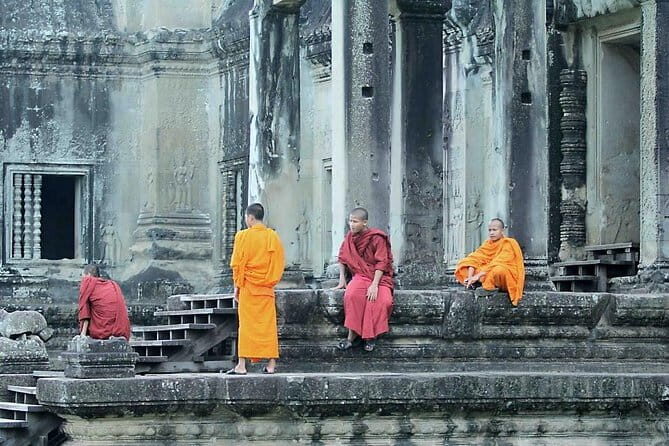
- You must cover your knees and shoulders when entering temples. Plan a light layer for sun protection that also works for dress code.
- Comfortable walking shoes are recommended. The ground can be uneven at multiple stops, especially at Ta Prohm and Beng Mealea.
- Don’t bring valuables. With multiple stops and time in village areas, simpler is safer.
- Bring a basic mindset for humidity and sun. The tour does provide water and cold towels, but you still need to pace yourself.
One more practical note: the tour is private, meaning it’s only your group. That can cut down the pressure of keeping up with strangers and can make it easier for your guide to tailor how long you stay at certain viewpoints.
Should you book this Angkor + Beng Mealea + Kompong Phluk tour?
If your main goal is to see Angkor without burning your whole vacation on rushing, I’d book this. The two-day structure helps you absorb what you’re looking at, and the mix of major temples with quieter places like Beng Mealea makes the trip feel more varied than a checklist tour.
I’d especially recommend it if:
- you’re visiting Angkor for the first time and want help reading the temples
- you like off-the-main-road stops rather than only the most crowded sites
- you’re curious about life outside the temple complex, like Kompong Phluk on Tonle Sap
I’d think twice if:
- you’re trying to keep costs extremely tight, since entrance fees and possible boat time aren’t included
- you dislike guided pacing and prefer to wander completely on your own
FAQ
Is hotel pickup and drop-off included?
Yes. The tour includes hotel pickup and drop-off, plus an air-conditioned vehicle between stops.
Are temple entrance fees included?
No. Temple entrance fees are not included, and you can get the entrance tickets available at the temples.
Is the boat fee included for Kompong Phluk?
No. The boat fee is not included. Boat time is an option during the Kompong Phluk visit.
How long is the tour?
It runs for about 2 days (approx.), covering Day 1 temple highlights and Day 2 Banteay Srei, Beng Mealea, and Kompong Phluk.
What should I wear for temple visits?
You must cover your knees and shoulders when entering temples. Comfortable walking shoes are also recommended.
Can I get a full refund if I cancel?
Yes for cancellations made up to 24 hours in advance. If you cancel less than 24 hours before the experience starts, the amount you paid will not be refunded.