REVIEW · SIEM REAP
Angkor Wat: and Beyond Sunset at Bakheng Tour
Book on GetYourGuide →Operated by Journey Cambodia · Bookable on GetYourGuide
If you only have one day, this route makes it count. You’ll move from grand temple geometry to jungle-laced ruins, then finish with a mountain-view sunset over Angkor’s stone sprawl. This is a classic Cambodia day because it connects the Hindu and Buddhist layers of the Khmer Empire to what you can actually see on the ground.
What I really like is the pacing between stops and the constant small comforts. With an English-speaking guide such as Mr. Sokpee or Mr. Sok Chea (names you’ll hear around these tours), the temple details land fast, and you get regular cold water and cool towels during the heat.
The one thing to consider is that it’s a long, hot day with real stairs and lots of walking. If you’re not up for climbing and standing around for sunset, you may feel it by the time you’re near Bakheng.
In This Review
- Key highlights worth showing up for
- Why Angkor Wat plus Angkor Thom feels like one big story
- Entering Angkor Wat: moat views, outer wall scale, and carved bas-reliefs
- Ta Prohm’s jungle ruins: how the trees change the whole mood
- Angkor Thom gates, Bayon faces, and those terrace detours
- Bayon to sunset at Bakheng: the climb, the wait, and the photo logic
- Lunch, timing, and the reality of a 10-hour day
- Price and temple fees: where the real value shows up
- Comfort, clothing rules, and what to bring so you enjoy it
- Guides make the day: what you can learn from the styles here
- Who this tour suits best (and who should choose another plan)
- Should you book this Angkor Wat and Beyond Sunset tour?
- FAQ
- How long is the Angkor Wat and Beyond Sunset at Bakheng tour?
- What’s included in the price?
- Are the temple entrance fees included?
- Is lunch included?
- What time does pickup happen?
- What should I wear to the temples?
- What should I bring for the day?
- Is there a sunset viewing on this tour?
- Is the tour wheelchair accessible or suitable for young children?
Key highlights worth showing up for
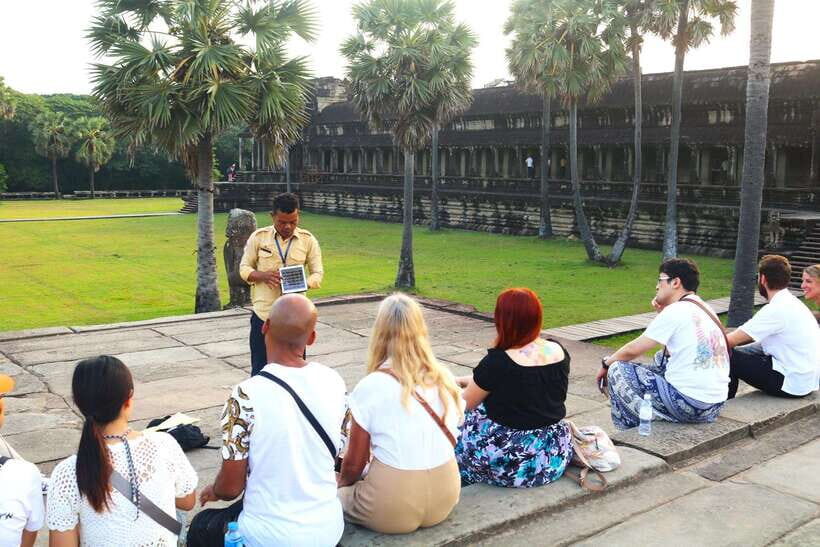
- Guides who explain what you’re looking at, not just where to stand
- Angkor Wat’s bas-reliefs and galleries up close, with a clear sense of meaning
- Ta Prohm’s tree-and-stone drama without rushing past the ruins
- Angkor Thom to Bayon in one flow, including smiling-face views and terrace stops
- Bakheng sunset with limited viewing space, where timing matters
Why Angkor Wat plus Angkor Thom feels like one big story
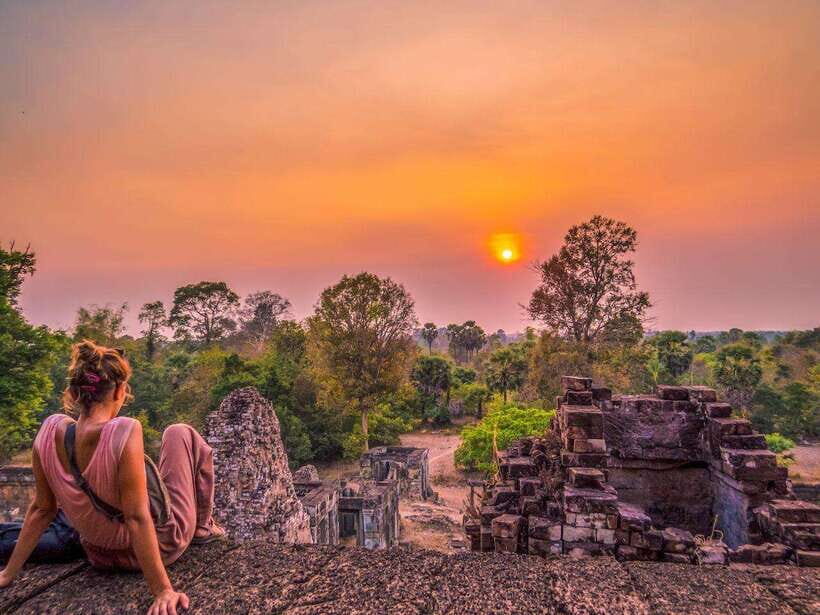
Angkor isn’t one temple. It’s a whole worldview built in stone—religion, power, and craft all wrapped together. On this kind of full-day loop, you get the main temples plus the “last capital” context at Angkor Thom, so the monuments stop feeling random.
I like that the guide frames what you’re seeing as Khmer Empire history you can read in the carvings. When guides like Mr. Saroun or Mr. Sarak set the scene, you understand why gates have guardians, why towers sit where they do, and why the same site can echo both Hindu and Buddhist traditions.
One bonus: the day includes multiple viewpoints. Even if you’re chasing photos, you’re also learning how Angkor’s designers used scale and alignment to guide movement.
You can also read our reviews of more evening experiences in Siem Reap

Entering Angkor Wat: moat views, outer wall scale, and carved bas-reliefs
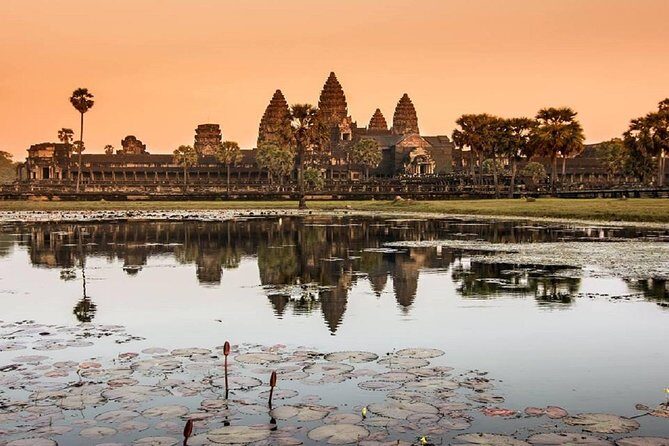
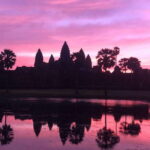
You’ll start at Angkor Wat with guided time designed for walking, looking, and absorbing details. Expect a big “wow” moment early—crossing the moat and getting that first wide look at the outer wall and temple layout. It’s the kind of architecture where you feel the intention even before you know the story.
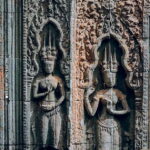
Once inside, you’ll walk through the rectangular galleries and slow down around the sandstone bas-reliefs. This is where good guides make the difference. People mention guides like Mr. Sokphy Sumsot and Mr. Phi for a reason: they’re the ones who can point out what’s carved, then explain why it mattered to the Khmer world.
Practical tip: wear shoes you trust. Angkor Wat is not “museum-light walking.” You’ll be on uneven stone and in sun, so comfortable traction matters. Also, sunglasses and a hat aren’t just nice—they’re survival tools.
Ta Prohm’s jungle ruins: how the trees change the whole mood
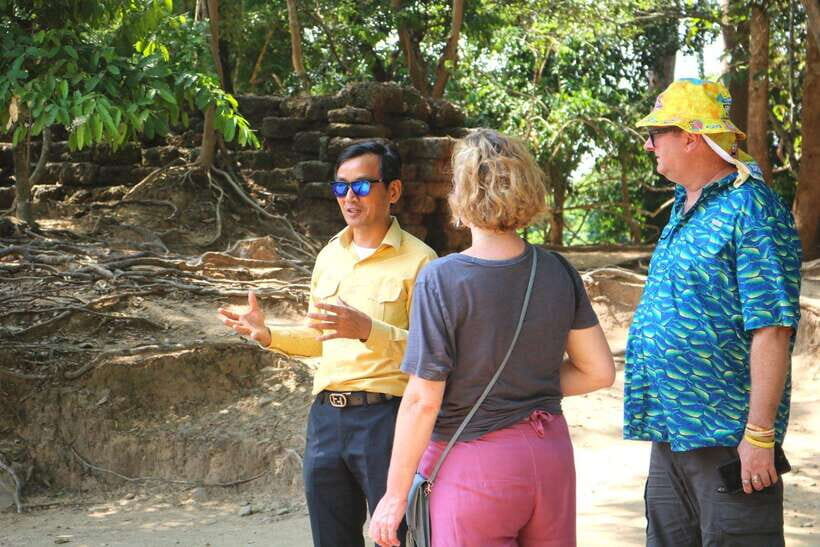
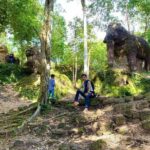
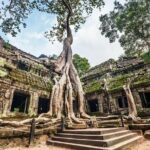
Ta Prohm is famous for a reason: it looks alive. The thick jungle feel and the way roots and trunks tangle with stone make the site feel less like a finished monument and more like a paused moment in time.
You’ll spend guided time here with enough room to get your bearings and take photos, but also not so rushed that you miss the textures—cracked blocks, framed doorways, and the dramatic angles where trees meet architecture. This stop works well if you enjoy visual storytelling. Angkor Wat is about symmetry and design. Ta Prohm is about nature grabbing back.
Watch your expectations: Ta Prohm can look chaotic at first glance. Let your guide get you oriented, then the chaos starts making sense.
Angkor Thom gates, Bayon faces, and those terrace detours
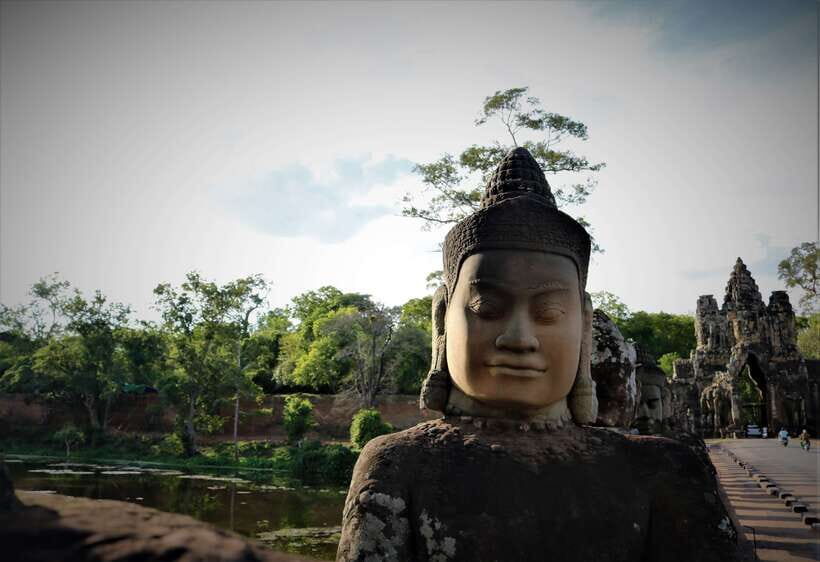
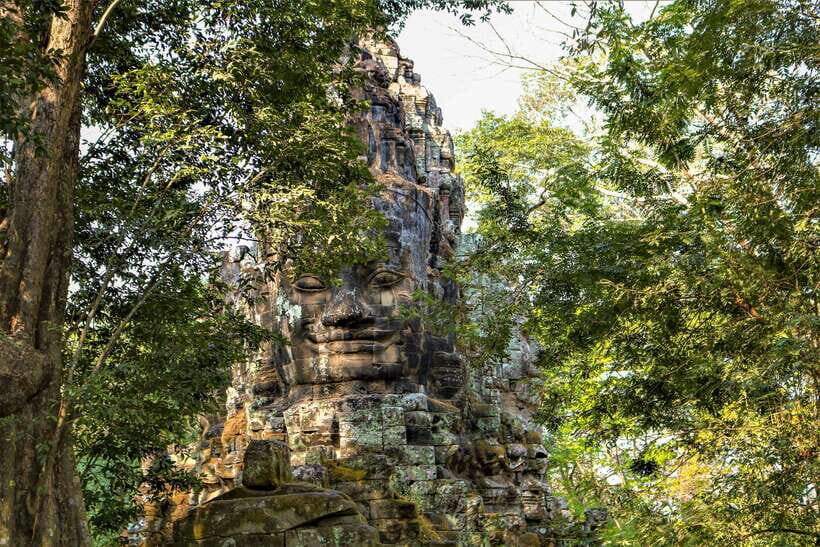
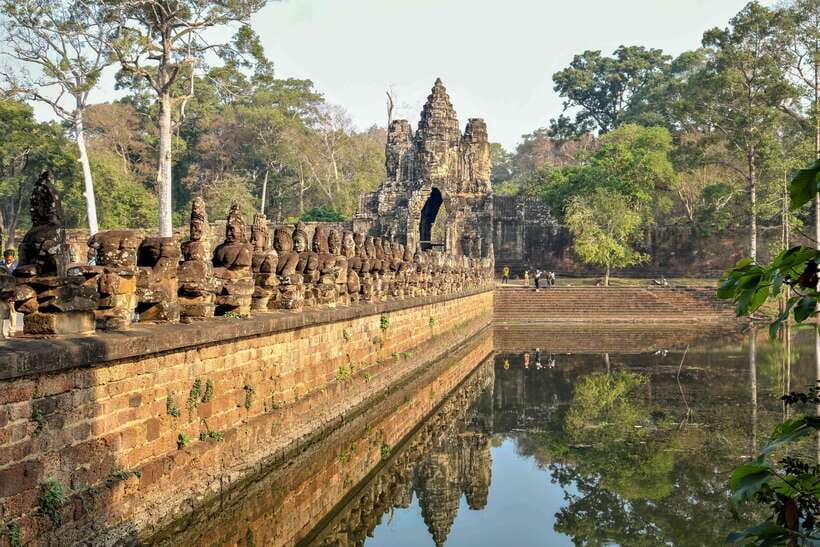
After Ta Prohm, the day shifts to Angkor Thom, the Khmer Empire’s last capital city. You’ll pass major entrances, including the southern gates with stone figures that greet you before you even reach the heart of things.
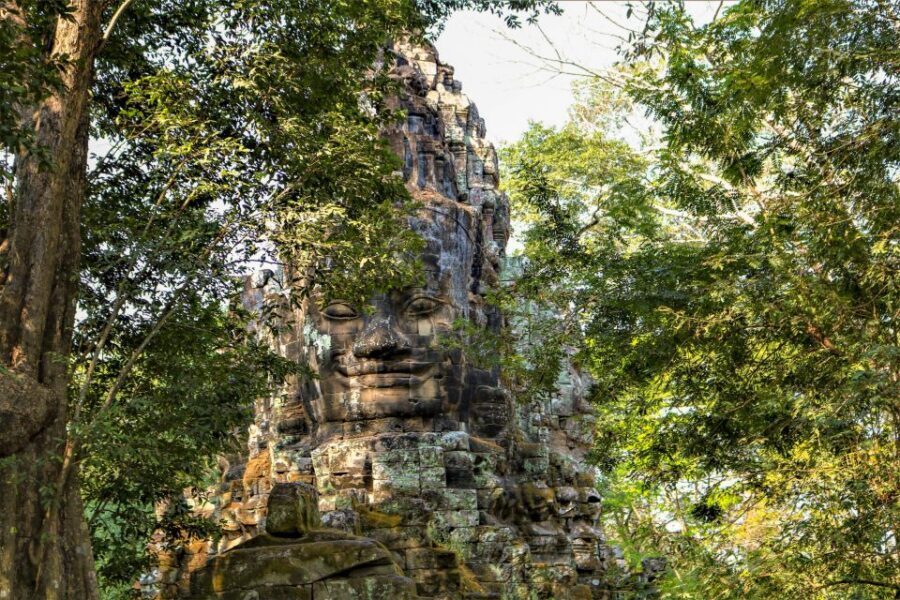
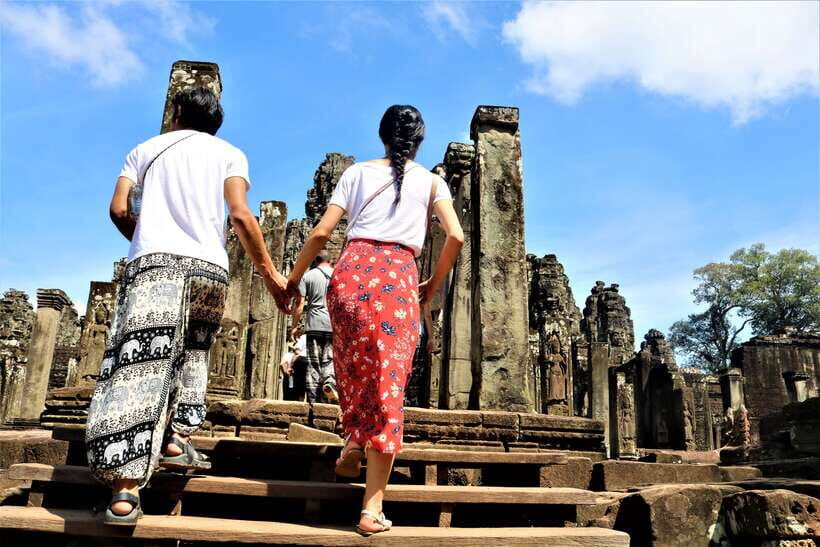
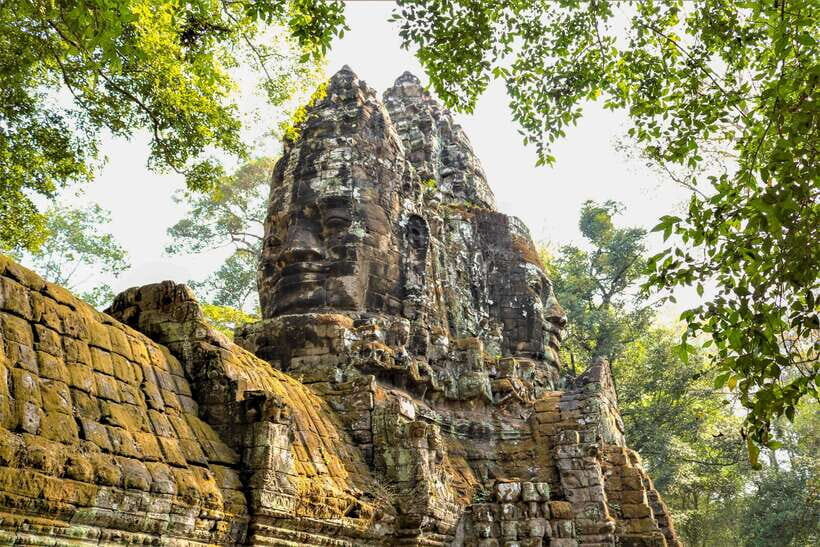
Then you’ll move toward Bayon, with time at the upper terrace and the famous central peak featuring smiling faces. This is the kind of sight that’s almost hard to describe well because once you’re there, you keep looking up and around. The expressions feel consistent from a distance, but up close the carving rhythm and the positioning become its own lesson in design.
Two terrace stops can add shape to what you think you know. You’ll visit the Terrace of the Leper King and the Terrace of the Elephants, both because they’re part of how Angkor Thom communicates status, ritual, and daily life through stone scenes.
Small pacing note: this is where your feet will start bargaining with your brain. The value of a guided stop here is that it helps you focus on what to notice rather than just walking and hoping it makes sense.
Bayon to sunset at Bakheng: the climb, the wait, and the photo logic
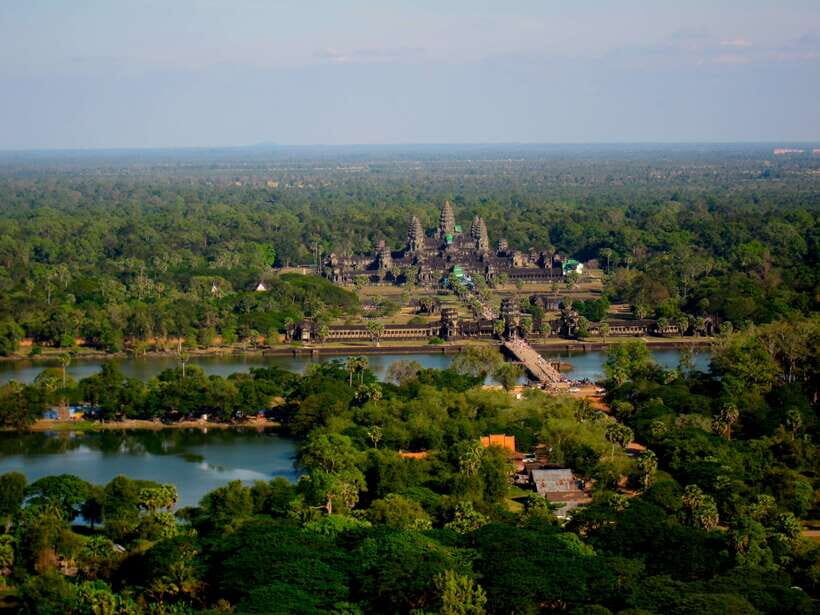
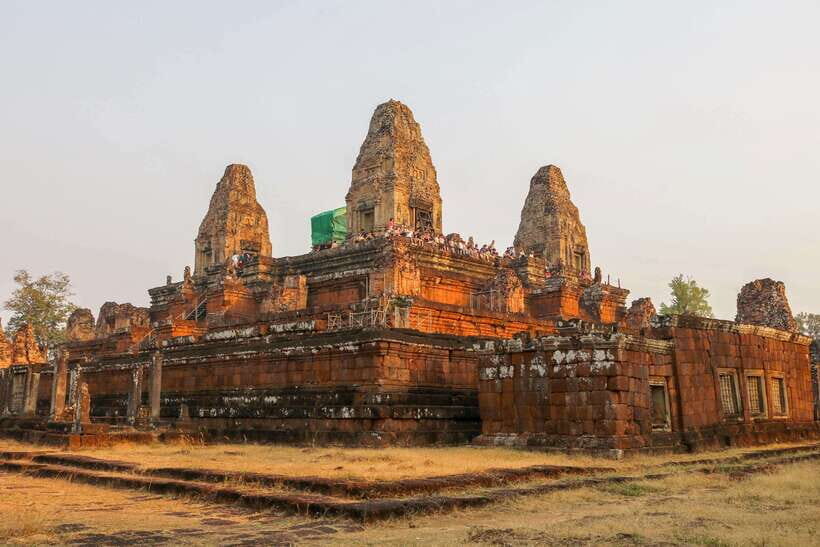
The sunset portion is a different kind of experience. You’re going from explained monuments to a timed viewing moment, and the mountain temple at Bakheng controls the rhythm.
First, plan for the climb and the crowd management. One guide-style detail you should take seriously: spots for sunset can be limited, and you may hear guidance that only a certain number of people get up. That’s why getting there with the group and going at the recommended time matters.
Second, bring something to sit on. Rocks can feel warm during the late-day wait, but your legs still need a break if you’re staying to catch the full shift in light. One tip that shows up often: a towel or pad helps your comfort during the waiting period.
This is also where a good guide adds value beyond “sunset photos.” Guides like Niem Sokhem are the type who can tell you where to stand so you see the temples as they change color with the sky. And if you get someone like Kiss or Chhay, you’ll often get helpful guidance for timing and angles, plus extra context that makes the view feel earned rather than random.

Lunch, timing, and the reality of a 10-hour day
This tour runs for about 10 hours, which is a long chunk of daylight in Siem Reap’s heat. Lunch is at your own expense, so build in the expectation that you’ll be fueled, then back on your feet again.
You’ll also have transfers in an air-conditioned vehicle and regular breaks between major sites. A common theme in what people value here is the logistics support: cold bottled water and cool towels show up at the right moments, not just at the start.
Pro tip for comfort: pack like it’s summer. Hat, sunscreen, insect repellent, and a refillable water plan if you like to top off between stops. And keep your schedule flexible enough to accept that you’ll be standing around for sunset light even if your feet want to be done.
Price and temple fees: where the real value shows up
The tour price is listed at $18 per person, and that’s actually the easy part. The temples themselves require an Angkor Pass/entrance fee of about $37 per person for one day, and lunch isn’t included.
So the real comparison isn’t just $18 versus another tour. It’s what you’re getting for that added cost:
- you’re paying for an experienced English-speaking guide
- you get air-conditioned transport
- you get hotel pickup and drop-off
- you’re paying for a day structured around multiple major sites plus sunset
If you tried to piece this together alone, you’d likely spend more time coordinating rides, figuring out the best order, and managing temple entrance timing. Here, the value is the reduced friction and the guide’s ability to turn “walking around” into something you understand.
One more cost reality: children 7 and under aren’t permitted on this tour. If you’re traveling with kids, you may need a different option.
Comfort, clothing rules, and what to bring so you enjoy it
Cambodia temple sites can be strict on dress, and Angkor is no exception. The dress code is smart casual, with clothing that covers shoulders and knees. Plan outfits accordingly so you don’t waste time adjusting or worrying at the gate.
For what to bring:
- sunglasses
- a sun hat
- comfortable walking shoes
- insect repellent
Also, sunset means temperature swings. You may start hot and end still warm but less intense—either way, you’ll want layers that don’t violate the dress rule.
Accessibility is limited. This tour is not wheelchair accessible, and there’s plenty of walking on uneven stone plus a climb at Bakheng.
Guides make the day: what you can learn from the styles here
The biggest difference between a good Angkor day and a great one is how the guide talks while you’re walking. The best guides on this route don’t just name temples. They explain how to look: where to stand for carvings, how to read symbolism, and what to ignore because it’s just noise.
Names that come up often include Mr. Sok Chea, Mr. Saroun, Sokphy Sumsot, Sarak, Kiss, Chhay, Niem Sokhem, and Bob—each known for keeping the commentary clear, moving efficiently, and helping with photos at the best spots.
Real-world advice: during group time, the guide’s success is also about staying on track. If you end up behind people who take far too long at each photo spot, you may feel the group wait. It’s usually minor, but it’s real. The way to avoid it is to listen for the guide’s timing cues and be ready when you’re told it’s your turn.
Who this tour suits best (and who should choose another plan)
This works best for:
- first-timers who want the major Angkor sites in one day
- travelers who enjoy history explained in a way you can connect to the stone
- people who want a guided sunset rather than figuring out viewpoints alone
- photographers who like having a plan for angles and stop timing
It’s less ideal if:
- you struggle with stairs and long walking (there’s climbing, especially at Bakheng)
- you need wheelchair access (this tour isn’t set up for it)
- you prefer a slower, less structured day—this is a full circuit and the pace reflects that
If you only have one day and you want the “greatest hits” with context, this option is a strong fit.
Should you book this Angkor Wat and Beyond Sunset tour?
I’d book it if you value a guided day that turns Angkor into a story you can follow: Angkor Wat, then Ta Prohm, then Angkor Thom/Bayon, and finally a sunset moment at Bakheng. The combination of hotel pickup, air-con transport, and repeated cooling breaks makes the heat manageable, and the guide role is clearly the heart of the experience.
Skip it (or rethink) if you’re uncomfortable with lots of walking, stairs, and waiting for sunset light. And always budget the pass fee—your day will cost more than the headline price once the Angkor Pass and lunch are in.
If you’re ready for a big day outdoors, this is one of the most sensible ways to get an unforgettable first Angkor hit.
FAQ
How long is the Angkor Wat and Beyond Sunset at Bakheng tour?
The duration is listed at 10 hours.
What’s included in the price?
The tour includes hotel pickup and drop-off in Siem Reap, an English-speaking guide, air-conditioned transportation, plus bottled water and cool towels.
Are the temple entrance fees included?
No. Entrance fees (Angkor Pass) are not included. The listed cost for a 1-day pass is USD 37 per person, payable on the day.
Is lunch included?
No. Lunch is not included.
What time does pickup happen?
Pickup is included from your hotel in Siem Reap, and the exact start time depends on available starting times.
What should I wear to the temples?
Dress code is smart casual with clothing that covers shoulders and knees.
What should I bring for the day?
Bring sunglasses, a sun hat, comfortable shoes, and insect repellent.
Is there a sunset viewing on this tour?
Yes. You’ll watch the sunset at Phnom Bakheng.
Is the tour wheelchair accessible or suitable for young children?
It is not wheelchair accessible, and children aged 7 and under are not permitted.