REVIEW · SIEM REAP
Angkor Wat Cycling Tour
Book on Viator →Operated by Easy Angkor Trip · Bookable on Viator
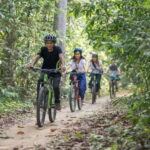
Pedal past Angkor’s crowd lines. What I like most is the safe cycling paths that make temple time feel less frantic, and the Mr K factor: organized, friendly, and ready to shape the ride to how much you want to pedal. You also get that Angkor contrast that walking can’t quite match—big-famous monuments in the morning, then quieter backroads and jungle-situated temples where the pace slows down.
One drawback to plan for is the extra Angkor Temple Pass: the tour price is $45, but the pass is listed separately at $37 per person. Also, you’re out for about 6 to 8 hours, so you’ll want to ride with enough energy for a long morning plus temple stops.
In This Review
- Key Things I’d Use to Choose This Tour
- Why Angkor Wat Looks Different When You Ride
- The 7:30 am Start: Timing, Energy, and What a “6–8 Hour” Day Means
- Your Gear Setup: Bikes, Helmets, and Comfort You Can Count On
- Stop by Stop: What to Expect at Angkor Wat and Beyond
- Angkor Wat (About 2 Hours)
- Bayon Temple (About 2 Hours)
- Chau Say Tevoda (About 30 Minutes)
- Ta Prohm (About 2 Hours)
- Ta Nei (About 1 Hour)
- Angkor Thom East Gate (About 30 Minutes)
- Avoiding Crowds Without Missing the Classics
- Price and Value: $45 Plus the Temple Pass Math
- Who Should Book This Angkor Wat Cycling Tour
- What to Do Before You Go: Small Prep That Helps a Lot
- Should You Book This Tour?
- FAQ
- Is the Angkor Temple Pass included in the $45 price?
- What time does the tour start?
- How long is the cycling tour?
- What’s included with the tour?
- Do I need to buy tickets for every temple stop?
- Is this tour private?
- What’s the cancellation policy?
- Do I get a mobile ticket and confirmation right away?
Key Things I’d Use to Choose This Tour
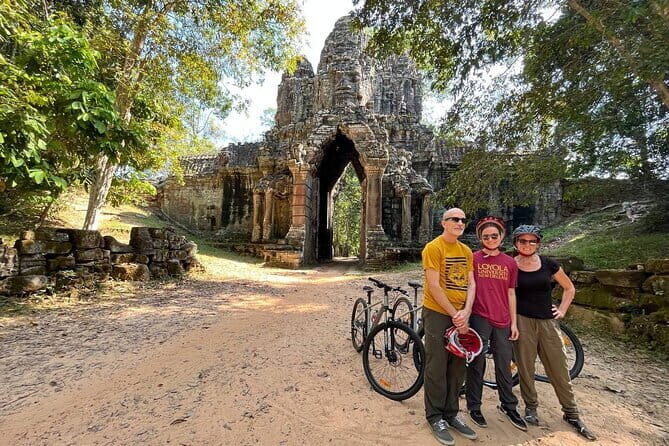
- Private group, hotel pickup and drop-off: you’re not squeezed into a random crowd and you start right from your hotel.
- Mountain bike + helmet + cold water: the basics are handled, so you can focus on seeing temples, not figuring out gear.
- Morning start at 7:30 am: early timing helps you beat the hottest part of the day and the heaviest tourist flow.
- Route that mixes famous and lesser-seen spots: Angkor Wat is the headline, then you move into Bayon, Ta Prohm, and other smaller stops.
- Free admission at most planned temple stops: Bayon and several other sites are marked free on this route (Angkor Wat is not).
- Guide adjusts the ride level: the best cycling tours aren’t just a schedule; the pace needs to fit your comfort.
Why Angkor Wat Looks Different When You Ride
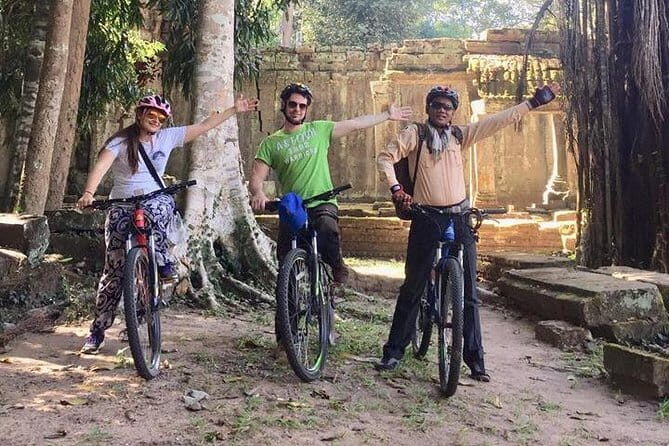
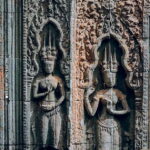
Angkor Wat is famous for a reason, but it can also feel like one long line of footsteps. Cycling changes the rhythm. You cover ground faster than walking, yet you’re still moving at human speed. That gives you time to actually notice details: the trees shading the paths, the temple carvings that you’d miss while rushing, and the way Angkor sits both in planned monumental space and in the surrounding jungle.
A second thing I like is how the tour is framed around being intimate and eco-friendlier than relying on vehicles for every stretch. Dedicated, safe cycling paths and calmer backroads mean you’re less trapped in bus timing. And since the route includes temples that are closer to jungle edges, the experience can feel more personal than just standing in front of stone from a distance.
If you want a day that breaks up the typical walking-heavy Angkor routine, this is a strong choice. It’s not just sightseeing—it’s a way to get your body involved without turning the day into a workout contest.
You can also read our reviews of more cycling tours in Siem Reap
The 7:30 am Start: Timing, Energy, and What a “6–8 Hour” Day Means
This tour kicks off at 7:30 am, leaving from your hotel. That matters more than you might think. Early morning in Siem Reap is when the air feels most manageable and light on the temples looks best. It also tends to smooth out the day because you’re not trying to fit Angkor into the late-day crush.
The overall duration is about 6 to 8 hours, which is a useful range. You’ll likely spend long enough at the major stops to see what you came for, and you’ll have cycling time between them. Still, it’s not a short “quick hit.” Build the rest of your itinerary around this. Think: plan a lighter afternoon after, and don’t schedule something strict right after you return.
The vibe is described as leisurely, and that aligns with how a private cycling tour should feel. You’re out early, then you settle into a rhythm of ride, photo pauses, and temple exploration.
Your Gear Setup: Bikes, Helmets, and Comfort You Can Count On
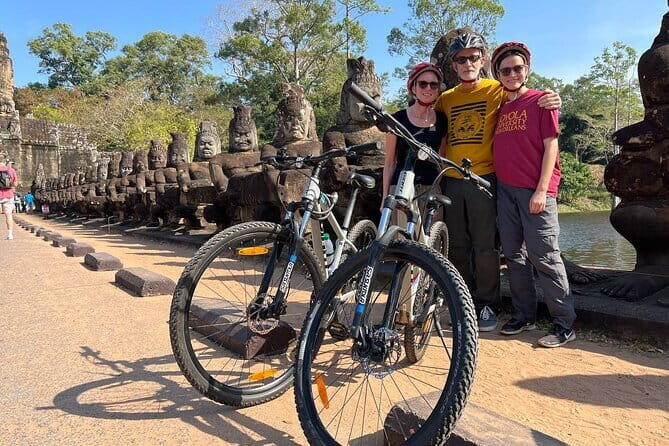
The included gear is refreshingly practical: a mountain bike and helmet, plus cold drinking water. That’s the stuff that keeps a day enjoyable. When you show up already equipped, you’re not hunting for gear or wondering whether it’s safe.
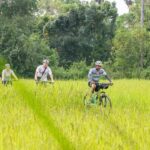
The bike type matters too. A mountain bike is a good fit for the mix of paved paths and rougher temple-adjacent routes you can run into around Angkor. With a helmet provided, you also get peace of mind. From the feedback attached to this experience, people really noticed the quality of the bikes and the safety setup.
Comfort is also about pacing. A recurring theme is that the guide can accommodate how much cycling you want to do. If you’d rather take it slower and focus on the sites, you can. If you want more motion and less waiting, you can likely ask for that. It’s worth telling your guide what feels right before you start pedaling.
Stop by Stop: What to Expect at Angkor Wat and Beyond
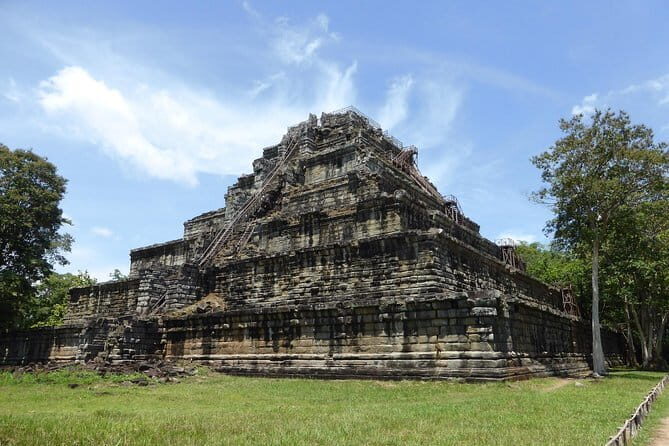
This route is built like a temple “greatest hits” day, but with cycling between stops and a mix of iconic and quieter locations. You’ll also notice that the admission situation changes depending on the site, so knowing what’s paid vs free helps you plan your budget.
Angkor Wat (About 2 Hours)
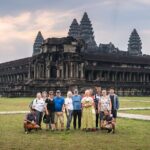
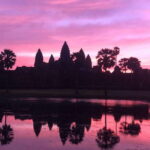
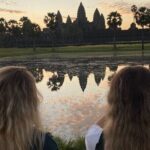
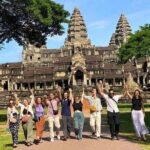
Angkor Wat is the headline: the largest and most famous Khmer temple, built in the 12th century during Suryavarman II’s reign. At about 65 meters high, it’s also the kind of place where your brain keeps trying to zoom out for scale, then zoom in for details.
On a cycling tour, you arrive here with a built-in advantage: you’ve already gotten moving, so the day doesn’t start with a long standing slog. You get time to explore at a slower pace than you would in a big group shuffle.
One drawback: since Angkor Wat is the stop where the admission ticket is not included, you’ll need to budget the Temple Pass. The upside is that once you have that covered, you’re free to focus on temple time instead of worrying about whether you missed a ticket checkpoint.
Bayon Temple (About 2 Hours)
Next comes Bayon Temple, part of Angkor Thom. It’s Buddhist in style, built in the late 12th to early 13th century by Jayavarnam VII. The standout here is the famous set of towers representing provinces—54 towers that connect the empire’s reach to the city’s sacred centerpiece.
This is a great stop on a cycling route because you’re already refreshed from movement, and the site’s structure rewards slower looking. You can spend time taking in the faces, then step back for overall composition. Bayon also comes with a calmer feel when you’re not being herded through on tight schedules.
Admission is listed as free for this stop on the route plan, so once you’re in, you can focus your attention on the carvings and the setting.
Chau Say Tevoda (About 30 Minutes)
Chau Say Tevoda is smaller but interesting for people who like the middle-sized surprises. It’s just east of Angkor Thom and across the Victory Way from Thommanon. Built in the mid-12th century in the Angkor Wat period, it’s described as a Hindu temple.
This stop is short—about 30 minutes—which is exactly how cycling days work best. You get a taste, you see what’s unique, and you don’t lose the flow of the day by turning every stop into a half-day event.
It’s also marked free on the route plan, so it’s a nice add-on without extra entry costs.
Ta Prohm (About 2 Hours)
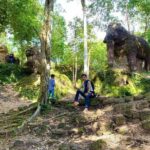
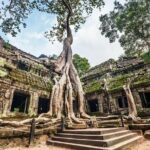
Ta Prohm is the temple most people think of when they picture roots gripping stone. It’s late 12th century, dedicated in 1186 by Jayavarman VII to his mother. The route also points out the temple’s shifting background: it started with Buddhist elements and later included Hindu conversions.
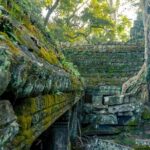
For you, this stop is all about atmosphere. The cycling makes it easier to reach without spending your whole day just walking. Then at Ta Prohm, you can slow down and let the details grab you—tree trunks, textured stone, and the way the ruins feel like they’re still negotiating with the jungle around them.
Admission is listed as free for this stop on the route plan.
Ta Nei (About 1 Hour)
Ta Nei is another “lesser-known” style of stop that tends to reward people who like variety. It’s a late 12th-century stone temple dedicated to the Buddha, near the northwest corner of the East Baray, a large holy reservoir.
This is a good timing break in the day: about 1 hour gives you enough time to explore without draining your energy. If you’re a photo person, it’s also the kind of place where you can get calmer angles compared to the most famous spots.
Admission is listed as free on the route plan.
Angkor Thom East Gate (About 30 Minutes)
The final part of the route includes the East (Death) Gate, one of the five gates guarding Angkor Thom. It was built in the late 12th century as part of the city’s reconstruction after the victory.
This short stop is useful. It helps you understand that Angkor isn’t just about a few isolated temples. It’s about how the city was organized, guarded, and connected through gates and ceremonial routes.
Admission is listed as free for this stop on the route plan.
Avoiding Crowds Without Missing the Classics
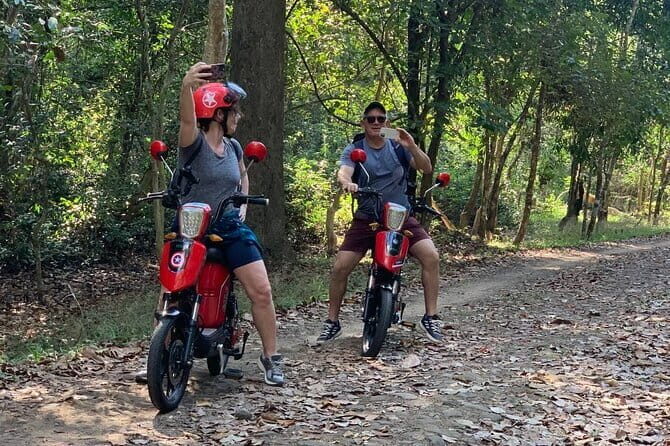
Angkor Wat days can go two ways: you either spend all your time between buses and bottlenecks, or you see the sites but feel like your feet are doing the work your eyes should. This cycling approach helps you dodge that.
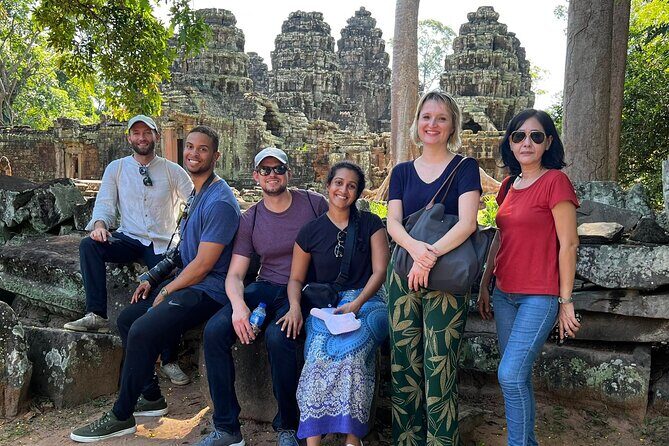
The tour is designed around dedicated, safer cycling paths and backroad riding so you’re not always stuck in the same high-traffic flow. The route also mixes well-known monuments with smaller temples and jungle-adjacent areas, so the day doesn’t feel like one repeat photo angle.
One more thing to appreciate: the guide can accommodate how much cycling you want. That flexibility is practical. You can take a more adventurous route when you feel good, and dial it back if you’re tired after a major stop like Angkor Wat or Ta Prohm.
Price and Value: $45 Plus the Temple Pass Math
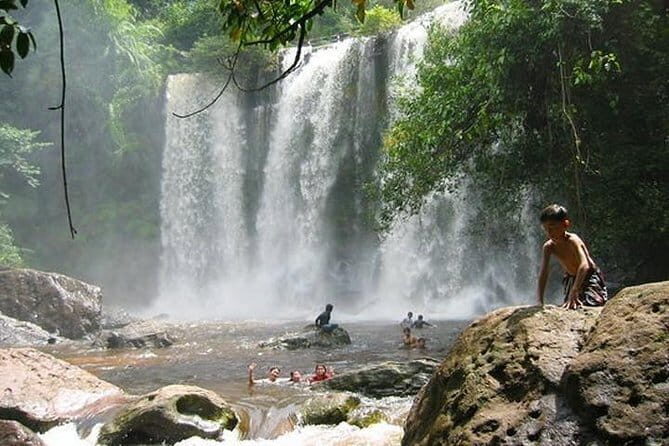
The published price is $45 per person, and that includes several meaningful items: an English-speaking guide, hotel pickup and drop-off, cold drinking water, and a mountain bike with helmet.
The big separate cost is the Angkor Temple Pass at $37 per person. On this particular route plan, Angkor Wat itself is marked as admission not included, while Bayon and several other stops are marked free. So you’re not paying entry fees at every single stop—your main ticket cost is the Angkor Wat component.
Is it good value? For most people, yes—especially if you’d otherwise hire a motorbike, pay for multiple separate guides, or try to cobble together transport plus site planning on your own. The real value is how this format stacks: guided navigation + bike time + entry to the main site with everything arranged around an early start.
If you’re traveling solo, $45 can feel like a lot for a “half-day.” But because this is a 6 to 8 hour day with multiple major temples and included gear, it becomes more reasonable fast.
Who Should Book This Angkor Wat Cycling Tour
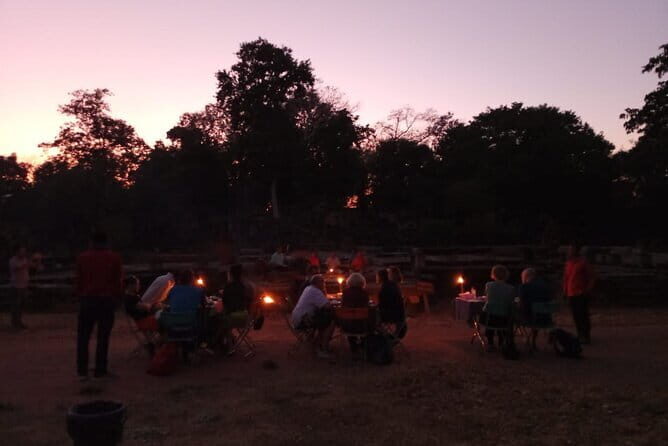
This tour is a great match if you:
- Want a different way to see Angkor beyond walking and vehicle stops
- Like the idea of reaching temple areas via quieter backroads
- Prefer a private setting where you can set the pace with your guide
- Don’t want to handle bike rental, helmet pickup, and routing on your own
It’s also a strong fit for couples and small families who want a shared day with enough structure to make it easy but enough freedom to feel relaxed.
You might skip it if you:
- Have trouble with sustained cycling during a 6–8 hour outing
- Know you’ll struggle with heat or long temple walks plus riding
- Want only the absolute biggest “must-see” sites and nothing else
From the feedback tied to this experience, people consistently praised safety, helmet use, high-quality bikes, and the guide’s friendly organization. That combination is what makes cycling days feel worth the effort.
What to Do Before You Go: Small Prep That Helps a Lot
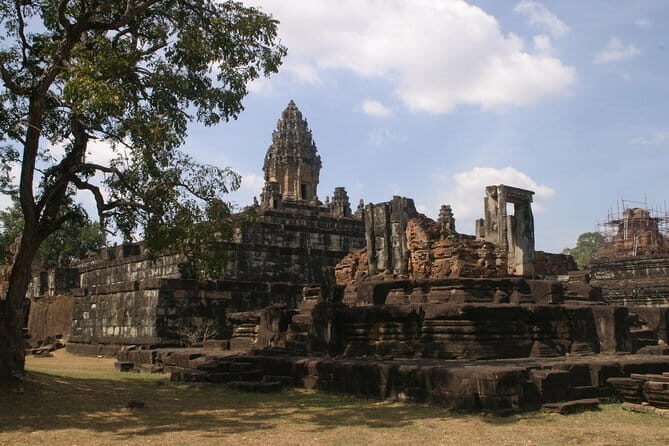
The day’s success is mostly about prep. Here’s what you should handle so the tour stays fun:
- Bring sun protection (you’ll be outdoors through multiple temple stops)
- Wear cycling-friendly footwear (temple walking adds up)
- Bring a small amount of cash or a clear plan for the Temple Pass, since it’s not included in the $45
Also, be ready with one simple question for your guide at the start: how intense you want the ride to feel today. The guide is set up to adjust cycling time and pace, so you’ll get a better day if you speak up early.
If you’re a photo person, plan to stop and look slowly at Bayon and Ta Prohm. These are the places where your best pictures often come from stepping back and re-framing, not from rushing through.
Should You Book This Tour?
If your goal is to see Angkor Wat and its best companion temples, but in a way that feels more active, less crowded, and more connected to the jungle setting around the ruins, then yes—this is an easy “book it” style tour.
I’d book it especially if you value included gear and simple logistics: hotel pickup, helmet, bike, and a guide who can shape the ride to your comfort level. The $45 base price is fair, and the Temple Pass cost is clear upfront, so there are no mystery add-ons.
If cycling doesn’t sound appealing, or you want a strictly relaxed, vehicle-only plan, you’ll probably find better value elsewhere. But for people who like movement and want a morning that feels lighter than the typical temple grind, this is a smart way to spend your Siem Reap day.
FAQ
Is the Angkor Temple Pass included in the $45 price?
No. The tour price is $45 per person, and the Angkor Temple Pass is listed separately at $37 per person.
What time does the tour start?
You leave your hotel at 7:30 am.
How long is the cycling tour?
The duration is about 6 to 8 hours.
What’s included with the tour?
Included items are an English-speaking tour guide, pickup and drop-off, cold drinking water, and a mountain bike and helmet.
Do I need to buy tickets for every temple stop?
The route plan lists Angkor Wat as not included for admission tickets. Several other stops on the plan are marked free.
Is this tour private?
Yes. It’s a private tour/activity, with only your group participating.
What’s the cancellation policy?
Cancellation is free up to 24 hours in advance for a full refund.
Do I get a mobile ticket and confirmation right away?
Confirmation is received at the time of booking, and the tour includes a mobile ticket.