REVIEW · SIEM REAP
Angkor Wat: Full-Day Guided Sunset Tour
Book on GetYourGuide →Operated by Angkor Wat Travel Tour · Bookable on GetYourGuide
Sunset time makes Angkor feel personal. This full-day guided loop mixes Cambodia’s temple art with a proper finish at Phnom Bakheng, so you’re not stuck chasing a single photo moment. You’ll also hear the story behind what you’re seeing, from Khmer kings to shifting Hindu and Buddhist meanings. Guides such as David and Rith set the tone with humor and clear explanations.
I especially love how the day is built around big, iconic stops without feeling like a checklist. Angkor Wat itself anchors the morning, and Ta Prohm’s fig-tree setting is the kind of scene where you naturally look up and slow down. I also like the practical comfort touches: cold water, cold towels, and an easy pickup/drop-off that keeps your day on rails.
One consideration: the tour price does not include entry tickets, and you’ll be doing steps—so plan for the cost and the walking, especially for the Phnom Bakheng climb. Also note it is not suitable for wheelchair users, and unaccompanied minors aren’t allowed.
In This Review
- Key takeaways before you go
- Why this Angkor Wat sunset day works (instead of just passing through)
- Pickup in Siem Reap: the easy start you’ll appreciate later
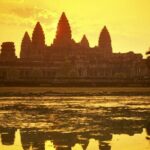
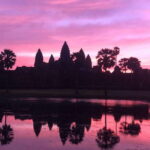
- Angkor Wat: the Vishnu temple that sets the frame
- Banteay Kdei: a monastic complex with a quieter feel
- Ta Prohm: the fig trees that make you look up
- Lunch and coffee break: recharge without losing the rhythm
- Bayon and Angkor Thom: hundreds of stone faces
- Phnom Bakheng at sunset: the steps, the view, the payoff
- What you get for $16: value, plus the extra costs to plan for
- The guide factor: why people rate this tour so highly
- Pacing, comfort, and practical tips for temple heat
- Should you book this Angkor Wat full-day guided sunset tour?
- FAQ
- What time does hotel pickup start?
- How long is the tour and how do you get back to town?
- What temples are included on the day tour?
- Are entry tickets and meals included in the price?
- What should I bring?
- Is the tour suitable for wheelchair users or minors traveling alone?
Key takeaways before you go
- English-speaking local guide who links temple design to Khmer kings and religious changes
- Hotel pickup and drop-off with a driver sign (last name) so you don’t waste time hunting
- Multiple temples in one day: Angkor Wat, Banteay Kdei, Ta Prohm, Bayon, and Angkor Thom
- Sunset at Phnom Bakheng with a guided viewpoint, not just a rushed stop
- Heat-smart comfort: cold water and cold towels at the right times
- Great value at $16 per person, as long as you budget for tickets and meals
Why this Angkor Wat sunset day works (instead of just passing through)
Angkor is big, and it’s easy to burn your energy on confusion. This tour helps you stay oriented: you start with a guided approach to Angkor Wat, keep the momentum through the other temple stops, then end with the sunset payoff. The format matters because the temples are easier to understand when someone connects them to the timeline and the purpose behind each one.
I like that it’s a full-day plan, but not a marathon. You get several focused temple sessions, plus breaks for coffee and lunch at a local restaurant. Reviews also point to guides who keep the pace relaxed while still covering the highlights, which is exactly what you want when you’re dealing with heat and crowds.
And yes—ending at Phnom Bakheng is a smart choice. The viewpoint gives your day a finish line, so the temples don’t just blur together. You’re not only sightseeing; you’re watching the light shift over Cambodia’s first Khmer capital-era temple setting.
You can also read our reviews of more guided tours in Siem Reap
Pickup in Siem Reap: the easy start you’ll appreciate later
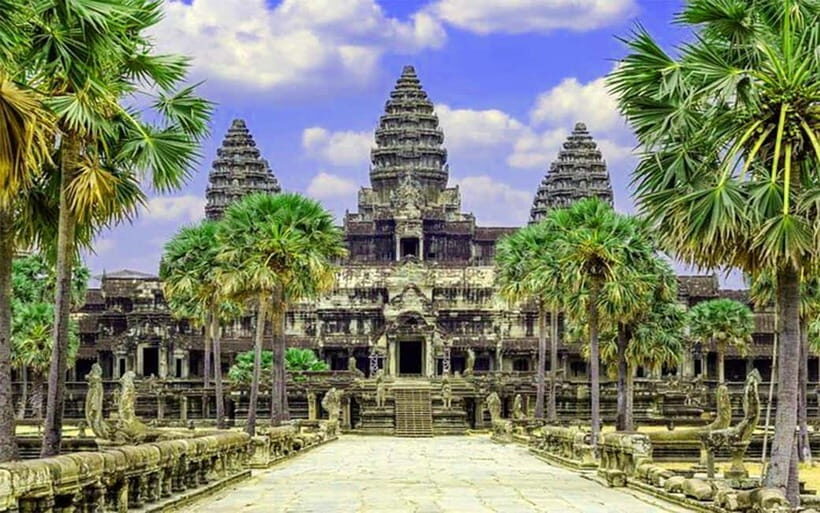
You’ll be greeted at your Siem Reap hotel between 8:30 AM and 9:00 AM. The process is simple: wait in the hotel lobby about 10 minutes before pickup, and look for the driver holding a sign with your last name. From there, you ride in a bus/coach for about 40 minutes to the temple area.
This matters because Angkor days can go sideways fast if your morning logistics are messy. With pickup and drop-off handled, you can focus on the day itself—temples first, sunset later.
Angkor Wat: the Vishnu temple that sets the frame
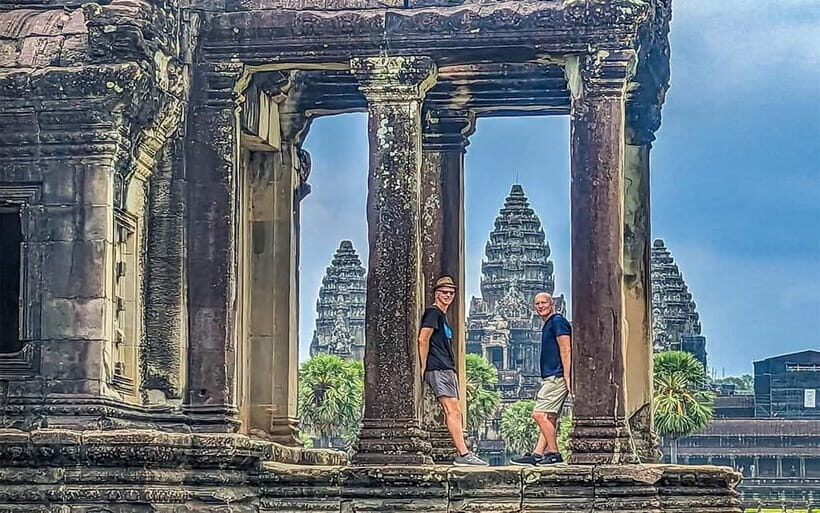
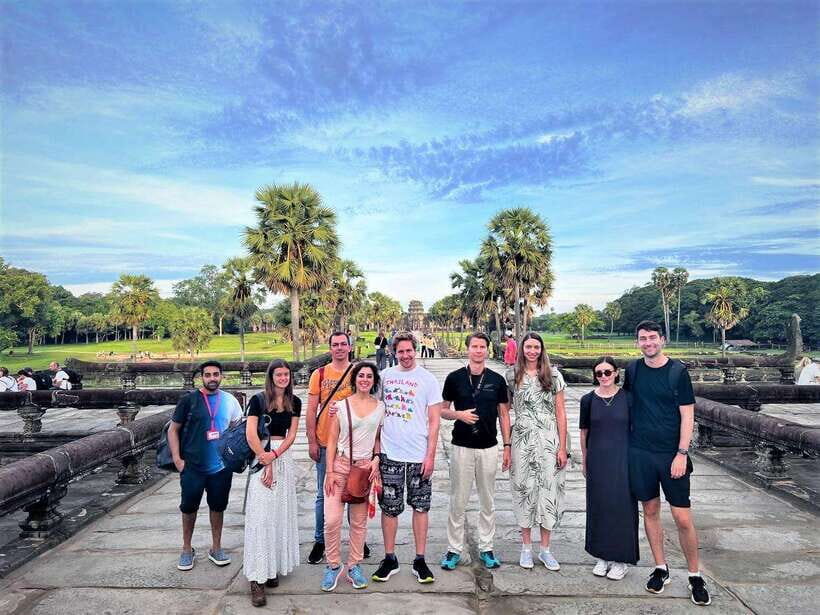
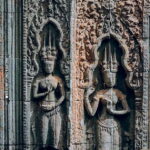
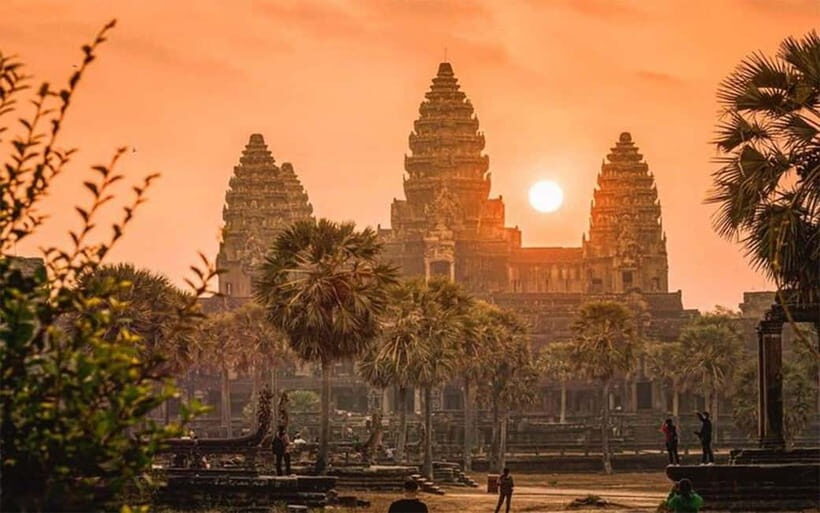
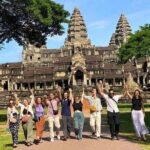
Angkor Wat is where the whole story starts. You’ll spend about 2 hours here, with a photo stop and a guided tour. The temple was built by Khmer King Suryavarman II in the early 12th century, and it was dedicated to Vishnu.
That “framing” is the value of having a guide at your side. Without context, Angkor Wat can feel like impressive stone you’re trying to memorize. With context, you start noticing how the temple’s design and religious dedication connect to Khmer power and belief at the time.
Practical tip: wear comfortable clothes and shoes you trust. Angkor Wat is where you’ll likely do the most walking before the day steadies. Keep your camera ready, but don’t spend the entire first stop rushing for shots—use the guided moments to learn what you’re looking at first.
Banteay Kdei: a monastic complex with a quieter feel
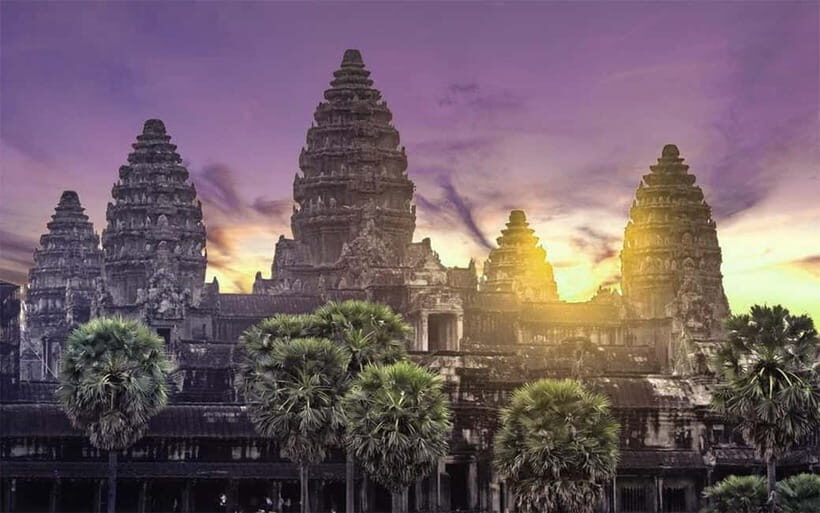
Next up is Banteay Kdei, around 45 minutes. This temple was constructed by King Jayavarman VII in the late 12th century. It’s described as an expansive complex that’s largely unrenovated, and it functioned as a monastic site.
What I like about this stop is that it breaks the pattern. If Angkor Wat feels monumental and Ta Prohm feels wild with nature, Banteay Kdei sits in a more “lived-in by time” zone. It also reflects architectural style connections to Ta Prohm, so by the time you reach Ta Prohm later, you’re not starting from zero.
Potential drawback: it’s easy to underestimate how tiring “shorter” temple stops can be once you add heat and steps. If you know you get fatigued on foot, this is the point to pace yourself and keep sipping water.
Ta Prohm: the fig trees that make you look up
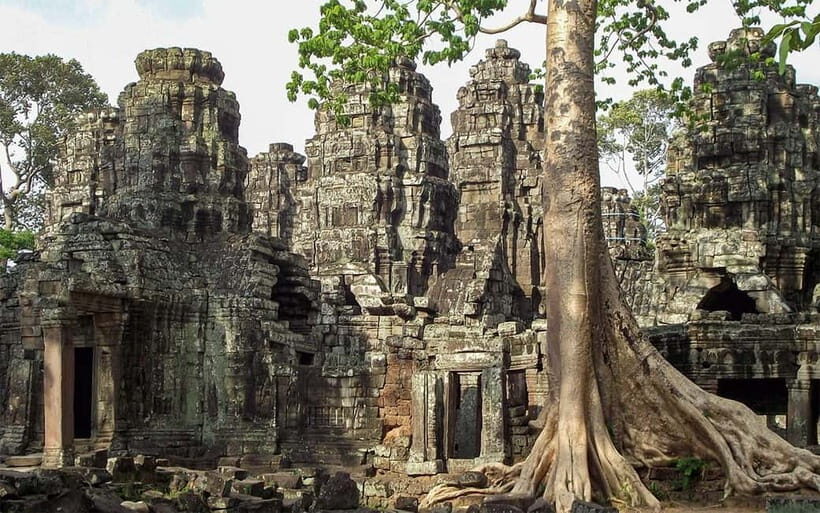
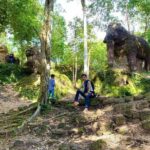
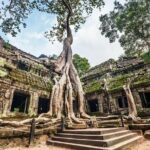
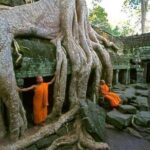
You’ll then visit Ta Prohm for about 1.5 hours. This is one of the Angkor sites people remember for a reason: it’s preserved in an original state, and gigantic fig trees grow around and through the temple. The intertwining roots create that unmistakable jungle-meets-stone atmosphere.
Here’s why a guide helps: they’re not just pointing out the trees. They connect the setting to what Ta Prohm represents and why this temple feels different from others in the complex. You get a photo stop, guided tour, and time to appreciate the scene at a human pace.
Practical tip: use Ta Prohm as your “slow down” stop. It’s also a great place to step back and let your eyes adjust—so your photos aren’t only close-ups, but also wider views that show the full tree-and-temple relationship.
You can also read our reviews of more evening experiences in Siem Reap

Lunch and coffee break: recharge without losing the rhythm
Between temple sessions, the tour builds in a break for coffee, lunch, and local snacks (about 45 minutes). This is where your guide’s timing really matters. You get a short recovery window before the more “face-and-symbol” focus of Bayon.
Important note on cost: breakfast and lunch are not included in the tour price. But you’re still set up with time to eat at the local restaurant during the day.
What to do: if you can, eat a bit earlier during the break, not at the last minute. It helps your energy level for Phnom Bakheng later, when you’ll want your legs fresh for the steps and your head clear for sunset viewing.
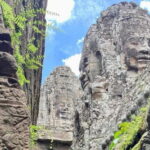
Bayon and Angkor Thom: hundreds of stone faces
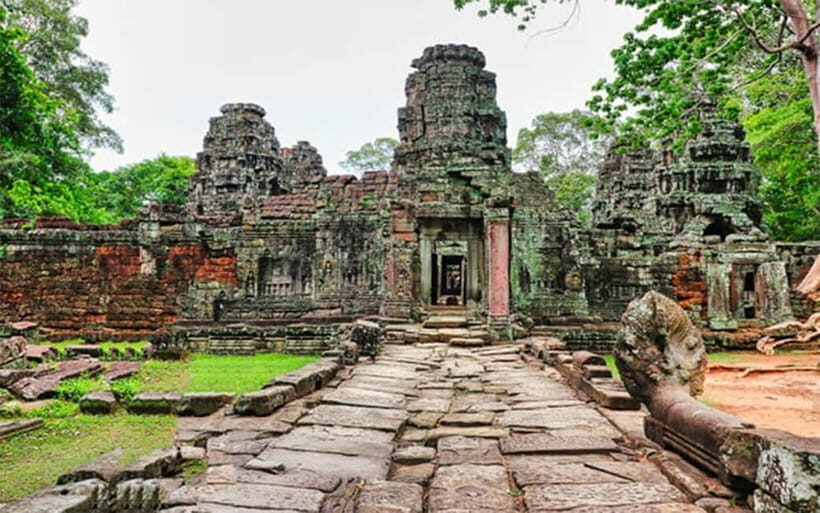
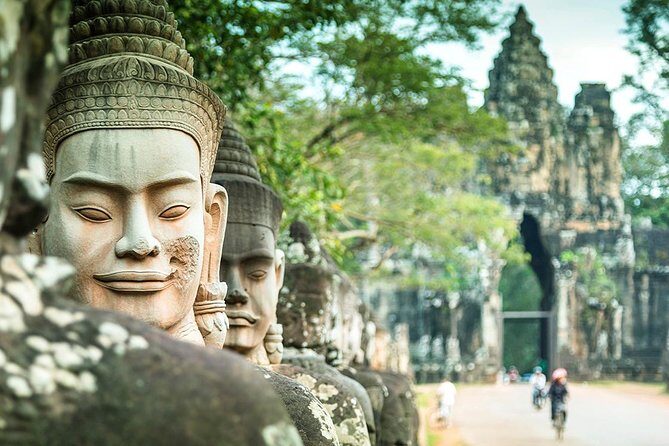
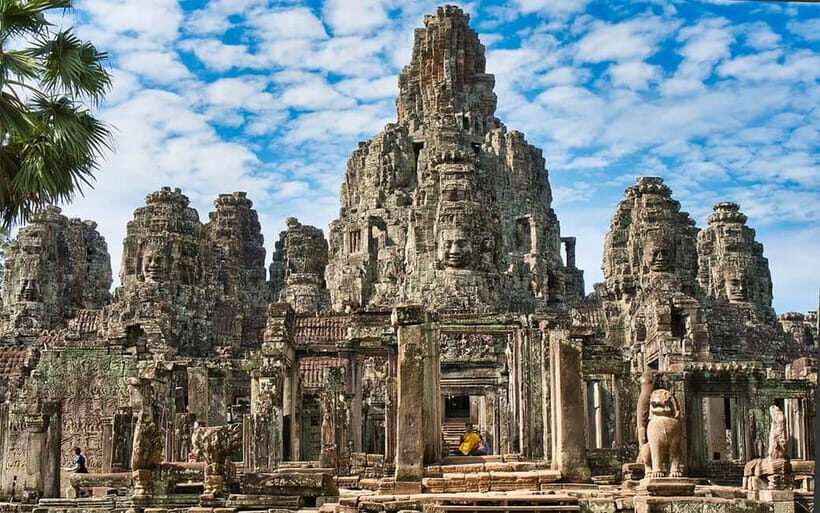
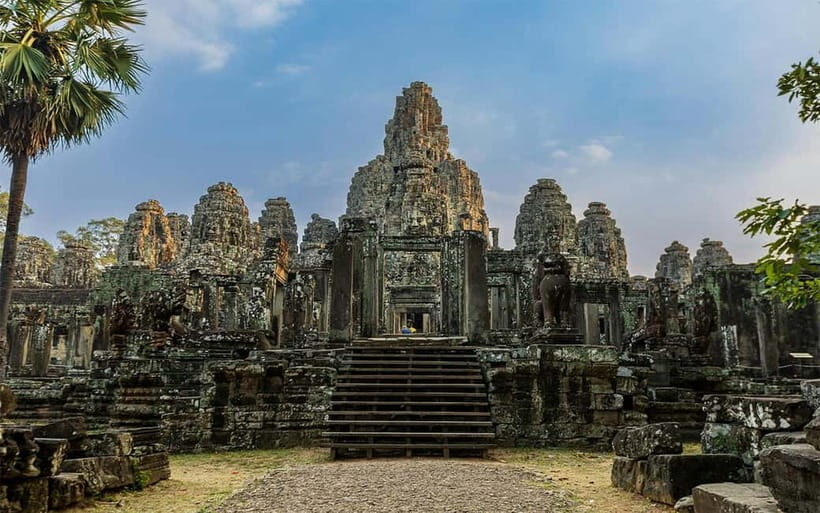
After lunch, you head to Bayon Temple for about 1 hour. Bayon is known for Buddhist architecture and features hundreds of stone faces. Bayon sits within the Angkor Thom area, and that’s part of what makes the stop feel like a shift—different religious language, different vibe than the Hindu-rooted start of the day.
I like Bayon because it turns the temple experience into something more human. Those faces aren’t just decoration; they’re a visual anchor you can keep returning to while your guide explains the symbolism. If you’ve been thinking Angkor is only about big structures, this is where it starts feeling more like a place with identity.
Possible drawback: because Bayon is a headline site, it can get crowded. The upside is that your guide can steer you to good viewing angles and keep you moving with minimal waste time.
Phnom Bakheng at sunset: the steps, the view, the payoff
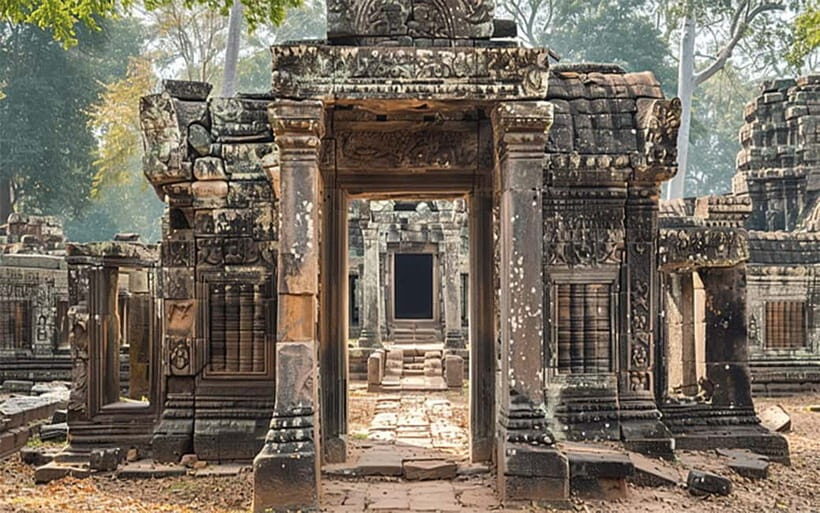
The day ends at Phnom Bakheng with about 1 hour that includes a photo stop, guided tour time, and sunset viewing. Phnom Bakheng is described as the state temple of the first Khmer capital, which gives your final scene extra weight beyond just pretty light.
Expect the practical reality: sunset here involves climbing steps. If you don’t like climbing in heat, do yourself a favor and wear supportive shoes and take it slow on the ascent. Even with a relaxed pace, it’s still a physical end to a full day.
Weather can change outcomes. One experience in the provided reviews mentions rain affecting the sunset, which is a good reminder: you can’t control the sky, so focus on the moment you do get and keep your camera settings flexible.
What you get for $16: value, plus the extra costs to plan for
At $16 per person, this tour is priced like a deal. The reason is that the big items are bundled: hotel pickup and drop-off, a local English guide, and comfort extras like cold water and cold towels during the day. Transport is also part of the package (a bus/coach ride to the temple area and back).
What is not included is equally important. You’ll need to budget for:
- Entry tickets (not included)
- Breakfast and lunch (not included)
So the real value equation is convenience plus guided interpretation. You pay less than you would for a “private guide all day” setup, but you still get someone explaining what you’re seeing and you don’t have to sort transport.
If you’re trying to keep your Angkor day under control, this pricing structure makes sense: you bring the energy, and the tour handles the sequence and comfort.
The guide factor: why people rate this tour so highly
A lot of the glowing feedback centers on the guide energy. Names that show up in the experiences include David, Rith, Mare, Rey, Sa, and others, and the common theme is that they keep the day engaging with humor and clear explanations. Several people also mention guides doing a strong job with photo opportunities—guiding where to stand and how to frame shots, not just pointing at stones.
This matters because Angkor rewards attention. A good guide helps you interpret what you see: built dates (like Suryavarman II’s early 12th-century Angkor Wat), rulers (Jayavarman VII at Banteay Kdei), and religious meaning (Vishnu at Angkor Wat; Buddhist symbolism at Bayon). When those facts are connected to your visuals, the temples stop being random stops.
Also, you’ll notice a recurring “no pressure” vibe in the feedback. People describe time to explore and photo time that feels reasonable, which is exactly how you want a full-day tour to feel.
Pacing, comfort, and practical tips for temple heat
Angkor can be very warm, and your comfort plan matters. Reviews repeatedly praise cold water and cold towels at stops, which is huge. People also mention air-conditioned transport, which helps you reset between temple sessions.
Here’s how I’d plan your day based on the tour style you’re getting:
- Wear comfortable shoes you can walk and climb in
- Dress in comfortable clothes that won’t fight the heat
- Bring your camera, and keep it accessible for the sunset at Phnom Bakheng
- Expect walking and steps, especially near sunset
One more constraint: the tour is not suitable for wheelchair users. If mobility is an issue, this is one point you don’t want to gamble with.
Should you book this Angkor Wat full-day guided sunset tour?
Book it if you want an Angkor day that’s structured, guided, and still includes the sunset payoff at Phnom Bakheng. With hotel pickup, English guide support, and comfort touches like cold water and towels, the experience fits best if you’re doing Angkor for the first time or you just want the day to run smoothly.
Don’t book it if you rely on wheelchair accessibility or if you need a fully flexible schedule with no pre-set temple sequence. And budget for entry tickets and your meals since those aren’t included.
If you do book: this is the kind of tour where the best use of your money is your attention—listen when the guide explains what you’re seeing at Angkor Wat and Bayon, then slow down at Ta Prohm where the whole point is noticing the roots, not racing past them.
FAQ
What time does hotel pickup start?
Pickup is scheduled between 8:30 AM and 9:00 AM, and you should wait in your hotel lobby about 10 minutes before your scheduled pickup time.
How long is the tour and how do you get back to town?
The tour lasts about 8 hours in total. You’ll ride back by bus/coach for about 40 minutes and then be dropped off at your hotel in Krong Siem Reap.
What temples are included on the day tour?
You’ll visit Angkor Wat, Banteay Kdei, Ta Prohm, Bayon, and Angkor Thom, plus the sunset stop at Phnom Bakheng.
Are entry tickets and meals included in the price?
Entry tickets are not included. Breakfast and lunch are not included either, although the day includes a lunch break at a local restaurant.
What should I bring?
Bring comfortable shoes, a camera, and comfortable clothes.
Is the tour suitable for wheelchair users or minors traveling alone?
The tour is not suitable for wheelchair users. Unaccompanied minors are not allowed.