REVIEW · SIEM REAP
Angkor Wat: Guided Sunrise Bike Tour w/ Breakfast and Lunch
Book on GetYourGuide →Operated by Siem Reaper Travel · Bookable on GetYourGuide
Sunrise at Angkor feels different from a bike. I love the early-morning Angkor Wat sunrise setup and the chance to ride quiet trails instead of slogging through traffic. The big drawback is weather: it runs rain or shine, and if skies turn cloudy you may lose some of the magic glow.
This is a long day on a bike—8 to 10 hours—but it’s built for sanity. You get hotel pickup and drop-off in Krong Siem Reap, a guide, bottled water and snacks, and a support vehicle. You also get real variety: temple time, village cycling, and two meals that keep you going.
In This Review
- Key Things to Know Before You Go
- Sunrise at Angkor Wat Looks Better When You’re Already Moving
- Pickup, Bikes, and the Clothing Rules That Matter
- Stop-by-Stop: How the Morning Builds From Angkor Wat to Breakfast
- Cycling Behind Angkor Wat: Quiet Trails, Villages, and Occasional Off-Road Work
- Bayon Temple and Ta Prohm: The Faces, the Jungle, and the Photo Moments
- Breakfast and Lunch: Fuel That Actually Works for a Long Day
- Guides and the Small-Group Advantage (Sotin, Voleak, Bunvath, and More)
- Value Check: The $55 Price and What You Still Need to Pay
- Weather, Timing, and How to Think About the Long Day
- Who Should Book This (and Who Might Want Another Option)
- Should You Book This Angkor Wat Sunrise Bike Tour?
- FAQ
- How long is the Angkor Wat guided sunrise bike tour?
- Is the Angkor Archaeological Park entrance fee included?
- What meals are included?
- Do I get a bike and helmet?
- Are e-bikes available?
- What clothing is not allowed?
Key Things to Know Before You Go
- Sunrise first: you’re guided to the best viewpoints before crowds fully arrive.
- Small-group feel: often kept to about six people, so your guide can adjust the pace.
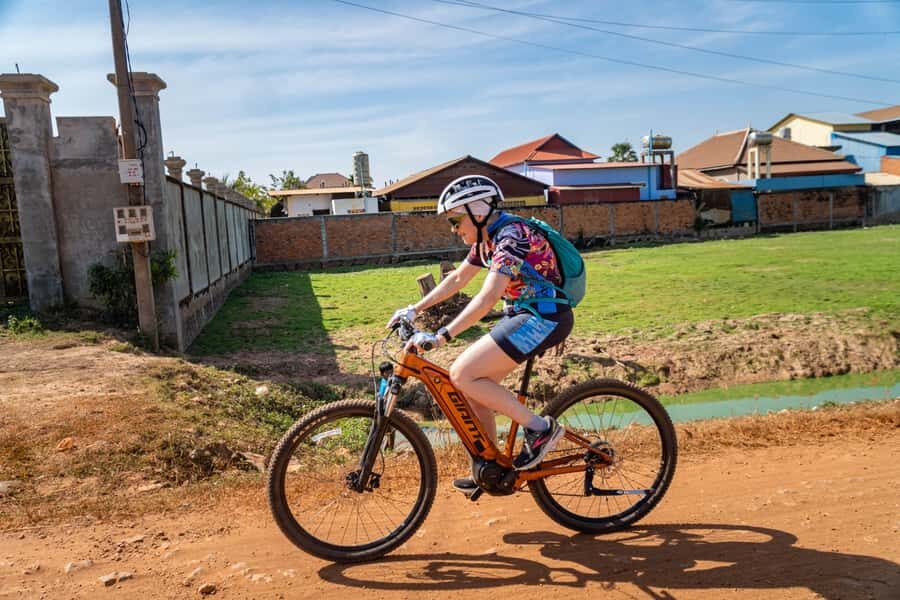
- Bike routes avoid main roads: more trails, fewer cars, and easier sightseeing flow.
- Village-life stops: you’ll cycle through parts of the Angkor Wat complex with a local perspective.
- Two included meals: breakfast near Srah Srang and lunch at a local restaurant.
- Long, hot ride potential: even on flat ground, off-road sand/tarmac sections can work your legs.
Sunrise at Angkor Wat Looks Better When You’re Already Moving
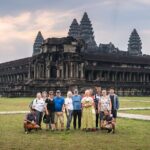
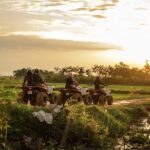
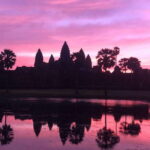
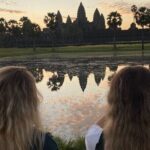
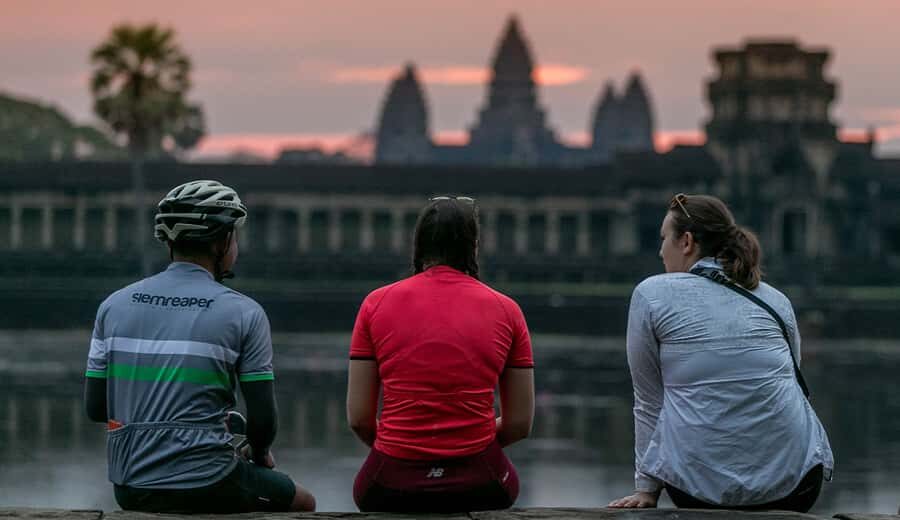
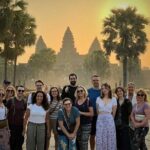
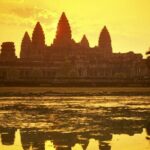
Angkor Wat at sunrise is dramatic no matter how you see it. The difference here is timing and access: you’re picked up from Krong Siem Reap and guided to sunrise spots, then you enter the temple experience while the air is cooler and the light is still doing its thing.
The payoff is twofold. First, you get that first-light view of Angkor Wat illuminated by dawn. Second, you avoid the chaos that builds later, which makes it easier to actually look instead of just queue. If clouds roll in, you won’t get the full glow, but you still get the atmosphere of being there when it’s quiet.
You can also read our reviews of more cycling tours in Siem Reap
Pickup, Bikes, and the Clothing Rules That Matter
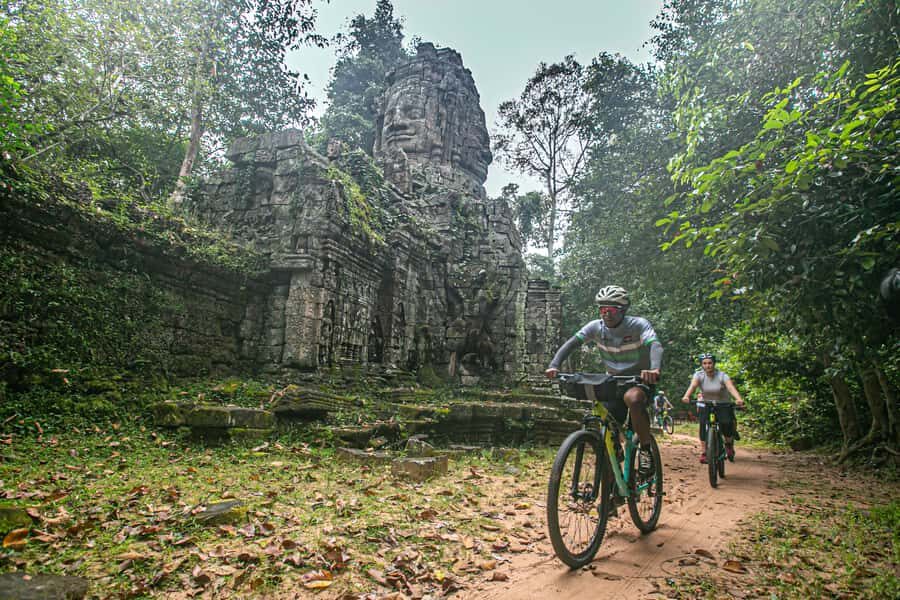
Pickup is in Krong Siem Reap, and the tour starts with a hotel pickup (with pickup timing you should plan for by waiting in the lobby about 15 minutes early). You’ll be on a standard bicycle with a helmet, and you’ll have a support vehicle traveling with you.
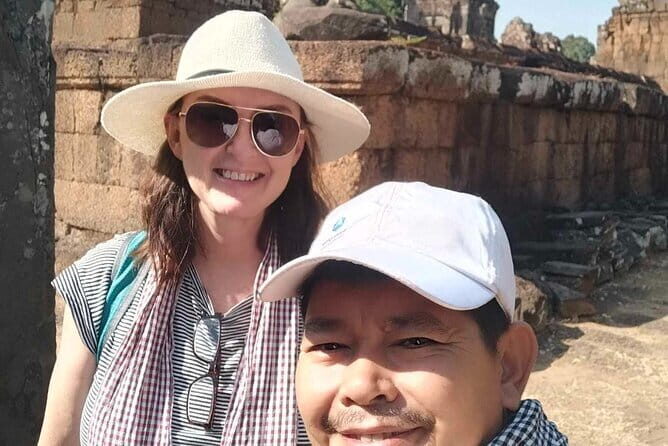
This tour is very clear on what you wear. Shorts, short skirts, and sleeveless shirts are not allowed. That’s not just about rules—it helps you move through temple areas comfortably without getting stopped. Bring cycling clothing that covers appropriately, plus a camera. Water and snacks are provided, which matters because this is an all-day rhythm.
Pace-wise, this can be a good fit if you’re not an experienced rider. The route is described as mostly flat and manageable, but there are off-road sand/tarmac segments and some heat factor. Your guide can adjust when needed, especially if you’re less confident on a bike.
Stop-by-Stop: How the Morning Builds From Angkor Wat to Breakfast
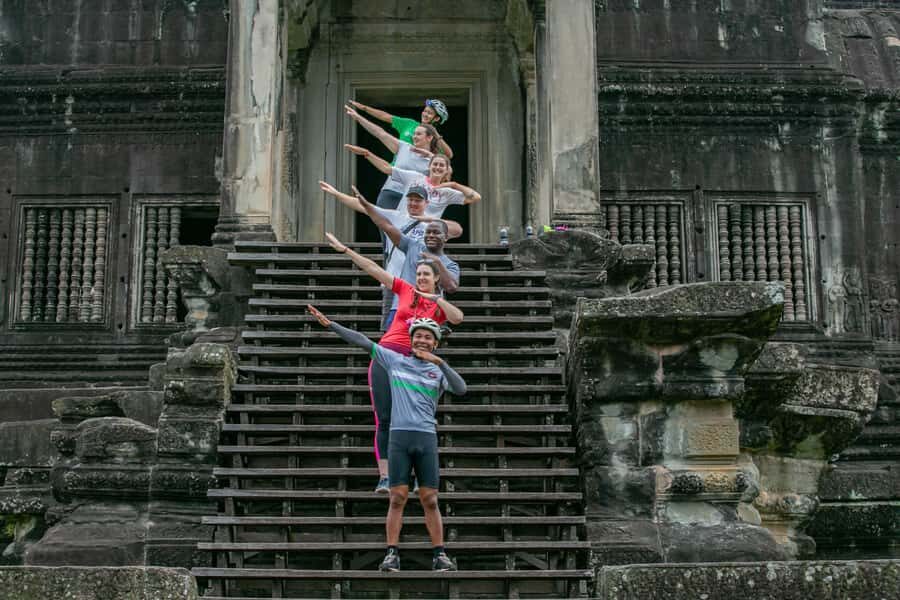
The temple portion isn’t just a quick photo sprint. You start with a guided look at Angkor Wat that lasts about 3 hours. That time is important because Angkor Wat isn’t only about what you see—it’s also about what the architecture represents. Your guide walks you through the central complex and explains history and symbolism so the place lands better than the typical stare-and-snap routine.
You’ll spend time looking around, and you also get moments to move at your own pace during the guided rhythm (so you can take photos without feeling rushed). One practical tip: sunrise makes everyone want pictures, but pace it. If you’re too eager, you end up tired before the bike portion starts.
After the Angkor Wat experience, you head to Srah Srang for breakfast (about 1 hour). Srah Srang is a site with water features nearby, and breakfast there helps break up the morning. It’s also a good reset for energy before cycling the trails behind Angkor Wat.
Cycling Behind Angkor Wat: Quiet Trails, Villages, and Occasional Off-Road Work
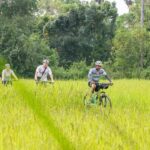
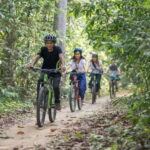
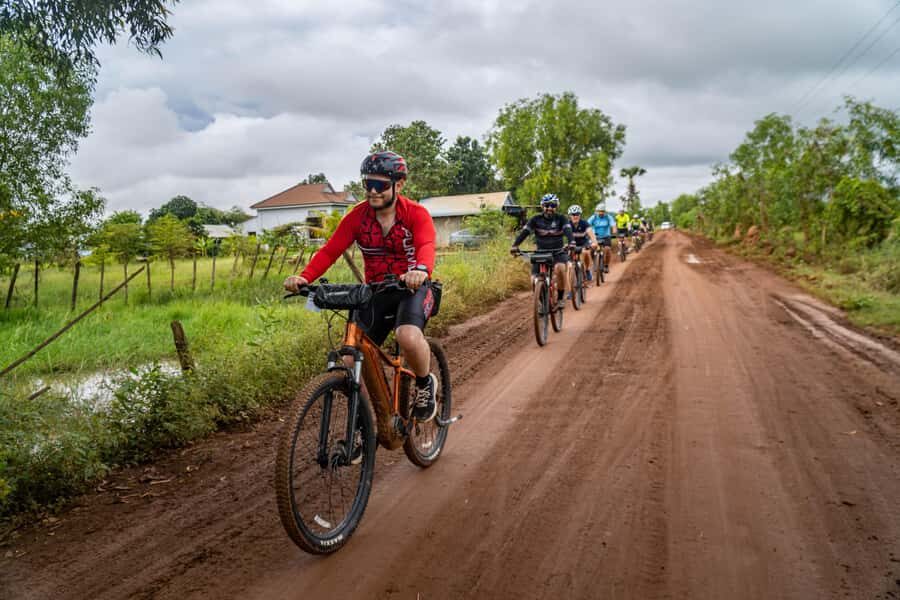
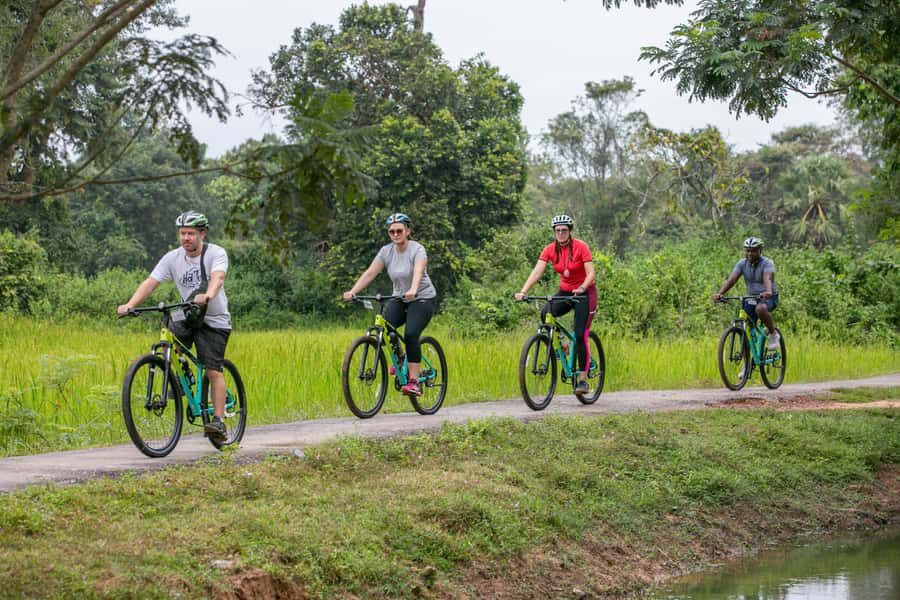
After breakfast, the ride starts in earnest: trails behind Angkor Wat lead you away from busy main roads and into areas where many visitors never go by bike. This is where the tour earns its keep.
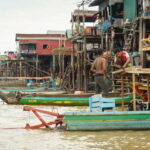
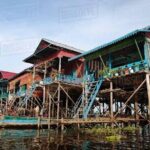
You’ll follow tracks that take you through small villages in the Angkor Wat complex. That changes the feel of the day. Temples can dominate your brain in a good way, but villages bring you back to daily life—how people move, how they use space, and what the grounds look like when locals are out living their routine.
Route conditions are generally described as flat and manageable, with a mix of low-traffic roads and off-road sand/tarmac paths. That means two things for you:
- You still get exercise.
- You won’t be battling steep hills, but you may be battling texture—sand can slow you down and make the pedals feel heavier.
A support vehicle helps a lot if you need a breather. And because the group can be small, it’s easier for your guide to keep everyone together without turning it into a traffic jam.
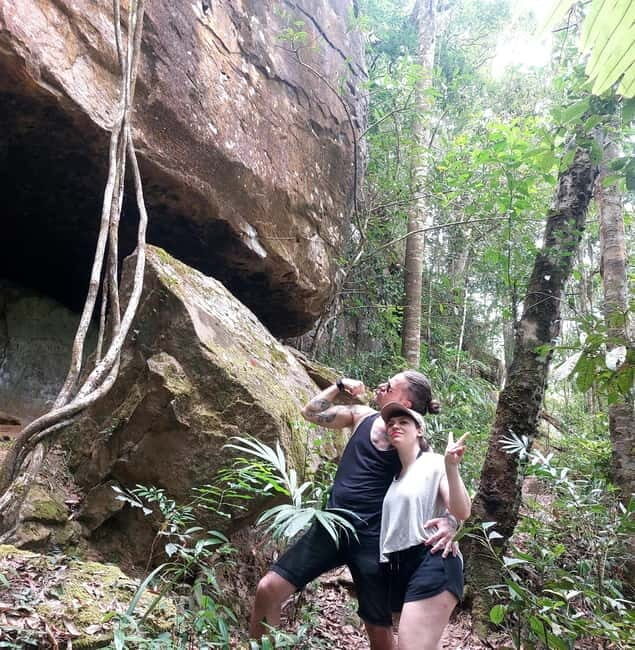
Wildlife sightings can happen. I’d treat this as a bonus rather than a guarantee, but there’s been mention of seeing animals like water buffalos, and even gibbons on the day’s route.
Bayon Temple and Ta Prohm: The Faces, the Jungle, and the Photo Moments
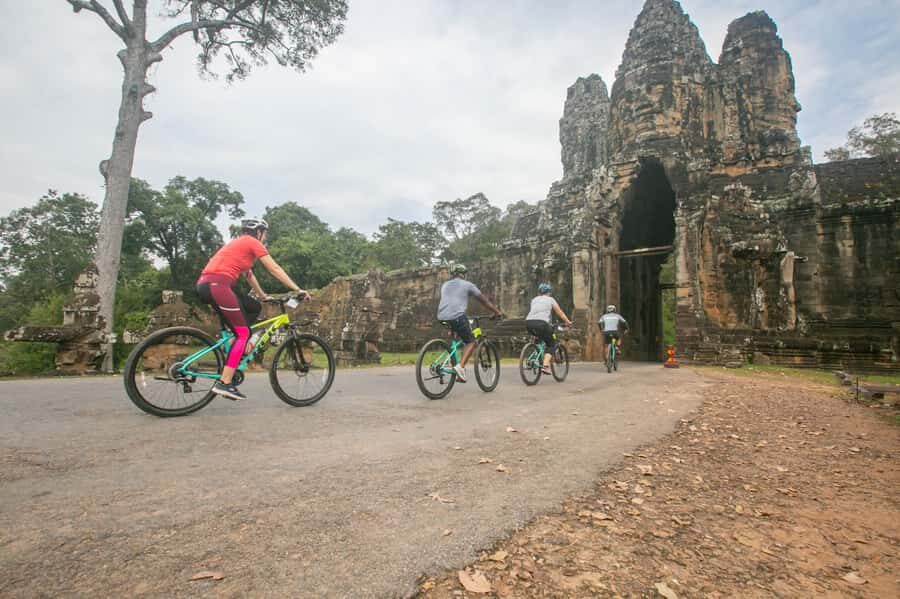
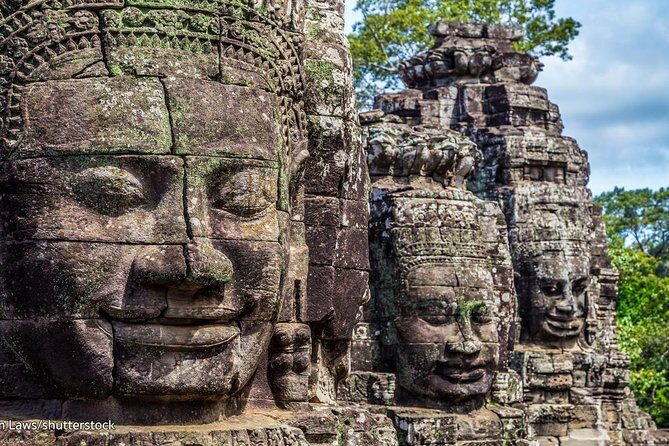
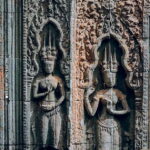
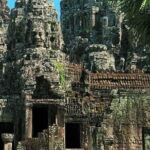
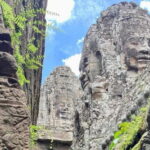
From the village cycling, you move back into temple time. Bayon Temple is a major stop (about 2 hours). Bayon is known for its many stone faces, and the guided explanation helps you understand why the temple looks the way it does and why the symbolism matters. This is one of those stops where good guidance changes your experience: you notice details instead of only spotting the biggest features.
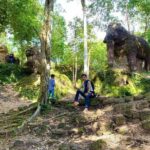
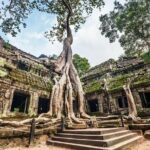
Then comes Ta Prohm (about 2 hours). Ta Prohm has that famous, tree-wrapped feel where the jungle seems to have a claim on the stones. It’s visually striking and often a favorite for photos because you can frame shots in different ways—wide views, close carvings, and the way roots and branches tangle around architecture.
The itinerary also lines up with other parts of the Angkor area such as Angkor Thom City and additional temples like Preah Khan and the Tomb Raider temple. Since the day runs on a schedule and depends on timing, how much time you get at each stop can shift, but you should expect a strong temple sequence.
Practical note: your legs will be tired by this point, so the guide’s ability to keep the group moving without rushing matters. Many guides on this route are praised for pacing and for making the information stick without turning it into a lecture.
You can also read our reviews of more guided tours in Siem Reap
Breakfast and Lunch: Fuel That Actually Works for a Long Day
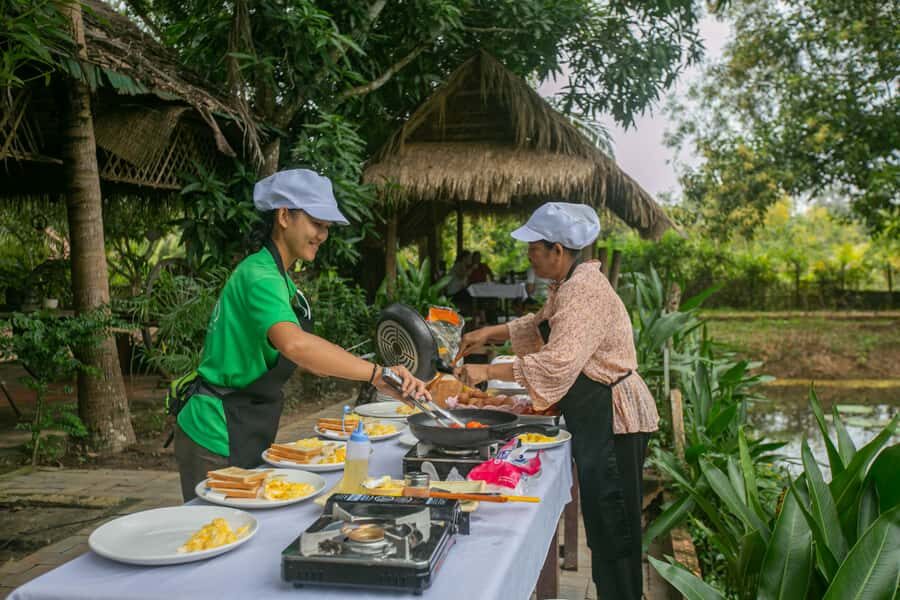
You get breakfast (about 1 hour) after Angkor Wat, and lunch (about 1 hour) at a local restaurant. Both meals are part of the value of this tour. You’re not just paying for sightseeing—you’re paying for energy management.
Breakfast is served at Srah Srang, which gives the morning a natural break from temples. Lunch is described as having a large spread of local dishes, which is great if you want options when you’re sweaty and hungry. Bottled water and snacks are also included, which helps you avoid the common Angkor-day problem: you end up spending time and money searching for food while everyone else gets moving.
There’s also a mention of a quick siesta at the end of the day. That might not be a formal nap policy, but the concept is real: plan to be tired after this one.
Guides and the Small-Group Advantage (Sotin, Voleak, Bunvath, and More)
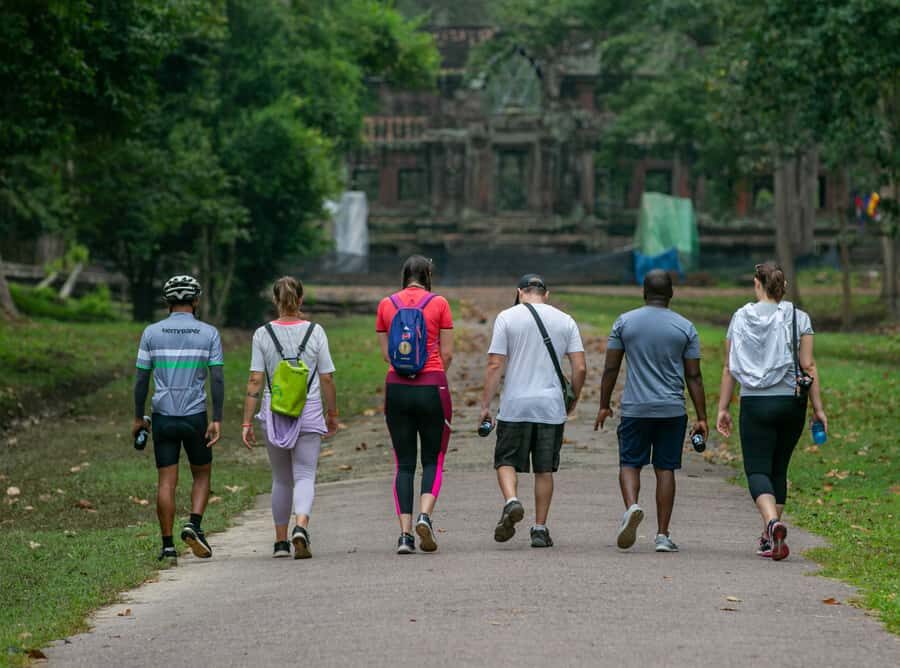
One of the strongest reasons people choose a guided bike tour here is not just the route—it’s the guide. Several guides have shown up repeatedly with excellent results: Sotin, Voleak (also called Handsome), Bunvath, Bo, Tida, Sovann, and Muniz.
What you want from a guide on a day like this is simple:
- Keep the ride safe and organized
- Explain temples clearly
- Adjust pace when cycling gets tough
That’s exactly the combination the day seems built around. People also mention photo help—your guide will often take or help you frame shots, which saves you time and helps you get better photos without stopping the group too much.
Value Check: The $55 Price and What You Still Need to Pay
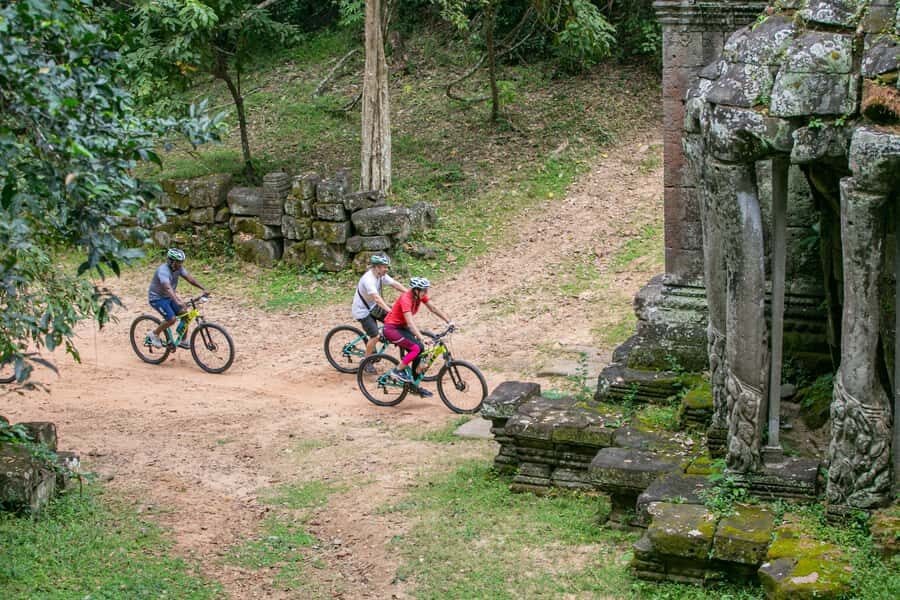
At $55 per person, this is a competitive price for Angkor because you’re getting multiple parts of the day bundled together: pickup/drop-off, a professional guide, bicycle and helmet, support vehicle, breakfast and lunch, plus bottled water and snacks.
The main extra you should budget for is the entrance fee to the Angkor Archaeological Park, since it’s not included. Also, if you want an e-bike, they’re available for an extra $25 paid on arrival (listed as Giant Talon E+3).
So here’s the value logic for you:
- If you’d otherwise pay a separate guide, transport, and meals, the $55 starts to look fair fast.
- If you already have a bike and you only care about a quick temple circuit, you might find other options simpler.
- If you want the sunrise + cycling + meals combo, this price is strong.
The tour is rated 4.8 overall with 48 reviews, which lines up with what people tend to care about most: timing, guide quality, and not feeling like you’re doing an exhausting slog with no payoff.
Weather, Timing, and How to Think About the Long Day
This tour runs rain or shine. That’s not the kind of detail you ignore. Khmer weather can change quickly, and wet paths can make off-road sections more slippery and slower.
Timing is also part of your planning. The tour duration is 8 to 10 hours, and starting times vary by availability. Sunrise means you’ll be up early. The day moves in a sequence: sunrise viewpoint, Angkor Wat guided time, breakfast, Bayon and Ta Prohm guided time, lunch, then back to Krong Siem Reap.
For you, the best approach is to treat it like a workout plus sightseeing day. Bring the right clothes, accept that you’ll be warm, and plan your expectations around a slow-building morning that ends with a full meal and a tired body.
Who Should Book This (and Who Might Want Another Option)
This is a great match if you:
- Want sunrise at Angkor Wat without spending the whole morning stuck in crowds
- Like seeing more than the same few temple spots
- Enjoy cycling and don’t mind some effort in warm weather
- Want local food included instead of guessing where to eat halfway through
It may not be the best fit if:
- You’re pregnant (this tour is listed as not suitable)
- You’re unable to handle long hours in the heat and cycling on mixed surfaces
- You want a fully relaxed, very low-effort day
If you’re new to cycling, you might find the route adjustable. Still, don’t confuse adjustable pace with zero effort. Off-road sand/tarmac sections can feel harder than you expect on a bike.
Should You Book This Angkor Wat Sunrise Bike Tour?
My take: book it if sunrise is a priority and you want to see Angkor in a way that mixes temples with real surroundings—villages, trails, and the slower pace that bicycles make possible.
You should strongly consider skipping it if you hate early mornings, dislike long days, or get anxious on mixed-surface bike routes. Also remember: the park entrance fee is extra, and you’ll need to follow the dress rules for temple areas.
If you can handle a long, active day, this is a smart way to turn Angkor from a checkbox into a morning story—one that starts with sunrise light on Angkor Wat and keeps moving all the way through breakfast, temple faces, jungle stones, and lunch to fuel the ride back.
FAQ
How long is the Angkor Wat guided sunrise bike tour?
The tour lasts 8 to 10 hours, depending on starting time availability.
Is the Angkor Archaeological Park entrance fee included?
No. Entrance fee to the Angkor Archaeological Park is not included.
What meals are included?
Breakfast is included at Srah Srang, and lunch is included at a local restaurant. Bottled water and snacks are also included.
Do I get a bike and helmet?
Yes. Bicycle and helmet are included, and a support vehicle travels with the group.
Are e-bikes available?
Yes. E-bikes are available for an extra charge of $25, paid on arrival (Giant Talon E+3).
What clothing is not allowed?
Shorts, short skirts, and sleeveless shirts are not allowed. The tour takes place rain or shine.