REVIEW · SIEM REAP
Angkor Wat: Small-Group Tour with Balloon Ride and Lunch
Book on GetYourGuide →Operated by GREEN ERA TRAVEL · Bookable on GetYourGuide
Angkor looks different with a guide’s map. This small-group tour pairs big-ticket sights like Angkor Wat with hands-on Khmer history from a local English-speaking scholar, then adds a tethered helium balloon ride for aerial views of the temple and surrounding park. The day feels structured, not rushed, and you get help spotting what matters in the carvings and architecture.
I especially like two things: first, the guide-led explanations that put the bas-reliefs and temple layout into human context, not just names on a sign. Second, the balloon portion is short (10 minutes) but high impact, since you rise about 200 meters for a bird’s-eye angle.
One consideration: the balloon is weather dependent, so your timing (and even whether you get the best light) can shift.
In This Review
- Key things to know before you go
- A tight 7 hours from pickup to drop-off
- Angkor Wat: what to focus on beyond the postcard views
- Angkor Thom: South Gate, 108 guardians, and the Bayon faces
- Terrace stops: elephants and the Leper King
- Ta Prohm and the tree-root effect
- Lunch break: Khmer set menu and a practical midday reset
- The balloon ride: 10 minutes, tethered, and timed by weather
- Price and value: what $111 really turns into
- Comfort and rules that affect your day
- Who this small-group Angkor day is best for
- Should you book Angkor Wat with a balloon ride and lunch?
- FAQ
- What time does the tour start and how long is it?
- Are Angkor entrance fees included in the price?
- How long is the balloon ride and is it included?
- When does the balloon ride happen?
- What should I wear and what is not allowed?
- Is this tour suitable for everyone?
Key things to know before you go
- Local Khmer history guide: You’re taught the meaning behind the carvings and architecture, not only the route.
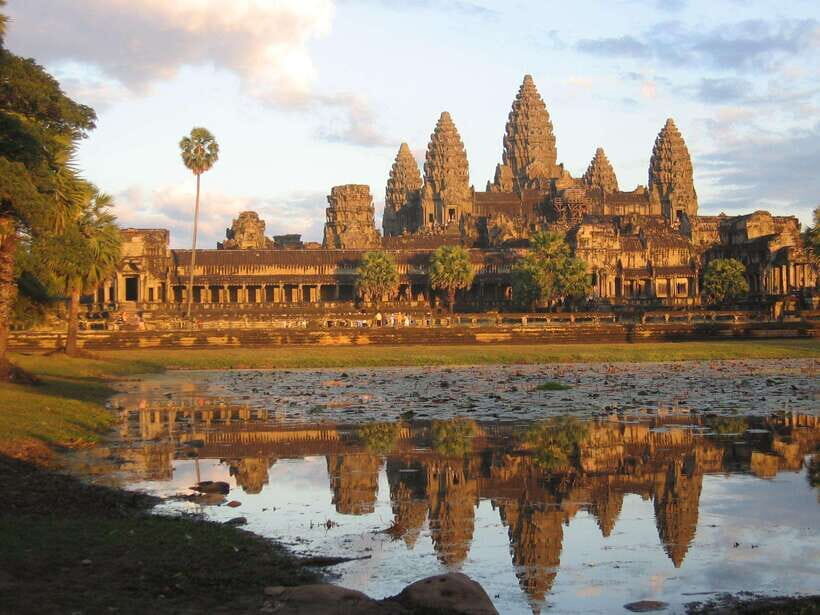
- Angkor Wat plus Angkor Thom in one day: South Gate, the Bayon faces, and the major terraces are all planned in sequence.
- Ta Prohm’s tree-root drama: You’ll see why this temple looks like nature is reclaiming stone.
- Tethered helium balloon, 10 minutes: You get a real view from about 200 meters, insurance covered.
- Cold bottled water on tour: A small comfort that matters in Siem Reap heat.
- Entrance fees are extra: The Angkor Pass isn’t included, so budget for it in advance.
A tight 7 hours from pickup to drop-off
This is a 7-hour day built around getting you into the park early and keeping the temples moving. Hotel pickup is included in the city center, with schedules listed around 8:00–8:30 AM, and you’re asked to be ready by about 7:30 AM.
You’ll ride in a shared air-conditioned vehicle. That’s a practical win because Cambodia’s morning warmth can turn into full-on heat fast, and your feet will already be busy inside the temple grounds.
A few more Siem Reap tours and experiences worth a look
Angkor Wat: what to focus on beyond the postcard views
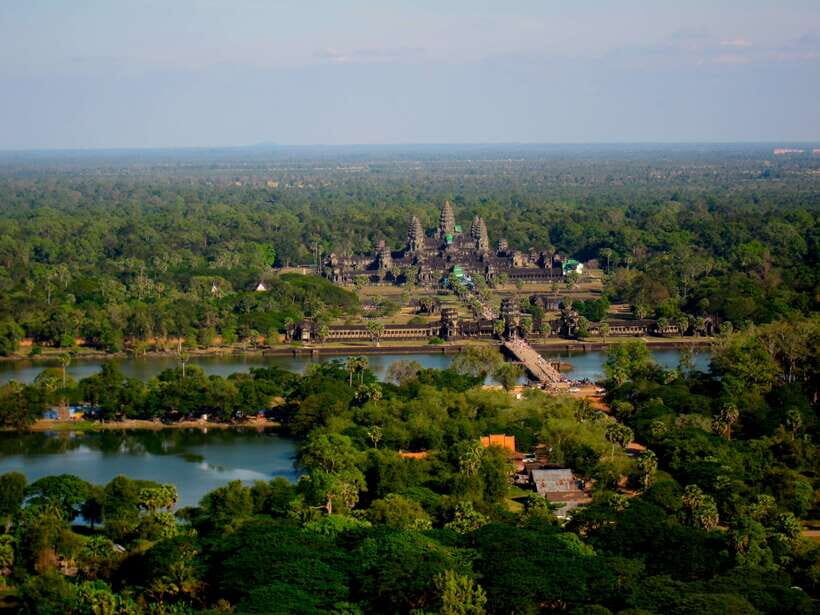
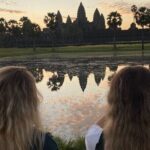
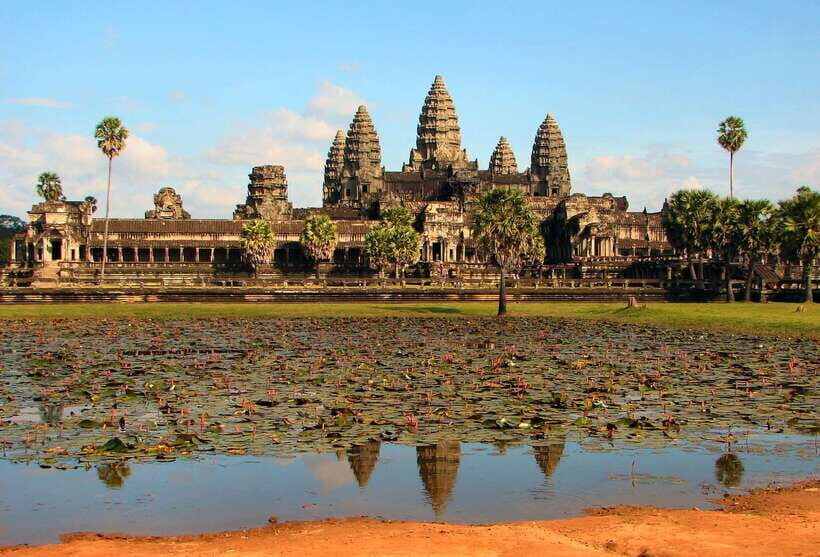
You start at the Angkor Wat area after transferring to the ticket office to buy your Angkor Pass (entrance fees are not included). Plan on paying the entrance fee on your own; it’s listed at $37 per person.
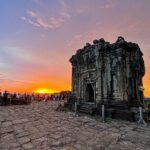
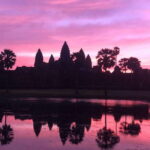
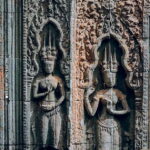
Angkor Wat is the kind of place where the scale can fool you. From a distance, it looks like one perfect complex. Up close, it’s all about layers: terraces, doorways, columns, and corridors packed with fine bas-relief carvings.
What makes this tour work is the guide’s job. You don’t just walk from one platform to another—you learn how the carvings and architectural choices connect to Khmer belief and symbolism. If you’re the type who loves explanations, this portion is where the tour earns its keep.
You’ll also spend real time inside the complex, not just a quick circuit. That matters because the best details are often at eye level, slightly off the main foot traffic.
Angkor Thom: South Gate, 108 guardians, and the Bayon faces
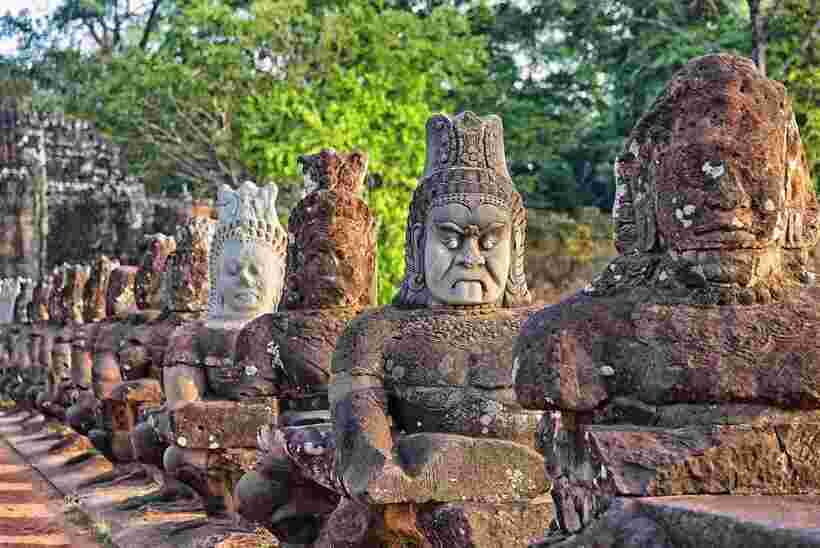
Next comes Angkor Thom, the fortified city. You enter through the South Gate, walking down the causeway lined with mythical guardians—demons and gods—on both sides. The total set of 108 creatures along the causeway is a detail worth slowing down for.
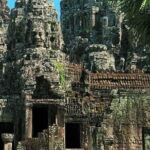
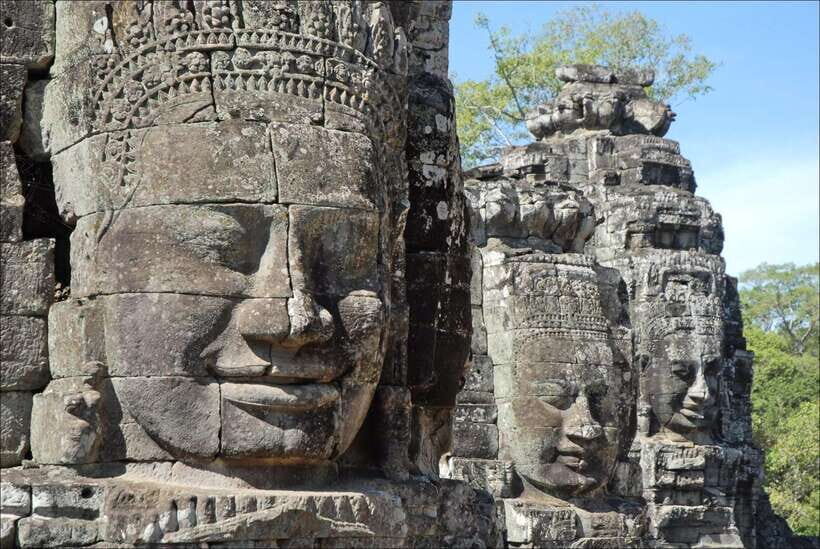
Then you hit the Bayon Temple, one of the busiest spots for a reason. Bayon is famous for its over 200 large faces across 54 towers, which ties back to the 54 provinces of the Khmer Empire. Even if you’ve seen photos before, the repetition here feels different in person. The faces don’t just decorate; they change the way you experience the space while you walk.
This is also a good point to use your guide’s storytelling. When someone explains what you’re looking at—why certain faces or motifs show up where they do—you stop seeing it as decoration and start seeing it as design.
Terrace stops: elephants and the Leper King
The route continues to two terraces: the Terrace of the Elephants and the Terrace of the Leper King. These stops are smaller than Bayon in visitor attention, but they’re the places where you can really appreciate the carving work.
Why terraces matter: they’re functional and symbolic. They control movement, frame views, and carry scenes carved into stone that you’d otherwise miss if the day only focused on the biggest names.
If you’re trying to understand Khmer art, these areas are great because they show how narrative and architecture overlap. You’ll likely spend enough time here to notice details, not just pass through.
Ta Prohm and the tree-root effect
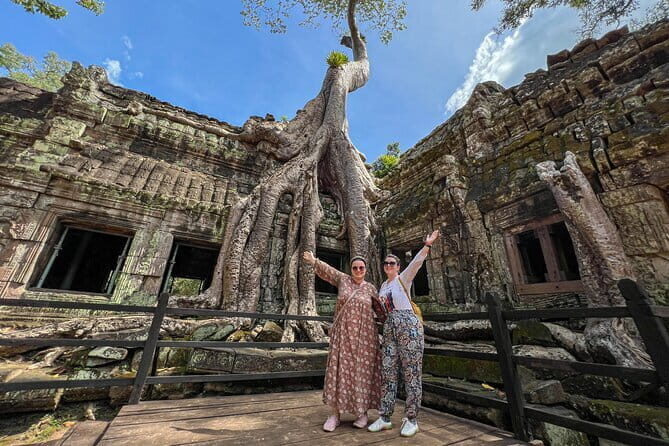
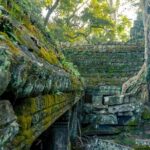
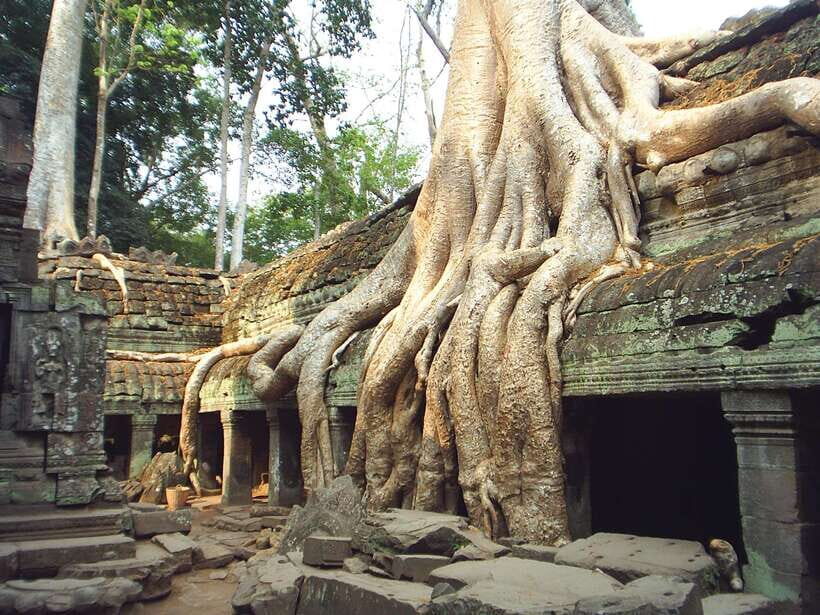
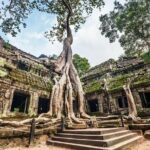
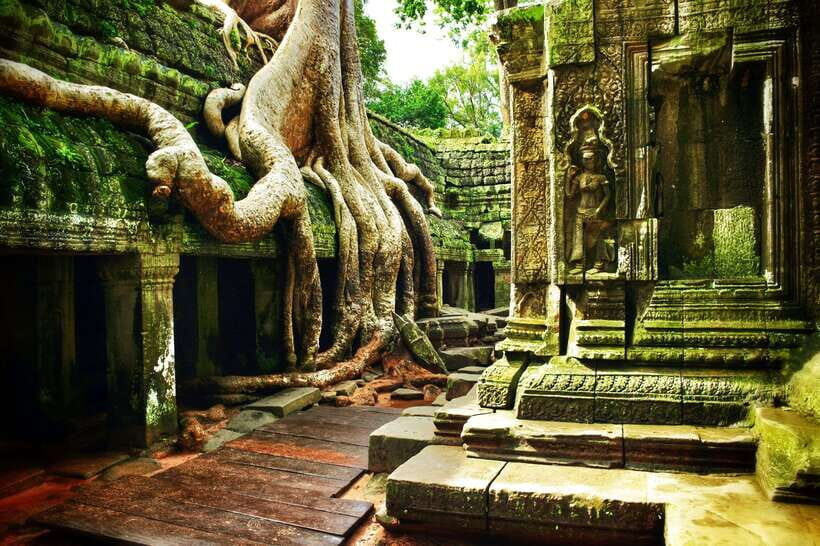
In the afternoon you go to Ta Prohm Temple, built around AD 1186 under King Jayavarman VII. This is the temple where the trees look like they’re actively pushing through stone—one of those Angkor scenes that feels almost staged, even though it’s the result of nature and time.
Ta Prohm is a favorite because your brain can’t stop tracking the contrast: straight human-made edges versus twisting living roots. It’s the kind of place where you might linger longer than planned, just to get different angles as you walk.
This portion is also a reminder that Angkor is still a working environment for visitors. You’re navigating paths, steps, and uneven surfaces, so comfortable shoes aren’t optional. You’ll also want sunglasses and sunscreen for the open sections.
Lunch break: Khmer set menu and a practical midday reset
After temple time, you get a Khmer lunch (set menu). Drinks during lunch are not included, so bring water choices in mind. The tour does provide cold bottled water during the tour, which is helpful, but it’s not a substitute for eating and rehydrating during the hottest stretch.
I like that the lunch is built into the schedule rather than making you scramble for food on your own. In Angkor days, logistics matter. A smooth midday break helps you keep your energy for the afternoon and any balloon timing that might depend on conditions.
The balloon ride: 10 minutes, tethered, and timed by weather
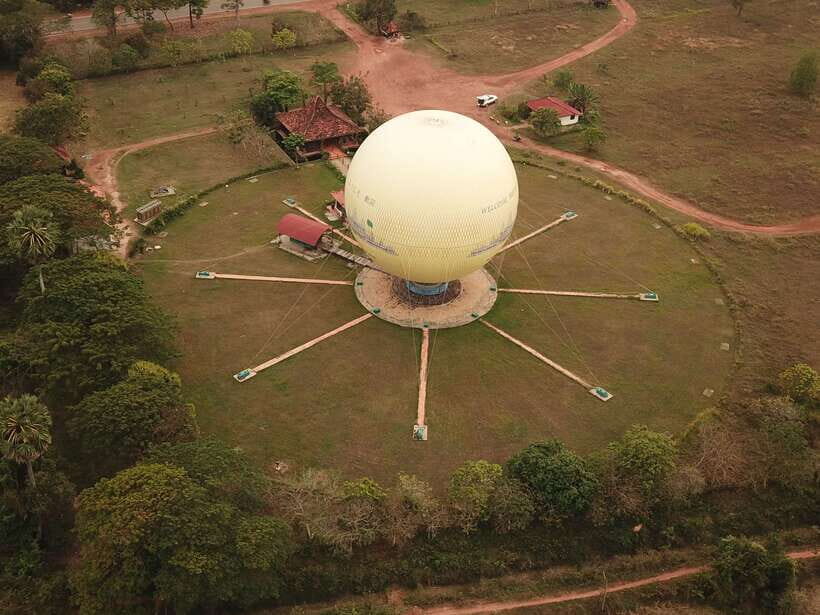
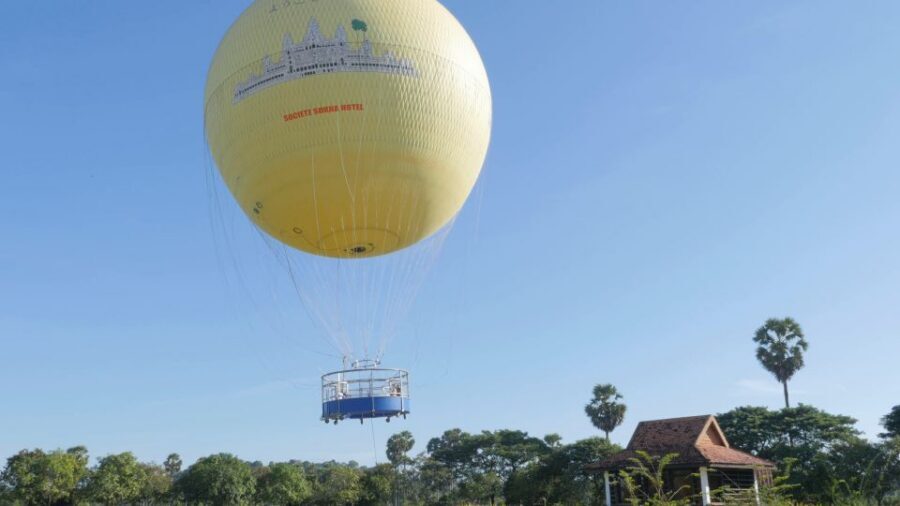
After the temples, and only if conditions allow, you get a tethered helium balloon ride. The ride is 10 minutes, and it’s listed as insurance covered.
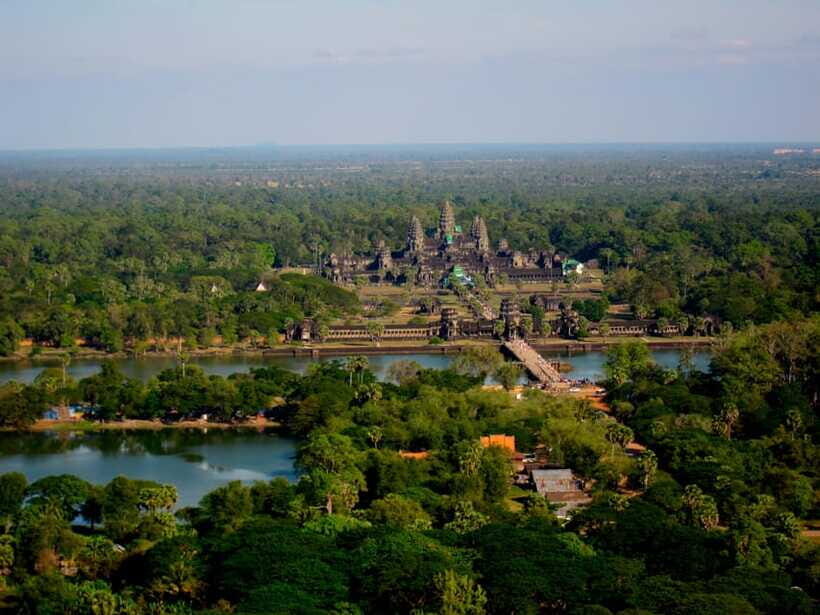
You rise about 200 meters over the site, with views over Angkor Wat and the National Park area. The plan is to admire the setting sun over the temple and jungle, which is why timing matters so much.
Here’s the big practical point: the balloon is subject to weather conditions, and the ride window is scheduled anywhere between 6:00 AM and 5:00 PM depending on weather. That means you should mentally treat it as a bonus timing challenge, not a guaranteed sunset at a specific minute.
If you’re sensitive to disappointment, this is the one part I’d plan for as optional light. The temples are the certainty; the balloon is the reward when the sky cooperates.
Price and value: what $111 really turns into
The price listed is $111 per person for a 7-hour small-group outing with a local English-speaking guide, transport in an air-conditioned vehicle, lunch, and the balloon (where available).
Entrance fees add $37 per person, so your realistic total before drinks and personal spending is closer to $148. Once you add that, the question becomes: what are you really paying for?
In my view, you’re paying for:
- A guide who explains temple design and Khmer meaning (not just route notes)
- A day plan that pairs Angkor Wat and Angkor Thom efficiently
- A balloon ride component that many self-guided days can’t replicate without extra legwork
- Convenience: hotel pickup/drop-off in the city center and bottled water
Some guide names tied to excellent experiences show up in real departures, which tells you the human factor is taken seriously. For example, guides including Chou, Chantorn, NAK Chum, and Phuy Phy have been mentioned as especially informative, and drivers like Vong and Pola were noted for staying on track and making the route smoother in heat. That kind of on-the-ground competence is hard to price, but it’s often the difference between a tiring day and a rewarding one.
Is it expensive? It can be, especially if you only want one temple and nothing else. But if you want the full Angkor story in a single day with a balloon option, the value math starts to look more reasonable.
Comfort and rules that affect your day
This tour involves moderate walking, so pace yourself. You’ll be on uneven ground and dealing with steps, especially in the temple complexes. Don’t underestimate the heat, either—bring the basics: comfortable shoes, sunglasses, sun hat, and sunscreen.
You should also know what clothing is not allowed. Shorts, sleeveless shirts, and drones aren’t permitted. You’ll want to stick to pants or knee-length skirts/dresses for the balloon part as well.
A few other practical rules matter:
- No food in the vehicle
- Unaccompanied minors aren’t allowed
- The tour is not wheelchair accessible
- It’s not suitable for pregnant women
If you’re visiting with kids, there’s a clear expectation: children must be accompanied by an adult.
Who this small-group Angkor day is best for
This tour is a great fit if you want:
- A guided day where temple carvings and symbols get explained clearly
- Efficient coverage of Angkor Wat + Angkor Thom + Ta Prohm
- A balloon ride option without having to organize it yourself
It’s also a strong pick if you like photos. One guide was described as producing phone-friendly, photo-focused guidance, and that kind of support can help you get better angles in a place where crowds and timing usually dictate what you capture.
You might skip this tour if:
- You’re very price sensitive and only care about one main temple
- Your mobility is limited (uneven steps and walking are part of the plan)
- The balloon experience is the only thing you’re booking for, since weather can change it
Should you book Angkor Wat with a balloon ride and lunch?
If you want the classic Angkor hits plus a short balloon view, this is an easy yes. The schedule is built for a full day—Angkor Wat first, then Angkor Thom, then Ta Prohm, with lunch in the middle and a balloon opportunity at the end when weather allows.
I’d book it if you enjoy learning as you walk and you want an expert local voice for the carvings and temple meaning. I’d hesitate only if your top priority is a guaranteed sunset balloon moment. Everything else—temples, lunch, guide-led explanations, and the overall structure—is the dependable part of the day.
FAQ
What time does the tour start and how long is it?
The tour is listed as 7 hours. Hotel pickup is included around 8:00–8:30 AM, with a request to be ready by about 7:30 AM.
Are Angkor entrance fees included in the price?
No. Entrance fees are not included, and the Angkor Pass is described as being purchased at the ticket office on your own. The entrance fee is listed as $37 per person.
How long is the balloon ride and is it included?
The tour includes a tethered helium balloon ride for 10 minutes (insurance covered), assuming weather conditions allow it.
When does the balloon ride happen?
The balloon ride is weather dependent and can run anywhere between 6:00 AM and 5:00 PM depending on conditions.
What should I wear and what is not allowed?
Bring comfortable shoes, sunglasses, sun hat, and sunscreen. Shorts, sleeveless shirts, and drones are not allowed. Pants or knee-length skirts/dresses are permitted.
Is this tour suitable for everyone?
It is not suitable for pregnant women and it is not wheelchair accessible. The tour also notes that unaccompanied minors are not allowed.