REVIEW · SIEM REAP
Angkor Wat Sunrise and Angkor Thom Sunset Tour
Book on Viator →Operated by Angkor Doors · Bookable on Viator
That 4:30 am sunrise is worth planning around. This private day pairs Angkor Wat at dawn with an afternoon Angkor Thom sunset, plus a real hotel break in between. I love the private guide with commentary matched to what you care about and the hotel stop that keeps you from melting in the heat; just remember sunrise can still feel crowded and litter is sometimes noticeable.
I also like that this is built around timing. You’re picked up early, driven in AC, and kept on track for the big hits: Ta Prohm, Banteay Kdei, then Angkor Thom. In past groups, guides such as Peng, Samnang, and Bunpheng were praised for English and for steering people toward better photo spots and calmer paths.
In This Review
- Key points before you go
- Price and logistics: what $59 really buys you
- The timing plan: sunrise, a hotel reset, then sunset
- Sunrise at Angkor Wat: how to make the dawn worthwhile
- Ta Prohm: the tree roots problem (and the photo rewards)
- Banteay Kdei: shorter stop, meaningful payoff
- Angkor Thom in the afternoon: moving from history to sunset
- Your guide and driver: where the quality shows up
- Who this sunrise-to-sunset Angkor tour is best for
- Should you book? My honest call
- FAQ
- What time does the tour start?
- How long is the tour?
- Is the Angkor Pass included in the price?
- What’s included in the tour price besides the guide?
- Is lunch included?
- What temples and sites are visited?
- Is this tour private?
- Does the tour run in bad weather?
- What should I wear or bring?
- Can I get a full refund if I cancel?
Key points before you go
- 4:30 am pickup means real dawn light at Angkor Wat, not a rushed morning.
- Private guide support, with commentary tailored to your questions and pace.
- Hotel break in the middle of the day turns a long day into something you can handle.
- Best-of Angkor route with smart spacing across the Angkor Archaeological Park.
- AC transport and cold water keep the day moving, even when it’s hot.
Price and logistics: what $59 really buys you
This tour is listed at $59 per person, and it’s priced like a full-day service, not just “someone with a van.” You’re paying for an English-speaking guide, AC transportation, early pickup, and a structured route that hits both sunrise and sunset.
What’s not included is the big line-item you’ll feel when you arrive: the one-day Angkor Pass is $37 per person. In other words, your all-in cost is closer to $96 per person before you add lunch and drinks. If you’re already planning to do multiple major temples, that pass cost usually makes sense—especially since this route goes beyond Angkor Wat.
Also note the rhythm: the tour is about 9 to 10 hours total, with a midday reset back at your hotel. That’s a big deal in Siem Reap. Most days around Angkor are physically and mentally tiring because the heat is relentless. This format helps you recover instead of forcing you to “power through.”
Finally: entry fees can’t be assumed, and you’ll want to budget for food and drinks. Water is provided, but lunch isn’t.
You can also read our reviews of more evening experiences in Siem Reap

The timing plan: sunrise, a hotel reset, then sunset
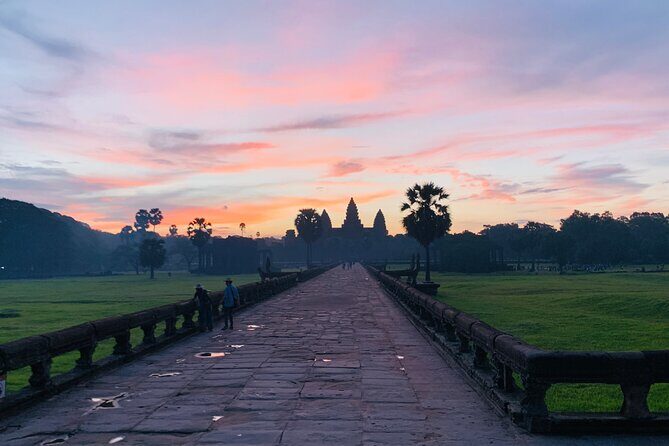
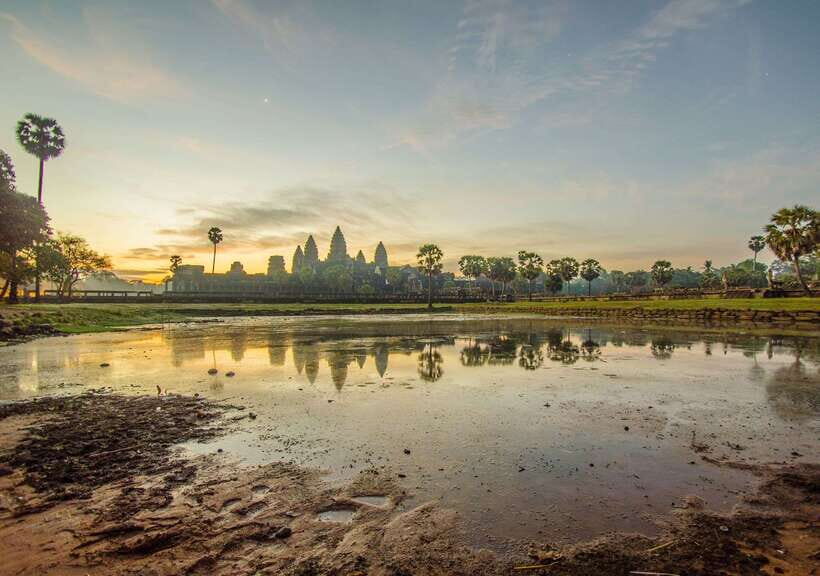
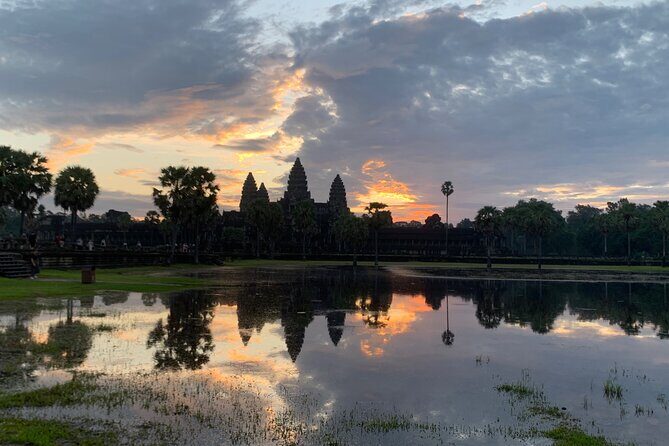
The schedule starts with a 4:30 am pickup. That early departure is non-negotiable for true sunrise at Angkor Wat. If you’ve never done dawn at Angkor, here’s why it matters: it’s cooler, the light is softer, and you’re not walking into the heaviest crowd crush.
After Angkor Wat, the tour moves through two key temple stops before the middle-of-day break. You’re back at your hotel long enough to cool down and reset. In a few cases, people mentioned using that break for lunch and even personal downtime like a swim or massage, depending on what was available at their hotel and what they felt like doing.
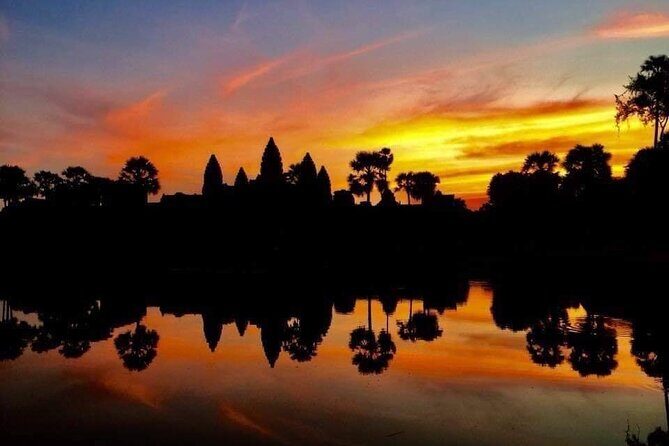
Then the afternoon run shifts to Angkor Thom, finishing with a sunset moment near the South Gate area. By then, the day heat is easing, and the temple grounds often feel less chaotic than the early morning entry lines.
This is the big value of the tour design. You’re not just stacking temples—you’re spacing them so the day stays enjoyable.
Sunrise at Angkor Wat: how to make the dawn worthwhile
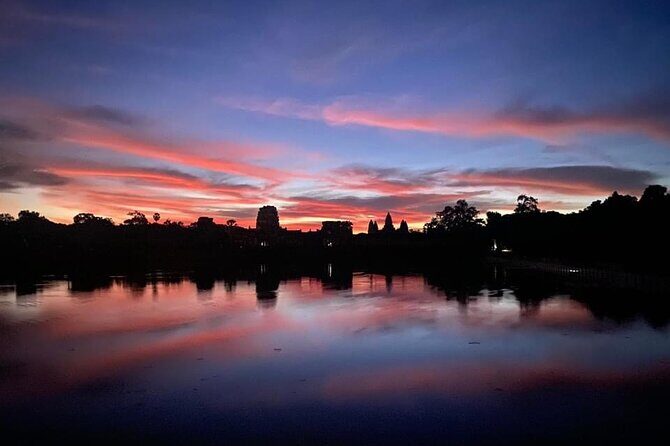
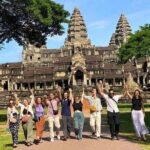
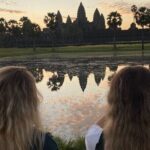
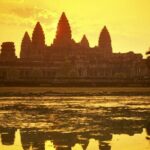
Angkor Wat is the headline. The tour’s strongest pull is that it doesn’t start at a civilized hour. You’ll travel out early, watch the sun rise over the main temple, and then explore the complex after.
Here’s what I think matters most at dawn. First, the temple looks different when the sky is still calm. Shadows stretch across the stone, and the whole place feels more dramatic than midday. Second, you’ll have a better chance to move with a plan instead of constantly dodging streams of people.
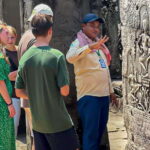
Your guide’s job here is more than “tell me what this is.” In guides praised in past groups—like Peng and Sophat—the repeated theme was photo help: where to stand, when to move, and how to get views without fighting the biggest bottlenecks. That’s especially useful because sunrise crowds can still gather fast once people start entering.
One consideration: even at dawn, it can still be crowded. And while that’s normal for Angkor, some visitors also noted litter around during sunrise. You can’t control that, but you can control your mindset: go in expecting a big, shared experience—and bring a slightly flexible mood.
Ta Prohm: the tree roots problem (and the photo rewards)
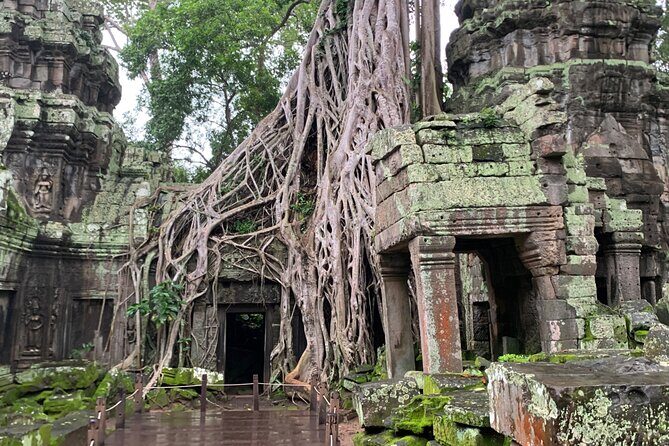
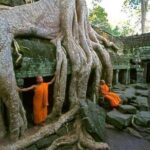
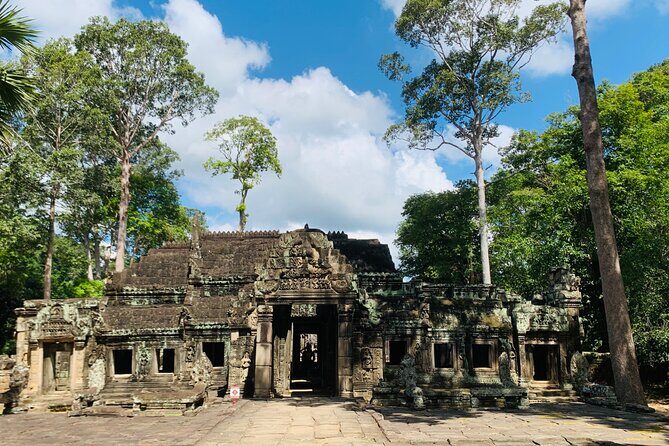
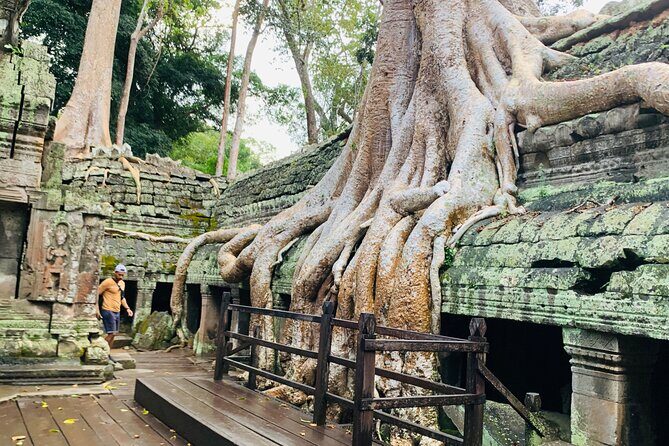
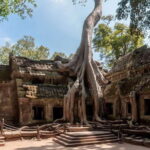
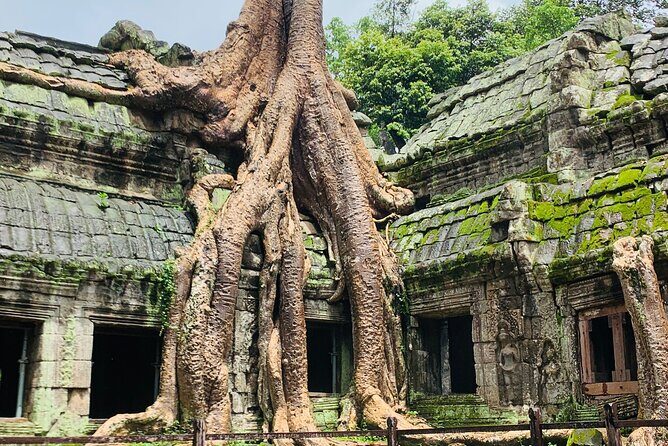
After Angkor Wat, you’ll head to Ta Prohm. This is one of the temple sites that feels instantly recognizable, mainly because the stone and roots play tug-of-war right in front of you.
The tour includes about 2 hours here, which is a good length. It gives you time to wander slowly through the carved corridors and open areas without feeling like you’re sprinting between photo points. It’s also long enough to learn what you’re looking at, instead of just snapping pictures and moving on.
Ta Prohm also works well for understanding the Khmer layered story. The site was built as a Buddhist monastery and university, and it reflects shifts in religious life across centuries. A good guide can connect that context to details you might otherwise miss—like the way spaces were designed for ritual and daily monastic life.
One practical note: this stop is still outdoors and still involves walking. Wear shoes you trust. If you’re someone who gets lightheaded in the heat or during steep steps, keep your pace slow and tell your guide. In at least one case, a guide (Sear Voeurn) helped a solo traveler maneuver safely so they could keep going.
Banteay Kdei: shorter stop, meaningful payoff
Next is Prasat Banteay Kdei, roughly 1 hour on the plan. The name translates to “A Citadel of Chambers,” and that’s a good mental image for how the site feels: more intimate, more structured, and less chaotic than the biggest headline zones.
This temple was built in the late 12th and early 13th centuries by King Jayavarman VII, during the same broad era as many of Angkor’s most recognizable monuments. That connection matters, because it helps you see Angkor as one evolving civilization rather than a list of unrelated ruins.
Why I think this stop earns its place in the route: it gives your eyes a break. Ta Prohm is visually intense; Banteay Kdei lets you regroup and focus on layout, stone details, and the overall rhythm of temple design. If your morning already felt like information overload, this is a breather stop.
The drawback? If you’re the type who wants to linger everywhere, one hour can feel short. But the flip side is that it helps protect the midday break and keeps the schedule realistic in the heat.
A few more Siem Reap tours and experiences worth a look
Angkor Thom in the afternoon: moving from history to sunset
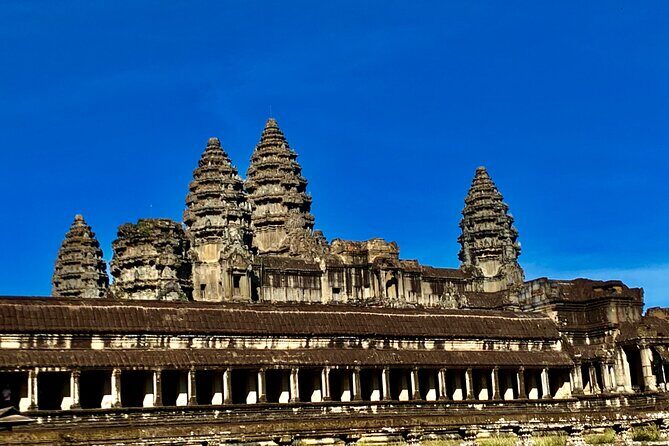
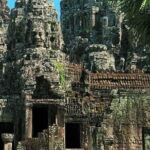
In the afternoon, you’ll visit Angkor Thom, the ancient capital city of the Khmer Empire. The tour gives you about 3 hours here, which is enough to cover the major sights without feeling like you’re only “passing through.”
You’ll see highlights such as the Royal Palace, the Terrace of the Elephants, and the Terrace of the Leper. Even if you’ve seen photos before, it helps to see how these terraces connect visually to the larger city layout.
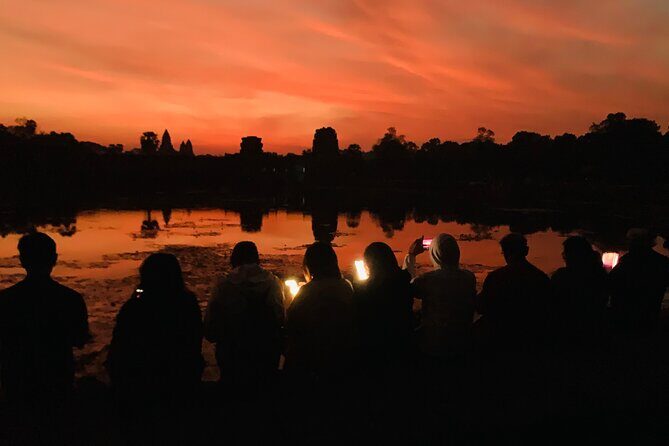
Then comes the payoff: the tour lingers for sunset near the South Gate. This part of the day works well for two reasons. First, the light turns warm and forgiving, which helps your photos and your eyes. Second, crowds often behave differently later in the day—people move in waves, and there’s more breathing room to slow down.
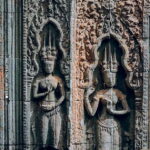
If you’re the kind of person who asks lots of questions, your guide matters here even more than at Angkor Wat. One recurring praise in past experiences was guides who explained carvings, symbolism, and how Hindu and Buddhist stories show up in what you’re seeing on the walls.
At this stage, the best tours don’t just point. They translate the stones into something you can hold in your head.
Your guide and driver: where the quality shows up
This tour is built as a private experience, meaning it’s only your group. That changes everything compared to mass group buses. You can ask questions. You can move at your pace. You don’t get stuck waiting for everyone else to finish a photo pose.
In past tours, guides like Samnang, Bunpheng, and Sophat stood out for English skills and for making the morning sunrise and afternoon sunset feel planned rather than random. People also praised how guides helped them avoid the worst crowd pressure and find better angles off the beaten lines.
Drivers also get credit. Cold water was included in the tour, and some visitors mentioned cold wet towels and extra care at breaks and returns to the vehicle. That little comfort is not “extra.” It’s what keeps you functional during an 4:30 am start.
One more detail I’d take seriously: this tour notes a moderate physical fitness level. That doesn’t mean you need to be an athlete. It does mean you’ll be walking a fair bit across uneven temple ground. If you have injuries or balance issues, tell your guide early. You’ll get a safer pace and more patience.
Who this sunrise-to-sunset Angkor tour is best for
This is a great match if you want the highlights without planning your own logistics. The route covers Angkor Wat, Ta Prohm, Banteay Kdei, and Angkor Thom, which is ideal for first-timers who want a strong foundation in one day.
It’s also ideal if you hate the idea of spending the whole day in peak heat. The hotel break is the secret weapon. If you’re traveling as a couple, it also works because private pacing makes the temples feel more personal.
Where it might not fit: if you prefer a purely flexible schedule where you can linger as long as you want at each site, the times can feel structured. This route is efficient by design, and you’re trading freedom for focus.
If you’re short on time in Siem Reap (like you only have 1.5 days), this kind of combo tour can be the smartest way to avoid regret.
Should you book? My honest call
Book this tour if you want both dawn and dusk at Angkor without turning your trip into a heat-drenched endurance event. I especially like that the schedule builds in a hotel reset, because that’s what keeps the day enjoyable instead of just impressive.
Don’t book it if you’re chasing a slow, quiet, no-crowds fantasy. Sunrise can still be crowded, and the environment is not perfect. Also, factor in the $37 Angkor Pass plus food so the final total doesn’t surprise you.
If you want one practical tip: get your pass sorted ahead of time, then show up early, hydrated, and ready to walk. With a good guide, you’ll get more than temple photos—you’ll get meaning, story, and context you can remember.
FAQ
What time does the tour start?
Pickup is at 4:30 am, with an early drive out to Angkor Wat for sunrise.
How long is the tour?
Plan on about 9 to 10 hours total.
Is the Angkor Pass included in the price?
No. The One Day Angkor Pass ($37 per person) is not included.
What’s included in the tour price besides the guide?
You get an English-speaking guide, transportation (AC car/minivan/minibus), and bottled cold drinking water.
Is lunch included?
No. Food and drinks are not included, and you’ll have time to return to your hotel during the day.
What temples and sites are visited?
You’ll visit Angkor Wat, Ta Prohm, Prasat Banteay Kdei, and Angkor Thom (with sunset near the South Gate area).
Is this tour private?
Yes. It’s described as a private tour/activity, with only your group participating.
Does the tour run in bad weather?
It operates in all weather conditions. Dress appropriately, and bring a rain coat or umbrella in the wet season.
What should I wear or bring?
Wear clothes suited for hot weather, and bring a rain option if needed. You may also want comfortable shoes since there’s a lot of walking.
Can I get a full refund if I cancel?
Yes. Free cancellation is allowed up to 24 hours in advance for a full refund.