REVIEW · SIEM REAP
Full-Day ‘Big Tour’ with Sunset at Phnom Bakheng
Book on Viator →Operated by Angkor Wat Shared Tours · Bookable on Viator
A sunset temple day in Angkor is a rare kind of magic. This 8-hour Big Tour strings together several major sites in one smooth route, with a Khmer guide to explain what you’re seeing and a shot at Phnom Bakheng at dusk. What I like most is the way the day balances famous faces with temples that feel calmer, and the small-group pace (up to 15) that still keeps the schedule moving. My only real caution: sunset depends on weather, and pickups can run later than advertised on some days.
You’ll start with an air-conditioned ride and a driver, then get a timed stop at the Angkor Ticket Office before entering Angkor Park. After that, it’s temples in a logical order that builds from first impressions (Pre Rup) into weirder, more overgrown, and more atmospheric stops (Ta Som and Neak Pean), then finishes with the big finale at Phnom Bakheng.
In This Review
- Key Things to Know Before You Go
- The Big Circuit Route: From Pre Rup to Phnom Bakheng
- Pickup and Timing: How to Avoid a Late Start
- Angkor Park Ticket Stop: Plan for Tickets First
- Pre Rup: The First Temple Stop That Sets the Tone
- East Mebon and Ta Som: Where the Temple Looks Like a Story
- Neak Pean: The Island Shrine Feeling
- Preah Khan: A 12th-Century Temple With a Clear Purpose
- Phnom Bakheng Sunset: The Big Finale and the Weather Gamble
- Guide and Group Energy: Small-Group Tempo That Actually Feels Personal
- Price and Value: Why $18.47 Can Be a Good Deal
- Who This Tour Is Best For (and Who Might Want Something Else)
- Quick Tips to Make Your Day Smoother
- Should You Book This Phnom Bakheng Sunset Big Tour?
- FAQ
- How long is the Phnom Bakheng Big Tour?
- What time does the tour start?
- Does the tour include pickup and drop-off?
- Are Angkor Park tickets included in the price?
- Which temples are included on the route?
- What’s included in the tour cost?
- What is the group size limit?
- What happens if I cancel?
Key Things to Know Before You Go
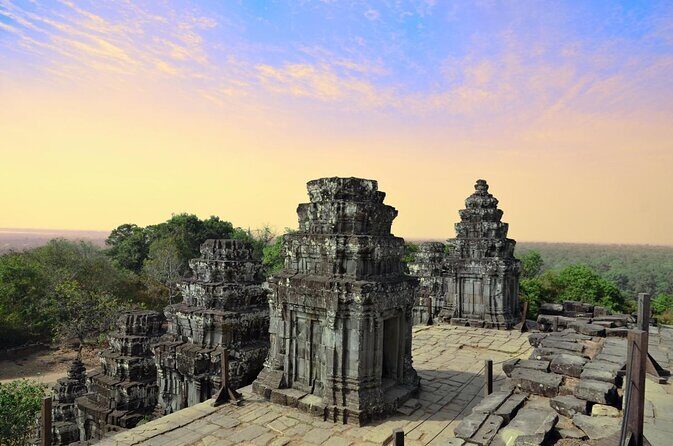
- A tight circuit with big payoff: Pre Rup, East Mebon, Ta Som, Neak Pean, Preah Khan, then Phnom Bakheng for sunset.
- Your guide makes the temples make sense: an English-speaking Khmer expert who can point out the story behind each stop.
- Angkor ticket stop is built in: there’s a 15-minute stop at the Angkor Ticket Office before you enter Angkor Park.
- Small group, sometimes very small: the tour caps at 15, and on at least one day a guest ended up going by tuk-tuk because they were the only booking.
- Sunset is the gamble: Phnom Bakheng is the target, but weather can spoil the timing and visibility.
The Big Circuit Route: From Pre Rup to Phnom Bakheng
This tour is built for people who want to see a lot of Angkor without turning the day into a map-chasing nightmare. The order matters. You begin with Pre Rup, then move through a mix of large, historical structures and temples that look like the jungle tried to reclaim them. By the time you reach Preah Khan, the day has shifted from “spot the landmark” to “read the patterns.” That’s when the carvings, layouts, and temple purpose start to feel connected.
One more practical thing: the route is paced so you’re not spending every minute scrambling for the next photo. That’s why the small group size matters. Even with up to 15 people, you’re still moving as one unit, with your guide setting the rhythm and helping you understand what to notice.
If you’re the kind of traveler who wants a first Angkor overview you can trust, this circuit format is a strong fit. If you’re chasing only the most famous icon, you might find yourself pleasantly surprised by how the less-hyped stops keep the day feeling varied.
You can also read our reviews of more evening experiences in Siem Reap

Pickup and Timing: How to Avoid a Late Start
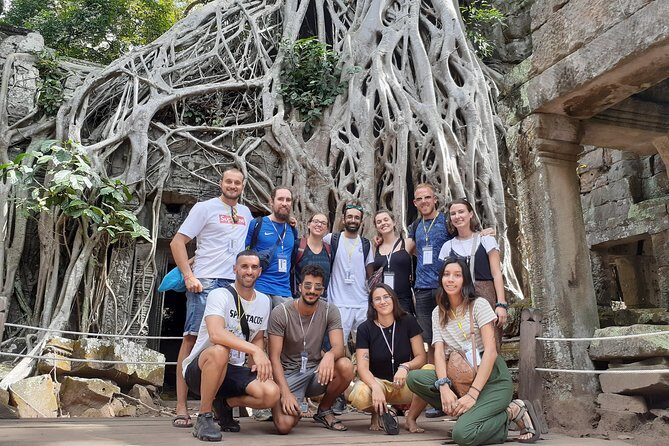
The day starts at 10:30 am, but the pickup happens about half an hour earlier. In other words, be ready at your meeting point in Siem Reap with enough buffer that you’re not sprinting to the van.
There’s also a timing rhythm after pickup. Before heading into Angkor Park, you stop at the Angkor Ticket Office for about 15 minutes so everyone can purchase tickets. Tickets are not included in the tour price, so this stop is your moment to handle that before the real temple time begins.
A note worth taking seriously: in one case, the tour response to a pickup timing promise was later than expected. That doesn’t mean it’s always late, but it does mean you shouldn’t schedule another strict commitment right after your tour ends. Treat the day like a moving train: convenient once you’re on it, but not built for tight connections.
Angkor Park Ticket Stop: Plan for Tickets First
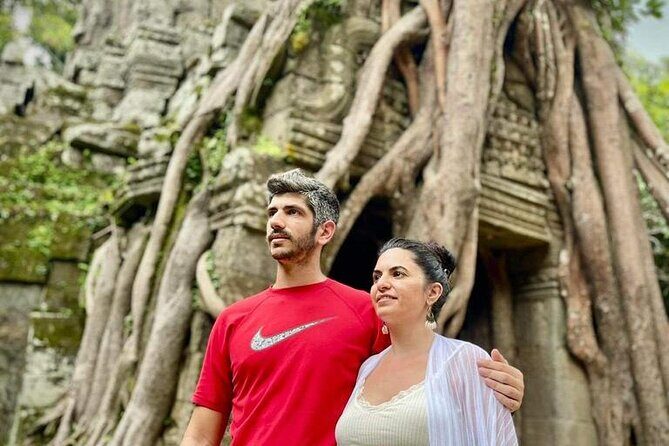
The tour includes the guide, vehicle, and bottled water, but it does not include all fees and taxes. The ticket office stop makes that concrete. This is the stage where you confirm you have the right ticket for your visit, then you’re ready to walk into Angkor Park with the group.
If you use a mobile ticket elsewhere in Cambodia, keep in mind this tour includes a mobile ticket, but you still may need to buy the Angkor Park ticket during the ticket office stop. If you’re unsure what’s covered, ask before you go or double-check your booking message so you’re not stuck during that brief 15-minute window.
Pre Rup: The First Temple Stop That Sets the Tone
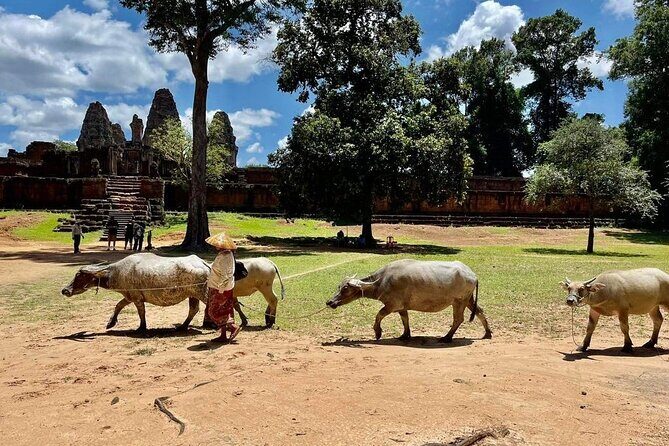
You’ll start with Pre Rup, and it’s a smart choice for a first temple. It gives you a clear introduction to the Angkor style and scale early in the day, before you move into temples that are more tangled, less symmetrical, and harder to read at a glance.
The benefit of starting here is momentum. When you arrive later in the day, you’ll have a stronger baseline for what you’re seeing: towers, courtyards, and the way these sites are designed to funnel your attention. A good guide turns that baseline into something more useful than just a pretty view.
The only drawback is simple: at the beginning of the day, you’re still settling in. If you’re sensitive to crowds, heat, or just first-day energy, you may prefer to take your time at the opening stop so later temples feel more rewarding rather than rushed.
East Mebon and Ta Som: Where the Temple Looks Like a Story
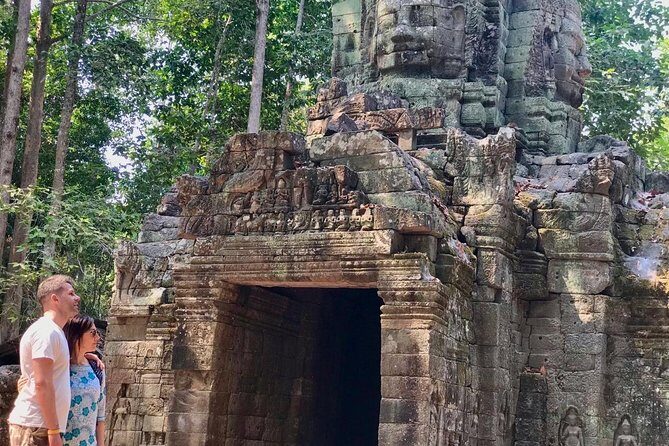
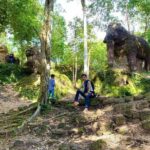
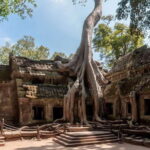
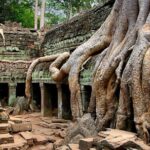
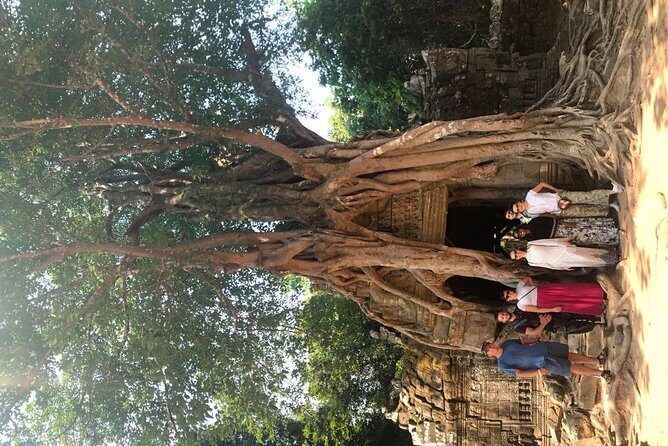
After Pre Rup, you head to East Mebon, then on to Ta Som, which the tour describes as a beautiful overgrown temple. That word matters. In Angkor, the difference between a temple you can quickly “see” and a temple you actually understand often comes down to how it feels in person—how roots, stone, and shadows work together.
Ta Som is the kind of stop where your guide can really earn their keep. When a temple looks tangled and partially reclaimed by nature, it’s easy to feel lost. An English-speaking Khmer guide helps you recognize what’s original versus what’s been worn down by time.
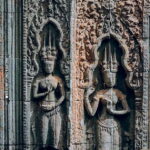
This is also where you can start enjoying small moments. Instead of only chasing the main viewpoint, you’ll likely notice doorways, lines of carvings, and how the temple framing changes as you move. If you like architecture that isn’t perfectly “clean” and restored, you’ll probably appreciate Ta Som more than the sites that get all the spotlight.
A few more Siem Reap tours and experiences worth a look

Neak Pean: The Island Shrine Feeling
Next is Neak Pean, described as an island shrine. That’s a helpful description because it hints at what to expect visually: a focal point that feels separated from the rest of the complex. These kinds of designs are often meant to signal something ceremonial and symbolic, not just decorative.
In a route like this, Neak Pean is a nice break in tone. After the jungle-clinging look of Ta Som, Neak Pean tends to feel more structured as a “place within a place.” Your guide can explain how these shrines fit into the broader temple purpose and layout, which is exactly what you want when you’re halfway through a full-day circuit.
If you’re traveling with kids, or if you’re the type who needs a bit of variety to stay engaged, this stop can work well because it changes the scene without requiring a total reset.
Preah Khan: A 12th-Century Temple With a Clear Purpose
Then comes Preah Khan, a temple built in the 12th century for King Jayavarman VII in honor of his father. That specific detail is more than trivia—it gives you a hook for the site. When you know the temple is tied to a royal dedication, you start reading the layout differently.
Preah Khan often feels like it was built to handle a lot of movement and meaning. Even if you never become a temple-architecture expert, your guide can point out the elements that show how a major royal project was organized. That makes the stop feel intentional rather than random stonework.
One practical upside: by the time you reach Preah Khan, you’re usually warmed up to the day’s pace. You’ll know the rhythm of visiting—listen, look, move—so you’re better able to absorb what the guide is saying rather than just trying to keep up.
Phnom Bakheng Sunset: The Big Finale and the Weather Gamble
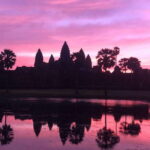
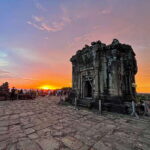
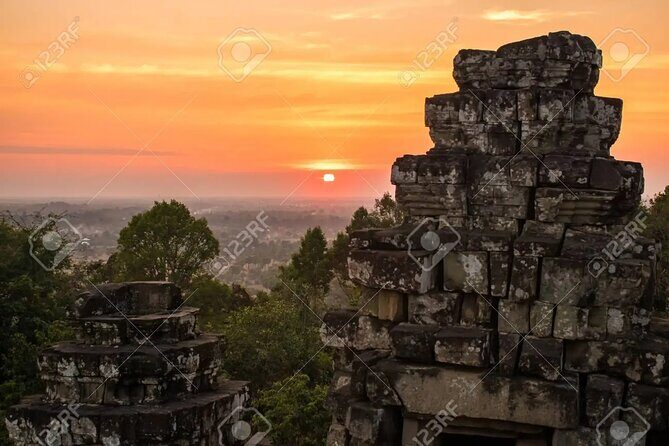
You end at Phnom Bakheng, with the goal of catching a spectacular temple-top sunset. This is the emotional payoff of the whole day.
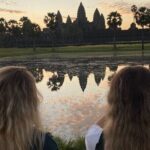
But here’s the honest part: sunset is weather-dependent, and that can change everything. In one real experience, the sunset plan didn’t fully land because of weather. That kind of letdown is painful when you’ve planned your day around dusk.
What can you do with that reality? Plan to enjoy the lead-up. Even if the sky doesn’t cooperate, being at Phnom Bakheng at the end of the day still gives you a sense of arrival. And because the tour covers multiple major temples before that moment, you’re not arriving at the finale empty-handed. The day doesn’t rely on only one perfect hour.
If you want to maximize your chance of a good view, keep your energy for the last stop. The closer you are to the end of the day, the more you’ll benefit from being ready and patient.
Guide and Group Energy: Small-Group Tempo That Actually Feels Personal
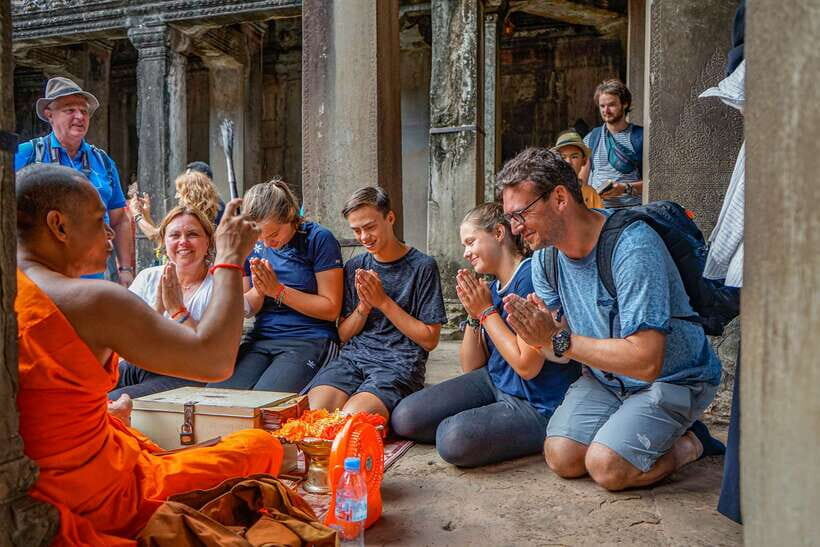
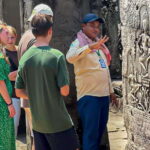
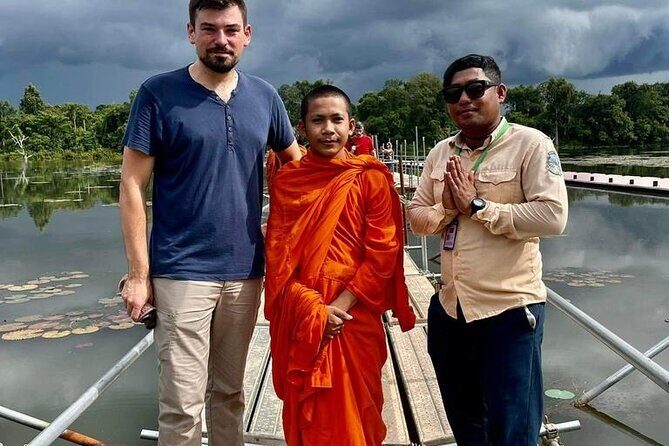
The tour description promises a Khmer expert guide, and the vibe backs it up: one guide name that comes up in a standout review is Makara. The praise is specific—friendly attitude, good temple guidance, and even helping with pictures by clicking a bunch of shots.
That matters because it changes the experience from sightseeing to something closer to guided storytelling. In a temple complex, it’s easy to take photos that don’t match what you’re actually looking at. When your guide helps you frame views and points out what’s important, you get photos that feel like proof of understanding, not just proof you were there.
Group size is also part of the value. The tour caps at 15 travelers, and on at least one day, the logistics shifted to tuk-tuk because there was only one booking. That’s a good sign: when the group is small, you may get a more flexible feel instead of being trapped in a one-size-fits-all routine.
If you like a day where the guide can answer questions and adapt slightly, this style fits you better than a very rigid, large-coach tour.
Price and Value: Why $18.47 Can Be a Good Deal
At $18.47 per person, this tour is priced like a budget-friendly way into a full day of Angkor sightseeing. For that money, you get an air-conditioned vehicle, a driver, an English-speaking tour guide, bottled water, plus pickup and drop-off.
The catch is also clear: all fees and taxes are not included. On an Angkor day, that usually means you should budget separately for park entry. So the real value equation is: does the tour save you enough headache and time compared to self-planning with a driver and guide? For most first-timers, the answer tends to be yes, because the route is set and the ticket stop is handled inside the schedule.
Also consider what you’re buying: an expert to translate the temple shapes into meaning. If you’re willing to invest a little in that kind of guidance, this price can feel like a steal. If you only want photos and you don’t care about context, you might feel like paying for a guide is less essential.
Who This Tour Is Best For (and Who Might Want Something Else)
This Big Tour is a solid match for:
- You want a full-day Angkor circuit with multiple stops in one day.
- You’re visiting for the first time and want a route that makes sense from temple to temple.
- You’d rather have a guide explain things than you try to piece it together alone.
- You like the idea of ending on Phnom Bakheng for sunset, even with weather risk.
It might be less ideal for:
- You hate any chance of delay and you plan strict, same-day timing for other activities.
- You only care about one or two of the most famous Angkor icons and don’t want a bigger circuit day.
- You’re extremely weather-sensitive and expect a perfect sunset no matter what.
Quick Tips to Make Your Day Smoother
- Show up early enough that you can handle the ticket office stop without stress. The schedule depends on everyone being ready.
- Keep your expectations realistic about sunset. Even when the plan is good, weather has the final vote.
- Bring a mindset for variety. This circuit includes different temple styles, from first-stop clarity to overgrown atmosphere and then a royal dedication finale.
Should You Book This Phnom Bakheng Sunset Big Tour?
If you want one guided, full-day Angkor plan that mixes several top sites and ends with a sunset attempt, I’d say it’s worth booking. The value is strong for what’s included—vehicle, guide, water, pickup/drop-off—and the route hits both the recognizable and the atmospheric.
Just go in with two expectations set correctly: the sunset is weather-dependent, and pickup timing can occasionally be later than the message implies. If you can handle those realities, this tour gives you a practical, well-structured way to see a lot of Angkor without turning your day into logistics.
FAQ
How long is the Phnom Bakheng Big Tour?
The tour runs about 8 hours.
What time does the tour start?
The start time is 10:30 am.
Does the tour include pickup and drop-off?
Yes. Pickup is offered, and the tour ends back at the meeting point.
Are Angkor Park tickets included in the price?
No. You stop at the Angkor Ticket Office for about 15 minutes to purchase tickets, which are not included in the tour price.
Which temples are included on the route?
The tour includes Pre Rup, East Mebon, Ta Som, Neak Pean, Preah Khan, and Phnom Bakheng.
What’s included in the tour cost?
Included features are an air-conditioned vehicle, bottled water, an English-speaking tour guide, and pickup/drop-off.
What is the group size limit?
The tour has a maximum of 15 travelers.
What happens if I cancel?
You can cancel for a full refund if you cancel up to 24 hours in advance.