REVIEW · SIEM REAP
Full Day Small Group Tour Guide with Sun rise
Book on Viator →Operated by Siem Reap Experiences · Bookable on Viator
Sunrise at Angkor Wat is a wake-up call. This small-group, early-start tour is built around one big goal: seeing the UNESCO-listed complex when the light is soft and the crowds are still sleepy. You’ll roll from hotel pickup in an air-conditioned vehicle, then spend the morning moving through the key temples of Angkor with an English-speaking guide.
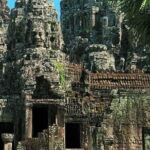
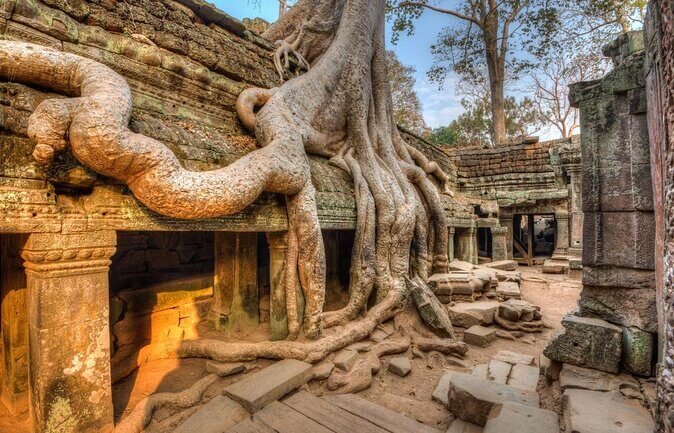
Two things I really like are the hands-on, organized temple flow and the included comfort touches. The tour provides cool water and cool towels, and it keeps you on track so you don’t spend your day asking where to go next. The other big win is the mix of temples: Bayon’s carved faces, Ta Keo’s sandstone look, and Ta Prohm with tree roots taking over the stone—plus that famous Tomb Raider feeling.
One thing to watch is cost at the gate: the temple admission tickets are not included. The tour price is $14, but you’ll likely need to budget about $37 per person for entry on the day you go.
In This Review
- Key highlights to know before you go
- Why the 4:30 am Angkor Wat sunrise timing is the whole point
- Small-group pacing: what max 12 really changes
- Angkor Wat: your two-hour sunrise window
- Bayon Temple and the Angkor Thom face of Jayavarman VII
- Ta Keo’s sandstone mountain feel (and why 1 hour works)
- Ta Prohm and the roots-through-stone moment
- Breakfast, Banteay Kdei, and the South Gate causeway
- Price and logistics: what you’re really paying for
- Morning smoothness tips (based on what can go sideways)
- Should you book this Angkor sunrise small-group tour?
- FAQ
- What time does the tour start?
- How long is the full-day tour?
- Is hotel pickup and drop-off included?
- Is the temple entrance fee included in the tour price?
- How many people are in the group?
- Does the tour include meals?
- What language is the guide?
- What’s included for comfort during the day?
- What if the tour can’t run due to weather?
Key highlights to know before you go
- 4:30 am start built around Angkor Wat sunrise and cooler early temperatures
- Small group (max 12) with an English-speaking guide who keeps the route sensible
- Included comfort: cool water, cool towel, and AC transport
- Major temples in one circuit: Angkor Wat, Bayon, Ta Keo, Ta Prohm, plus Angkor Thom South Gate
- Real-world break: breakfast is on your own near the temple area
- Tickets not included: plan for about $37 per person temple entry
Why the 4:30 am Angkor Wat sunrise timing is the whole point
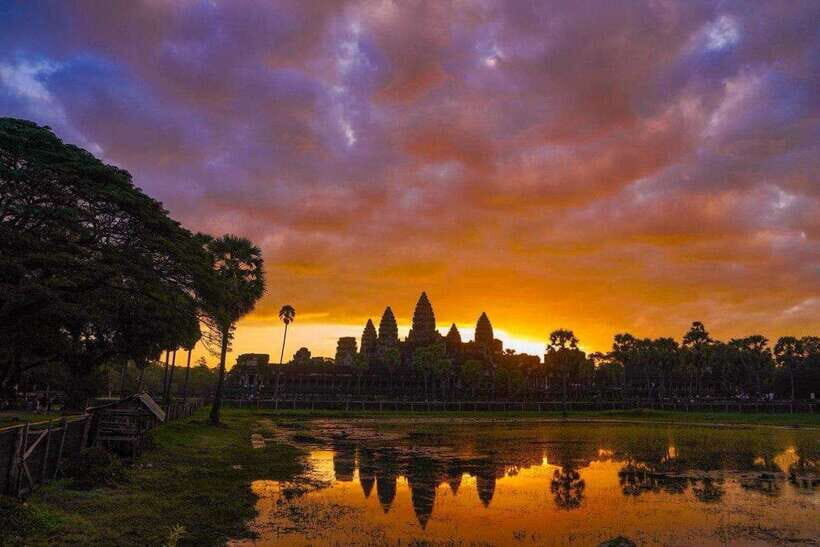
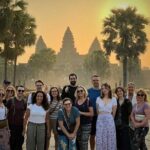
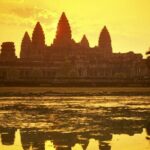
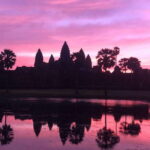
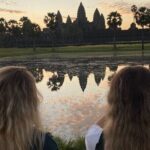
Angkor Wat is already a must-see. Doing it at sunrise is different. The lighting is gentler, and you get that early-morning pace that’s easier to enjoy than later in the day. This tour is scheduled to start at 4:30 am, then you visit Angkor Wat for about two hours, which is enough time to watch the sky change and still explore without feeling rushed.
The early start is also why this tour works as a value for first-timers. You’re not just paying for transport and a guide; you’re paying for time that’s harder to get on your own. If you try to DIY sunrise, you’ll spend extra mental energy on timing, tickets, and getting to the right place before the first wave.
Is sunrise required? Some people prefer a slower morning. But if you’re the type who likes your big sights with good light and fewer people fighting you for the same viewpoint, this timing is a smart match.
You can also read our reviews of more guided tours in Siem Reap
Small-group pacing: what max 12 really changes
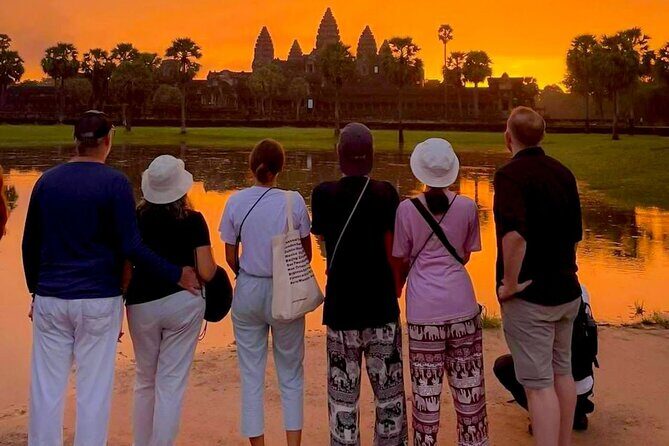
A cap of 12 travelers matters at Angkor. It means your guide can manage questions without the whole group turning into a slow-moving stampede. It also keeps the day more human. You’ll likely have enough time to look carefully, not just glance and move on.
You also get pickup and drop-off, plus an English-speaking guide. That combination is useful because Angkor can feel confusing even when you’re standing right in front of the temples. The guide helps you focus on the important details and get your bearings quickly, instead of wasting prime daylight figuring out what to see next.
Transport is in an air-conditioned vehicle, and that’s not a luxury detail. It’s part of staying comfortable for a long morning. You’ll be outdoors a lot, so having AC between temple stops helps you keep your energy.
Angkor Wat: your two-hour sunrise window
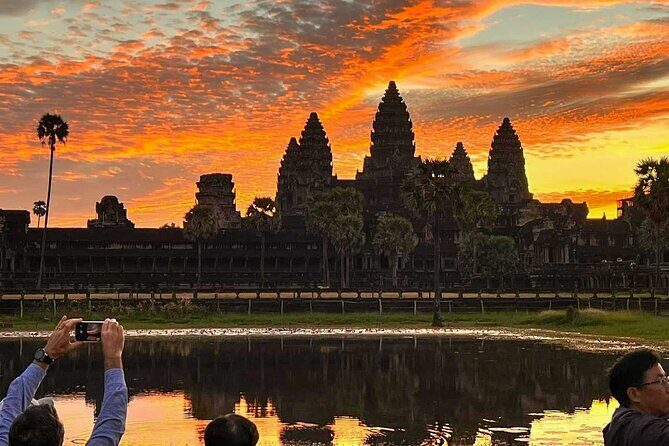
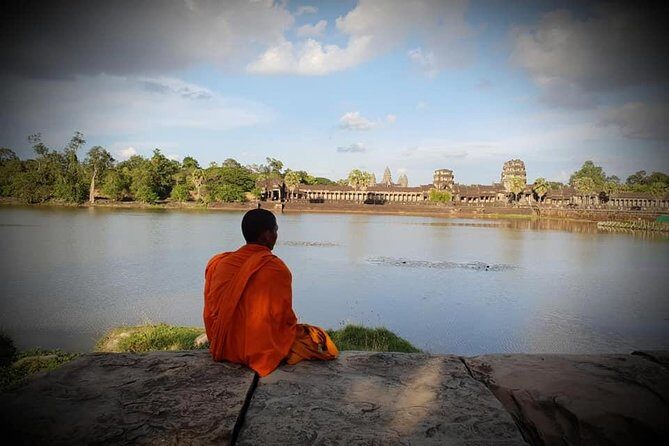
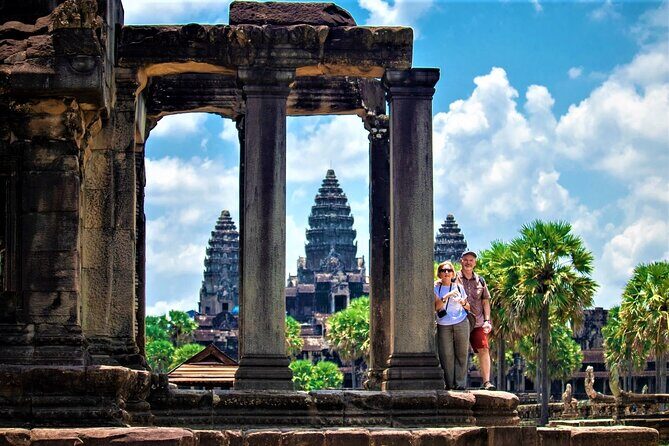
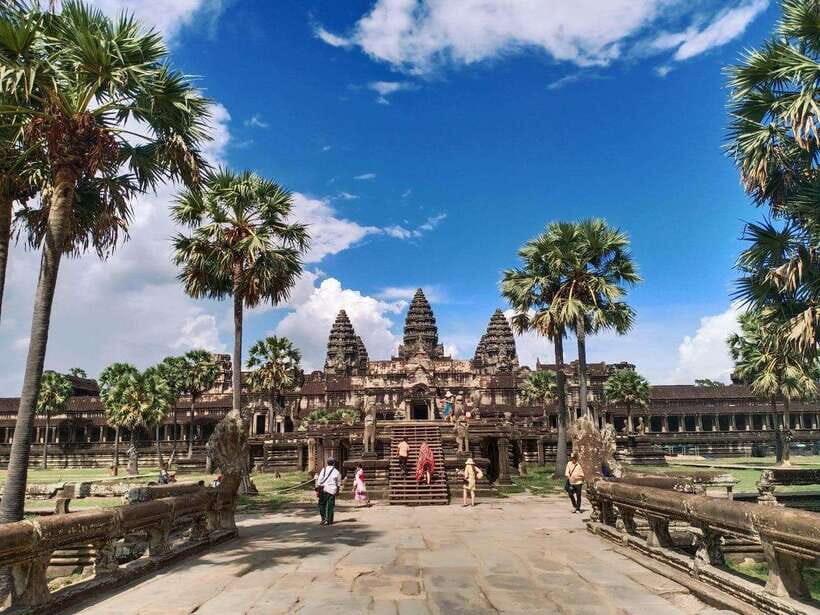
Angkor Wat is the largest religious monument in the world, on a site measuring 162.6 hectares. In plain terms: it’s huge, and that can be overwhelming if you’re not sure where to spend time. This tour gives you about two hours at Angkor Wat, which is a good amount for sunrise viewing plus a focused walk around the main temple areas.
Because the day begins at sunrise, you avoid the common problem of arriving when everything is bright, hot, and crowded. You’re also more likely to get photos with better contrast, since the light is lower and softer.
One practical note: temple admission is not included. The tour lists temple tickets separately, at about $37 per person per day. So when you plan your budget, add that to the $14 tour price. Also plan to pay attention to what you bring for entry—your ticket method is described as mobile.
Bayon Temple and the Angkor Thom face of Jayavarman VII
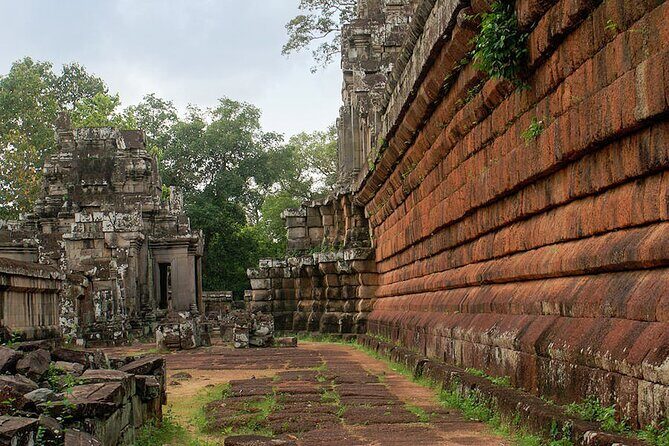
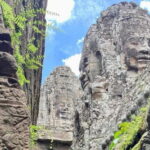
After Angkor Wat, you shift to Angkor Thom. Your stop includes Bayon Temple for about two hours. Bayon is known for its richly decorated Khmer temple style and its strong connection to Buddhism at Angkor. It was built as the state temple of King Jayavarman VII, and that royal-Buddhist link shows in the way the temple is designed and decorated.
Bayon’s most famous feature is the face imagery. Even if you’re not into iconography, the sheer repetition of carved faces makes it feel like the temple is watching you back. That effect is strongest when you move slowly enough to see how the carvings change with your angle.
What you gain with a guided tour here is direction: your guide helps you choose where to stand and how to move so you see the best angles without circling aimlessly. What you might find less ideal is that two hours is plenty for most people, but if you’re hoping to linger for hours on one corner, you may wish you’d planned extra time.
Ta Keo’s sandstone mountain feel (and why 1 hour works)
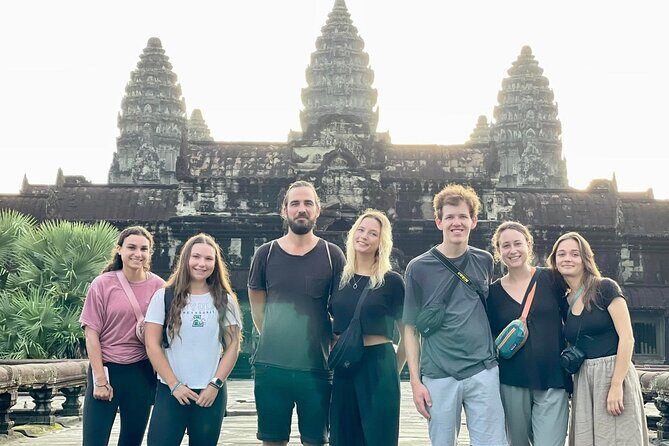
Next is Ta Keo, a temple-mountain in Angkor, likely the first built entirely of sandstone by the Khmer Empire. You’ll have about one hour here.
Ta Keo is a good contrast after Bayon. Bayon is busy with carved faces and dense decoration. Ta Keo is more about shape, elevation, and the feel of stone work. Because it’s only an hour, you get the highlight without draining your whole day. By the time you finish Ta Keo, you’re ready for Ta Prohm’s more cinematic ruins.
If you’re the kind of person who loves architecture details, you’ll probably enjoy the focused time. If you’re after purely photo stops, this is still worth it, but don’t expect this stop to replace the main draw of sunrise and Ta Prohm.
A few more Siem Reap tours and experiences worth a look

Ta Prohm and the roots-through-stone moment
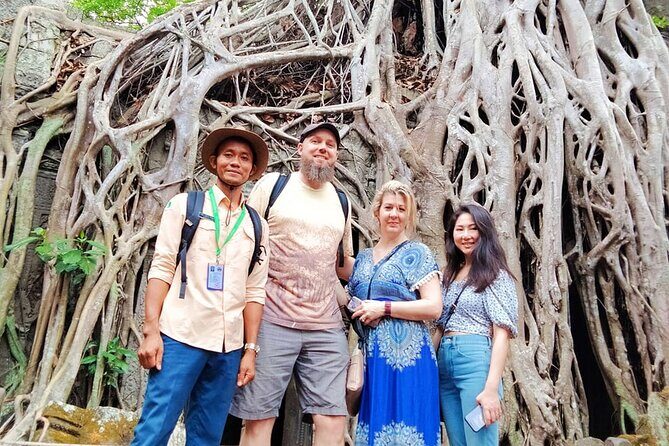
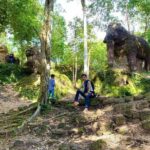
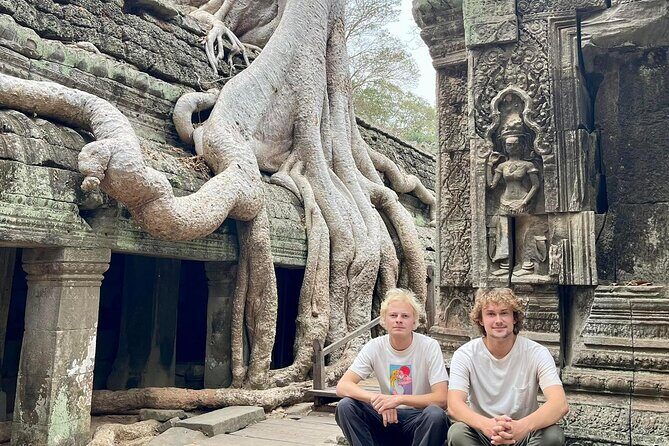
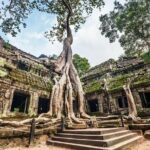
Ta Prohm is the stop most people picture when they hear Angkor. It’s tied to the Bayon style from the late 12th and early 13th centuries, and its modern name is associated with the temple called Rajavihara originally. This is also the temple people connect with Tomb Raider, because the root-covered stone ruins are so visually striking.
You’ll have about one hour at Ta Prohm. That’s a sweet spot. You get time to wander, look up, and see how the massive tree roots grow through the structures. It’s also a reminder that Angkor isn’t frozen in time. Nature is part of the story.
The main drawback? It can be visually crowded inside the key areas, because this is one of the biggest “must photograph” temples. Still, the small-group format helps. You’re not packed into a giant line, and your guide can help you pace the best viewing moments.
Breakfast, Banteay Kdei, and the South Gate causeway
This morning circuit includes a breakfast stop near the temple area, but you’re paying for that yourself. The tour doesn’t list a specific breakfast style, just that there’s a break, so treat it as time to refuel, hydrate, and reset your brain before the last stretch.
After that, the plan also calls for Banteay Kdei Temple before you head back. That’s a nice addition because it gives you another temple flavor beyond the most-famous four.
Finally, you reach the Angkor Thom South Gate for about 30 minutes. This gate dates to the 12th century and includes carved faces. It also has stone figures lining a causeway, which gives you a strong “entering the city” feeling. In a short time, you get the dramatic entrance vibe that makes Angkor Thom feel like a place with boundaries and purpose—not just scattered ruins.
If you love gateways, this last stop is a satisfying wrap-up. If you’re tired, 30 minutes is also ideal: enough time to enjoy, not enough time to feel trapped.
Price and logistics: what you’re really paying for
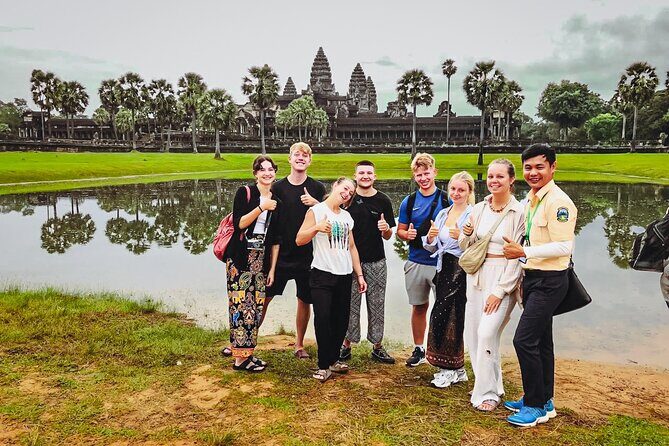
The tour costs $14 per person, and that’s the easy part. The value comes from what’s included. You get:
- Air-conditioned vehicle transport
- Mini bus/couch style pickup and drop-off
- English-speaking tour guide
- Cool water and cool towel
- A small-group route through the major temple highlights
- A mobile ticket
Now for the part that changes your real total: temple admission is not included. The tour lists entry tickets at about $37 per person per day. So for your true budget, think in terms of roughly $50+ all-in before you add your own breakfast.
For that money, you’re buying time, routing, and stress reduction. Angkor is not the kind of place where “just show up” always feels efficient. A guide who knows the order and keeps your day moving can turn a chaotic day into a calm one.
Your other heads-up: breakfast is not included, so plan a cash or card-ready moment near the temple area. That’s normal for tours, but it matters for budgeting.
Morning smoothness tips (based on what can go sideways)
The schedule is tight. You start at 4:30 am, and you’re visiting temples that open up beautifully with sunrise timing. That leaves very little wiggle room if pickup runs late.
One practical thing I’d do: double-check your pickup time and be ready earlier than you think. Keep your contact method handy, because communication issues can make early starts stressful. The goal is simple: you want to arrive calm, not anxious, so you can actually enjoy the sunrise instead of thinking about logistics.
Also remember: the tour gives you cool water and cool towels, which is helpful. Still, you should treat the day like it’s hot and sunny, because Angkor is outdoor time for most of the morning and early afternoon.
And here’s a small morale tip: go in expecting a full temple circuit. This isn’t a slow walk through one site. It’s a structured morning-and-into-the-afternoon plan, and that structure is part of why it works.
Should you book this Angkor sunrise small-group tour?
If you’re a first-time visitor, this is a strong choice. You’re getting Angkor Wat at sunrise, then a planned set of major temples: Bayon, Ta Keo, Ta Prohm, the Angkor Thom South Gate, and a stop that includes Banteay Kdei. That’s a lot of the “greatest hits” packed into about 7 to 8 hours, and you’re doing it with a small group and an English-speaking guide.
Book it if you want:
- Sunrise at Angkor Wat without planning your own route
- A smaller group pace instead of a big crowd train
- Included comfort like cool water and cool towels
- Pickup/drop-off convenience in Siem Reap
Consider skipping or choosing something else if:
- You’re not excited about sunrise and would rather sleep later
- You want lots of free time for lingering at only one temple
- You’re on a strict budget and don’t want to add the $37 per person temple admission fee
Overall, I think this tour is best for people who want a guided, efficient Angkor morning with the sunrise factor turned on. It’s early, yes. But it’s also the most practical way to hit the big temples in one go, with less guesswork and more time spent looking up at the stonework where it belongs.
FAQ
What time does the tour start?
The start time is 4:30 am.
How long is the full-day tour?
It lasts about 7 to 8 hours.
Is hotel pickup and drop-off included?
Yes. The tour includes pickup and drop-off.
Is the temple entrance fee included in the tour price?
No. Temple admission tickets are not included, and the listed cost is $37 per person per day.
How many people are in the group?
The tour has a maximum of 12 travelers.
Does the tour include meals?
Breakfast is not included. You’ll take a break for breakfast and pay on your own near the temple area.
What language is the guide?
The guide is described as an English-speaking tour guide.
What’s included for comfort during the day?
You’ll get cool water and cool towels, plus air-conditioned transport.
What if the tour can’t run due to weather?
This experience requires good weather. If it’s canceled due to poor weather, you’ll be offered a different date or a full refund.