REVIEW · SIEM REAP
Siem Reap: Angkor Full-Day Group Tour with Japanese Guide
Book on GetYourGuide →Operated by Vamos Camboja Turismo · Bookable on GetYourGuide
Angkor can feel overwhelming, fast. This Japanese-speaking full-day tour keeps it organized, with smart temple sequencing and a guide who explains what you’re actually seeing. I especially like the way the pacing stays comfortable, and how photo stops are treated like part of the experience (not an afterthought). One thing to keep in mind: you’ll still need to buy the Angkor Archaeological Park pass separately.
You’ll start with hotel pickup and get transport sized to your group—tuk-tuk for 1–2 people or an A/C van for small groups—plus water and cold towels during visits. The main drawback is simple math: the $50 price doesn’t include the entrance ticket, so your total day depends on which pass you choose.
If you want an Angkor day with clear explanations and less guesswork, this is a solid way to do it. It’s also a good fit if you’d rather not fight crowds on your own and you like having someone point out the best angles and details before you just wander.
In This Review
- Key things worth knowing before you go
- A Japanese-led Angkor day that feels manageable
- Pickup timing and the transport you’ll actually use
- Day 1 from Ta Prohm to Angkor Wat: the core Angkor arc
- Ta Prohm: the jungle temple you can’t ignore
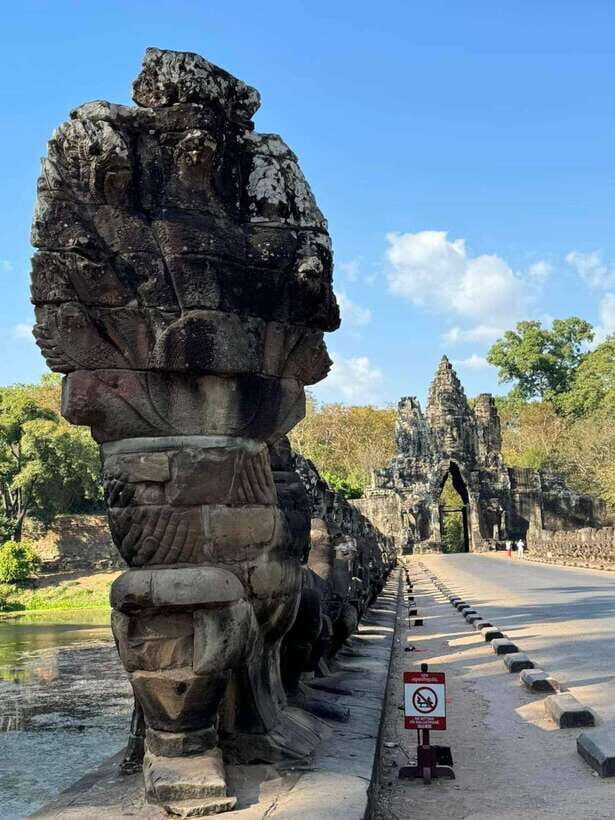
- Victory Gate photo stop: quick, but worth aiming
- Terrace of the Elephants and Baphuon: ceremonial scale
- Bayon: the faces that change as you move
- Srah Srang break time: a breather that makes the afternoon easier
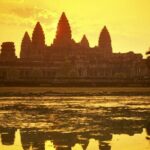
- Angkor Wat: the big finish
- The sunrise option: early pickup, early payoff
- Two days for the temples beyond the usual circuit
- Pre Rup: warm brick views and a good architecture warm-up
- Banteay Srei: pink sandstone and tiny carvings
- Lunch break: not included, plan to eat simply
- Beng Mealea: nature takes over, and the mood gets real
- Bakong: a quieter pyramid ending
- Entrance tickets, skip-the-line, and the real cost of going
- Dress code and what to bring so your day doesn’t get derailed
- Lunch, breaks, and keeping your energy up
- Who should book this Angkor tour (and who should skip it)
- Should you book this Angkor full-day Japanese group tour?
- FAQ
- What time is hotel pickup for the standard 1-day tour?
- What time is pickup and when does the sunrise option end?
- How much is the Angkor entrance ticket, and is it included?
- What temples are included on the 1-day tour?
- What extra sights do you get on the 2-day option?
- Is lunch included in this tour?
- Is the ticket line skipped?
- What transport will I use during the tour?
- What clothing is required at the temples?
- Is the tour suitable for wheelchair users or infants?
Key things worth knowing before you go
- Japanese guide support with clear explanations and a friendly style (including wordplay and humor)
- Well-paced temple order from Ta Prohm through Angkor Wat, with guided time at each stop
- Skip-the-ticket-line included for efficiency once you arrive
- Optional sunrise timing that’s early, but ends at a reasonable hour for breakfast and downtime
- 2-day upgrade adds Banteay Srei and Beng Mealea for a bigger, more adventurous mix
- Comfort + logistics: cold water, cold towels, and transport planned around your group size
A Japanese-led Angkor day that feels manageable
Angkor is huge. Even if you’ve seen photos, the scale hits you once you’re there. What I like about this tour is that it turns the day into something you can actually follow: you get a plan, you get guidance, and you get time in the right places instead of sprinting from landmark to landmark.
The Japanese guide part matters more than people think. When you understand what a temple is and why it was built, Bayon’s faces stop being decoration and start feeling like a message. Guides like Chunさん and Bunさん are specifically praised for fluent Japanese explanations, careful attention to detail, and knowing good viewpoints for photos.
There’s also a practical side. You’ll have hotel pickup and organized transport, so you’re not spending your morning negotiating rides and trying to figure out routes between sites. That’s a big value when the heat and crowds are doing their thing.
You can also read our reviews of more guided tours in Siem Reap
Pickup timing and the transport you’ll actually use
You’ll be picked up from your hotel lobby in Krong Siem Reap between 08:30 and 09:00 AM for the standard day. For the sunrise option, pickup is much earlier—between 04:30 and 05:00 AM—and the tour wraps around 12:00 PM.
Transport is handled based on group size:
- For 1–2 participants, you’ll ride in a tuk-tuk (with a car option available during checkout).
- For 3–6 people, expect an A/C van.
- In private formats, the vehicle mix can vary by day—often tuk-tuk on Day 1 for a smaller group, then a car on the second day in the 2-day option.
This matters because Angkor roads can be bumpy, and you’ll likely spend real time sitting and waiting while sites open and close. An A/C van is a comfort upgrade you’ll appreciate, especially if you’re traveling in hotter months.
Day 1 from Ta Prohm to Angkor Wat: the core Angkor arc
If you choose the 1-day option, your route has a classic flow: start with the jungle atmosphere of Ta Prohm, move through Angkor Thom’s major structures, then land at the big finish—Angkor Wat.
Ta Prohm: the jungle temple you can’t ignore
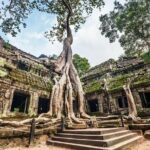
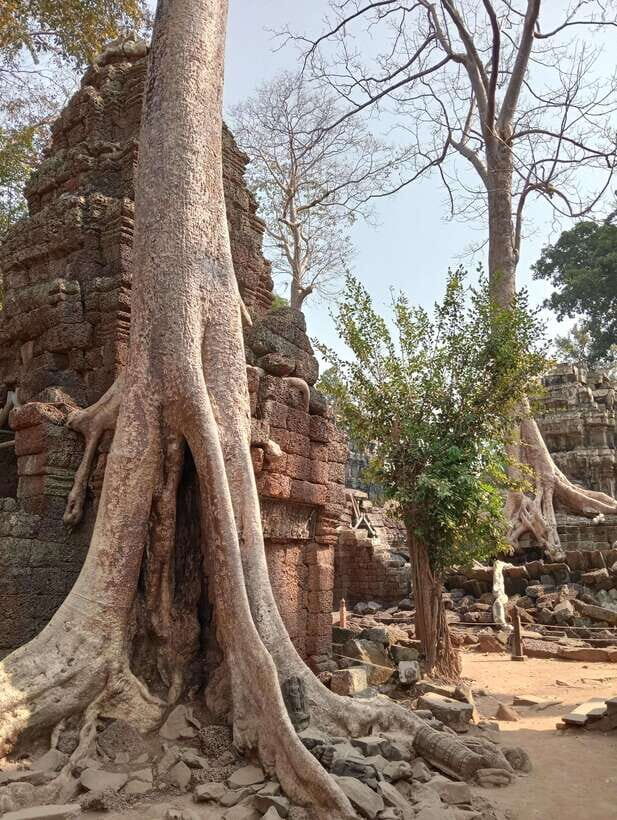
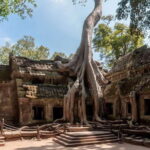
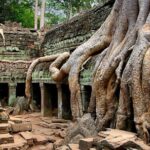
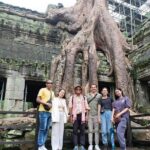
You’ll start with Ta Prohm, guided for about 1 hour. This is the famous “trees growing into ruins” temple, the one that always looks like a movie set. The key is that you don’t just walk the photo path—you get context for why the site looks the way it does and what you’re noticing when you see roots wrapped around stone.
One practical downside: Ta Prohm’s paths can be crowded and uneven. Wear comfortable shoes you can trust. If you’re sensitive to long walking days, this is also the point where good pacing helps—your guide can slow down if needed, and the tour style here is built around not rushing.
Victory Gate photo stop: quick, but worth aiming
Next you’ll hit the Victory Gate area for a short photo stop (about 10 minutes). It’s not long, but it’s timed for a good view moment. Think of it as a reset before the deeper Angkor Thom parts.
A few more Siem Reap tours and experiences worth a look

Terrace of the Elephants and Baphuon: ceremonial scale
Then comes the Terrace of the Elephants (about 30 minutes) and Baphuon (about 30 minutes, recently restored). The terrace gives you the feel of how royal ceremonies and processions were staged. Baphuon helps balance the day: it’s less of a “wow, roots” scene and more of a “look at the architecture” moment.
Bayon: the faces that change as you move
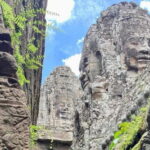
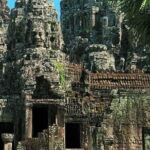
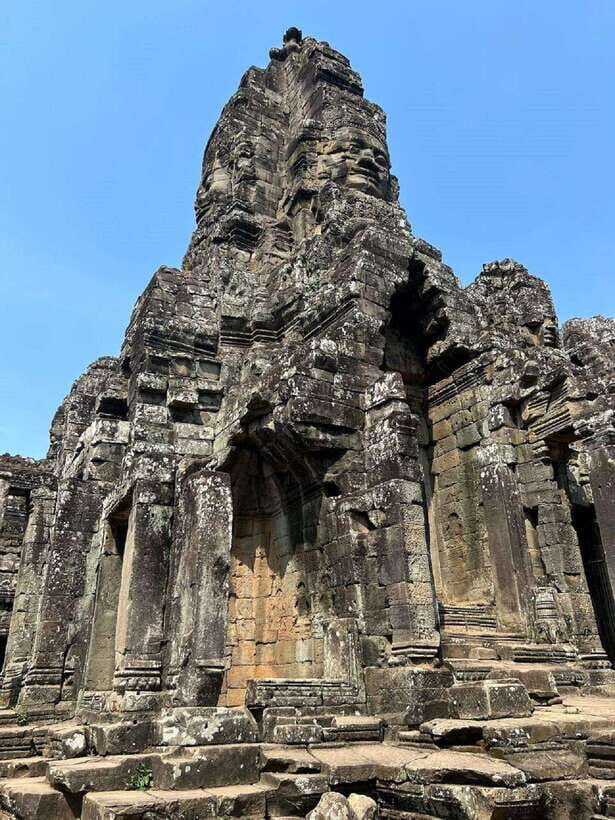
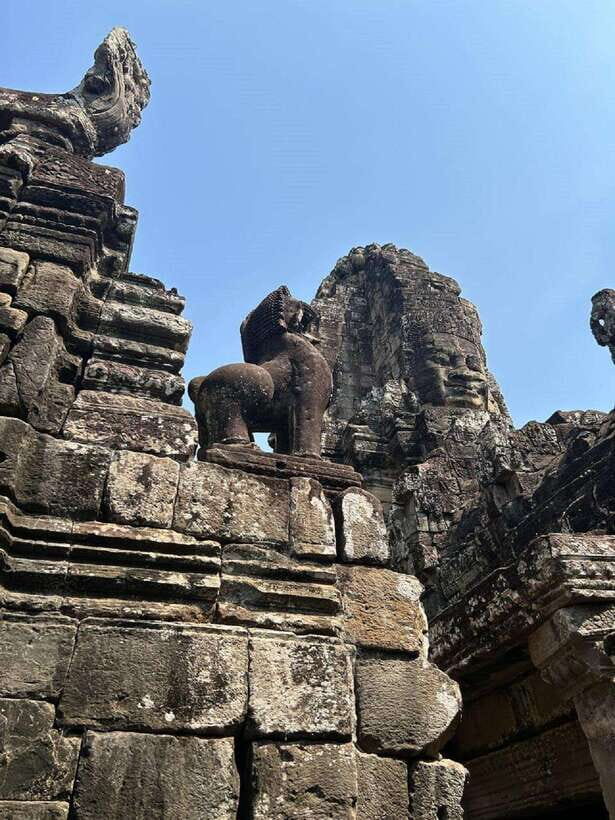
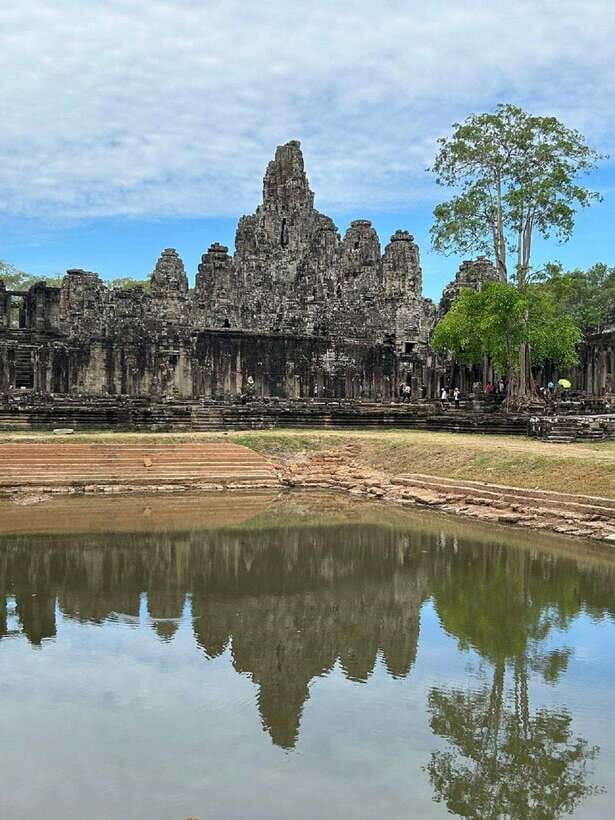
Bayon is guided for about 45 minutes, and this is where the day starts to feel like more than sightseeing. Bayon’s celebrated towers hold 216 serene smiling faces—the tour guide explains what you’re looking at and how it ties into the temple’s role.
I like Bayon most when you stop treating it like a single viewpoint. As you walk around, the faces feel different depending on your angle and distance. If you take photos, this is also where a guide who knows angles becomes valuable. Chunさん and Bunさん get praise for helping people capture cleaner compositions, not just snapshots.
Srah Srang break time: a breather that makes the afternoon easier
You’ll get a break around Srah Srang, with time built in (including lunch time, which is not included). This is smart. By the time you reach Angkor Wat, you’ll be glad you’re not going straight from temple heat into the busiest monument.
Angkor Wat: the big finish
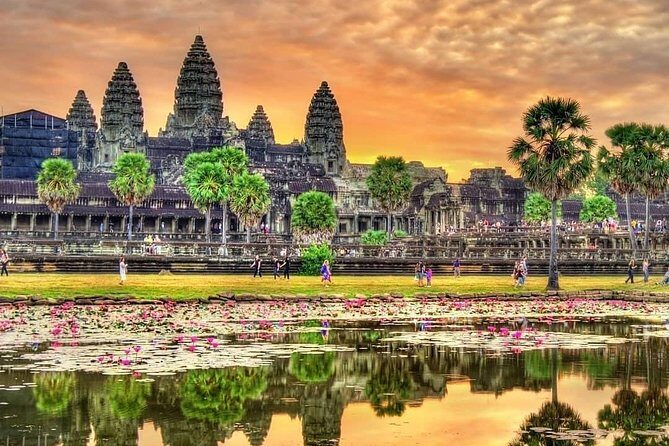
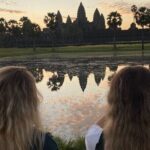
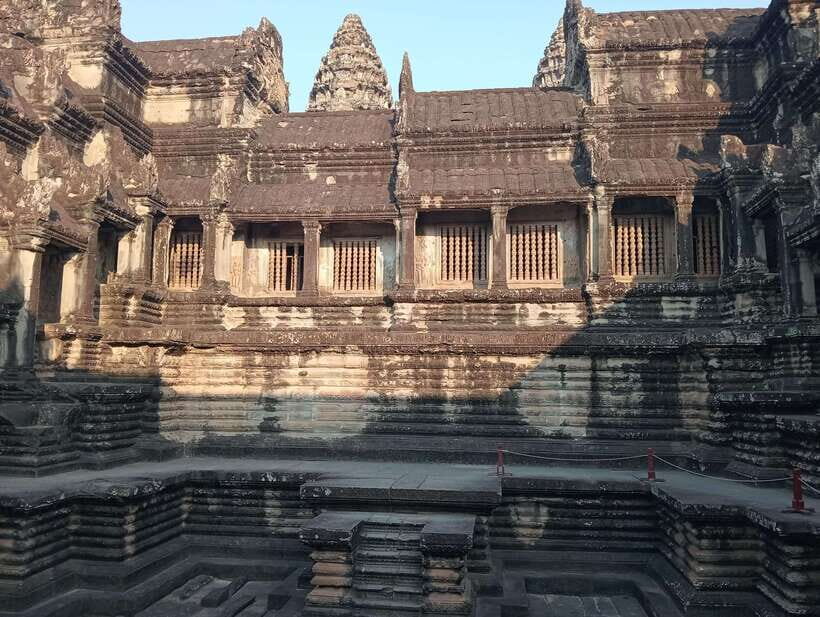
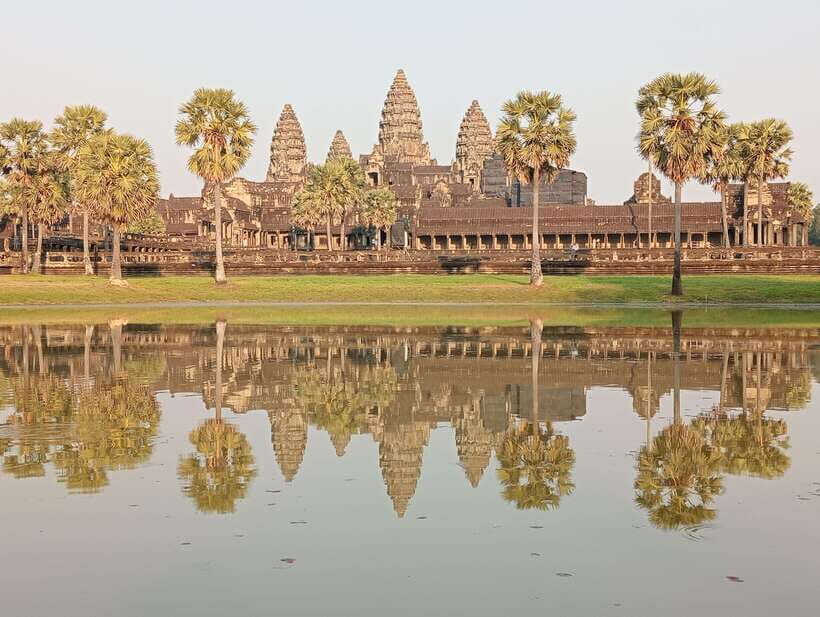
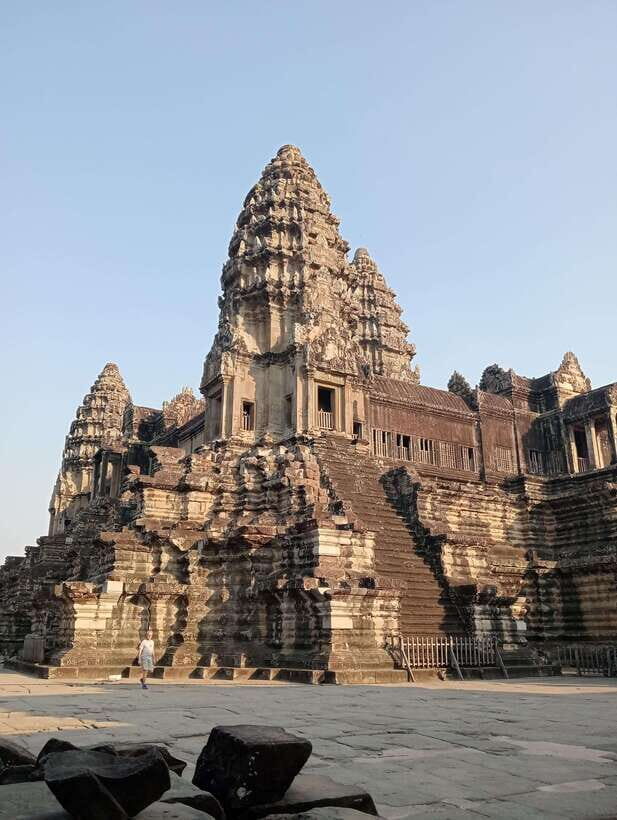
You end at Angkor Wat for about 2 hours, with guided time. This is the world’s largest religious monument, and your guide will connect symbolism and history to what you’re seeing right in front of you. It’s also where the day naturally lands emotionally—standing on those axes and courtyards makes the whole complex feel intentional, not just old.
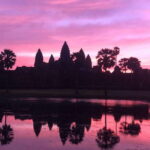
If you’re choosing between a short day and sunrise, here’s my practical take: Angkor Wat at the end of the day can still look stunning, but sunrise adds atmosphere and calmer lighting if your body can handle the early wake-up.
The sunrise option: early pickup, early payoff
The sunrise add-on changes the rhythm completely. Pickup is 04:30 to 05:00 AM, and the tour finishes around 12:00 PM. The operator recommends bringing breakfast from your hotel so you can eat after sunrise.
Why this option can be worth it:
- Light at dawn makes stone textures look better in photos.
- You start the day before the site gets crowded.
- You avoid losing your whole afternoon to heat.
The main drawback is obvious: you’ll be up very early. If you’re coming in from another city or you know you’ll feel groggy, sunrise might turn your day into a struggle. But if you want that early-morning temple mood and you like being outside before the world wakes up, it’s a strong pick.
Two days for the temples beyond the usual circuit
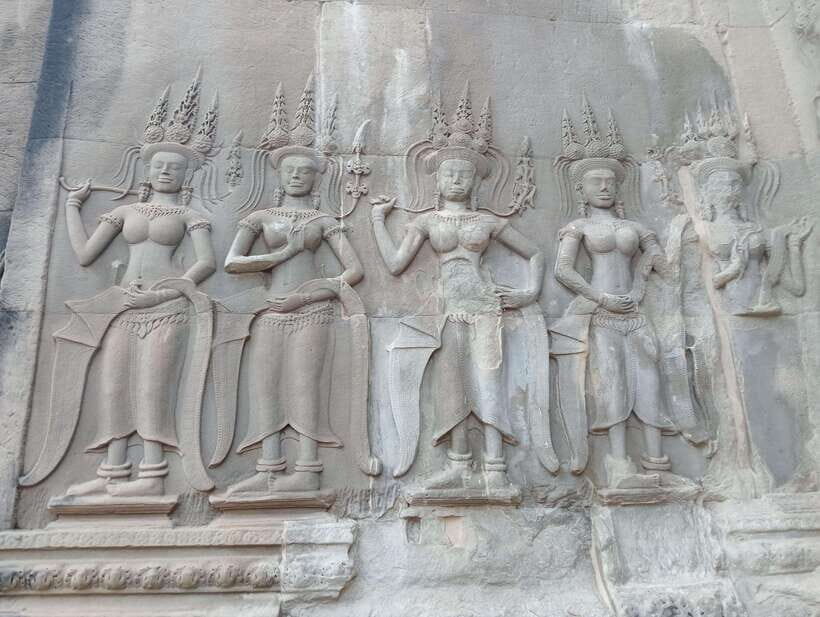
Upgrading to the 2-day option is for you if you don’t want to feel rushed and you want more variety. It adds Banteay Srei and Beng Mealea, plus a second day that starts early again.
Day 2 begins with a 05:00 AM pickup for sunrise at Angkor Wat. You’ll have breakfast (bring from your hotel) before heading out.
Pre Rup: warm brick views and a good architecture warm-up
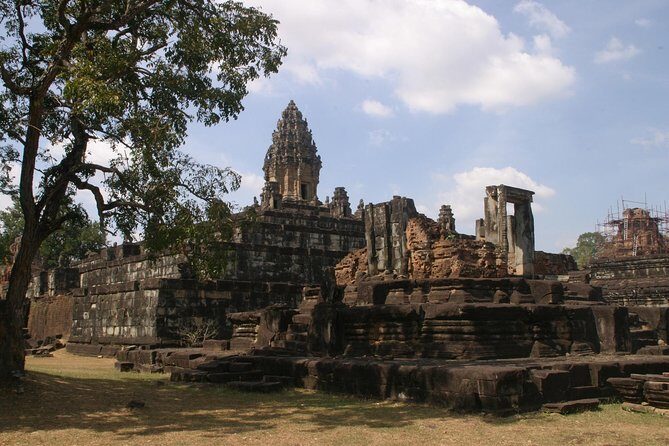
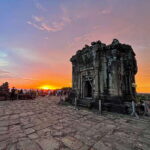
First stop is Pre Rup, a 10th-century pyramid temple built with warm brick and laterite. Your guide points out how its terraces create viewpoints—this works as a transition from the main Angkor complex to the more countryside-feeling sites.
What I like here is that Pre Rup isn’t just another “stand and stare” spot. It helps you learn how to read temple design—levels, sightlines, and why certain locations were chosen for views.
Banteay Srei: pink sandstone and tiny carvings
Next is Banteay Srei, known for pink sandstone and extremely detailed carvings. It’s often called the Citadel of Women, and the guide explains why it’s considered a standout example of Khmer craftsmanship.
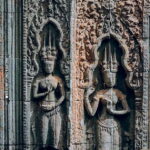
This is the stop where you’ll probably slow down. Carvings reward patience. If you like close-up details—faces, patterns, ornamented stonework—this is the moment you’ll feel like you got more than the standard Angkor highlights.
Lunch break: not included, plan to eat simply
You’ll have lunch time, but lunch isn’t included. This is common in temple tours, but it’s still worth planning for. Bring some cash so you’re not stuck deciding under pressure later.
Beng Mealea: nature takes over, and the mood gets real
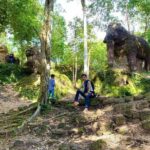
Then you head to Beng Mealea, where the temple is almost completely taken over by nature. It’s atmospheric, adventurous, and photogenic, with collapsed galleries, giant stone blocks, and roots.
This is a good place to lower your expectations about perfect paths. It’s not about “smooth and polished ruins.” It’s about the feeling of stepping into a site that hasn’t been flattened into a postcard.
Bakong: a quieter pyramid ending
Your day ends at Bakong. It’s described as the first grand stone pyramid temple of the Khmer Empire, which gives you a historical anchor for the Khmer temple style. With a relaxing drive back to your hotel after around 2:30–3:00 PM, the day doesn’t drag into the evening.
Entrance tickets, skip-the-line, and the real cost of going
The tour price is $50 per person, but the Angkor Archaeological Park pass is not included:
- $37 per person for 1 day
- $62 per person for 2–3 days
You’ll also want to factor in that lunch is not included. So the total cost is really the tour fee plus the pass plus your meal(s). For many people, that still works out well because you’re paying for guided visits, transport, and added time structure—especially if you’re not confident navigating Angkor on your own.
Good news: skip-the-ticket-line is included, so you’re not stuck waiting at the busiest moment. Also, you’ll carry less mental load at the gate because your guide handles the flow with the group.
Dress code and what to bring so your day doesn’t get derailed
Temple rules matter in Angkor, and this tour provides clear guidance. Here’s what you need to plan for:
Not allowed:
- Shorts
- Short skirts
- Sleeveless shirts
What helps:
- When entering most temples, a scarf can cover knees and shoulders.
- For Angkor Wat specifically, you still need to follow stricter clothing requirements: trousers and shirts covering shoulders are required.
So, pack like you’re going to religious sites, not just “a sightseeing day.” A light scarf is a small thing that prevents big frustration.
Bring:
- Comfortable shoes
- Hat
- Camera
- Comfortable clothes
- Insect repellent
- Cash
One more practical point: you’ll be on your feet for hours. Even if you’re not doing sunrise, the heat and stone surfaces can wear you down faster than you expect.
Lunch, breaks, and keeping your energy up
Lunch is not included, but the route includes a built-in break around Srah Srang in the 1-day plan. In the 2-day option, lunch is also planned during the countryside portion.
What I recommend: don’t treat lunch like an afterthought. Choose a simple meal, drink water, and take a short rest. Angkor isn’t only about monuments; it’s about timing your energy so you can enjoy Angkor Wat without feeling wrecked.
Also, cold drinking water and cold towels are included during visits, which helps a lot during temple hopping. It’s a small comfort but it reduces that stretched, cranky feeling.
Who should book this Angkor tour (and who should skip it)
This tour fits best if you:
- Want a Japanese-speaking guide with clear explanations
- Prefer organized routes and guided time at major sites
- Like the idea of sunrise but want a day structure that doesn’t trap you all afternoon
- Are interested in the big hits plus an upgrade option for Banteay Srei and Beng Mealea
It may not be the best fit if you:
- Use a wheelchair (the tour is not suitable)
- Are traveling with very young babies (not suitable for babies under 1 year)
- Are over 95 years old (not suitable)
If you’re bringing older family members, the guide’s flexibility is a real plus. People have praised guides for adjusting pace and being attentive to slower walkers, which is exactly what you want in a place with uneven ground.
Should you book this Angkor full-day Japanese group tour?
I’d book it if your goal is simple: you want an Angkor day that makes sense. For $50 plus the entrance pass, you’re buying structure, transport, and an explanation layer that turns the temples into something you can actually understand—not just something you walk through.
Choose the 1-day tour if you want the essentials in one go: Ta Prohm, Bayon, and Angkor Wat with a guided plan. Choose the sunrise option if you want better lighting and a calmer start, and you can handle early pickup. Choose the 2-day upgrade if you’re the kind of person who likes details—carvings at Banteay Srei and the rougher, more adventurous feeling at Beng Mealea.
One last tip: pack the right clothing and comfortable shoes. Angkor is too good to spend your day worrying about whether you’ll be turned away or slowed down by your outfit.
If you want a guide who helps with both meaning and photos, this is one of the easier ways to get there.
FAQ
What time is hotel pickup for the standard 1-day tour?
Hotel pickup is between 08:30 and 09:00 AM.
What time is pickup and when does the sunrise option end?
For the sunrise option, pickup is between 04:30 and 05:00 AM, and the tour finishes around 12:00 PM.
How much is the Angkor entrance ticket, and is it included?
The Angkor Archaeological Park pass is not included. It costs USD 37 per person for 1 day and USD 62 per person for 2–3 days.
What temples are included on the 1-day tour?
The 1-day tour includes Ta Prohm, a photo stop at Victory Gate, Terrace of the Elephants, Baphuon, Bayon, Srah Srang break time, and Angkor Wat.
What extra sights do you get on the 2-day option?
The 2-day option adds Pre Rup, Banteay Srei, Beng Mealea, and Bakong on top of the main Angkor temple visits.
Is lunch included in this tour?
No. Lunch is not included.
Is the ticket line skipped?
Yes, skip the ticket line is included.
What transport will I use during the tour?
For 1–2 participants, it’s typically a tuk-tuk. For groups of 3 or more, it’s an air-conditioned van or bus. In private options, a car may be available depending on day and checkout options.
What clothing is required at the temples?
Shorts, short skirts, and sleeveless shirts are not allowed. A scarf that covers knees and shoulders can help for many temples, but Angkor Wat requires trousers and shirts covering the shoulders.
Is the tour suitable for wheelchair users or infants?
No. It is not suitable for wheelchair users, and it’s not suitable for babies under 1 year. Children under 12 join free on private tours only.