REVIEW · SIEM REAP
Siem Reap: Cambodian Desserts Cooking Lesson with Tastings
Book on GetYourGuide →Operated by Beyond. Unique Escapes · Bookable on GetYourGuide
Palm sugar desserts tell a Cambodian story. This Siem Reap class turns that story into food you can actually make again, starting with a market visit and a quick snack. You’ll then head out to a calm cooking space where you learn by doing, not by watching.
I also really like the palm sugar focus, because you understand the ingredient from the sugar palm tree all the way to the finished sweets. The one catch is that this is a sweet-heavy 3-hour session, so if you prefer lighter, less sticky desserts, you’ll want to pace your tastings.
In This Review
- Key Highlights Worth Booking for
- Tuk-tuk Pickup, Market Start, and a Relaxed Cooking Space
- Your Market Walk: Where Ingredients Become Real (Not Just Words)
- Palm Sugar 101: The Staple That Shapes Every Sweet
- Steamed Ginger Custard: A Silky Dessert With Clear Logic
- Palm Sugar and Coconut Bananas: Sticky-Sweet Balance You Can Repeat
- Sweet Coconut Pancakes: Comfort Food Energy, Khmer Style
- Hands-On Stations, English Instruction, and the Recipe Card You’ll Actually Use
- Tastings, Portion Size, and What You’ll Likely Take With You
- Price and Value: What $32 Buys in Siem Reap
- Who This Cooking Lesson Is Best For (and Who Might Skip It)
- Should You Book This Cambodian Desserts Class?
- FAQ
- Where is pickup and drop-off in Siem Reap?
- How long does the cooking lesson last?
- What does the cooking class include?
- What desserts will I learn to make?
- What ingredients are used?
- Is the instructor English-speaking?
- Do I get a recipe to take home?
- Is there time for tastings during the class?
- How much does it cost?
- Can I cancel if my plans change?
- FAQ
- Is payment required when I book?
- When should I be ready for pickup?
Key Highlights Worth Booking for
- Market walk plus smart ingredient guidance so you know what to look for once you’re home
- Hands-on setup with your own workstation and tools (you cook, you don’t just hover)
- Palm sugar taught like a staple, not just a flavor you sprinkle in at the end
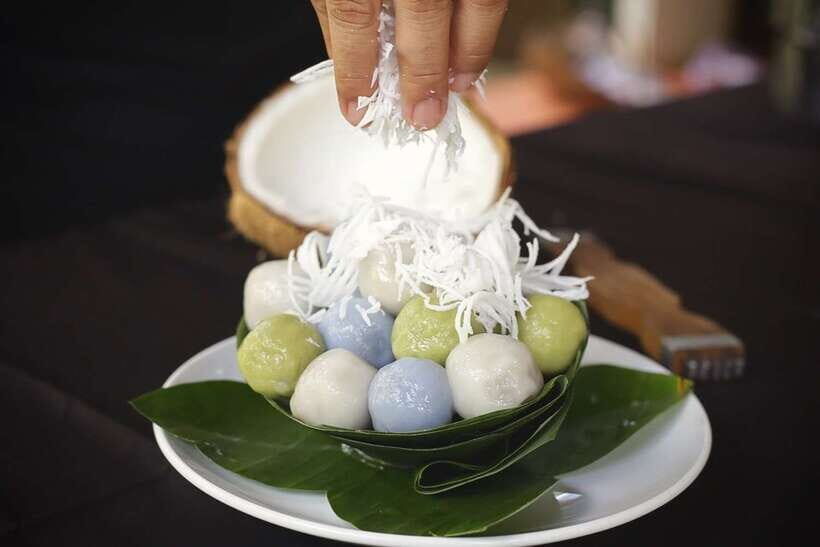
- Three distinct Khmer desserts using coconut milk, ginger, lemongrass, and palm sugar
- Tuk-tuk ride in both directions with direct hotel pickup and drop-off for an easy day
- Take-home recipe card, plus extra tasting portions that you can often pack up
Tuk-tuk Pickup, Market Start, and a Relaxed Cooking Space
The day starts with hotel pickup in Siem Reap. You’ll want to be ready about 30 minutes early in your lobby, because the plan is to get moving without stress. From there, it’s a tuk-tuk ride to the activity area, and then you’re dropped back at your accommodation at the end.
One of the best parts is the tone of the whole experience. You’re not herded into a loud classroom. Instead, you get a workshop-style kitchen setting that feels friendly and practical, where you can ask questions mid-recipe and adjust as you go. In sessions led by chefs such as Prey or Bri, and hosted by people like Sophia, the vibe tends to stay clear and calm, even when the cooking gets hands-on.
If you’ve never cooked Khmer desserts before, you’ll appreciate this structure. It helps you connect the dots: ingredient → method → texture → sweetness balance. If you’re already confident in the kitchen, you’ll still enjoy the ingredient explanations, especially for palm sugar.
You can also read our reviews of more cooking classes in Siem Reap

Your Market Walk: Where Ingredients Become Real (Not Just Words)
Before the cooking starts, there’s often a walk through the local market. This isn’t a long sightseeing detour. It’s more like a quick, useful scouting mission: what locals buy, what matters for flavor, and how to choose ingredients that behave well in dessert.
You also get your first snack during this part. The snack matters more than it sounds. It gives you an immediate taste reference for what you’ll make later, so the recipes don’t feel abstract. And when your host is fielding questions as you shop, you’ll learn how to talk about ingredients—things like coconut milk quality and what palm sugar should look and smell like.
For cooks, this step is gold. You learn what to buy if you try this back home. For non-cooks, it’s a confidence builder. You see the “why” behind each dessert, instead of just collecting instructions.
Palm Sugar 101: The Staple That Shapes Every Sweet
This class gives special attention to palm sugar—because in Cambodian sweets, palm sugar isn’t just sugar. It’s character. You’ll learn about the sugar palm source and how the ingredient becomes the finished palm sugar you use in cooking.
That matters because palm sugar behaves differently than typical white sugar. It can change how fast something thickens, how the flavor rounds out, and how the syrup sets. When you understand that, you can troubleshoot at home.
During the lesson, your chef explains how to think about palm sugar as a working ingredient, not a passive sweetness. You’ll hear practical guidance on where to be careful and what to watch for while it cooks, especially for desserts that rely on the syrupy, sticky stage.
This is the section I’d put on a sticky note in your brain. Once you get palm sugar, a lot of Khmer desserts start making more sense—even ones you don’t cook in this class.
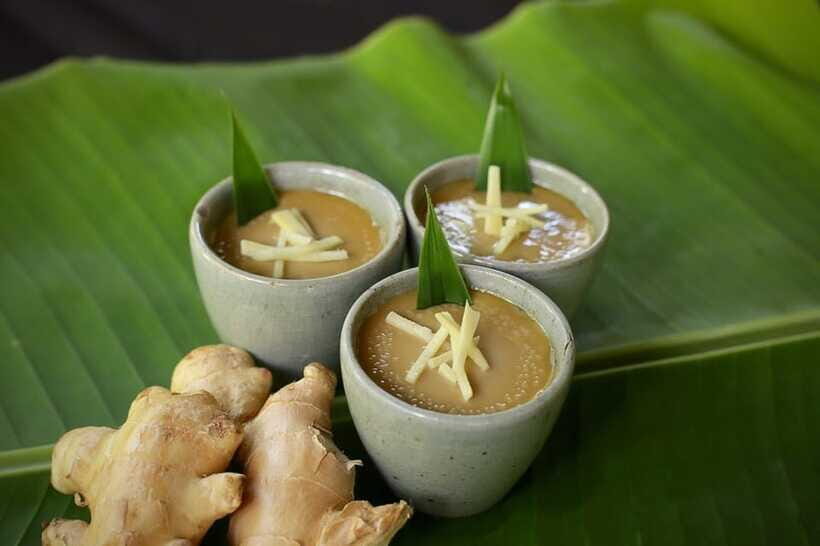
Steamed Ginger Custard: A Silky Dessert With Clear Logic
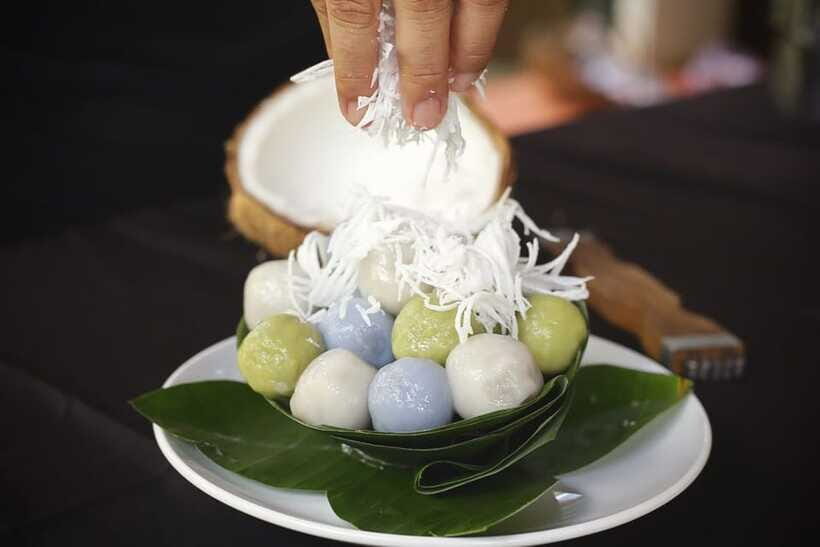
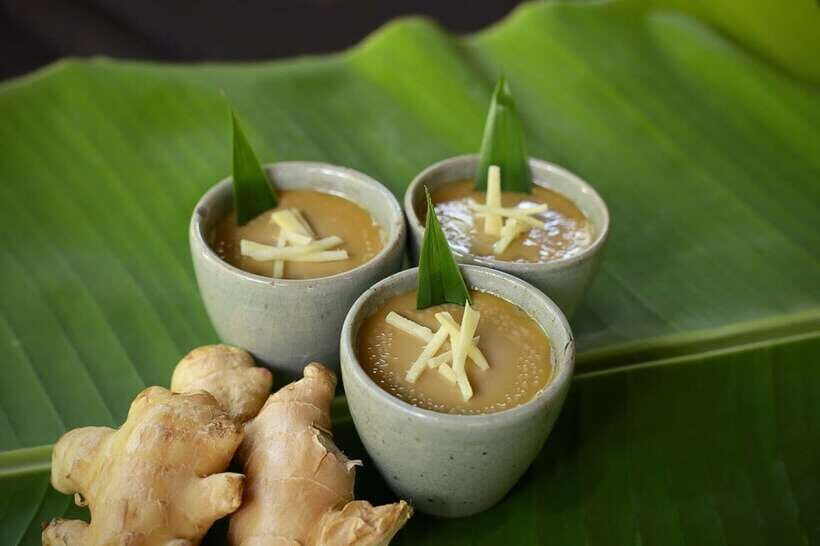
One of the three desserts you’ll make is steamed ginger custard. If you’ve only had custard that’s baked or flavored lightly, this one is a nice surprise. Ginger is the star, and steaming helps create a texture that feels tender and smooth rather than firm or dry.
What you’ll focus on here is technique: getting the ginger flavor right, controlling the consistency, and steaming long enough for that custard set without turning it rubbery. The class is hands-on, so you’re not just learning ingredients—you’re learning timing and texture.
You also get tastings along the way, so you can connect what you’re doing in the pot to how the dessert should feel. That feedback loop is what helps you reproduce results later.
Even if you don’t consider yourself a “custard person,” this recipe is a great entry point. It teaches you how Khmer dessert sweetness can be warming and aromatic instead of purely candy-like.
Palm Sugar and Coconut Bananas: Sticky-Sweet Balance You Can Repeat
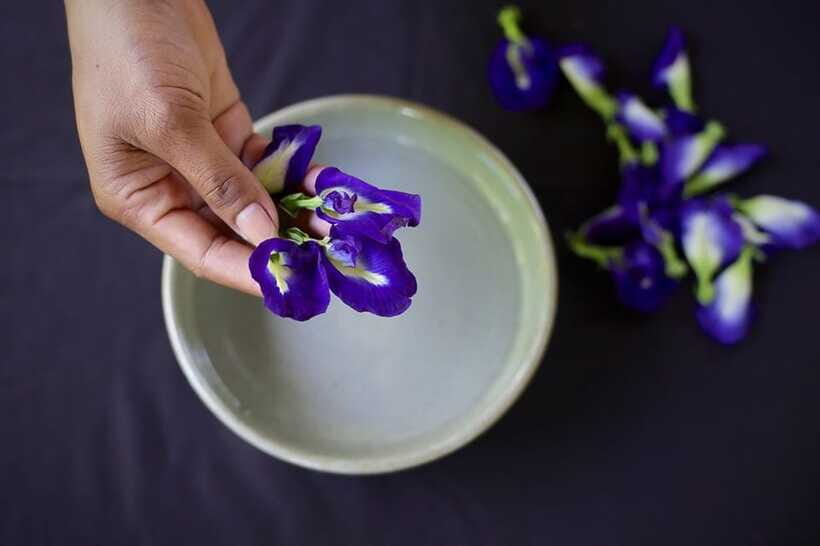
Next up is palm sugar and coconut bananas. This is the dessert where you really get to practice the signature Khmer sticky-sweet balance. Palm sugar brings the caramel-like depth, while coconut gives it that creamy roundness that makes it feel comforting rather than sharp.
In this part, the lesson tends to emphasize control. When palm sugar syrup is at the right stage, it clings and transforms. When it’s off, it can end up too runny or too hard to enjoy. That’s why your chef’s watchpoints matter.
You’ll also work with ingredients like coconut milk and likely aromatic components such as ginger and lemongrass across the recipe set. The exact flavor roles can vary by dish, but the overall goal stays consistent: fragrant, sweet, and balanced.
If you’re the kind of person who likes eating desserts slowly—taking one bite and noticing aroma—you’ll enjoy this one. It tastes like dessert, but it also tastes like ingredients doing their job.
A few more Siem Reap tours and experiences worth a look
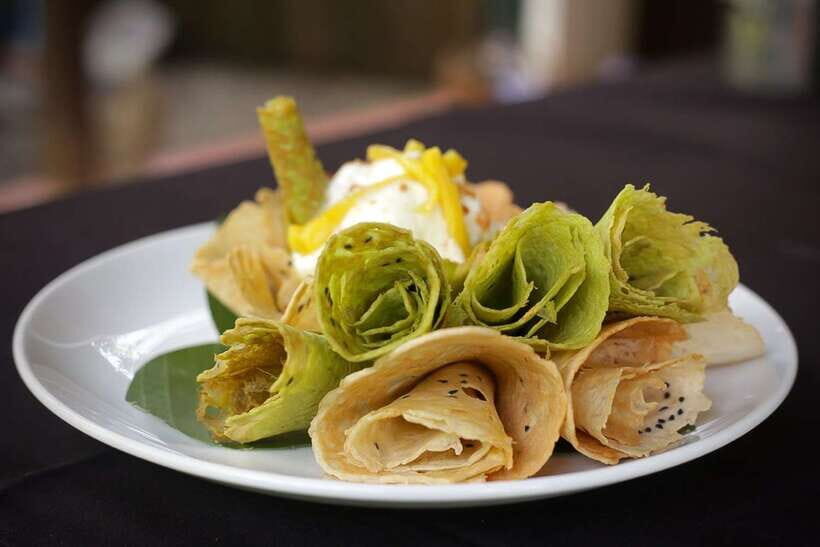
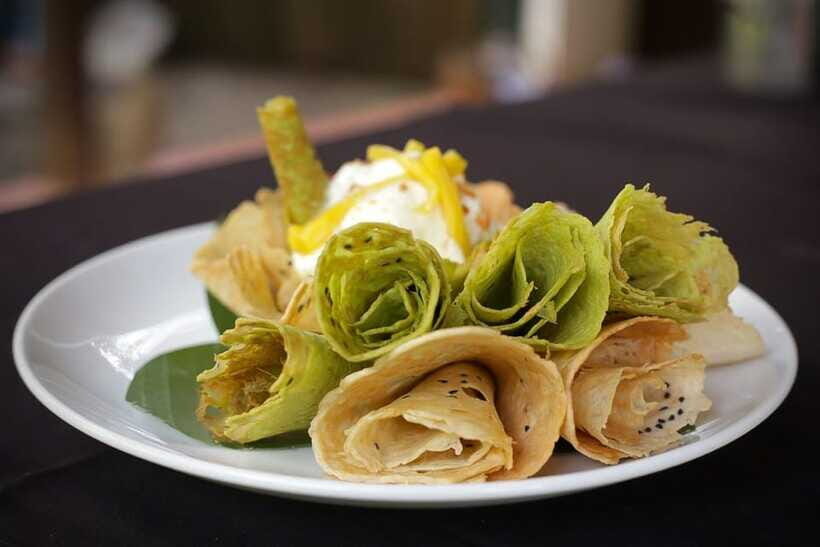
Sweet Coconut Pancakes: Comfort Food Energy, Khmer Style
The third dessert is sweet coconut pancakes. This is the recipe that feels easiest to picture when you’re thinking about making it again at home. Coconut milk shows up in a big way, giving the pancakes a soft, fragrant character.
Pancakes can go wrong fast if the batter is too thick, too loose, or if heat is uneven. Here, the instruction matters because you’ll learn how to prep and cook so you get the right texture—tender inside and pleasantly cooked outside.
This recipe is also a useful way to understand how coconut works in Khmer desserts. Coconut isn’t only for creamy fillings. It’s also a flavor and texture engine that can bring body to a simple dough-based sweet.
After tasting, you’ll likely notice that this dessert doesn’t rely on heavy sweetness alone. It uses coconut aroma and cooking method to create satisfaction. That’s a good lesson for your own cooking, even when you’re not making the exact same pancake.
Hands-On Stations, English Instruction, and the Recipe Card You’ll Actually Use
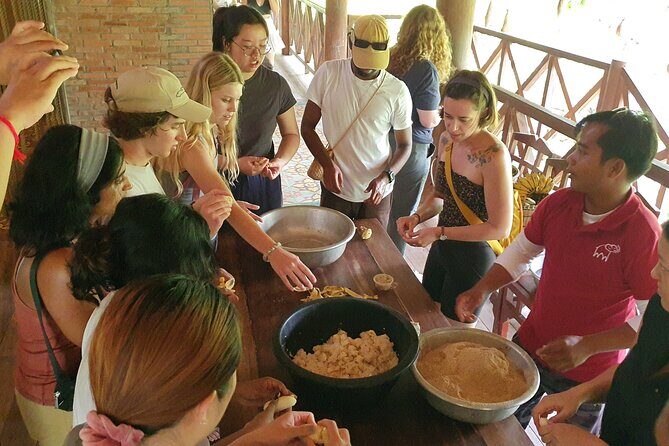
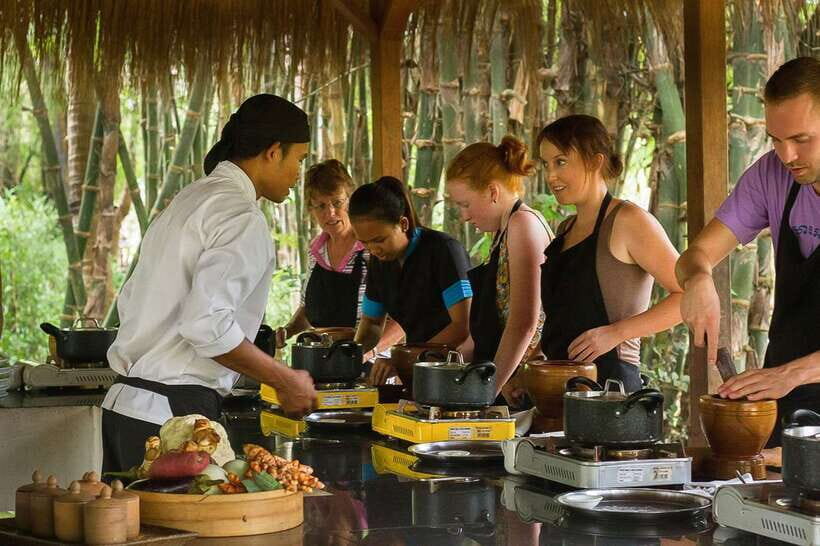
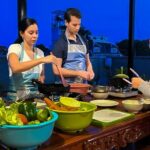
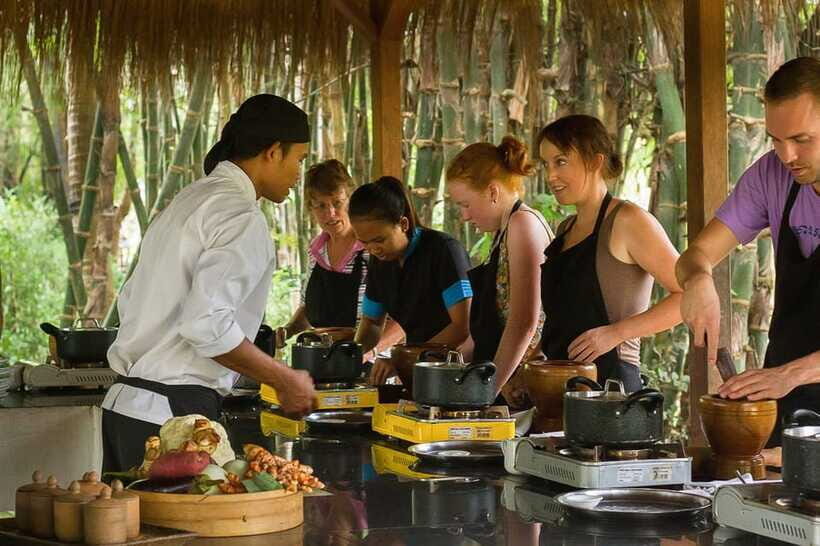
One of the main reasons this class earns strong ratings is the format. You get your own cooking station and equipment, so you’re actively building skills. You’re not waiting your turn while someone else does the real work.
Instruction is in English, and the chef and host explain steps clearly enough that beginners can follow without feeling lost. You’ll also learn small technique tips that are hard to find in a written recipe—things like what to watch for visually as ingredients change.
At the end, you take home a recipe card. That’s important because the real value isn’t only the tasting. It’s the ability to recreate the results later. When you have a card in hand, you can go from memory back to method.
If you arrive feeling hungry (or forget breakfast), you might even get an extra snack like fruit or tea during the session. That small kindness shows up in some experiences and makes the whole class feel more welcoming.
Tastings, Portion Size, and What You’ll Likely Take With You
Tastings are included, and they’re not a formality. They’re part of how you learn. You’ll taste what you’re making and compare it against what it should be like—so your brain connects technique with outcome.
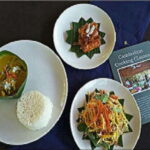
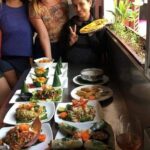
The class also tends to produce more than you’d eat in one sitting. Many experiences end with extra desserts boxed up for later, which is ideal if you’re sharing or want something sweet to take back to your room. It also means you’re not just tasting tiny bites. You get a real sense of how each dessert should feel when fully finished.
And because the recipes are coconut-forward and palm sugar-forward, the flavors pack well. Even after cooling, they tend to hold their character.
Price and Value: What $32 Buys in Siem Reap
At $32 per person for about 3 hours, you’re paying for more than cooking entertainment. You’re paying for (1) direct hotel pickup and drop-off, (2) instructor-led hands-on instruction, (3) tastings, and (4) ingredients and equipment used during the class.
In a destination like Siem Reap, convenience matters. Not everyone wants to figure out transport, find a kitchen space, and then wonder whether the ingredients will be consistent. This experience already removes those frictions with a direct pickup and drop-off plan.
You also get real skill value. Learning to cook desserts using palm sugar, coconut milk, ginger, and lemongrass is niche enough that you can’t easily recreate it from a generic cookbook without the technique guidance. The recipe card helps you bring that value into your kitchen later.
If you’re deciding between a market-only food tour and a cooking class, this is a strong middle path. You get tasting and shopping context, then you get the skill.
Who This Cooking Lesson Is Best For (and Who Might Skip It)
This class fits best if you:
- like learning the “why” behind an ingredient like palm sugar
- want hands-on instruction with your own workstation
- enjoy sweet Khmer desserts and want to recreate them at home
- travel with siblings, friends, or a partner and want a fun shared activity
It might be less ideal if you:
- don’t enjoy sweet foods or are trying to keep sugar low
- hate sticky textures (palm sugar can be that type of ingredient)
- only want a quick food taste without cooking practice
Because it’s only 3 hours, you’ll learn enough to feel confident making the recipes again, but it’s still a beginner-to-intermediate style lesson. You’re there to learn processes, not to master advanced pastry engineering.
Should You Book This Cambodian Desserts Class?
I’d book it if your goal is practical souvenir value: something you can bring home that isn’t just a photo. The combination of market context, palm sugar focus, and hands-on cooking makes it easy to remember and easy to repeat.
You’ll probably have the most fun if you show up ready to cook, eat, and ask questions. And if you’re specifically interested in how Khmer desserts get their flavor depth—especially from palm sugar and coconut milk—this is a very direct way to learn.
If sweets aren’t your thing, or you want a lighter activity, you might choose another food experience in Siem Reap. But if Cambodian desserts sound like your kind of day, this one is a solid, skill-based option.
FAQ
Where is pickup and drop-off in Siem Reap?
Hotel pickup and drop-off are included. You’ll be picked up from your accommodation area and returned there at the end of the tour.
How long does the cooking lesson last?
The experience lasts 3 hours.
What does the cooking class include?
It includes the cooking lesson, tastings, and hotel pickup and drop-off.
What desserts will I learn to make?
You’ll make steamed ginger custard, palm sugar and coconut bananas, and sweet coconut pancakes.
What ingredients are used?
You’ll work with palm sugar, coconut milk, ginger, and lemongrass, plus other ingredients used in the specific desserts.
Is the instructor English-speaking?
Yes. The instructor for the cooking lesson is listed as English.
Do I get a recipe to take home?
Yes. You’ll receive a recipe card to take home.
Is there time for tastings during the class?
Yes. Tastings are included as part of the experience.
How much does it cost?
The price is $32 per person.
Can I cancel if my plans change?
You can cancel up to 24 hours in advance for a full refund.
FAQ
Is payment required when I book?
Not immediately. There’s a reserve now & pay later option listed.
When should I be ready for pickup?
You should be waiting in your hotel lobby about 30 minutes before the activity start time.