REVIEW · SIEM REAP
Siem Reap: Fishing in the rice fields, in the villages of Siem Reap
Book on GetYourGuide →Operated by Joe Jungle Adventure · Bookable on GetYourGuide
Snakehead fishing in rice fields beats temple detours. This is a small-group ride from Siem Reap to Khmer villages, where you learn topwater fishing with frogs and try to land a snakehead at the surface.
I love the human side: stopping at local markets, meeting fishermen right out in the fields, and spending the day with a crew that knows how to work the water. Just know there’s an early start, you’ll be in mud-and-water territory, and wildlife like snakes can be part of the rural setting.
In This Review
- Key highlights worth making time for
- Why this Siem Reap fishing day feels different
- The 7 a.m. scooter ride: rural Cambodia starts fast
- Market stop: a quick look at Khmer daily rhythm
- Finding the right rice-field spot when water levels change
- Frog-bait topwater lesson: the technique you’ll actually use
- The snakehead strike: why this bite is hard to forget
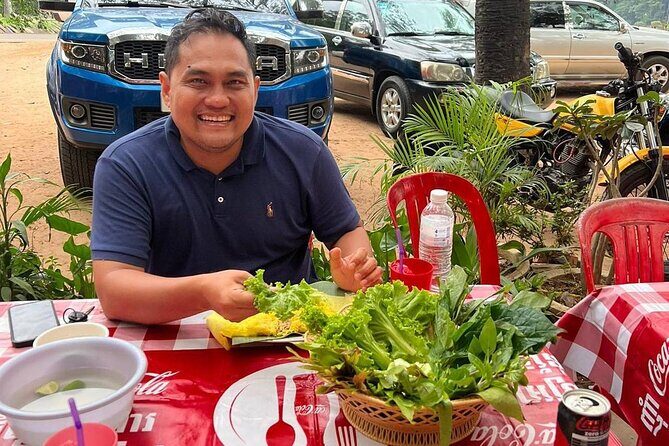
- Lunch in a village: simple food, real context
- Second session: re-spotting for more chances
- When the countryside goes wild: heat, mud, and wildlife awareness
- Price and value: what $68 is really paying for
- Who should book this Siem Reap rice-field fishing trip?
- Getting the most out of your day
- Should you book Joe Jungle Adventure’s rice-field fishing day?
- FAQ
- What time does the Siem Reap rice-field fishing tour start?
- How long is the tour?
- Where does the tour take place?
- How far do you travel from Siem Reap?
- How big is the group?
- What languages are used by the instructor/guide?
- What fishing method and bait do you use?
- Can the fish you catch be prepared and eaten on the spot?
- What’s included in the price?
- What should I bring?
Key highlights worth making time for
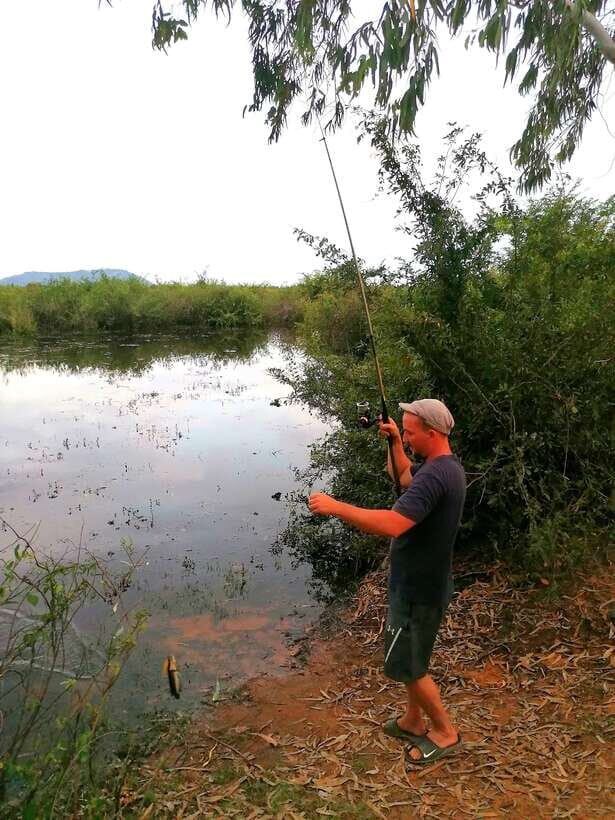
- Topwater technique with frog bait aimed at snakehead fish
- Village market stop for a real slice of Khmer daily life
- Small-group feel (up to 4 people) with hands-on guidance
- Rice-field fishing that shifts with water levels so the day stays flexible
- Catch-and-eat style when conditions and your choice line up
- A second fishing stretch after lunch for a better shot at memorable bites
Why this Siem Reap fishing day feels different
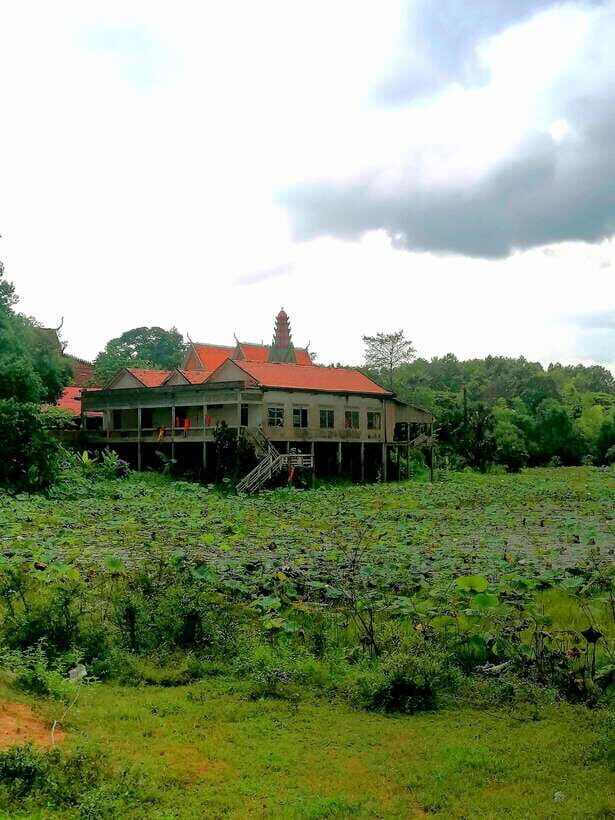
Siem Reap is famous for temples, sure. But this trip is about the life around them—Khmer villages, rice paddies, and people who fish as part of normal routine. You’re not just watching from the shore. You’re learning how the method works, then trying your hand where it happens.
The big draw is the fishing itself. Snakehead fishing from the surface using frog bait is the kind of challenge that keeps you alert. When a fish strikes, it isn’t a slow tug and a long wait. It’s quick, splashy, and you have to react fast.
The other thing that makes it satisfying is the people aspect. Market stops and time in the fields create real conversation moments—less checklist tourism, more human exchange. Even if you don’t speak Khmer, you’ll get the gist: how fishing fits the day, what water conditions change, and how locals think about food and work.
A few more Siem Reap tours and experiences worth a look
The 7 a.m. scooter ride: rural Cambodia starts fast
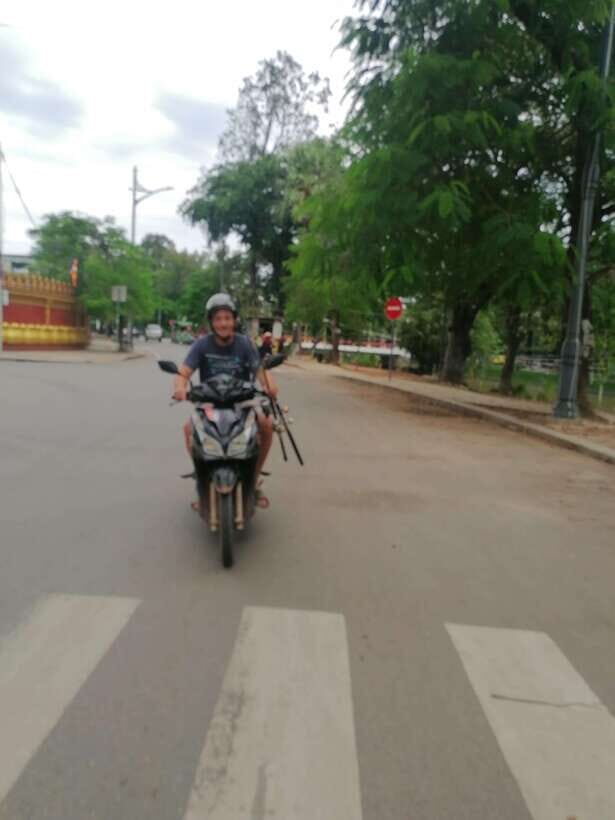
You start early—around 7:00 a.m.—and head about 20–30 km from Siem Reap to nearby villages. Most days you’ll go by motorbike or scooter, with the guide handling the route.
Why this matters: early travel gets you away from the most crowded parts of town and puts you in the countryside while the day still feels calm. It also gives you more daylight time for fishing, especially because rice-field conditions can change.
Practical note: scooters can mean a bit of sun exposure and dust in transit. Wear clothes you don’t mind getting dirty later, and plan for the fact that you may arrive looking like you’ve already done a day of farm work.
Market stop: a quick look at Khmer daily rhythm
Before you fish, you stop at a local market in the village area. This is where you see everyday Khmer life through simple, real-world details: what people buy, how goods get handled, and what’s practical for village schedules.
It’s not a long museum-style stop. It’s more like a warm-up. You get context for the day you’re about to join—then you’re off to the water.
What I like here is how the market ties into the rest of the experience. You’re not landing in the countryside as a tourist who only cares about one activity. You’re stepping into a place where fishing, food, and daily commerce are connected.
Finding the right rice-field spot when water levels change
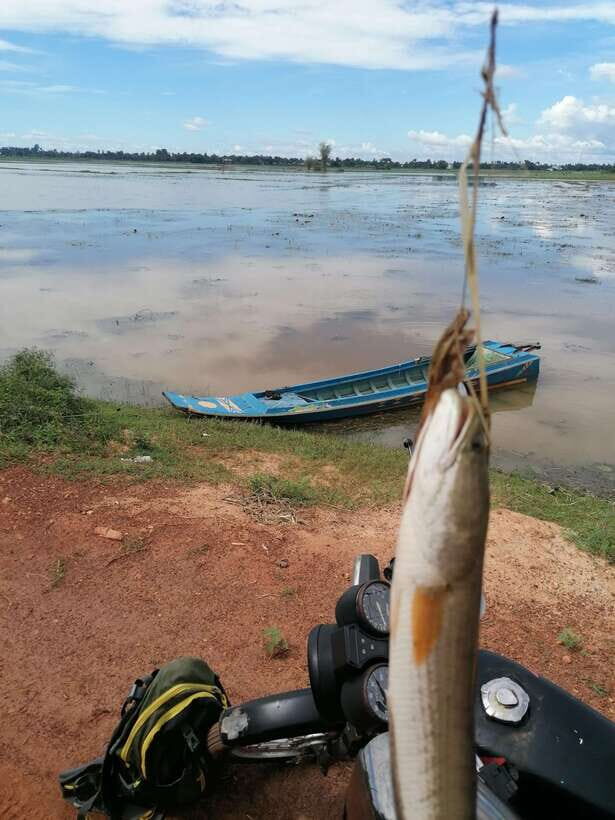
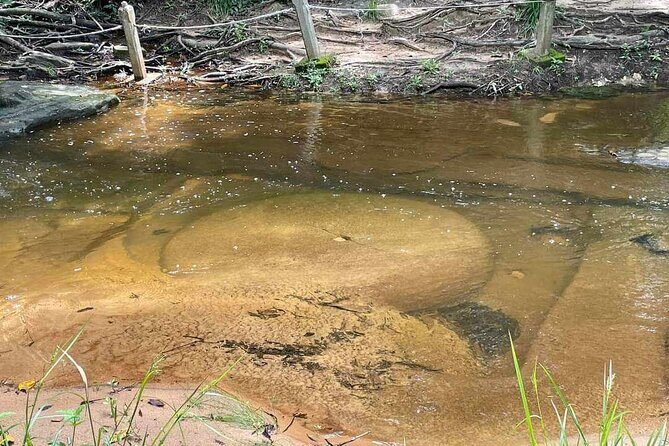
The fishing spots vary based on the water level, because rice fields aren’t one static stage. The guide and crew choose locations that make sense for where the water is flowing (or standing) and for the best chances to fish.
This is one of those details that sounds small, but it’s the difference between a good fishing lesson and a frustrating one. Water level affects how fish move and where they feed at the surface. It also changes how easy (or tricky) the area is to stand and cast from.
You’ll likely move between spots during the day. That keeps your chances alive and helps the schedule adapt to what’s actually happening in the fields.
Frog-bait topwater lesson: the technique you’ll actually use
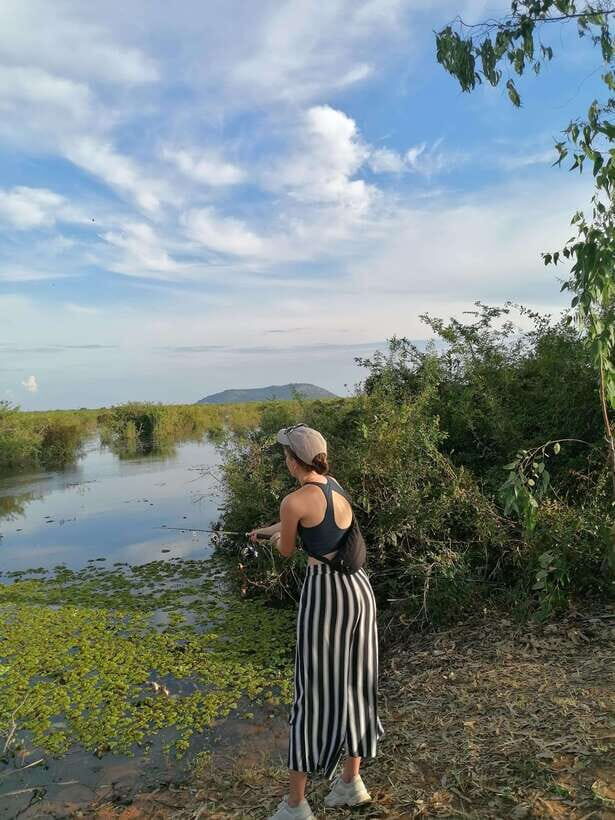
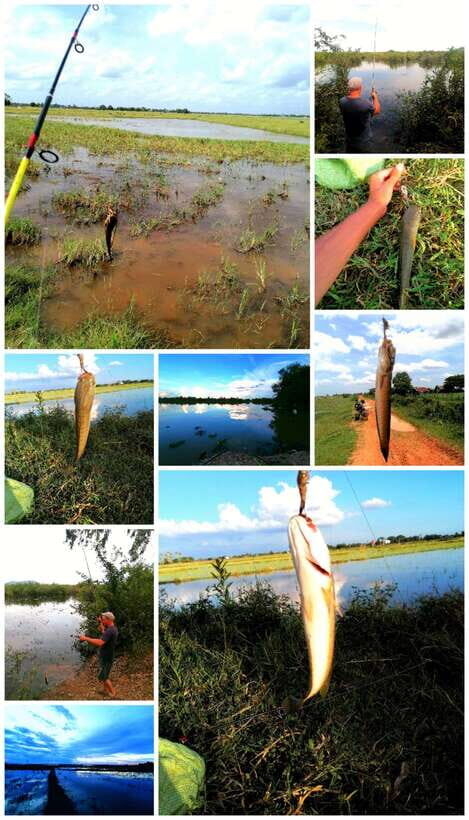
Once you reach the fishing area, you get an intro to the tackle and the basic rules of topwater fishing. You’ll fish using frogs as bait.
Here’s why this setup is such a big deal. Frog bait is meant to float and look natural on the surface. That means your casting, timing, and line control matter. You aren’t just throwing a lure and hoping. You’re trying to create a presentation that works in rice-field water, where fish are hunting close to the top.
You’ll also get a small snack before you start casting. It sounds minor, but it matters when you begin early and then stand for hours. A quick hit of energy keeps you focused for the bite moments.
Tip for your own comfort: bring a sun hat and sunscreen. You’ll be outside for a long stretch, and rice fields don’t provide much shade once you’re settled in.

The snakehead strike: why this bite is hard to forget
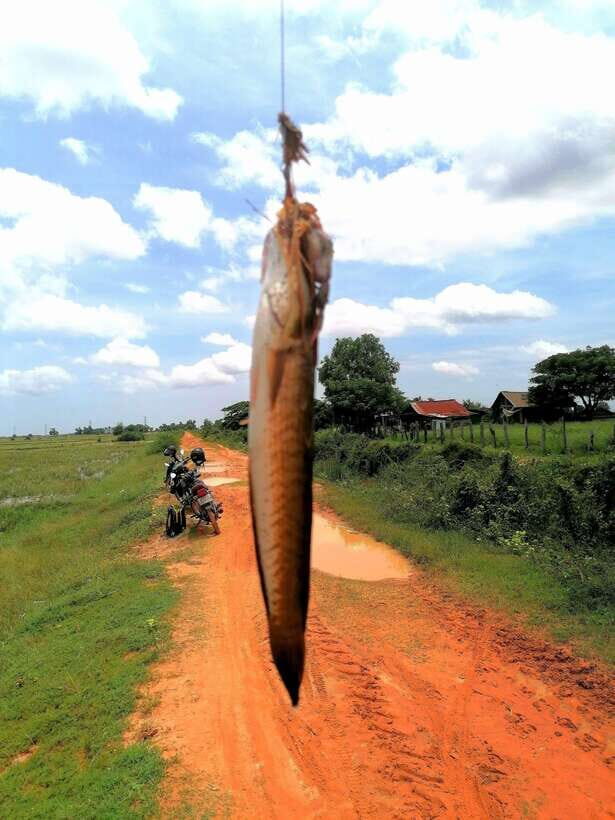
The goal is to experience the moment when the snakehead grabs the bait on the surface of the water. The feeling is the whole point—because it’s visual and immediate. You’re watching the surface action, you feel the line change, and then you’re working fast to land the fish.
This type of fishing also teaches patience in a different way. The fish aren’t necessarily feeding constantly. Some minutes are quiet; then suddenly the action shows up. If you pay attention, you’ll learn what conditions seem to trigger the strike, and how your own technique affects results.
And yes, there’s a big chance you’ll see other local fishermen in the fields while you’re there. In those shared moments, it’s easier to understand that fishing isn’t a sport for locals. It’s practical. It’s food. It’s routine. It’s also why the whole day feels more real than a standard activity.
Lunch in a village: simple food, real context
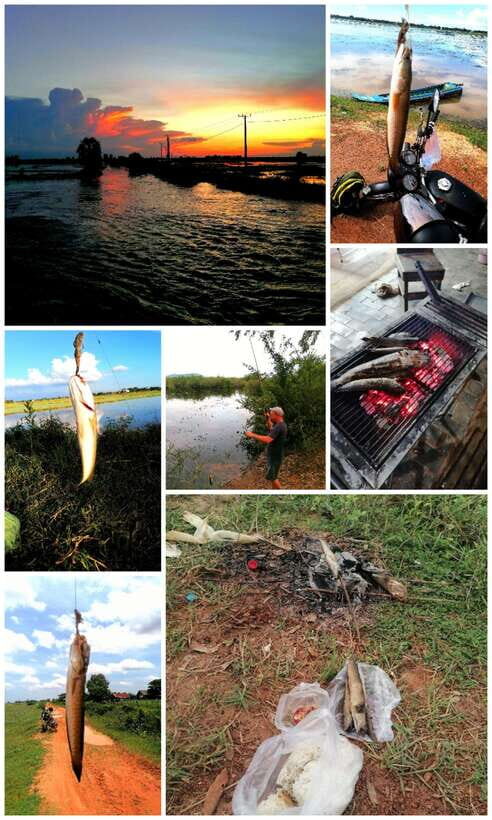
After a first fishing stretch, you’ll head to lunch in a surrounding village. The trip includes lunch, so you’re not hunting for a meal when you’re already tired.
The value of lunch here isn’t just calories. It’s timing. You fish, you rest, you eat among people living in the same landscape you were standing in, and then you return to the water with fresh energy.
If you catch fish and decide to eat on the spot, that connects lunch even more tightly to the day’s work. It’s the kind of catch-and-prepare approach that locals are used to during long sessions.
Second session: re-spotting for more chances
Depending on fish stock and how things are running, you’ll fish again in the afternoon for a few more hours. The fact that there’s a second stretch is one of the practical reasons the day works well.
You get more time to learn, adjust, and try again if the first period isn’t producing. It also reduces the stress of having one single shot at success.
On days when conditions are better, this structure can turn into a genuinely memorable fishing rhythm: cast, wait, watch, react, then repeat.
When the countryside goes wild: heat, mud, and wildlife awareness
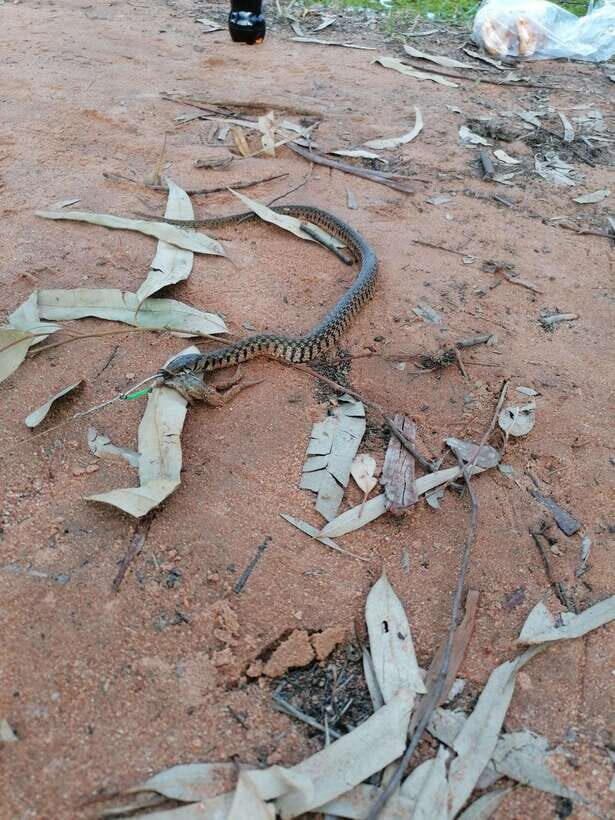
You’ll be in pure rural nature for a long day. The tour notes that it’s not uncommon to encounter snakes or other dangerous wild creatures. That doesn’t mean it’s constant. It means you should treat the environment seriously.
What to do with that information:
- Wear clothes that can get dirty. You’ll likely be near wet ground.
- Keep an eye on your footing and where you step.
- Follow the guide’s instructions about where to stand and where not to go.
- Don’t improvise. Rice-field areas can be uneven or change quickly with water movement.
Also factor in heat and sun. Morning starts early, but by afternoon the sun is still strong. Sun protection isn’t optional for comfort here.
Price and value: what $68 is really paying for
At about $68 per person, you’re paying for more than a fishing ticket. You’re getting:
- pickup and return transport from your hotel area,
- snacks, lunch, and water plus one soft drink,
- fishing equipment,
- a small-group guide team who teaches the method and picks spots based on water level.
Is it “cheap”? No. But I think the price makes sense because the experience is skill-based and time-intensive. A topwater frog fishing day is less about walking around and more about being instructed, handled safely, and kept productive across multiple fishing blocks.
The small group size matters too. Up to 4 participants means you’re more likely to get real attention on casting and technique rather than being one face in a crowd.
If you’re the kind of traveler who just wants a photo and a quick demo, this may feel like too much work. If you want to actually try a technique and spend time in rural life, it’s good value for the full day.
Who should book this Siem Reap rice-field fishing trip?
This tour fits best if you:
- like hands-on activities, not just sightseeing,
- have interest in fishing methods and want to learn the rules,
- want a day away from heavy temple crowds,
- enjoy conversations with locals and seeing how daily life works.
It may be less ideal if you:
- don’t want to be outside for long hours,
- hate getting dirty or dealing with wet ground,
- are very cautious about wildlife and prefer strictly controlled environments.
Getting the most out of your day
A few small choices can make a big comfort difference:
- Bring a sun hat and sunscreen. Reapply if you’re still in the fields later.
- Pack a head covering or kippah if you prefer to cover your head while outdoors.
- Wear footwear and clothing that can handle water and mud.
- Listen closely during the tackle and frog-bait intro. Your first casting attempts matter.
- Keep your expectations flexible. Water levels influence where you fish and how the day unfolds.
Also, if you want to drive your own vehicle, you’re welcome to do so. That can help if you prefer control over timing and transport logistics.
Should you book Joe Jungle Adventure’s rice-field fishing day?
If you’re in Siem Reap and you’re craving something real—something tied to daily Khmer life—this is an easy yes. The strongest reason to book is the combination of skills + countryside + a small group. You’re not only seeing the villages; you’re learning how fishing works in that setting and trying it yourself.
The best time to choose this is when you’re willing to trade temple hours for a morning on the water and rice fields. And if you want a break from the usual tourist rhythm, this day delivers.
Book it if:
- you want hands-on rural experience,
- you enjoy learning a specific technique,
- you like small groups with proper guidance.
Skip it if:
- you’re expecting a relaxed, cushy, indoor-style tour,
- you don’t want to deal with mud, heat, and potential wildlife presence.
If your dates are flexible, you can typically cancel up to 24 hours in advance for a full refund, and there’s a reserve-now, pay-later option so you can hold your spot while you plan.
FAQ
What time does the Siem Reap rice-field fishing tour start?
It starts early in the morning at 7:00 a.m., and the full duration is about 10.5 hours.
How long is the tour?
The tour lasts about 10.5 hours.
Where does the tour take place?
It takes place in Siem Reap Province, with fishing spots in nearby villages and rice fields.
How far do you travel from Siem Reap?
You ride by motorbike or scooter about 20–30 km from Siem Reap to the villages and fishing areas.
How big is the group?
It’s a private tour limited to a maximum of 4 participants.
What languages are used by the instructor/guide?
The instructor speaks German and English.
What fishing method and bait do you use?
You fish with frog bait using a topwater fishing method.
Can the fish you catch be prepared and eaten on the spot?
Yes, the catch can be prepared and eaten on the spot if required, like locals do when they are out fishing for hours.
What’s included in the price?
Transportation (pickup and return), water, one soft drink per person, snacks, lunch, and fishing equipment.
What should I bring?
Bring a sun hat, head covering (or kippah), sunscreen, and clothes that can get dirty.