REVIEW · SIEM REAP
Siem Reap: Tonle Sap Lake – Fishing Village & Flooded Forest
Book on GetYourGuide →Operated by Journey Cambodia · Bookable on GetYourGuide
If you like water villages, this one hits.
Tonlé Sap feels like a living system, and the Kampong Phluk boat cruise shows how people work with it instead of fighting it. I love the sense of calm you get gliding through narrow forest canals, and I also like how the day mixes water life with on-the-ground food and farm routines you can actually see.
The main thing to keep in mind is timing: Tonlé Sap swings hard between wet and dry seasons, and when water levels are low, you may not get as close to some areas as you hoped.
In This Review
- Tonlé Sap’s Flood Rhythm, Up Close
- Key Highlights Worth Planning For
- First Stop: The Drive Through Siem Reap Countryside
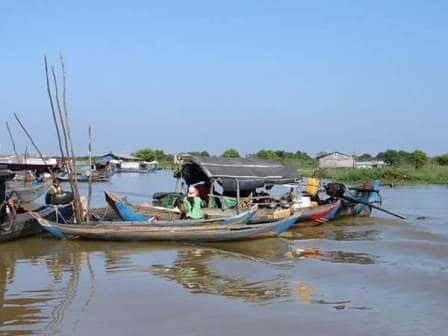
- Kampong Phluk: Fishing Villages and the Flooded Forest by Boat
- What you’re really looking at
- The floating village feeling
- A reality check for dry-season visits
- The River Boat Segment: A Different View Angle
- Back Roads Home: Seasonal Farming, Fish Processing, and Duck Life
- Buddhist Monastery Stop: When It Fits the Season
- Price and Value: What $45 Gets You in Real Terms
- The Best Type of Traveler for Tonlé Sap
- Practical Tips Before You Go
- Should You Book This Tonlé Sap Lake Tour?
- FAQ
- How long is the Tonlé Sap: Fishing Village & Flooded Forest experience?
- Is this tour only in the morning?
- What does the tour include for the $45 price?
- Does the tour include hotel pickup and drop-off?
- Is it wheelchair accessible?
- When is the Buddhist monastery visit suggested?
- Is the rowboat ride included?
Tonlé Sap’s Flood Rhythm, Up Close
This half-day trip is all about the seasonal pulse of Cambodia’s Tonlé Sap Lake. In the wet season it swells to about 12,000 km², then shrinks down around 2,500 km² in the dry half of the year. That change is not just scenery. It shapes where fish spawn, where people build, and which parts of the forest are reachable.
Tonlé Sap is also one of the world’s most productive freshwater systems, and it’s protected as a UNESCO biosphere reserve. Each year, fish come to spawn in the flooded forest, which pulls in birds and, crucially, people who live along the shoreline and follow the water calendar. You’ll spend your morning (or afternoon) learning that rhythm with a guide and seeing it with your own eyes.
A big reason this tour works for visitors is pace. It’s built around a slow boat experience, short walks, and stop-and-look moments rather than a long, exhausting schedule.
Key Highlights Worth Planning For
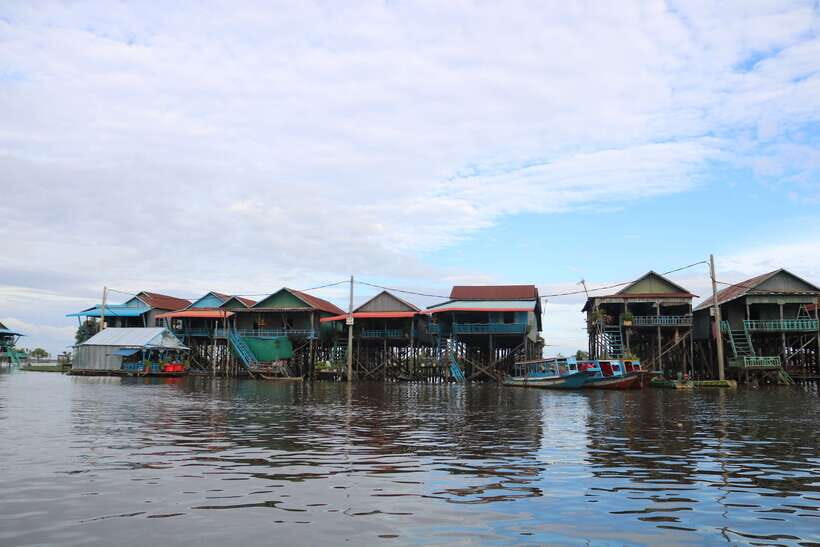
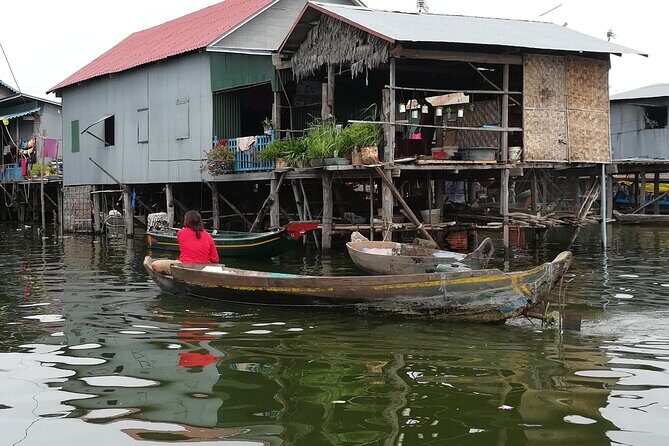
- Kampong Phluk fishing villages with houses on stilts and a flooded-forest setting
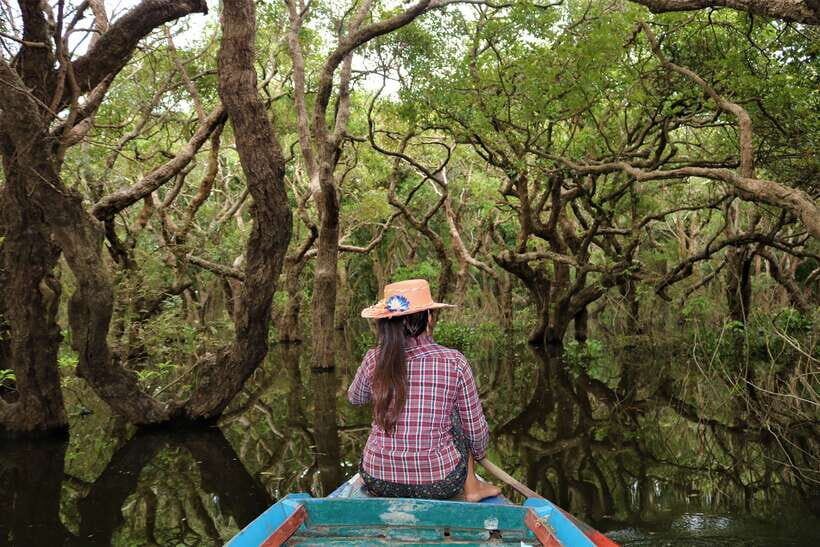
- Boat cruise through forest canals for quieter, close-up views of local life
- Seasonal agriculture and aquaculture you can spot in action around the lake
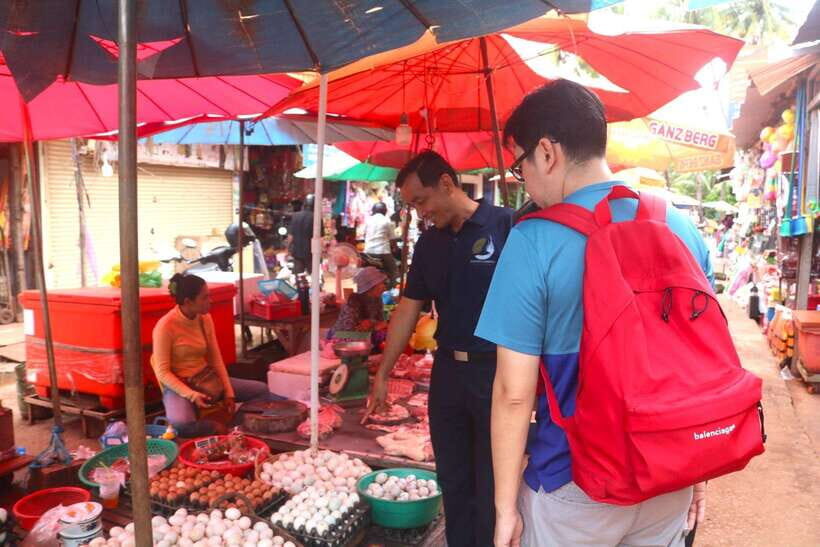
- Rural markets and Khmer snacks/vegetables that show how people actually eat and trade
- Optional Buddhist monastery timing that fits the end of July to early March window
A few more Siem Reap tours and experiences worth a look
First Stop: The Drive Through Siem Reap Countryside
Your day starts with hotel pickup in Siem Reap city, then a van ride out through countryside toward Tonlé Sap. Even before you reach the lake, you’ll feel the shift from tourist grid to everyday rural Cambodia. The ride is about 40 minutes, with time to settle in and get oriented for what’s coming.
There’s also a shorter guided walk stop early on, around 25 minutes. This is the kind of pause that helps the rest of the trip make sense, because it sets the scene for how communities live with seasonal changes. If you’re the kind of traveler who likes context, this brief stop helps you read the day faster.
One practical note: bring a hat and keep water handy. It’s not a hike, but the weather can move fast in Cambodia.
Kampong Phluk: Fishing Villages and the Flooded Forest by Boat
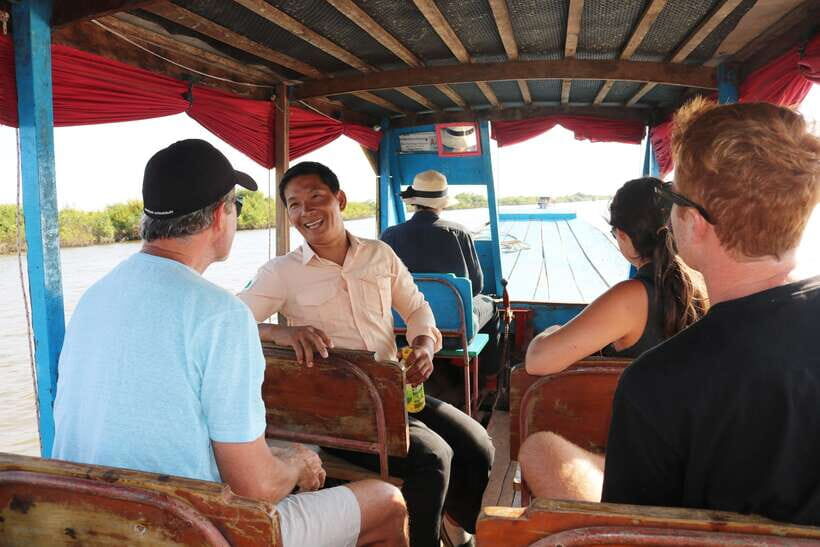
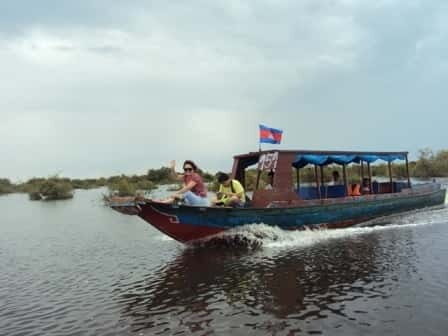
The heart of this experience is Kampong Phluk, made up of three small fishing villages in a flooded-forest environment. You’ll spend about 2.5 hours here, with guidance, sightseeing, and a mix of cruising and short walking.
What you’re really looking at
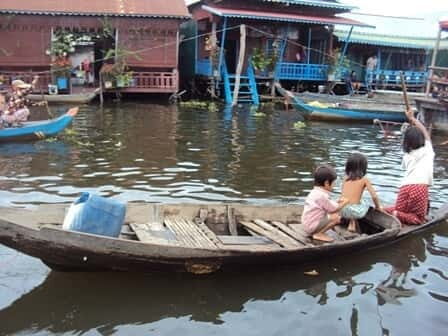
This is not just a photo stop. You’re watching a community shaped by water levels. Houses on stilts are a big clue, but the bigger lesson is how daily routines track the lake. In wet season, more forest becomes part of the living space, and water routes replace land routes.
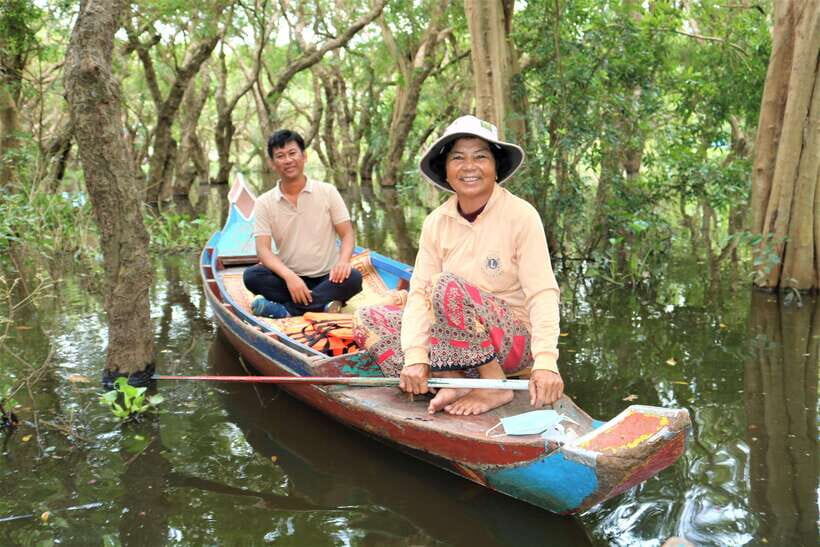
As your boat meanders through village waterways and forest canals, you’ll get glimpses of flora and fauna along the edges. The boat pace matters here. It lets you actually observe details like how people arrange spaces for work, storage, and daily movement.
The floating village feeling
Your guide will point out what’s going on behind the scenes—work connected to fishing and aquaculture, plus signs of seasonal living. It’s the kind of scene where you can hear and see effort without feeling like you’re intruding. A good guide also explains the why, not just the what.
In past trips, guides like Sargon Pal and Chhay have made the experience feel relaxing by explaining what you’re seeing in plain terms. If you care about understanding local life, that guidance turns the boat ride from scenery into knowledge you can carry with you.
A reality check for dry-season visits
Here’s the consideration I’d plan around: Tonlé Sap’s reach changes dramatically. If you visit during periods when water is lowest, you may get fewer close-in views of village areas and the flooded-forest experience can be less dramatic than you imagined. This isn’t a problem with the tour itself; it’s just how the lake works. If seeing houses and forest in full seasonal mode is your top goal, it’s smart to target a time when water is higher.
The River Boat Segment: A Different View Angle
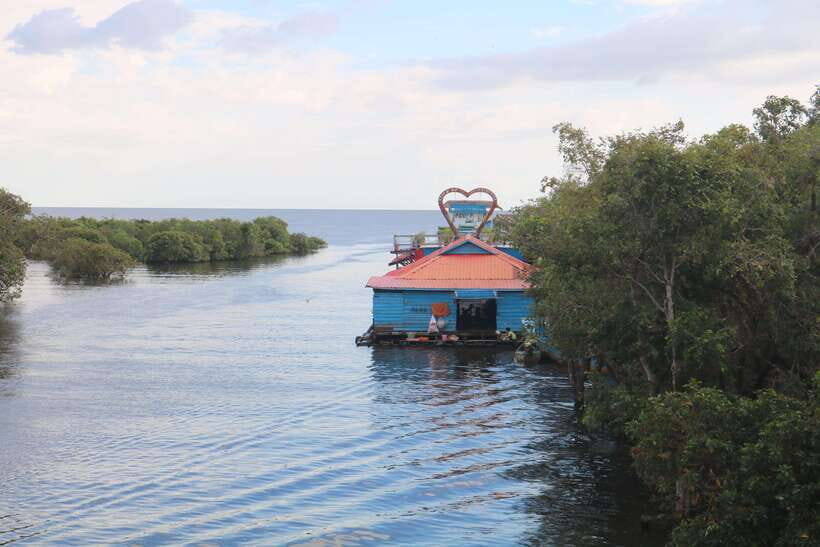
After the Kampong Phluk portion, you’ll shift to another water segment: a river boat ride (about 30 minutes). This is often where the day feels most cinematic, because you’re not just passing buildings—you’re reading the waterway as a route people depend on.
Think of this as a change in perspective. You see different shoreline textures, different kinds of water movement, and you often spot more signs of fishing-related routines. If you like animals, birds, or just the feel of being out on calm water, this stop helps break up the day so it doesn’t become one long stretch of the same scenery.
Back Roads Home: Seasonal Farming, Fish Processing, and Duck Life
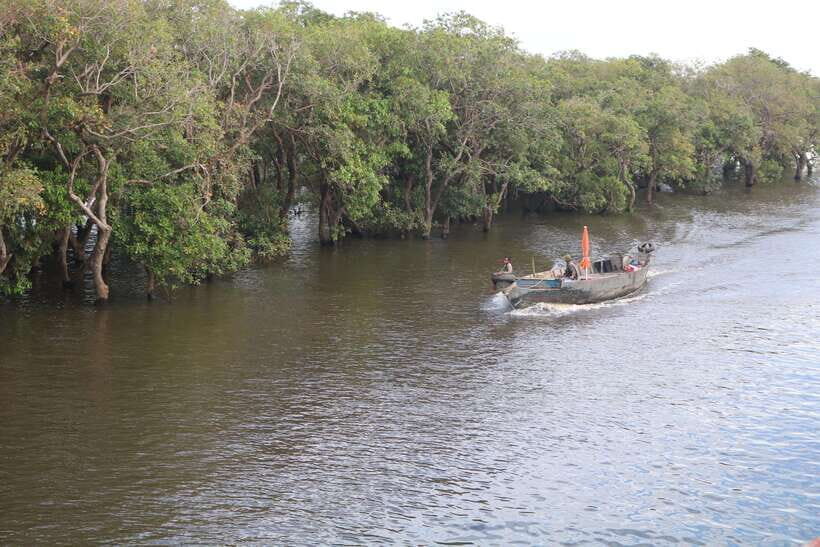
Once you’re back on land routes, the trip pivots into a “what people do with the land and water” storyline. You’ll head back via back roads for stops tied to seasonal agriculture activities around Tonlé Sap.
This is where the tour earns its keep, because it connects the lake’s rhythm to food production you can understand quickly:
- cricket catching
- rice planting and harvesting
- smoking fish
- fish paste making (prohoc)
- duck farming
Not every visitor expects fish paste and smoke routines on a boat tour, which is exactly why it’s memorable. You’re seeing how communities build income and food security from what the lake makes possible. And if you enjoy food culture, this portion makes the day more than just pretty water.
You’ll also stop at a local village to pick up Khmer snacks. This is a good moment to buy small things you can snack on immediately and taste without overcommitting. If you’re the type who always wants to try what locals buy, this is your cue.
Buddhist Monastery Stop: When It Fits the Season
Before heading back, there’s a Buddhist monastery visit. The suggested timing is between the end of July and early March. If your travel dates fall outside that window, you might still stop for cultural context, but the monastery visit is the part most tied to the season.
This stop can add depth to what you’ve already seen. After watching people work with the lake’s ups and downs, you get a sense of how spiritual life and community life connect to seasonal routine.
Price and Value: What $45 Gets You in Real Terms
At $45 per person for about 4 hours, this tour is priced to feel like a genuine local-activity experience, not a long excursion. The big value points are that it includes:
- a local English-speaking guide
- air-con vehicle with hotel pickup/drop-off in Siem Reap city
- boat cruise
- entrance fees
- mineral water and cool towel
That list matters because so many “short tours” either skimp on the guide time or load extra costs onto the day. Here, the guide and the main water experience are covered, and you’re not stuck negotiating your way through basic logistics.
Is it cheap? No. But for Cambodia, it’s also not overpriced for the combination of rural boat time plus cultural stops plus transport. When I think about value, I focus on time actually spent on the water and in local settings. That’s where this tour’s money goes.
The Best Type of Traveler for Tonlé Sap
This is a great fit if you:
- want an authentic-looking look at floating and stilted communities
- enjoy boat travel and slow sightseeing over rushing between sights
- like food culture and want to see how daily life connects to farming and fishing
- prefer a half-day format that doesn’t swallow your whole morning
It’s less ideal if you:
- need wheelchair access, since the tour is listed as not suitable for wheelchair users
- are visiting during a period of low water and want guaranteed close access to every area you might see in photos
Practical Tips Before You Go
A few things will help your day feel smoother:
- Dress for sun and humidity: light layers and a hat help.
- Bring sunglasses and sunscreen, since boat glare can be strong.
- Expect a guided day, not a self-guided scramble. Your guide’s explanations are a key part of the experience.
- If you’re picky about water-level conditions, plan with the lake’s seasonal reality in mind. Tonlé Sap truly changes shape.
Also, if you see any mention of a small rowboat at the mangrove forest as an add-on, it’s not listed as included. If that’s important to you, ask ahead what’s possible on your exact day.
Should You Book This Tonlé Sap Lake Tour?
I think this tour is worth booking if your goal is to understand how Tonlé Sap communities live with seasonal change, not just take a quick boat ride. The guided explanations from English-speaking hosts like Sargon Pal or Chhay can make the day feel both relaxing and meaningful, especially when you connect the flooded-forest visuals to what’s happening on land with fish processing, rice work, and everyday food routines.
Skip it only if your dates line up with very low water and your top priority is getting close to everything you’ve seen in high-water photos. Otherwise, go. The experience of moving through the lake’s canals and seeing stilted village life is the kind of travel memory that stays simple and clear.
FAQ
How long is the Tonlé Sap: Fishing Village & Flooded Forest experience?
It runs for about 4 hours.
Is this tour only in the morning?
You can choose either a morning or an afternoon departure.
What does the tour include for the $45 price?
It includes a local English-speaking guide, air-con vehicle, hotel pickup and drop-off in Siem Reap city, the boat cruise, entrance fees, and mineral water plus a cool towel.
Does the tour include hotel pickup and drop-off?
Yes. Pickup and drop-off are included for travelers staying in Siem Reap city.
Is it wheelchair accessible?
No, the tour is not suitable for wheelchair users.
When is the Buddhist monastery visit suggested?
The suggested visit period is between the end of July and early March.
Is the rowboat ride included?
The rowboat at the mangrove forest is not included.
If you tell me your travel month (and whether you prefer morning or afternoon), I can help you judge whether low-water timing might affect what you’ll be able to see.