REVIEW · SIEM REAP
Siem Reap Happy Horse Riding Free Pick-up & Drop-off
Book on Viator →Operated by SARUS Co., Ltd · Bookable on Viator
Horse rides in Siem Reap usually mean tourist paths. This one starts from a working Western-style farm established in 2002, just about 1.5 km from town, where the whole setup is geared toward relaxed, guided riding. I like the easy flow: you get picked up, get equipped, and you’re out seeing rice fields and village life without fuss. I also like the way the farm routes match your comfort level, from new riders to people who ride regularly. One thing to watch: you’ll want to pick the route length (about 1 to 3 hours) that fits your day, since the experience changes a lot depending on what you choose.
What makes it especially appealing is the combination of instruction + countryside views. The horse riding instructor gives hands-on coaching before you start, and they provide the riding equipment so you’re not scrambling for basics. You’re also not stuck with a huge crowd; it’s a private tour for your group, so the experience feels more personal. Still, it’s weather-dependent—if conditions aren’t good, the activity may be rescheduled or refunded.
In This Review
- Quick highlights you’ll care about
- Happy Shepherd Farm vs. the usual Siem Reap horse ride
- Your big choice: Village Trail, Village & Countryside, or Temple ride
- 1-hour Village Trail Ride
- 2-hour Village and Country Side Trail
- 3-hour Temple Ride with Wat Atvea
- Before you ride: equipment, instruction, and the farm’s setup
- The ride experience: what you’ll actually notice on the way
- What’s special about the scenery
- What good guiding feels like
- Wat Atvea: adding the temple layer without turning it into a rush
- A small planning tip
- Price and value: is $40 a fair deal?
- Pickup, timing, and how to fit it into your day
- Private for your group
- Weather check
- Who this horse ride suits best
- Should you book the Siem Reap Happy Horse Riding option?
- FAQ
- How long is the Siem Reap horse riding experience?
- Does the tour include hotel pickup and drop-off?
- Do I get a horse riding instructor and equipment?
- What route includes Wat Atvea?
- Is food or a tour guide included?
- What is the cancellation policy?
Quick highlights you’ll care about
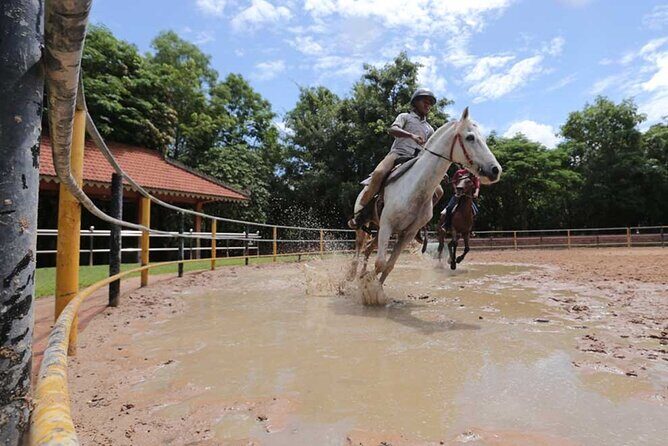
- Happy Shepherd Farm (est. 2002): a rare Western-style horse farm in Cambodia, run with a focus on riding routes for different skill levels
- Hotel tuk tuk pickup and drop-off: you’re transported between town and the farm without arranging extra transfers
- Instructor-led riding basics: you’ll be coached before you mount, with equipment provided
- Multiple ride options (1 to 3 hours): Village Trail, Village & Countryside, or a longer Temple ride
- Wat Atvea on the Temple route: a specific Angkorian temple stop that adds a cultural layer
- English-speaking guiding moments: one guide named Keng is noted for clear English and steady check-ins
Happy Shepherd Farm vs. the usual Siem Reap horse ride
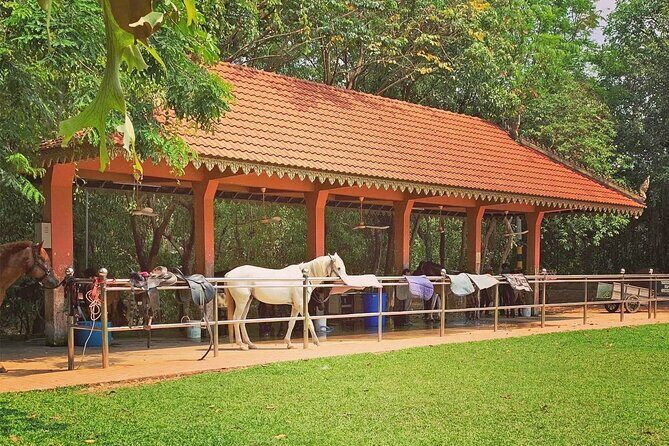
Siem Reap is famous for temples, but the countryside around town is where the days start to feel human. That’s why this ride appeals to me. Instead of only showing you monuments from a distance, it puts you on a horse (or pony) and lets you move through fields and villages at a slower pace.
The setting is a big part of that. Happy Shepherd Farm isn’t some random pen behind a restaurant. It’s a proper farm established in 2002, described as a rare Western-style operation in Cambodia. And the farm runs with a clear idea: make riding approachable for beginners, while still offering route choices for people with more experience. They even mention four different routes designed to suit different needs, which matters because nobody wants a “one size fits all” outing when you’re paying real money and you actually want to enjoy yourself.
Then there’s the tone. Everything about the experience is positioned as easy and relaxed, and it’s described as doable even for children. That doesn’t mean it’s a free-for-all (you still get instruction and gear), but it does mean the goal isn’t to whip you around for a photo. It’s to help you ride with confidence and then enjoy the scenery at a pace you can handle.
A few more Siem Reap tours and experiences worth a look
Your big choice: Village Trail, Village & Countryside, or Temple ride
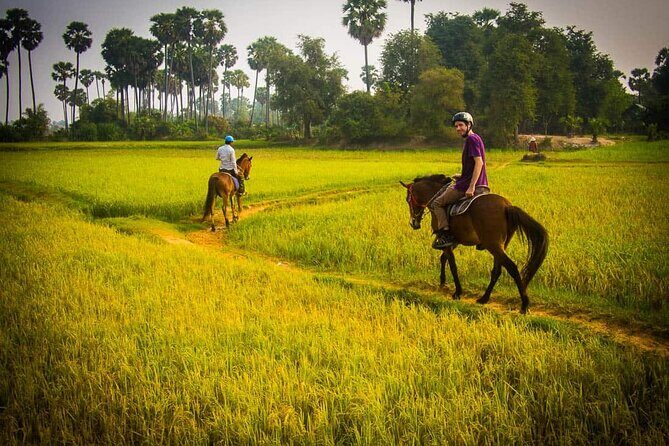
This is the core decision you’ll make, and it controls both the vibe and the value.
1-hour Village Trail Ride
The Village Trail Ride is the shortest option (about 1 hour). It’s designed to show you the countryside and get you meeting local people along the way. The description frames it as riding through a transitional Cambodian village landscape—less about “big sights” and more about the everyday flow of life around Siem Reap.
If you have a tight schedule, this is the easiest entry point. You’ll still get the countryside feel: green fields, village roads, and the kind of moments where you notice how communities live rather than just how they look in a guidebook photo.
A drawback of going short: you’ll likely spend less time in any one stretch of scenery. If your priority is deeper exploration, you’ll probably want the 2- or 3-hour options.
2-hour Village and Country Side Trail
The Village and Country Side Trail adds time and makes the experience more scenic. You’ll ride through rice fields and villages and see more of what everyday Cambodia looks like from horseback. The description also says it fits both beginners and more experienced riders, which suggests the route isn’t only for one end of the comfort spectrum.
This option tends to be the best “sweet spot” in my mind. Long enough for the ride to feel like an actual outing, not just a quick introduction. Short enough that you can still keep your afternoon or evening plans.
3-hour Temple Ride with Wat Atvea
The Temple ride is where the experience becomes more than countryside time. You’ll still ride through village and countryside, but the longer format is tied to cultural stops: you’ll explore a religious monument and pagodas, then visit the Angkorian temple ruins called Wat Atvea.
If temples are your main focus in Siem Reap, this is a smart way to add variety. You’re not commuting only to ticketed temple sites; you’re also experiencing the ride as part of the day’s story. The longer time also gives you space to feel the transition from village life to the sacred atmosphere around the ruins.
The consideration here is simple: the 3-hour route uses up more time on your day. If your schedule is already packed with temple circuits, you might enjoy the ride more when it’s not competing with everything else.
Before you ride: equipment, instruction, and the farm’s setup
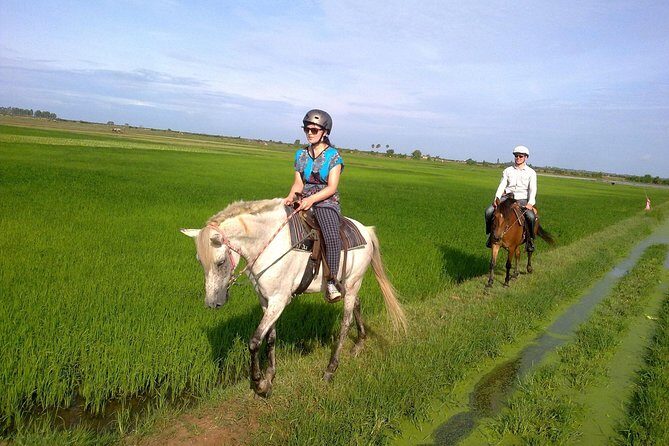
The best part of a guided horse activity is when you feel safe and comfortable fast—and that’s exactly what this one is built around.
Before you start riding, you’ll receive horse riding equipment. That’s explicitly included, so you don’t need to worry about renting anything separately. You also get a horse instructor who coaches you on riding basics and how to avoid common riding mishaps. The phrasing about preventing incidents is a reminder that even “easy and relaxed” rides need a little coaching.
I also like the way the farm uses the moments before you mount. The description notes that you’ll enjoy views of green rice fields and a golden pagoda feel as part of the pre-ride experience, plus the chance to take in real village life along the countryside. Even when the ride itself is calm, those sightlines matter—because they set expectations that this isn’t just a transport service. It’s a proper countryside walk-through, only on horseback.
And yes, the farm is described as using routes suited to new and professional riders. That’s helpful for you if you’re bringing mixed skill levels. Instead of everyone getting the same treatment, the farm is aiming to match what you need with what you do.
The ride experience: what you’ll actually notice on the way
Horse riding can be either magical or awkward, depending on the training and the temperament of the horses. Here, the vibe from the on-the-ground experience sounds reassuring: horses described as relaxed and well trained, with calm behavior suited to guided riding.
What’s special about the scenery
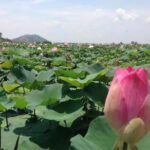
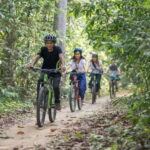
This ride is about changing views in a slow, human way. You’re moving past rice fields, along village routes, and through areas where local people go about daily routines. Even if you’ve visited Cambodia before, this angle is different—you’re higher than walking but slower than driving. It gives you time to notice things like small roadside life, the layout of village paths, and how the countryside stretches outside town.
And because you’re in the Siem Reap area, the scenery connects naturally to the broader Cambodia story. The farm’s description even hints at a golden pagoda viewpoint, which is the kind of visual cue that makes the ride feel like a real day outdoors, not a single photo stop.
What good guiding feels like
A practical win is the way you’re checked on. One guide named Keng is specifically mentioned as speaking English well and teaching riders about local village life and daily routines. That kind of coaching matters because it turns the ride into something more than scenery. You’re not just passing by places—you’re getting context.
Keng is also noted for checking in several times to make sure a rider is okay, especially when someone hasn’t ridden for years. If that’s you—if you feel rusty or nervous—this is the type of guiding style you’ll want.
Wat Atvea: adding the temple layer without turning it into a rush
On the Temple ride option, the experience shifts from countryside storytelling to heritage time. You’re still on horseback, still passing through village and countryside, but the route ends up focused on religious monuments, pagodas, and the Angkorian temple ruins at Wat Atvea.
Why this can be a good idea: horseback rides are often just scenic. Temple visits are often rushed. Combining them can create a more balanced pacing—especially if you choose the 3-hour option and commit to letting it be its own day segment.
What to expect emotionally is the change in atmosphere. The countryside riding part tends to feel open and ordinary—fields, paths, and human-scale routines. Then as you move toward pagodas and ruins, the environment becomes more reflective and historic. If you’re the type who enjoys connecting places through time and movement, this route style can click.
A small planning tip
If you’re also doing temples by car the same day, don’t stack too many “big cognitive stops.” The horseback part already asks you to pay attention—balance, comfort, and following the instructor’s guidance. Give your brain a break between activities so the Wat Atvea time stays enjoyable instead of stressful.
Price and value: is $40 a fair deal?
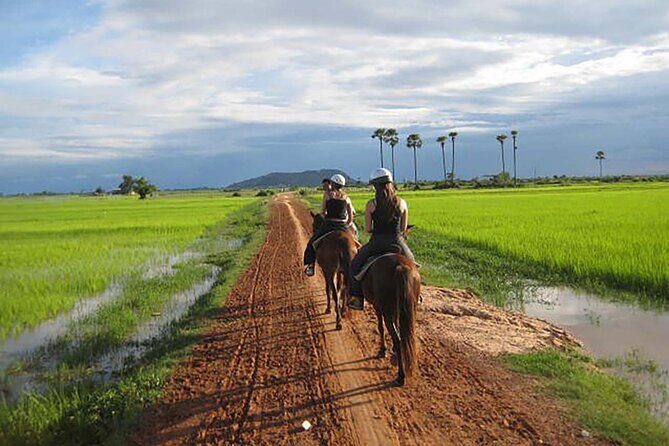
At $40 per person, this ride sits in the category of “worth it if you actually care about the experience.” You’re not just buying a transfer. You’re paying for a guided horse setup with instruction, included riding equipment, and hotel tuk tuk pickup and drop-off.
Here’s how I think about value for this kind of activity:
- You get transport included from town to the farm area and back
- You get an instructor plus riding basics before you go
- You get equipment provided, so the experience starts smoothly
- You choose a route length that matches your day—short countryside or longer temple-focused riding
The only thing that could make it feel less valuable is if you pick a route length that doesn’t match your interests. If you really want temple time, the 1-hour option may feel too brief. If you want pure countryside, the 3-hour temple ride may feel like too much of a mixture.
Also note: the ride is weather-dependent. That matters because if you end up rescheduled, you’ll need to fit it back into your plan. The good news is that the activity is described with flexibility if weather isn’t right.
Pickup, timing, and how to fit it into your day
This is a practical, town-friendly activity. The farm is around a mile away from the Siem Reap town center—about 1.5 km—and pickup is handled by tuk tuk as part of the included service. That means you’re not coordinating your own taxi to a countryside edge.
It also says confirmation happens at booking time, and you’ll receive a mobile ticket, which generally makes it easier to keep your plan organized.
Private for your group
You’ll be on a private tour/activity, meaning only your group participates. That matters more than it sounds. Private usually means fewer surprises about pacing and fewer awkward moments if someone is slower or more cautious.
Weather check
Since the experience requires good weather, it’s smart to build in a bit of slack on your schedule. If you’re the type who books temple circuits tightly back-to-back, keep this ride early enough that a weather change doesn’t wreck your whole day.
Who this horse ride suits best
This is a strong match for:
- First-time riders who want instruction and equipment without the stress of learning on your own
- People who want countryside scenery near Siem Reap, not just temple tickets
- Families, because the ride is described as easy and relaxed and can be suitable for children
- Travelers who prefer a private experience rather than blending into a big group
It might be less ideal if:
- You only have time for one temple stop and want maximum temple time with no riding segment
- You get motion-related discomfort easily and want to avoid time on horseback (the experience is easy, but it still involves riding)
Should you book the Siem Reap Happy Horse Riding option?
My take: yes, if you want a change of pace from the usual temple marathon. This ride feels like it was designed to be approachable—private, guided, and built around countryside views that you can actually experience, not just see from a bus window.
Book it if you’re drawn to rice fields, village life, and calm riding, and pick the route that fits your mood. If your goal is mostly scenery, choose the shorter village trail. If you want a stronger cultural payoff, go for the 3-hour temple ride to Wat Atvea.
Skip it (or at least rethink the option) if your day is already tightly scheduled or if you’re hoping for a temple-heavy itinerary with lots of walking. This is horse riding first, and the temple element is part of that rhythm.
FAQ
How long is the Siem Reap horse riding experience?
You can choose between three ride lengths: about 1 hour for the Village Trail Ride, about 2 hours for the Village and Countryside Trail, or about 3 hours for the Temple ride.
Does the tour include hotel pickup and drop-off?
Yes. Hotel pick up and drop off are included using a tuk tuk.
Do I get a horse riding instructor and equipment?
Yes. A horse riding instructor is included, and riding equipment is provided before you start.
What route includes Wat Atvea?
Wat Atvea is included on the 3-hour Temple ride option, which also includes religious monuments and pagodas.
Is food or a tour guide included?
Food and beverages are not included. A separate tour guide is not included, though the horse riding instructor is part of the experience.
What is the cancellation policy?
Cancellation is free up to 24 hours in advance for a full refund. If you cancel within 24 hours of the start time, no refund is provided. The activity also requires good weather, and if it’s canceled due to poor weather, you’ll be offered a different date or a full refund.