REVIEW · SIEM REAP
Sunrise Angkor Wat Temple Half Day Tour ( Small-Group Tour)
Book on Viator →Operated by Angkor Pro Travel · Bookable on Viator
Waking up for Angkor at dawn changes everything. This small-group tour has you at Angkor Wat around 5:00 AM, then moving through the big sights of Angkor Archaeological Park with a guide who helps you actually read what you’re seeing, not just snap photos. You’ll also get guidance for the best place to watch the temples in the evening light.
I like the practical side a lot: hotel pickup and air-conditioned transport make the early start feel easier, plus you get cold drinking water and a cold towel to reset your body. I also love that the guide steers you through the Khmer Empire story—starting with Angkor Wat, then into Angkor Thom, Bayon, and Ta Prohm—so the carvings and stone faces mean something.
One thing to plan for: the Angkor Pass and admission fees aren’t included, and meals aren’t included either, so you’ll want to think ahead about lunch timing. Also, while the guide is friendly, English skills can vary by guide selection, so if you want deep explanations, ask questions early.
In This Review
- Key points to know before you go
- Sunrise timing in Siem Reap: why this tour works
- Transport and the “early morning comfort kit” you actually get
- Angkor Wat at 5:00 AM: your best “wow” moment, paced right
- Angkor Thom: the south gate and the city-power feel
- Bayon Temple: the Hundred Faces and a religion-mixing lesson
- Ta Prohm: Tomb Raider vibes, but watch your footing
- Price and value: $14.40 is the hook, tickets are the fine print
- Small-group feel: what to expect from the guide (and how to set it up)
- What this tour is best for (and who should pick something else)
- Quick, practical tips before you go
- Should you book this sunrise Angkor Wat temple tour?
- FAQ
- What time does the tour reach Angkor Wat?
- How long is the tour?
- Does the tour include hotel pickup?
- Is Angkor Wat entry included in the price?
- Which temples are visited?
- How much time do you spend at Angkor Wat and the other temples?
- What’s included in the tour?
- Are meals included?
- What transportation will you use?
- Can I cancel for a full refund?
Key points to know before you go
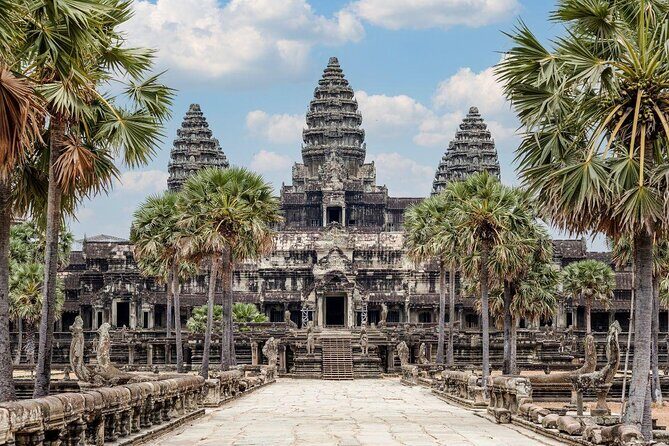
- Angkor Wat at first light: you reach the main temple around 5:00 AM for calmer viewing and dramatic photos
- Four major stops: Angkor Wat, Angkor Thom, Bayon, and Ta Prohm in one efficient morning-to-afternoon stretch
- Guide-led meaning, not just looking: learn why Jayavarman VII’s Bayon blends Hindu and Buddhist ideas
- Comfort basics included: air-conditioned vehicle plus cold water and a cold towel
- Extra costs are real: admission/Angkor Pass and food aren’t included in the price
- Small-group feel: transport type can switch between tuk-tuk, car, or van depending on group size
Sunrise timing in Siem Reap: why this tour works
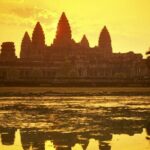
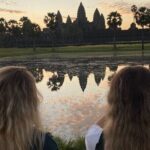
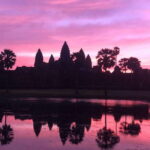
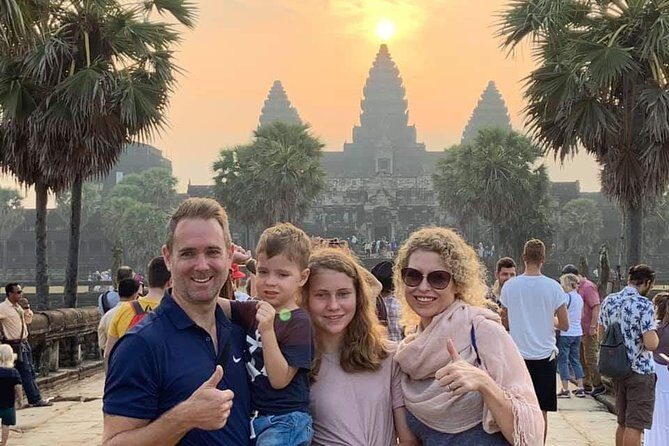
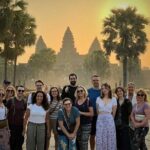
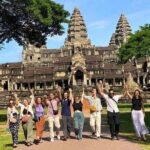
If you’re doing Angkor for the first time, sunrise tours are not just for bragging rights. That early hour changes the whole mood. At Angkor Wat around 5:00 AM, you’re there while the temple is still waking up—dark stone giving way to soft light—so you can walk, look, and photograph without feeling like you’re in a stampede.
The other practical win is how this tour keeps you moving without feeling rushed. Your guide doesn’t just point at monuments; they give you enough context to understand what you’re looking at as you go. That matters a lot at Angkor, because the place is huge and visually overwhelming if you’re trying to decode it alone.
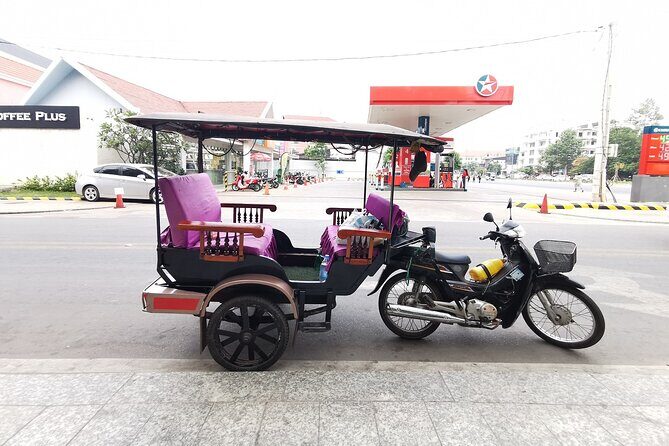
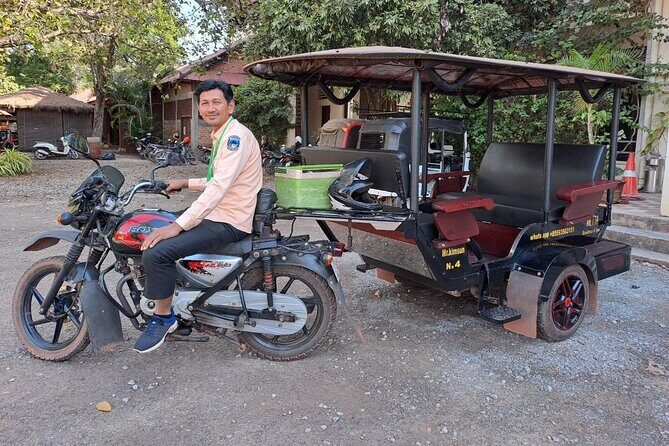
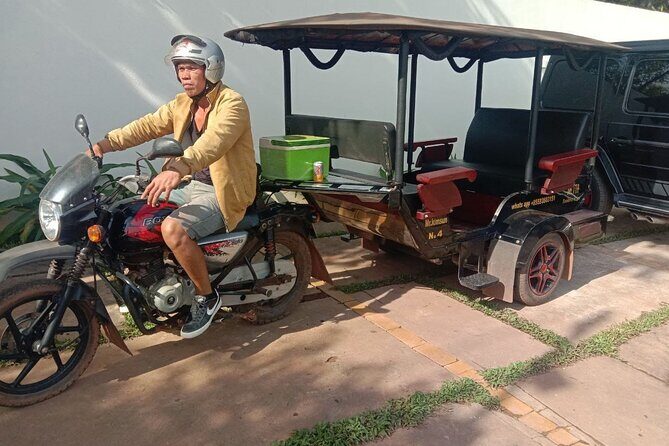
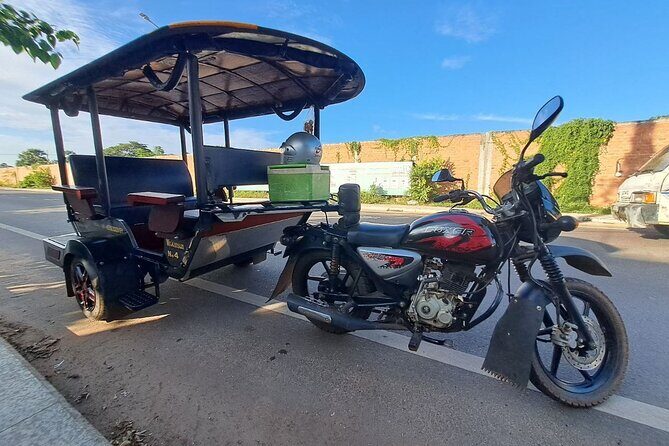
Finally, you’ll be traveling with private transportation (and a guide). Depending on your group size, you might ride in a tuk-tuk, car, or van. That flexibility is useful because it can affect comfort, especially in the early morning heat and then again later in the day.
A few more Siem Reap tours and experiences worth a look

Transport and the “early morning comfort kit” you actually get
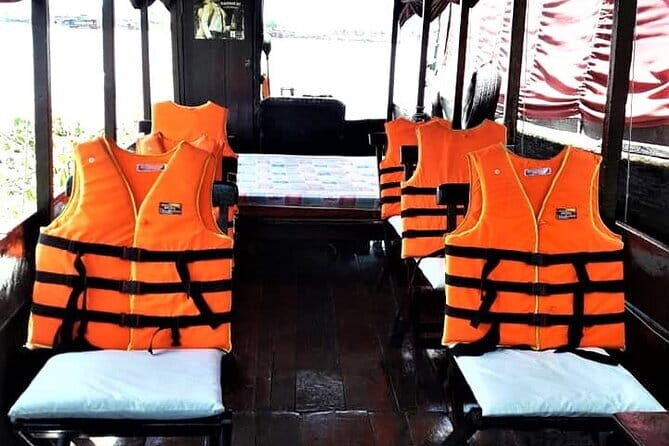
Early starts can be rough. The good news here is that the tour includes air-conditioned transport and the little comfort items that keep you functional.
You get:
- Air-conditioned vehicle
- Private transportation
- Cold drinking water
- Cold towel
Those details sound small, but when you’re walking stone steps in the humidity, that water and cold towel are the difference between feeling okay and feeling drained before you even reach the temples.
Your pickup is offered from your hotel area, and the meeting point listed is Siem Reap Shuttle Tours on Sivutha Blvd. The activity ends back at the meeting point, so you’re not stuck figuring out a return plan after a long morning.
Angkor Wat at 5:00 AM: your best “wow” moment, paced right
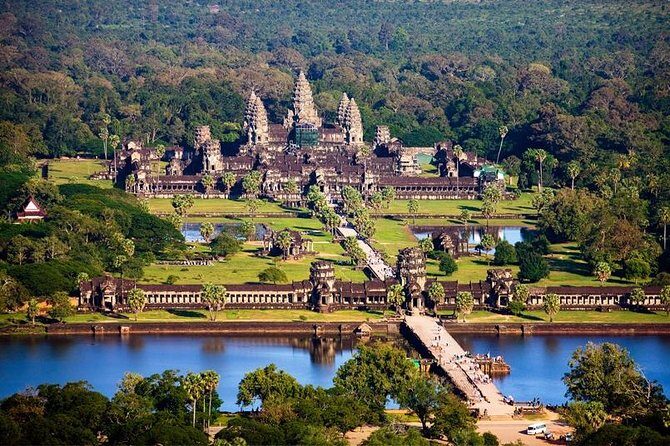
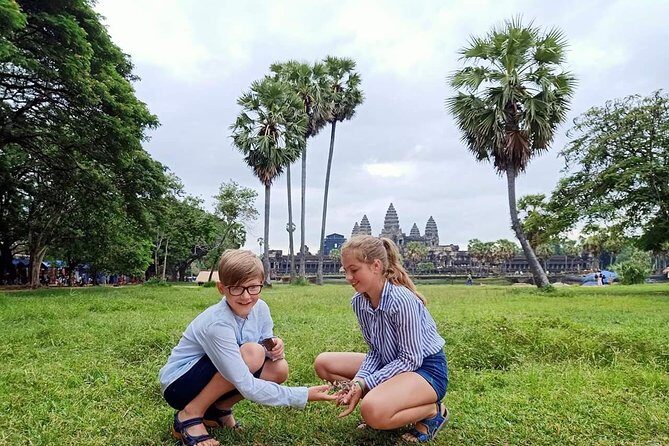
Angkor Wat is the big one. This tour meets it early—arrive around 5:00 AM—and then gives you time to explore the main temple grounds for about 2 hours.
Here’s what I like about arriving at this hour:
- The lighting is dramatic, and your photos tend to look cleaner because crowds aren’t fully in motion yet.
- You can actually slow down. Angkor Wat isn’t a quick stop; it rewards walking the grounds and looking at the architecture detail-by-detail.
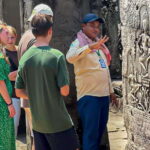
A strong guide makes a big difference here. You’ll get explanations to help you understand what you’re seeing—what parts of the temple are meant to impress, and how the design connects to the Khmer worldview. That turns Angkor Wat from a photo backdrop into a place you can read.
One practical consideration: you’ll need the Angkor Pass/admission separately. The tour doesn’t include those entry fees, so budget for them upfront so you’re not scrambling at the gate.
Angkor Thom: the south gate and the city-power feel
After Angkor Wat, the tour heads to Angkor Thom, the capital of the Khmer Empire in the 12th century. You’ll stop around the south gate to learn about the architecture and history, and you’ll have about 1 hour here.
Why this stop matters:
- Angkor Thom helps you understand that Angkor wasn’t just one temple. It was a whole planned capital city, built with power and belief in the same space.
- The gates are designed to communicate status. Even in a short visit, the scale and layout give you a sense of the city’s intended strength.
A 1-hour city stop is “just enough” if your guide keeps things focused. If you’re the type who likes to linger on sculptures and stairways, you might feel the time crunch. Still, as part of a multi-temple run, this time window makes sense—you get the big story beats without burning the day.
As always, admission fees are not included, so you’ll want your ticket situation sorted.
Bayon Temple: the Hundred Faces and a religion-mixing lesson
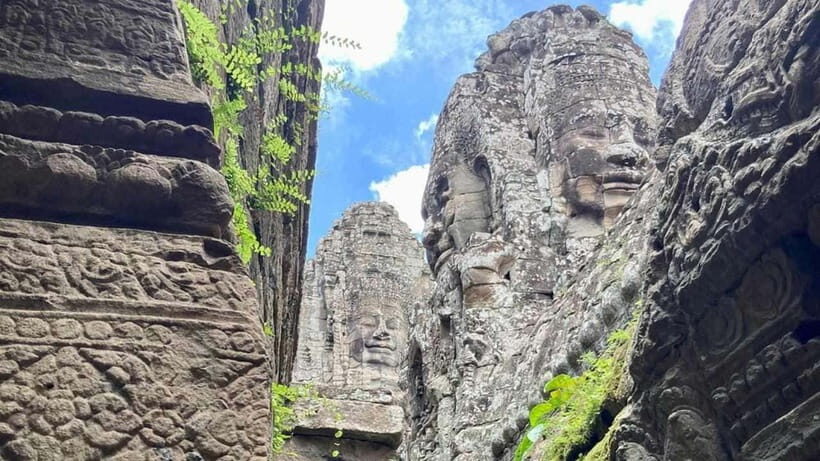
Next up is Bayon Temple, known as the Temple of a Hundred Faces. You’ll spend about 1 hour here.
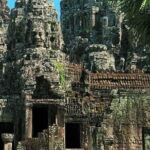
Bayon is the kind of place where you think you understand it, and then a guide points out what you’ve been missing. The famous stone faces depict deities and kings, and the overall design reflects the Khmer ruler Jayavarman VII’s vision of a new capital that was meant to be both beautiful and powerful. It also reflects his devotion to his religion and his people.
The part I find most useful is how Bayon blends religious ideas. You’ll see elements of Hinduism and Buddhism together. Once you know that, the faces and symbolism don’t feel random. They feel intentional—like the temple is speaking in more than one “language.”
One note for planning: Bayon is visually intense. If you’re prone to sensory overload, ask your guide to slow down for a moment so you can actually absorb what you’re looking at, not just move through it quickly.

Ta Prohm: Tomb Raider vibes, but watch your footing
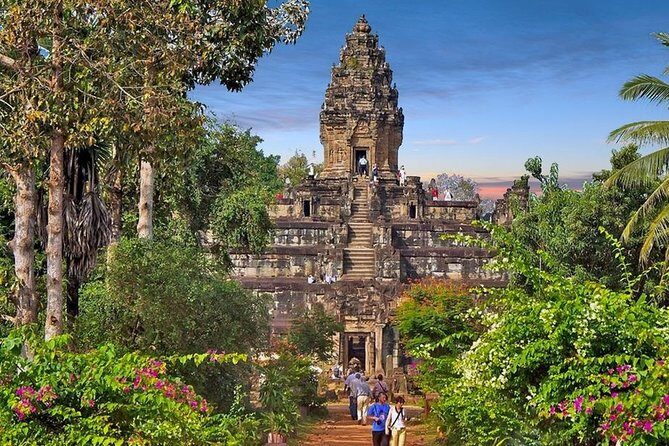
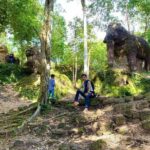
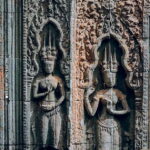
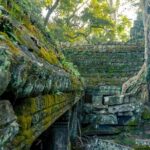
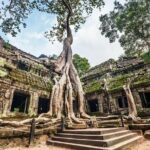
Then comes Ta Prohm, the famous temple with overgrown vegetation and ancient carvings. It’s commonly associated with Tomb Raider, and the nickname fits—because the temple feels like nature and stone are having an ongoing conversation.
You get about 1 hour at Ta Prohm. This is enough time to:
- See the big “postcard” views,
- Notice how the roots and vegetation frame the carvings,
- Walk through parts of the site without feeling trapped by a tight schedule.
The main “drawback” is also the most obvious one: it’s easy to look around while forgetting that you’re on ancient uneven ground. Give yourself a slower pace than you think you need, especially if you’re photographing.
If you like atmospheric ruins and want the contrast of green over stone, this stop is a strong reason to book the tour.
Price and value: $14.40 is the hook, tickets are the fine print
The price listed is $14.40 per person, and that’s attractive—especially for early access to major Angkor sites with guide time and transportation.
But here’s the honest value math:
- The tour price covers guide service, air-conditioned transport, and the included refreshment basics (cold water and towel).
- Angkor Pass and admission fees are not included, and food/drinks aren’t included either.
So you’ll likely spend additional money once you’re on-site, depending on how tickets are priced and which entries you need for the temples you visit. For me, the best way to judge value is this: you’re not paying only for the transportation—you’re paying for timing, organization, and guide interpretation at multiple key temples in one run.
If you’re someone who wants to “figure it out yourself,” a self-guided approach might seem cheaper. But if you want a smooth plan from Siem Reap, and you appreciate having someone explain Bayon’s Hindu-Buddhist blend and Jayavarman VII’s role, this tour can feel like a fair deal.
Small-group feel: what to expect from the guide (and how to set it up)
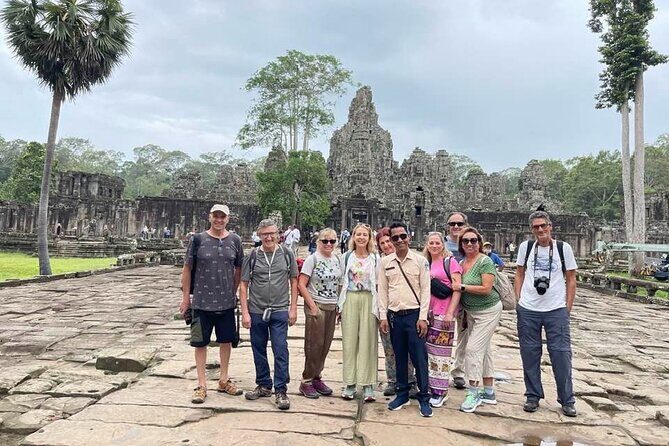
This is a private tour/activity, meaning only your group participates. That typically makes it easier to ask questions, adjust pacing, and avoid the worst crowd chaos.
Guide quality is the wild card. The one review highlight I’m taking seriously here is that guides can be friendly but vary in English clarity. If you care about interpretation, don’t wait until the last stop. Ask early:
- What story should I focus on at Bayon?
- What details matter most at Angkor Wat?
- Which carvings or face groups should I look for first?
Also, if photography matters, pay attention to how the guide works. One positive note from a past guest is that the guide took a lot of photos for them. If you want that kind of help, mention it right away so the guide can plan around it.
What this tour is best for (and who should pick something else)
This tour fits you well if:
- You want an early Angkor Wat start without planning the whole day from scratch
- You’d rather have a guide explain key elements—Jayavarman VII’s vision, Bayon’s blend of beliefs, and the capital-city context of Angkor Thom
- You appreciate moving between the biggest temples efficiently, with transport and comfort items included
You might want a different option if:
- You want meals handled for you. Food and drinks aren’t included, and you may have limited control over lunch choices depending on timing.
- You need very advanced English interpretation. English ability can vary by guide selection, so ask questions early and gauge clarity.
If you’re flexible and curious, you’ll get a lot out of this route.
Quick, practical tips before you go
- Bring or plan to buy your required Angkor Pass/admission ahead of time if possible, so you’re not delayed at entry.
- Pack for sun and humidity. Even with early start and A/C transport, temple walking is still hot work.
- Wear shoes with grip. Ta Prohm’s ground is uneven, and you’ll thank yourself later.
- If photography is your priority, tell your guide you want a mix of wide shots and close details so you don’t end up with only one kind of photo.
Should you book this sunrise Angkor Wat temple tour?
I’d book it if you want a smart Angkor starter plan: Angkor Wat at sunrise, then Angkor Thom, Bayon, and Ta Prohm, with private transport, A/C comfort, and guide context that makes the carvings and faces easier to understand. The price is low, and the structure keeps you from wasting energy on logistics.
I’d think twice if your budget is tight once you add the Angkor Pass and entry fees, or if you rely on predictable English-language explanations and meal options. In that case, compare alternatives that include more of what you consider “must-haves.”
If you’re reading this, odds are you want the classic Angkor experience with a guide and good timing. This tour is a solid way to do that—especially when you treat the extra entry costs as part of the overall Angkor budget.
FAQ
What time does the tour reach Angkor Wat?
You arrive at Angkor Wat around 5:00 AM.
How long is the tour?
It’s about 6 hours (approx.).
Does the tour include hotel pickup?
Pickup is offered, and the tour runs from a meeting point in Siem Reap and returns back to it at the end.
Is Angkor Wat entry included in the price?
No. Admission fees / Angkor Pass are not included.
Which temples are visited?
You visit Angkor Wat, Angkor Thom, Bayon Temple, and Ta Prohm.
How much time do you spend at Angkor Wat and the other temples?
Angkor Wat is about 2 hours, and each of the other listed stops is about 1 hour.
What’s included in the tour?
Included are an air-conditioned vehicle, private transportation, a professional guide (based on reservation selection), and cold drinking water and a cold towel.
Are meals included?
No. Foods and drinks are not included.
What transportation will you use?
It can be a tuk-tuk, car, or van, depending on group size.
Can I cancel for a full refund?
Yes. You can cancel up to 24 hours in advance for a full refund, based on local time.