REVIEW · SIEM REAP
Ultimate Sunrise to Angkor Wat, Angkor Thom and Bayon Temple
Book on GetYourGuide →Operated by Angkor Happy Tour by Pitt Angkor Tour · Bookable on GetYourGuide
Sunrise at Angkor Wat resets your whole day. This 7-hour private tour is built around that early glow, then strings together the big names: Angkor Wat, Angkor Thom, Bayon, and Ta Prohm. You get an air-conditioned ride, a live guide in English or Japanese, and hotel pickup and drop-off so you’re not dealing with logistics at dawn.
I especially like the way the guide makes the temples readable, not just impressive. Clear explanations plus practical help with photos make it easier to enjoy even if you’re traveling solo. I also love the all-in-one flow through the small circuit highlights, so you spend the day seeing rather than switching plans.
One consideration: the Angkor pass and meals are not included, so your total cost will be higher than the $20 tour price. Also, pickup starts between 4:30 and 5:00 am, which is great for sunrise but early even by travel standards.
In This Review
- Key things to know before you go
- Sunrise Timing: why the 4:30–5:00 am pickup matters
- Angkor Wat (2 hours): bas-reliefs, classic layout, and the sunrise payoff
- Angkor Thom South Gate and Bayon (together with city context)
- Terrace stops: Leper King and the Elephants (short visits, big visuals)
- Lunch reset: one hour at a local restaurant
- Ta Prohm (1 hour) after lunch: the maze-like interior in the jungle
- Victory Gate (20 minutes): a quick finish with a sense of closure
- Price and what you truly get for $20
- Logistics without stress: transport, meeting points, and language options
- Who should book this sunrise-to-Temples circuit
- Should you book Ultimate Sunrise to Angkor Wat, Angkor Thom, and Bayon?
- FAQ
- What time is hotel pickup?
- How long is the tour?
- Is this tour private?
- What’s included in the price?
- Do I need an Angkor pass?
- Is lunch included?
- Is breakfast included?
- Which languages are the live guides?
- How much time is spent at Angkor Wat?
- What are the main stops besides Angkor Wat?
Key things to know before you go
- Angkor Wat at sunrise: start before the day feels real, then watch the light change the temple surfaces.
- Hotel pickup with A/C: a minivan or minibus keeps the long morning more comfortable.
- Small circuit major stops: you hit Angkor Wat, Angkor Thom, Bayon, and Ta Prohm in one run.
- Ta Prohm after lunch: less rushed than a frantic half-day, with time to reset.
- Water and towels: small details that matter when you’re walking under the morning sun.
- English/Japanese guide: explanations help you connect bas-reliefs, terraces, and city layouts.
Sunrise Timing: why the 4:30–5:00 am pickup matters
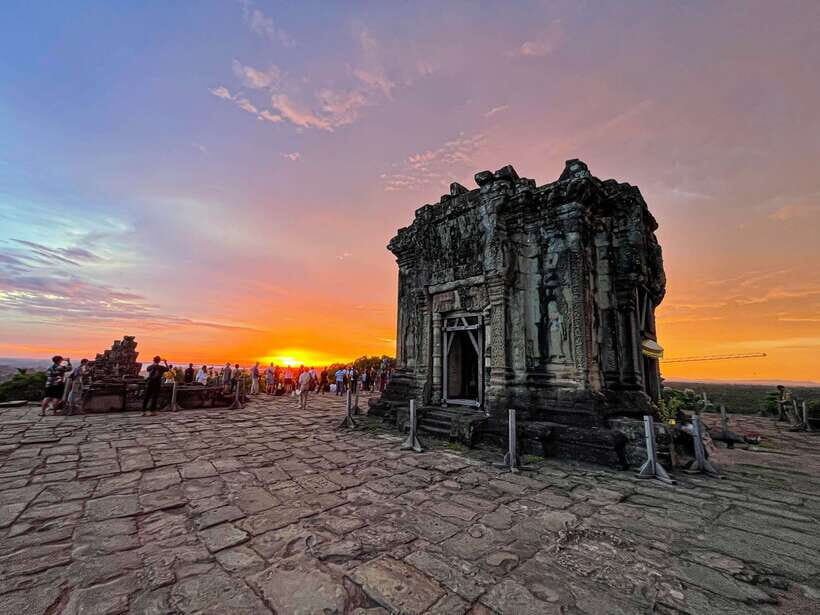
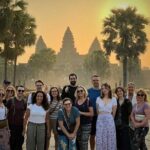
If you want the temples at their most magical, you have to start early. This tour picks you up from Krong Siem Reap around 4:30–5:00 am, then moves you into position to watch sunrise at Angkor Wat. That timing isn’t just about avoiding crowds; it also changes how the carved stone looks as the sky shifts from dark to pale gold.
When you’re traveling with a guide, the early start gets easier. You’re not trying to guess where to stand, how long to stay, or what you’re looking at once the light hits. If you’re the kind of person who likes getting bearings fast, this structure helps.
The morning is a long stretch, so plan your energy. Even if you skip breakfast, keep your own water-ready routine. The tour includes bottled water and towels, but you’ll still want to pace yourself and wear comfortable shoes for walking on uneven temple paths.
A few more Siem Reap tours and experiences worth a look

Angkor Wat (2 hours): bas-reliefs, classic layout, and the sunrise payoff
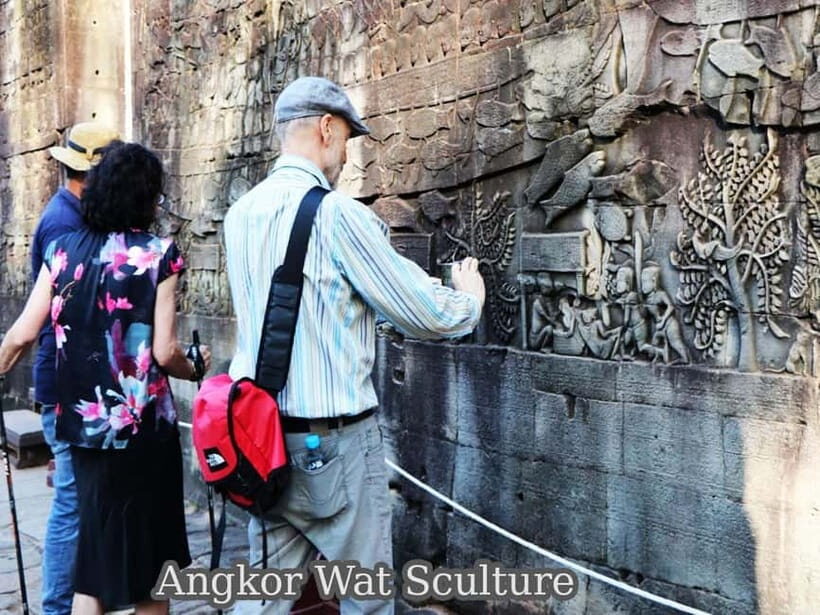
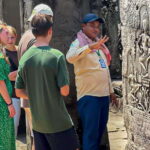
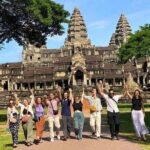
Angkor Wat is the big headline, and this tour gives it real time—about two hours with a guided visit. You’re going to see classical Khmer architecture and learn how the temple’s layout supports its meaning. The guide also points out the intricate bas-reliefs, which is where Angkor Wat goes from impressive to understandable.
The best part of visiting early is how the carvings react to light. When the sun comes up, shadows deepen and the reliefs feel more dimensional. It’s the kind of effect you only get when you’re there at the right moment, not hours later.
A practical note: two hours can feel either perfect or short depending on your pace. If you enjoy photos, you’ll likely spend extra time near key viewpoints. This is one reason a guide is useful—you can spend your time looking, and let the guide handle the flow so you don’t miss the major story points.
Angkor Thom South Gate and Bayon (together with city context)
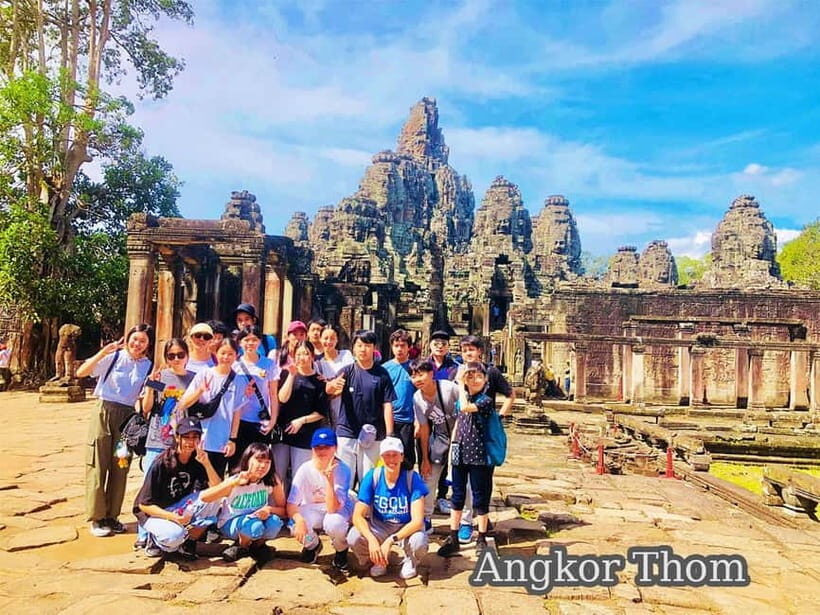
After Angkor Wat, you head to Angkor Thom, the fortified city. The tour includes a visit to the southern gate and its famous stone figures: 54 carvings of gods and demons. That’s a lot of detail in a compact spot, and it’s exactly the kind of thing you can miss without someone explaining what you’re seeing.
Once you’re inside the city walls, the tone shifts. The gates and outer areas feel like a threshold, while Bayon is where the experience becomes more intimate and intense. You then visit Bayon Temple, with about 30 minutes on-site, focused on getting closer to the richly decorated interior spaces.
Bayon is known for its iconic faces, and the guide’s job is to connect those visuals to the wider temple context. If you’ve ever looked at a temple photo and thought it looked cooler than you could understand, this is where guided time helps. The point isn’t to memorize history—it’s to know what to notice while you’re walking.
The main drawback here is time density. You move through major moments in a single day, so if you want hours of slow wandering in just one complex, you might feel the schedule tightening.
Terrace stops: Leper King and the Elephants (short visits, big visuals)
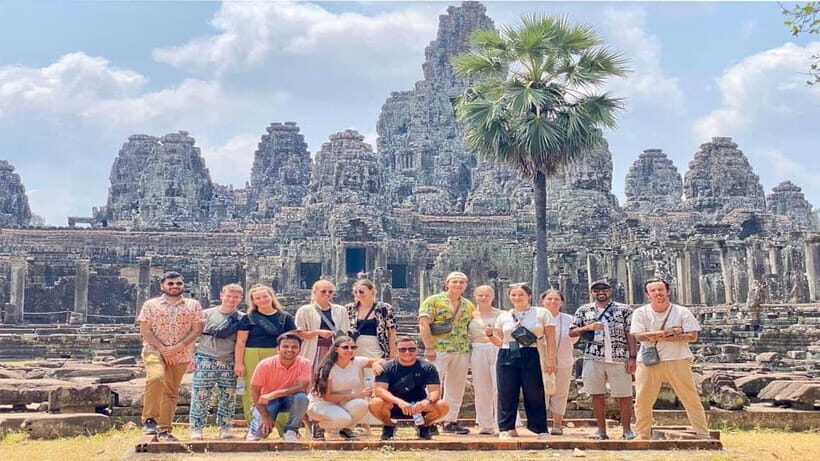
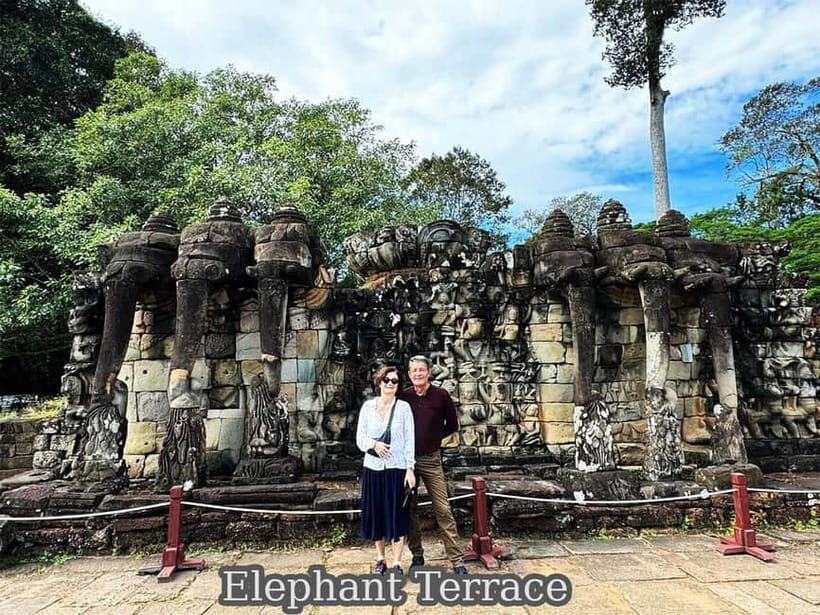
The tour continues with two terrace visits: the Terrace of the Leper King and the Terrace of the Elephants. Each one is on the shorter side—about 20 minutes each—but they’re worth it because terraces are where you see storytelling at human scale. Even from a quick stop, you can appreciate how the carvings layer information across surfaces.
Why these terraces matter: they’re not just decorative. They connect the temple to ceremonies, royal imagery, and the way Khmer builders used sculpture to narrate. If you’re traveling with a guide, this is a strong section because a good explanation turns a wall of carvings into a set of recognizable themes.
There’s also a practical benefit to these shorter blocks. You can take photos, reset your legs, and keep your stamina for Ta Prohm after lunch. Just don’t plan on stopping everywhere without time limits. The schedule here is tight by design, so focus on the highlights your guide points out.
Lunch reset: one hour at a local restaurant
You’ll have a break for lunch at a local restaurant with about 1 hour allocated. Lunch and soft drinks are not included, so it’s worth thinking about what you’re most likely to eat that won’t feel heavy before more temple walking.
This hour is more than a meal stop. It’s your chance to cool down, check your phone for photos, and decide whether you want to buy anything you passed earlier. If you tend to get temple-fatigue, using this break intentionally makes the afternoon better.
One smart move: hydrate during lunch, not just before it. The morning run plus sun exposure can add up, and Ta Prohm is still ahead.

Ta Prohm (1 hour) after lunch: the maze-like interior in the jungle
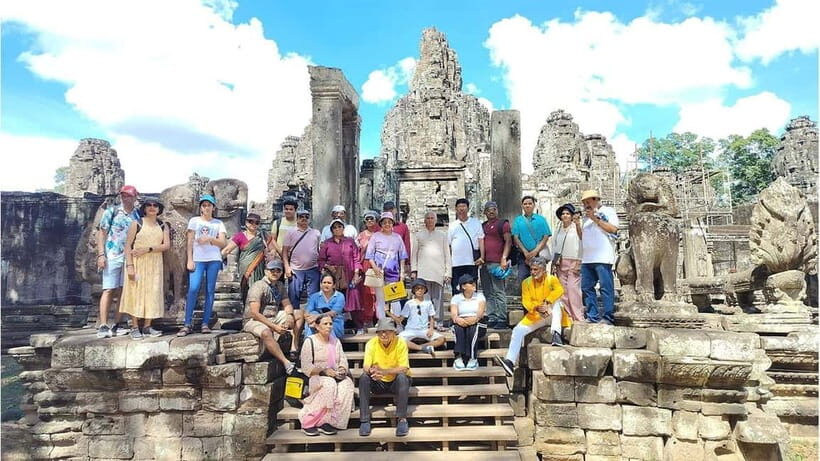
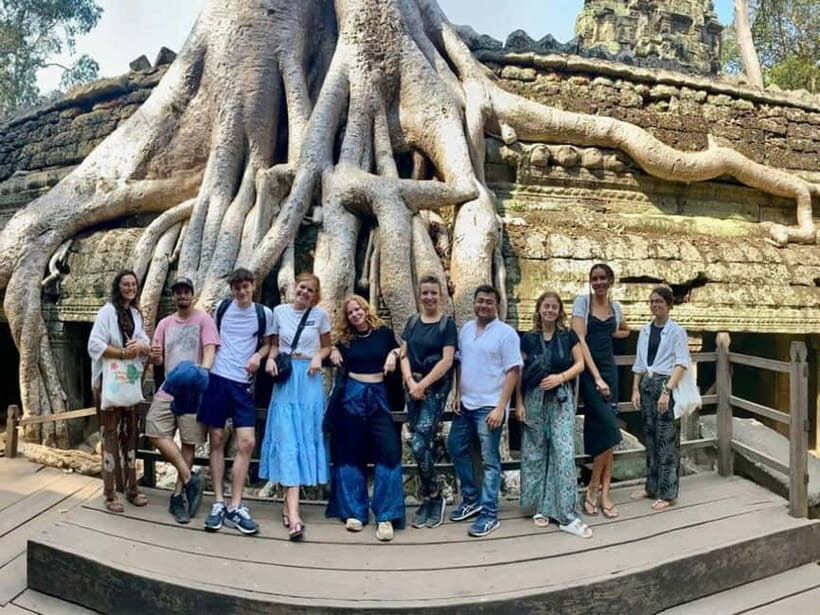
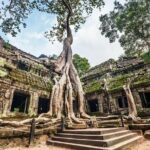
After lunch, you head into Ta Prohm, the temple famous for growing trees and that jungle feel. You get about one hour guided here, and the tour is timed so you don’t feel rushed the entire time. This is the stop where you’ll notice the “maze-like” quality—walkways, doorways, and overgrown structures create a natural sense of wandering.
The guide helps you see the structure as more than a film set look. You’ll get tips on where to focus so you don’t just take photos from one angle. Ta Prohm is one of those places where one viewpoint can feel like a postcard, but the experience gets better when you understand the layout and move through it thoughtfully.
If you’re a photography person, this is a highlight. The combination of roots, stone, and light can make even small details feel dramatic. If you’re traveling solo, pay attention to how the guide can help you capture shots—some bookings specifically note how helpful it is to get photos when you’re without a second person to take them.
Victory Gate (20 minutes): a quick finish with a sense of closure
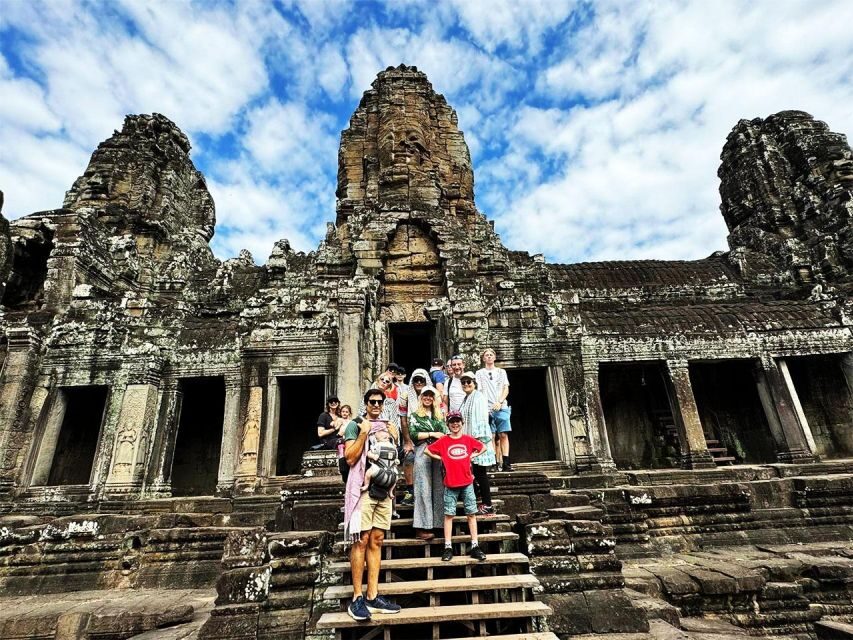
The tour ends with a visit to Victory Gate, about 20 minutes. It’s not the longest stop, but a final gate visit helps connect the day’s story. You leave the temple circuit with a visual “wrap-up,” which makes the morning and midday feel like one coherent route rather than separate monuments.
At this point, your legs will probably know you’re near the end. Use the time for short stops and good photos rather than trying to squeeze in extra wandering. A guide’s pacing here matters because it keeps the return trip smooth.
Price and what you truly get for $20
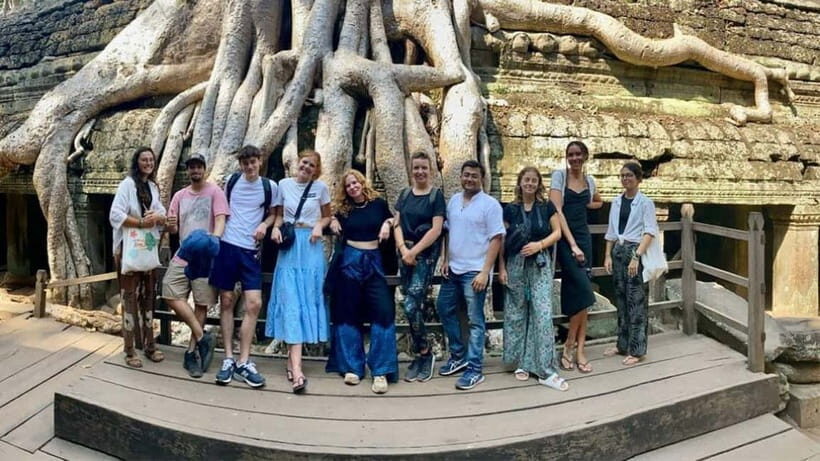
The tour price is $20 per person, and that’s a fair value for what’s included: a professional English-speaking tour guide, transportation with A/C (minivan or minibus), hotel pickup and drop-off, plus a cool bottle of water and towels. In other words, you’re paying for the sunrise schedule, the guided interpretation, and the comfort of not arranging transport at dawn.
The key costs to budget separately are the Angkor pass and your meals. The Angkor Wat 1-day pass is listed separately at $37 per person, and lunch (and soft drinks) isn’t included. Breakfast is also on you. When you add those items, your all-in day cost rises, so don’t compare only the $20 number.
If you want to minimize hassle, consider getting the pass in advance through the official Angkor enterprise website. That can help reduce stress on the day you’re already up at dawn.
For value, the biggest question is whether you’ll benefit from guidance. Based on experience with this kind of circuit, a guide is often what turns Angkor from a sightseeing checklist into a meaningful experience you can talk about later.
Logistics without stress: transport, meeting points, and language options
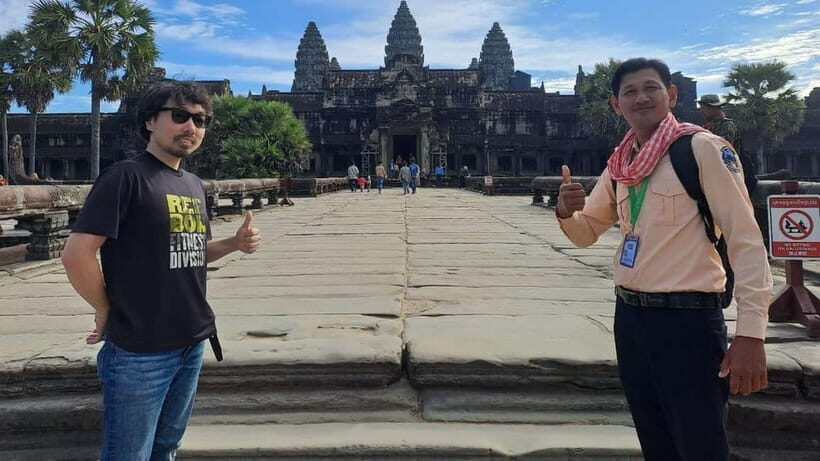
Pickup is from your hotel lobby in Krong Siem Reap, and you should plan to be ready about 10 minutes before pickup. The driver will be holding a sign with your last name, so you can find the right vehicle quickly. It’s a small detail, but at 5 am it saves time and confusion.
The tour operates with a live guide in English or Japanese and also mentions Japanese/English options depending on availability. You can also do it as a private group, which is ideal if you want a more flexible pace or if you’re traveling with family or friends who prefer quiet rather than constant group coordination.
Comfort matters on a long temple day. The air-conditioned car helps you reset between stops, and the included water and towels keep you from having to hunt for basics mid-route.
Who should book this sunrise-to-Temples circuit
I’d point you toward this tour if you want major Angkor highlights in one day and you care about understanding what you’re seeing. It’s especially good if:
- You’re short on time in Siem Reap.
- You like guided explanations that connect architecture and decoration.
- You want sunrise at Angkor Wat without needing to plan transport and timing yourself.
- You’re traveling solo and would appreciate help with photos.
You might choose a different option if you prefer ultra-slow temple wandering or if you strongly dislike early mornings. The schedule is designed for seeing multiple sites, so you’ll be on the move through the day.
Also, keep your expectations realistic about time spent at each location. This tour targets the big scenes with guided blocks, not hours of independent roaming.
Should you book Ultimate Sunrise to Angkor Wat, Angkor Thom, and Bayon?
If your goal is to see the most famous Angkor temples plus Ta Prohm in one efficient day, this is a strong pick. The combination of sunrise timing, structured guided visits, and A/C transport makes it feel thoughtfully planned rather than rushed chaos.
I’d book it if you’re the kind of traveler who likes stories behind the stone, not just selfies. One of the most praised aspects here is that the guide explanations make the temples easier to understand, and solo visitors especially value help getting photos.
Only step back if early pickup and the extra pass cost are dealbreakers for you. If those two items work for your style and budget, you’ll likely end the day feeling like you covered the essentials in a smooth, guided way.
FAQ
What time is hotel pickup?
Pickup is before sunrise, between 4:30 am and 5:00 am, from your hotel lobby.
How long is the tour?
The duration is 7 hours.
Is this tour private?
Private group options are available.
What’s included in the price?
The tour includes a professional English-speaking tour guide, A/C transportation, hotel pickup and drop-off, and cool bottle of water and towels.
Do I need an Angkor pass?
Yes. An Angkor pass of 1 day is not included and is listed at $37 per person.
Is lunch included?
No. Lunch and soft drinks are not included.
Is breakfast included?
No. Breakfast is not included, so you pay for it on your own.
Which languages are the live guides?
The tour lists live guide availability in Japanese and English.
How much time is spent at Angkor Wat?
Angkor Wat is guided for about 2 hours.
What are the main stops besides Angkor Wat?
The tour also includes Angkor Thom (southern gate), Bayon Temple, Terrace of the Leper King, Terrace of the Elephants, Ta Prohm, and Victory Gate.