REVIEW · SIEM REAP
2 Day private tour: Small tour, Big tour, sunrise and sunset,floating village.
Book on Viator →Operated by Angkor Special Tours · Bookable on Viator
Sunrise over Angkor Wat is your warm-up. This private, up-to-6 group tour threads together the Big and Small temple circuits, delivers Preah Khan, and finishes with floating village views on Tonle Sap.
I like that you get an A/C car, plus cold water and cold towels for the long, hot temple hours. I also like that your guide helps you handle tickets, so you spend more time walking and less time fussing.
One thing to think through: admissions are not included (Angkor tickets are $62 per person, and the private boat for the floating village is $20 per person), and the floating-village experience can depend on water levels.
In This Review
- Key things to know before you go
- Private Angkor with a small group feel (and real comfort)
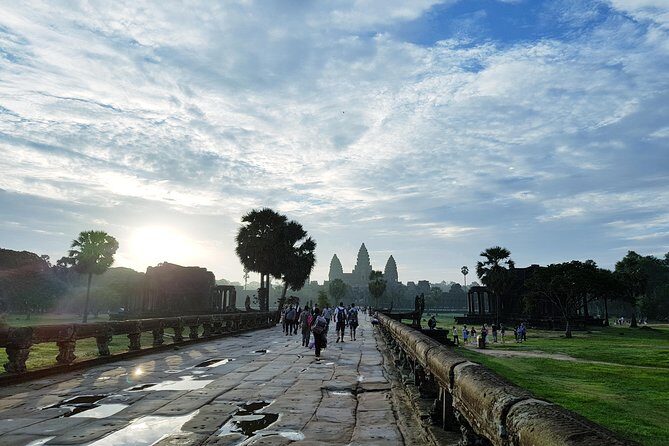
- Sunrise and sunset at Angkor Wat: the light show with structure
- From Angkor Thom to Bayon and Ta Prohm’s jungle walls
- Banteay Srei carvings: where details pay off
- Preah Khan: a major stop included in the plan
- Tonle Sap floating village: the flooded forest reality check
- Why the “all-temples” promise feels more credible here
- Cost and value: $225.65 per group plus real ticket add-ons
- Transportation and pacing: what “2 days” really feels like
- Who this private tour is best for
- Should you book this 2-day Angkor and Tonle Sap private tour?
- FAQ
- Is this tour private?
- How many people can be in the group?
- Are hotel pickup and transportation included?
- What’s included in the tour price?
- Are Angkor tickets included?
- Do I need to pay for the floating village boat?
- What time is the Angkor Wat sunrise pickup?
- Is free cancellation available?
- How long is the tour?
Key things to know before you go
- Private group up to 6: more flexible pacing than a big bus tour
- Air-conditioned transport: built-in comfort on dusty, walk-heavy days
- Cold water and cold towels: small detail that feels big after temple steps
- Guide support for tickets: less time in lines, smoother start
- Floating village boat cost is extra: budget for the $20 per person option
Private Angkor with a small group feel (and real comfort)
This tour is built as a private experience for a group of up to 6, which changes the vibe fast. Instead of rushing because 30 other people need to move, you can pause for photos, ask questions, and regroup without feeling like you’re holding everyone up.
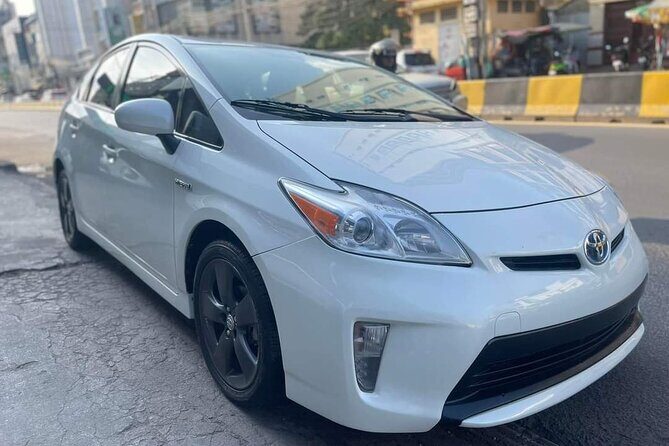
Comfort matters here because Angkor is not just “look and go.” It’s hours of walking on uneven stone, plus early mornings when your brain hasn’t fully switched on yet. That’s why I like that the tour includes an A/C vehicle, along with cold water and cold towels. In Siem Reap heat, those basics help you stay human.
You can also read our reviews of more private tours in Siem Reap
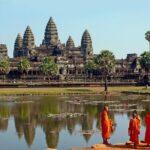
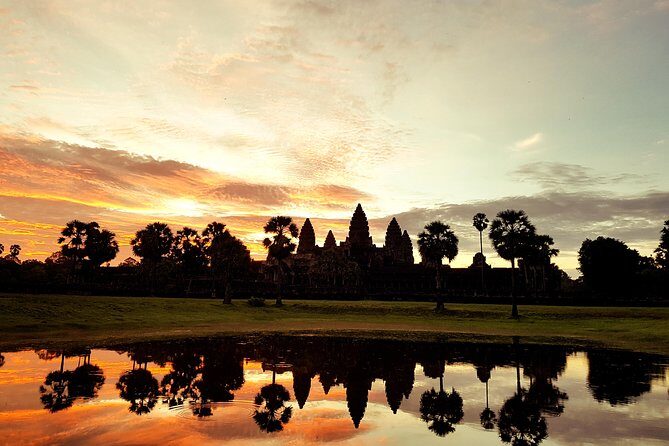
Sunrise and sunset at Angkor Wat: the light show with structure
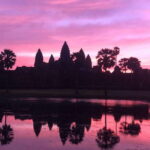
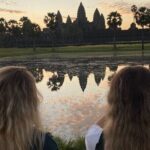
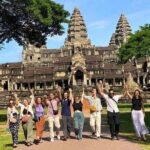
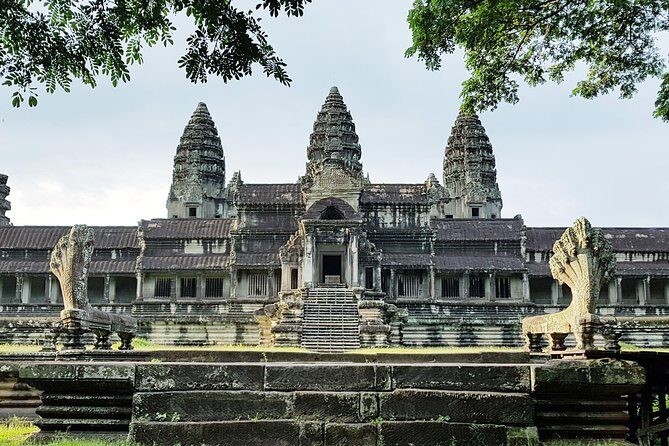
Angkor Wat at sunrise and sunset is the main reason most people plan their whole trip around these dates. The timing turns the temple from impressive to spellbinding, because the air cools down and the stone changes color as the light shifts.
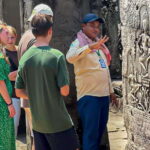
What makes this tour practical is that you’re not left to figure it out on your own. Your guide (you may be with people like Mr. Pin Vannak or Thean, who are repeatedly praised for clear English and solid explanations) helps you connect what you’re seeing to what the temple means. That’s the difference between taking photos and actually understanding why the carvings are placed where they are.
Also, expect you’ll move efficiently between stops. This is a two-day plan that strings together multiple “must-sees,” which means your schedule is tight—but the goal is to hit the best angles of the sites instead of wasting time.
From Angkor Thom to Bayon and Ta Prohm’s jungle walls
After Angkor Wat, the route typically continues into the Angkor Thom area, then onward to Bayon Temple and Ta Prohm. This is a smart order because each stop has a different visual personality.
- Angkor Thom gives you the big-city layout and the sense of what a royal capital would have felt like.
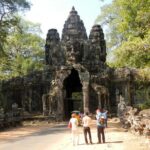
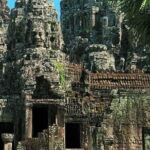
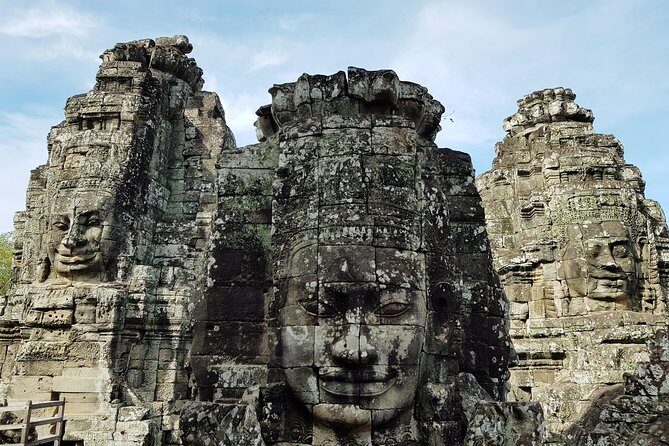
- Bayon Temple is the point where those famous carved Buddha faces start to dominate the experience, making you feel like you’re being watched from every direction.
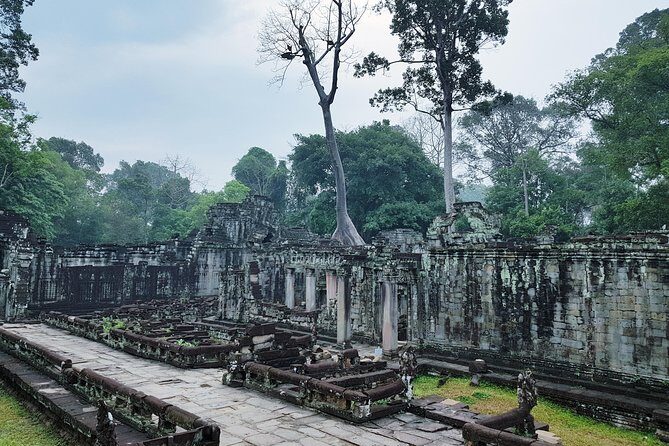
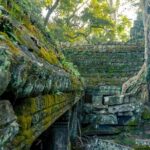
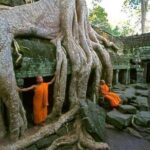
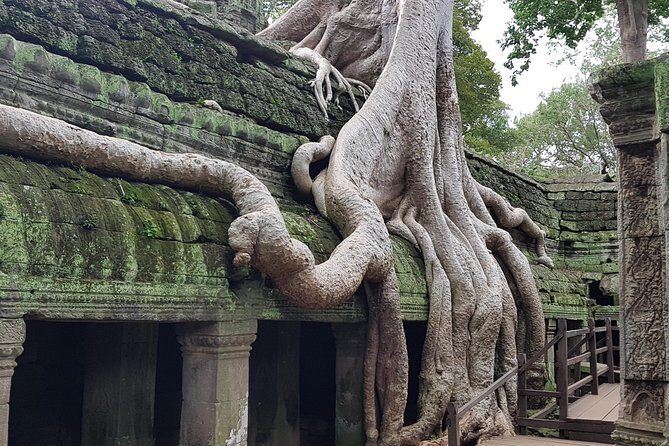
- Ta Prohm is the one most people recognize instantly from pop culture, because the temple is famously reclaimed by the jungle feel—roots, stone, and shadows working together.
The practical part: these temples can be crowded, and they can also be hot. Having a guide who can explain what to look for helps you stay focused while crowds surge around you.
Banteay Srei carvings: where details pay off
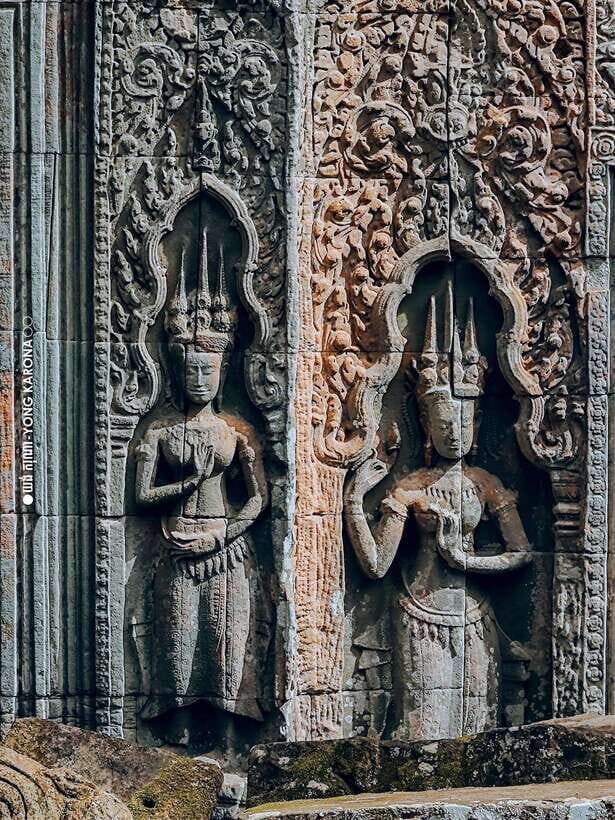
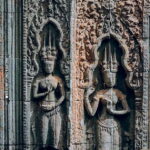
Not every Angkor stop feels equal. Banteay Srei is often the one people talk about later because it’s all about carving quality and craftsmanship. If you like fine details—figures, patterns, and the way stonework tells a story—this is a rewarding stop.
Here’s the balancing truth: Banteay Srei isn’t the easiest temple to “understand” at a glance. It rewards slower looking. Since this tour is private, you’re more likely to get time to notice what’s special without being forced into a constant stampede.
If you only have a short time in Angkor, this temple is a great choice for that “I’m glad we didn’t skip the smaller stop” feeling.
Preah Khan: a major stop included in the plan
This tour includes Preah Khan, which matters because many “quick Angkor” itineraries either skip it or bury it in a rushed time slot. Preah Khan sits in a bigger temple-complex world than the ultra-famous postcard corners, so it can feel like a deeper cut even while still being a major highlight.
This stop also connects well with your broader story of Angkor. You start seeing recurring themes—power, devotion, and the way architecture shapes movement—rather than treating each temple as a random landmark.
The upside of having it included: you don’t have to make extra decisions with your limited time.
You can also read our reviews of more evening experiences in Siem Reap

Tonle Sap floating village: the flooded forest reality check
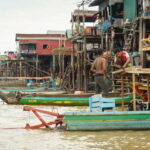
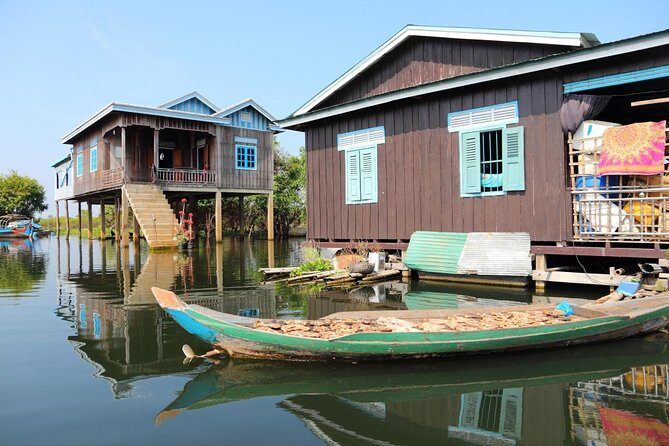
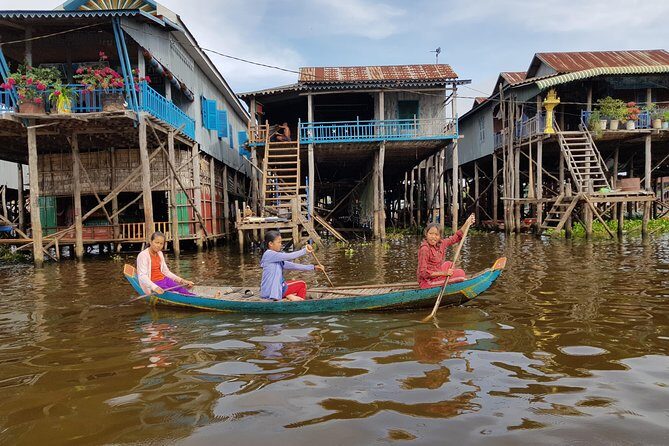
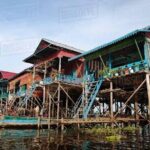
Then comes the Tonle Sap side of Cambodia, and it’s not a small add-on. This day is about the floating village and the flooded setting around it, including a view of the flooded forest and floating market areas.
The big practical thing: your experience depends heavily on water conditions. One caution I’d carry from real-world outcomes is that the floating-village experience can be less impressive when water levels are low. Because the tour lists an optional-feeling element (the private boat ticket is $20 per person, and it’s not included), you should plan to treat that boat ride as a decision point, not a guaranteed wow-bang moment.
Ask your guide about what’s actually accessible on the day and whether the water looks right for the full floating-village experience. If conditions aren’t ideal, you may prefer adjusting the plan instead of paying and hoping.
Why the “all-temples” promise feels more credible here
Lots of tours say they cover “the temples.” This one earns more trust because it’s built to cover multiple temple zones and includes major named sites rather than vague shopping-style stops.
You’ll be working through both the Small and Big circuits in Angkor, plus key standalone hits like Bayon, Ta Prohm, Banteay Srei, and Preah Khan. In practical terms, that means you’re seeing different styles of temple design, not just repeating the same type of scene in slightly different angles.
Also, the guide part matters. Past experiences with guides connected to this company have highlighted strong English and thoughtful explanations—stories that connect carvings and architecture to Cambodia beyond the tourist strip. That makes your walking hours feel like learning instead of just checking boxes.
Cost and value: $225.65 per group plus real ticket add-ons
The base price is $225.65 per group for up to 6 people. That’s a good deal if you’re traveling as a small group (friends, family, or a couple who wants extra flexibility). Your per-person cost drops fast as headcount increases.
Here’s how the math usually plays out:
- If you’re 2 people, the base portion is about $112.83 per person, before admissions.
- If you’re 4 people, it’s about $56.41 per person, before admissions.
- If you’re 6 people, it’s about $37.61 per person, before admissions.
Then come the ticket add-ons that you’ll pay directly:
- Angkor admission ticket: $62 per person (not included)
- Private boat ticket: $20 per person for the floating village (not included)
Meals and drinks are also not included, with food starting from $6 based on how you order. Tips are extra.
So is it good value? Yes—if you want a guided, comfortable plan that handles the tough parts for you: timing, ticket coordination, and transportation between sites. If you’re the type who enjoys building your own day and already knows exactly which gates and routes you want, you could save money by doing it independently. But for most people, paying for a guide here buys you time, sanity, and better context.
Transportation and pacing: what “2 days” really feels like
This is not a “sit down and admire” itinerary. Even though each day is listed as about 8 hours, the temple time adds up because you’re moving between multiple sites with photo breaks and transitions.
The tour also notes a moderate physical fitness level requirement. That mainly means you should be comfortable walking on uneven surfaces and climbing temple steps. If you have mobility issues, you’ll want to plan carefully and confirm how much walking is realistic for your pace.
The upside: you’re not stuck in a cramped vehicle all day. The A/C car is there for the travel sections, and you’ll get cold water and towels to help you keep going.
Who this private tour is best for
I’d point you toward this tour if:
- you want a private experience in Angkor without the stress of planning every move
- you care about getting the lighting right at sunrise and sunset
- you like a guide who can explain temples and also connect them to life and history beyond the stones
- you want Tonle Sap as part of the same trip, instead of treating it as a separate day-by-day project
It’s also a good fit for first-timers because you’re seeing the major sites plus the “detail” temple (Banteay Srei) instead of only the headline names.
If your priority is pure independence—no guide, no ticket help, minimal early mornings—this might feel too structured.
Should you book this 2-day Angkor and Tonle Sap private tour?
If your goal is to see Angkor Wat in the best light, cover Bayon, Ta Prohm, Banteay Srei, and Preah Khan, and then add Tonle Sap’s floating village experience in one streamlined plan, I think it’s worth booking.
I’d especially consider it if you’re traveling with up to 6 people, because the group price makes the guided comfort much easier to justify. Just go in with two clear expectations: you’ll pay ticket add-ons (Angkor and the boat), and the floating-village day can be shaped by water conditions. If you handle those two realities, you’ll likely feel like you got your money’s worth in both temples and the Tonle Sap contrast.
FAQ
Is this tour private?
Yes. It’s a private tour/activity, and only your group participates.
How many people can be in the group?
The price is listed per group for up to 6 travelers.
Are hotel pickup and transportation included?
Pickup is offered, and you’ll have transportation in an A/C car.
What’s included in the tour price?
Included items are the tour guide for the main temples, A/C transportation, and cold water and cold towels. Mobile ticket is listed as well.
Are Angkor tickets included?
No. The Angkor admission ticket is listed as $62.00 per person and is not included.
Do I need to pay for the floating village boat?
Yes. A private boat ticket is listed at $20.00 per person and is not included.
What time is the Angkor Wat sunrise pickup?
You’ll meet very early at 4:45 am for Angkor Wat sunrise.
Is free cancellation available?
Yes. You can cancel up to 24 hours in advance for a full refund.
How long is the tour?
It’s a 2-day tour, with days listed as approximately 8 hours.