REVIEW · SIEM REAP
4-Day Tour from Siem Reap to Phnom Penh
Book on Viator →Operated by Bravo Indochina Tours · Bookable on Viator
Four days through Cambodia’s turning points. I really like that this route pairs Angkor Wat with the Killing Fields, so you understand Cambodia’s story in one compact sweep. The biggest drawback is the pace: you’ll cover a lot of ground in heat, and some days start early and end late.
What makes this tour feel solid is the basic support system: airport pickup, air-conditioned driving, and English-speaking guidance throughout, with time set aside for the big sights instead of just rushing photo stops. I’ve also heard from past groups that staff care can be excellent, with guides such as Samnang and Nhoek stepping in to make city navigation and temple logistics go smoothly.
In This Review
- Quick hits: what’s most worth your attention
- Four days from Siem Reap to Phnom Penh: what this tour really gives you
- Price and what counts as value at $396.93 per person
- Day 1 in Siem Reap: arrival comfort plus Tonlé Sap and local craft
- Day 2 at Angkor: Angkor Thom south gate, Ta Prohm, and the Angkor Wat finish
- Day 3: moving to Phnom Penh with a Mekong River sunset cruise
- Day 4 in Phnom Penh: Killing Fields + Tuol Sleng, then the Royal Palace and Silver Pagoda
- Hotels, transport, and small-group pacing
- Who should book this Siem Reap to Phnom Penh tour
- Should you book this tour?
- FAQ
- How long is the tour?
- What is the price per person?
- What’s included in the tour price?
- What’s not included?
- Does the tour include Angkor temple admissions?
- What major sights does this tour cover?
- Is airport pickup included for Siem Reap?
- How many people are in the group?
- What time does the tour start?
- What is the cancellation policy?
Quick hits: what’s most worth your attention
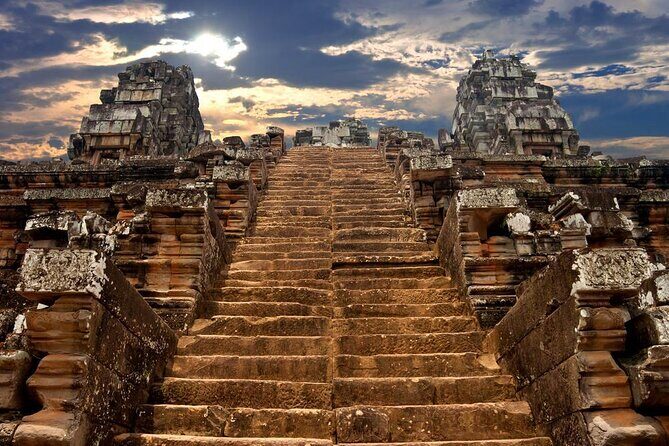
- Angkor without guesswork: south gate sights plus Ta Prohm and Angkor Wat, with a clear temple focus across a full day
- Tonlé Sap + traditional craft time: a break from temples that adds real local texture early on
- Mekong River cruise in the afternoon: a calmer moment that helps the trip feel balanced
- Phnom Penh’s heavier sites on Day 4: Killing Fields and Tuol Sleng followed by the Royal Palace area
- Small groups: max 9 travelers, and a practical starting time (8:00 am) that keeps you moving
- Good value if you want guided logistics: key admission fees are handled, except the Angkor Temple Pass
Four days from Siem Reap to Phnom Penh: what this tour really gives you
This is the kind of trip that works well when you want the headline experiences but don’t want to plan every day yourself. The outline is straightforward: start in Siem Reap, go deep on Angkor, then shift to Phnom Penh for boats, museums, and the city’s most important memorial and palace landmarks.
The real value isn’t just the list of attractions. It’s the pacing and the way the tour is built to prevent decision fatigue. You’re guided on where to go, when to go, and how to move between locations, which matters a lot around Angkor because timing, ticketing, and temple layout can overwhelm first-timers.
The tour’s also built with a “you’ll remember this” balance in mind. Day 2 is mostly temples and structure. Day 3 adds water and sunset atmosphere. Day 4 is where Cambodia’s modern political scars come front and center, and then it shifts again to the Royal Palace and Silver Pagoda.
A few more Siem Reap tours and experiences worth a look
Price and what counts as value at $396.93 per person
$396.93 per person for 4 days can look like a lot until you break down what’s folded in. In this package, you get 3 nights of accommodation (twin-sharing) and breakfasts, plus airport pickup and transfers. You also get an English-speaking guide, an air-conditioned minivan, and lunch.
Most importantly, the tour covers many sightseeing fees, which is where Cambodia trips can quietly add up. The one big exception is the Angkor Temple Pass, which is not included. So the value equation is simple: if you’re planning to see Angkor temples anyway, guided logistics plus hotel nights are likely to feel fair. If you’re the type who prefers fully independent travel and already knows how to handle tickets and timing, you might find a do-it-yourself option cheaper—but it won’t be as smooth.
Also note the booking tempo: this tour is often booked about 50 days in advance. If you’re traveling in a busy season or want a specific departure, earlier planning helps.
Day 1 in Siem Reap: arrival comfort plus Tonlé Sap and local craft
You start with an airport meet-and-greet and transfer to your hotel for check-in. This matters more than it sounds. Siem Reap can feel busy right on arrival day, so having a scheduled handoff reduces stress and helps you start sightseeing without scrambling for directions.
After you settle in, the day shifts to two things that make Siem Reap feel like more than a gateway to Angkor:
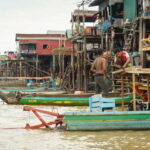
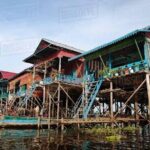
Tonlé Sap Lake (Tonlé Sap)
You’ll spend a short window at Tonlé Sap Lake, described as a seasonally inundated freshwater lake. That seasonal rhythm is a big part of how local life works here, and it’s a helpful mental reset after the airport-to-hotel routine. The visit is brief, but it puts you in the right setting: this isn’t just “temples and then goodbye.”
Artisans D’Angkor
This is where you slow down just enough to understand modern Khmer craft. The site focuses on high-quality Cambodian handicrafts, with a pitch that the craft tradition is still active and creative. In practical terms, I like this stop because it gives you something tactile to remember that isn’t built from stone. If you’re shopping, it also helps you shop with a bit more context.
Artisan + lake combo tip: Dress for warm weather and plan to keep your schedule light that evening. After a full temple day later, you’ll be glad Day 1 gives you a less aggressive start.
Day 2 at Angkor: Angkor Thom south gate, Ta Prohm, and the Angkor Wat finish
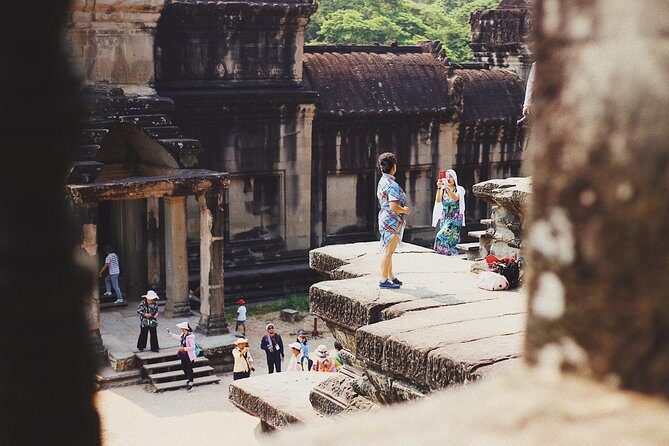
Day 2 is a full Angkor day, and it’s structured to give you range: city walls and gateways, jungle-temple atmosphere, and then the big set-piece—Angkor Wat.
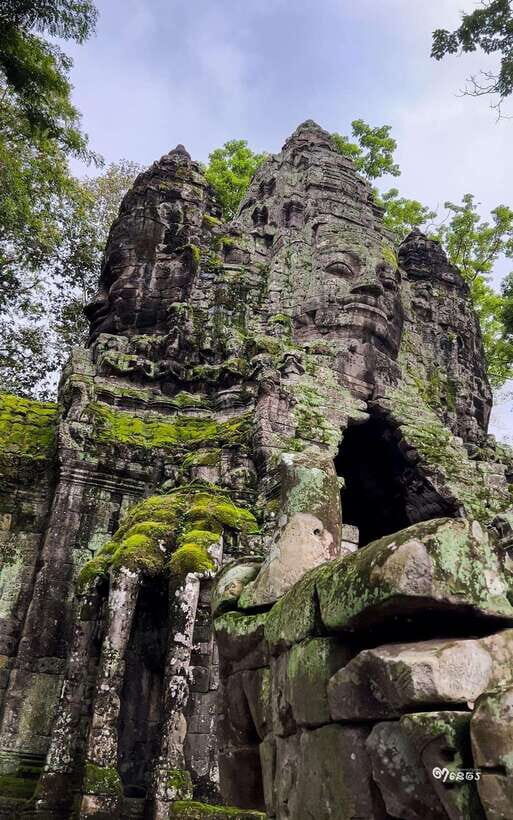
You’ll start the day exploring around Angkor Thom’s south gate, including key terraces and temple structures:
- Bayon
- Baphoun
- Elephant and Leper King Terrace
- Phimeanakas
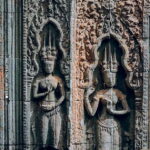
The value here is that you see how Angkor Thom functioned as a last capital stage of the Khmer empire. Even if you only skim the explanations at first, you’ll still notice how the stone layout is meant to guide movement and sightlines.
Next comes Ta Prohm
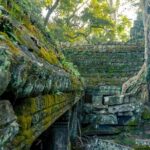
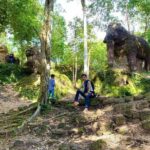
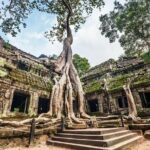
Ta Prohm is the temple known for its dramatic, tree-overgrown look. The tour gives you extended time here, and that extra hour-or-more quality is important. Ta Prohm isn’t just a backdrop—it’s a mood. You’ll want that time to walk, look up, and take in the way nature and architecture share space.
Then comes Ta Keo
This is a temple-mountain, and the tour includes a shorter stop that still matters. Ta Keo being associated with sandstone construction is the kind of detail you remember because it helps you differentiate temple styles rather than treating every ruin as the same thing.
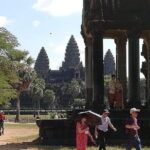
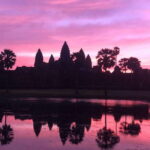
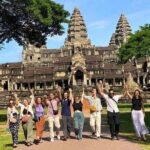
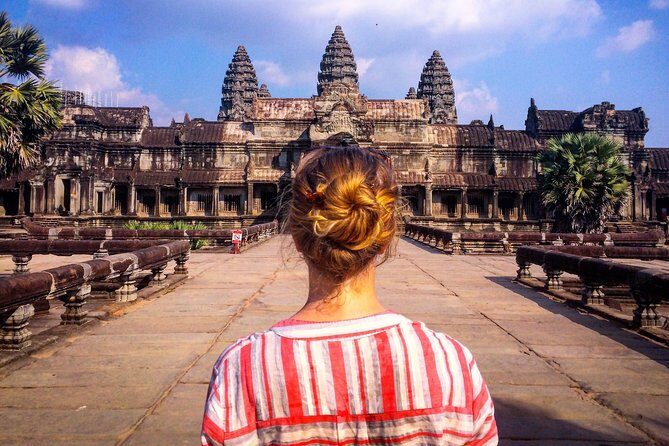
Finally, Angkor Wat
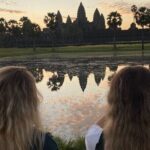
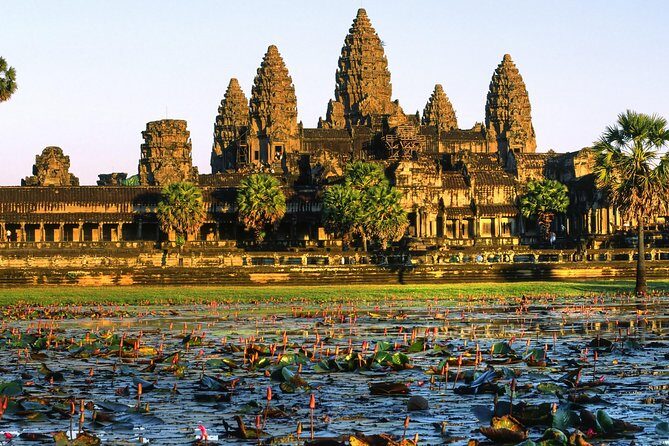
The day ends with Angkor Wat, described as the largest religious monument on its site. The ticket note is clear: temple pass is not included, so you need to handle the Angkor Temple Pass separately before you go inside. Because this is a major entrance point, having your pass figured out early keeps your time from getting eaten by lines or last-minute scrambling.
How to get the most out of Angkor day
- Wear shoes you can walk in for hours.
- Bring water and plan for strong sun.
- Keep your expectations realistic: you’re not seeing every temple in the complex, but you are seeing a curated, high-impact spread.
Day 3: moving to Phnom Penh with a Mekong River sunset cruise
Day 3 changes the feel of the trip. Instead of stone and carvings, you get water and open sky.
First, you transfer from Siem Reap to Phnom Penh, then check in. Afternoon starts make the day easier on you. By the time you’re heading to the pier, you’ve had time to settle, freshen up, and reset your energy.
Mekong River outing + sunset atmosphere
You’ll be picked up from the hotel, then head to the pier for a boat ride on the Mekong River, with an evening-style experience described as a joint sunset cruise on the Mekong and Tonlé Sap. It’s set for roughly a couple of hours, and because it’s on the water, it naturally slows the group down.
I like this stop for two reasons. One, it’s a break from crowds at major monuments. Two, it gives you a different scale of Cambodia—less about individual buildings, more about the wider geography that shaped how people lived and traveled.
Night in Phnom Penh
You overnight in Phnom Penh after the cruise. That’s helpful because you don’t have to scramble late at night or rush into Day 4 heavy sites without rest.
Day 4 in Phnom Penh: Killing Fields + Tuol Sleng, then the Royal Palace and Silver Pagoda
Day 4 is emotionally heavy. The tour doesn’t shy away from Cambodia’s darkest chapters, and it places those sites first in the day, before moving into palace and pagoda landmarks.
Killing Fields (Wat Thmey)
The Killing Fields stop includes Wat Thmey, and the tour frames it as part of the sites where more than a million people were killed and buried by the Khmer Rouge regime. You’ll have a short guided visit, but it’s enough to understand how the memory space is organized and why this location has such lasting weight.
Tuol Sleng Genocide Museum (S-21)
Next is Tuol Sleng Genocide Museum, described as a former secondary school used as Security Prison 21 (S-21). This is where the story gets even more specific. Expect a more structured museum setting, and give yourself time to take in what the exhibits are trying to communicate rather than treating it as just another museum stop.
Russian Market
You also have a visit listed to Russian Market. This gives you a chance to mix the solemn morning with a more everyday Phnom Penh scene—useful if you want food, snacks, or a bit of browsing before the palace area.
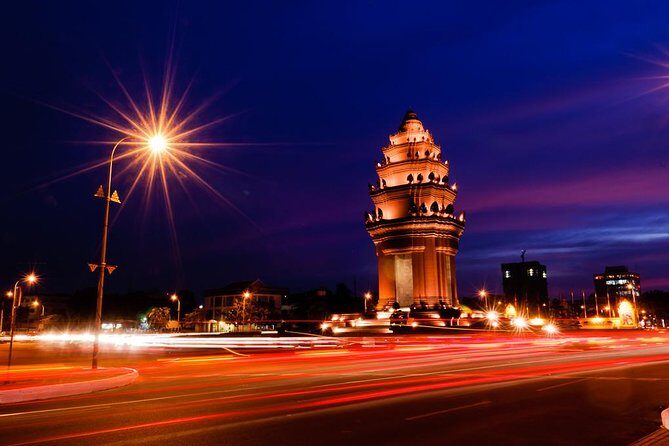
Royal Palace + Silver Pagoda
The tour continues into the Royal Palace complex and then the Silver Pagoda, located on the south side of the Royal Palace. Both are included admissions, with time set aside for you to wander the grounds and appreciate the ceremonial architecture.
This day’s pacing matters. Ending with palace and pagoda sites offers a strong contrast: from remembering genocide to seeing how Cambodia’s spiritual and royal symbolism is presented in Phnom Penh today.
A practical mindset for Day 4: If you’re sensitive to difficult topics, plan quiet downtime in your hotel after the tour ends. Don’t stack extra activities that same evening.
Hotels, transport, and small-group pacing
The tour includes 3 nights accommodation with a rating range of three to five stars, and it’s based on twin-sharing. That’s a meaningful comfort layer for a trip that includes long travel days and walking-heavy temple time.
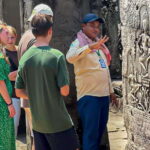
You’re also in an air-conditioned minivan with a local English-speaking guide. For Cambodia, that kind of transport support reduces downtime. Heat and traffic can be draining, and having the group move as a unit cuts the stress of figuring out routes.
Group size is capped at a maximum of 9 travelers (and up to 7 per booking). That’s big enough to keep it social, but small enough that your guide can still manage timing and answer questions without being swallowed by crowd noise.
One thing to keep in mind: if you’re the type who likes very detailed day-by-day guidance, I recommend asking your guide for a simple morning rundown. Even when everything is planned, you’ll move faster if you know what’s next and where you need to be on time.
Who should book this Siem Reap to Phnom Penh tour
This tour fits best if you want:
- a guided, efficient route between Siem Reap and Phnom Penh
- a full Angkor day plus additional cultural stops like Tonlé Sap and a craft visit
- the major Phnom Penh landmarks, including both heavy memorial sites and royal/pagoda sights
- hotel nights and key admissions handled for you (except the Angkor Temple Pass)
It might be less ideal if:
- you prefer total independence and already know how to structure your own Angkor ticketing and transport
- you don’t want intense, emotional history on the same itinerary as sightseeing
If you want a trip that feels organized but not robotic, this hits that sweet spot.
Should you book this tour?
If your priority is seeing Angkor Wat and the core Angkor Thom area with a guide, then moving smoothly to Phnom Penh for both memorial sites and the palace complex, this is a strong value play. The package includes hotel nights, meals like lunch and breakfasts, and a lot of entrance fees—so you’re not constantly calculating costs mid-trip.
My call: book it if you want guided logistics and a curated storyline from ancient temples to modern history. If you’d rather travel at your own tempo, you’ll probably get more flexibility elsewhere—but you’ll have more work to do on planning and ticketing.
FAQ
How long is the tour?
It’s a 4-day tour, approximately.
What is the price per person?
The price is $396.93 per person.
What’s included in the tour price?
The tour includes airport pickup and transfers, local English-speaking tour guides, transportation in an air-conditioned minivan, 3 nights’ accommodation based on twin-sharing, breakfast (3 times), lunch, and sightseeing fees (except the Angkor Temple Pass). Mobile tickets are also offered.
What’s not included?
Angkor Temple Pass is not included. Food and drinks aren’t included unless specified, and there may be a single supplement. There’s also a surcharge if you need a Spanish- or German-speaking guide. An Apsara Dinner is listed as optional on arrival.
Does the tour include Angkor temple admissions?
Most sightseeing fees are included, but the Angkor Temple Pass is specifically not included.
What major sights does this tour cover?
It includes Angkor Wat, the Killing Fields, Tuol Sleng Genocide Museum (S-21), the Royal Palace, and Silver Pagoda. It also lists Mekong River cruising and stops connected to Tonlé Sap and local craft.
Is airport pickup included for Siem Reap?
Yes. There is airport transfer from Siem Reap and pickup is offered.
How many people are in the group?
The maximum is 9 travelers. A maximum of 7 people per booking is also noted, with a minimum of 2 people per booking required.
What time does the tour start?
Start time is 8:00 am.
What is the cancellation policy?
You can cancel for free up to 24 hours in advance for a full refund. Within 24 hours, the amount paid won’t be refunded.