REVIEW · SIEM REAP
4-Day(Tour Angkor Temple Complex, Temple in the Jungle, Local people life Style)
Book on Viator →Operated by Hidden Angkor Tour · Bookable on Viator
Angkor in four days, but no rush feeling. This private and luxury-style Angkor program is built for people who want both the big-name sights and the quieter corners, with room to adjust the pace around what you care about. I especially like the way the schedule pairs temple icons with everyday Cambodian life, including Kompong Phluk on Tonle Sap.
My second big plus is the guiding. English-speaking guides like Veasna and Vutha (and others such as Buntheun) get praised for turning carved stone, Khmer myths, and temple purpose into something you can actually follow. The main consideration: the Angkor admission pass and boat ticket fee aren’t included, and several temples have a strict dress code that can catch you off guard if you pack casually.
In This Review
- Key highlights you’ll feel immediately
- Why a private Angkor day feels different in practice
- Cost reality: $215 is a fair base, but budget for the Angkor pass
- Day 1: Angkor Wat classics, the Roluos brick temples, then Kompong Phluk on Tonle Sap
- Day 2: Preah Khan’s monastic world, Neak Pean’s luxury myth, and Pre Rup sunset views
- Day 3: Ta Prohm’s tree temples to Bayon’s stone faces
- Day 4: Banteay Srei pink sandstone, Banteay Samre restorations, then Silk Farm and Siem Reap market life
- Comfort, rules, and small tips that save your day
- Who should book this 4-day Angkor + local life tour
- Should you book this 4-day Angkor Temple Complex tour?
- FAQ
- Do I need to buy the Angkor Archaeological site entrance pass?
- Is the boat ticket fee included for Kompong Phluk?
- Is lunch included during the tour?
- What temples have a strict dress code?
- Does the tour include hotel pickup and drop-off?
- Who will guide me and what language do they speak?
- Is this tour private?
- Is an Angkor pass required for children?
- What is included in the tour price besides the guide and transport?
- What happens if weather is poor?
Key highlights you’ll feel immediately
- Full private format: only your group with an English-speaking guide and an air-conditioned vehicle
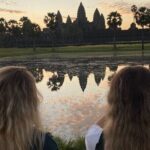
- Angkor Wat timing options: many departures are set up so you can catch special light, including sunrise-style starts on some days
- Jungle temple contrast: Ta Prohm and related sites let you see how the forest and stone share the same space
- Tonle Sap realism at Kompong Phluk: you get outside the main circuit to see fishing life tied to the lake system
- Sunset view at Pre Rup: temple-mountain vantage plus carvings that reward a slower visit
- Banteay Srei pink sandstone: small, delicate, and one of the better-preserved stops on the loop
Why a private Angkor day feels different in practice
Angkor can go two ways: you either get a rushed checklist, or you get a story you can see. This tour leans hard toward the story part, largely because it’s private. That matters when you’re standing in front of a bas-relief and your guide can slow down just long enough for you to make sense of what you’re looking at.
You’ll also appreciate the comfort layer. You’re in an air-conditioned vehicle, and the tour includes cool drinking water plus wet towels. That’s not a small detail here. Heat and sun wear you down fast, and Angkor is all walking, steps, and staring upward.
Finally, I like the customization angle. The operator describes a customer-centered approach, which is why the day-to-day choices can feel less rigid. Even if you keep the full route, a guide can often help you adjust what you linger over.
A few more Siem Reap tours and experiences worth a look
Cost reality: $215 is a fair base, but budget for the Angkor pass
The price is $215 per person for the 4 days, and it covers the guide, transport, and a set of temple-area visits. What it doesn’t cover is the most important line item for Angkor itself: the Angkor Archaeological site entrance pass. You’ll buy that at the main gate, and it’s charged in US dollars.
Also, don’t forget the boat side at Kompong Phluk. The tour notes a boat ticket fee that’s not included. If you hate surprise add-ons, this is the one to plan for.
Lunch is another quiet cost. During the full day, lunch is excluded and you’ll eat on your own account—either at a local restaurant around the temple area or by heading back toward your hotel. If you’re used to “tour lunches,” treat this as more flexible (and slightly more work) than a package that handles meals.
So is $215 good value? For a private multi-day Angkor plan with a guide and A/C transport, yes. Just don’t underestimate the “pay once, pay again” nature of Angkor: entrance pass, possible boat ride, and your own lunch.
Day 1: Angkor Wat classics, the Roluos brick temples, then Kompong Phluk on Tonle Sap
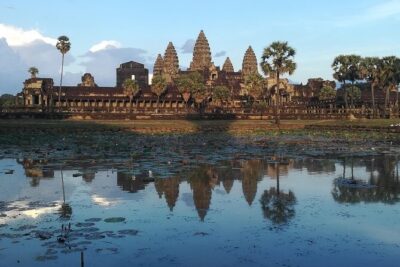
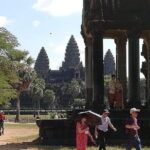
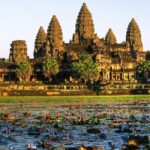
Day 1 starts with Angkor Wat, which is why most people come to Siem Reap in the first place. Expect a long, meaningful visit (about 4 hours). You’re not just looking at ruins—you’re walking through a complex meant to reflect a universe concept from Hindu mythology, with five famous towers and bas-reliefs that preserve Khmer epics and myths.
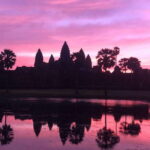
The practical upside of starting here: when you arrive with fresh energy, you can actually process the details. The tours that start too late often turn the experience into frantic photos. Here, the timing is flexible (8:00 am or 9:00 am), and some departures are set up earlier so you can catch special light. Either way, plan for sun and bring your hat, sunglasses, and sunscreen.
After Angkor Wat, you shift to the Roluos Group, which gives you a nice change of texture and building style. Bakong (about 40 minutes) sits within a former capital linked to Indravarman I, and its temples are known for brick construction with carved plaster reliefs. That different material look is a good palate cleanser after the scale of Angkor Wat.
Then you’ll visit Lolei and Preah Ko, both part of the Roluos area. Lolei is described as a 9th-century Hindu temple dedicated to Shiva. Preah Ko is another of the four temples that make up the Roluos Group. These stops are shorter, but they help you understand Angkor isn’t one monolithic style—it’s layers across time.
To finish the day, you’ll head to Kompong Phluk on Tonle Sap (about 2 hours). This is one of the best places to see Cambodia’s living relationship with the landscape—well, the lake system. Tonle Sap is described as a UNESCO biosphere site tied to endangered flora and fauna, and it’s economically important because many Cambodians live on and work from the water for fishing.
One caution: because the boat ticket fee isn’t included, your Kompong Phluk experience may depend on what you choose to do on the water that day. If you want that component, budget for it early so you don’t end up deciding under time pressure.
Day 2: Preah Khan’s monastic world, Neak Pean’s luxury myth, and Pre Rup sunset views
Day 2 opens with Preah Khan, a monastic complex that originally served as a Buddhist monastery and school, with records of over 1,000 monks. It’s a different vibe from the grand temple-mountains—more like a whole working system. You’ll get about 1.5 hours, enough to feel the layout before you move on.
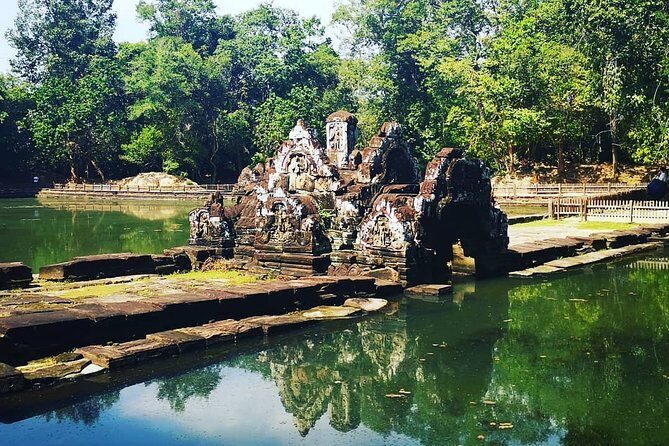
Next comes Neak Pean (about 1 hour), a smaller stop with a story-driven feel. It’s described like a dream of olden-day luxury and beauty, where princesses made offerings of gold and perfumes. I like this kind of visit because it slows your brain down: the site is small enough to stop and notice symbols instead of racing for the biggest views.
Then you’ll visit Ta Som (about 30 minutes). It’s a Bayon-style monastic complex with face-tower gopuras and a cruciform interior. Even in short visits, this kind of stop helps you see how later Angkor design borrowed and reshaped earlier temple elements.
After that, Eastern Mebon rises as a large temple-mountain-link ruin with three levels and five towers. It’s not the longest stop, but it fits the theme of temple geometry—structures designed to be read from specific angles.
Lunch is on your own during the day (so plan a flexible appetite). You can eat in the temple area or return to the hotel.
In the afternoon, you’ll head to Prasat Kravan (about 30 minutes). This one is interesting because it’s noted as having unique bas-reliefs of Vishnu and Lakshmi, and it’s described as the only example of brick bas-reliefs in the Angkor area. That’s exactly the sort of detail I like—small, specific, and worth the stop.
Then Banteay Kdei (about 30 minutes) gives you more monastic design in a style compared to Ta Prohm. It’s also said to have been built over an earlier temple site, functioning as a Buddhist monastery. Again, short but useful for understanding how Angkor sites evolved instead of being frozen in time.
Prasat Bat Chum (about 30 minutes) switches the religious focus in an intriguing way. It’s described as an early Buddhist temple built during a time when Hinduism dominated, and the doorways’ inscriptions note Buddhist dedication. If you like cultural crossovers, you’ll appreciate that this stop isn’t just “pretty”—it’s a clue about changing belief systems.
Finally, Day 2 ends at Pre Rup for sunset (about 1 hour). This temple-mountain is described as artistically superior, with beautifully carved false doors on the upper level and excellent views of the surrounding countryside. Sunset is a timing choice that often pays off: you get better light and you’ll probably walk a little slower, which is good for remembering details instead of only collecting images.
Day 3: Ta Prohm’s tree temples to Bayon’s stone faces
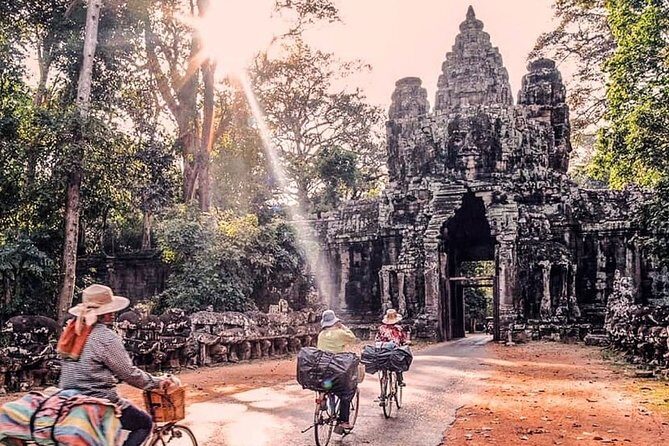
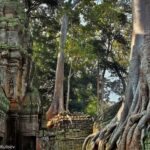
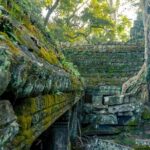
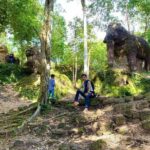
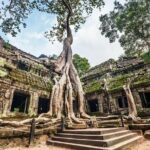
Day 3 is the “you came for this” day—jungle stone and the famous face towers. It starts with Ta Prohm (about 2 hours). This is where you expect the jungle to feel like part of the building plan. The site is only partially cleared of jungle overgrowth, and it’s widely known for strong “tree-in-temple” photo opportunities. Even if you don’t care about photos, this stop is a mood shift: it’s quieter and more intimate than the bigger, more open complexes.
Then you’ll move to Ta Nei (about 30 minutes), another jungle temple reminiscent of Ta Som, with classic Jayavaraman VII artistry noted in the description. This is a good example of why multiple stops matter. You don’t just see “jungle ruins,” you see different generations and styles.
Next: Ta Keo (about 40 minutes). It’s described as towering but plainly decorated, dedicated to Shiva, and noted as the first temple constructed wholly of sandstone. If you’ve been thinking Angkor is all about elaborate carvings, this sandstone stop changes the conversation. It’s still dramatic, but the design choice is simpler.
After that you’ll visit the Victory Gate of Bayon Temple (about 30 minutes). It’s one of five gates guarding the ancient city of Angkor Thom. Gates at Angkor are like checkpoints for your imagination—you’re stepping from outside symbolism into the city’s internal order.
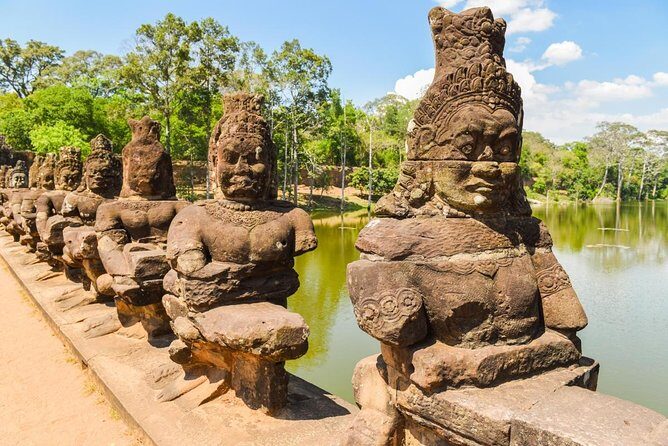
Then it’s straight to the Angkor Thom South Gate (about 15 minutes). This is where details get fun: each side of the causeway has railings with 54 stone figures performing the myth of the Churning of Ocean. Short stop or not, it’s the kind of scene you’ll want to walk slowly for, because the figures are the story.
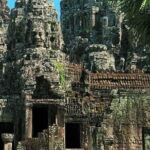
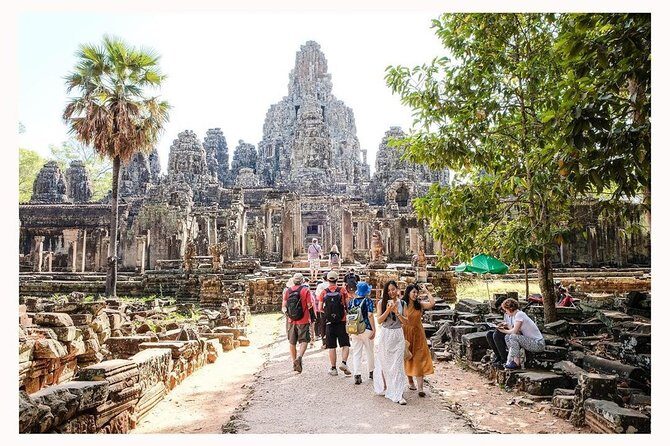
Next comes Bayon Temple (about 1.5 hours), with 37 standing towers, each sporting four carved faces oriented toward the cardinal points. This is one of the most recognizable images connected to classic Khmer art and architecture. The trick here is to not just stare upward—take a moment to understand the repetition and the orientation. Your guide can help you read that layout.
You’ll then see Baphuon Temple (about 30 minutes), a three-tier temple mountain built as the state temple of Udayadityavarman II dedicated to Shiva.
From there, you’ll explore two terraces: the Terrace of the Leper King (about 30 minutes) and the Terrace of the Elephants (about 30 minutes). The Terrace of the Leper King is described as a double terrace wall with deeply carved nagas and demons, named for the status of the leper king sitting on top. The terrace visit adds drama through myth creatures and layered carvings, not just faces and towers.
To finish the Angkor Thom area, you’ll visit Preah Palilay (about 30 minutes), set in a cool, shaded forest setting. It’s described as a picture-square sandstone and laterite tower, with Buddhist-themed carvings visible on the eastern gopura. This is a nice closing note: quieter, shaded, and a bit more “Buddhist icon” than “Hindu temple-mountain,” based on what’s described.
Lunch is again excluded, and you can choose to eat near the temples or head back to the hotel.
Day 4: Banteay Srei pink sandstone, Banteay Samre restorations, then Silk Farm and Siem Reap market life
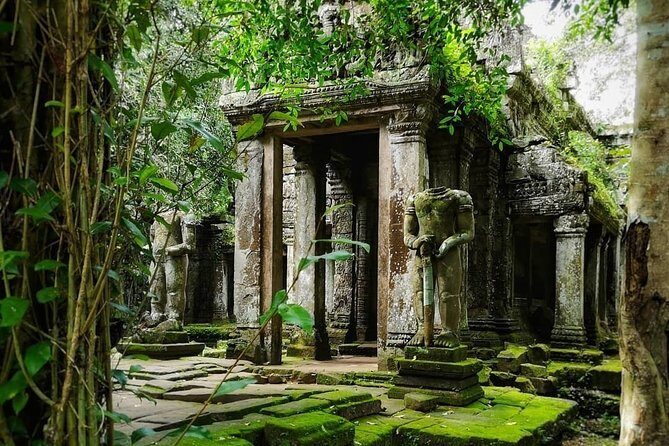
Day 4 starts with Banteay Srei (about 2 hours). This is the fabled pink temple of women, made from pink sandstone and known for delicate carvings and remarkable state of preservation. It’s smaller in scale than some of the big hits, which is a plus. You’ll have time to look closely instead of only appreciating distance.
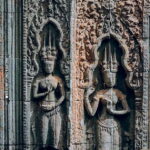
It’s also described as filled with Apsara figures and male and female carvings (the description cuts off, but the point is clear: it’s about detail). If you want one temple that feels more intimate and “crafted” than “monumental,” this is the one.
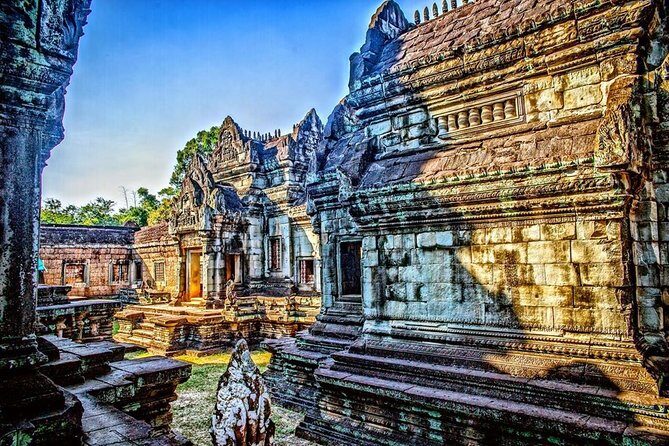
Next, you’ll visit Banteay Samre (about 1 hour). It’s described as built in Angkor Wat style, with influence visible in towers and railings that resemble its larger cousin. The bas-reliefs are said to be in very good condition, and the temple has been extensively restored by archaeologists who took it apart and reconstructed it.
That restoration note matters. It tells you you’re seeing work that’s been protected and rebuilt, not just standing there waiting for time to finish its job. If you like understanding how heritage gets cared for, you’ll appreciate this framing.
Lunch is again on your own, and the day includes either eating in the Sras Srang area or heading back toward your hotel.
In the afternoon, you’ll go to Angkor Silk Farm (about 1.5 hours). This is described as a training ground for unschooled rural youth, teaching handicraft production skills so they can earn a living. Sales are available only at the place or at Artisan d’Angkor, which keeps it tied to the local training story rather than turning it into a generic souvenir stop.
Then you’ll wrap with time in Siem Reap, including the Friendship Bridge of Cambodia–French, the local holy places Phreah Angcheck & Phreah Angchom, and the Old Market (about 2 hours). The Old Market is described as having deep selection of souvenirs and curios, including silks, silverworks, carvings, statuary, and other handcrafts.
If you want a final day that mixes heritage with modern daily life, this is the right closing move. It’s not “another temple,” and it helps your brain transition back to normal city pace.
Comfort, rules, and small tips that save your day
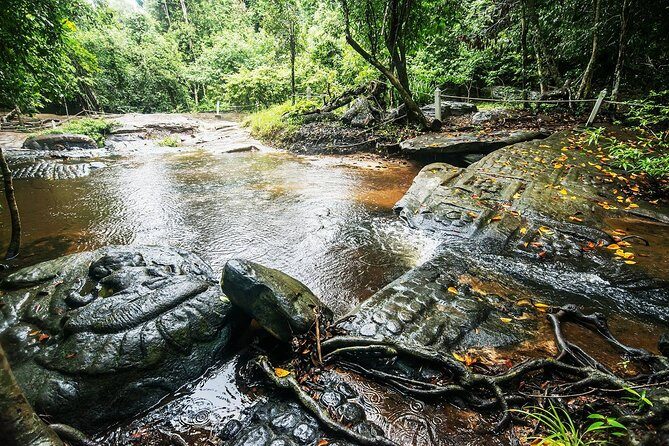
A few practical things can make or break your Angkor experience.
First: dress code. Some temples, including Baphuon, uphold a strict dress code—clothes must cover shoulders and fall below the knees. The tour also notes that shirts with obscene and disrespectful prints and pictures and brightly-coloured clothing may lead to refusal of entrance. Pack for temple rules, not beach weather.
Second: sun protection is non-negotiable. Bring sunglasses, a hat/cap, and high SPF sunscreen. Even when it’s cloudy, the sun still hits hard enough that you’ll feel it on your skin and eyes.
Third: tech protection matters. The tour notes that natural elements can damage electronic equipment, so wrap and protect your camera or phone.
Finally: water and towels are part of the design. You’ll have cool drinking water plus wet towels during the days, which is a real value in humidity and heat.
Who should book this 4-day Angkor + local life tour
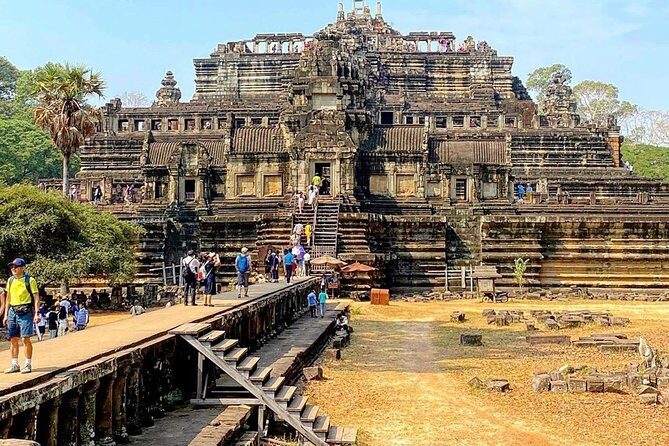
This works best for you if you want a private experience with a real guide and you don’t want only the “postcard temples.” The route includes both major Angkor names and smaller sites, plus the Tonle Sap connection at Kompong Phluk. That mix is perfect for people who like context, not just coordinates.
It also suits families and groups who value comfort between stops. The format is private, so you aren’t sharing your day with strangers, and that makes it easier to keep a pace that doesn’t break your legs or your patience.
If you only want the absolute biggest structures and plan to move fast, this might feel like a full plate. But if you’re the type who likes stopping to read carvings and ask questions, the longer, guided stops and multiple temple styles will feel more rewarding.
Should you book this 4-day Angkor Temple Complex tour?
If your priority is a private, guided Angkor plan that connects famous temples with quieter sites and local life, I think this is a strong choice. The guide factor is clearly a selling point, with names like Veasna, Vutha, and Buntheun appearing in feedback for being friendly and for explaining the cultural and myth angles.
Just go in with the right expectations on costs and rules. Budget extra for the Angkor entrance pass and likely the boat ticket at Kompong Phluk, and pack clothing that fits the shoulder-and-knee requirements. Do that, and you’ll have a four-day run that feels like understanding the place, not just passing through it.
FAQ
Do I need to buy the Angkor Archaeological site entrance pass?
Yes. The entrance pass is not included, and you buy it at the main gate. It gives access to sights in and around Angkor and should be shown at times.
Is the boat ticket fee included for Kompong Phluk?
No. The boat ticket fee is not included, and you’ll need to account for it when you’re at Kompong Phluk.
Is lunch included during the tour?
No. Lunch is excluded during the full-day tours, so you’ll eat on your own account.
What temples have a strict dress code?
Some temples uphold strict rules, including Baphuon. The tour states shoulders must be covered and clothing must fall below the knees.
Does the tour include hotel pickup and drop-off?
Pickup and return transfers are included only for customers staying in and inside Siem Reap. You’re responsible for providing correct hotel information.
Who will guide me and what language do they speak?
The tour includes a professional English-speaking guide for all days.
Is this tour private?
Yes. It’s operated on a full private basis, with only your group participating.
Is an Angkor pass required for children?
Children under age 12 are free of charge, according to the tour information about the entrance pass.
What is included in the tour price besides the guide and transport?
The tour includes air-conditioned transportation, cool drinking waters, wet towels, and applicable taxes and service charges.
What happens if weather is poor?
The tour information says the experience requires good weather. If it’s canceled due to poor weather, you’ll be offered a different date or a full refund.