REVIEW · SIEM REAP
Private Four Days Angkor Complex with Kompong Phluk Village Tour
Book on Viator →Operated by Travel to Inspire · Bookable on Viator
Four days in Angkor feels like time travel. You’ll see the headline temples, then slow down into rural life at Kompong Phluk, with an English-speaking guide who helps you move smarter. This is also the kind of tour that gives back, since half of the profits is donated to local communities.
I particularly love the way the day plan balances big sights with smaller stops, like Banteay Srei and Neak Pean, so you don’t feel stuck in one long crowd line. I also like that you get air-conditioned rides plus water and cold towels, which matters when you’re walking temple stone in Cambodian sun.
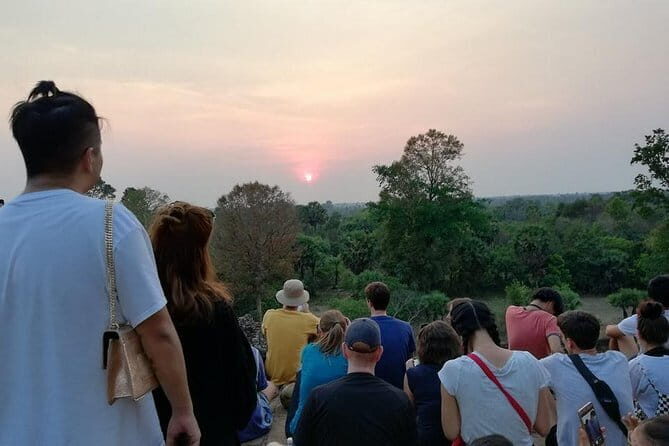
One consideration: you’ll be doing a lot of walking and some steep temple climbing, so if your knees are touchy, wear good shoes and go slow—especially around sunset viewpoints like Phnom Bakheng.
In This Review
- Key things to know before you go
- Why this private 4-day Angkor-and-village route makes sense
- Price and what you really get for $450 per group (up to 3)
- Day 1: Banteay Srei through Pre Rup for the best first-temple “wow”
- Banteay Srei: pink sandstone and fine carving
- Preah Khan: late 12th century and layered temple space
- Neak Pean (Neak Poan): a temple with a hospital story
- Ta Som: Buddhist temple focus
- Eastern Mebon: Shiva and family honor
- Pre Rup: turning-the-body temple and sunset-friendly shape
- Day 2: Angkor Wat to Ta Prohm, including the faces at Bayon
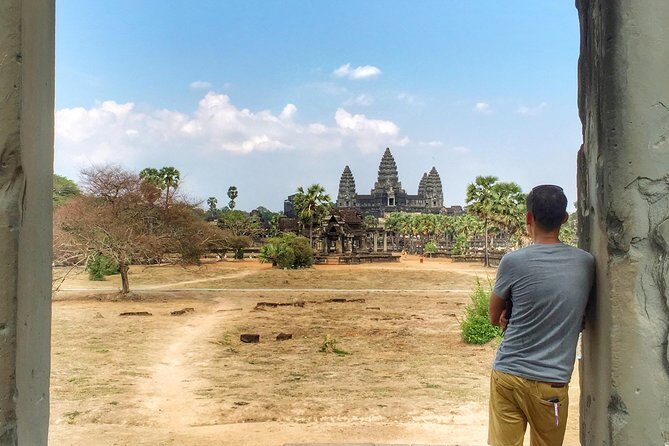
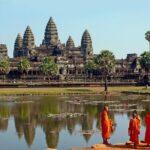
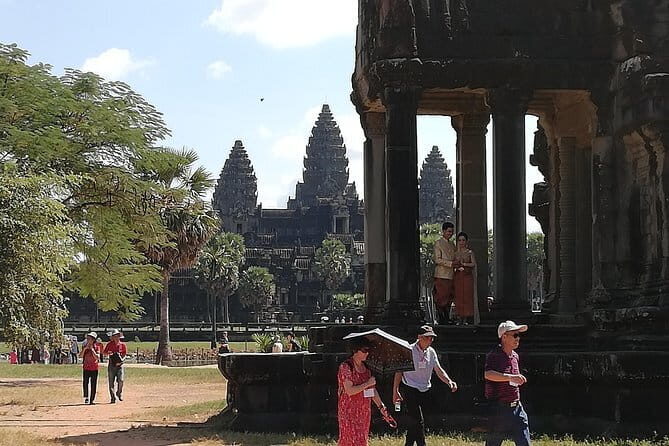
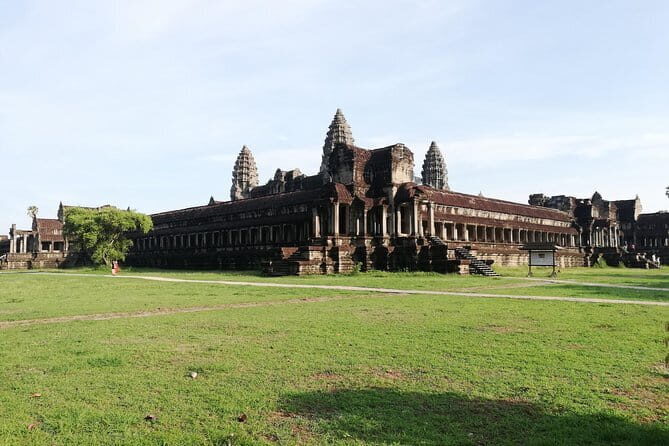
- Angkor Wat: five towers, major symbolism, and big-scale walking
- Angkor Thom South Gate: Tonle Oum and the gates’ story
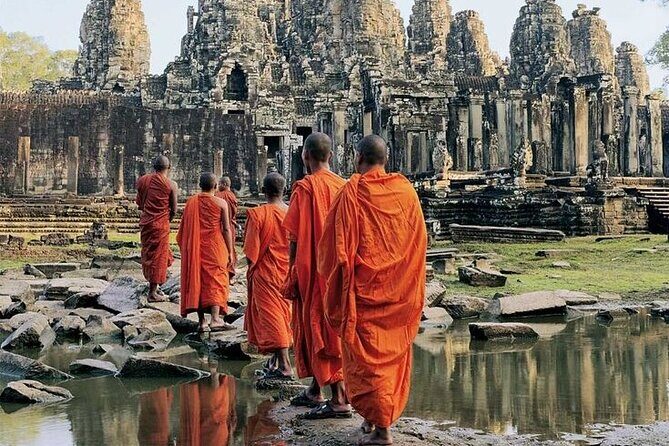
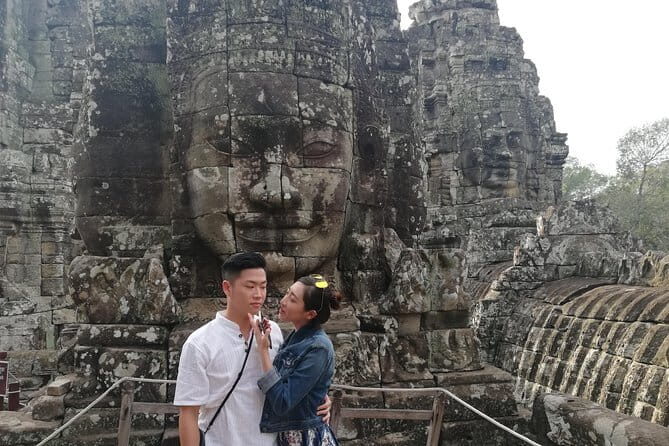
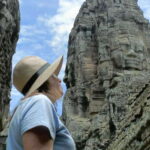
- Bayon Temple: 212 faces across 53 towers
- Ta Prohm: jungle temple energy
- Day 3: Phnom Bakheng viewpoint and Kompong Phluk on Tonle Sap
- Preah Ko: elegant small brick towers
- Bakong Temples: Mount Meru symbolism
- Phnom Bakheng: hilltop views and the classic Angkor sunset climb
- Kompong Phluk: stilted village life on the lake
- Day 4: Bat Park bats, Satcha crafts, and Chreav eco-brick + rice wine
- Royal Residence and the Bat Park
- Satcha Cambodian Handicraft Center: artisans and design with impact
- Wat Preah Prom Rath: monks, Buddha-life paintings, and quiet time
- Chreav: rice wine, ox cart rides, eco-brick, and farm-style play
- How the guide makes temple days easier (and more honest)
- Who should book this tour, and who might rethink it
- Should you book this private Angkor and Kompong Phluk tour?
- FAQ
- How many people are in this private tour?
- Where does the tour start, and is pickup included?
- How long is the tour?
- What’s included in the price?
- What isn’t included?
- Are mobile tickets used?
- Do I need to cover up for temple visits?
- Is there a lot of walking?
- What’s the cancellation policy?
Key things to know before you go
- Private tour for up to 3 people, so your guide can set the pace instead of herding you with strangers
- Air-conditioned transfers with hotel pickup and drop-off, plus water and cold towels to keep you comfortable
- Angkor Wat, Bayon, Ta Prohm, and sunset Phnom Bakheng in a well-timed circuit that avoids wasting time
- Kompong Phluk on Tonle Sap Lake with stilted houses and daily life tied to fishing and farming
- Community-focused Day 4, including Satcha crafts and Chreav eco-brick and rice wine experiences
- Government entrance fees for three days included, but the boat fee for Kompong Phluk isn’t
Why this private 4-day Angkor-and-village route makes sense
Siem Reap can be a bit of a theme-park trap: you rush through big temples, take photos, and leave with fuzzy memories. This tour has a better rhythm. You spend multiple days moving through the Angkor complex in a sequence that mixes famous heavyweights with quieter stonework, then you finish by leaving the ruins behind and seeing life around the Tonle Sap.
The private part is not just a selling point. With a small group (up to three people), I like that the guide can point you toward easier paths inside temples, find shaded spots to rest, and adjust when the heat or crowd energy gets weird. In feedback about this experience, the guide is consistently described as friendly and helpful, with people noting he leaves no questions unanswered and even helps with smarter routing.
Also, there’s a meaningful human layer here. Cambodia’s temples are gorgeous, but they sit inside a country with a complicated modern story. The tour frames what you’re seeing with context about the Khmer Rouge era, including how some sites were repurposed during that period. It’s not just stone and sunsets—it’s also memory and meaning.
You can also read our reviews of more private tours in Siem Reap
Price and what you really get for $450 per group (up to 3)
The price is $450.26 per group for up to three people, which works out much better than paying per person if you’re traveling as a couple or a small family. The big value is the combination of private guiding + transport + included fees.
Here’s what’s included that you’ll feel immediately:
- Hotel pickup and drop-off
- A local English-speaking guide
- Minivan or tuk-tuk transport and air-conditioned rides
- Lunch
- Drinking water and cold towels
- Government entrance fees for the temple portion for three days
What’s not included (and you should plan for):
- Boat fee (for Kompong Phluk)
- Travel insurance (always smart to have)
Why this matters: entrance fees can add up quickly at Angkor sites, and the boat part can surprise people if they didn’t budget it. If you’re trying to keep the trip simple, this setup is fairly straightforward: you bring spending money for extras, but most of the main structure is already covered.
Day 1: Banteay Srei through Pre Rup for the best first-temple “wow”
Day 1 is a strong start because it leans into variety. You begin with Banteay Srei, then work through a series of temples from different rulers and styles, ending with Pre Rup’s famous pink-toned presence.
Banteay Srei: pink sandstone and fine carving
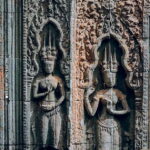
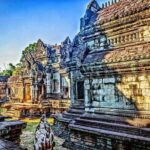
Banteay Srei is often called the standout for detailed carving, and it has that “small temple, big craftsmanship” feeling. It’s built in the 10th century, and the pink sandstone look gives it a different mood than many larger Angkor sites. Expect about a 40-minute stop, with the drive taking roughly 50 minutes to 1 hour from Siem Reap area.
Preah Khan: late 12th century and layered temple space
Preah Khan was built in the late 12th century by King Jayarvarman VII. This is the kind of site where you can see the Khmer architecture language evolving—wide corridors, a sense of movement, and lots of corners to explore. You’ll get around an hour here.
A few more Siem Reap tours and experiences worth a look
Neak Pean (Neak Poan): a temple with a hospital story
Neak Pean is special because it’s described as a hospital and even a university of hospital in the 12th century. That background changes how you experience it: you’re not just walking ruins, you’re looking at a place tied to healing and learning. You’ll have about 30 minutes.
Ta Som: Buddhist temple focus
Ta Som is another Jayarvarman VII-era temple, built as a Buddhist space for prayer. It has that slightly wild “temple among trees” feel, so it breaks up the day visually.
Eastern Mebon: Shiva and family honor
Eastern Mebon is a brick and stone temple from the mid-10th century, dedicated to Hindu God Shiva, and it honors the person’s parents. That family-focused dedication is a fun detail if you like understanding the human intentions behind architecture. Time here is about 30 minutes.
Pre Rup: turning-the-body temple and sunset-friendly shape
Pre Rup is made from pink brick, plus laterite and sandstone, built in the 10th century by King Rajendravarman. The name translates roughly to turning the body, and it has a strong, blocky presence that makes it photo-friendly even if you’re exhausted. You’ll spend about 40 minutes.
What to watch for on Day 1: the schedule is packed, so bring water discipline (sip often, don’t just chug once). Also, you’ll need to cover knees and shoulders at temples. Comfortable layers help you comply without cooking.
Day 2: Angkor Wat to Ta Prohm, including the faces at Bayon
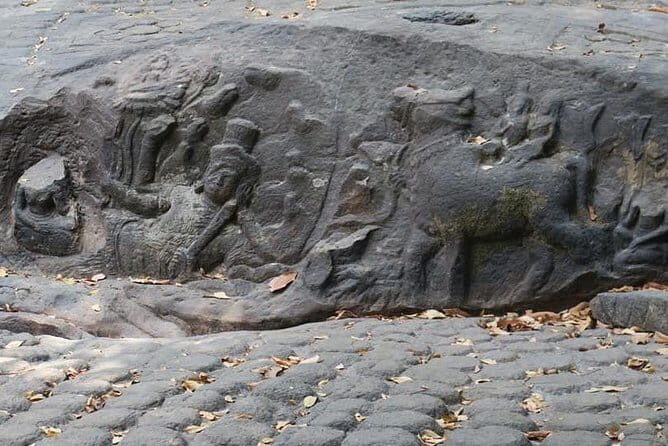
If Day 1 is about range, Day 2 is about the big classics. This is where most people expect their most dramatic photos—and it’s also where good timing matters.
Angkor Wat: five towers, major symbolism, and big-scale walking
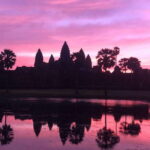
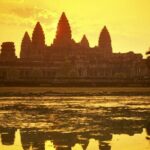
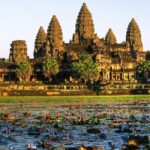
Angkor Wat is the star. It’s built in the early 12th century under King Suryavarman II. You’ll hear details like the five towers reaching around 65 meters and the original name Parama Visnuloka, tied to Vishnu. It’s also referenced as a landmark tied to Cambodia’s national identity, which is why it shows up so often in the country’s symbolism.
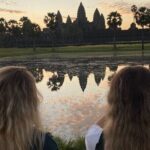
You’ll have around 3 hours here, which is enough time to see it without rushing every single corner. In feedback tied to this tour, people highlight sunrise moments at Angkor Wat when the guide times the morning well. If you want photos with softer light and fewer crowds, that early energy is a real advantage.
Angkor Thom South Gate: Tonle Oum and the gates’ story
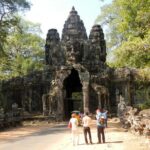
Next you’ll go into Angkor Thom through the South Gate, also known as Tonle Oum. Angkor Thom is described as having multiple gates, including ghost and killing gate names, plus victory and dei chhnang gate, among others. You’re not expected to memorize the gate list, but knowing the names adds meaning while you stand in front of the stone faces and towers.
You’ll spend about 30 minutes at this section.
Bayon Temple: 212 faces across 53 towers
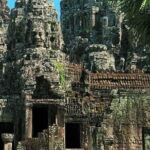
Bayon is one of those places where your brain keeps trying to count. Bayon has faces—described as 212 faces across 53 towers—which makes the whole structure feel alive. You’ll get about an hour here.
Ta Prohm: jungle temple energy
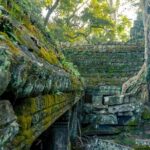
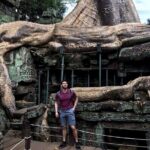
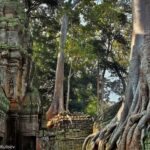
Ta Prohm is known in pop culture as the Tomb Raider Temple. The defining feel is that it’s a jungle temple: roots, trees, and stone interlocking in a way that makes it look like nature is actively taking the site back. You’ll have about an hour, which is enough to walk slowly and still see the major viewpoints.
Day 2 reality check: temples can be hot and crowded, but a small private group helps. If the sun is beating down, use your guide’s suggestions for shade and pacing. That small habit can make your experience feel calm instead of chaotic.
Day 3: Phnom Bakheng viewpoint and Kompong Phluk on Tonle Sap
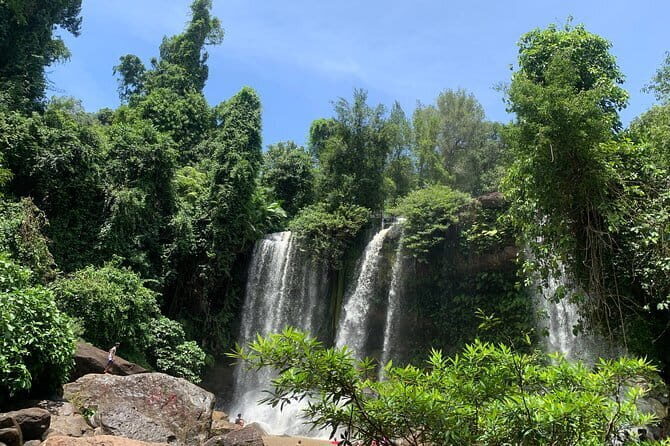
Day 3 is the best day for people who want both spectacle and everyday life.
Preah Ko: elegant small brick towers
Preah Ko is a late 9th-century site associated with King Indravarman I. It’s described as an elegant smaller brick temple with six towers dedicated to Jayavarman II and his family line. You’ll have around 30 minutes—short enough to enjoy it without losing momentum.
Bakong Temples: Mount Meru symbolism
Bakong is tied to the early phase of Angkor’s capital energy. It was built in the late 9th century and is described as the second capital city after Kulen Mountain. Bakong uses Mount Meru symbolism and is dedicated to Shiva. Expect around 1 hour.
Phnom Bakheng: hilltop views and the classic Angkor sunset climb
Phnom Bakheng is built by Yasovarman I around the late 9th to early 10th century. It’s described as the first city at Angkor with 109 towers included. The main reason most people remember it is the view from the hill—and this is where sunset energy comes into play.
You’ll spend about 3 hours. That extra time is useful because the temple-hill climb and the waiting time for light can’t be compressed without feeling stressful. If you’re sensitive to crowds, a private guide helps you find a manageable rhythm.
Kompong Phluk: stilted village life on the lake
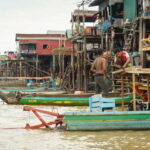
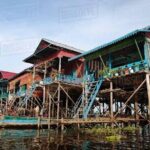
Then you shift to Tonle Sap Lake with Kompong Phluk Village. Kompong Phluk is known for stilted houses and a floating-village lifestyle. It sits roughly 16 kilometers from Siem Reap, and fishing and agriculture are the core livelihoods. During the dry season, when water levels drop, villagers switch to farming and other activities.
You’ll spend around 2 hours here, but note: the boat fee is not included. So plan for it financially, and be ready for the fact that water conditions can affect how things feel on the day.
How to make Kompong Phluk meaningful: don’t treat it like a photo stop. Ask questions about fishing and farming seasons, and watch how daily life changes with the water. It’s one of those experiences where you come away thinking about how the lake shapes everything—from schedules to architecture.
Day 4: Bat Park bats, Satcha crafts, and Chreav eco-brick + rice wine
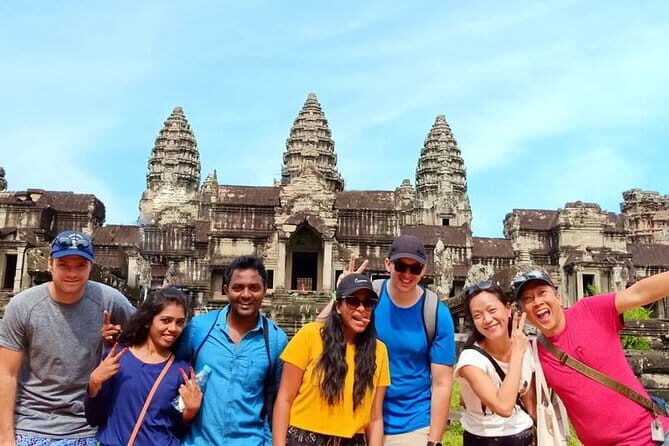
Day 4 is where the trip stops feeling like only sightseeing and starts feeling like a human visit.
Royal Residence and the Bat Park
You’ll visit the Royal Residence, with a park in front known as the Bat Park because there are hundreds of bats living in the trees. It’s popular with both tourists and locals, so you get a genuine sense of everyday use—not just a tourist attraction stuck behind a rope.
This stop takes about 40 minutes and entrance is free.
Satcha Cambodian Handicraft Center: artisans and design with impact
Next is Satcha, described as the first Cambodian handicraft center that incubates local artisans. The program mixes traditional knowledge with contemporary design, aiming to transmit skills over time with a sustainable social, economic, and environmental impact.
This part lasts about 1 hour, and the admission is included. If you like buying travel souvenirs that support real people (not just mass-produced items), this is a better match than the usual souvenir stall.
Wat Preah Prom Rath: monks, Buddha-life paintings, and quiet time
You’ll go to Wat Preah Prom Rath, a pagoda where monks live. There are paintings showing the Buddha’s life, and you’ll have time for meditation for about 15 to 30 minutes. Admission is included.
This is a nice pacing break after temple-heavy days 1 to 3.
Chreav: rice wine, ox cart rides, eco-brick, and farm-style play
Chreav is a set of community experiences. You’ll see:
- A villager procession tied to local rice wine, with a chance to test the wine
- An eco-brick concept mixing sand with plastic to support community efforts
- Ox cart riding, a traditional transportation style
- A farm rice procession with mini golf and an exhibition of rice equipment and processing steps (rice mortars, pounding, milling, and related actions)
This stop is marked with admission ticket included, and it’s built for hands-on participation. If you’re the kind of person who likes to ask about everyday work and how communities adapt, this day will feel like the trip’s emotional payoff.
One small practical note: if you plan to try rice wine, go easy if you still want to ride, walk, and climb later. This is a full day.
How the guide makes temple days easier (and more honest)
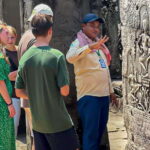
A guide can make Angkor feel either exhausting or enjoyable. With this experience, the guide is consistently praised for being friendly and competent, and people specifically mention that he helped with practical temple routes, found shaded rest spots, and kept things tailored to the group’s needs.
That matters because temple visits are not just about seeing the biggest monuments. It’s about managing:
- Heat and hydration
- Shade breaks
- Foot traffic inside courtyards and stair sections
- The order you see things in, so they don’t blur together
If you take one piece of advice from this tour approach, it’s this: don’t try to brute-force Angkor. Use your guide’s pacing, step where shade appears, and let each site land before moving on.
Who should book this tour, and who might rethink it
This private tour is a great fit if:
- You want a guided experience but not a hectic bus-tour vibe
- You’re traveling as a couple or small group (up to three)
- You care about both Angkor temples and rural life at Kompong Phluk
- You like learning context, including the Khmer Rouge-era framing tied to sites
You might rethink it if:
- You dislike longer walking days or temple climbing
- You’re primarily looking for a relaxed art-café vacation (this is sightseeing plus active village time)
The tour is described as suitable for most travelers, but your comfort with heat and stone steps is the real deciding factor. Bring comfortable walking shoes and keep knees and shoulders covered.
Should you book this private Angkor and Kompong Phluk tour?
Book it if you want one organized plan that covers the famous temples, includes the viewpoint experience at Phnom Bakheng, and then makes room for Kompong Phluk and community-focused Day 4. The value is strongest for small groups because so much is included: transport, pickup/drop-off, a local English guide, lunch, and government entrance fees for the temple days.
Skip or shop around if you’re extremely price-sensitive and unwilling to pay for guided access, or if you’d rather explore Angkor completely on your own. In that case, you might prefer a cheaper entry-only setup and hire a guide for specific highlights.
If you want a well-paced route with a guide named in feedback as Mr. Thom, plus real contact with local life in Chreav and Satcha, this is a solid pick for a first-time Angkor trip.
FAQ
How many people are in this private tour?
It’s a private tour/activity where only your group participates, up to 3 people per group.
Where does the tour start, and is pickup included?
It includes hotel pickup and hotel drop-off, with pickup offered near where you are staying in Siem Reap.
How long is the tour?
The tour duration is 4 days, approximately.
What’s included in the price?
Included items are lunch, a local English-speaking tour guide, minivan or tuk-tuk, drinking water and cold towels, hotel pickup and drop-off, and government entrance fees for the temple for three days.
What isn’t included?
Travel insurance is not included, and the boat fee is not included.
Are mobile tickets used?
Yes, the tour includes a mobile ticket.
Do I need to cover up for temple visits?
Yes. You must cover your knees and shoulders when entering temples.
Is there a lot of walking?
Comfortable walking shoes are recommended, and the days include temple walking plus other community activities.
What’s the cancellation policy?
Free cancellation is available up to 24 hours in advance for a full refund. Canceling less than 24 hours before start time won’t be refunded.