REVIEW · SIEM REAP
Private Tour: (Avoid Crowds & Heat) 2-Day Angkor Temples
Book on Viator →Operated by Affinity Angkor · Bookable on Viator
If you want Angkor without the chaos, this works. I love how the route mixes famous stops with quieter ruins, and I also like that you get a private setup with real time for explanations (not just a photo sprint). One thing to factor in: you’ll still climb stairs and walk a lot, so pack for heat and take breaks.
What makes this tour feel especially smart is the early start and the way the day is paced across temples outside the biggest crowds. I also like the added comfort touches: hotel pickup/drop-off, air-conditioned private vehicle, and snacks plus refreshment during the day. If you’re expecting the included price to cover park entry, double-check the ticket plan so there are no surprises.
In This Review
- Key highlights to know before you go
- Why a private 2-day Angkor plan beats DIY heat and crowds
- Day 1: Banteay Srei, Banteay Samre, Pre Rup, Preah Khan, and Neak Pean
- Banteay Srei: pink sandstone and fine carving details
- Banteay Samre: quiet setting and a tower style that echoes Angkor Wat
- Pre Rup: the color combo temple
- Preah Khan: a Buddhist university-city made by Jayavarman VII
- Neak Pean: a healing monument in the middle of a pond
- Day 2: Angkor Wat and Angkor Thom, paced for real viewing
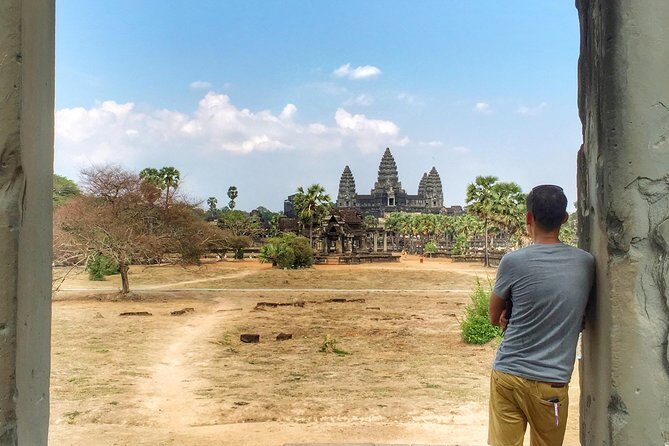
- Angkor Wat: the world’s largest religious monument
- Angkor Thom: the city within the walls
- Ta Prohm: strangler figs, silk-cotton trees, and that film-famous feel
- Ta Nei and the value of ending with a calmer jungle-temple feel
- Price and logistics: what you pay, what you still need, and why it’s fair
- Comfort, pacing, and the real physical side of temple days
- Who should book this private Angkor experience
- Should you book this Private 2-Day Angkor Temples tour?
- FAQ
- Is the Angkor Archaeological Park entrance ticket included in the $62 tour price?
- What’s included besides the guide and transport?
- What time does the tour start?
- Can I arrange sunrise or sunset during the tour?
- Is this tour private or shared with other groups?
- What is the cancellation policy?
Key highlights to know before you go
- Private only to your group, with a licensed guide who can adjust pacing as needed
- Early 7:30 am start to beat some heat and keep the big sights calmer
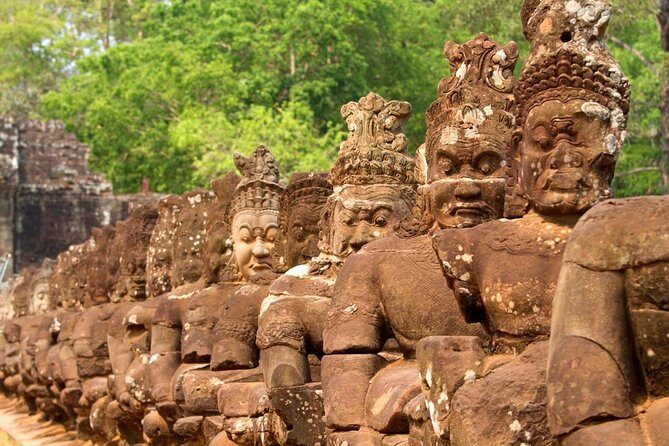
- A balanced mix: “Big Loop” stars like Angkor Wat and Angkor Thom plus lesser-seen temples
- First day focuses on temples away from the heaviest foot traffic, so Day 2 feels less frantic
- Options for sunrise or sunset on the following day at no extra cost if requested day 1
- You get transport, snacks, and refreshment; the Angkor entrance ticket is not included
Why a private 2-day Angkor plan beats DIY heat and crowds
Angkor isn’t hard to visit, but doing it on your own can be a time-waster. You fight traffic, deal with changing tuk-tuk drivers, and spend mental energy figuring out routes when your best move is to spend energy on the temples themselves.
This private format solves the big stress points. You start in Siem Reap with hotel pickup, then ride in an air-conditioned private vehicle. That matters because the day is split between multiple temple zones, and the walking between sites adds up. You also get snacks and refreshment, which keeps you from turning the whole thing into a low-energy slog.
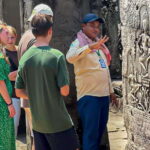
The other smart angle is how you’re guided through priorities. Angkor Wat and Angkor Thom are the headline acts, but the real joy comes when a guide helps you understand what you’re looking at and why the Khmer built these places the way they did. In the past, guides booked for this experience have been praised by name—people mention Tay, Tai, Viet, Kim, and Sopheara for steering people through the temples with good history and strong route sense.
If you’re the type who wants to slow down and actually read the carvings, this style fits. Just don’t expect zero effort. Angkor temples have stairs. Lots of them.
You can also read our reviews of more private tours in Siem Reap
Day 1: Banteay Srei, Banteay Samre, Pre Rup, Preah Khan, and Neak Pean
Day 1 feels like you’re getting your Angkor bearings fast, then building into bigger sights with momentum. The temples are spread out, but the pacing is built to keep you moving without feeling rushed.
Banteay Srei: pink sandstone and fine carving details
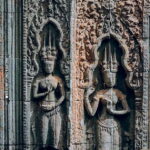
This is the one that makes people stop mid-step. Banteay Srei—often called Citadel of Beauty—is famous for its exquisite decorative carving in pink sandstone. It’s not the biggest temple, but it’s the kind that rewards close looking. If you like architecture details, this is a great early win.
Practical note: it’s still a temple, so expect uneven footing and some climbing. But you’re not walking an entire marathon before you get to the best reward of the day.
Banteay Samre: quiet setting and a tower style that echoes Angkor Wat
Next is Banteay Samre, described as an isolated temple with a peaceful feel. The tower style here reflects an Angkor Wat influence, but the vibe is calmer than the famous complexes. This is a nice contrast: you see how Khmer temple design repeats across the region, not just at the single “must-see.”
If you like comparing styles, this stop helps you spot patterns.
Pre Rup: the color combo temple
Pre Rup is shorter on time and big on visual impact. Its famous feature is the harmonious color mix of laterite, brick, and sandstone. The name itself—Pre Rup—points to the idea of turning the body, which is the sort of detail a good guide can connect to the temple’s layout and use.
This stop is also a good example of why early hours matter. Morning light and cooler air help you focus on textures instead of sweating through your shirt.
A few more Siem Reap tours and experiences worth a look

Preah Khan: a Buddhist university-city made by Jayavarman VII
Then you move into Preah Khan, built in the late 12th century by Jayavarman VII. This place is described as a Buddhist university and city, not just a single temple. That framing changes how you look at it. You’re not thinking of a one-building site—you’re thinking of a whole community and the role religion played in education and daily life.
The atmosphere is said to resemble Ta Prohm, but it has unique round-columned, two-storied structures. If you’re the type who likes when a temple looks lived-in by time, this one can feel very satisfying.
Neak Pean: a healing monument in the middle of a pond
The day ends with Neak Pean, built in the late 12th century by Jayavarman VII for miraculous healing. The signature feature is the unusual monument rising in the center of a pond, used for symbolic meaning.
This is one of those stops where the scenery matters. If you’re tired, it’s still worth it, because it’s a calmer, reflective moment before Day 2’s biggest icons.
Day 2: Angkor Wat and Angkor Thom, paced for real viewing
Day 2 is where most people get starry-eyed, and for good reason. But what makes a difference here is how you move through the sights without constantly losing the storyline.
Angkor Wat: the world’s largest religious monument
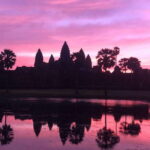
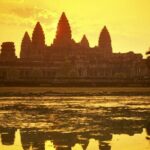
Angkor Wat needs no introduction. It’s the world’s largest religious monument, and seeing it in person can feel unreal. Here’s where the guide earns their salary: you want context for the symbolism and layout so you don’t just stare at massiveness.
Time on site is typically around two hours, which is enough to take in the big views and still step back for details like doorways, bas-reliefs, and the overall geometry.
Angkor Thom: the city within the walls
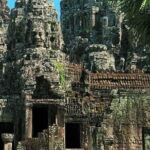
Angkor Thom is the “capital city” of the Khmer empire area, surrounded by walls with temples inside. The highlights you’ll be introduced to include the Bayon, Phimeanakas, Baphuon, the Terrace of the Elephants, the Terrace of the Leper King, and Prah Palilay.
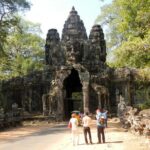
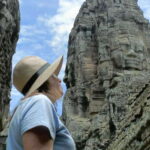
This is a lot of names, but you shouldn’t feel lost. A good guide ties them together so you understand what each spot contributes. The Bayon—famous for its faces—is the visual headline, but the terraces add the human angle: ceremonies, crowds, and royal life expressed in stone.
Ta Prohm: strangler figs, silk-cotton trees, and that film-famous feel
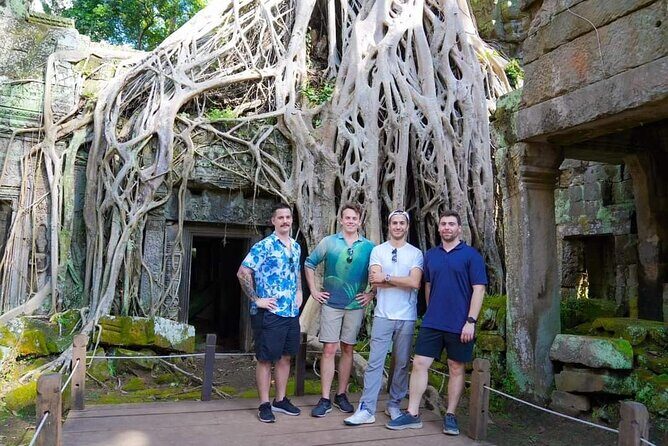
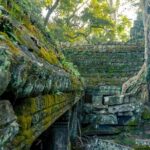
Ta Prohm is the romantic one. It’s known for strangler figs and silk-cotton trees wrapping through the ruins. This is also a place often associated with film scenes, which is why you might feel like you’re walking into a set—even when you’re not.
The main reason this stop works on a private tour: you can spend time where you care most. Some people want wide shots; others want close detail on the roots and broken stones. With your own guide and group-only time, you can steer the pace a bit.
Ta Nei and the value of ending with a calmer jungle-temple feel
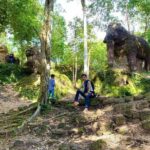
Not every temple has to be famous to be memorable. The last stop is a Buddhist temple called Ta Nei, built in the late 12th century in the reign of Jayavarman VII. It’s specifically noted as a great place to avoid the crowds.
This is where you get a different kind of Angkor feeling. Less staged. More quiet. The sort of place where you can let your brain switch from “photo mission” to “what am I looking at?”
One more practical point: ending your day like this can also help with fatigue. The biggest complexes take energy. A calmer temple makes Day 2 feel complete without pushing you into the red zone.
Price and logistics: what you pay, what you still need, and why it’s fair
The tour price is $62 for about two days (approx.). For that, you get a licensed guide, hotel pickup/drop-off in Siem Reap, transport by air-conditioned private vehicle, snacks and refreshment, and private group service. There’s also a mention of mobile ticket use and group discounts, which can help if you’re traveling with friends.
The key budget item: the Angkor Archaeological Park entrance ticket is not included. It’s listed separately as $62 per person for a 2- or 3-day visit. So your true day-to-day cost is really the sum of:
- the tour fee ($62), plus
- the Angkor park ticket ($62/pax for a 2–3 day pass)
Is that still good value? For me, yes—because you’re paying for time savings and comfort. Angkor is too big to manage casually. Having someone plan your route (and adjust when crowds spike) is worth real money. Add the air-con, snacks, and pickup, and it becomes a “you can focus on temples” setup rather than an “I hope I get it right” setup.
Comfort, pacing, and the real physical side of temple days
Let’s be honest: Angkor temples are not a sit-around attraction. Even on a private tour with a car, you’re on your feet for long stretches, then climbing when you reach the temples.
You should plan for:
- stair climbing and uneven stone in places
- walking in sun and humidity
- needing breaks so you don’t rush the most interesting parts
A nice advantage is that the day is structured to limit wasted time between sites. You’re not stuck waiting around for long, and you’re not left to solve logistics mid-day.
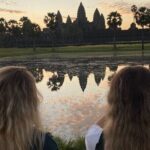
If you do want a mood change, this tour also offers sunrise or sunset options. You tell the guide on Day 1 if you want sunrise or sunset on Day 2, and it’s described as complimentary. That’s a smart way to chase gentler light while also avoiding the worst heat.
Who should book this private Angkor experience
This is a strong fit if you:
- are visiting Siem Reap for the first time and want a clear Angkor plan
- care about history and want the temples explained in plain language
- dislike crowds and prefer a route that mixes headline sites with quieter stops
- want comfort between temples (air-con, snacks, pickup)
It’s also a good option if you’re traveling with a small group and want the flexibility of a private setup. You’ll get a guided experience without negotiating every detail on the spot.
If you’re extremely limited on mobility, you’ll want to think carefully. The itinerary includes multiple temple areas known for stairs and climbing. You might still love the views, but the physical demands are part of the bargain.
Should you book this Private 2-Day Angkor Temples tour?
If you want Angkor to feel thoughtful instead of chaotic, I’d book it. The value is strongest when you use the guide well—ask questions, slow down at the carvings, and take advantage of the calmer temple pacing on Day 1.
I’d especially book if you’re sensitive to heat or crowd crush. Starting at 7:30 am, riding between sites in an air-conditioned vehicle, and finishing Day 2 with a quieter stop helps the whole experience feel more human.
One last decision tip: make sure you budget for the Angkor park entrance ticket separately, so you can focus on the temples, not paperwork. If you do that, this tour becomes a very efficient and surprisingly satisfying way to see Angkor the way you actually want to remember it.
FAQ
Is the Angkor Archaeological Park entrance ticket included in the $62 tour price?
No. The tour price does not include the Angkor entrance pass. The Angkor Archaeological Park entrance ticket is listed separately at $62 per person for a 2- or 3-day visit.
What’s included besides the guide and transport?
You get hotel pickup and drop-off in Siem Reap, a professional licensed guide, transport by air-conditioned private vehicle, snacks and refreshment, and the tour is private (only your group participates).
What time does the tour start?
The start time is listed as 7:30 am in Siem Reap.
Can I arrange sunrise or sunset during the tour?
Yes. You can let the guide know on Day 1 if you would like sunrise or sunset on the following day, and it’s described as complimentary.
Is this tour private or shared with other groups?
It’s private. Only your group will participate.
What is the cancellation policy?
The experience allows free cancellation up to 24 hours in advance of the start time for a full refund. If you cancel less than 24 hours before, the amount you paid will not be refunded.