REVIEW · SIEM REAP
Angkor Wat by Private guide tours
Book on Viator →Operated by Angkor Focus Travel · Bookable on Viator
One-day Angkor can feel like controlled chaos, so this tour’s tuk-tuk pace and story-led guide make it manageable and fun. You’ll love how the route links big-picture temple meaning with small, real-world details like the stop near Angkor Thom’s countryside village life and the time to wander Ta Prohm’s jungle ruins. Just note the temple pass is not included, so you’ll want to budget for entry tickets on top of the tour price.
I also like that the day is built around the temples you actually came for—Bayon’s stone faces, Ta Prohm’s fig trees, and Angkor Wat’s grand layout—without wasting your morning stuck in unnecessary logistics. Guides often bring the myths to life, and names like Bunhak and Seila (aka LaLa) show up repeatedly for making Hindu legend feel understandable, not like a textbook. The main drawback: it’s a long day (about 8 hours), with at least one stretch that includes a walk of roughly 3 km over flat ground.
If you want an Angkor day that feels personal, includes comfort basics like mineral water and a wet towel, and still hits the big temples, this is a strong option.
In This Review
- Key things that make this Angkor Wat private tuk-tuk tour worth it
- Why a tuk-tuk day works so well at Angkor
- The 8-hour game plan: Angkor Thom, Bayon, Ta Prohm, and Angkor Wat
- Angkor Thom: a quiet start near a real village life stop
- Bayon Temple: 200+ faces and the feel of a capital city
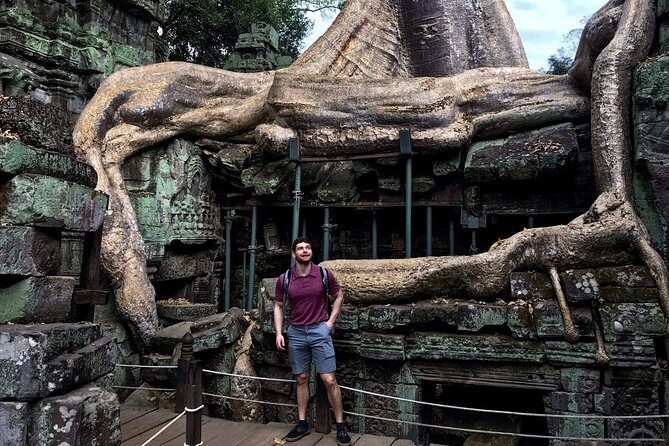
- Ta Prohm: jungle ruins where fig trees steal the show
- Angkor Wat: finishing with the largest sacred building
- What’s included vs. what costs extra (and how to budget)
- Comfort and timing tips that make this day easier
- Who this private Angkor Wat tuk-tuk tour fits best
- Should you book this Angkor Wat private guide tour?
- FAQ
- Do I need to buy temple tickets for this Angkor experience?
- Is pickup from my hotel included?
- How long is the tour?
- Do I have lunch included in the price?
- What transport do we use during the day?
- Is it a private tour for only my group?
- What happens if poor weather cancels the tour?
Key things that make this Angkor Wat private tuk-tuk tour worth it
- Hotel pickup and drop-off so you’re not wrestling with timing before the temples
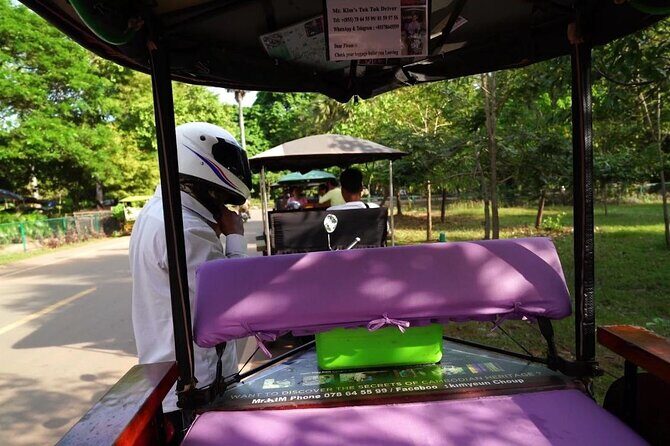
- Tuk-tuk transport that helps you move through a huge archaeological area efficiently
- A licensed English-speaking guide (many guests praise guide storytelling like Hindu mythology)
- Stops that balance power and poetry: Bayon faces, Ta Prohm jungle, then Angkor Wat’s scale
- Photo-friendly timing at the main monuments without turning it into a sprint
- Water and wet towel included, which matters in Siem Reap heat
Why a tuk-tuk day works so well at Angkor

Angkor isn’t just one temple. It’s a massive park of interconnected sites, roads, and paths, and it can wear you out fast if your transport plan is poor. The big win here is that you move by tuk-tuk, which keeps you from losing half a day to backtracking or waiting around.
You also get a smoother rhythm. When your guide can hop you between locations and time the walks, you spend more of the day actually looking. That’s where the temples start clicking—especially Bayon and Angkor Wat, where details are easy to miss if you’re rushing.
The other practical win is that this is a private setup, meaning your route pacing can match your comfort level. If you need a slower turn through Ta Prohm or want extra time photographing Angkor Wat angles, the guide can often help without breaking the whole plan.
You can also read our reviews of more guided tours in Siem Reap
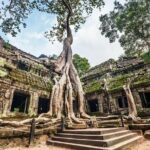
The 8-hour game plan: Angkor Thom, Bayon, Ta Prohm, and Angkor Wat
This tour is designed as a full-day circuit from Siem Reap, with the heaviest monuments spaced out so you’re not staring at stone for eight hours straight. You’ll typically start after breakfast with hotel pickup, then head toward Angkor Thom and the surrounding highlights, before finishing at Angkor Wat.
Plan on a day that mixes driving, walking, temple interiors, and one own-expense lunch stop near Ta Prohm. That lunch break is important. Ta Prohm can soak up your attention (and your energy), and Angkor Wat is the kind of place where you’ll want clear eyes for symmetry, bas-reliefs, and the overall layout.
Also, keep in mind that the temple timing here is built for sightseeing, not for staying glued to a single spot for hours. If you love tiny carving details, you may want to ask for a bit of extra time at Angkor Wat or Bayon.
Angkor Thom: a quiet start near a real village life stop
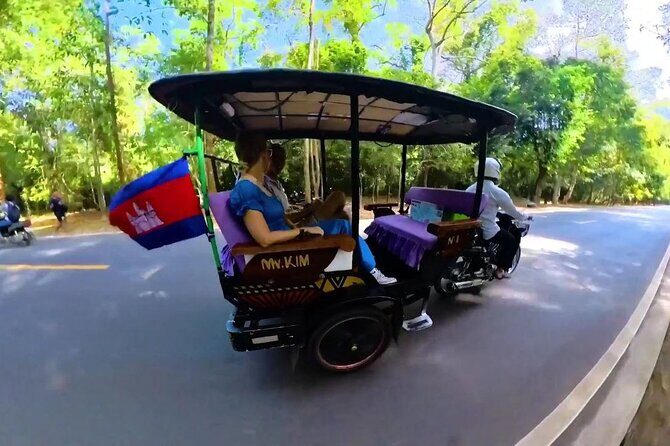
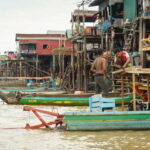
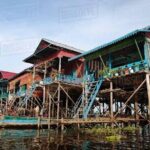
The day begins with a drive toward Angkor Thom, but the smart twist is the pause near an area that feels less like a photo set and more like lived-in Cambodia. You’ll ride out toward an untouched nearby village area, then continue with a walk—about 1 hour and roughly 3 km over flat ground.
This is the part that often surprises people in a good way. Angkor can feel overwhelmingly grand, and stepping into the everyday rhythm of nearby village life gives you a calmer baseline. You’ll also pick up context for Khmer culture and how ordinary routines connect to the region’s identity.
A consideration here is simple: you’ll be walking for about an hour. It’s flat, but it’s still sun, steps, and dust. Wear shoes you don’t mind getting warm and bring a hat.
Bayon Temple: 200+ faces and the feel of a capital city
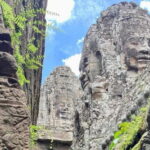
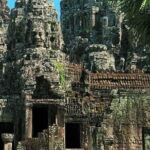
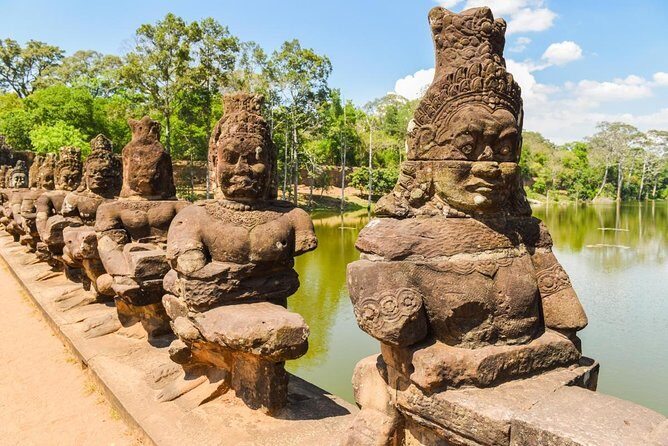
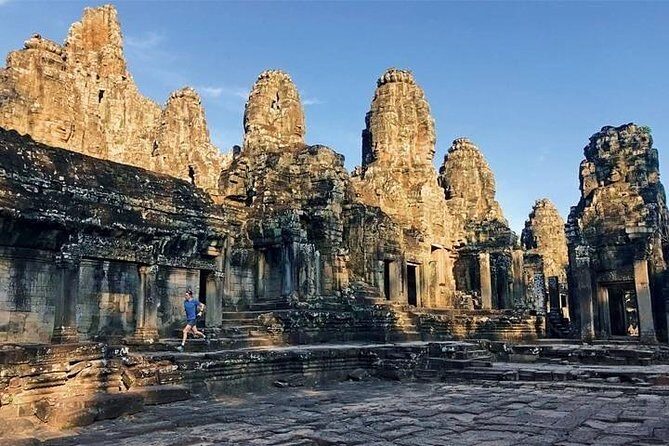
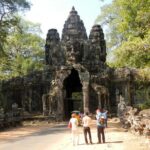
Next up is Bayon Temple, set inside the Angkor Thom complex. This is where the tour hits that wow factor people picture from Angkor: central towers covered in more than 200 enormous faces.
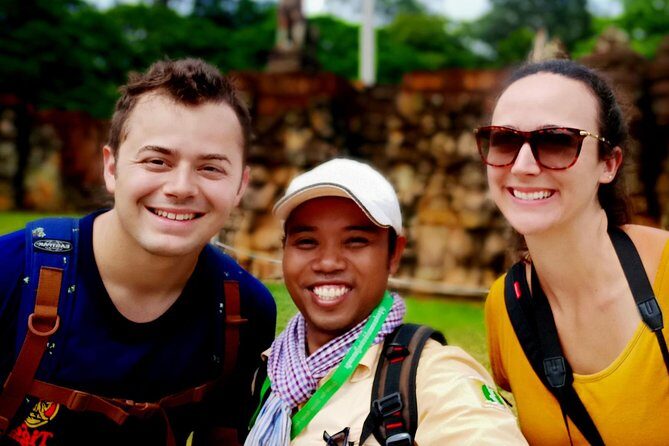
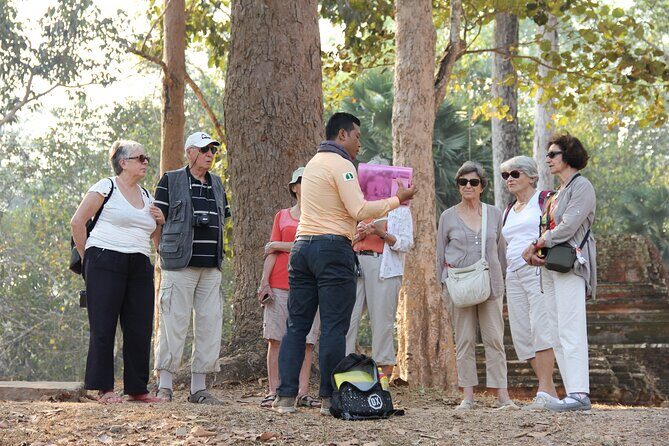
Bayon works best when you understand what you’re looking at. A good guide helps you interpret the symbolism and connects the temple’s role to the Khmer Empire’s center of power. Guests consistently praise guides for tying the carvings and stories together so the whole place feels like more than scenery.
Inside, take your time. The faces are visually bold, but the temple’s deeper meaning comes from noticing positioning, repeating motifs, and how the architecture frames movement. If you rush, you get the faces. If you slow down, you start reading the structure.
One drawback to plan for: Bayon is popular, so your experience depends on timing and crowd flow. Going with a guide and a private pace helps, but you should still expect some busy moments around major viewing angles.
Ta Prohm: jungle ruins where fig trees steal the show
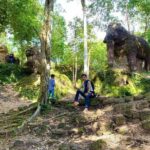
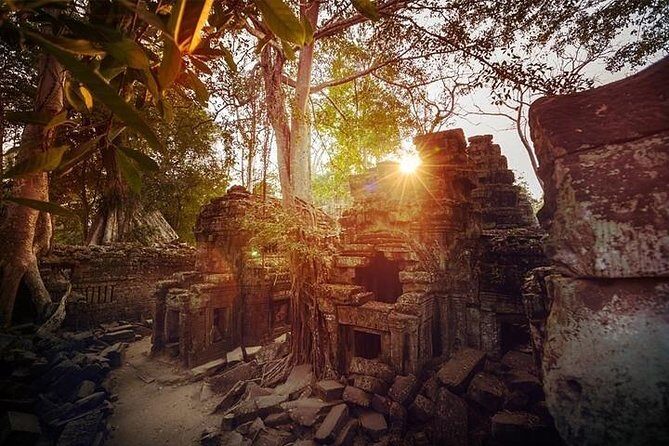
After Bayon, you’ll head to Ta Prohm, one of the most atmospheric temple stops because it sits in the middle of the jungle. The ruins are famous for the maze-like feel of broken corridors and towers, and also for the fig trees that press in around the stone.
This stop is ideal for photography and for slow looking. You can frame shots through roots and branches, then pivot to see how the temple lines reappear at different depths. The contrast between man-made geometry and uncontrolled plant growth is what makes Ta Prohm so memorable.
You’ll also have your lunch break here, at a Khmer local restaurant nearby, with food and drinks paid on your own. That matters: by handling lunch locally, you don’t lose the day to searching for a meal after you’re tired. The trade-off is that you’re responsible for what you eat, so go with whatever feels clean and comfortable for you.
Practical note: even though the tour includes mineral water and a wet towel, Ta Prohm involves uneven stone and roots. Wear shoes with grip and take your time near entrances and narrow passages.
You can also read our reviews of more private tours in Siem Reap



Angkor Wat: finishing with the largest sacred building
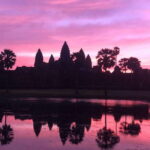
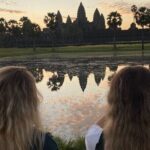
The day’s final big centerpiece is Angkor Wat, reached after lunch and presented from the eastern side, which can help you get a different feel for the approach. Angkor Wat is the world’s largest sacred building in this UNESCO complex, and it’s built on an architectural scale that makes other temples feel more like chapters.
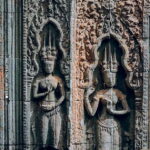
You’ll learn what the site represents in Khmer civilization and how it reflects the culture at its grandest. Angkor Wat’s visual power is in symmetry and repetition: you get those strong sightlines, then the carvings start rewarding closer attention. A guide also helps translate the meaning behind Hindu legends shown in intricate carvings, which is exactly the kind of storytelling that many guests say turns the visit from pretty to meaningful.
The time allocation is generous enough to feel like a finish, not a last-minute dash—about 3 hours here. If you treat Angkor Wat like a checklist stop, you’ll miss what makes it special. If you treat it like a slow walk through levels of detail, it lands differently.
Just be ready for the fatigue. By the time you reach Angkor Wat, you’ll have already spent a lot of energy on driving, standing, and walking. Bring your patience. The reward is that you’ll actually be able to appreciate the place when you’re there.
What’s included vs. what costs extra (and how to budget)
Here’s where the value math becomes clear.
Included in the tour price:
- Hotel pickup and drop-off
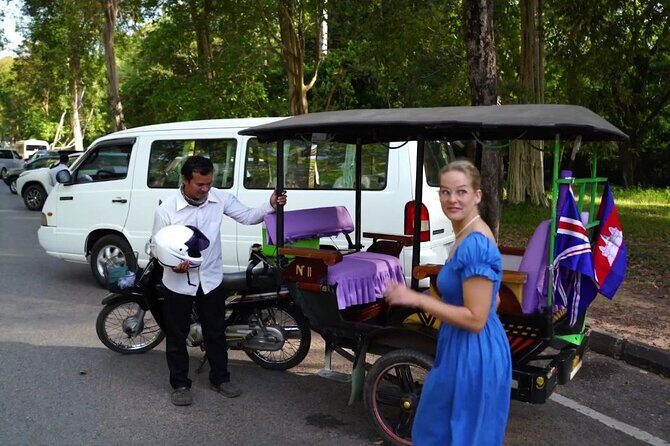
- Tuk-tuk transport during the day
- A licensed English-speaking guide
- Mineral water and a wet towel
- A private group setup (only your group participates)
Not included:
- Temple pass (you pay at the ticket office)
- Food and drinks (lunch is on you)
For many people, the temple pass is the main surprise cost, so it’s worth planning for before you go. The good news is that the rest of what you need for a comfortable day is covered: transportation, guide time, and basic hydration. That’s why the price feels reasonable compared with options that might charge separately for transport or guide services.
Comfort and timing tips that make this day easier
Angkor is a temperature and energy test. Even with water and a wet towel included, you’ll enjoy the tour more if you plan like it’s hot and bright.
A few things I’d do:
- Start strong at breakfast, since you’ll be on the move early.
- Wear breathable clothing and shoes that handle stone and roots.
- Bring sun protection in your daypack, even though you’ll have guided pacing.
Also, think about your personal priorities. If you care most about history and meaning, ask your guide to slow down during Bayon and Angkor Wat explanations. If you care most about photos, spend extra time at the points where you can see through openings and along the main symmetry lines.
One more useful tip from guide style: some guides (like those praised for handling extra requests) can adjust the day so you can still work in sunset plans when you want them. If sunset is important to your group, tell the guide early and be flexible about where they can add time.
Who this private Angkor Wat tuk-tuk tour fits best
This is a great match if you:
- Want a private day instead of a crowded group scramble
- Like having a guide explain what you’re seeing, including myth and Khmer context
- Don’t have time to plan the logistics of a full Angkor day on your own
- Appreciate comfort basics like pickup, water, and a wet towel
It’s less ideal if you:
- Hate walking or are worried about stamina (you’ll do about 3 km total walking on flat ground at one point)
- Prefer fully scheduled meals that are already included
- Want only one temple stop without transitions (this one moves through multiple major sites)
If you’re traveling as a couple or family group, the private setup makes it feel calmer. If you’re traveling solo, the price still works well because you’re paying for guide attention, not for a shared bus experience.
Should you book this Angkor Wat private guide tour?
Yes, if you want the big Angkor hits with a guide who helps you understand the temples while you stay comfortable. The tuk-tuk transport, hotel pickup/drop-off, and included water/towel are practical wins, and the temple lineup is exactly what most people want: Angkor Thom area, Bayon, Ta Prohm, then Angkor Wat.
You should consider it a careful yes if you’re okay paying separately for the temple pass and handling lunch on your own. With that budget clarity, the tour becomes a solid value: you’re paying mainly for transportation, guide storytelling, and an efficient full-day structure.
FAQ
Do I need to buy temple tickets for this Angkor experience?
No, the temple pass is not included. You’ll need to pay for entry tickets at the ticket office.
Is pickup from my hotel included?
Yes. Hotel pickup and drop-off are included, so you start the day with less hassle.
How long is the tour?
The tour runs for about 8 hours.
Do I have lunch included in the price?
Lunch is not included. You’ll have lunch at a Khmer local restaurant near Ta Prohm, with food and drinks paid on your own.
What transport do we use during the day?
You’ll travel by tuk-tuk (motorised trolley) between the main temple stops.
Is it a private tour for only my group?
Yes. Only your group will participate, so you’re not sharing the experience with other unrelated travelers.
What happens if poor weather cancels the tour?
This experience requires good weather. If it’s canceled due to poor weather, you’ll be offered a different date or a full refund.