REVIEW · SIEM REAP
Angkor Wat Sunrise: Exclusive Private Tour!
Book on Viator →Operated by Angkor Wat Shared Tours · Bookable on Viator
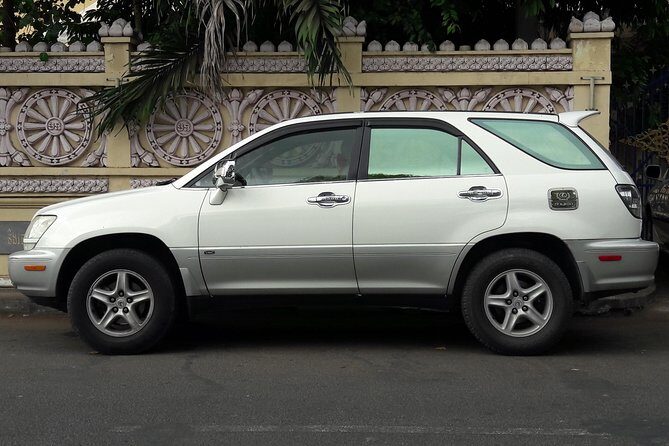
Sunrise at Angkor feels like time travel. This private Angkor Wat sunrise day turns the bucket-list moment into a calm, guided experience with an air-conditioned minivan pickup, chilled water, and a Khmer guide who helps you read what you’re seeing. I like the exclusive private guide time that lets you ask questions as you move, and I especially love the way the itinerary pairs the big-name sights with context so you’re not just taking photos at random.
You’ll also get a strong run of temples in one long day—Angkor Thom and Bayon, Ta Prohm, Ta Keo, and Banteay Kdei—so the morning highlight doesn’t end when the sun comes up. The other thing I really like is the guide quality: one standout example is Sayon, whose temple explanations and history talk help the complex story of the Khmer Empire make sense. One consideration: the Angkor ticket fee and meals aren’t included, so plan your budget beyond the $60.
In This Review
- Key Points Before You Go
- Why This Private Sunrise Day Feels Worth It
- Pickup, Timing, and What Your Day Actually Requires
- Stop 1: Angkor Wat Sunrise Without the Guesswork
- Angkor Thom and Bayon: South Gate, Then the Faces
- Ta Prohm and Ta Keo: Jungle Texture Meets Unfinished Drama
- Banteay Kdei: The Monk-Cells Temple and the Root-Woven Walls
- Price and Value: What You’re Paying For at $60
- Who Should Book This Tour (and Who Might Skip It)
- Should You Book This Angkor Wat Sunrise Private Tour?
- FAQ
- Is the Angkor ticket fee included?
- What’s included in the tour price?
- How long is the tour?
- Is pickup offered from my accommodation?
- Is this tour truly private?
- Which temples are visited?
- Can I cancel for free?
- Do I get a mobile ticket and confirmation?
Key Points Before You Go
- Private, only-your-group format means you’re not stuck waiting on other schedules or sharing guide time.
- Air-conditioned pickup plus chilled water keeps the day more comfortable during long temple stops.
- Morning Angkor Wat sunrise focus sets the tone for everything else you’ll see afterward.
- A balanced temple mix: major highlights plus “different vibe” stops like the never-finished Ta Keo and root-wrapped Banteay Kdei.
- Admission tickets are separate, so factor them in early and avoid last-minute surprises.
Why This Private Sunrise Day Feels Worth It
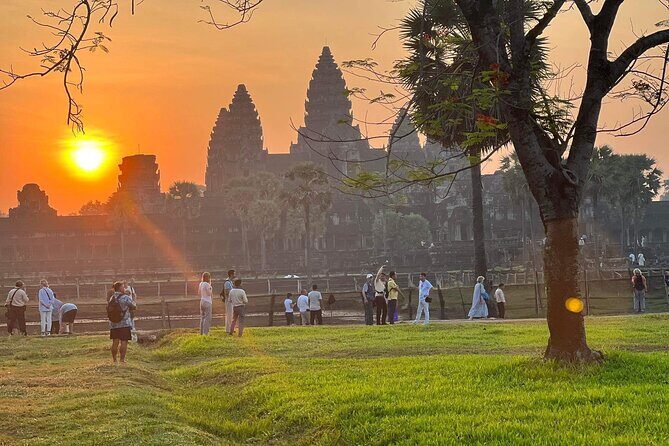
Angkor Wat at sunrise is the kind of sight people build trips around. The problem is that sunrise can also feel like a rushed stampede—lots of movement, not much understanding. This tour solves that with a private setup and an English-speaking guide that stays with you as the day unfolds.
For me, the value is in how the day is structured. You start with the most famous moment, then you keep momentum with temples that show different sides of Angkor: the ceremonial center, the later capital of Angkor Thom, the jungle-bitten Ta Prohm look made famous in film, and the stark geometry of a pyramid temple that was never finished.
And because you get pickup and drop-off, you’re not juggling transport while your schedule is already tight in the morning. That matters. A great sunrise can still turn frustrating if your logistics are messy.
You can also read our reviews of more private tours in Siem Reap
Pickup, Timing, and What Your Day Actually Requires
The tour runs about 8 to 10 hours, so treat it like a full-day commitment. You’ll be collected from your accommodation in an air-conditioned minivan, and you’ll have drinking water along the way. That small comfort is worth its weight here, because the temples mean lots of standing, walking, and waiting for the best angles.
You should also plan for the rhythm of a sunrise day: early start, then temple stops that keep stacking up. Some sites involve climbing terraces (Ta Keo is built as a layered pyramid), so wear footwear that’s steady and comfortable for temple steps and uneven ground.
One more practical point: the tour uses a mobile ticket, and you’ll receive confirmation at booking time. That cuts down on day-of stress because you’re not scrambling with paperwork.
Stop 1: Angkor Wat Sunrise Without the Guesswork
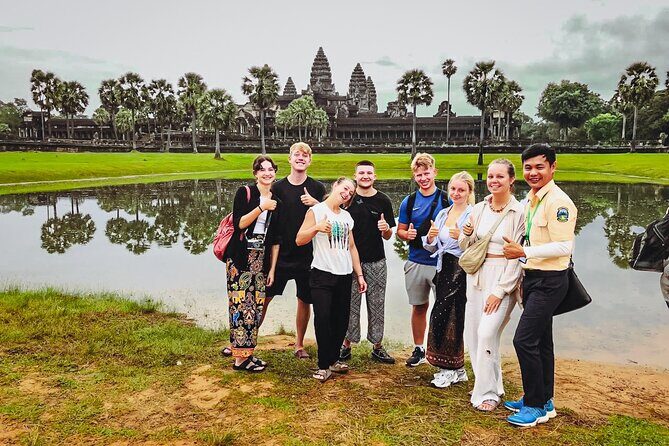
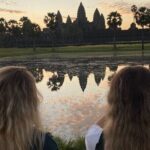
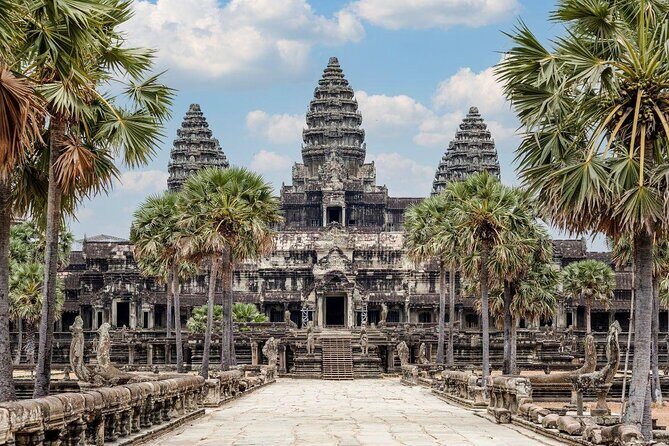
Angkor Wat is the largest religious monument in the world, and it’s the one most people mean when they say Angkor. Sunrise here isn’t just a pretty sky; it’s about seeing the temple’s scale and symmetry when the light is low and the crowds are still finding their places.
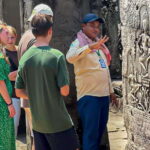
With a private guide, you’re not left to interpret everything on your own. The guide’s job is to help you connect what you see—structures, layout, and symbolism—to what it meant in the Angkor era. That turns the sunrise from a single “wow” moment into something you understand as well as admire.
What to watch for
- The sheer massing of the complex—Angkor Wat is ambitious on purpose.
- How the light changes the temple surfaces as the sun rises.
- The way the layout guides your movement and sight lines.
Possible drawback
Angkor Wat admission tickets aren’t included, so you need to bring those fees into your planning. Also, sunrise days tend to be mentally busy even if you don’t feel rushed physically—keep water and patience in mind.
Angkor Thom and Bayon: South Gate, Then the Faces
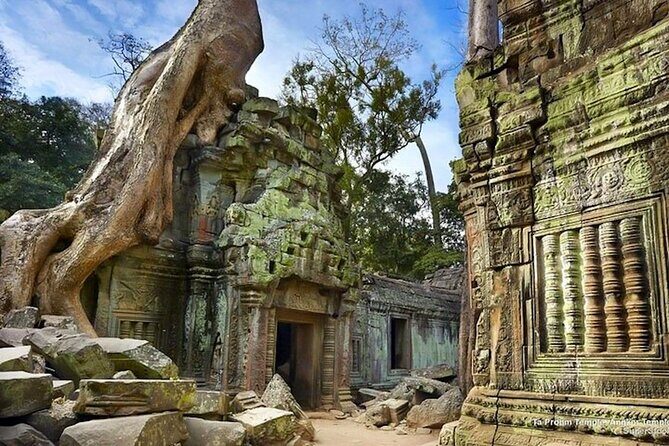
After sunrise, the day shifts to Angkor Thom, the latter capital of the Angkor Empire. This stop is a classic “you came for the temple, but you stay for the story” kind of place.
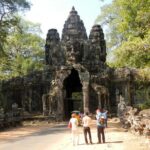
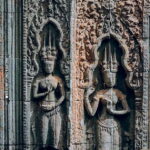
You’ll start with the South Gate, lined with gods and demons locked in an eternal tug-of-war. That’s the kind of carved scene that’s easy to miss if you’re only scanning for photos. With a guide, you’re more likely to catch what the imagery is trying to communicate.
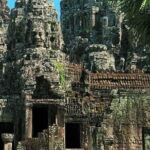
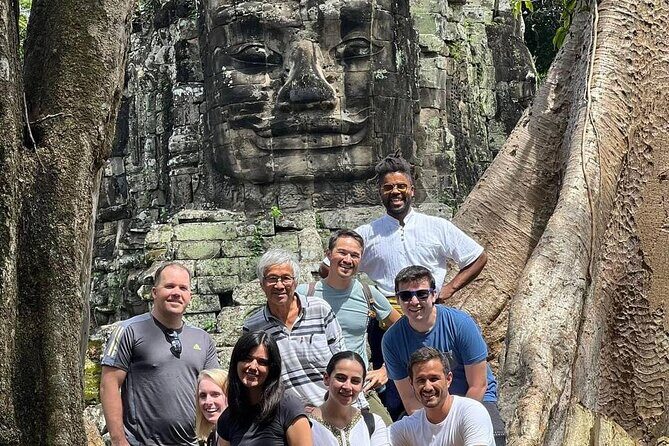
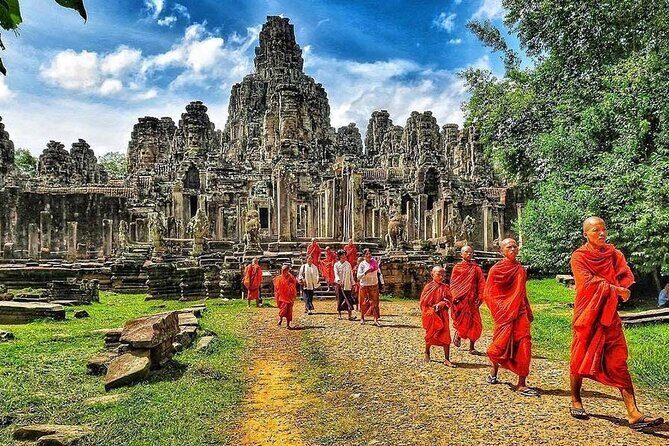
Then you move to Bayon Temple, which sits at the center of Angkor Thom. Bayon is known for its famous face imagery, and having it explained as part of the larger Angkor Thom setting helps you see it as more than a visual gimmick. It becomes part of how power, belief, and public space were expressed.
Why this stop matters
It shifts you from “temple as monument” to “temple as political and cultural center.” Even if you’ve seen pictures before, the scale inside Angkor Thom feels different once you understand where you are in the story.
Timing note
You’ll spend around 2 hours here, so it’s enough time to see the major areas without your brain feeling totally fried. Still, it’s a lot of stone, so take moments to pause and let the details register.
Ta Prohm and Ta Keo: Jungle Texture Meets Unfinished Drama
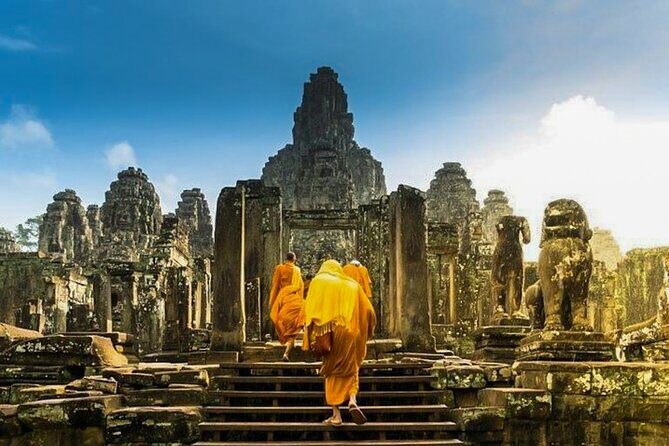
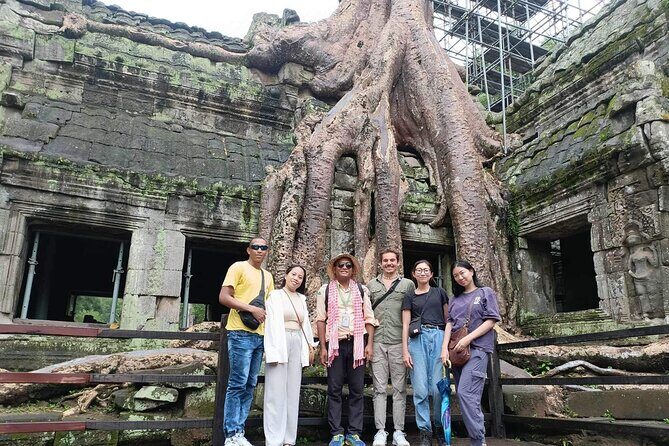
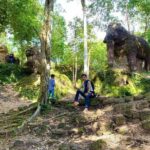
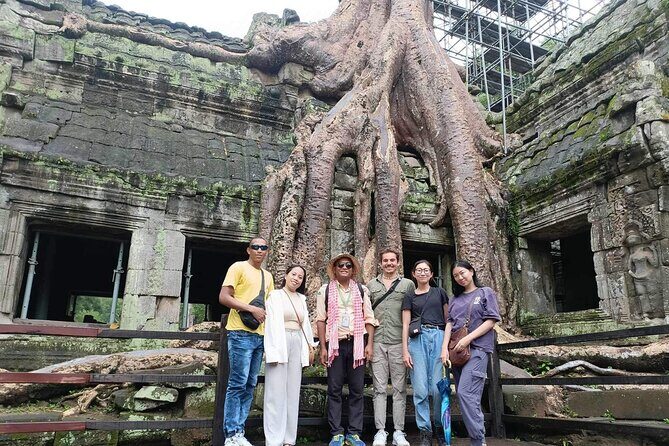
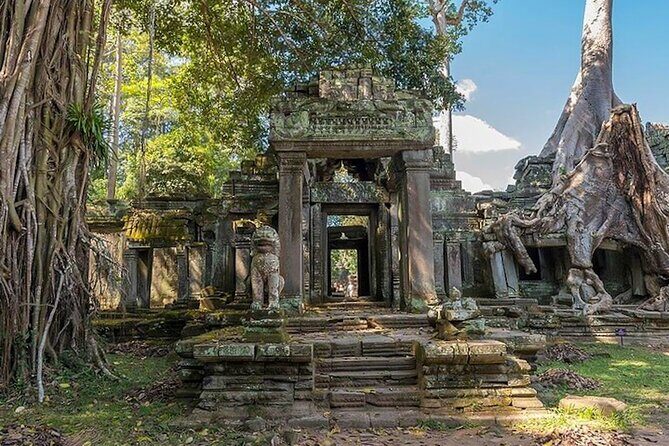
Next comes Ta Prohm, a picturesque ruin partially retaken by jungle. It’s also known as the Tomb Raider temple, made famous by the 2001 film. Even if you don’t care about the movie connection, the visual effect is the main event: roots and stone sharing the same frame.
Ta Prohm tends to create instant curiosity. You’ll want to look up, then look down, then look again—because the composition changes depending on where you stand. The guide’s role here is to connect the “jungle ruin” look to what you’re seeing structurally and historically, so you don’t just treat it like a set for scenery.
Then you head to Ta Keo, a temple that was never finished. That unfinished state changes the mood. Instead of the layered complexity that’s complete and fully decorated, Ta Keo leans into stark form: a square, layered-pyramid design with terraces you can climb.
Ta Keo is a strong contrast within the day. After the chaotic, tangled feel of Ta Prohm, Ta Keo’s geometry hits differently—cleaner lines, clear upward movement, and a sense of what happens when grand plans don’t fully land.
Possible drawback
Because this part of the day includes two very different visual styles, you can feel like you’re “zooming” from one mood to another. If you’re the type who likes slow wandering, you’ll still enjoy it—but set expectations for an active, guided pace.
A few more Siem Reap tours and experiences worth a look
Banteay Kdei: The Monk-Cells Temple and the Root-Woven Walls
Banteay Kdei is often described as the citadel of monk’s cells. That name matters because it points you toward how the complex functioned, not just how it looked.
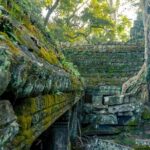
One reason people remember this stop is the way towering, sinuous trees and silk cotton tree roots weave through the ruin walls. In other words, it’s not just “old stone with plants.” It’s a specific kind of beauty formed by roots that have grown into the architecture over time.
You’ll spend about 1 hour here, which is a sweet spot: long enough to notice how the tree roots interact with the structures, short enough that the rest of your day stays on track.
What I like about this stop
It’s a temple day, yes—but it’s also a nature-meets-ruin day. And when a guide explains the setting, you can look at the roots and understand them as part of a living landscape rather than random overgrowth.
Price and Value: What You’re Paying For at $60
At $60 per person, the tour is priced like a budget-friendly private option—especially because it includes private transportation, pickup and drop-off, drinking water, and an English-speaking guide.
What you’re not paying for in that price:
- Angkor ticket fee
- Meals
So the real value question is simple: does the guide-led pacing and private access make your day smoother and more meaningful than you could manage alone?
Here’s where I think the answer often becomes yes:
- Sunrise plus multiple temples can be hard to coordinate without losing time.
- A good guide helps you translate what you’re looking at, especially at places like Bayon and the symbolic South Gate carvings.
- The private format means your schedule is guided by your group rather than a shared shuffle.
If you’re traveling with someone you can share the day with, this becomes an easier sell. Even as a solo traveler, the included transport and guide support take off a lot of the “organize it yourself” burden.
Who Should Book This Tour (and Who Might Skip It)
This tour is a great fit if you:
- Want the Angkor Wat sunrise moment but also want context for the rest of the day.
- Like having a guide to explain what you’re seeing at each stop.
- Prefer a private setup where you’re not squeezed into other people’s timing.
- Enjoy a route that balances the biggest names with contrasting temples like Ta Prohm and Ta Keo.
You might consider a different option if you:
- Want to control every minute yourself. Private tours still run on a structured route, just with more flexibility for questions.
- Need meals included in your day plan. Meals are not included here, so you’ll handle that separately.
Should You Book This Angkor Wat Sunrise Private Tour?
If you’re booking Angkor Wat sunrise and you want more than a single photo opportunity, I’d lean toward booking this. The biggest reason is the combination of private guide time and a full temple sweep that doesn’t stop after sunrise.
Book it when you:
- Care about understanding the sites, not just collecting images.
- Prefer pickup and a comfortable ride so the early start doesn’t wreck your energy.
- Want a guide-led flow from Angkor Wat to Angkor Thom, then into Ta Prohm, Ta Keo, and Banteay Kdei.
Skip it if your main goal is low-cost flexibility or if you’d rather build a custom route without a set sequence. But for most people planning one standout Angkor day, this format hits a practical sweet spot.
FAQ
Is the Angkor ticket fee included?
No. The Angkor ticket fee isn’t included in the tour price.
What’s included in the tour price?
It includes private transportation, pickup and drop-off, drinking water, and an English-speaking tour guide.
How long is the tour?
It runs about 8 to 10 hours.
Is pickup offered from my accommodation?
Yes. Pickup and drop-off are offered.
Is this tour truly private?
Yes. It’s a private tour/activity, and only your group participates.
Which temples are visited?
You’ll visit Angkor Wat, Angkor Thom (including Bayon Temple), Ta Prohm, Ta Keo, and Banteay Kdei.
Can I cancel for free?
Yes, free cancellation is available. You can cancel up to 24 hours in advance for a full refund.
Do I get a mobile ticket and confirmation?
Yes. You’ll receive confirmation at booking time, and the tour includes a mobile ticket.