REVIEW · SIEM REAP
Angkor Wat Sunrise Private Full Day Tour
Book on GetYourGuide →Operated by Angkor Buddy · Bookable on GetYourGuide
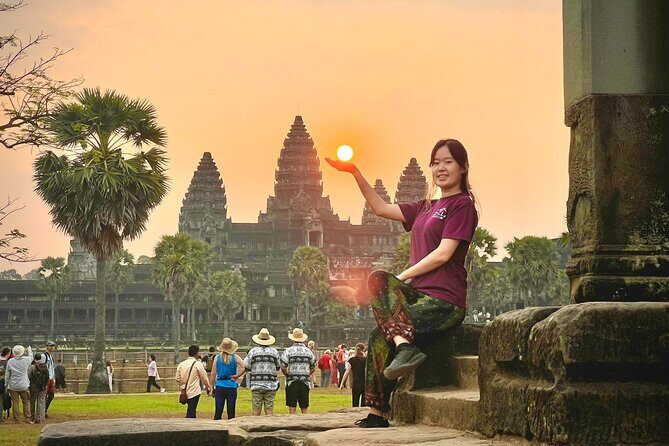
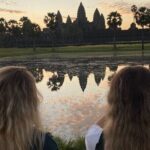
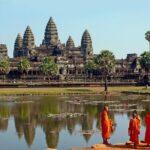
That sunrise hits different at Angkor Wat. The magic is in the timing, plus a private day that strings together the big names—Angkor Wat, Ta Prohm, and the core temples of Angkor Thom—without you guessing what comes next.
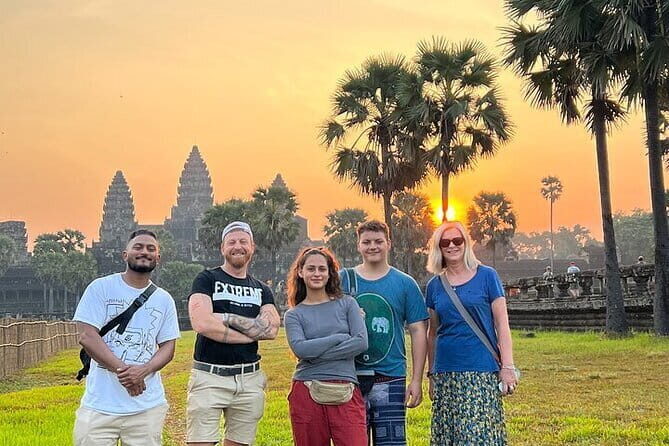
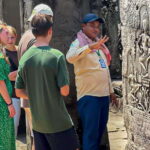
I love the way this tour is run, with a real guide who talks history in plain English and helps you get great photos. Mr Tann is especially strong on explaining what you’re looking at, and the small comfort touches—bottled water plus cool towels in the van—make the early hours easier.
The main trade-off is the early alarm: pickup is between 4:20 and 4:50 AM, and you’ll also need to budget for the Angkor entrance fee (the Angkor Pass is 37 US$), since it’s not included.
In This Review
- Key things that make this tour work
- Why the Angkor Wat sunrise start is worth the very early wake-up
- Hotel pickup and the small comforts that matter at Angkor
- Sunrise and Angkor Wat: what your 3-hour window is really for
- Breakfast at Srah Srang: keep the morning fuel simple
- Ta Prohm: roots, ruins, and why it hits harder with context
- Terrace of the Elephants and the photo stop strategy
- Angkor Thom highlights: Victory Gate, Leper King, Baphuon, Bayon
- Dress code and practical rules you should follow (so you don’t get stopped)
- The real value: what you’re paying for with a $77 private day
- Who this private sunrise tour is best for
- Should you book Angkor Buddy’s Angkor Wat sunrise day?
- FAQ
- What time is hotel pickup for the Angkor Wat sunrise tour?
- How long is the tour?
- Is this a private tour with an English-speaking guide?
- What is included in the price?
- What is not included?
- What should I bring and what clothing should I avoid?
Key things that make this tour work

- Sunrise timing at Angkor Wat gives you the best light and a calmer start before the crowds settle in
- Mr Tann’s English + photo help make the temples feel easier to understand and more fun to remember
- AC van, bottled water, cold towels keep you comfortable during the long day
- A smart temple circuit links Ta Prohm, Angkor Thom sights, and Bayon in one flow
- Breakfast at a local spot near the temples keeps the morning practical (and not just another buffet stop)
- Temple rules upfront (cover shoulders and knees) help you avoid awkward surprises at the gates
Why the Angkor Wat sunrise start is worth the very early wake-up
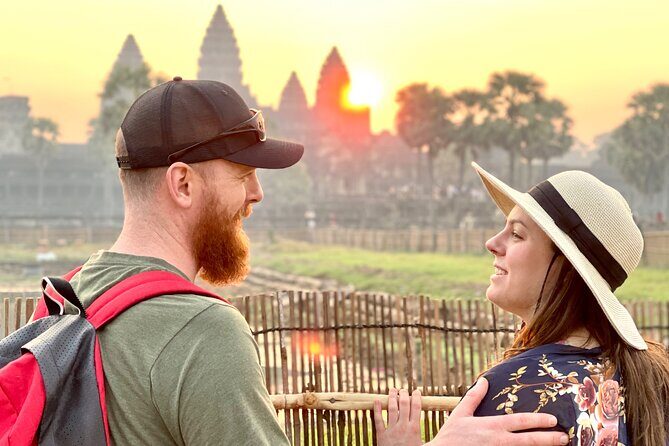
Angkor Wat at sunrise is the kind of thing that sounds simple—go, watch, enjoy. In reality, it’s a schedule game. You need to be there before the day fully wakes up, so you can take in the temple in softer light and still have energy for the rest of the route.
This tour picks you up from Krong Siem Reap around 4:20 to 4:50 AM, so you’re already rolling before the heat starts stacking up. That matters because you’re not just doing one photo moment. You’re staying for sunrise and then continuing into the main Angkor Wat experience, then rolling through multiple major sites afterward. If you can handle an early start, the payoff feels very real.
You can also read our reviews of more private tours in Siem Reap
Hotel pickup and the small comforts that matter at Angkor
The pickup is from your hotel lobby in Krong Siem Reap, with free pickup and drop-off for city hotels. You should plan to be ready on time, since the tour start depends on everyone meeting the schedule.
Once you’re in the van, the basics are handled well: air-conditioned transport, bottled water, and cold towels. Those sound minor, but they matter at these hours. After sunrise, you’ll still be walking, photographing, and moving for hours, so having comfort touches right from the start helps you stay in good shape.
And because this is a private group, it’s less chaotic than sharing the day with strangers who might move slowly, stop randomly, or ask questions at the wrong time. You still get a full itinerary, but you don’t feel herded.
Sunrise and Angkor Wat: what your 3-hour window is really for
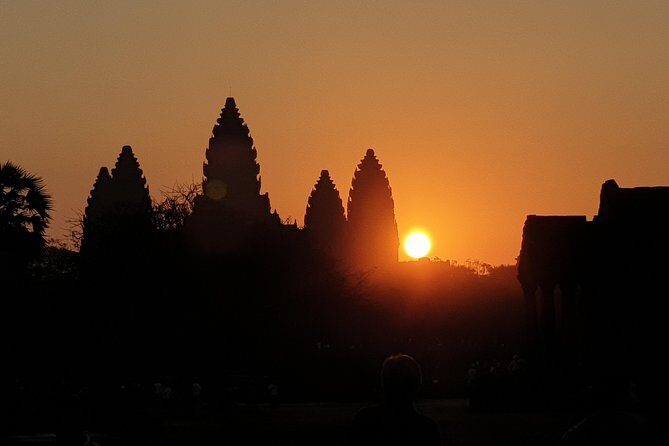
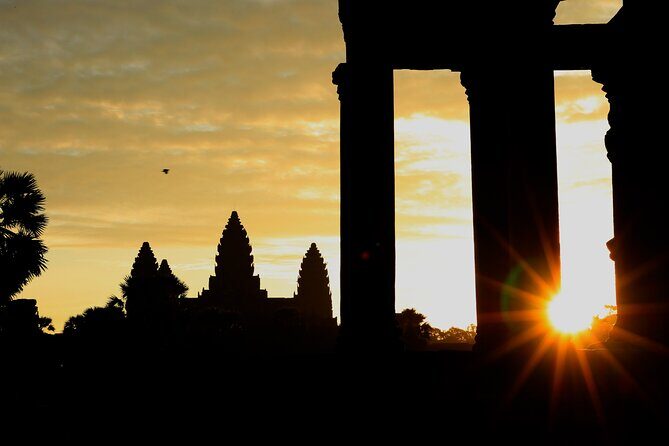
The day begins at Angkor Wat, with a sunrise visit that lasts about 3 hours. That block is your core experience. Sunrise is the headline, but the value comes from what happens right after: you get time to take in Angkor Wat itself and orient yourself so the rest of the circuit makes more sense.
The approach here is practical. You arrive early, buy your temples entry (the guide can assist with the Angkor Pass, 37 US$), and then settle into the sunrise viewing. After that, you’re not rushed out. You move into Angkor Wat so you can actually read the temple layout with your guide pointing out what’s important.
One smart note: the tour encourages you to bring insect repellent, and the very early morning can still mean insects. I’d rather you be over-prepared than swatting bugs while you’re trying to photograph stone carvings.
Breakfast at Srah Srang: keep the morning fuel simple
Right after your Angkor Wat time, you head to Srah Srang for breakfast, about 45 minutes. This is one of those stops that makes the whole day feel doable. It’s not built as a long sit-down meal; it’s a refuel window near the action.
You’ll have the option to purchase breakfast at local restaurants near the temples, which is handy because it reduces time wasted searching. The main benefit for you is pacing: eat, drink water, and reset before you start walking again.
If you’re sensitive to heat after sunrise, this is also your chance to take a quick breather before the middle of the day. I like meal stops like this because they feel connected to the route rather than tacked on.
Ta Prohm: roots, ruins, and why it hits harder with context
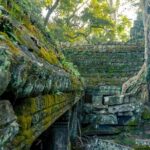
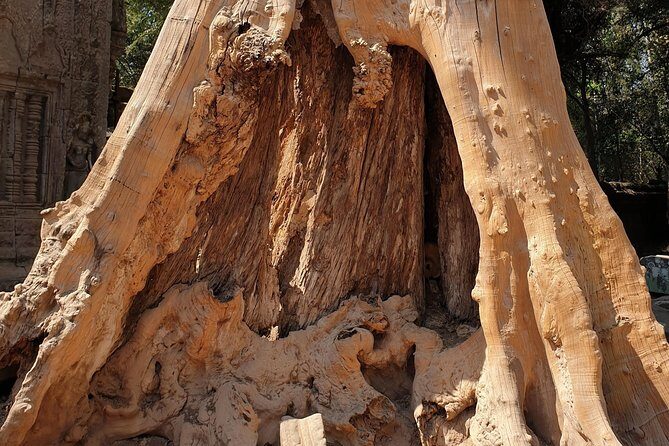
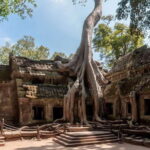
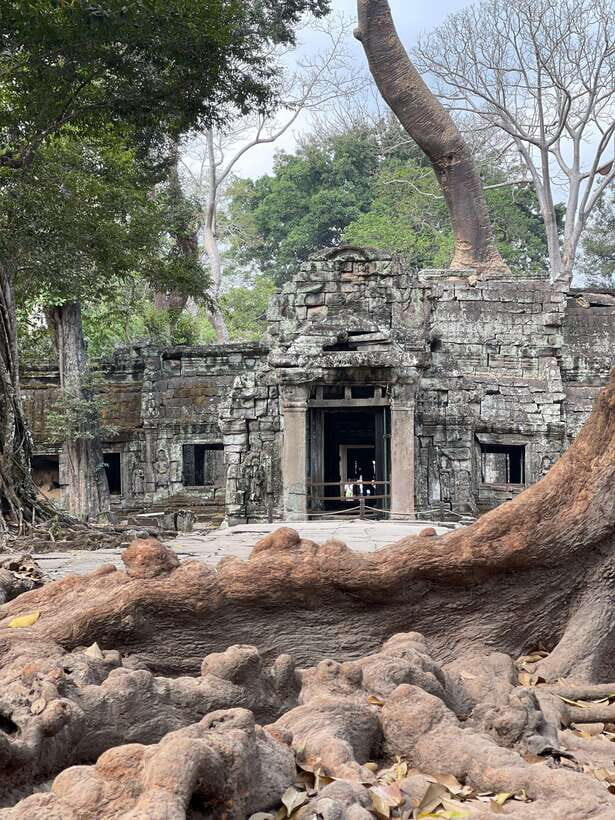
Next up is Ta Prohm, with about 1 hour to visit and walk. Ta Prohm is famous for its tangled tree roots and ruined structures that feel almost swallowed by nature. That alone makes it a must-see.
What makes the stop better on a guided tour is context. Your guide can help you look past the postcard view so you understand what you’re seeing—why the site feels dramatic, and how the layout creates that sense of overlapping stone and roots.
This stop is also where you’ll likely feel the walking most. Wear comfortable shoes, take your time on uneven ground, and keep your hat or cap ready for sun when the morning light turns into full daylight.
A few more Siem Reap tours and experiences worth a look
Terrace of the Elephants and the photo stop strategy
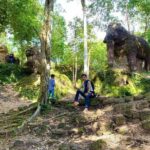
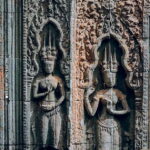
After Ta Prohm, you’ll make a short stop at the Terrace of the Elephants for photos and a quick visit—about 20 minutes. This is a classic Angkor moment: detailed stone surfaces, big ceremonial architecture, and plenty of angles for pictures.
The “photo stop + short walk” format is smart here. It gives you the visuals without stealing too much time from the larger temples still ahead. If you’re someone who wants one or two key structure moments for your photos, this pacing works well.
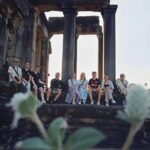
Also, if you want group photos, this is a good moment to lean into your guide’s help. In the experience of people who’ve done this tour, the guide assists with photos so you get shots that actually include you—not just the temple in the background.
Angkor Thom highlights: Victory Gate, Leper King, Baphuon, Bayon
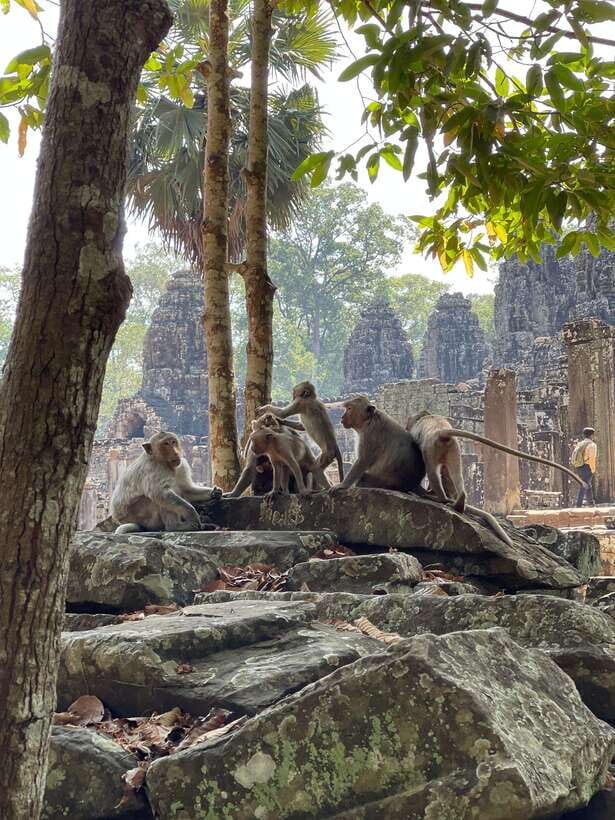
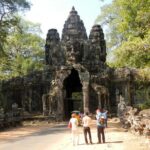
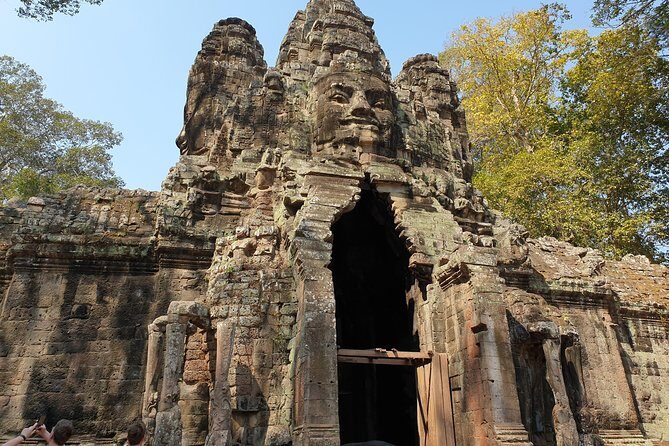
Your Angkor Thom portion is where the day turns into a full ancient-city tour. You enter with the Victory Gate, then work through major features that help you understand how the city functioned as a ceremonial center.
Here’s how the timeline feels:
- You start by entering the city through the Victory Gate, then continue through the main courtyard-area highlights.
- Then you have a brief visit to Preah Ponlea Sdach Komlong (Terrace of the Leper King) for about 10 minutes. It’s short, but it’s a memorable stop because the name and carvings make it stand out in a city packed with famous spots.
- Next you go to Baphuon for about 40 minutes. This gives you time to slow down and look more closely at the architecture rather than rushing through.
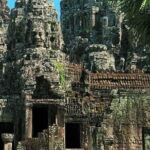
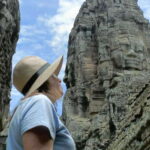
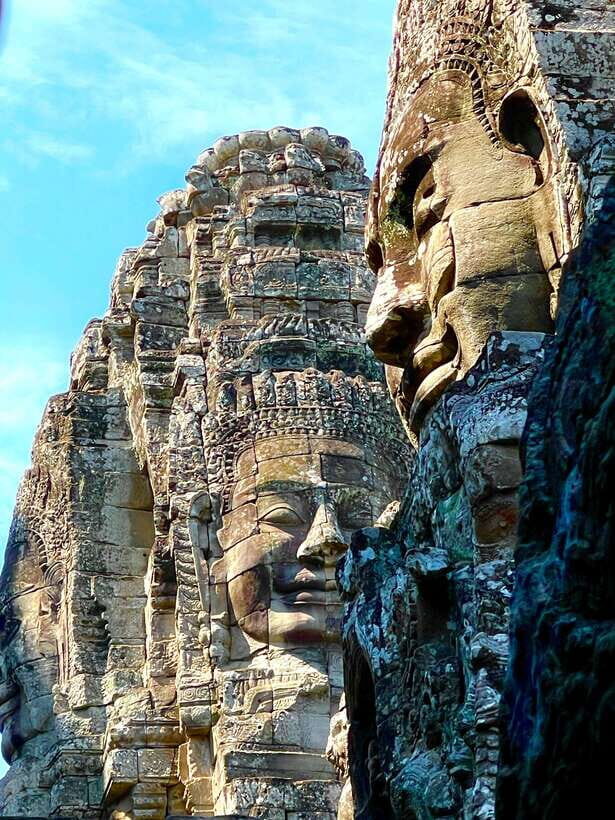
- Then the day finishes with Bayon, about 1 hour of photo time plus visit and walking. Bayon is known for its iconic stone faces, and the symbolism is easier to appreciate when you’ve already seen the surrounding layout.
Why I like this order for you: it keeps variety. You’re not doing only one style of temple all day. The short stops break up the longer ones, so you don’t feel like you’re trapped in the same kind of ruin for eight straight hours.
The downside of a packed day is that you’ll have moments where your feet feel it. Plan to hydrate regularly, and don’t be shy about pausing for photos. If you try to power through everything without breaks, the last temple can feel more tiring than it needs to.
Dress code and practical rules you should follow (so you don’t get stopped)
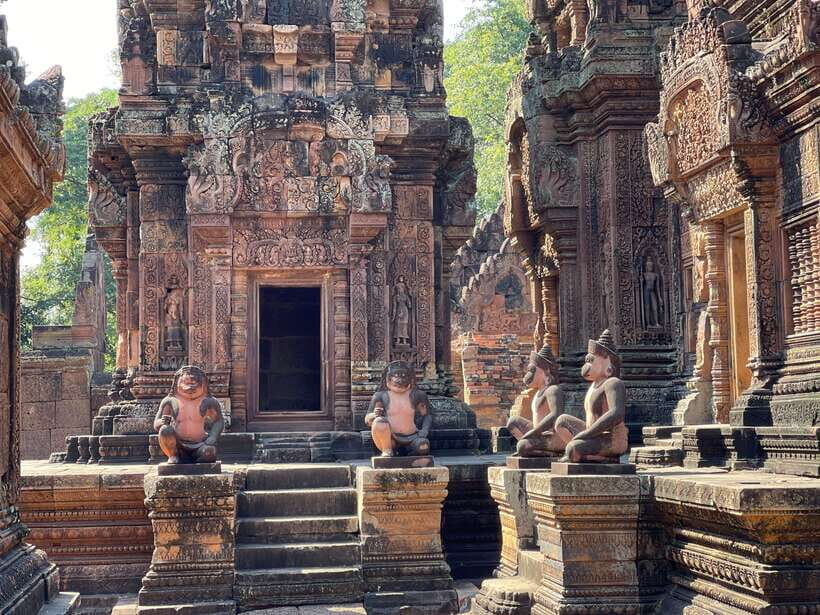
Angkor temples are strict about appearance. For this tour, plan for a dress code that covers your shoulders and knees. Short skirts and clothing that’s too revealing can cause problems at temple entrances.
The tour also states what’s not allowed:
- Drones are not permitted
- See-through clothing isn’t allowed
- Short skirts aren’t allowed
Before you go, pack light but properly covered. Also bring sunglasses and a hat. Sunrise starts cool-ish, but by the time you hit mid-morning, the sun has real bite.
Finally, carry cash. You may need it for the 37 US$ Angkor Pass (and possibly meals), since the entrance fee and meals are not included.
The real value: what you’re paying for with a $77 private day
At 77 US$ per person for an 8-hour private tour, the value is mostly in reduced hassle. You pay for:
- a professional English-speaking guide who helps you understand what you’re seeing
- air-conditioned transportation with pickup and drop-off
- bottled water and cold towels
- the guided sightseeing route as planned
The temples entrance fee (37 US$) and meals and soft drinks are not included, so your total trip cost will be higher once you add those. Still, having the guide help with the Angkor Pass and keeping your day flowing usually saves time and mental energy, which is a real currency on a short vacation.
If you hate logistics—finding meeting points, figuring out timing, and translating temple labels—this is the kind of tour that feels worth it quickly.
Who this private sunrise tour is best for
This works especially well if:
- You want sunrise at Angkor Wat without needing to plan the whole day yourself
- You like a clear route and explanation, not just a drop-off and a map
- You’re traveling with someone and prefer a private pace
- You want help with photos so you get more than temple backdrops
If you’re the kind of traveler who loves wandering completely solo and making your own timing, you might find this schedule a bit structured. But for most first-timers, the structure is a big plus.
Should you book Angkor Buddy’s Angkor Wat sunrise day?
I’d book this tour if sunrise is a top priority and you want the day handled end-to-end: pickup, entry timing support, guide storytelling, and a temple route that includes the major highlights.
I’d think twice if you hate early mornings. Pickup is 4:20–4:50 AM, and you’ll be active through the middle of the day, with an arrival back to your hotel around 12:30 PM to 1:30 PM. You also need to respect the dress code and bring repellent, or the day gets less fun fast.
If you want a smart “first Angkor day” that balances the big must-sees with practical pacing, this is a strong choice.
FAQ
What time is hotel pickup for the Angkor Wat sunrise tour?
Pickup is between 4:20 AM and 4:50 AM from your hotel lobby in Krong Siem Reap, and you should be ready on time.
How long is the tour?
The total duration is 8 hours, with arrival back to your hotel between 12:30 PM and 1:30 PM.
Is this a private tour with an English-speaking guide?
Yes. It’s a private group tour with a professional English-speaking guide.
What is included in the price?
Included are the English-speaking guide, air-conditioned transportation, sightseeing as specified, free pickup and drop-off at city hotels, bottled water, and cold towels.
What is not included?
The Angkor Pass/temples entrance fee (37 US$) and meals and soft drinks are not included.
What should I bring and what clothing should I avoid?
Bring comfortable shoes, sunglasses, a hat, comfortable clothes, insect repellent, and cash. Avoid short skirts, drones, and see-through clothing; temple visits require covering shoulders and knees.