REVIEW · SIEM REAP
Bird Watching at Tonle Sap Forest and Lotus Farm Siem Reap
Book on Viator →Operated by Pitt Angkor Tour · Bookable on Viator
Bird song starts before the city wakes. This trip pairs Tonle Sap bird watching with a calm boat cruise around Boeng Pearaing wetlands, then balances it with a lotus silk farm stop for snacks and hands-on local culture. If you like nature that feels real and close-up, this is a good use of time in Siem Reap.
I especially enjoy how the Peraing Biodiversity Conservation Center frames the day as conservation-focused nature time, not just a quick photo stop. I also like that you’re not rushed: you get an experienced birding guide, and the pace leaves room to actually notice what birds are doing. One possible drawback is the schedule: either a very early pickup at 5:00 am (sunrise option) or a midday pickup at 13:00 (sunset option), and gratuities for the guide and driver aren’t included.
In This Review
- Key things to know before you go
- Boeng Pearaing’s conservation center: why this birding feels different
- Sunrise at 5:00 am vs. sunset at 13:00 noon: timing that shapes what you see
- The boat cruise on Tonle Sap wetlands: slow, watchful, and guide-led
- What happens after you spot birds: your guide’s pace in a private group
- Lotus Silk Farm: the break in the schedule that adds real Cambodian texture
- Price and value: what $70 covers (and where the money actually goes)
- When to book for best birding: March to May dry season
- Simple comfort prep for an early bird day
- Should you book this Tonle Sap bird watching + lotus farm trip?
- FAQ
- How long is the Bird Watching at Tonle Sap Forest and Lotus Farm tour?
- What are the pickup times in Siem Reap?
- Is this a private tour or a shared group?
- What’s included in the tour price?
- Are admission tickets included?
- Does the tour include a boat ride?
- What time of year is best for bird watching?
- Is tipping included?
- Can I request transportation other than an air-conditioned car or van?
Key things to know before you go
- Sunrise or sunset pickup choices: 5:00 am or 13:00 noon, with hotel pickup and return
- Conservation-led birding at Boeng Pearaing: hundreds of wetland and water species in the area
- A slow boat cruise on Tonle Sap wetlands, designed for observation
- Lotus silk farm hour: lotus blossoms, snacks and drinks, plus interactive agri-culture exhibits
- Private group experience: only your group participates, with air-conditioned transportation available
- Dry-season timing: March to May is suggested for best birding
Boeng Pearaing’s conservation center: why this birding feels different
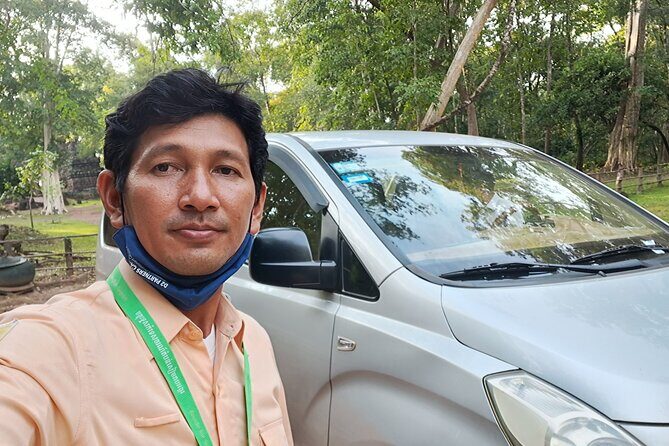
Tonle Sap is famous for wildlife, but what makes this day special is the birding happens through a conservation setting: Pearaing Biodiversity Conservation Center. It’s located about 13 km southeast of Siem Reap town, close enough for a day trip, but far enough to feel like you’ve escaped the traffic and temple crowds.
The center is described as a peaceful home to hundreds of species of wetland and water birds, along with reptiles and mother fish. That matters because your guide isn’t just trying to get you to a viewpoint. The focus is on understanding the habitat you’re moving through—wetland edges, water channels, and the rhythms that bring birds into view.
Also, the tour is built for people who actually like nature, not just a checklist. You’re in the right “ecosystem zone,” and you’re there long enough to notice patterns: where birds settle, how they react to boat movement, and when you start seeing more activity.
If you’re visiting Siem Reap and want one outing that feels practical, calm, and grounded in real local ecology, this kind of birding setup is exactly what you’re after.
A few more Siem Reap tours and experiences worth a look
Sunrise at 5:00 am vs. sunset at 13:00 noon: timing that shapes what you see
The day runs on two timing options, both with hotel pickup and air-conditioned transport. Choose sunrise pickup at 5:00 am or sunset pickup at 13:00 noon. The whole outing is about 5 to 6 hours, with the birding portion set for roughly 3 to 3.5 hours (plus travel time and the lotus farm stop).
Why does that timing matter? Birds don’t act like they’re on a schedule made for tourists. Early hours often come with more feeding and movement, while later hours can change visibility and behavior as light shifts and water surfaces cool down. With this tour, you’re not stuck with just one option—you can pick the time that fits your energy level.
Then there’s the seasonal suggestion built into the trip: March to May is listed as a good dry-season window for birding. If you’re traveling during those months, that timing can add up—clearer conditions can make observation easier and improve the overall feel of being out on the water.
One real-world consideration: a sunrise departure means an early morning. Even if you love birds, it’s still a 5:00 am start, so plan for a proper evening earlier and don’t schedule anything heavy the night before.
The boat cruise on Tonle Sap wetlands: slow, watchful, and guide-led
The heart of the birding part is a boat excursion that slowly cruises around a Tonle Sap wetland area connected to Boeng Pearaing. The idea is simple: you’re using the water route to get close to feeding and resting habitats without stomping around the edges.
On the water, you’ll be focused on water birds and wetland species—the kind of birds you’d expect around marshy shallows, reedy edges, and calm water zones. The tour description is clear that the cruise is meant for observation, so you’ll spend time looking rather than just moving from one spot to another.
This is also where the guide matters. In the trip experiences tied to this tour, guides are praised for their energy and knowledge-sharing—names that come up include Seki (described as a passionate nature guide) and Parith/Phanit (recognized for being full of knowledge). That’s a big deal for bird watching. If you can pair what you see with what it’s likely doing—feeding, calling, flying, settling—it changes the whole day from random sightings into a story you understand.
What you can expect: quiet moments, then bursts of bird activity when something shifts—light, water movement, or the boat’s position. If you’re the type who gets restless on “tour bus” days, this one is gentler. The boat pace is part of the value.
What happens after you spot birds: your guide’s pace in a private group
This is a private tour, meaning only your group participates. That does two helpful things. First, it avoids the constant “everyone gather up” moments that can break birding concentration. Second, it gives your guide space to adjust when birds are visible—slowing down or shifting attention when you actually have something to watch.
Transport is air-conditioned in a car or minivan, and a tuk-tuk option is available upon request. That matters because you’re leaving from Siem Reap and spending part of your day outdoors and on the water. In hot months, AC ride time helps keep you functional for the birding window.
The tour also includes hotel pickup and drop-off in Siem Reap, and you’ll get a mobile ticket. That combination makes the plan feel straightforward: you don’t spend your time figuring out how to get to the conservation area, and you can focus on the day itself.
One small caution: private doesn’t always mean “easy pace.” Birding can involve waiting. If you’re expecting constant action like a theme park, you may find yourself slowing down and letting the habitat do its thing. But if you’re there for the experience of noticing birds, the wait is usually where the day gets good.
Lotus Silk Farm: the break in the schedule that adds real Cambodian texture
After the birding, you get an hour at the Lotus Silk Farm, including lotus farm time connected to Samatoa and described as an authentic lotus silk experience.
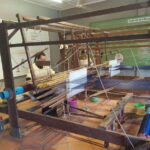
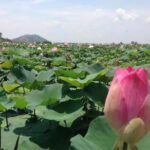
This stop is lighter than the wildlife portion. You’ll spend time enjoying lotus blossoms, plus snacks and drinks, and you’ll learn about Cambodian agri-culture and local living through interactive exhibits and demonstrations. Even if you came mainly for bird watching, this cultural add-on gives you context for the wetland world you just visited.
I like this kind of pairing because it prevents the day from feeling one-note. You start with wildlife observation in wetland habitat, then you end with a human story—how people work with plants tied to water and seasonal growth. It’s a practical way to balance nature with local life.
Potential drawback? If you want your entire day to be purely about birds, the farm stop may feel like a palate cleanser rather than a continuation. Still, it’s only an hour, and it’s included in the flow of the outing without turning into a long, tiring detour.

Price and value: what $70 covers (and where the money actually goes)
The price is $70.00 per person, and the experience is commonly booked around 23 days in advance on average. That tells me two things: it’s popular enough that planning ahead helps, and it’s likely people are choosing it as a scheduled day highlight, not a last-minute filler.
Here’s where your money goes, based on what’s included:
- pickup and drop-off at your hotel in Siem Reap
- an experienced birding guide
- air-conditioned transport
- admission ticket included for the birding/conservation portion
- the lotus farm stop with admission noted as free
The tour type is private, birding, sightseeing, and boat, so you’re not just paying for transportation. You’re paying for a guided nature window plus the water access that lets you observe birds from the right angle.
The one thing to budget for: gratuities. Tipping for the guide and driver isn’t included, so I’d set aside some cash for that. It’s not a dealbreaker, but it’s part of the real cost of any guided day.
Overall, $70 can feel very reasonable for a day that includes early-morning pickup, boat time, and a guided wildlife experience—especially when you compare it to piecing everything together on your own.
When to book for best birding: March to May dry season
If you want to stack the odds in your favor, this tour specifically calls out March to May as a good time to bird on the dry season. The dry-season note matters because it can affect how easy it is to travel, how comfortable it is to be outside, and how clear observation feels during the boat portion.
If you’re traveling outside that window, you can still go—the tour exists year-round—but I’d pay extra attention to the timing you choose (sunrise vs. sunset). Light and activity patterns change through the day, so picking the departure time that matches your expectations can help.
In plain terms: if you’re in Siem Reap during March to May and you want bird watching, this is one of the more logical bird-focused options to prioritize.
Simple comfort prep for an early bird day
This isn’t a marathon, but it’s a nature outing with early pickup or midday pickup and boat time. I’d plan on being outdoors for stretches.
My go-to checklist for a day like this:
- wear breathable clothes you can move in during observation breaks
- bring a hat and something for sun protection
- keep water with you (staying hydrated makes waiting much easier)
- if you’re doing sunrise pickup, expect the morning to feel cooler than midday
You don’t need special gear to enjoy it, but you do need a calm mindset. Birding rewards patience.
Should you book this Tonle Sap bird watching + lotus farm trip?
Book it if you:
- want real nature time in the Siem Reap area, not just photos between temple stops
- like guided bird watching and can enjoy a slower pace
- want a day that mixes wildlife observation with one practical cultural stop (lotus silk farm)
Skip it if you:
- hate early mornings and don’t want a 5:00 am start (sunrise option)
- only want constant action and can’t handle waiting while birds do their thing
- aren’t interested in learning anything beyond the brief bird sightings
If you’re flexible on timing and you enjoy observing animals calmly, this is the kind of tour that pays off. The best part isn’t just seeing birds—it’s having the right habitat access, the right guide energy (people have highlighted guides like Seki and Parith/Phanit), and a finish that feels genuinely connected to the wetland world you just experienced.
FAQ
How long is the Bird Watching at Tonle Sap Forest and Lotus Farm tour?
The total experience is about 5 to 6 hours, with the birding portion planned for around 3 to 3.5 hours.
What are the pickup times in Siem Reap?
You can choose a sunrise pickup at 5:00 am or a sunset pickup at 13:00 noon from your hotel area.
Is this a private tour or a shared group?
It’s a private tour/activity, so only your group participates.
What’s included in the tour price?
Included are hotel pickup and drop-off in Siem Reap, an experienced birding tour guide, and air-conditioned transportation. Admission is included for the birding/conservation portion, and the lotus farm admission is listed as free.
Are admission tickets included?
Yes for the birding/conservation stop (admission ticket included). The lotus farm stop is listed with admission ticket free.
Does the tour include a boat ride?
Yes, it includes a boat excursion/boat portion as part of the birding experience.
What time of year is best for bird watching?
The tour notes that good birding time is during the dry season, March to May each year.
Is tipping included?
No. Gratuities/tipping to the guide and driver are not included.
Can I request transportation other than an air-conditioned car or van?
The tour notes travel by air-conditioned car/minivan, and a tuk-tuk is available upon request.