REVIEW · SIEM REAP
Full-Day Tour to Banteay Srey, Beng Melea & Kulen Mountain
Book on GetYourGuide →Operated by Angkor Visitor Tour · Bookable on GetYourGuide
One day, three very different Cambodia moods. You’ll leave Siem Reap for remote Khmer temples and spend real time in Phnom Kulen National Park, including a chance to cool off in the waterfall’s natural pool. Just note: entrance fees and some extra costs at Kulen are not included, so your final day budget can run higher than $150.
I especially like how the day is paced for walking and photos without feeling rushed between stops, and how the guides steer you toward details you’d miss on your own. The ride time is part of the value (you see rural Cambodia), but it also means this is a long day—plan for time on the road and some uneven temple terrain.
In This Review
- Key highlights at a glance
- The 9-hour reality: why the morning 8:00 AM start helps
- Banteay Srei: the Lady Temple and the carvings you’ll want to slow down for
- Where you might want to manage expectations
- Phnom Kulen National Park: reclining Buddha, 1000 lingas, and a waterfall swim day
- The sights: what you’re actually seeing
- A practical tip for the waterfall stop
- Beng Melea: jungle temple atmosphere with a real mix of Hindu and Buddhist motifs
- What to watch for while walking
- Guides and drivers: where the day turns from sightseeing into a story
- Price and value: $150 per group, but plan for extra entrances
- The value equation
- Who should book this tour (and who should skip it)
- Should you book this Banteay Srey, Beng Melea & Kulen day trip?
- FAQ
- What is the duration of the full-day tour?
- What time do I get picked up in Siem Reap?
- How many people are in the group?
- Are entrance fees included in the price?
- Does the tour include meals?
- Is there a chance to swim at Kulen Waterfall?
- What should I bring?
- Is the tour suitable for wheelchair users or young children?
- FAQ
- Can I cancel for free?
- What language is the guide?
- What transportation is included?
- Is skip-the-line entry included?
Key highlights at a glance
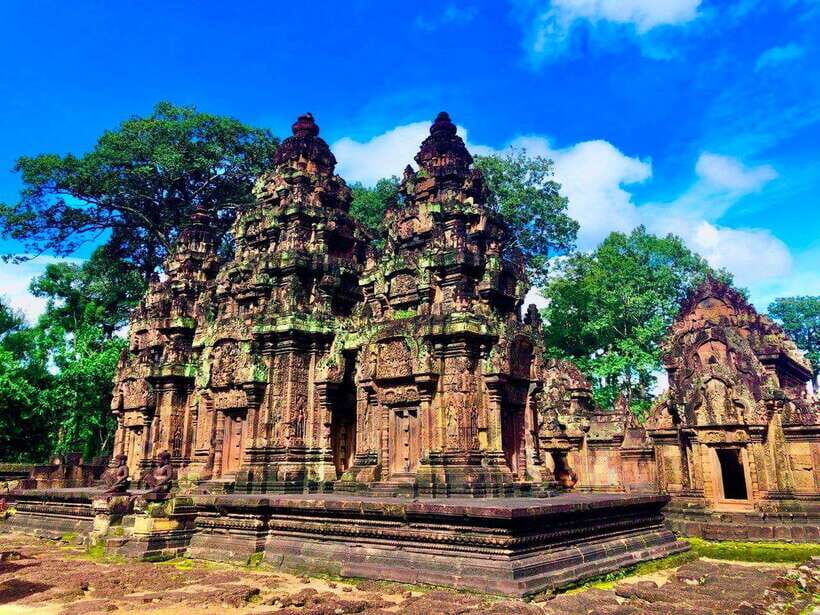
- Banteay Srei’s pink sandstone carvings and its Lady Temple backstory (built in 967 A.D.)
- Phnom Kulen National Park’s major spiritual sights: reclining Buddha, 1000 lingas carvings, and Peurng Chrunh cliff area
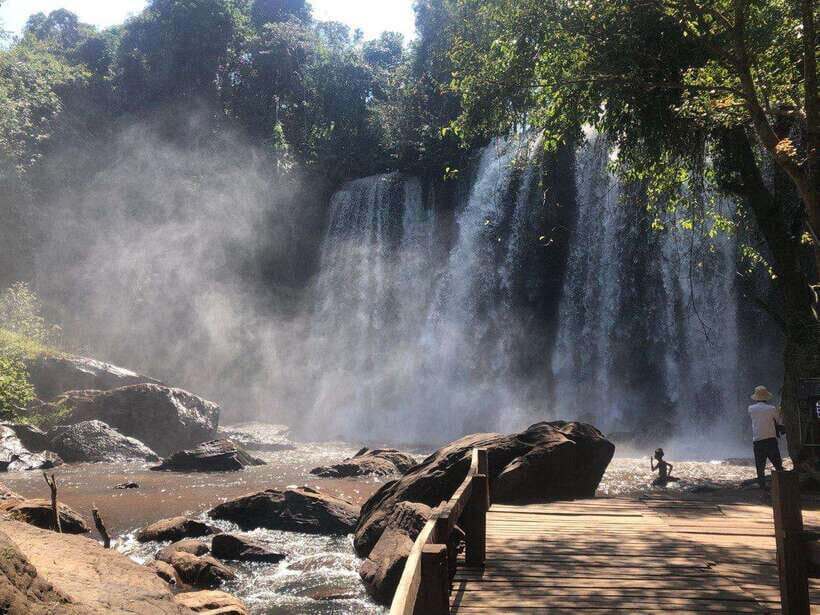
- Two-level Kulen Waterfall with a natural pool where you can swim
- Beng Melea’s unrestored temple towers overtaken by trees and thick brush—sandstone ruins with real atmosphere
- Private group comfort with English-speaking guide, air-conditioning, cold towels, and cold drinking water
- Skip-the-line entry via a separate entrance at stops where it’s available
The 9-hour reality: why the morning 8:00 AM start helps
This tour is built around an early pickup—typically 8:00 AM—so you’re already rolling before the day’s crowds fully kick in. That matters on Cambodia temple days. The earlier you arrive, the more time you have to take in carvings, look at details at a calm pace, and catch better light for photos.
The drive from Krong Siem Reap is about an hour through rural villages before the first major temple. It’s not just transportation time. You get a feel for how people actually live outside the Angkor core, and it helps put the temples into context: this area isn’t a museum island—it’s lived-in countryside.
The group is private (up to 7 people), and you’re in an air-conditioned vehicle. That small comfort upgrade matters because you’ll do multiple short walking stretches across temple grounds and then swap into nature mode on Kulen Mountain. You’ll also get cold drinking water and wet/cold towels along the way, which you’ll appreciate when the heat hits later.
The biggest practical consideration is that this is still a long day. You’re out for about 9 hours, and you’ll be on uneven stone and dirt in more than one place. Comfortable shoes are not optional—your ankles will thank you.
A few more Siem Reap tours and experiences worth a look
Banteay Srei: the Lady Temple and the carvings you’ll want to slow down for
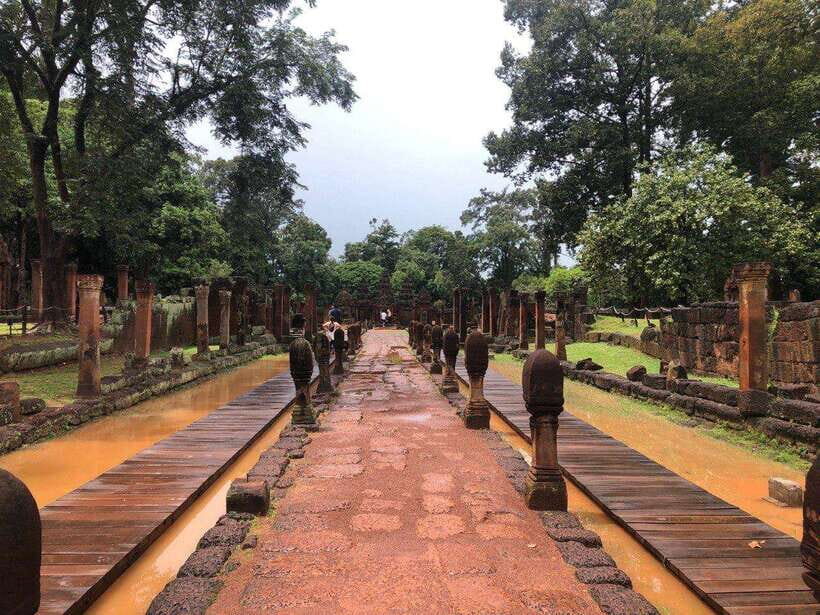
Banteay Srei is the first stop, and it sets the tone: refined, detailed, and very different from the bigger Angkor-style complexes most people picture. It’s often called the Lady Temple or Citadel of Women Temple. The timing here is good too—you’ll get there with daylight energy and a chance to look closely.
A key detail: it was built in 967 A.D. It also has a special place in the Angkor timeline because it was the only major temple at Angkor not built by a monarch. In plain terms, that makes the site feel less like pure royal propaganda and more like a dedicated craft and spiritual project—especially when you look at the stonework.
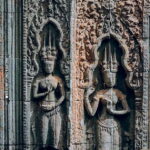
What I love about Banteay Srei is the way the pink sandstone changes everything. Under Cambodian sun, the carvings pop in a way that feels almost sculptural, not flat. And the place is famous for its Khmer art—this is where you can really understand how much Khmer temple builders cared about small form and precise detail.
Where you might want to manage expectations
Banteay Srei is a guided experience, and the guide’s job matters here. Without that context, you might focus only on the biggest structures. With a good guide, you’ll notice more: the carving focus, the layout clues, and why certain elements are there. If your guide is strong (and in the past, many guests have praised guides like Sok and Praim), the temple feels like a story instead of a pile of stone.
Phnom Kulen National Park: reclining Buddha, 1000 lingas, and a waterfall swim day
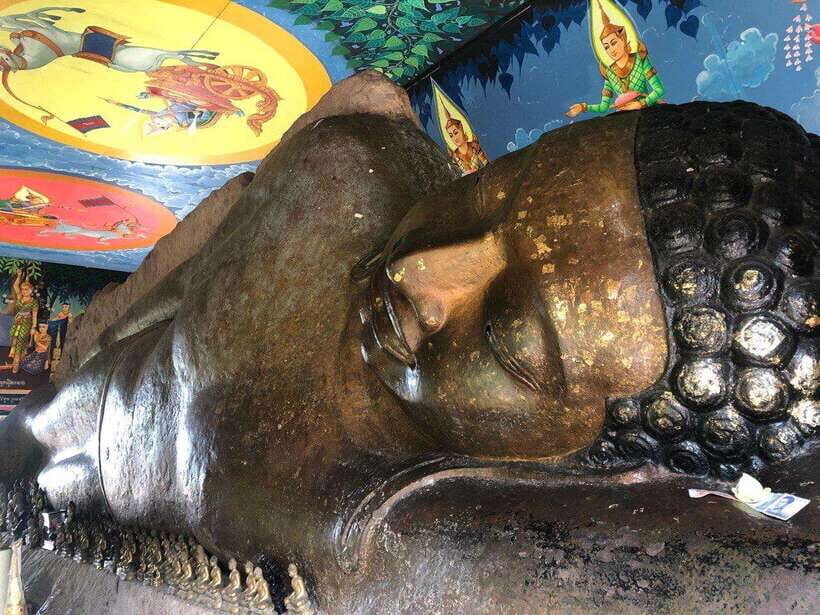
Next comes Phnom Kulen National Park, about 60 km from Siem Reap. This is where the day shifts from temple geometry to nature power. You’re going from man-made stone to a mountain landscape tied to older Khmer-era beliefs.
Phnom Kulen isn’t random sightseeing. During the Angkorian era, the relief was known as Mahendraparvata, the mountain of Great Indra. It was also connected to Jayavarman II, who declared himself chakravartin—King of Kings—here. That’s the kind of background that helps you understand why so many spiritual marks exist on the mountain.
The sights: what you’re actually seeing
You’ll visit a few signature stops:
- Peurng Chrunh cliff area: a viewpoint-type location where the mountain presence feels immediate.
- A reclining Buddha statue described as around 500 years old.
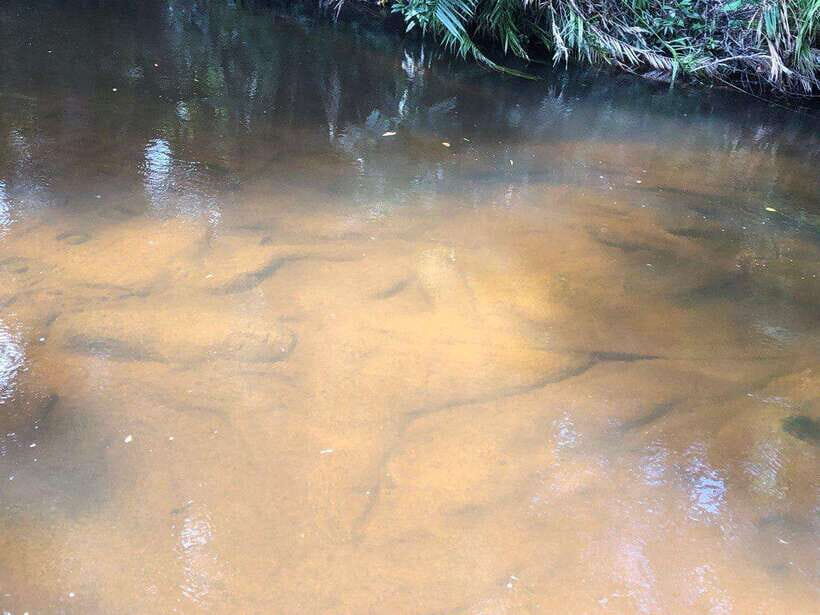
- Carvings in a riverbed area called the river of 1000 lingas. This is one of those places where you can stand still and keep finding new lines and shapes.
Then there’s the main payoff: Kulen Waterfall. It’s described as a two-level waterfall, and there’s a natural pool where swimming is possible. That’s why this tour is worth considering even if you’re not a temple super-fan—you get a real nature break.
A practical tip for the waterfall stop
Bring or use the items you’re asked to pack: swimwear, a towel, and long-sleeved clothing for after you’re done cooling off. The tour notes this clearly because you’ll want to change out of wet clothes and avoid extra sun exposure afterward.
Also, go with the right mindset. One downside that can affect your mood is that waterfalls in popular zones can be crowded and surrounded by snack and souvenir activity. If that will annoy you, plan to spend time where the water feels calm rather than trying to fight for every photo angle.
Beng Melea: jungle temple atmosphere with a real mix of Hindu and Buddhist motifs
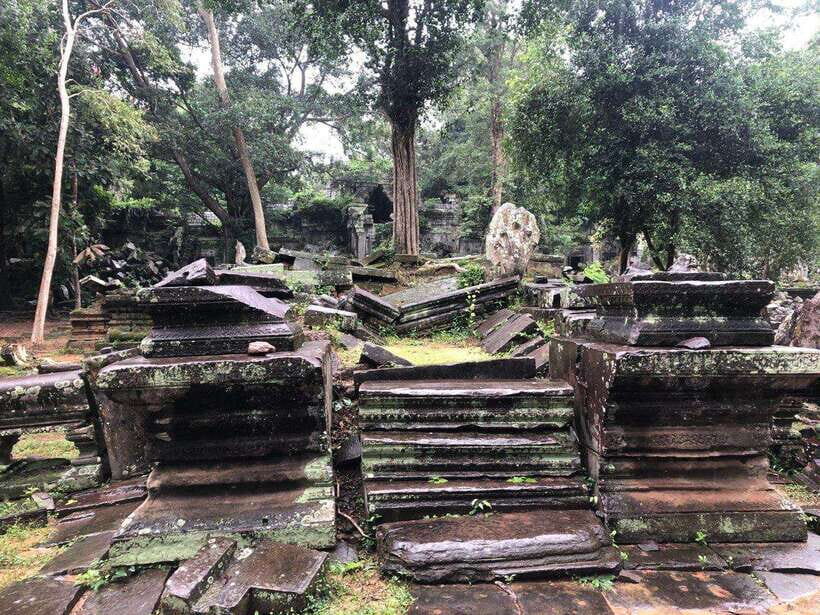
After Kulen, you’ll head to Beng Melea Temple, which is associated with the Lotus Pond area name. This is the part of the day that feels most like exploring.
Beng Melea started as a Hinduist temple, but it also includes carvings with Buddhist motifs. That blend is part of what makes the site interesting—you see layers of belief rather than one clean storyline.
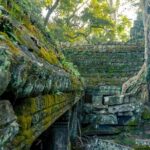
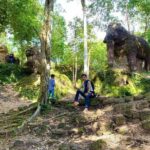
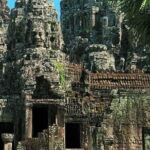
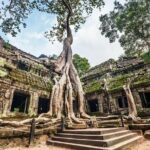
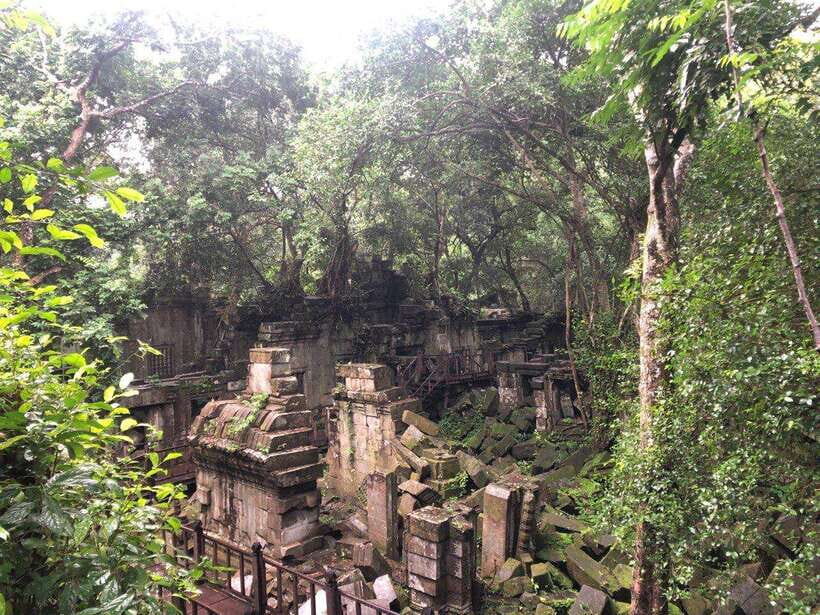
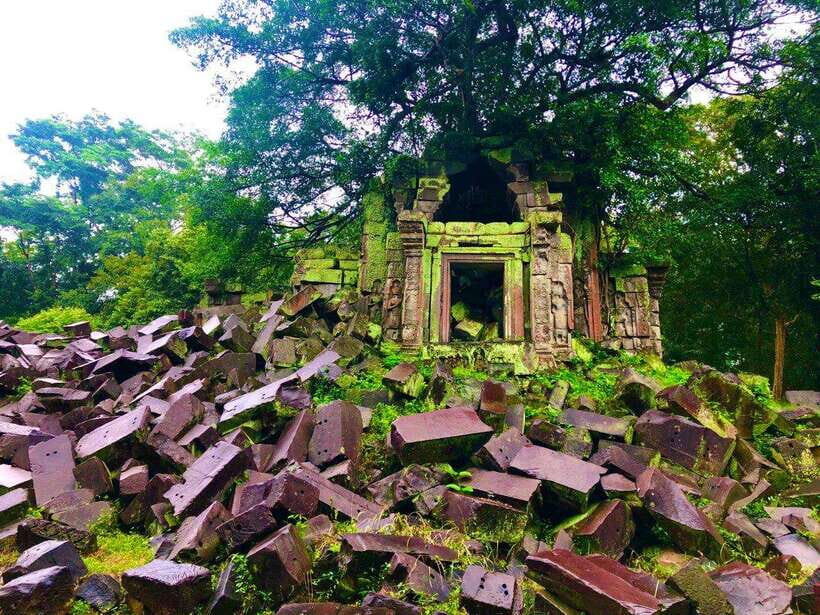
Material and condition matter here. It’s largely sandstone and is described as largely unrestored, with trees and thick brush growing among towers and courtyards. Many stones are lying in heaps. Translation: this is not polished and pristine. It’s textured, broken, and overgrown—and that’s exactly why it can feel more alive than more restored sites.
What to watch for while walking
Because the temple is unrestored, the ground can be uneven and unpredictable. You’ll want:
- Comfortable shoes with good grip
- Long pants (the tour specifically suggests them)
- Insect repellent and a plan for shade
The upside? Beng Melea gives you the feeling that the jungle has been working on the ruins for a long time. The towers and stone piles create photo angles that feel less like a straight museum shot and more like you’re inside the scene.
Guides and drivers: where the day turns from sightseeing into a story
The tour runs on the guide’s skill, and the evidence in the names is strong. You might be paired with Sok (praised for friendly guidance and Cambodian life context), Praim (recognized for strong English, deep temple and cultural knowledge, and flexibility), or Sieng Keo (noted for connecting the landscape to local plants and wildlife, and for making everyone comfortable at the waterfall).
Beyond history facts, the best guides do two other things well:
- They adjust the day to your group. Some guests have talked about schedule flexibility and even an extended day on special timing.
- They handle the small comfort details that make a long day easier—cold towels, lots of iced water, and smooth driving in an air-conditioned vehicle.
There’s also a nice modern add-on that I’d actually count as value: at least one guest mentioned that their guide took professional photos and then transferred them to their phones. That’s the kind of service you can’t count on at every tour company, but it’s a real plus when it happens.
Price and value: $150 per group, but plan for extra entrances
The headline price is $150 per group up to 7 people for a 9-hour day tour. That’s a group-based price, so your per-person cost drops fast if you travel with friends or family. If you’re traveling solo, it’s still a solid deal only if you’re adding value beyond just temple entry—like the private pacing, the skip-the-line access, and the full day including Kulen and Beng Melea.
Here’s the catch: entrance fees are not included, and meals are not included. The tour also doesn’t include personal expenses. So your real total depends on your entrance ticket needs for each site, and possibly extra items on the mountain day.
One fair way to budget is to treat $150 as your transportation + guide package cost, then add the site tickets yourself. The tour mentions skip-the-line entry via a separate entrance, which can reduce waiting time, but it doesn’t remove the fact that you still need to pay for entry where required.
The value equation
This route is good value because you’re stacking three different “Cambodia worlds” in one day:
- a carved pink sandstone temple,
- a mountain park tied to early Khmer identity and a swimming waterfall,
- and a jungle-ruin temple that feels wild and unrestored.
If you only want temples, you might decide this is too much nature and swimming time. If you want variety and a break from Angkor core crowds, it’s exactly the mix.
Who should book this tour (and who should skip it)
This is a strong fit if you:
- want a private day instead of a crowded bus tour,
- care about temple craft and context, not just quick photo stops,
- enjoy walking a bit and don’t mind uneven temple ground,
- want nature time with a waterfall swim option.
It may not be your best match if you:
- need wheelchair accessibility (the tour states it’s not suitable for wheelchair users),
- are traveling with very young kids (children under 4 aren’t suitable),
- want a light, minimal-walking day.
Also consider your personal comfort with heat. The packing list is clear—sun hat, sunscreen, insect repellent, long-sleeved shirt, long pants. Follow that, and you’ll enjoy the day more.
Should you book this Banteay Srey, Beng Melea & Kulen day trip?
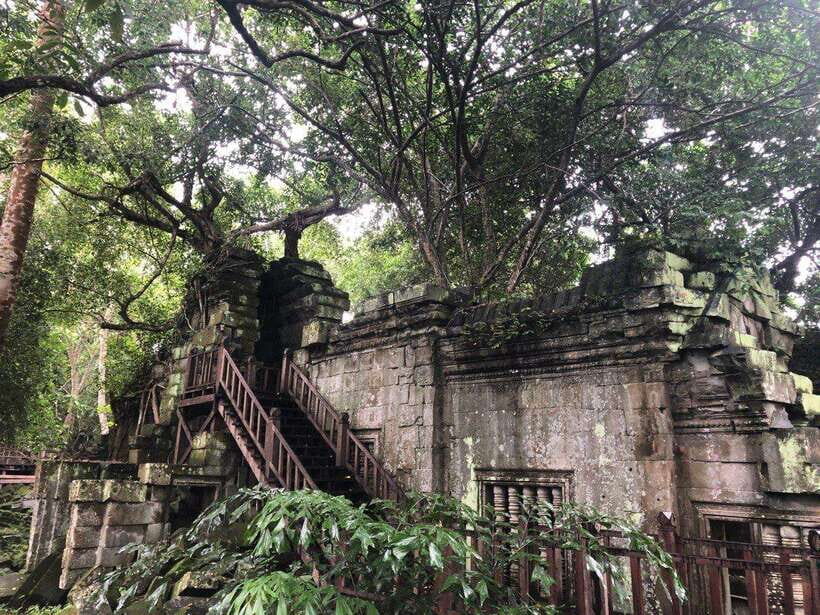
I’d recommend booking it if your Siem Reap visit has room for a longer, more “Cambodia outside the main circuit” day. The combination is what makes it work: Banteay Srei’s detailed pink sandstone carvings, Phnom Kulen’s mountain spiritual markers and waterfall pool, and Beng Melea’s unrestored ruins swallowed by jungle.
Don’t book it blindly if you hate extra crowds at water stops or you’re trying to keep every cost strictly at $150. Entrance fees and mountain-day extras can affect your budget, and Beng Melea in particular is more about atmosphere than comfort.
If you do book, pick your gear carefully, keep hydrated (cold water helps), and lean into the guide. With guides like Sok and Praim highlighted in guest feedback, you’re far more likely to leave with real understanding—not just photos of stone.
FAQ
What is the duration of the full-day tour?
The tour lasts about 9 hours.
What time do I get picked up in Siem Reap?
Pickup is arranged from your hotel area around 8:00 AM, and you should wait in the hotel lobby about 5 minutes before pickup.
How many people are in the group?
This is a private group for up to 7 people.
Are entrance fees included in the price?
No. Entrance fees for the visiting places are not included.
Does the tour include meals?
Meals are not included.
Is there a chance to swim at Kulen Waterfall?
Yes. The plan includes time at Kulen Waterfall where you can enjoy swimming at the natural pool.
What should I bring?
Bring comfortable shoes, a sun hat, swimwear, a towel, sunscreen, comfortable clothes, long pants, insect repellent, and a long-sleeved shirt.
Is the tour suitable for wheelchair users or young children?
It is not suitable for wheelchair users, and it is not suitable for children under 4 years.
FAQ
Can I cancel for free?
Yes. You can cancel up to 24 hours in advance for a full refund.
What language is the guide?
The guide provides a live English tour.
What transportation is included?
You’ll travel by air-conditioned vehicle, with hotel pickup and drop-off included.
Is skip-the-line entry included?
Yes, the tour includes skip-the-line access through a separate entrance where available.