REVIEW · SIEM REAP
Guided Private A/C vehicle Tour Angkor Wat and Small Circle and Five Extras
Book on Viator →Operated by Angkor-Travel Tours · Bookable on Viator
Two Angkor Wat visits in one day is smart. This private, air-conditioned tour is built for an intense Small Circle day, starting at 6:30am and adding lesser-seen stops plus a 3.5 km walk. You also get a true English-speaking guide who stays with you at every temple, while the driver waits at the car park.
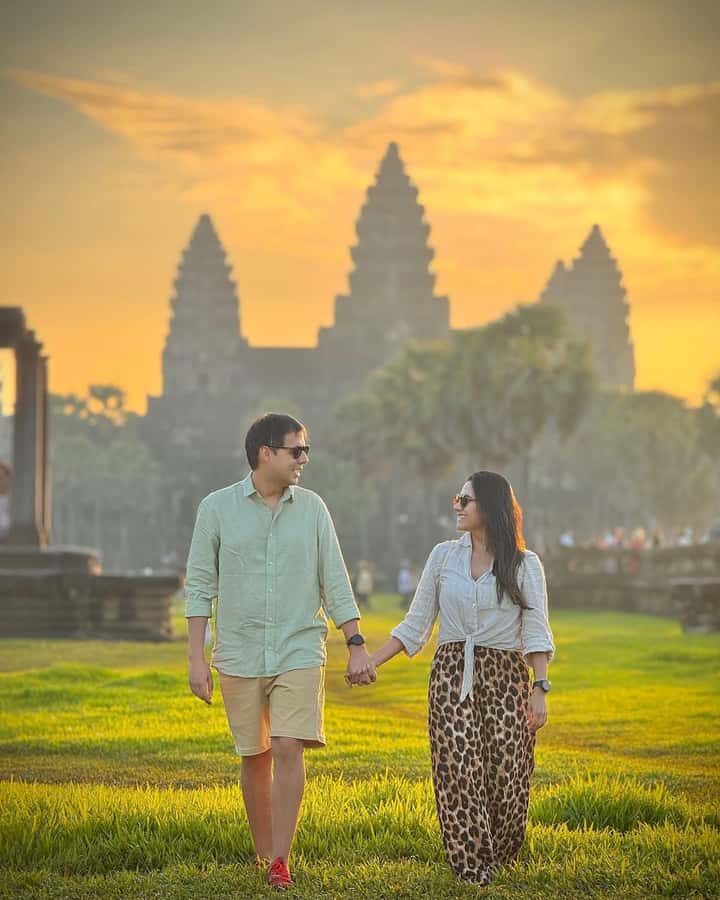
What I love most is timing. You get Angkor Wat early from the East Gate for morning light, then you return later for better tower reflections in the moats. Second, the itinerary balances big-name sites (like Ta Prohm) with quiet ruins such as Ta Nei and Mangalartha, so you don’t feel like you’re just repeating the same photos everyone else has.
The main thing to consider is the long day and the extra costs. The schedule runs about 11–13 hours, includes steep bits and walking, and you’ll need the Angkor Ticket (not included), plus lunch isn’t included either.
In This Review
- Key highlights you’ll feel right away
- Why this “intense Small Tour” works better than a slow day
- Private A/C vehicle logistics: English guide, driver waiting, and time saved
- Morning Angkor Wat from the East Gate (then West Gate later, briefly)
- Prasat Kravan and Prasat Bat Chum: small temples with specific stories
- Srah Srang: where the sculptures, ceremonies, and water design meet
- Banteay Kdei and Ta Prohm: jungle mood without getting lost
- Ta Nei, Ta Keo, Spean Thma, and Chau Say Tevoda: the mix of rare and steep
- Thommanon and Mangalartha: sister temple style and a rare “last stone” stop
- Victory Gate and the 3.5 km Angkor Thom hike (East Gate + Prasat Chrung)
- Angkor Thom South Gate, Wat Thmey, and the ride back to Siem Reap
- Price, tickets, and what this “$69” really buys you
- Who should book this intense Angkor Wat and Small Circle day
- Should you book this tour?
- FAQ
- Do I need an Angkor Ticket for this tour?
- Is lunch included?
- How long is the tour?
- What time does the tour start?
- Is this a private tour?
- Are the driver and guide English-speaking?
- Is the tour air-conditioned?
- What does the driver do during temple visits?
- Can I add an elephant ride at Angkor Thom?
- Is a balloon ride available at Angkor Wat?
- What’s included in the price besides transport and guiding?
Key highlights you’ll feel right away
- 6:30am start for calmer temple entrances and less waiting time
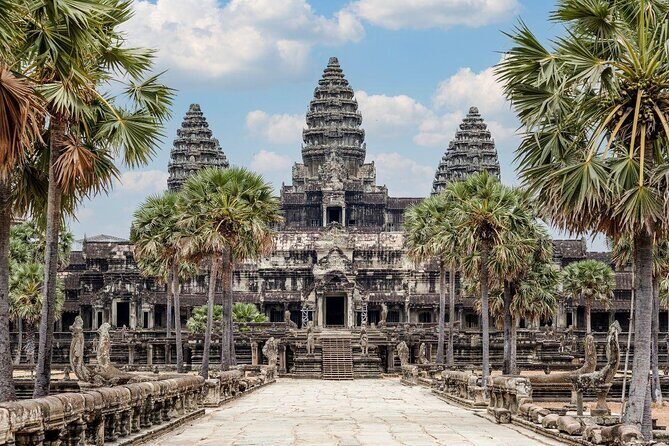
- Angkor Wat twice: morning from the East Gate, then late afternoon for mirror-pool photos
- Driver waits, guide leads at each stop, which keeps the day moving efficiently
- Rare temple mix including Ta Nei (jungle access) and Mangalartha (often skipped)
- 3.5 km Angkor Thom hike starting at Victory Gate with pick-up at the South Gate
- Wat Thmey (Killing Fields) added near the end for a meaningful pause
Why this “intense Small Tour” works better than a slow day
Angkor looks different depending on light and crowds. This route leans into that fact by starting early for the best morning hours at Angkor Wat, then setting you up for a second visit near the end of the day when the sun is lower and photos often look softer.
It’s also “private” in a way that matters. You’re in an A/C vehicle, but more importantly you’re not stuck herding with strangers during every ticket line and each temple shuffle. The driver and guide work as a team: you walk with the guide, then move on when you’re ready.
There’s an honest tradeoff. This isn’t a relaxed stroll tour, and it’s not trying to be. Expect a full day, more stairs than you’d get on a shorter loop, and a real hike segment inside Angkor Thom.
You can also read our reviews of more guided tours in Siem Reap
Private A/C vehicle logistics: English guide, driver waiting, and time saved
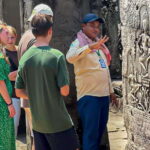
The setup is straightforward. You have an A/C private vehicle with an English-speaking driver, plus an English-speaking licensed Angkor guide. At each temple, you go in with the guide for interpretation, then the driver waits at the car park while you explore.
This is how you avoid time loss. You’re not constantly changing meeting points or trying to guess where the car is. The day is planned so each stop stays focused, with short explanations and enough time to look around at a human pace.
One practical note: the tour includes pickup offered, and you’ll end back at the meeting point. The meeting point listed is Jeep Tour Siem Reap Angkor9V44+36X at Little Pub St in Siem Reap. If you’re staying nearby, it can be a convenient start.
Morning Angkor Wat from the East Gate (then West Gate later, briefly)
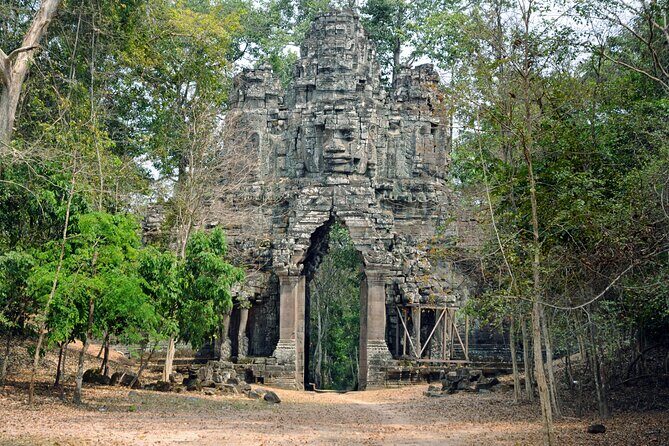
Angkor Wat is the headline, and this tour handles it with smart sequencing. First, you drive to the less-frequented East Gate and enter from there, which gives you Angkor Wat in morning light while crowds are still manageable.
The guide then leads you through the early-view highlights. Don’t worry if East Gate feels unfamiliar: you still get to see Angkor Wat from the more famous West Gate during the visit, just later in the day when the schedule gives you a shorter second look.
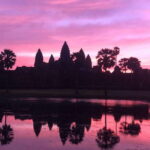
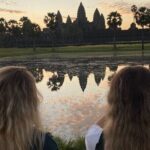
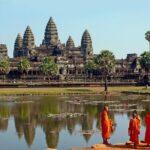
You’re also going back again. That’s the big advantage of this itinerary: you see the temple at two different times of day. Morning tends to look crisp and clear. Late afternoon tends to flatter the stone and often looks better for reflections in the surrounding water.
Prasat Kravan and Prasat Bat Chum: small temples with specific stories
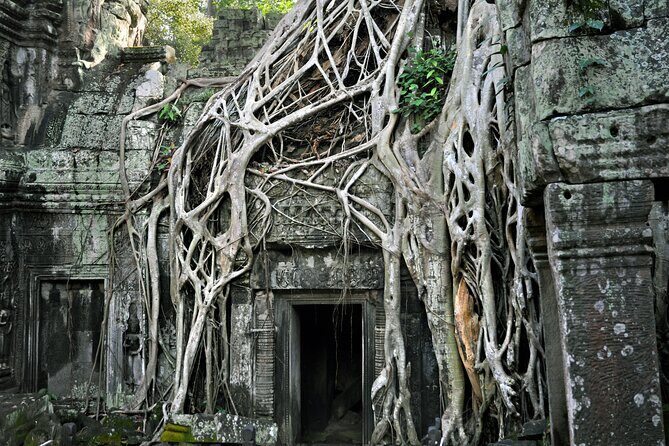
Between the big icons, you get two compact stops that reward attention.
Prasat Kravan is known for its five towers lined together. What catches the eye is the brick carving style: the carvings there are large and in brick, while many other Angkor carvings are in sandstone rather than brick. It’s one of those details you wouldn’t catch if your guide skipped the short explanation.
Then comes Prasat Bat Chum, a modest set of three towers on a shared platform. Its claim to fame is the large inscriptions, which point to Buddhism being present in Angkor long before the reign of the Buddhist king Jayavarman VII. Even if you only spend about 20 minutes, it’s the kind of stop that makes the whole complex feel bigger and older than the usual photo spots.
A drawback here is simple: both are short visits. If you love deep temple study, you’ll want to treat these as quick orientation stops, not as full museum-style experiences.
Srah Srang: where the sculptures, ceremonies, and water design meet
Srah Srang isn’t just pretty scenery. You’ll spend a short stop at the terrace with animal sculptures there, and it helps to know what you’re looking at.
Srah Srang is an artificial basin. The tour also distinguishes it from barays: srahs are deepened artificially, while barays are reservoirs. The working theory is that it was used for ceremonies rather than irrigation, and that a Buddhist prime minister initiated it in the 10th century, with a Buddhist king rebuilding it in the late 12th century.
This is also a timing break. It’s where your lunch break happens later in the day, with several restaurant options nearby. If you’d rather eat back in town, you can ask the driver to drop you elsewhere—but you’d need to pay for extra kilometres and it could stretch your day.
You can also read our reviews of more private tours in Siem Reap
Banteay Kdei and Ta Prohm: jungle mood without getting lost
After Prasat stops, you move into bigger jungle-temple territory.
Banteay Kdei is often described as the smaller sister of Ta Prohm, but it’s still a large complex. It has a flatter temple layout with a labyrinth-like feel, but the good news is that your guide keeps you oriented. This matters because it’s easy to waste time wandering aimlessly inside wide ruins.
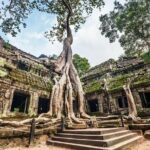
Then you hit Ta Prohm, the world-famous jungle temple. It’s big, so give yourself permission to slow down here. The key visual is the huge fig trees growing over the structures, creating that iconic Angkor-magic vibe people come for. Your allotted time is about 1 hour 15 minutes, which is enough to cover the main areas without feeling rushed.
One practical tip: bring water and plan for humidity. Even with A/C travel between sites, you’ll still be outdoors while you look up and walk through shade gaps.
Ta Nei, Ta Keo, Spean Thma, and Chau Say Tevoda: the mix of rare and steep
This part of the day is where the tour feels different from the most basic loops.
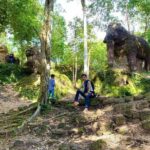
Ta Nei is harder to reach because it involves gravel roads, which is exactly why many tourists miss it. That makes it feel more like exploring. The ruins also include excellent relief art, so it’s worth lingering rather than just ticking it off.
Ta Keo is a former state temple in the form of an artificial mountain—basically a stepped pyramid. The stairs are extraordinarily steep, and your visit time reflects that. If you’re not comfortable with steep climbs, take it slow and consider how much time you want to spend going up versus enjoying the lower viewpoints.
Spean Thma is a quick photo stop: a stone bridge from the late Angkor period, made using carved stones from earlier temples. The riverbed has shifted since then, so it’s a good reminder that landscapes change even when the stones stay.
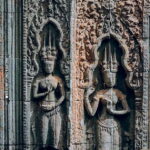
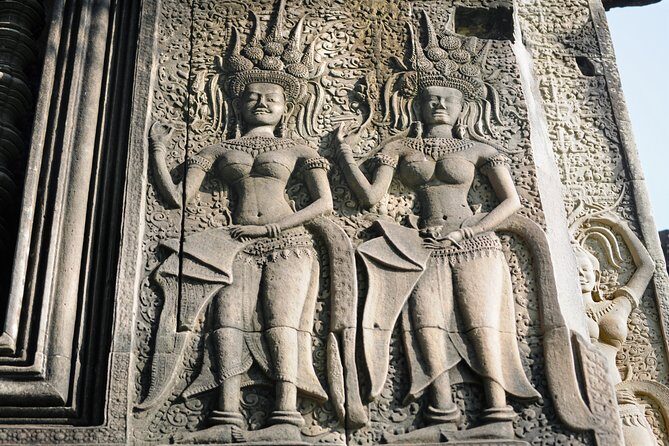
Then Chau Say Tevoda delivers the carved-route feeling. It has an impressive processional route from the east and lots of pediment carvings showing mythological themes. Your time here is about 20 minutes, which means the guide’s pointing and explanations make the difference between seeing carvings and actually understanding what you’re looking at.
Thommanon and Mangalartha: sister temple style and a rare “last stone” stop
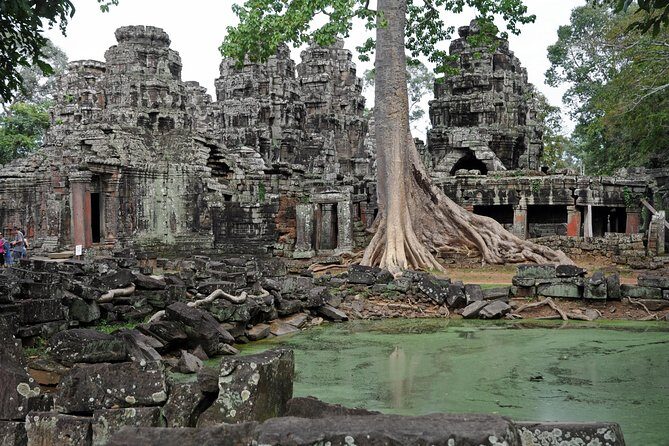
You’ll also visit Thommanon, which the tour describes as Chau Say Tevoda’s sister temple. It’s from the Angkor Wat period, and the towers share the same style as Angkor Wat. It’s a good pairing because it helps you compare design choices across related temples.
Then comes Mangalartha, one of the five extra stops on this itinerary. It’s a small temple on a steep, tiered platform and considered among the very last temples built of stone in Angkor. The tour also says it’s rarely visited, which is why it’s treated as a special add-on here.
This is the kind of stop that can quietly become a favorite. Not because it’s the biggest, but because it feels less photographed and more like you’re discovering part of the Angkor system that typical routes skip.
Victory Gate and the 3.5 km Angkor Thom hike (East Gate + Prasat Chrung)
Here’s the action segment of the day.
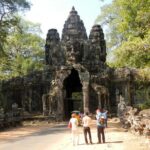
You start the walk at the Victory Gate, the second eastern gate of Angkor Thom. The gate area is one of the best-preserved, and you climb the wall for a view framed by trees growing on the wall. From there, your 3.5 km hike runs along the rarely visited East Gate area and toward the southeastern corner where Prasat Chrung sits on the city walls.
Prasat Chrung is important because it’s not reachable by vehicles and is therefore rarely frequented. The tour specifically calls it one of the five specials for this intense day. You’ll fill undisturbed at this spot—exactly the kind of moment where you realize how different Angkor feels away from the main corridors.
Your driver picks you up at Angkor Thom South Gate, so you’re not left trying to retrace your steps. Still, wear shoes with good grip. Between stones, uneven paths, and heat, footwear matters more than you might think.
Angkor Thom South Gate, Wat Thmey, and the ride back to Siem Reap
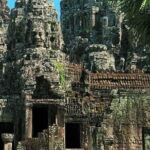
After the hike, you take time at the South Gate of Angkor Thom. This is one of the must-see Angkor photo moments: the face tower and the railings lined with large statues depicting demons and gods. Even if you’ve seen pictures before, being close to the scale changes your sense of the place.
The tour also notes an important policy detail: due to animal welfare guidelines, it does not offer options for elephant rides at Angkor Thom. If you were hoping to add an elephant ride, plan on skipping it here.
Near the end, you visit Wat Thmey, which includes a memorial stupa for Khmer Rouge victims and photo boards related to those killed at the site. It’s a short visit, but it gives the day a serious emotional shift from stone and jungle.
Finally, you return to Siem Reap. The drop-off is at your hotel or another point in town you choose, including the area around markets, and the tour ends back at the meeting point setup.
Price, tickets, and what this “$69” really buys you
At $69 per person, this tour can feel like a bargain for the amount of ground it covers. But Angkor planning has one big rule: the Angkor Ticket is not included.
The ticket is required for each temple visit, and the tour data specifies a 1-day ticket price of $37 per person. That means your true day cost is closer to about $106 per person (plus lunch). Lunch is not included, though you do get a scheduled break at Srah Srang with several restaurant choices nearby.
Where the price makes sense is in the private structure. You’re paying for A/C private transport, plus an English-speaking driver and a licensed English-speaking guide who stays with you at each stop. With a long day, that “on” time becomes valuable. You’re not paying just to be driven; you’re paying for guided time and a plan that uses early light and late return windows.
Also, the tour includes a mobile ticket. That can simplify what you need to show up, especially if you don’t want paper hassles.
Who should book this intense Angkor Wat and Small Circle day
This tour fits best if you want a full Angkor day with variety. It’s ideal for couples or small parties who like structure: you get big names, rare stops, and a real walk segment without having to manage transport yourself.
You should also consider it if you care about light and photos. Two Angkor Wat visits is the big signal. Many other tours do one Angkor Wat session and then just move on. This one gives you a second chance at better conditions.
Skip it or choose a lighter plan if you hate steep stairs. Ta Keo’s steps are described as extraordinarily steep, and you also have a 3.5 km hike. If your main goal is relaxed pacing and minimal walking, this schedule may feel like a lot.
Should you book this tour?
I’d book it if you want a well-paced but intense day that mixes two Angkor Wat visits with less-frequented temple stops and a guided hike in Angkor Thom. The guide-led approach keeps you oriented, and the A/C private vehicle helps you handle the long hours without cooking in transit.
I’d hesitate if you’re trying to minimize walking or if you’re counting every dollar tightly, because the Angkor Ticket and lunch are extra. If you’re okay with that—and you want the most out of daylight—this “intense Small Circle with extras” style tour is a strong pick.
FAQ
Do I need an Angkor Ticket for this tour?
Yes. The Angkor Ticket is required for each temple stop, and it is not included in the tour price. The 1-day ticket cost shown is 37 US$ per person.
Is lunch included?
No. Lunch is not included. You’ll have a break at Srah Srang where there are several restaurants nearby.
How long is the tour?
The duration is about 11 to 13 hours.
What time does the tour start?
It starts at 6:30 am.
Is this a private tour?
Yes. It’s private, and only your group participates.
Are the driver and guide English-speaking?
Yes. The driver is English-speaking, and the guiding is done by an English-speaking licensed Angkor guide.
Is the tour air-conditioned?
Yes. The tour includes a private A/C vehicle.
What does the driver do during temple visits?
You visit each temple with the guide, while the driver waits at the car park.
Can I add an elephant ride at Angkor Thom?
No. Elephant ride options are not offered at Angkor Thom as part of an animal welfare policy.
Is a balloon ride available at Angkor Wat?
The tour mentions a small stationary balloon ride as an optional add-on at Angkor Wat. Any balloon ride details are not included as part of the tour cost.
What’s included in the price besides transport and guiding?
Included items are the English-speaking driver, guiding by an English-speaking licensed Angkor guide, and private transportation. Angkor Ticket and lunch are not included.