REVIEW · SIEM REAP
Private Angkor Sunrise Guided Tour
Book on Viator →Operated by Asia Voyage Tour · Bookable on Viator
Wake up early, win big. This private Angkor sunrise tour is built for maximum temple time with less waiting around, starting at 5:00am and rolling you from your door through Angkor’s most famous sights. I like that you get a pro English-speaking guide who explains what you’re seeing, not just where to stand. I also like the comfort part: air-conditioned door-to-door pickup and drop-off, plus cold towels and bottled water to keep the morning manageable.
There’s one consideration: the wow-factor depends on weather. Sunrise is listed as weather permitting, and the early start means you’ll want to be ready for a very early wake-up.
In This Review
- Key Points Before You Go
- How The Private Format Changes Angkor Wat Sunrise
- The 5:00am Start: Why It Works (Even If It’s Painful)
- Step One: Getting Your Angkor Park Tickets Sorted
- Angkor Wat Sunrise: The First Big Moment
- Breakfast at Srah Srang: A Clever Reset
- Back To Angkor Wat: Exploring It Properly
- Angkor Thom + Bayon: The Thousand-Face Moment
- Ta Prohm: The Tomb Raider Temple (And Why It’s Worth Slowing Down)
- The Practical Stuff: What’s Included and What You’ll Pay
- What Makes the Tour Feel High-Quality
- Who This Tour Suits Best
- A Few Smart Tips to Make Your Day Smoother
- Should You Book This Private Angkor Sunrise Guided Tour?
Key Points Before You Go
- Private guide, English-speaking: you’ll understand what you’re looking at as the day unfolds.
- Angkor Big Three, in one run: Angkor Wat, Angkor Thom, and Ta Prohm, plus major highlights inside each complex.
- 5:00am start means fewer crowds: you’re aiming to see the temples while others are still snoozing.
- Comfort matters at 5:00am: door-to-door transport in air-conditioned comfort with cold towels and bottled water.
- Breakfast is optional but useful: you can add a 4-course breakfast at an Angkor-area restaurant to refuel after sunrise.
- Entrance fees are separate: plan on paying Angkor park/temple fees on your own day.
How The Private Format Changes Angkor Wat Sunrise
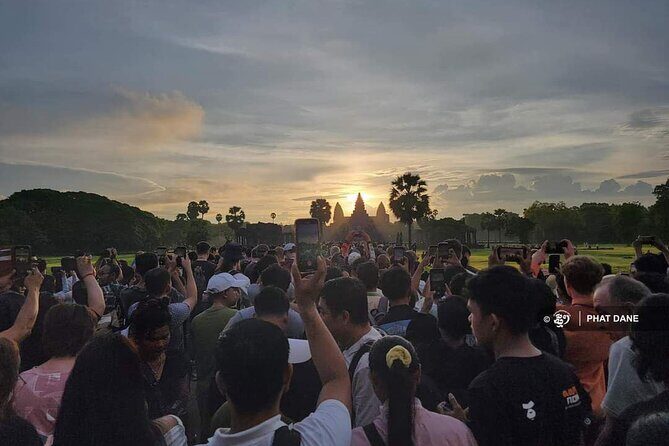
Angkor is famous for two things: its scale and its crowds. A private sunrise tour helps you with both. You’re not fighting for timing, you’re not guessing where to go first, and you’re not stuck with a loud group schedule. Instead, you’re working off a morning plan that makes sense: get your tickets sorted early, see sunrise at Angkor Wat, then move through the complexes in a logical order.
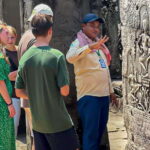
The other practical win is the guide. When you walk into Angkor Wat, Angkor Thom, and Ta Prohm without context, you can still admire the stone. But with guidance, you’ll notice patterns: how temples are arranged, what different areas were used for, and why certain carvings and towers look the way they do. In the reviews, guides like Sayoeun and Soaly stand out for turning architecture and history into something you can actually follow—patient, clear, and focused on making the details click.
Price-wise, the advertised $23 sounds like a steal, but you’ll want to read it the way you’d read any “tour” price. This covers the tour itself and your transport/guide support. Entrance fees are not included, so you should budget extra for the Angkor park ticket(s) needed for the day and for what’s required to enter the specific temple sites.
You can also read our reviews of more guided tours in Siem Reap
The 5:00am Start: Why It Works (Even If It’s Painful)

This tour starts at 5:00am, which is early enough that you’ll probably question your life choices while brushing your teeth. But here’s the point: sunrise at Angkor Wat is a limited-time experience. If you arrive too late, you miss the light shift and you get absorbed into the crowd flow.
You’ll be picked up from your hotel and driven in your chosen vehicle. The tour emphasizes air-conditioned comfort for the ride. That matters because you’re going to be out walking, waiting, taking photos, and then walking some more. Also, they provide cold towels and bottled water—small touches that help you stay functional rather than melting by 8:00am.
One more thing: this is run in all weather conditions. Dress for heat and sun, but also be ready for rain just in case. Shoulders should be covered, and you’ll want trousers or knee-length pants or skirts, plus comfortable walking shoes. It’s smart and casual, but it’s still temple ground—respect the rules.
Step One: Getting Your Angkor Park Tickets Sorted
Before sunrise, you’ll stop at the Angkor Enterprise office to purchase your Angkor park tickets. That’s a quiet but important detail. If you show up without the right ticket situation handled, your sunrise timing can fall apart fast.
In other words, this stop is there to prevent a stressful scramble. And it means your guide can keep you moving according to the morning plan. Ticket purchase isn’t included in your tour price, so you’ll pay that part directly. But the tour helps you avoid wasting time figuring it out on your own at the last minute.
Angkor Wat Sunrise: The First Big Moment
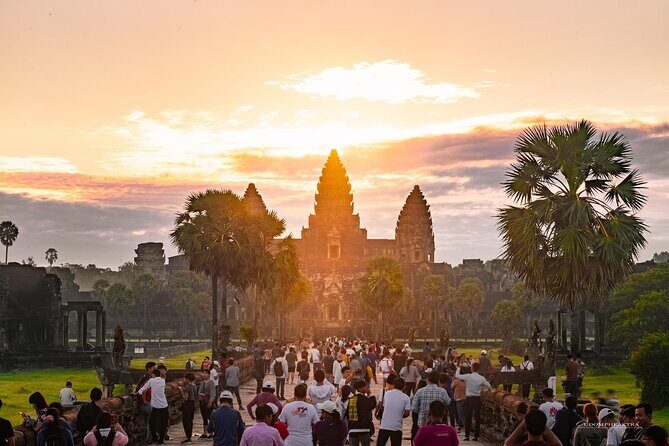
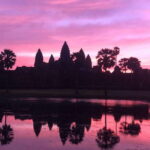
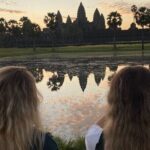
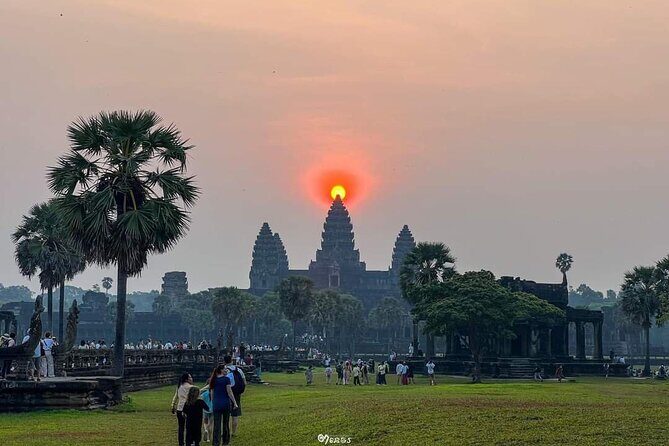
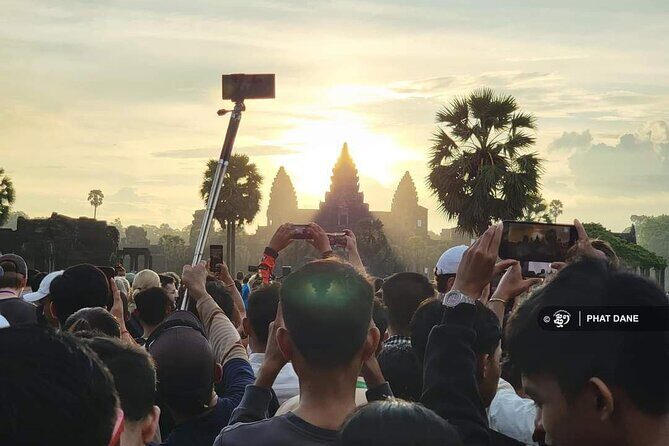
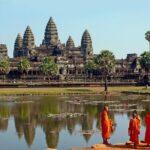
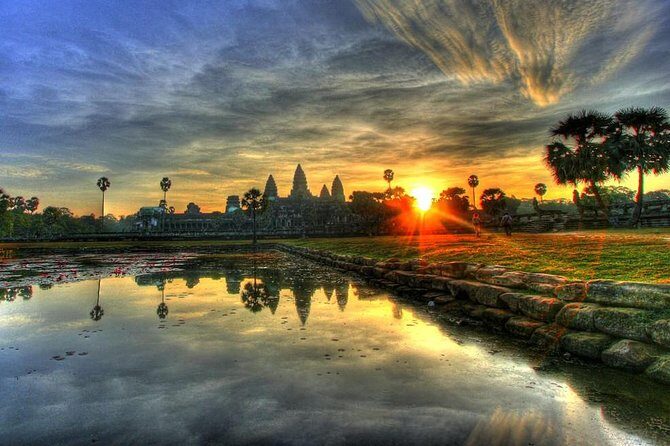
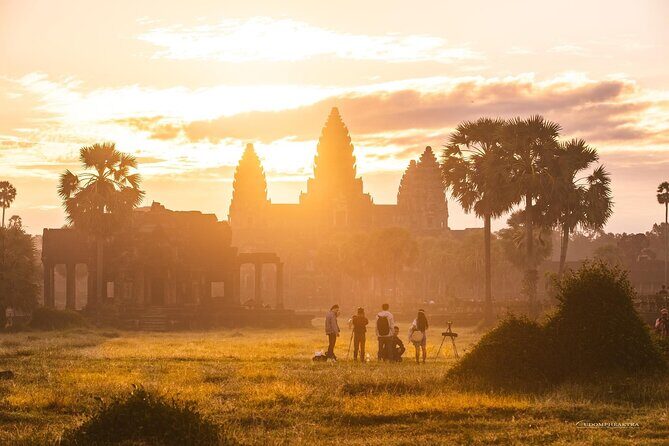
After ticket pickup, you head straight toward Angkor Wat for the sunrise experience (weather permitting). Sunrise at Angkor Wat is one of those moments where even if you’re not an art-history person, you still feel something. The temple’s symmetry and the way the towers catch early light make it special.
This tour includes about one hour at the sunrise portion. A guide helps you understand what you’re looking at rather than just pointing vaguely. You’ll also move efficiently; the short “transfer between temples” model continues throughout the morning, so you’re not spending your time burning calories in traffic or walking long distances unnecessarily.
A practical tip: bring sun protection and insect repellent. You’re up early, but that doesn’t mean you’re immune to mosquitoes. And as soon as the sun climbs, the heat catches up to you.
Breakfast at Srah Srang: A Clever Reset
Next comes a relaxing stop at Srah Srang, where you’ll take time for breakfast. The plan offers two paths:
- Upgrade for an inclusive 4-course breakfast at an Angkor restaurant
- Or go without the meal upgrade and bring your own snacks
This is a smart pivot point. Sunrise is exciting, but it also eats your energy. Breakfast right after lets you keep your day moving instead of turning into a shaky zombie who can’t think straight at Angkor Thom.
The breakfast location is described as a top Angkor Restaurant, and the upgrade is part of the overall experience options. If you want a full morning experience with minimal decision-making, the 4-course option is worth considering. If you prefer flexibility or have dietary needs, you can keep it simple with snacks.
One small drawback to consider: the breakfast choice affects how much time you spend there. The schedule gives around one hour for this stop, so you’ll want to be ready to eat and get back on the route.
You can also read our reviews of more private tours in Siem Reap
Back To Angkor Wat: Exploring It Properly
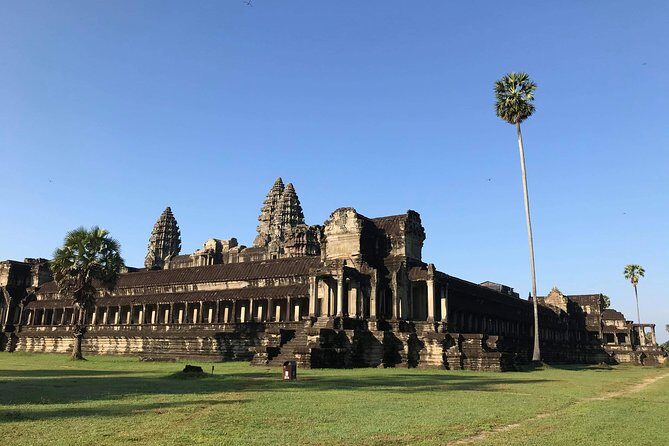
After breakfast, you return to Angkor Wat to explore it in detail for about two hours. This is where the guided part really earns its keep. Angkor Wat looks incredible at first glance. But it gets even better when you understand the temple’s layout and religious context.
You’re also not stuck walking long distances between every section. The vehicle handles the short jumps between areas in the complex, which keeps the itinerary realistic and energy-friendly.
Here’s what you can expect to get out of this segment: you’ll see more than just the “must-photograph” points. With a guide you’ll be able to notice relationships between structures, understand why certain features matter, and connect the visuals to how the site functioned.
If you’re someone who likes museums and explanations, you’ll probably enjoy this part a lot. If you just want pictures, you’ll still get more value than a self-guided visit because your guide helps you prioritize.
Angkor Thom + Bayon: The Thousand-Face Moment
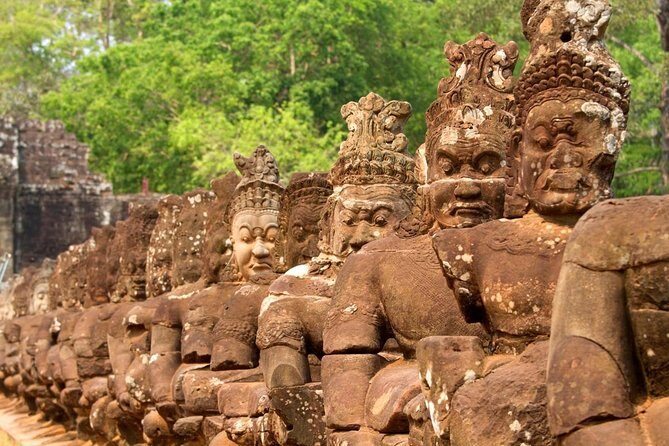
Then you move on to the Angkor Thom complex, including Bayon Temple, plus the Terrace of the Elephants and the Terrace of the Leper King. This stop is about one hour, which is enough for the biggest highlights without turning into a marathon.
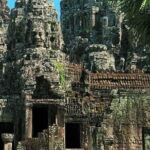
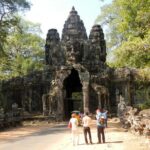
Bayon is the star for most people. The thousand stone faces feel like they’re following you—whether you’re standing still for photos or walking through the walkways. A guide helps with what those faces mean and why Bayon is such a central piece of Angkor Thom’s identity.
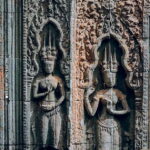
The other terraces add variety. Even if you’re not an expert, the names alone tell you that you’ll see decorative and storytelling details in stone that are more specific than generic temple ruins. It’s the kind of place where a little explanation transforms what looks like random carvings into something purposeful.
Time-wise, you’ll want to keep your camera ready but also keep your attention on your guide. One hour sounds short, but at this site, you’ll feel it. Having a plan keeps you from wandering and losing track of what you haven’t seen yet.
Ta Prohm: The Tomb Raider Temple (And Why It’s Worth Slowing Down)
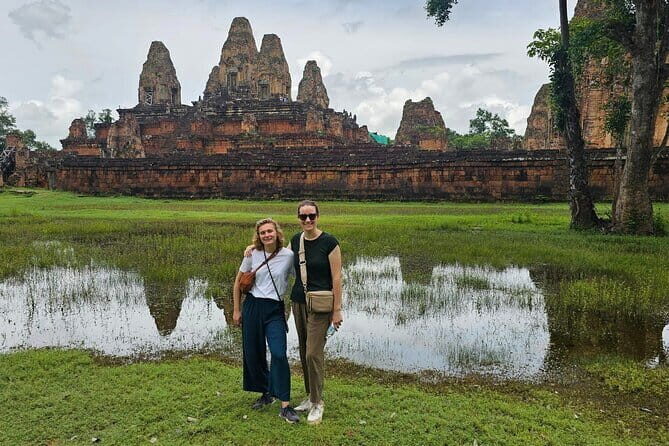
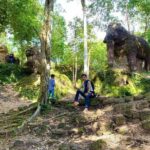
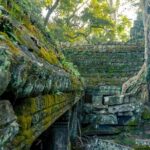
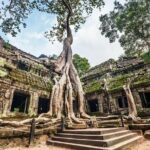
Next up is Ta Prohm, the famous “Tomb Raider” temple. This stop is about one hour. Ta Prohm is that rare place where the crowds are worth it—partly because of the dramatic tree roots and partly because it looks like the jungle is actively taking the stones back.
You’ll enjoy it more if you don’t just sprint from photo spot to photo spot. A guide can point out how the site’s condition shapes the experience and what you should focus on while you’re there. With the right context, Ta Prohm isn’t just a movie backdrop; it’s a living-feeling ruin that tells a different kind of story than Angkor Wat or Bayon.
If you’re sensitive to heat, this is also a moment to pace yourself. Early hours help, but by the time you reach Ta Prohm, you may already feel the day warming up. Take a breath. Look up. And don’t forget that you’re visiting a religious site as well as a historic landmark.
The Practical Stuff: What’s Included and What You’ll Pay
Your included items are straightforward and useful:
- Hotel pickup and drop-off
- Professional English-speaking guide
- Cold towels
- Bottled water
What’s not included is the key budget item: Angkor entrance fees. The info you’re given includes current ticket options like one-day USD37 and three-day USD62, and it also notes Angkor Wat entrance fee $62 per person. Those figures suggest you should double-check the total you’re expected to pay based on the ticket type and the specific access required for your day.
So here’s the honest value math: the tour price is low, but your real cost will be the entrance fees. If you were planning to visit anyway, paying for the guide and door-to-door transport can be a good deal. If you’re unsure you’ll spend the full day at multiple sites, it might be better to choose a smaller, cheaper itinerary that matches your plans.
What Makes the Tour Feel High-Quality
The most praised part of this experience is the guide. In the feedback, people highlight how guides like Sayoeun bring passion and clear explanations that make the architecture and history feel understandable. Another guide name that comes up is Soaly, described as personable, patient, and professional—exactly the qualities you want at a site as huge and busy as Angkor.
That also ties into how the tour flows. It’s not just “go here, take a photo, leave.” It’s timed and structured so you can actually absorb what’s in front of you. The combination of early starts, logical temple order, and air-conditioned transfers reduces the usual pain points of DIY Angkor days: confusion, delays, and wasted time.
Who This Tour Suits Best
This is a great match if you:
- Want the Big Three without planning stress
- Like having a guide explain what you’re seeing (not just where to walk)
- Prefer early mornings and a smoother schedule over late starts and big crowds
- Appreciate door-to-door convenience
It may feel less ideal if you:
- Want a super slow, unguided wandering day with lots of free time
- Are not interested in sunrise or early temple entry
- Have very limited flexibility for paying entrance fees on the spot
A Few Smart Tips to Make Your Day Smoother
Keep it simple, and you’ll enjoy it more.
- Wear the right clothing: covered shoulders and comfortable walking shoes
- Bring sun protection and insect repellent even at sunrise
- Keep your hands free for photos: you’ll do a lot of moving
- Don’t climb on the monuments. It’s explicitly discouraged, and it protects both you and the site
- If you skip the breakfast upgrade, bring small snacks so you don’t end up hungry at the next complex
Also, remember that this is a private tour for your group. That usually means less waiting and less dealing with other people’s pace. It’s easier to keep your attention on the sights rather than on logistics.
Should You Book This Private Angkor Sunrise Guided Tour?
If your goal is to see Angkor Wat, Angkor Thom, and Ta Prohm in one organized morning with a guide who actually helps you understand what you’re looking at, this is a strong choice. The early start, private pacing, and comfort touches make it feel well thought-out rather than rushed.
Before you book, budget for entrance fees, and decide whether you want the 4-course breakfast upgrade. If you value explanations and want a smoother path through the major highlights, you’ll likely feel like you got real value from your guide time. If you’re mostly in it for photos and don’t care about context, you may find a cheaper self-guided option fits better.
Either way, sunrise at Angkor Wat is the kind of experience that only works when you show up ready. This tour is built for exactly that.