REVIEW · SIEM REAP
Siem Reap: Bike the Angkor Temples – Full-Day 30km Tour
Book on GetYourGuide →Operated by Discova Southeast Asia · Bookable on GetYourGuide
Few places feel like a bike ride in Cambodia.
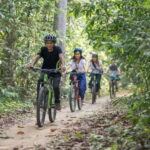
This full-day 30km Siem Reap outing takes you beyond the usual temple circuit, mixing countryside roads, shaded trails, and Khmer ruins. I like that it caps at a maximum of eight guests, so the guide can actually manage the pace and help you spot the details you’d miss from a tuk-tuk.
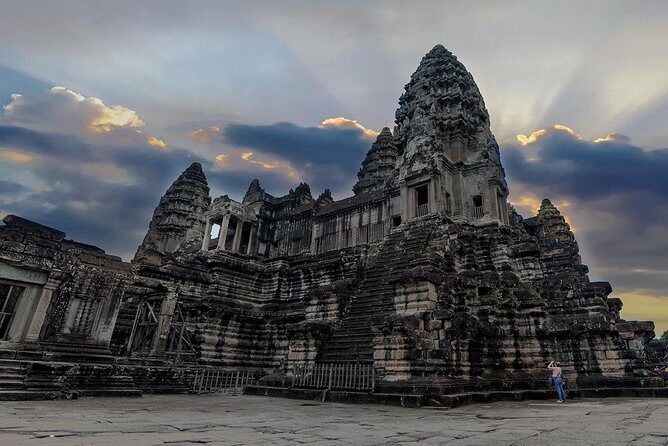
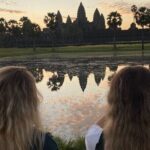
I also love the way the day is paced around the temples: Angkor Wat in the morning light, Bayon’s stone faces, an Elephant Terrace break with lunch, then Ta Prohm later when the roots and moss feel extra dramatic. The guide-led stops keep the experience from turning into just pedaling and posing.
One drawback to weigh: this is not a casual spin. Expect off-road sections, heat, and a longer return stretch, so you’ll want a solid basic fitness level and the right clothing for sun and occasional mud.
In This Review
- Key Things That Make This Tour Worth Your Time
- Why Cycling Angkor Feels Different (and Better)
- Meeting at Pte Kru Café, Then Rolling with Quality Mountain Bikes
- Morning Pedal: Siem Reap River to Angkor Wat in Quiet Light
- Angkor Thom and the Switch to Secluded Forest Tracks
- Elephant Terrace Break: Lunch, Stories, and a Real Pause
- Ta Prohm by Bike: Moss, Roots, and Red-Earth Paths
- The Return Ride to Siem Reap: Scenic, Relaxed, Still a Workout
- Price and Value: What $35 Gets You (and What Doesn’t)
- Guides You Might Meet: Friendly, Story-Led, and Photo-Aware
- What You Should Bring (and What You Should Wear)
- Who This Tour Fits Best (and Who Might Want Another Option)
- Should You Book This Bike Tour of Angkor?
- FAQ
- Do I need an Angkor Pass for this tour?
- How long is the cycling day?
- What’s included in the price?
- Where do I meet my guide in Siem Reap?
- Do I need to choose lunch when booking?
- Is this a small-group tour?
- Is there child equipment available?
Key Things That Make This Tour Worth Your Time
- Small-group feel: up to eight people means less waiting and more attention from your guide.
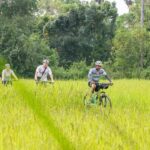
- Real cycling, not just sightseeing: quiet tracks through forest corridors and rural villages.
- Temple order that makes sense: classic sights first, then Ta Prohm, followed by an easier scenic ride back.
- Photo-friendly guidance: guides are known for finding good viewpoints and stopping for pictures and even short video clips.
- Good value at $35: bike, helmet, snacks, fruit, water, and an English-speaking cycling guide are included (lunch depends on your option).
- Full-day support: bike quality plus vehicle support helps you stay focused on the ride and the ruins.
Why Cycling Angkor Feels Different (and Better)
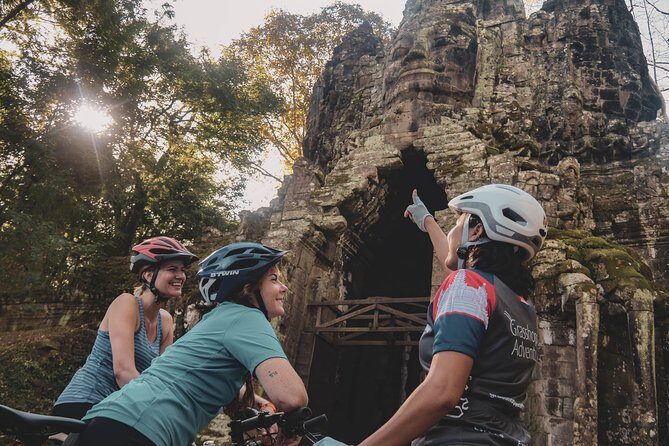
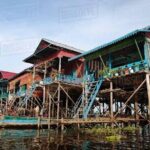
Angkor is built for walking and looking slowly. A bus or tuk-tuk moves fast, but it can rush your eyes. On this tour, the movement is the point. When you ride past farms, stilt houses, and village roads, the temples stop feeling like an isolated museum and start feeling like part of a living region.
The biggest win is that you’re not trapped in the busiest approach routes all day. The tour is designed to use quieter entrances and hidden tracks that typical vehicle routes often miss. That means more shade time, fewer interruptions, and a calmer rhythm as you roll into temple courtyards.
And yes, it’s hot in Cambodia. The good news is that a lot of the cycling happens under trees and along red-earth paths. A bike also cools you down faster than walking, as long as you’re sipping water and taking the guided breaks.
You can also read our reviews of more cycling tours in Siem Reap
Meeting at Pte Kru Café, Then Rolling with Quality Mountain Bikes
You meet your guide at Pte Kru Café on Preah Sihanouk Ave in Siem Reap. Plan to arrive about 15 minutes early so you can get fitted quickly. If your tour date starts after the meeting-point update noted by the operator, the guide meets you at Gingold Coffee on Sivutha Boulevard instead.
From there you get a quality mountain bike and a helmet. The tour isn’t trying to disguise the fact that you’ll pedal for a full day. You’ll ride mostly at a steady, manageable pace with a guide leading from the front and support handling the logistics.
A practical tip: mention each person’s height when booking so the team can set you up with the right-size bike. If you’re bringing kids, child seats and trailers can be requested, but seats have a weight limit (14kg for child seats). This kind of planning matters because the tour is long enough that comfort affects everything.
Morning Pedal: Siem Reap River to Angkor Wat in Quiet Light
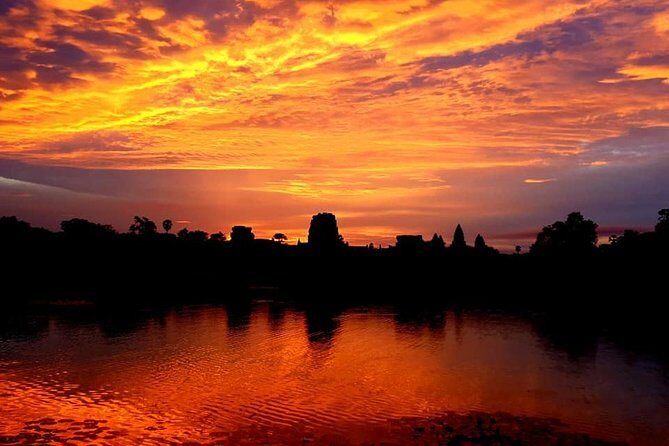
You start cycling at 7:30 AM along a peaceful road by the Siem Reap River, heading toward the Angkor Archaeological Park. This early start helps you beat some heat and avoid the worst crowds before they settle in.
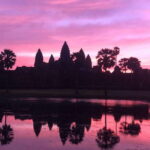
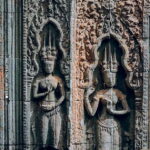
Your first major stop is Angkor Wat. You’ll have time for the galleries and the carved bas-reliefs. The guide’s job here is more than pointing at structures. You get stories and symbolism tied to what you’re seeing, so the towers and corridors turn from scenery into meaning.
Why morning works for this particular tour: you’re already warmed up from cycling, so your eyes are alert when you step into the temple spaces. Then you’re able to keep moving without the long, stop-start frustration that comes from waiting in a vehicle line.
Angkor Thom and the Switch to Secluded Forest Tracks
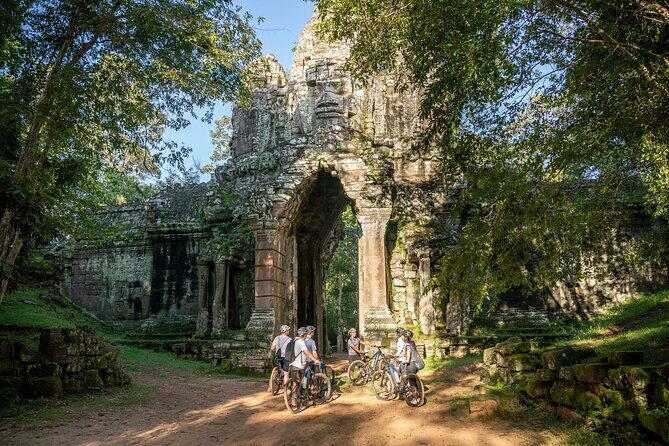
After Angkor Wat, you ride toward the ancient city of Angkor Thom. The tour keeps the flow moving, but the moment that really changes the vibe is when you leave the main road and shift onto secluded forest paths.
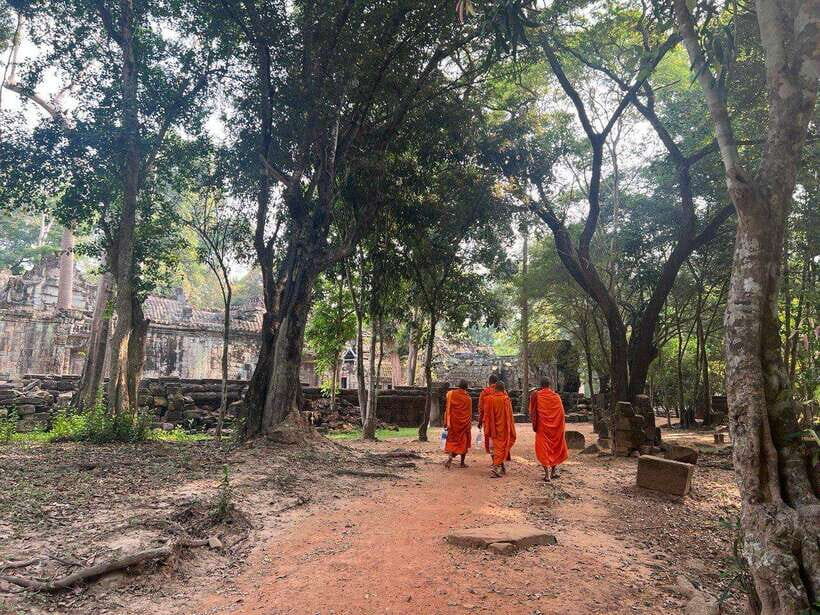
This is one of the most praised parts of the day: those “you didn’t know you could get there by bike” routes. They put you under trees, past quiet edges of the temple zone, and closer to the backcountry feel of the region. It’s also where you start noticing small details—paths that narrow, vegetation that grows close to the route, and occasional glimpses of hidden ruins.
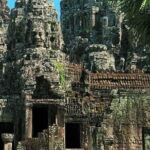
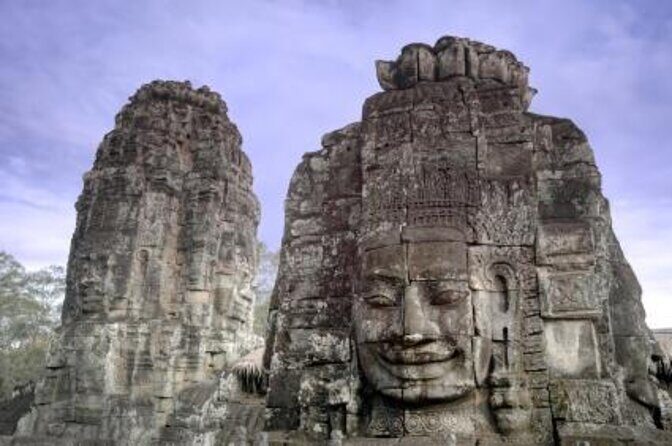
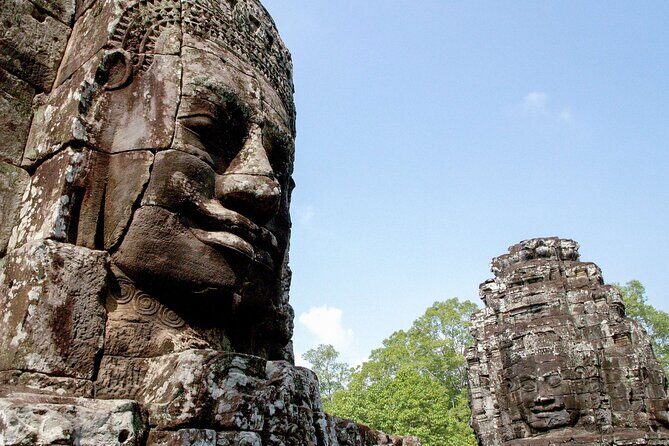
Then you arrive at Bayon, famous for its serene stone faces. The guide walks you through what to look for and how the symbolism ties into the Khmer world that built these sites. With your bike sitting back safely with support, you’re free to slow down and look like a person, not a line.
Elephant Terrace Break: Lunch, Stories, and a Real Pause
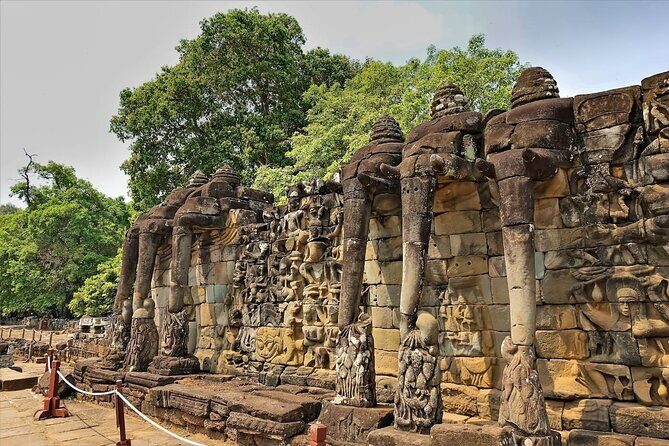
Next up is the Elephant Terrace Complex. You cycle through the surrounding areas, then stop for a break and (if you chose the lunch option) lunch at a local restaurant arranged in advance.
This pause is more than food. It’s also where the day resets. Angkor sites can be tiring when you’re only standing and walking, especially under sun. A planned lunch break gives your body a chance to recover before the afternoon’s heavier temple-and-tracks pairing.
If you booked without lunch, you still get flexibility. You’ll have time to explore or eat on your own before regrouping. Either way, the tour includes snacks, fruit, and bottled water during the ride, so you’re not stuck rationing energy between major stops.
A few more Siem Reap tours and experiences worth a look
Ta Prohm by Bike: Moss, Roots, and Red-Earth Paths
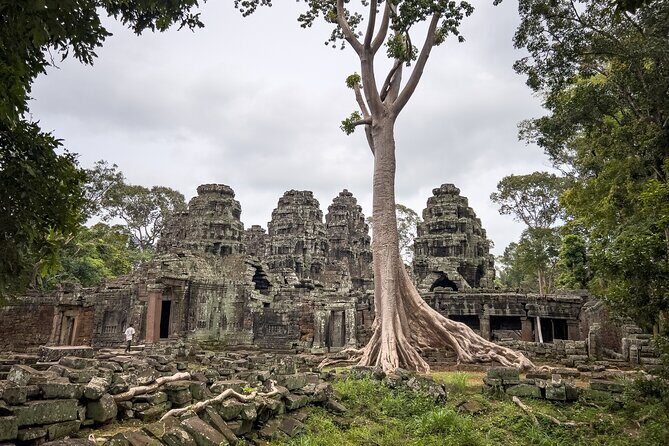
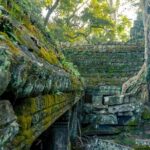
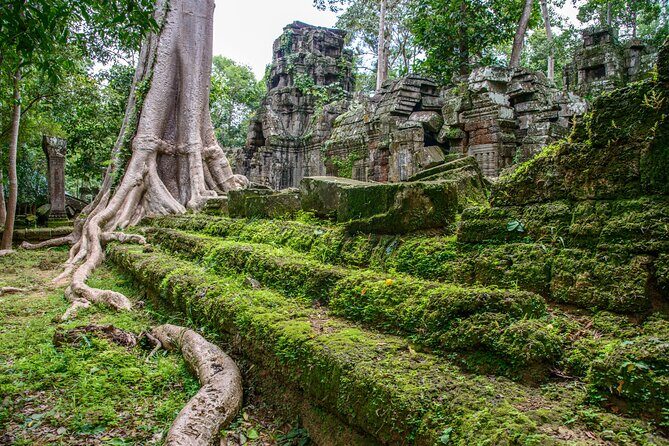
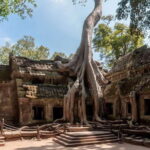
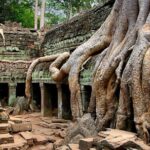
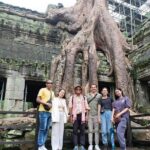
The afternoon route takes you through quieter jungle corridors to Ta Prohm, the temple wrapped in twisting tree roots and covered in mossy stone. This stop is often the one people remember most, because it feels less polished and more alive—like the forest is slowly reclaiming the architecture.
Cycling here matters. You’re not just arriving at a temple; you’re approaching it through the countryside and forest edges that match Ta Prohm’s vibe. The red-earth tracks and village paths help you feel how the region connects to daily life beyond the main ticket zones.
The guide keeps the tempo right: history and symbolism are woven into what you see, but you’re still given time to look, take photos, and walk inside the temple spaces. Several guides associated with this tour are praised for clear English, friendly explanations, and stopping to help with picture angles and details.
The Return Ride to Siem Reap: Scenic, Relaxed, Still a Workout
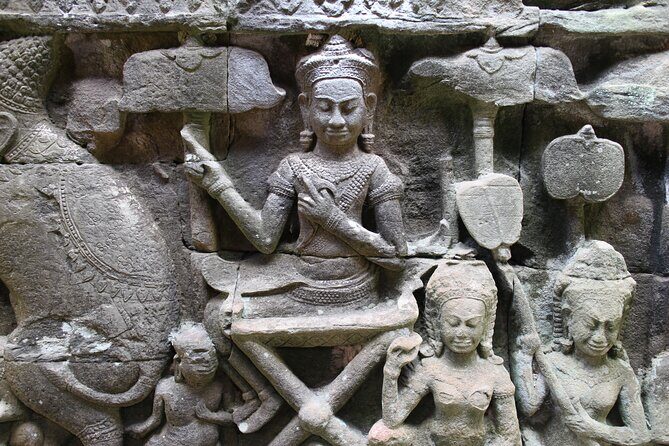
After Ta Prohm, you follow red-earth tracks and village paths back toward town. Many people find this final stretch one of the nicest parts of the whole day because it’s quieter and more scenic than the early temple approaches.
That said, don’t assume it’s effortless. A handful of cyclists note that the last chunk of distance can feel like the final hurdle—especially if you’re not used to longer rides. The good pattern to expect is that the riding is broken up with temple breaks and regrouping time, so you’re rarely pedaling nonstop.
By the time you return to Siem Reap in the mid-afternoon, you should feel the kind of tired that’s actually rewarding. You’ve moved through temple areas, forest paths, and rural roads under your own steam, not just watched from behind glass.
Price and Value: What $35 Gets You (and What Doesn’t)
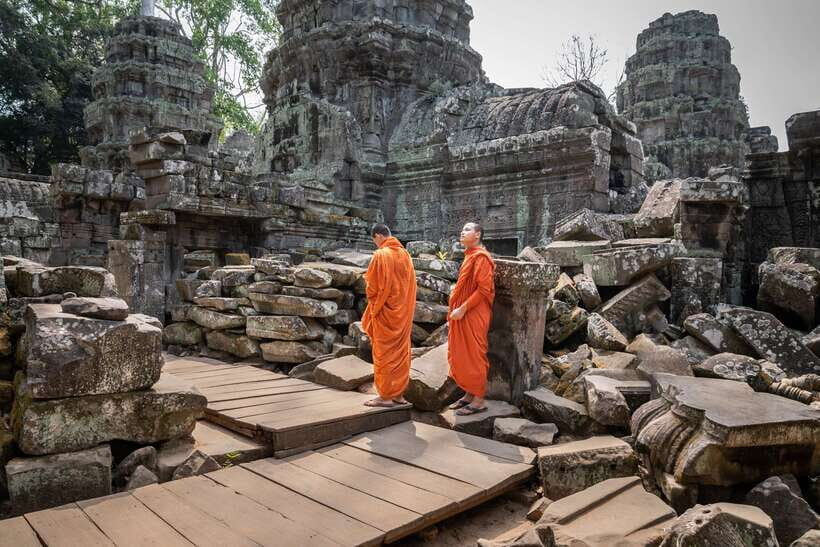
At $35 per person for about 7.5 hours, this is strong value for a full-day, guided cycling experience in the Angkor zone.
What’s included:
- Bike and helmet
- English-speaking cycling guide
- Snacks, fruit, and bottled water
- Lunch only if you select the lunch option
What’s not included:
- Angkor Pass (you need it for the Angkor zone). If you don’t already have one, you can purchase it on entry the morning of the tour at https://www.angkorenterprise.gov.kh/
That Angkor Pass detail is important for your planning. It’s the one extra cost that can affect your schedule. Still, once you have the pass, the rest of the day is pretty straightforward: the guide handles the route, the bike equipment is taken care of, and you’re not stuck organizing transport between sites.
Guides You Might Meet: Friendly, Story-Led, and Photo-Aware
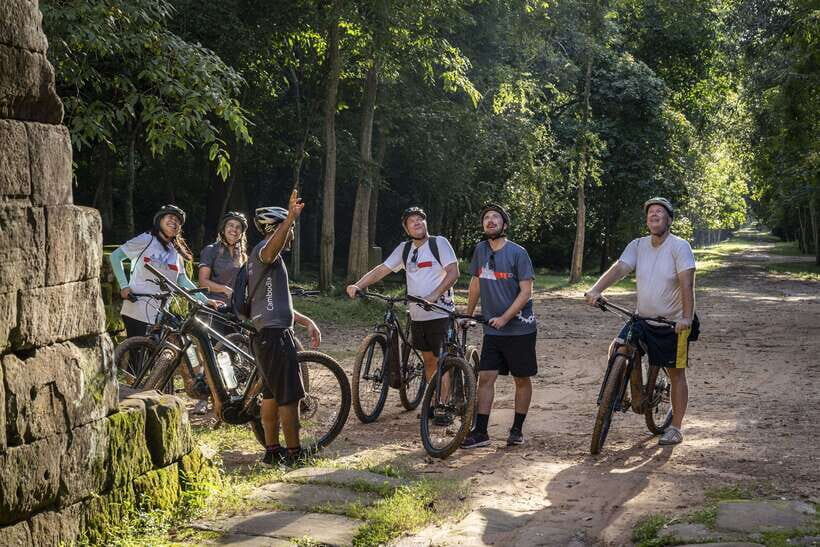
A big part of the tour’s reputation is the human factor. You’ll ride with an English-speaking cycling guide, and many guides are repeatedly mentioned by name in participant feedback.
Names that show up often include Soun Chen, Tu, Lem, Seng, Thou, Moon, Sarak, and Phath, plus guides like Nuon Chan Sarak in particular. What ties them together is the same theme: they’re described as friendly, patient with questions, and able to connect temple details to Khmer meaning.
You’ll also benefit if your guide is the type who actively helps with photos—pausing at viewpoints, guiding where to stand for better angles, and taking pictures for you if you’d like. If this matters to you, bring your camera and tell the guide your preferred shot style early in the day.
What You Should Bring (and What You Should Wear)
Bring:
- Sunglasses
- Sun hat
- Camera
- Sunscreen
Dress rules:
- Sleeveless shirts are not allowed
I’d also add a practical thought for a bike day in Cambodia: wear breathable clothes that can handle sun and a little grit. Some routes can get muddy or sandy, especially on unpaved segments. You’ll enjoy the temples more if your clothes are comfortable enough that you’re not thinking about your outfit every five minutes.
Also keep expectations realistic. This is a day outdoors. Even with shade, you’ll sweat, so plan to hydrate and use sunscreen, not just water.
Who This Tour Fits Best (and Who Might Want Another Option)
This is best for people who want active sightseeing. The tour is suitable for active families, and it includes child-specific options on request (child seats, baby seats, tag-along trailers). If you’re traveling with kids, make sure you book the equipment you need ahead of time and share height details so the bike setup is correct.
You’ll also get the most out of it if you like:
- biking on quieter routes
- having history explained in plain terms
- slowing down to look while still moving between sites
It’s not suitable for pregnant women. If you’re unsure whether the distance will feel right, consider your own comfort level with longer rides and uneven surfaces. The feedback you’ll hear repeatedly is that normal fitness works, but you should be ready for a full-day push.
Should You Book This Bike Tour of Angkor?
I’d book this if you want Angkor to feel like a journey, not a checklist. The combination of small-group pacing, countryside cycling, and temple stops makes it a strong pick for value—especially because the bike, guide, and ride snacks are already handled for you.
Skip it if you’re looking for a mostly relaxed, low-effort temple day, or if you get stressed by longer distances and off-road bits. And don’t forget the Angkor Pass piece: your day is smoother if you confirm you’ll have it before the morning start.
If you’re active, curious, and willing to pedal through forests and village tracks for a calmer, less cookie-cutter Angkor experience, this is one of the most satisfying ways to do it.
FAQ
Do I need an Angkor Pass for this tour?
Yes. The Angkor Pass is not included. You’ll need one for the Angkor zone, and you can purchase it on entry in the morning of your tour.
How long is the cycling day?
The tour runs for about 7.5 hours.
What’s included in the price?
Bike and helmet are included, along with an English-speaking cycling guide, plus snacks, fruit, and bottled water. Lunch is included only if you choose the lunch option.
Where do I meet my guide in Siem Reap?
Meet at Pte Kru Café (ផ្ទះគ្រូ Café) on Preah Sihanouk Ave. If your tour starts after the meeting-point update mentioned by the operator, the meeting point is Gingold Coffee on Sivutha Boulevard.
Do I need to choose lunch when booking?
You can choose a with-lunch option or go without lunch. If you choose with lunch, lunch is arranged in advance. If you skip lunch, you’ll get free time to explore or eat independently before regrouping.
Is this a small-group tour?
Yes. It runs as an intimate small-group experience with a maximum of eight guests.
Is there child equipment available?
Yes. Child seats, baby seats, and tag-along trailers are available on request. Child seats can accommodate up to 14kg, and you should mention each child’s height during booking so the team can arrange the right bike setup.