REVIEW · SIEM REAP
Sunset or sunrise bicycle tour around Angkor Wat and nearby temples
Book on Viator →Operated by Angkor Wat Shared Tours · Bookable on Viator
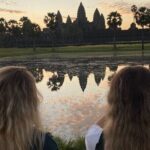
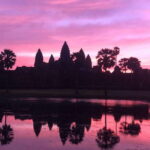
Angkor Wat at dawn feels unreal. This small-group bicycle tour is a smart way to see Angkor Wat, Angkor Thom, and Ta Prohm without the usual transport hassle. I especially like the included hotel transfers and the way the guide keeps the experience moving while still explaining what you’re looking at. The main thing to consider is that it’s a full morning or afternoon with biking, plus walking and climbing, so you’ll want moderate fitness.
I like that you can choose your vibe: a pre-dawn sunrise start or a more relaxed end at sunset from Phnom Bakheng. Price is also refreshing for what you get: guide, bikes, water, and pickup are included, while your temple pass is the only big add-on. One practical caution from past riders: dark-road safety can be an issue on early tours, so don’t assume you’ll have everything you need for night riding.
In This Review
- Key Things You’ll Notice on This Angkor Bike Tour
- Why Riding Angkor Wat Makes Sense
- Sunrise vs Sunset: Two Different Angkor Days
- Sunrise option: pre-dawn Angkor Wat
- Sunset option: finish at Phnom Bakheng
- Small-Group Cycling: Pacing You Can Actually Keep Up With
- Stop by Stop: The Core Temples You’ll See
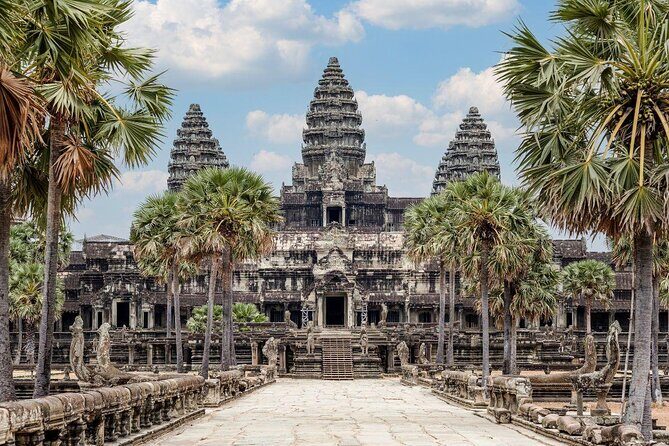
- Angkor Wat: the sunrise moment
- Angkor Thom and the South Gate
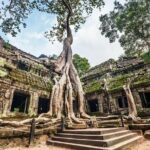
- Ta Prohm: the jungle temple people photograph
- Banteay Kdei: monk-cell ruins and root patterns
- Ta Keo: the pyramid that never finished
- Phnom Bakheng at Sunset: The Big View Finish
- Price and Value: Why $45 Can Still Be a Good Deal
- What the Included Transfers Solve
- Practical Tips: Make the Early and Dark Riding Safer
- The Guide Factor: When Commentary Makes the Temples Click
- Who Should Book This Angkor Wat Bike Tour
- Should You Book It?
- FAQ
- How long is the sunrise or sunset bicycle tour?
- What’s the price per person?
- Do I need to buy a temple pass?
- Is pickup from my hotel included?
- Are bicycles and water included?
- Do I have to bring lunch?
- How big is the group?
- Do I choose sunrise or sunset?
- Where does the tour start?
- Is the tour suitable for everyone?
Key Things You’ll Notice on This Angkor Bike Tour
- Two ways to time it: sunrise at Angkor Wat or sunset from Phnom Bakheng
- Small group feel (max 15): easier pacing and more chances for questions and photos
- Guide-led temple storytelling: you get context at major stops like Bayon and Ta Prohm
- Bikes + real sightseeing: you’ll ride, then switch to walking and climbing at key temples
- Value built in: bikes, bottled water, and 2-way pickup/drop-off are included
Why Riding Angkor Wat Makes Sense
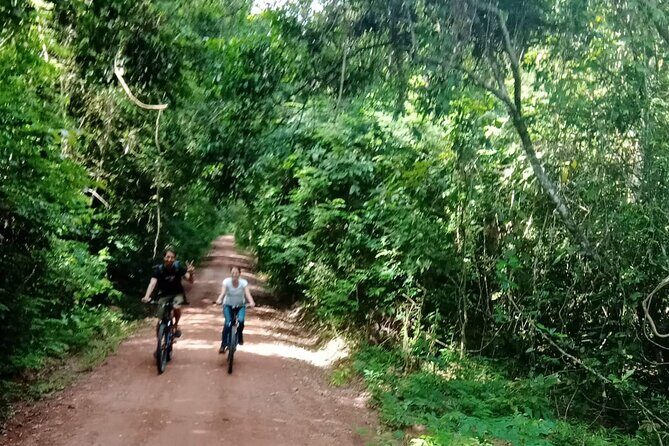
Angkor can be overwhelming if you try to do it all by yourself. You’re juggling tickets, tuk-tuks, heat, and the simple fact that the sites are spread out. This tour solves that stress with a guide, a bike, and a route that strings together the big hits in a single day.
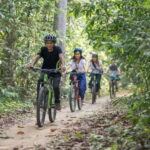
The bicycle part changes how the temples feel. You’re moving at a human speed, which means you notice details you might otherwise miss when you’re stuck in a vehicle. It also tends to make the early starts more tolerable because the body warms up as you ride.
I also like the “lower-impact” angle. It’s not just marketing. Less time in cars can mean fewer logistics problems, and it usually keeps the day feeling calmer even when you’re covering a lot of ground.
You can also read our reviews of more evening experiences in Siem Reap
Sunrise vs Sunset: Two Different Angkor Days
This is the biggest decision you’ll make. Both versions cover the key Angkor highlights, but the emotional payoff is different.
Sunrise option: pre-dawn Angkor Wat
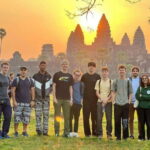
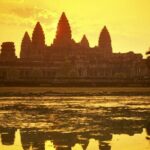
If you go sunrise, expect an early start and a guided plan to get you to a good viewing spot before the crowds peak. Watching Angkor Wat in the first light is something people talk about for a reason. The temple is massive, and the symmetry really hits when the sky is still changing.
You’ll also get a “night-to-morning” ride feel: moving through darker roads and paths before everything lights up. One recurring piece of feedback is that early riding can be dim, so it’s worth thinking about how you’ll see clearly.
Sunset option: finish at Phnom Bakheng
Sunset riders trade the pre-dawn wake-up for a later finish at Phnom Bakheng, a hilltop temple that overlooks Angkor Wat. The payoff here is the view line: you’re looking down toward Angkor Wat while the light softens.
This version tends to feel less like a sprint. The day still has activity—there’s walking and climbing—but the energy is usually more relaxed because you’re not dealing with the darkest hours.
Small-Group Cycling: Pacing You Can Actually Keep Up With
This tour is capped at 15 travelers, which matters more than you’d think at Angkor. In a big crowd, you spend time waiting. In a small group, the guide can slow down when you need a breather, and you can ask questions without shouting over a busload.
You’ll also be in a group format that supports photography. People get pointed to photo positions at temples, and the guide’s attention often shows up in how smoothly you transition from riding to walking.
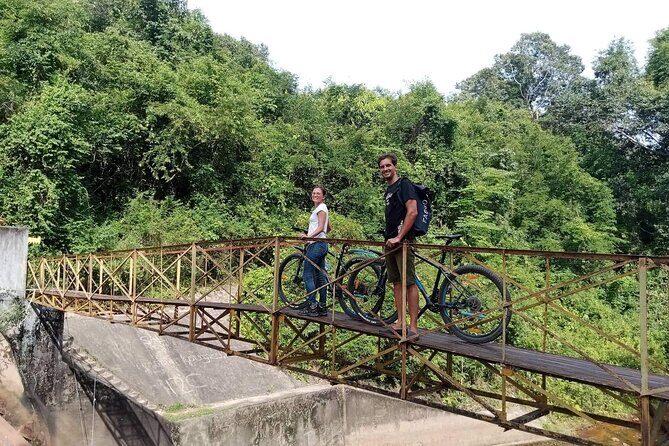
One thing to know up front: the day is not just “sit and ride.” Plan for a mix of biking, walking, and climbing—especially at the more vertical temple stops. The tour lists moderate physical fitness as a baseline, and that’s a fair description.
A few more Siem Reap tours and experiences worth a look
Stop by Stop: The Core Temples You’ll See
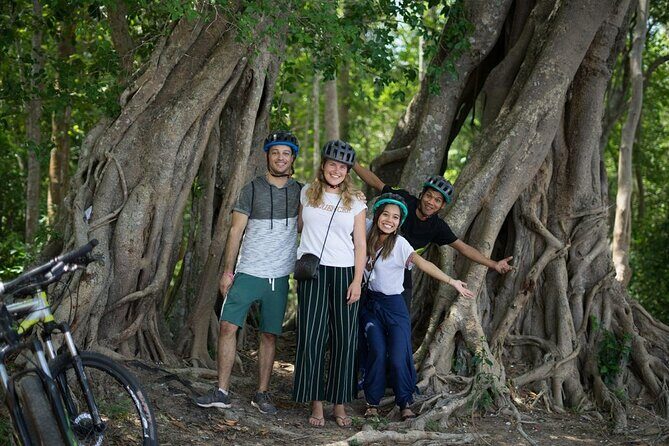
You’ll hit a lineup of Angkor classics, with a guide to help you connect the dots.
Angkor Wat: the sunrise moment
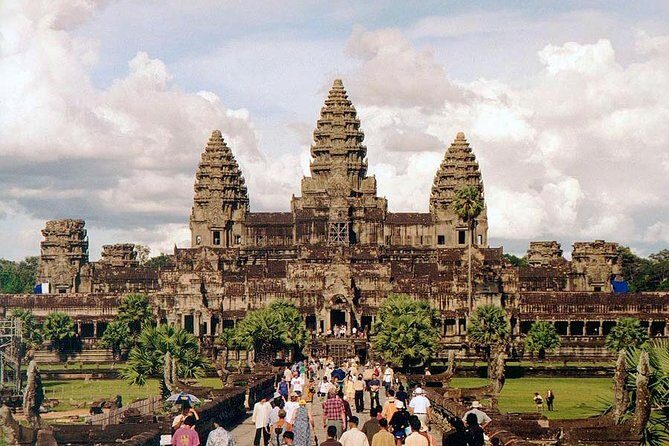
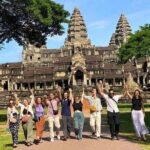
Angkor Wat is the anchor of the day. You’ll start here for sunrise tours, leaving early so you can watch the sky shift over the largest religious complex in the world. The guide typically explains what you’re seeing—how the layout and symbolism work—so the temple doesn’t feel like just a pretty picture.
Admission isn’t included, so you’ll need your temple pass on top of the tour price. (That extra cost is normal for Angkor, but it’s the one thing that can change the total price.)
Angkor Thom and the South Gate
Next comes Angkor Thom, the later capital of the Khmer Empire. You’ll pass through the famous South Gate, where the carved figures face off in that eternal push-pull theme. It’s a powerful first “wow” moment because it feels like a whole story before you even reach the center.
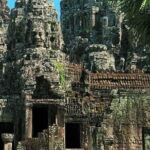
Then you’ll go to Bayon at the heart of Angkor Thom. Bayon’s face towers are one of the most memorable visual signatures of Angkor. With a guide on board, you’re not just looking at shapes—you’re getting help understanding why the Bayon stands where it does and what it communicates.
Ta Prohm: the jungle temple people photograph
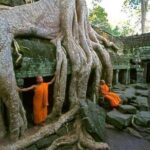
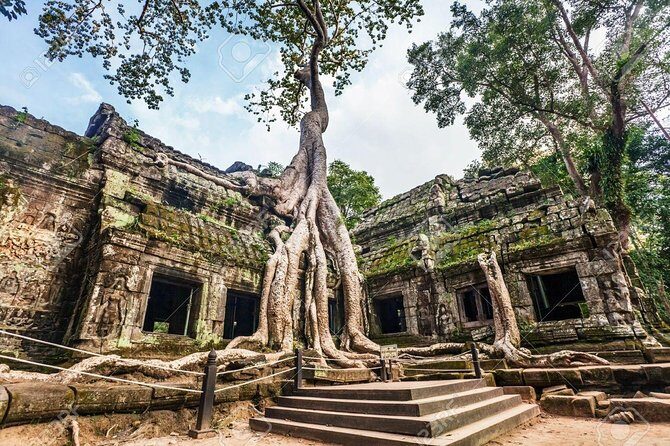
Ta Prohm is the temple most tied to pop culture, including the Tomb Raider association, but it still works even if you ignore that connection. What makes it special on a bike tour is how you arrive and then move through it with momentum. The setting of ruined stone plus jungle growth creates a mood that feels both ancient and alive.
You’ll get a focused visit with time to walk and look up. This stop is usually a favorite because it’s visually dramatic from multiple angles.
Banteay Kdei: monk-cell ruins and root patterns
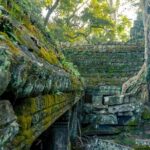
After Ta Prohm, you’ll head to Banteay Kdei, often described as the citadel of monks’ cells. The standout detail here is the interplay between stone and plant growth—especially the roots threading through the ruins.
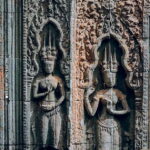
If you like texture and craftsmanship, this stop delivers. It’s less “iconic postcard” and more “how did they build this, and what survived?” That contrast is one reason the overall route works: it balances spectacle with quieter ruin beauty.
Ta Keo: the pyramid that never finished
Ta Keo is different from most temples you’ll see. It was never finished, and that unfinished state creates a mood and silhouette that feel sharper and more stark. You’ll see the layered, square-pyramid structure, and climbing may be part of your experience depending on the flow of the day and the areas open at the time.
This stop is great if you want a temple that doesn’t feel like it’s been polished into one single photo angle. It encourages a slower look.
Phnom Bakheng at Sunset: The Big View Finish
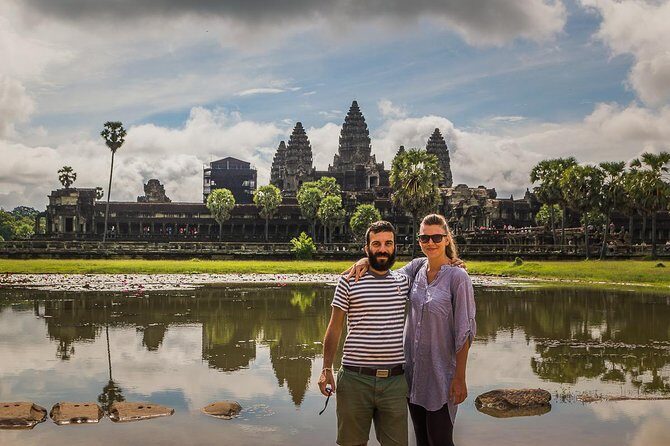
If you choose sunset timing, Phnom Bakheng becomes the final highlight. It’s older than Angkor Wat and sits high enough to give that classic overlook toward Angkor Wat.
This is the kind of temple where timing matters. If you get the light right, the whole scene looks more dimensional—temple towers, tree line, and the distant complex all layered together.
Just know that this finish can feel like a “do not miss” moment. The day builds toward it, so plan to stay alert and keep your energy for the final climb.
Price and Value: Why $45 Can Still Be a Good Deal
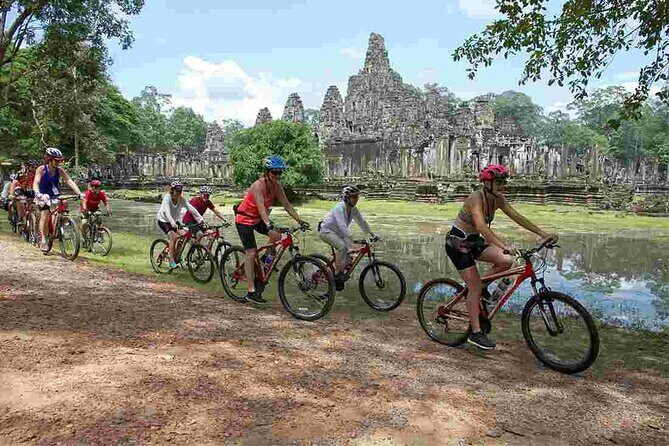
The tour price is $45 per person and it includes guide, bicycles, bottled water, and pickup/drop-off from Siem Reap hotels. That’s a meaningful bundle in Siem Reap, where bike rentals and transport can add up quickly.
The two things you’ll still pay separately are:
- Temple pass (Angkor Pass)
- Lunch (not included)
So your total trip cost depends on how you budget for those. But even with that in mind, you’re not paying extra for the hardest part of planning: a guided route, two-way transfers, and the bike itself.
One more practical note: this kind of tour is often booked ahead, with an average booking window around 12 days. If you’re traveling during peak season, I’d treat early reservations as part of the plan, not an afterthought.
What the Included Transfers Solve
Angkor days can start badly if you lose time to coordination. Here, you get 2-way transfers between your hotel and the base, which means you’re not searching for bikes, arguing about meeting points, or trying to time a tuk-tuk schedule.
That matters because the temples still demand early arrivals. Sunrise tours especially don’t leave you a lot of flexibility. If you hate rushing, this is a good reason to choose a tour like this instead of stitching it together yourself.
Practical Tips: Make the Early and Dark Riding Safer
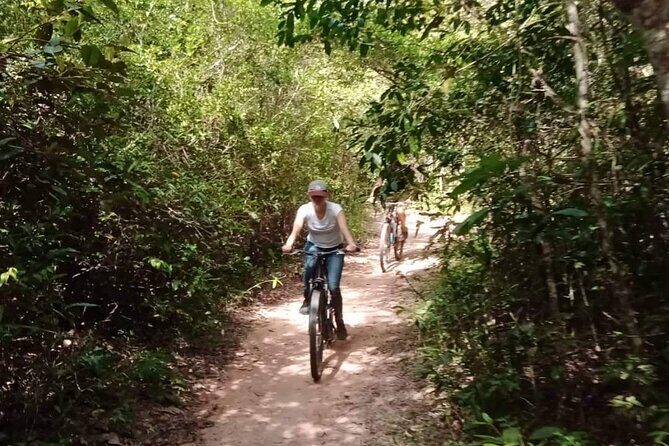
A couple of riders have flagged that sunrise biking can be dark, including night riding on roads and paths. That’s the kind of issue you can solve with simple prep.
Here’s what I’d do before you go:
- Check your bike gear at pickup, including the condition of lights or reflectors
- If you’re prone to low-light trouble, bring a small flashlight or clip light for extra visibility
- Wear something breathable and secure for early morning (zippers, not loose straps)
Also, wear shoes you trust for uneven ground. Even though you’re biking most of the day, the stops include walking and climbing. Flip-flops and smooth-soled sandals can turn a great temple day into an awkward one fast.
Bring water if you can, even though bottled water is included. And pack light snacks if you’re not sure how your day’s meals will land—lunch is not part of the tour.
The Guide Factor: When Commentary Makes the Temples Click
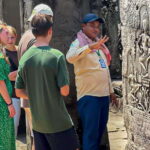
One of the clearest strengths in rider feedback is how much the guide adds. Guides are not all the same at Angkor. The best ones help you read what you’re seeing instead of leaving you with a list of temple names.
A name that comes up is Sam Vone, praised for history and Khmer context and even for helping people get great photos. Even if your guide isn’t the same person, the lesson holds: choose a tour where the guide clearly enjoys explaining. It changes everything at places like Bayon and Ta Prohm, where details can be easy to miss on your own.
Who Should Book This Angkor Wat Bike Tour
This tour is a solid match if:
- You want a guided Angkor day that doesn’t depend on you finding transport
- You like active sightseeing more than bus touring
- You’re comfortable biking for stretches, then walking and climbing at temples
- You prefer small-group pacing and photo-friendly guidance
It’s also great if you like variety. The route balances the big iconic sights (Angkor Wat, Bayon) with temples that feel more “ruin and nature” (Ta Prohm, Banteay Kdei). That mix helps the day stay interesting instead of becoming a repetitive sequence of stone courtyards.
If you hate early starts, pick sunset. If you love big views and morning light, pick sunrise.
Should You Book It?
I’d book this if your ideal Angkor day looks like active sightseeing with a plan. The included bikes, water, and hotel transfers make it easier than trying to DIY the route, and the small group size keeps things human.
Do it with your eyes open about effort. You’re looking at a 7 to 8 hour day with real movement, plus walking and climbing. If that fits your stamina, you’ll likely love the way the temples unfold at a pace that feels earned, not rushed.
Finally, treat your temple pass as part of your budget from day one, not a surprise at the gate. Once that’s handled, the $45 price is a strong value for how much route planning you’re getting.
FAQ
How long is the sunrise or sunset bicycle tour?
It runs about 7 to 8 hours.
What’s the price per person?
The price is $45.00 per person.
Do I need to buy a temple pass?
Yes. The Angkor Pass / temple pass is not included in the tour price.
Is pickup from my hotel included?
Yes. The tour includes pickup and drop-off from Siem Reap hotels.
Are bicycles and water included?
Yes. You get bicycles and bottled water.
Do I have to bring lunch?
Lunch is not included, so you’ll want to plan for food on your own.
How big is the group?
The tour has a maximum of 15 travelers.
Do I choose sunrise or sunset?
Yes. You can choose a sunrise experience at Angkor Wat or a sunset finish at Phnom Bakheng.
Where does the tour start?
The meeting point is Siem Reap Pub Hostel, behind Angkor Night Market, Krong Siem Reap, Cambodia, near the listed address.
Is the tour suitable for everyone?
It’s aimed at people with moderate physical fitness since you’ll ride, then walk and climb at temples.