REVIEW · SIEM REAP
Unveiling Angkor Wat Sunrise, Bayon, Ta Prohm In Small Group Tour
Book on Viator →Operated by Siem Reap Guide · Bookable on Viator
Angkor Wat looks unreal at sunrise, and this tour helps you get there without the big-bus chaos. Sunrise viewing is the headline, but what I like is that you don’t rush away right after the first light. You’ll keep moving through the temples with a small group, long enough to actually see details instead of just collecting photos.
Two things I really value: air-conditioned transport from your Siem Reap hotel, and the chance to get real answers from your guide while you walk. On one recent run, guide Sam Pho led the group through Angkor Wat, Bayon, and Ta Prohm, and that kind of calm, hands-on guidance makes a huge difference when you’re trying to understand what you’re looking at.
One consideration: admission fees aren’t included, and you’ll be up early. Also, plan to follow the dress code closely (knees and shoulders covered), or you risk being turned away at holy sites.
In This Review
- Key takeaways before you go
- Why 4:45 am makes sense for Angkor Wat
- The real value: air-conditioned transfers and smoother pickup
- Angkor Wat after sunrise: how to spend your 3 hours well
- Dress code warning for Angkor Wat
- Bayon’s Buddha faces: the temple that changes your mood
- Ta Prohm: how to handle the jungle-overgrown vibe
- Angkor Thom South Gate photos: quick, useful, and worth it
- Price and what’s actually included for $18
- Who this small-group sunrise tour suits best
- What to pack so the day doesn’t beat you
- Should you book this sunrise Angkor Wat tour?
- FAQ
- What time does the tour start?
- How long is the tour?
- Is hotel pickup and drop-off included?
- Are admission fees included?
- What’s the maximum group size?
- What should I wear?
- Can I cancel for a full refund?
Key takeaways before you go
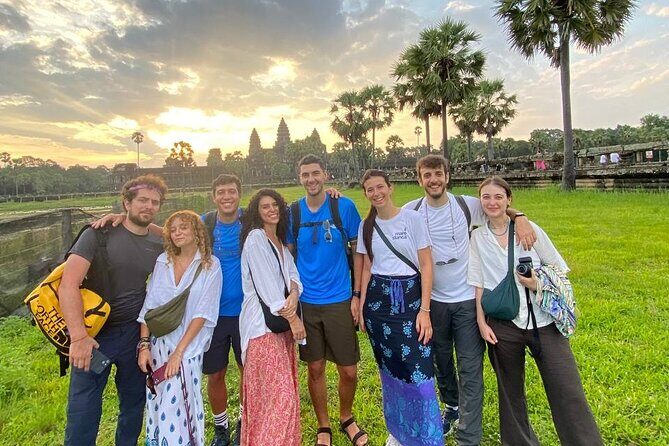
- Small group size (max 12) means less waiting and easier questions.
- Hotel pickup and drop-off removes the stress of getting to the pickup point at 4:45 am.
- Angkor Wat timing includes sunrise plus a longer on-site window after the main spectacle.
- Photography support is built into the experience, so you’re not figuring angles out alone.
- Comfort details like cold waters and wipes help you keep going through the morning heat.
Why 4:45 am makes sense for Angkor Wat
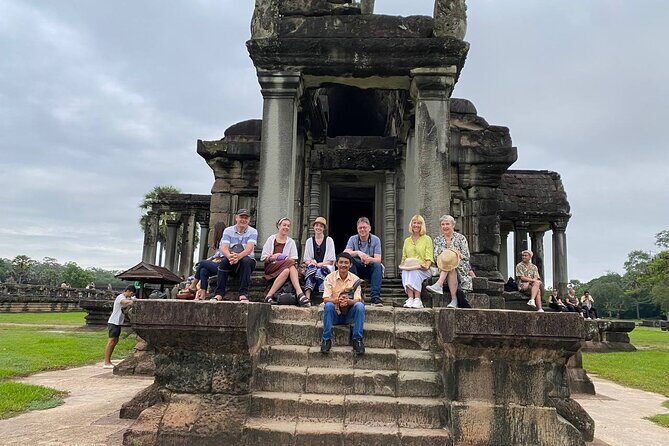
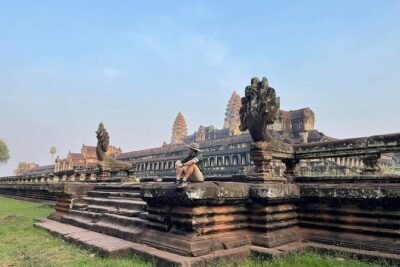
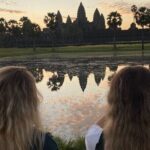
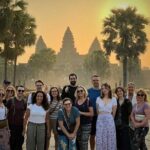
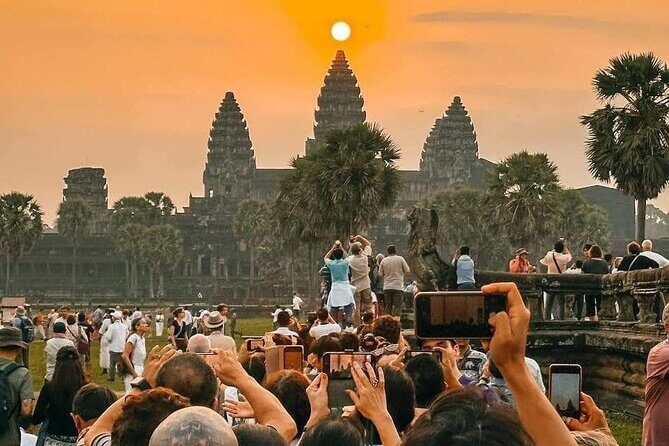
Starting at 4:45 am sounds brutal until you understand what you’re actually buying. Angkor is a long day even without crowds, so an early start is how you maximize the one time of day when Angkor Wat looks extra dramatic. At sunrise, the temple silhouette against the sky is the classic image you’ve probably seen in postcards. The difference here is that you’re not stuck in a rigid, one-and-done rush.
You’ll spend about 3 hours at Angkor Wat, and that’s a smart amount of time. Sunrise is the first act, but later you’ll get better lighting for exploring carvings, pathways, and the temple layout. Sunrise hours can feel like a photo sprint; a longer block lets you slow down once the sky has done its best work.
If you hate feeling rushed, this timing is for you. If you love sleep and aren’t a morning person, bring your best attitude—because the day begins before most breakfasts in Siem Reap.
A few more Siem Reap tours and experiences worth a look

The real value: air-conditioned transfers and smoother pickup
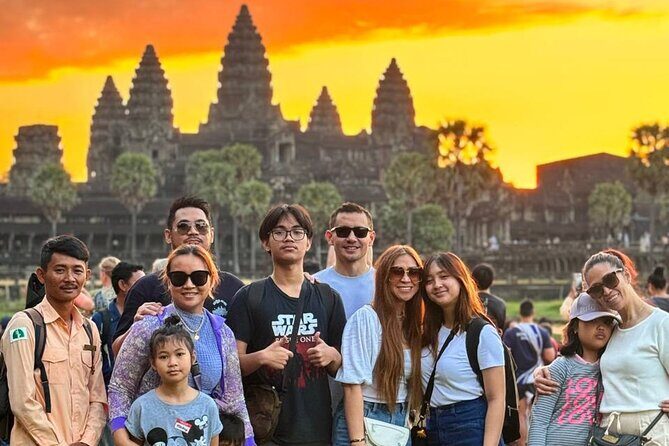
This tour keeps logistics simple in three ways. First, you get round-trip hotel transfer. That matters more than people think. Angkor tours fail when you waste time hunting down meeting points before daylight and heat kick in.
Second, the transport is private air-conditioned mini van. Once you’ve been outside for a while, having AC waiting to reset you is a big quality-of-life boost. And since the tour runs about 6 to 8 hours, you’ll feel that comfort again on the way back.
Third, there’s a practical mobile-ticket setup. You can download your ticket and show it to your driver to help you breeze through pickup. That’s a small detail, but in Cambodia’s tour scene, small efficiency wins you time.
Angkor Wat after sunrise: how to spend your 3 hours well
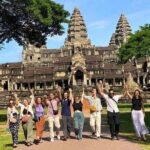
Angkor Wat is the centerpiece, and you’re allocated enough time to experience it in more than one mode.
Here’s how I’d use that 3-hour window if you want the best mix of emotion and observation:
- Start with sunrise viewing so the temple meets the sky at the moment everyone came for.
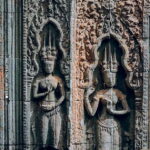
- After the peak photo moment, shift to structure. Look for axis lines, terraces, and the way walkways guide you through the temple’s geometry.
- Take breaks. The morning can still feel hot and bright, and you’ll be walking.
A nice bonus built into the experience: you’ll have a guide (and also a photography guide). That means if you care about where to stand or how to frame shots without blocking others, you’re not guessing. A guide can also help you read what you’re seeing, so it doesn’t just turn into standing in the same spot for a long time.
Also note what’s not included: your admission ticket. You’ll need to handle entry fees separately from the tour price, so plan your budget that way.
Dress code warning for Angkor Wat
Even at Angkor, you’re not just touring like it’s a theme park. You’ll need a formal dress code: shoulders and knees covered for both men and women. No shorts or sleeveless tops. This is one of those rules that can be enforced, so come prepared—otherwise you might lose time or get refused entry.
Bayon’s Buddha faces: the temple that changes your mood
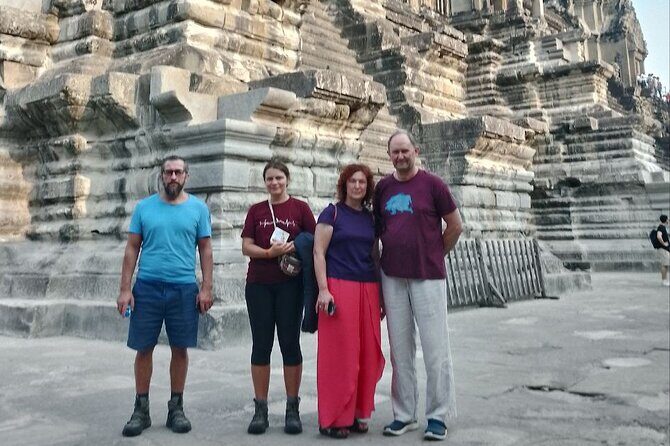
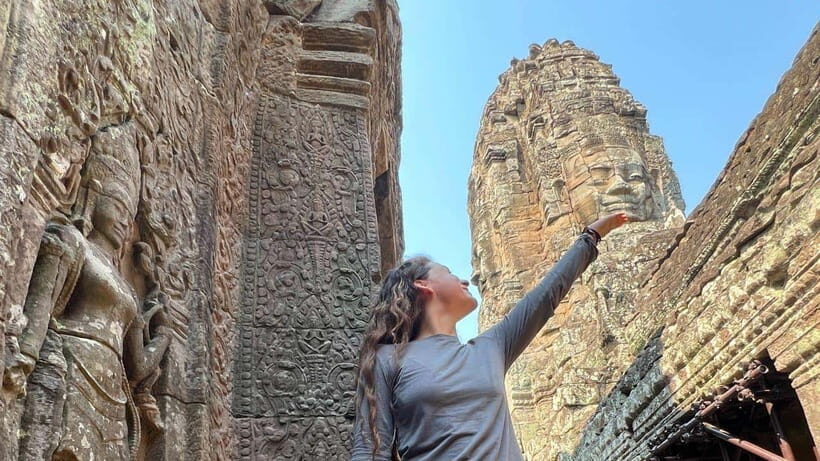
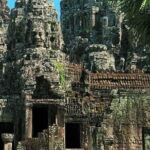
After Angkor Wat, you head into Angkor Thom and stop at Bayon Temple for about 1 hour. This is where the mood shifts. Angkor Wat is grand and symmetrical; Bayon feels more intimate and eerie because of the famous Buddha faces carved into towers.
An hour is enough, but only if you don’t treat it like a quick photo stop. I recommend using this time to:
- Walk different angles. Those faces look different as you move around.
- Pay attention to the spacing and how visitors flow through the area. Bayon gets busy, and moving calmly helps you see carvings without crowding.
- Listen for your guide’s explanation. Bayon can feel confusing until you understand how you’re meant to read the space.
Since this is a small group format, you should have an easier time asking questions without shouting over a crowd. If you want context—what you’re seeing, why it’s laid out this way—this is the part where you’ll get the most benefit.


Ta Prohm: how to handle the jungle-overgrown vibe
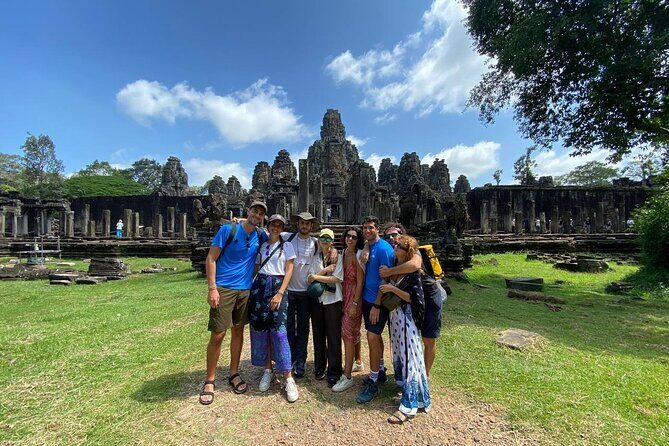
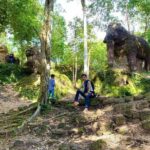
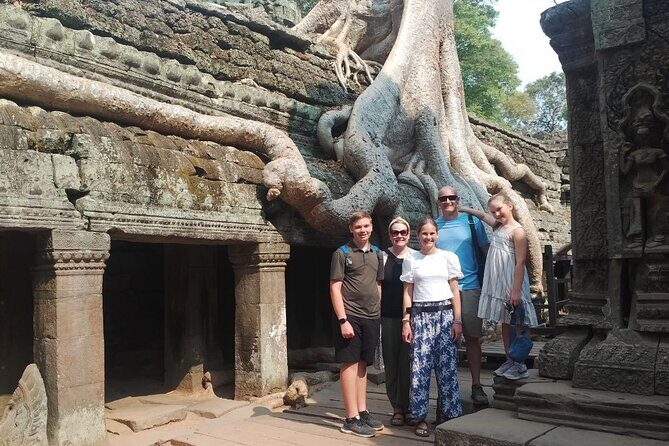
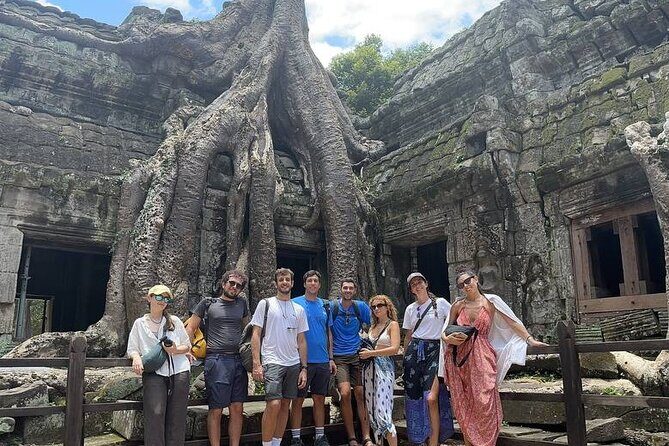
Next is Ta Prohm, often known for the way roots and jungle growth mingle with the temple ruins. You’ll have about 1 hour here.
Ta Prohm is one of those places where the setting becomes part of the storytelling. The overgrown look isn’t just “cool for photos.” It changes how you move through the ruins because you’re surrounded by irregular surfaces, shaded areas, and the sense that nature is reclaiming space. The result is dramatic—and it’s why Ta Prohm always earns its reputation.
Practical advice:
- Wear walking shoes. The ground can be uneven, and you’ll want stable footing.
- Go slowly. If you rush, you’ll miss the way the roots frame doorways and columns.
- Expect shade and shifting light. Ta Prohm has more contrast than Angkor Wat, so bring your eyes for detail, not just the biggest shot.
You’ll leave with that classic Ta Prohm feeling: old stone, wild growth, and a temple that looks like it’s been frozen mid-moment.
Angkor Thom South Gate photos: quick, useful, and worth it
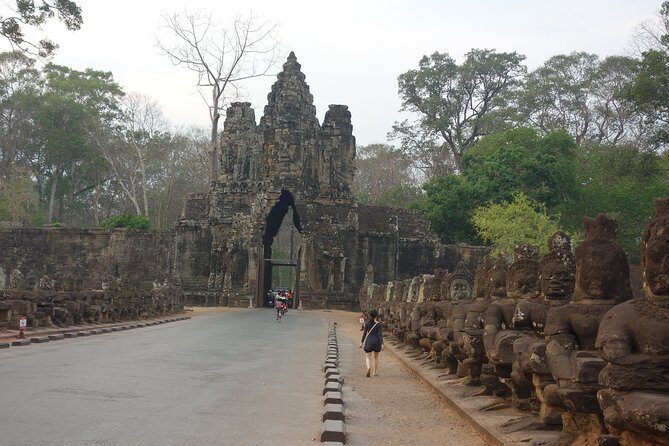
To cap the day, you’ll stop at Angkor Thom South Gate for about 10 minutes (for photos at the South or North Gate area).
Ten minutes sounds short, but it’s actually a smart rhythm. Think of it as a breather: you get one last framing moment before heading back. Gates are also perfect for wide shots because you can capture scale and the temple’s relationship to the surrounding paths.
Just don’t expect a long wander here. This is photo time, not exploration time.
Price and what’s actually included for $18
The tour price is listed at $18.00 per person, and that’s the kind of number that makes you wonder what’s missing. Here’s the catch: admission fees aren’t included. So you should budget for park entry separately.
What you do get for the money is the part that usually costs more in practice:
- Private air-conditioned mini van with a professional guide/driver
- Photography guide support
- Hotel pickup and drop-off
- Cold waters and wipes
- Toll roads and parking lots
That combination is where the value sits. Angkor tours can get expensive when transport and guides are handled poorly or when you’re forced into long, inefficient waiting. In this format, you’re paying mainly for organized movement, comfort, and interpretation.
Also, you’re not promised breakfast or lunch. The tour doesn’t include those meals, so you’ll want to eat before you’re picked up or plan for food after you return.
Who this small-group sunrise tour suits best
This is a strong fit if you:
- Want sunrise without a huge group
- Prefer a smoother day with pickup and AC
- Like temple experiences where you can ask questions and not feel ignored
- Will follow a dress code and show up with good walking shoes
- Care about photography timing, framing, or just getting better shots without blocking others
It may be a less ideal fit if you:
- Hate early mornings and struggle to wake up at 4:45 am
- Refuse to cover knees and shoulders even for short periods
- Have limited tolerance for standing and walking on uneven temple paths
What to pack so the day doesn’t beat you
This tour is outdoors for long stretches, and the timing means you’ll move from cool dawn to warmer daylight fast. Based on the guidance provided for the experience, pack:
- Sunblock
- Mosquito repellent
- Walking shoes or sneakers
- Light layers that still keep shoulders and knees covered
Also, bring a water habit mindset. You’ll receive cold waters on tour, which is great, but you’ll still want to sip regularly and not wait until you’re already tired.
Should you book this sunrise Angkor Wat tour?
If you want a first-rate Angkor day without the giant-group feel, I’d book it. The early start works, and the real win is the balance: sunrise at Angkor Wat plus real time at other signature temples like Bayon and Ta Prohm.
Book it especially if you value organization—AC transport, hotel pickup/drop-off, small group size up to 12, and guide support that helps you understand what you’re seeing.
Skip or reconsider if you don’t want to pay admission fees separately, can’t manage a formal dress code, or aren’t comfortable with a long walking schedule in temple areas.
FAQ
What time does the tour start?
The tour starts at 4:45 am.
How long is the tour?
It runs about 6 to 8 hours.
Is hotel pickup and drop-off included?
Yes. Hotel pickup and drop-off are included.
Are admission fees included?
No. Admission fees for the Angkor Park area are not included, so you’ll need to buy those separately.
What’s the maximum group size?
The tour has a maximum of 12 travelers.
What should I wear?
You need to cover knees and shoulders. That means no shorts or sleeveless tops. Dress code is formal for holy sites.
Can I cancel for a full refund?
Yes. You can cancel up to 24 hours in advance for a full refund.